



















In this post, we’ll unpack-
-
Why winter hydration is more important than you might think
-
How maintaining a steady fluid balance helps immunity
-
Signs you might be dehydrated
-
Practical ways to keep your fluid intake up, even when they may not be top of mind
By: Kayla Girgen, RD, LD, CPT
When it’s hot outside, staying hydrated feels like second nature- you’re sweating buckets, your mouth feels parched, and a cold drink just hits the spot. Quenching your thirst is effortless, but once the temperatures drop, those cues fade. You may not feel as thirsty in the winter, but that doesn’t mean your body doesn’t need water.
In fact, staying hydrated in cold weather is every bit as important as it is in summer- maybe even more so if you want to keep your immune system running strong. Even in chilly temps, your body continues to lose water through breathing, sweating (even under all those layers), and everyday metabolic functions. Combine that with dry indoor air, cold winds, and a weaker sense of thirst, and dehydration can sneak up faster than you think.
Why You Get Dehydrated in Cold Weather
In cooler temperatures, your body is constantly turning over fluids- about 2 to 2.5 liters of water every day through metabolism, breathing, evaporation, and excrement (poop and pee).
Water turnover varies from person to person. Factors like body size and composition, as well as environmental conditions such as temperature, humidity, and altitude, influence how much fluid you lose each day.
To maintain water balance, fluid intake must match or exceed fluid loss, and here’s what makes winter hydration so hard:
-
Thirst cues dull in cold weather. In chilly temperatures, blood vessels constrict to conserve heat, which temporarily increases core blood volume and signals your brain that it has enough fluid, and you don’t feel as thirsty.
- Cold, dry air pulls water from your body. Every time you exhale, moisture escapes—something you can see in frosty temps. Add in long hours spent indoors with low humidity and dry central heating, and you’re losing moisture through your skin and lungs without even realizing it.
- Bundling up makes you sweat. Layers of clothing trap heat. Whether you’re shoveling snow, hitting a winter workout, or running errands in your puffy coat, you’re likely sweating more than you realize.
- Cold exposure increases energy demands. In frigid temps, your body works overtime to stay warm. Shivering and heat production from brown fat (a “good” type of fat) burns extra calories, which means higher water turnover.
One study found that people living closer to the Arctic Circle had higher daily water turnover than those in more moderate climates. This is likely due to factors such as colder, drier air, heavier clothing, and increased energy requirements for temperature regulation.
Additionally, you’re more likely to clock extra minutes taking a hot shower or indulging in a post-workout sauna session in the winter. This is yet another way your body loses both water and electrolytes through sweat. Replacing both is key to recovery and hydration balance.
How Dehydration Impacts Immune Health
Hydration plays a quiet but powerful role in your immune system. In summer, most people instinctively drink more water, but winter means it’s prime time for germs.
Kids are back in school, swapping viruses and bacteria like tiny Petri dishes and bringing them home to share. At the other end of the spectrum, older adults- who are more vulnerable to illness and dehydration- need to stay especially mindful of their hydration.
Regardless of age, hydration helps arm the immune system by:
-
Keeping mucous membranes moist and healthy. I know, it sounds gross, but the tissues lining your nose, throat, and lungs are your body’s first line of defense against bacteria and viruses. When you’re well-hydrated, these membranes can do their job and trap pathogens more effectively.
- Flushing out invaders. More fluids are needed to keep mucus thin and moving. This helps your body clear out allergens, dust, and germs through sneezing, coughing, and blowing your nose.
- Supporting immune cell transport. Blood plasma—the fluid part of your blood—is mostly water. Staying hydrated helps your blood flow efficiently, allowing immune cells to circulate and respond faster when foreign invaders show up on the scene.
- Relieving cold and flu symptoms. Fluid losses multiply during illness, making you more vulnerable to dehydration. Runny noses, fever, sweats, vomiting, and diarrhea all pull water and electrolytes from your system. Replacing them alleviates symptoms and helps your body recover faster.
You can take all the vitamin C and elderberry you want, but if you’re chronically underhydrated, your body’s defenses are working with one hand tied behind its back. Stay hydrated for fewer and faster bouts of winter ailments.
Signs You Might Be Dehydrated (Even in Winter)
It’s easy to dismiss dehydration in the colder months, but your body gives subtle hints when it’s running low on fluids. Here are a few signs:
- Dark or infrequent urination
- Dry skin or chapped lips
- Headaches or lightheadedness
- Fatigue, brain fog, and irritability
- Cravings mistaken for hunger
- More frequent colds and slower recovery from illness
If any of these signs and symptoms sound familiar, don’t worry. Small daily habits help make the most of your hydration.
Smart Hydration Strategies for Cold Weather
When “drink more” feels like a chore, you might have to get creative to keep your fluid intake up. If a plain glass of H₂O doesn’t sound appetizing, here are some practical ways to stay hydrated even when it’s cold out:
-
Warm up your fluids: Stay warm and cozy with hot herbal tea, warm lemon water, low-sugar hot cocoa, and broth-based soups.
- Eat your water: Focus on hydrating foods like citrus, melon, berries, cucumbers, Greek yogurt, and leafy greens.
- Mind your electrolytes: Water alone isn’t enough—especially if you’re exercising, sitting in dry indoor air, or drinking caffeine. Electrolytes like sodium, potassium, and magnesium help absorb and retain fluid.
- Set visual reminders: Keep a water bottle within reach or use a hydration app to stay consistent.
- Balance dehydrating habits: Caffeine and alcohol can cause mild dehydration. Consume them mindfully and follow up every glass of wine or hot toddy with a glass of water, or try an electrolyte mocktail drink instead.
- Hydrate Before You Feel Thirsty. Thirst lags behind fluid needs in the cold, so being proactive with hydration is key. Sip regularly throughout the day, even if you’re not “feeling it.”
Dehydration doesn’t disappear in winter. Even though your thirst cues can fade in the cold, your body’s need for water doesn’t. Staying ahead on hydration supports your energy, mood, focus, and immune resilience all season long.
Don’t Let the Season Dry You Out
Winter wellness isn’t just about vitamin C and zinc- it’s about keeping your body’s most basic needs in check: good hydration and key electrolytes. From protecting your immune defenses to supporting energy, digestion, and skin health, water truly is your winter MVP.
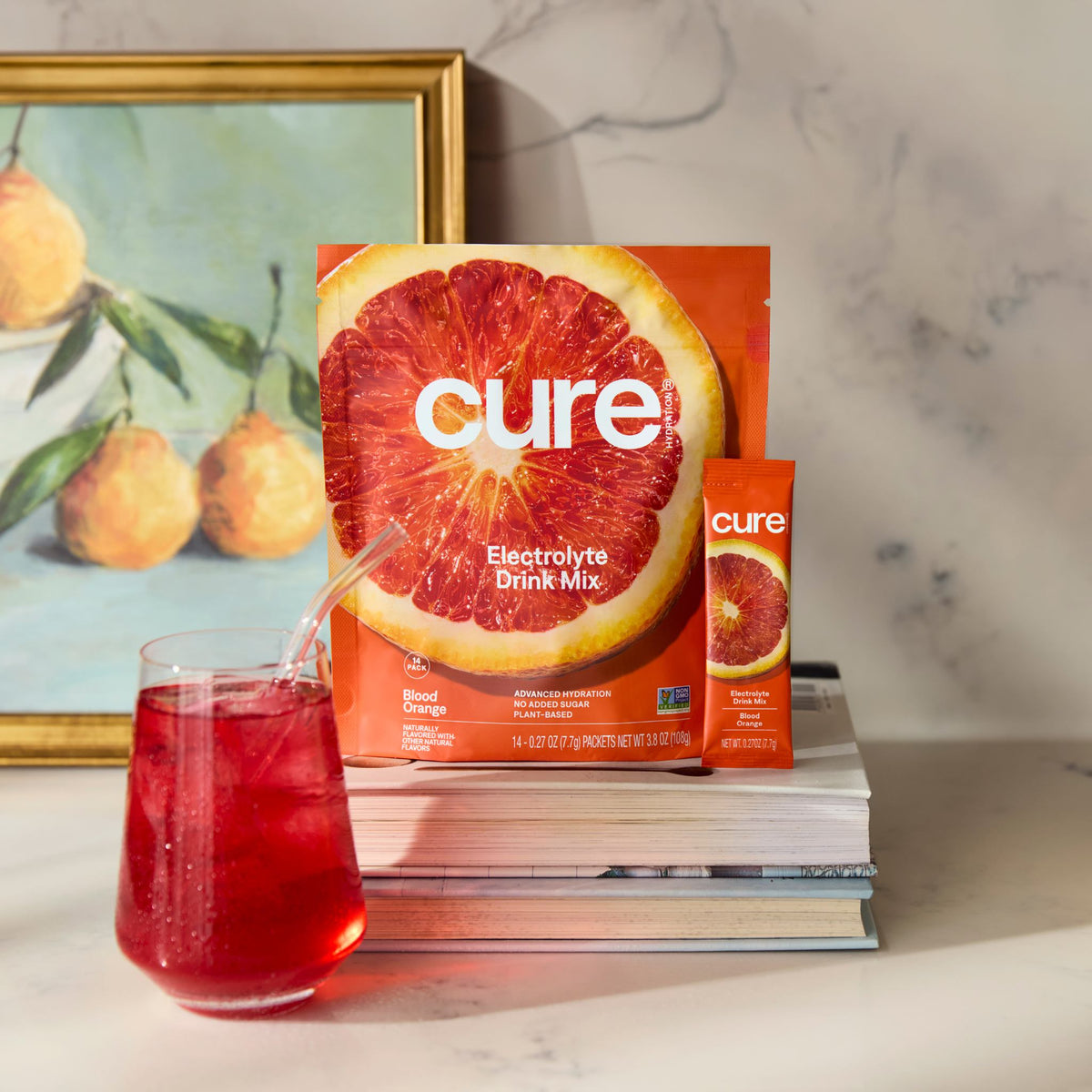
Cure is an easy, delicious way to stay hydrated when you need it most. With clean ingredients and a perfectly balanced electrolyte formula, it helps your body retain fluid and recover faster- no added sugar or artificial ingredients. Enjoy them cold or hot—like warm Ginger Tumeric!- all year round.
This winter, don’t wait until you’re thirsty. Sip often, fuel your immune system, and keep those hydration habits going strong all season long.
References