








Sip Smart, Mama: How Proper Hydration Fuels a Healthy Pregnancy
It’s no surprise that pregnancy brings on a new level of exhaustion and stress unlike
anything you’ve ever experienced before. As a pre/postnatal fitness specialist, integrative
nutrition health coach, and mom of two toddlers who is currently pregnant with my third,
I get it.
Why? From the moment of conception and throughout pregnancy, your mind and
body go through profound change and growth just like your baby. This includes your
blood volume expanding, organs adapting, and fluid compartments shifting. On top of that, your brain becomes overwhelmed with the endless “do’s” and “don’ts” of pregnancy, including how to stay properly hydrated.
The good news? In this article, you will learn why hydration is essential for both maternal and fetal health, the key benefits of hydration while pregnant, and how to easily implement hydration strategies and products like Cure for a healthy and happy pregnancy.
Why Hydration Matters During Pregnancy
As I mentioned, your body goes through tremendous physiological shifts and increased
fluid needs – among them includes increases in plasma volume, amniotic fluid volume,
and total body water. To support the growing fetus, placental circulation, and maternal
metabolism, your fluid needs to rise well above those of a nonpregnant state (PMCGo to pmc.ncbi.nlm.nih.gov/articles/PMC1595116/). As a
result, The American College of Obstetricians and Gynecologists (ACOG) recommends drinking between 64 to 96 oz of fluid per day during pregnancy. Plus, another study conducted on hydration in pregnant women found that those with lower fluid intake had higher rates of dehydration and lower amniotic fluid compared to better-hydrated peers (PMCGo to pmc.ncbi.nlm.nih.gov/articles/PMC10096982/). Thus, making hydration something that’s not optional but rather essential to a healthy pregnancy.
Key Benefits of Hydration in Pregnancy
Research suggests that adequate hydration can aid your pregnancy positively in the
following ways:
- Supports healthy amniotic fluid volume and fetal environment, resulting in a
decreased risk of restricted fetal movements, cord compression, and complications during labor and birth (PMC). - Lowers risk of preterm birth, low birth weight, and miscarriage (PMC).
- Reduces risk of some pregnancy complications like hypertension and gestational
diabetes (BMC). - Eases common pregnancy symptoms like constipation, headaches, UTIs, and
swelling (WebMD). - Enhances nutrient absorption, digestion, and the maternal–fetal exchange (PMC).
How to Implement Hydration Strategies During Pregnancy
Now that you know why and how hydration can be beneficial for your pregnancy, let’s talk
about how you can easily incorporate more water in your daily life. Here are simple
strategies to try:
- Drink a glass of water first thing in the morning- This allows you to increase your water intake before anything else and starts your day off hydrated rather than at a water intake deficit.
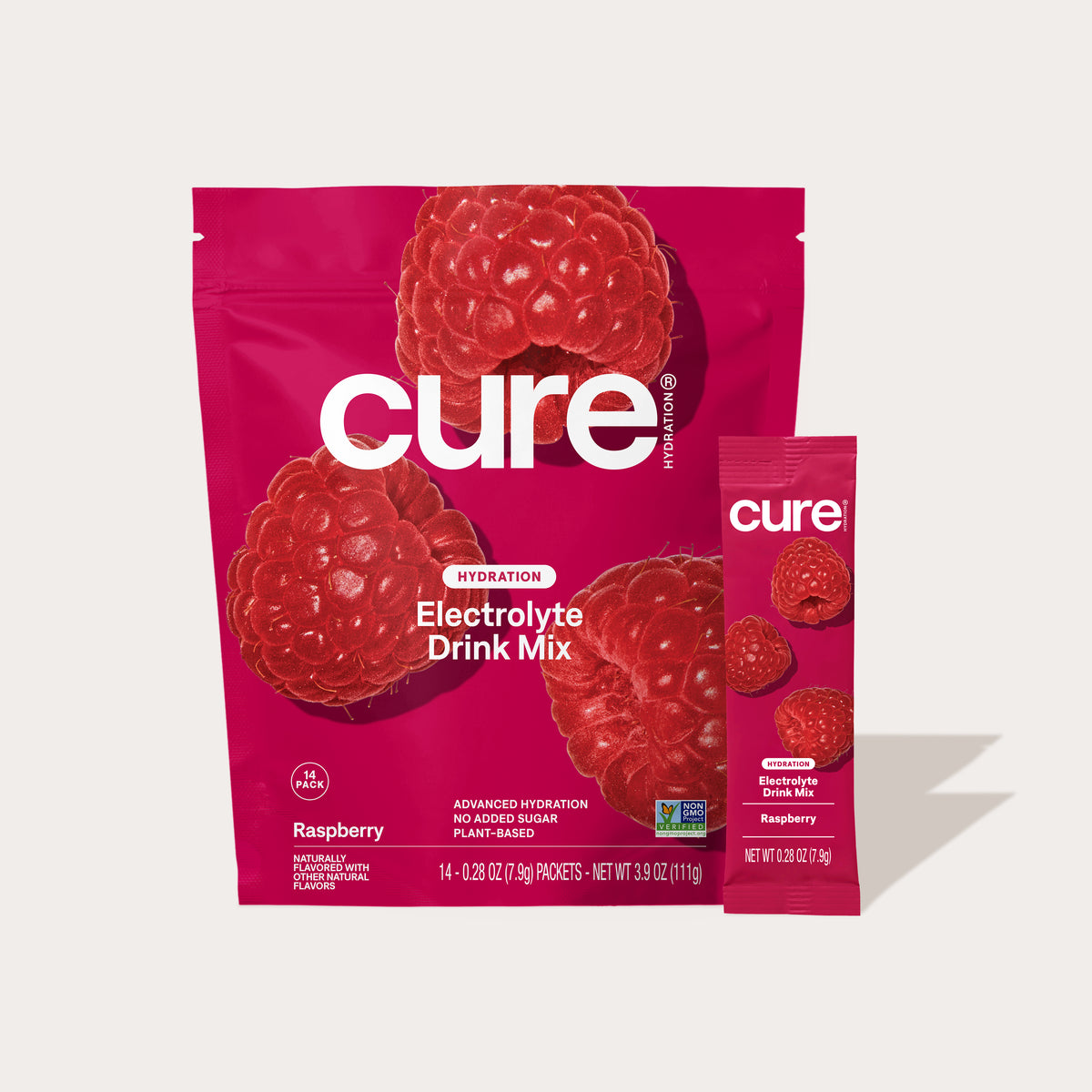
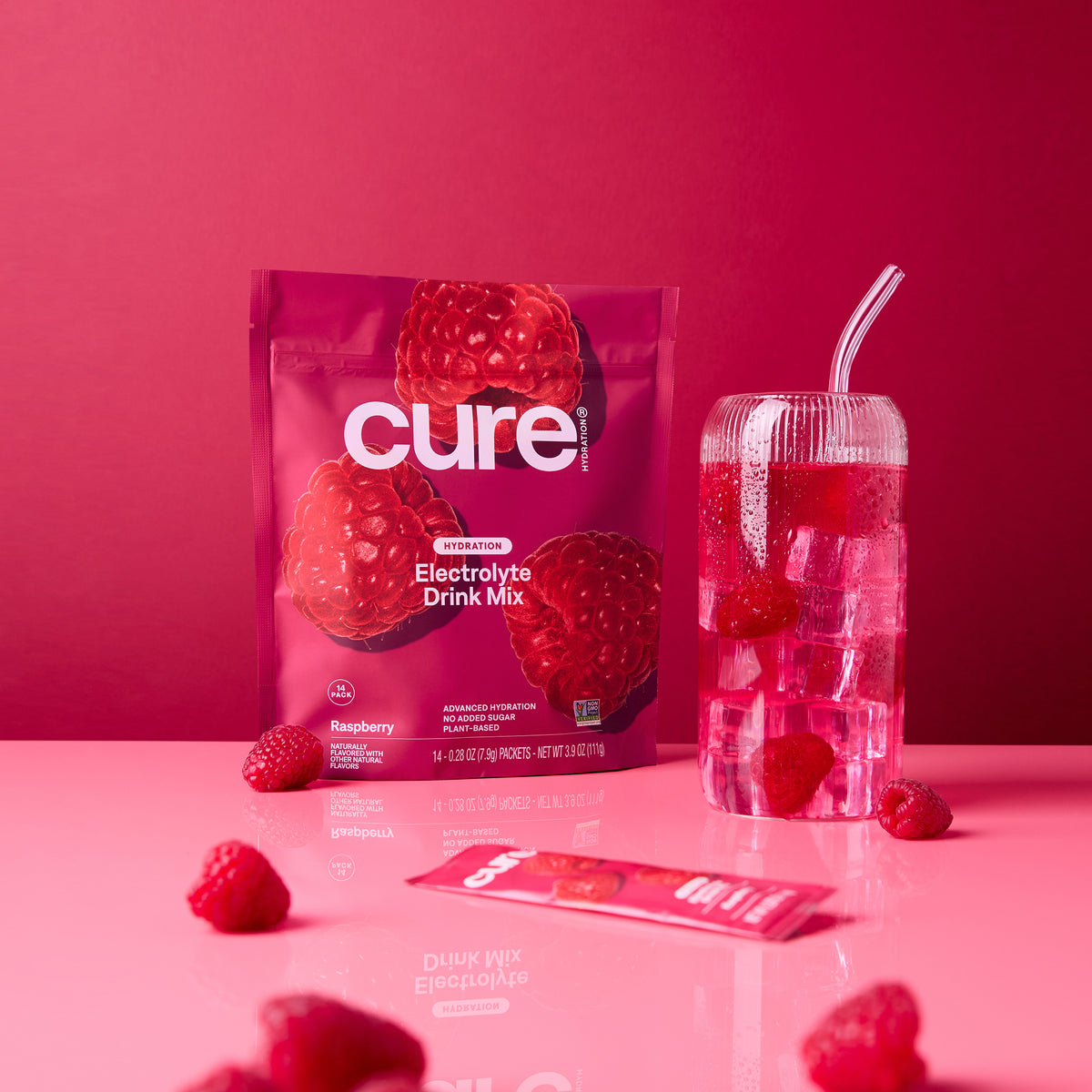
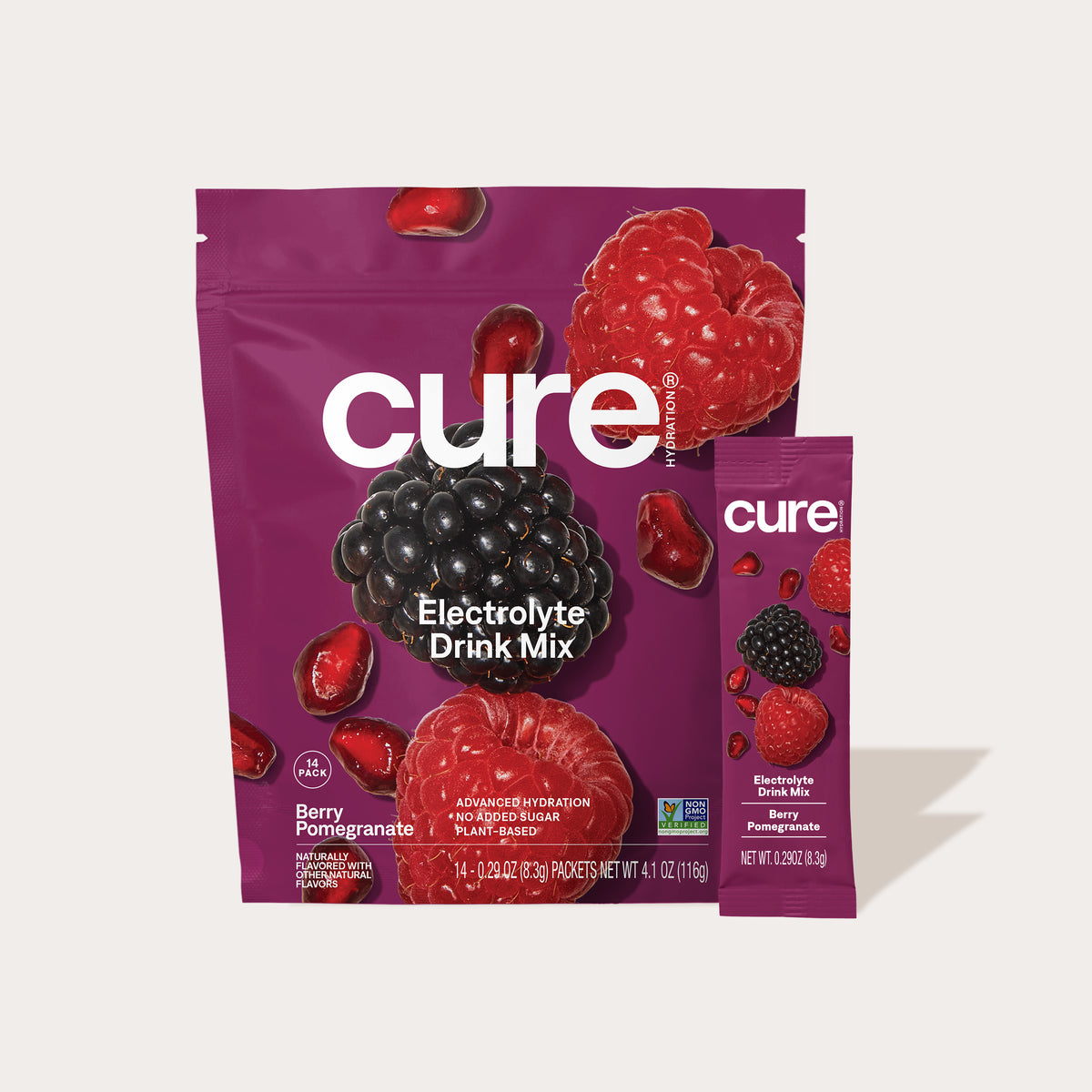
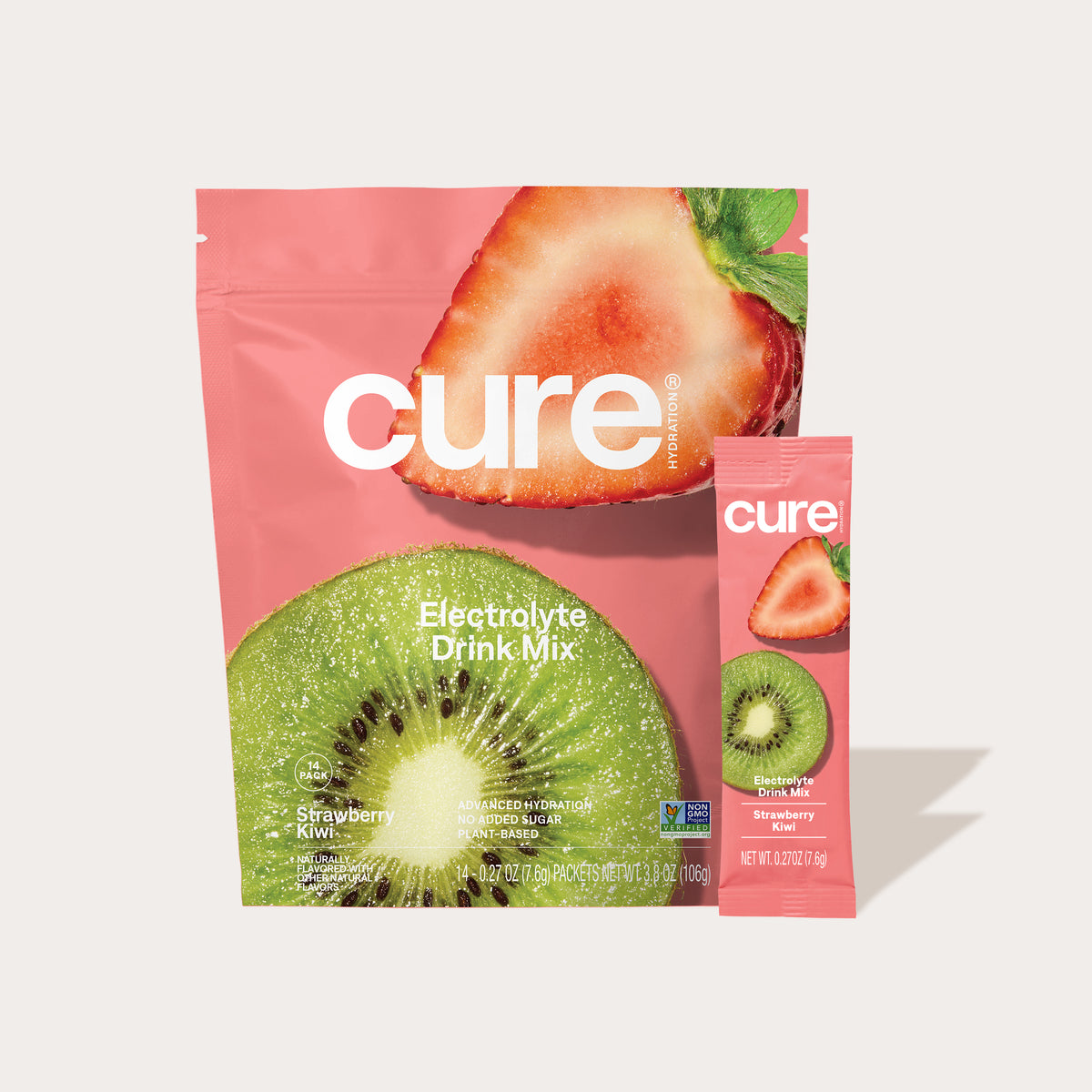
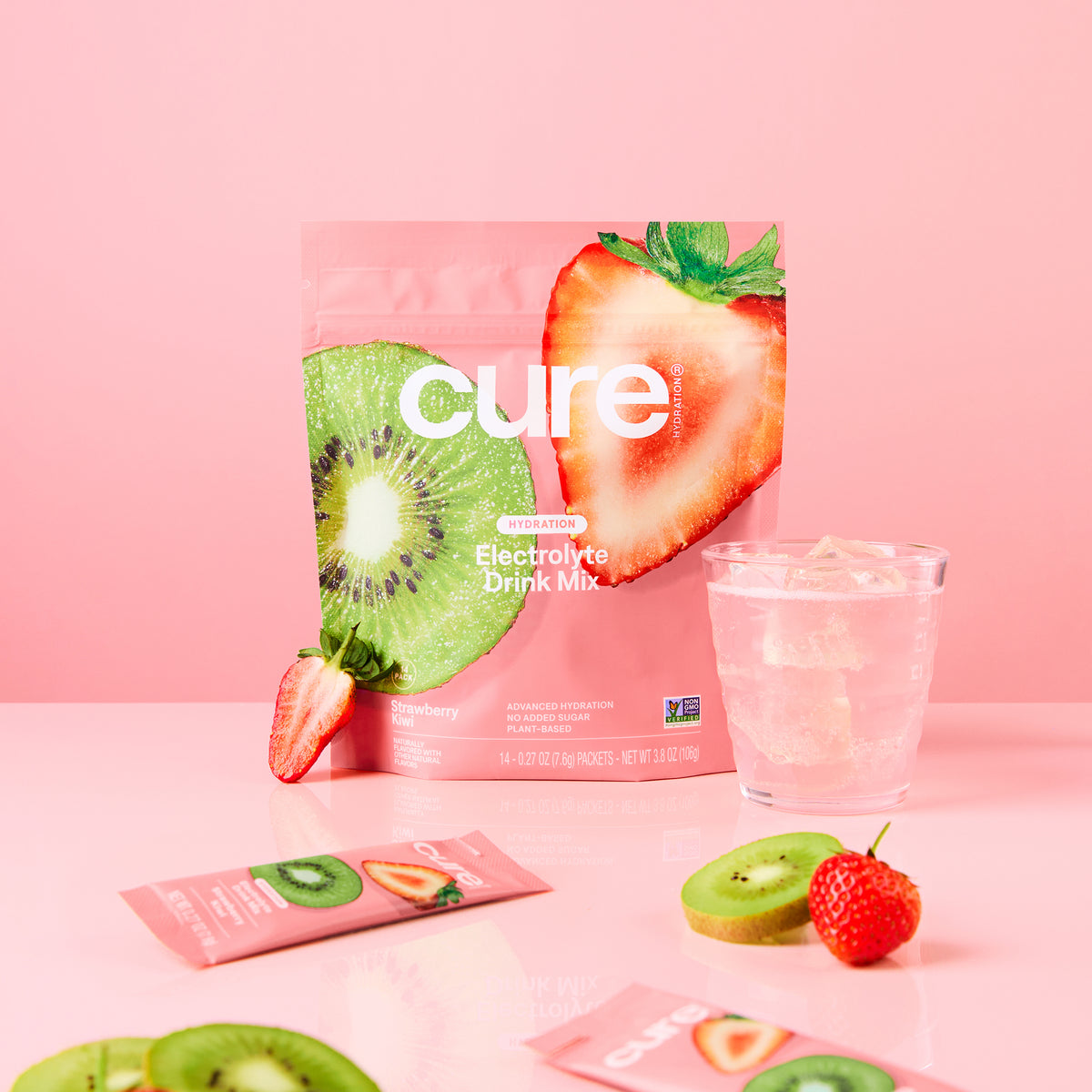
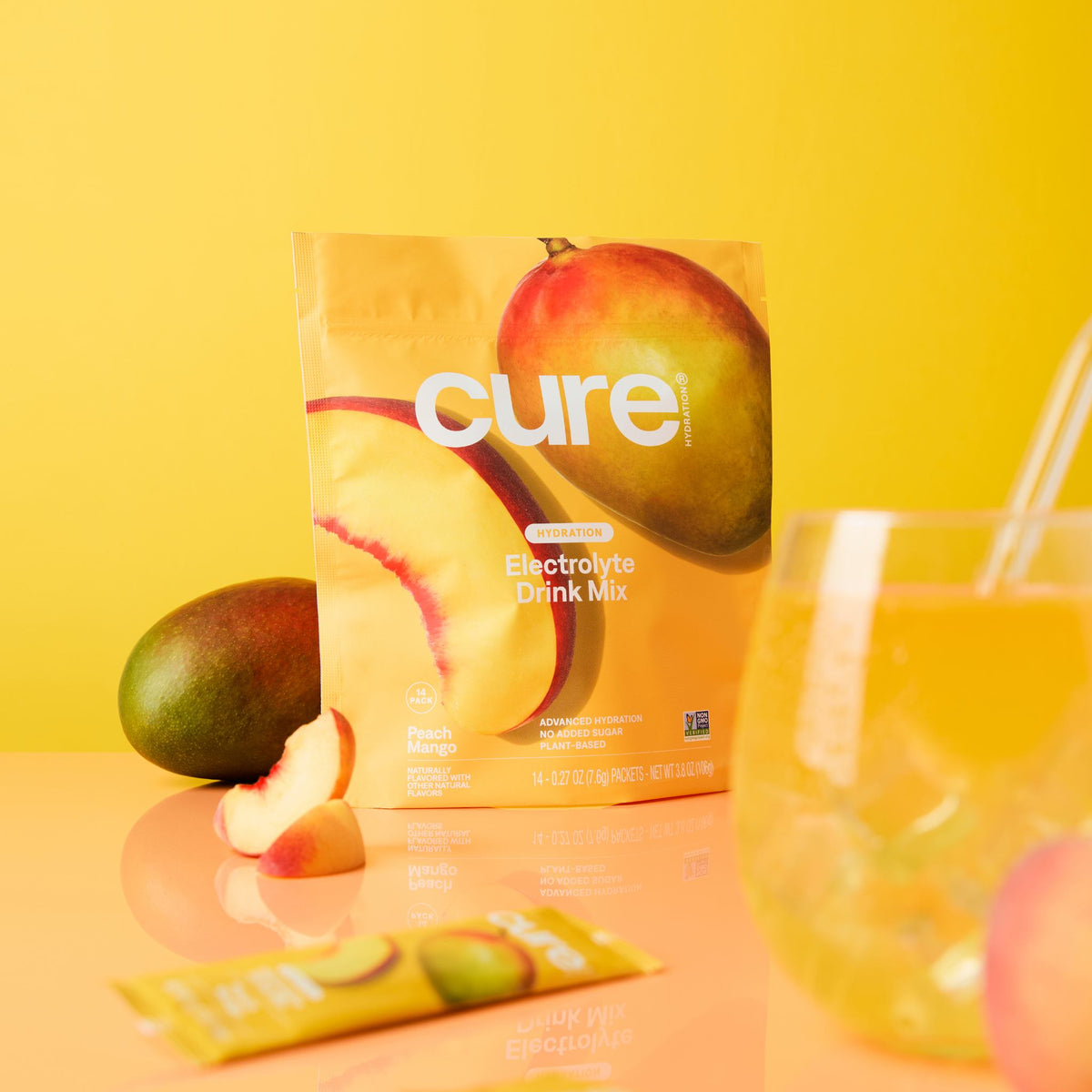
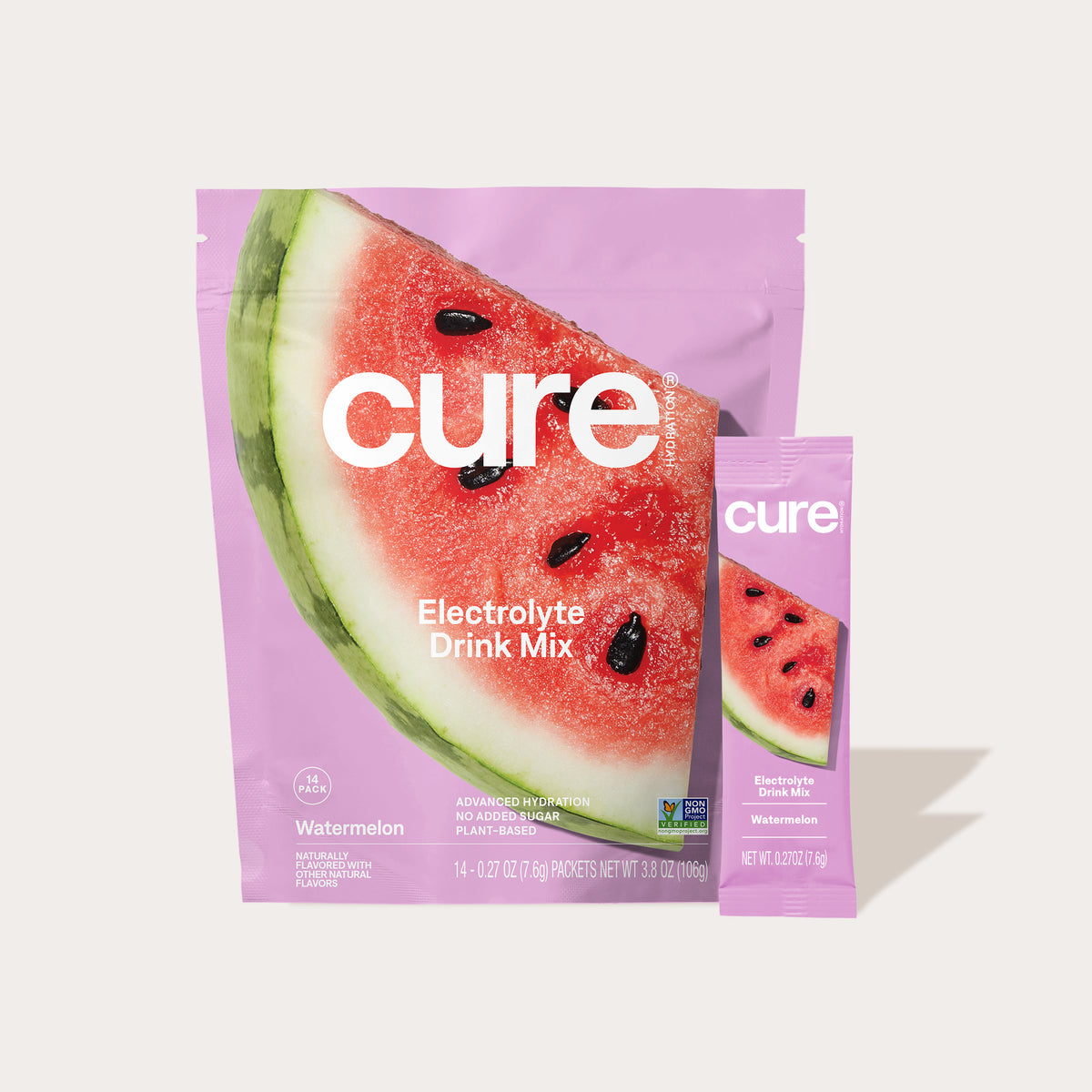
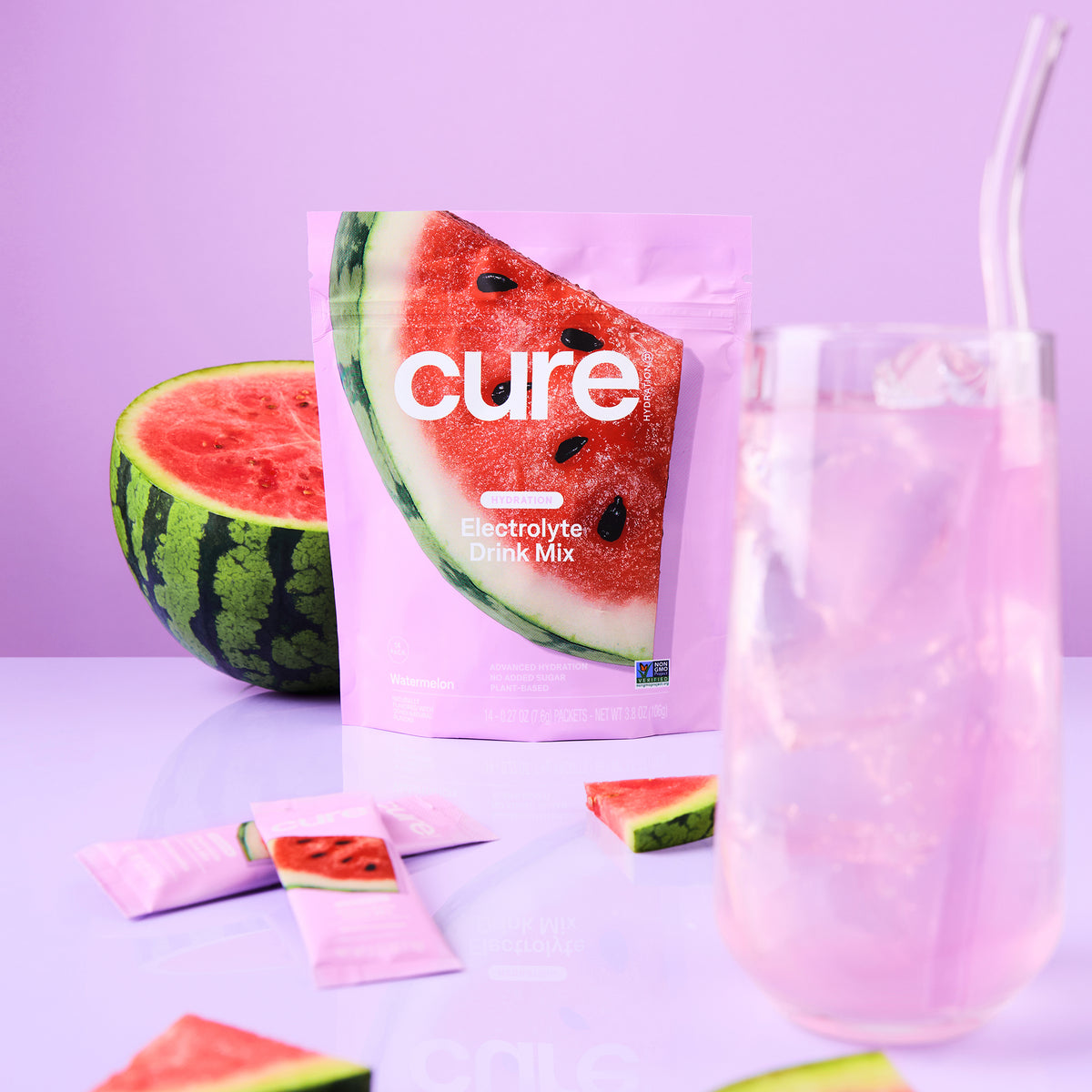
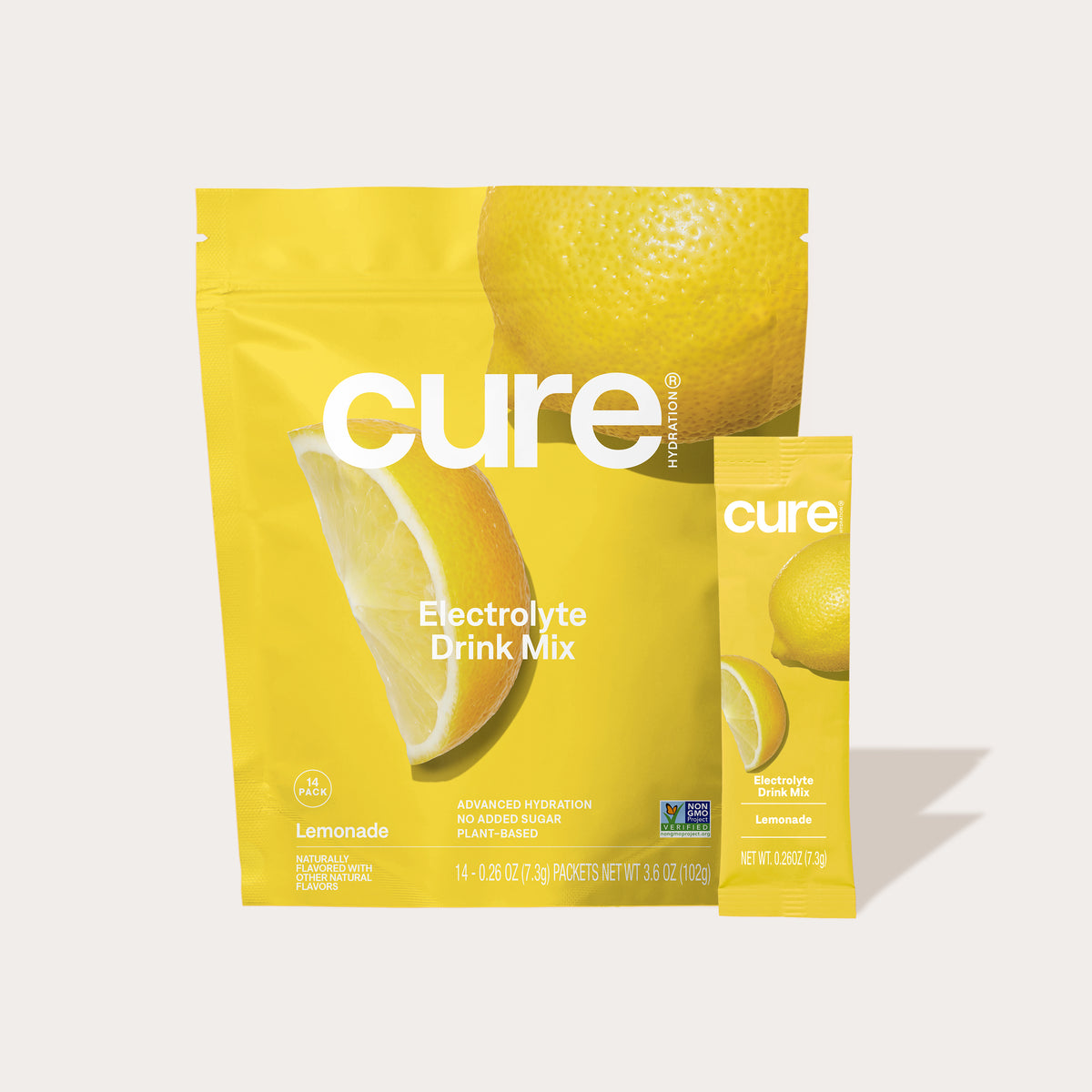
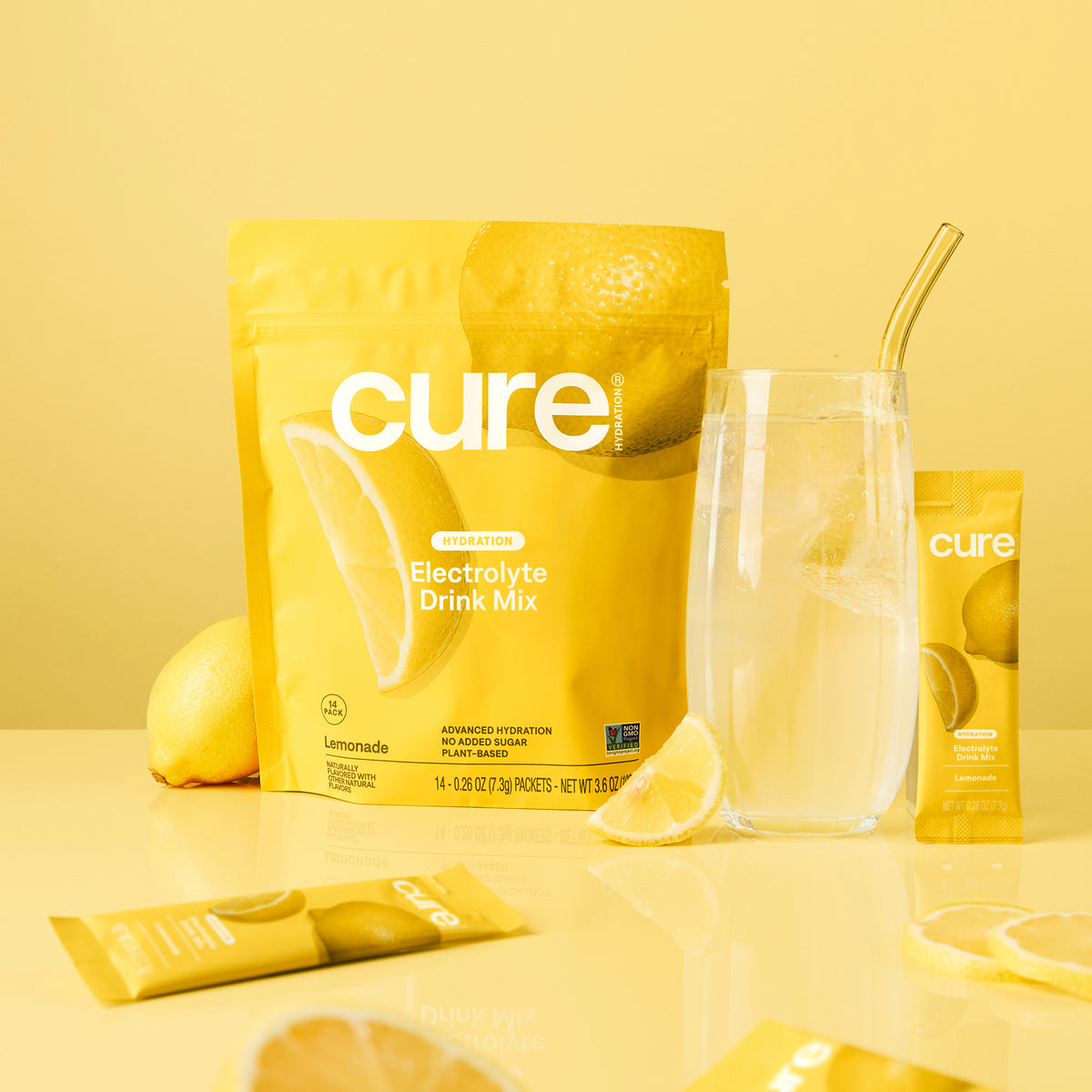
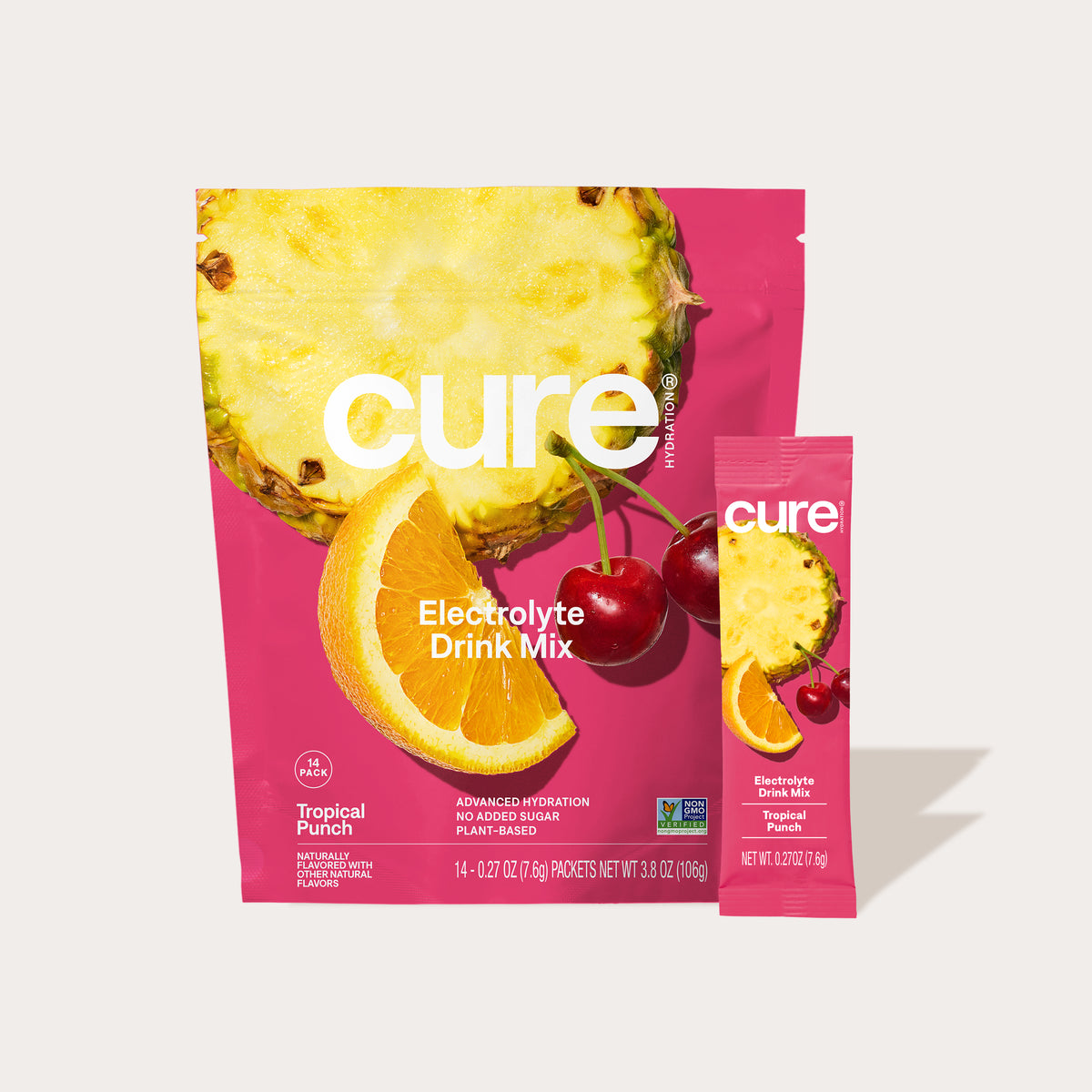
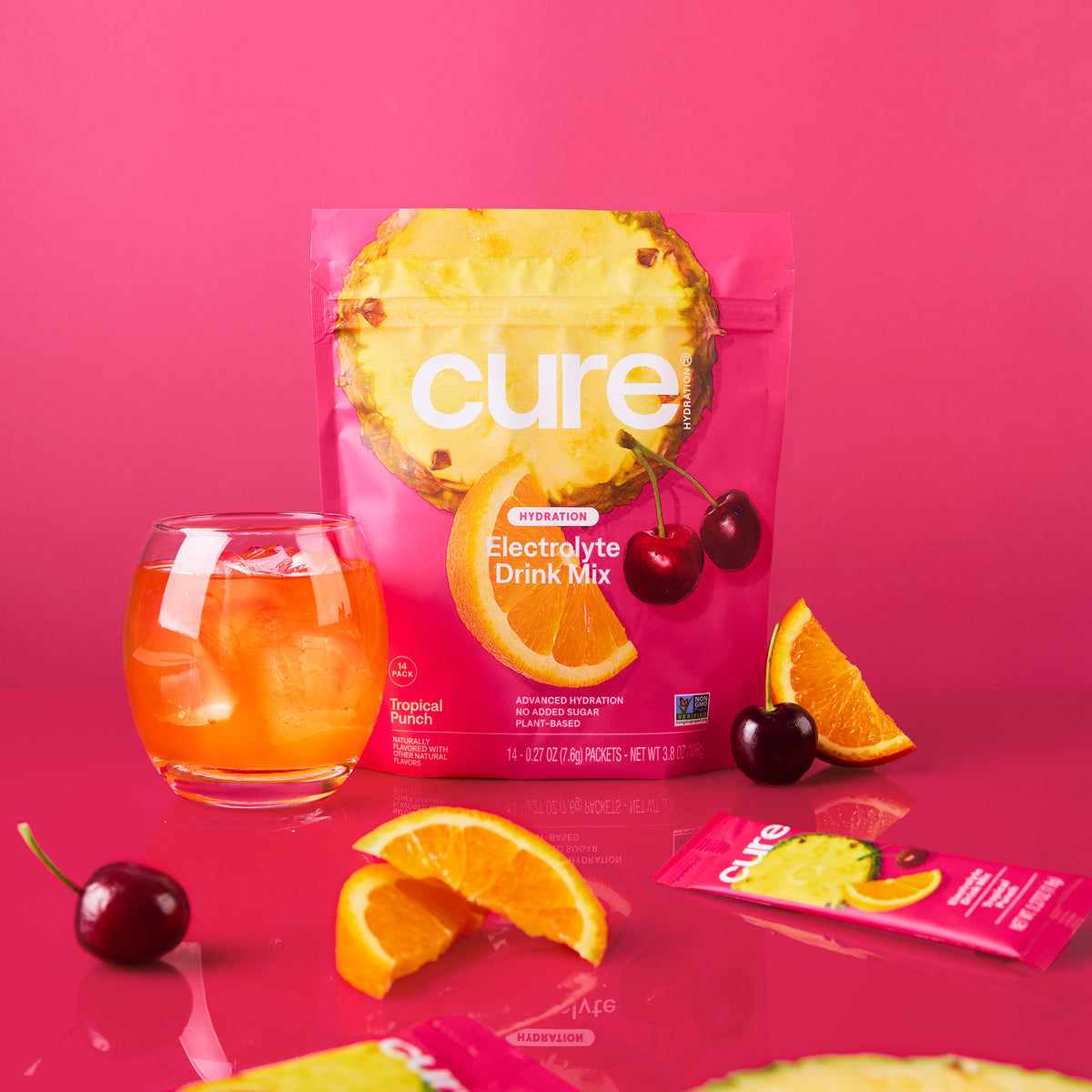
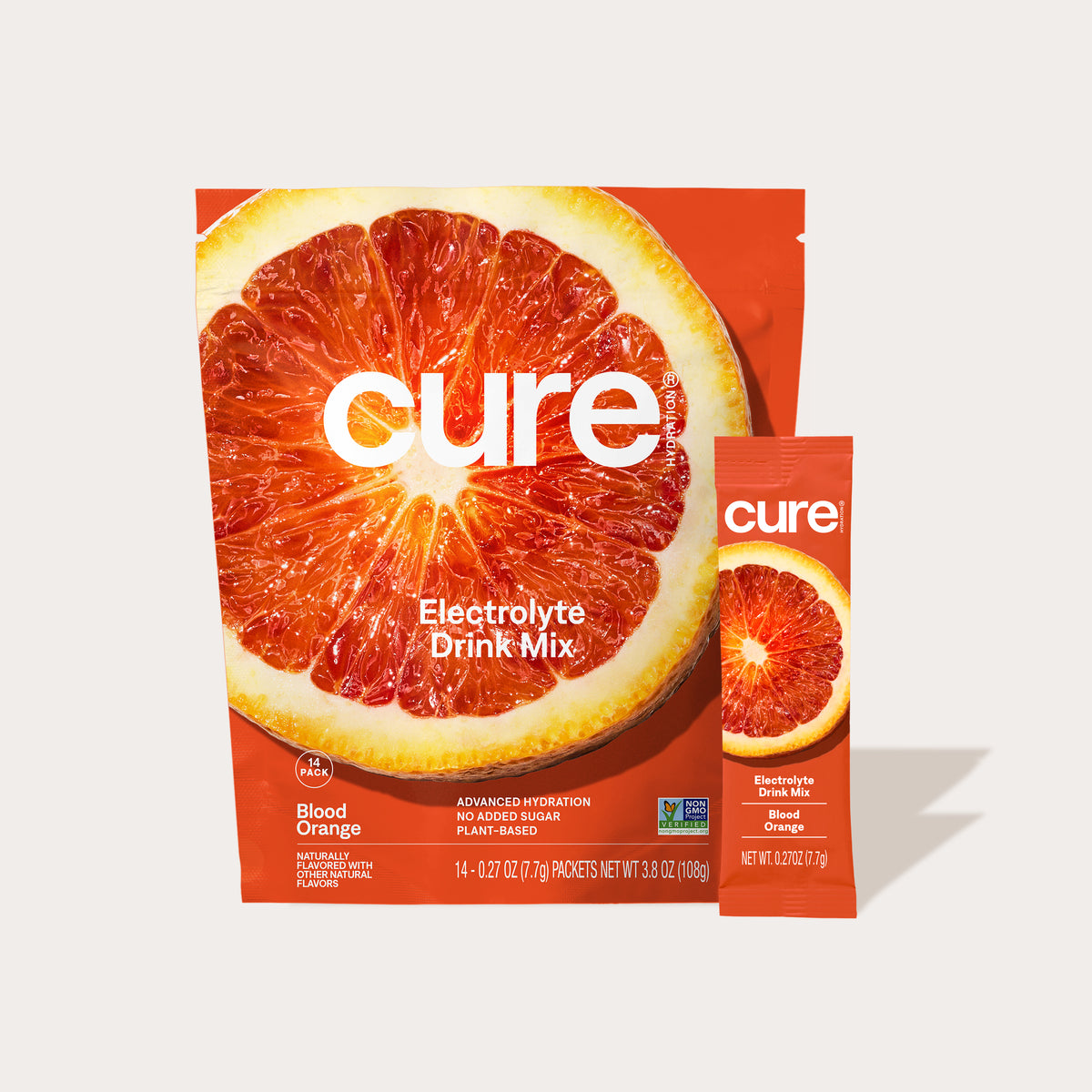
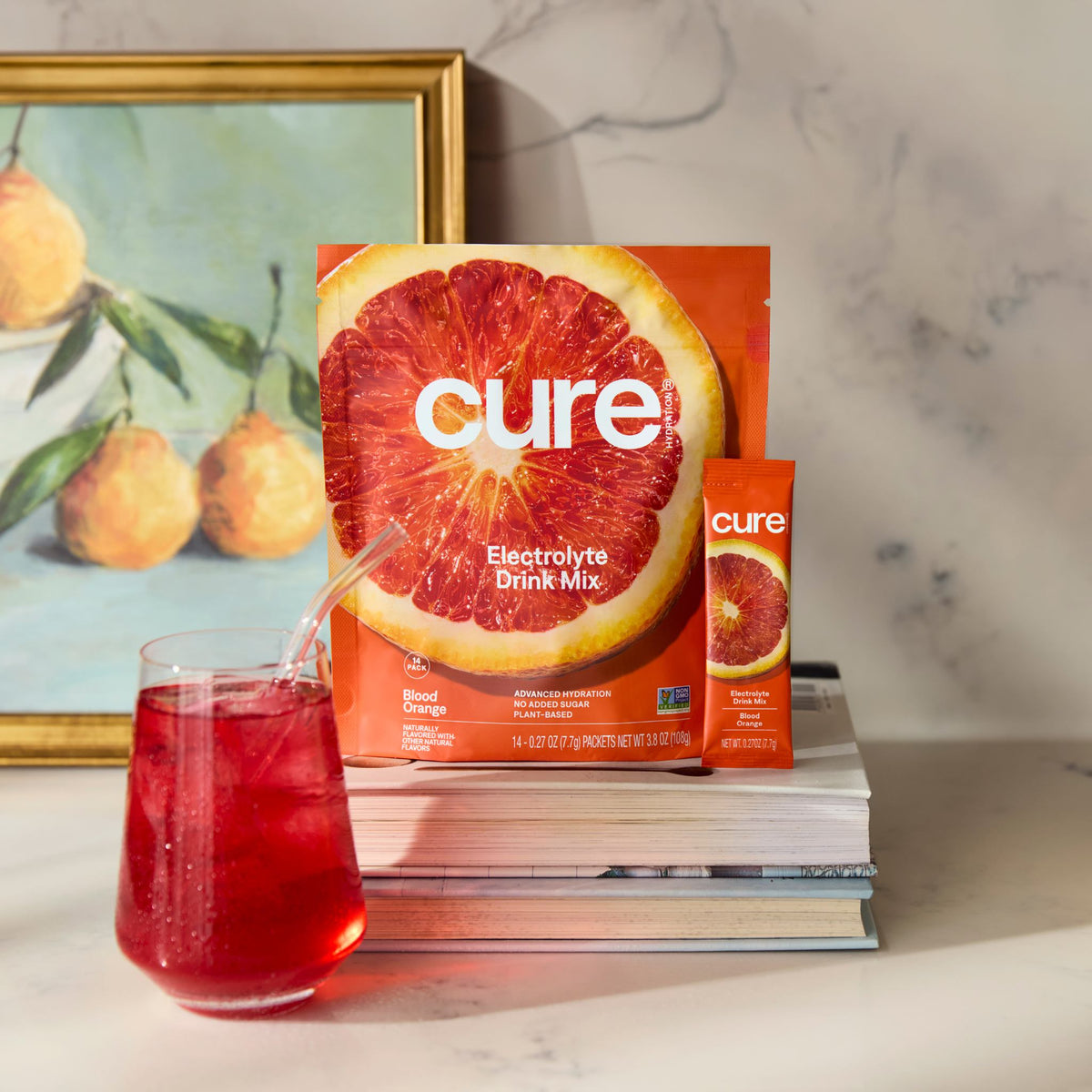
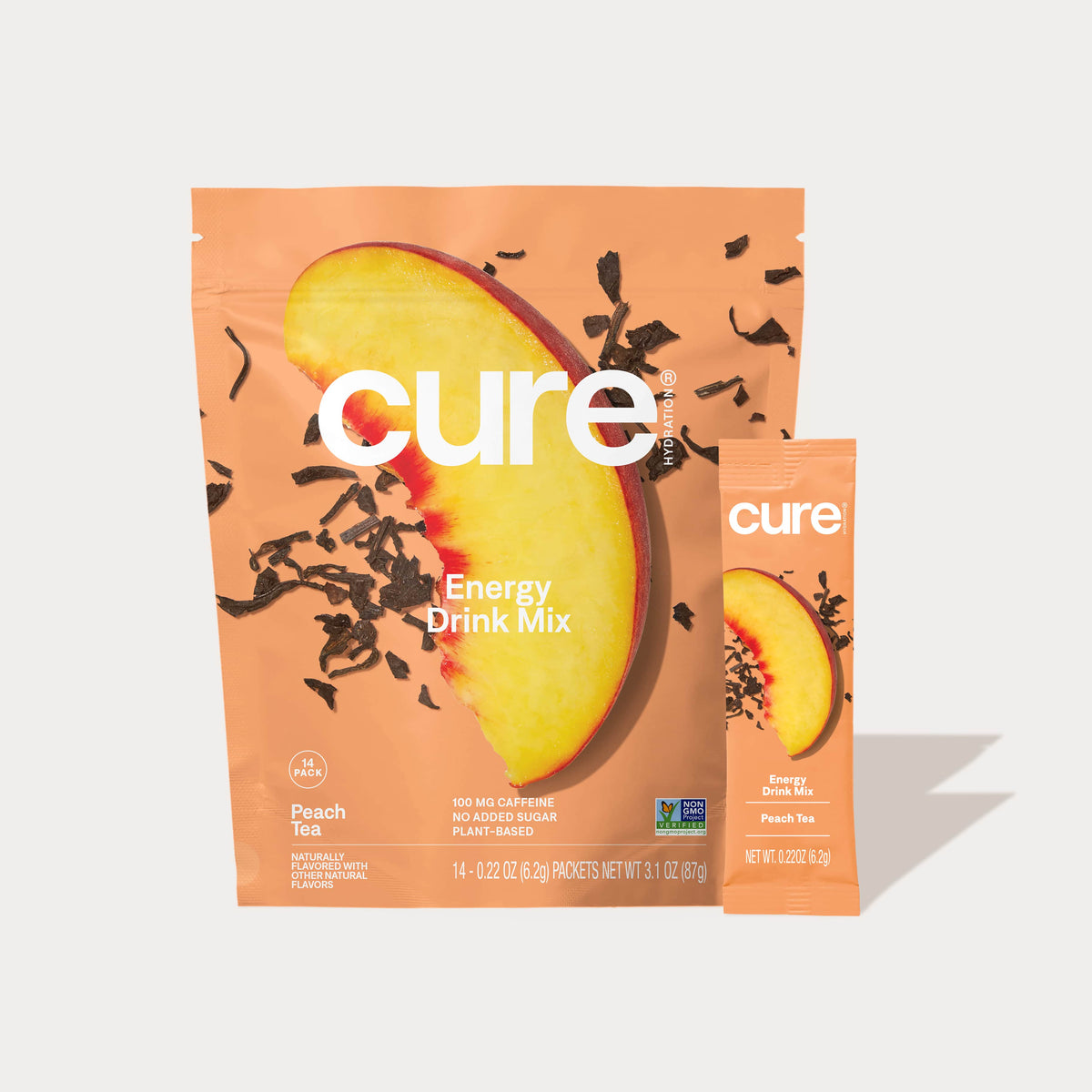
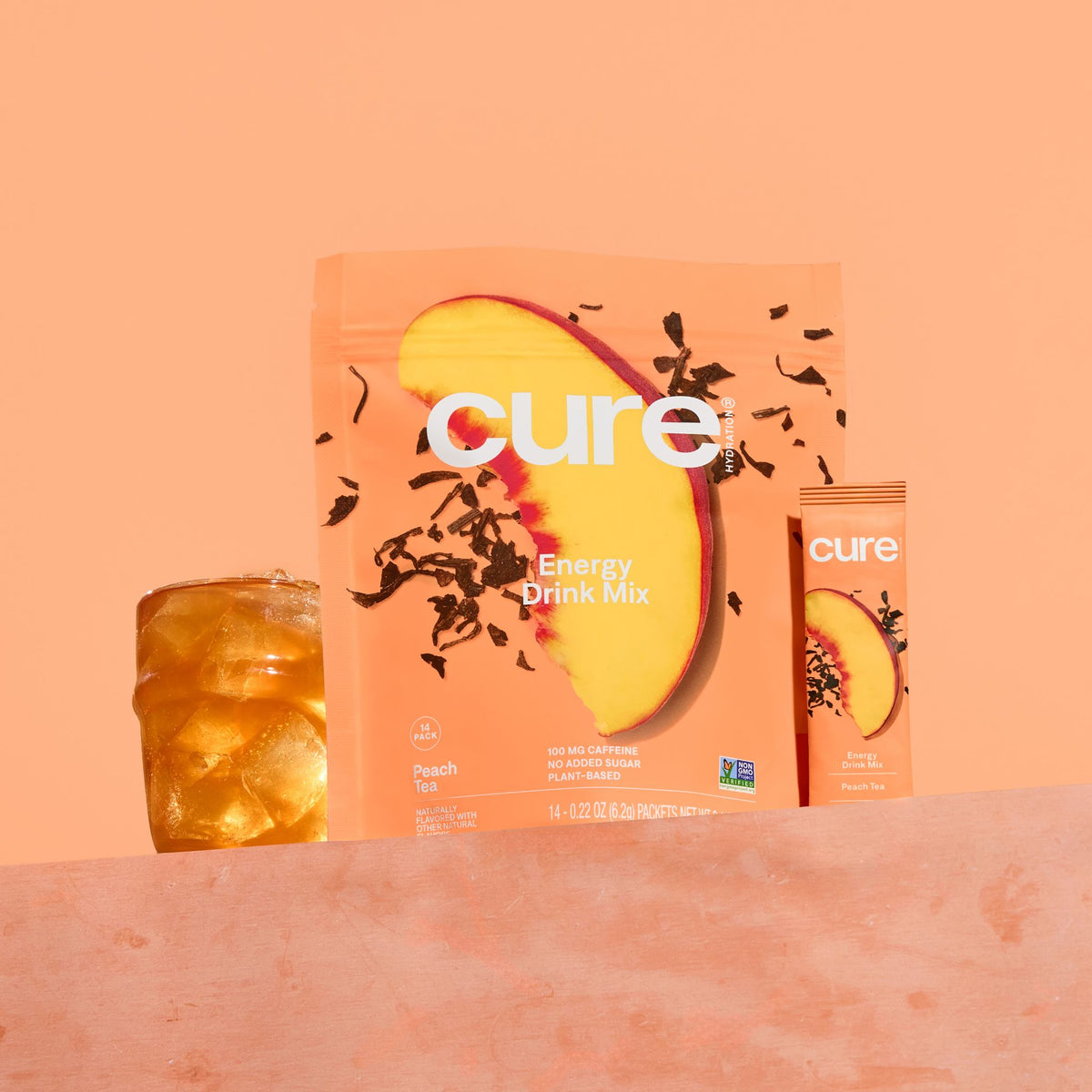
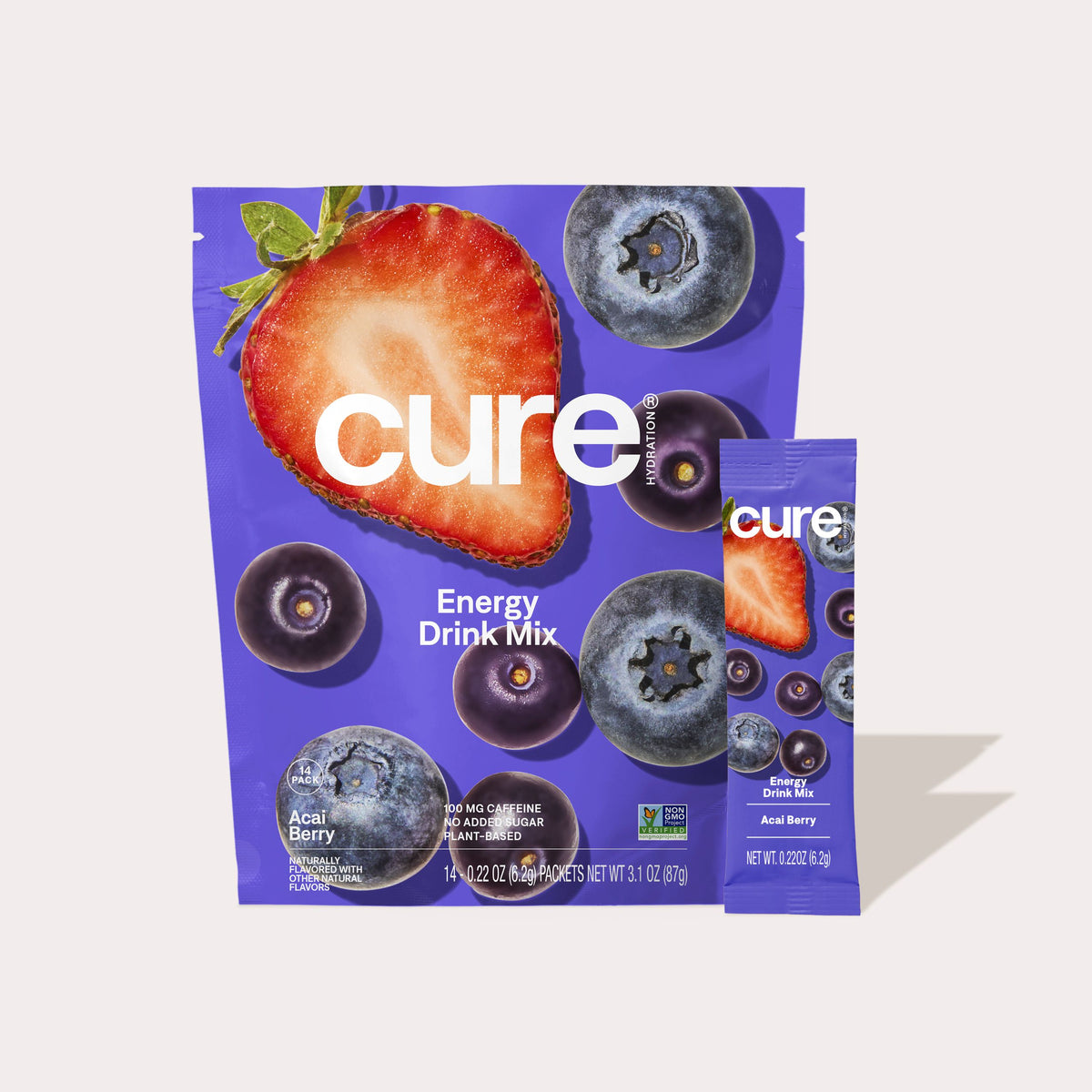
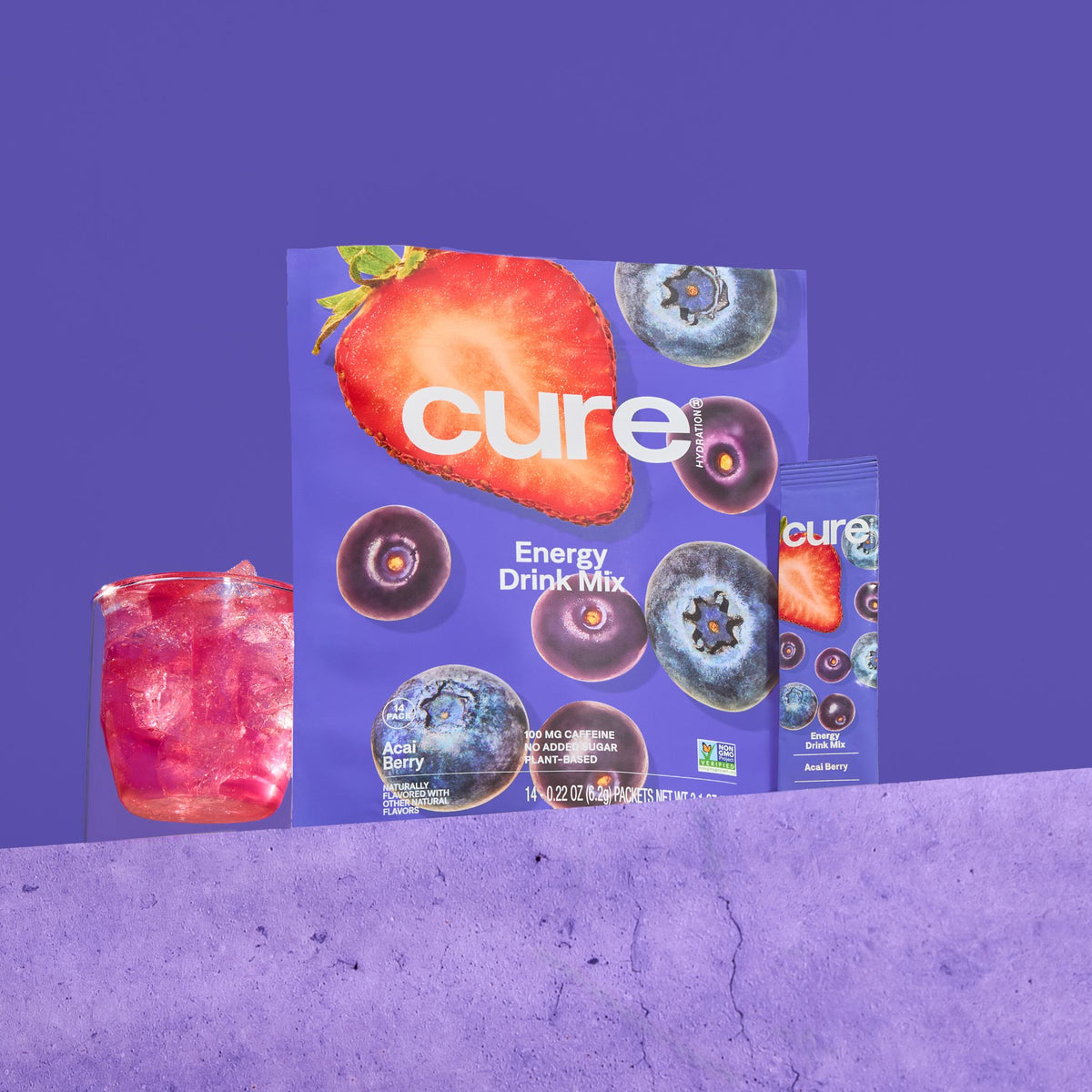
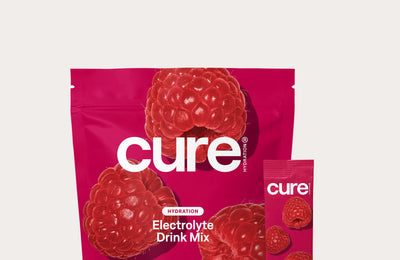
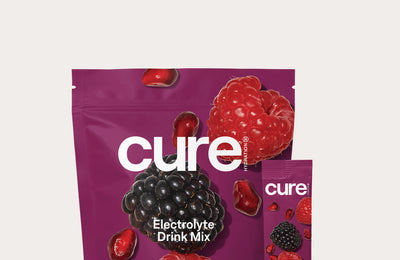
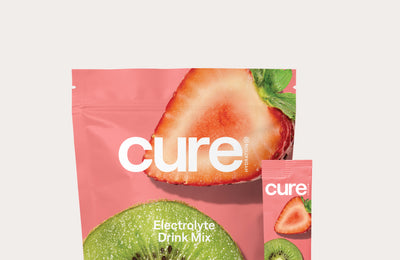
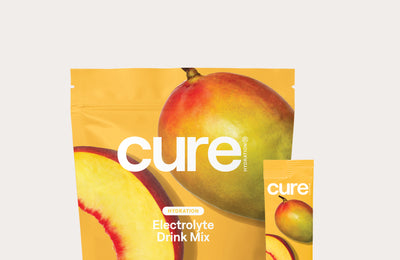
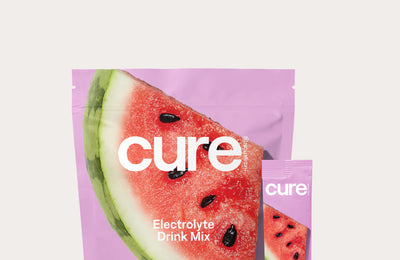
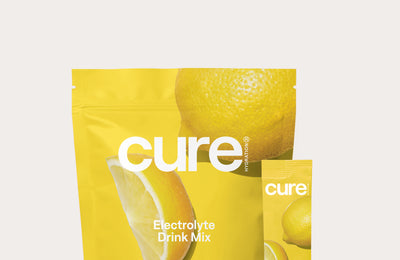
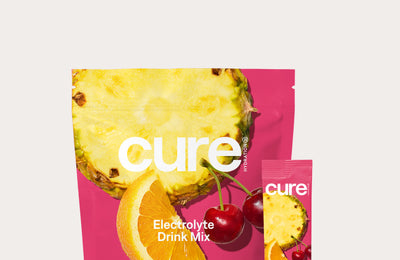
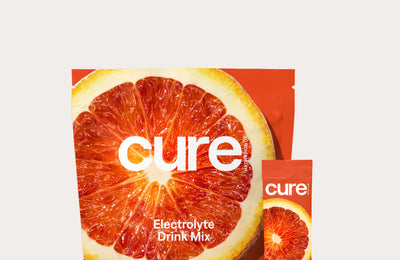
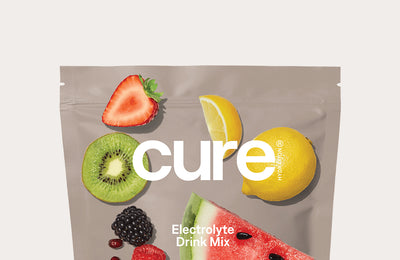
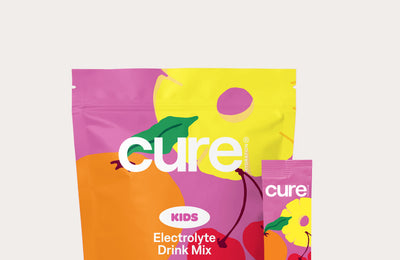
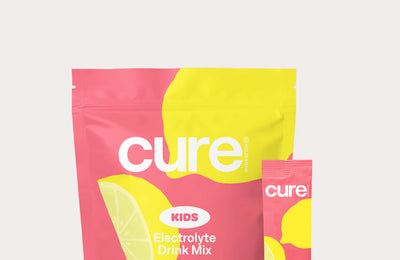
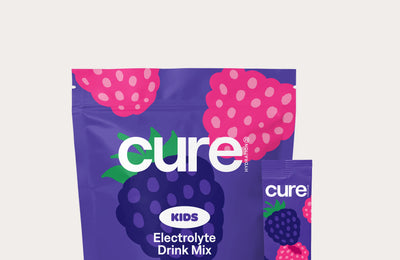
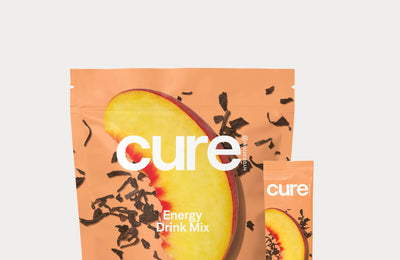
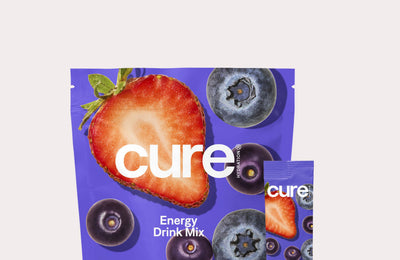
- Flavor with minimal additive ingredients, including electrolyte powders- Drinking plain water can be “boring”, but if you add things like lemon, cucumber, berries, or a clean electrolyte mix – it is easier to drink something that actually tastes good! This is why I especially love Cure Hydration because it's made from real ingredients (coconut water powder, pink Himalayan salt, organic flavor, sodium citrate, and stevia/monk fruit), it’s low in sugar, has the right balance of electrolytes, and it’s easy and convenient to bring with you anytime, anywhere.
- Use a refillable water bottle- Rather than focusing on the number of ounces to drink per day, think about how many water bottles you’d like to finish in a day. This makes it more feasible and requires less brain power.
- Incorporate water-dense foods- Foods like watermelon, cucumber, celery, tomato, lettuce, strawberries, zucchini, cantaloupe, honeydew, oranges, grapefruit and soups can contribute to the total number of ounces per day. Try to incorporate at least one of these foods per day.
- Adjust based on activity level and urine color- If the weather is warmer, you’ve sweat more during a workout, or your urine is looking pretty yellow, use this as an external clue to drink more water that day.
Hydration in pregnancy is far from trivial and the evidence underscores that “just drink
water” is more than lip service. It should be part of your prenatal toolkit rather than a
passive daily activity. In both my own personal experience and working with clients, using
strategies that adapt to your lifestyle and layering in a clean electrolyte mix like Cure (with minimal sugar and transparent ingredients) helps bridge the gap — especially on days when plain water alone isn’t enough. As a result, you’ll nourish both yourself and your growing baby with love, intention, and evidence.
Remember: Your body is smart and knows what you need so make sure to listen to it! If
you're thirsty, drink more water. You got this, mama!
*Disclaimer: Always consult your doctor or qualified healthcare provider before
starting any new diet, supplement, or hydration regimen, especially during pregnancy.