






















In this article:
+Why Hydration Matters Year-Round
+The Cold-Weather Dehydration Trap
+Family-Friendly Hydration Tips
By Michelle Penicook RD, LD
Winter brings cozy nights, warm drinks, and extra layers, but it also brings a sneaky risk: dehydration. Because we do not feel as thirsty in the colder months, many of us forget to drink enough water. Add in dry indoor heating, more clothing layers, and the higher likelihood of sickness during cold and flu season, and it is easy to see why hydration still matters even when the weather cools down.
As a Registered Dietitian, I understand the importance of staying hydrated not just for comfort but for overall health. Proper hydration supports digestion, energy, immune function, and even mood. I often see patients underestimate how much fluid their bodies need during the colder months, only to notice big improvements in focus, energy, and well-being once hydration becomes a priority. In this article, I will share why hydration is just as important in the winter as in the summer and practical strategies to keep you and your family hydrated all season long.
Why Hydration Matters Year-Round
Hydration is not just about quenching thirst in the summertime. Water plays a role in nearly every system in the body, and it remains just as important during the colder months. Staying hydrated supports digestion, circulation, temperature regulation, and nutrient absorption. It also helps maintain energy and focus, two areas that often dip when the days get shorter and routines change. For children, hydration is essential for growth and concentration at school, and it becomes even more important in the winter months when kids are more likely to get sick.
Something that many of my clients are shocked by is that hydration makes a difference in immune health. Water helps carry nutrients to immune cells, supports your lymphatic system (a key part of the immune system), and keeps mucous membranes moist, which is one of the body’s first lines of defense against viruses and bacteria. This is especially valuable in the colder months when colds and flu are circulating more frequently.
Stress is another important reason to prioritize hydration year-round. When your body is under stress, whether from a busy holiday season, long to-do lists, or the everyday pressures of work and family, it uses up electrolytes quicker. These minerals are essential for energy, muscle function, and nervous system balance. This is one of the most common drivers of depleted minerals that I see in my clients, and why I recommend electrolytes year-round. Supporting your body in this way helps buffer the effects of stress, keeps energy steadier, and makes it easier to feel your best in every season.
Cold-Weather Dehydration Trap
One of the biggest reasons people get dehydrated in the winter is because the thirst response is reduced. Research shows that in cold weather, our brain does not signal thirst as strongly, even when our body needs fluids (Kenefick et al., 2004). This means you may not feel like drinking water, but your body still requires it to function well.
On top of that, indoor heating and dry winter air create extra fluid loss. Heaters pull moisture out of the air, which can leave your skin and airways drier. If you have kids, you may notice more nosebleeds, dry lips, or coughs when the heat is running. All of these are little signs that the body is losing fluid, even if you are not sweating as you do in summer.
As a mom, I notice this with my own kids. They do not feel as thirsty in the winter and are quick to forget about drinking water, especially when they are bundled up playing outside. Adding in cozy, warm drinks or reminding them to sip water between activities makes a big difference in how they feel and helps keep sickness at bay.
I also see this clearly in my patients. When they focus on staying hydrated, especially by including electrolytes daily, they often notice fewer headaches, less afternoon fatigue, and an overall improvement in well-being. Small hydration habits can make a huge impact, particularly in the colder months when dehydration is easier to overlook.
Family-Friendly Hydration Tips
Hydration does not have to feel complicated. Sometimes the simplest shifts make the biggest difference for you and your family. Here are a few of my favorite ways to keep hydration front and center during the winter months:
-
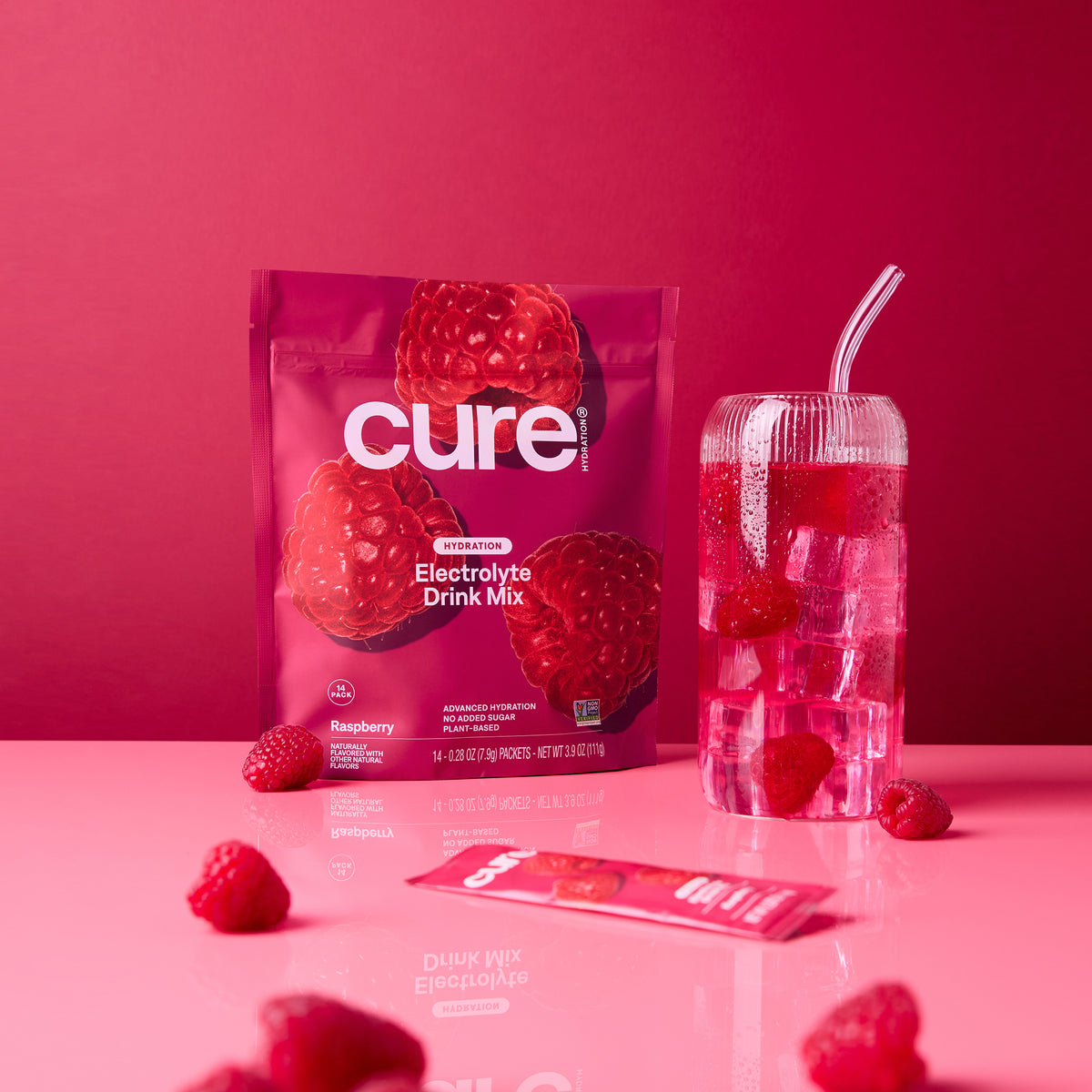
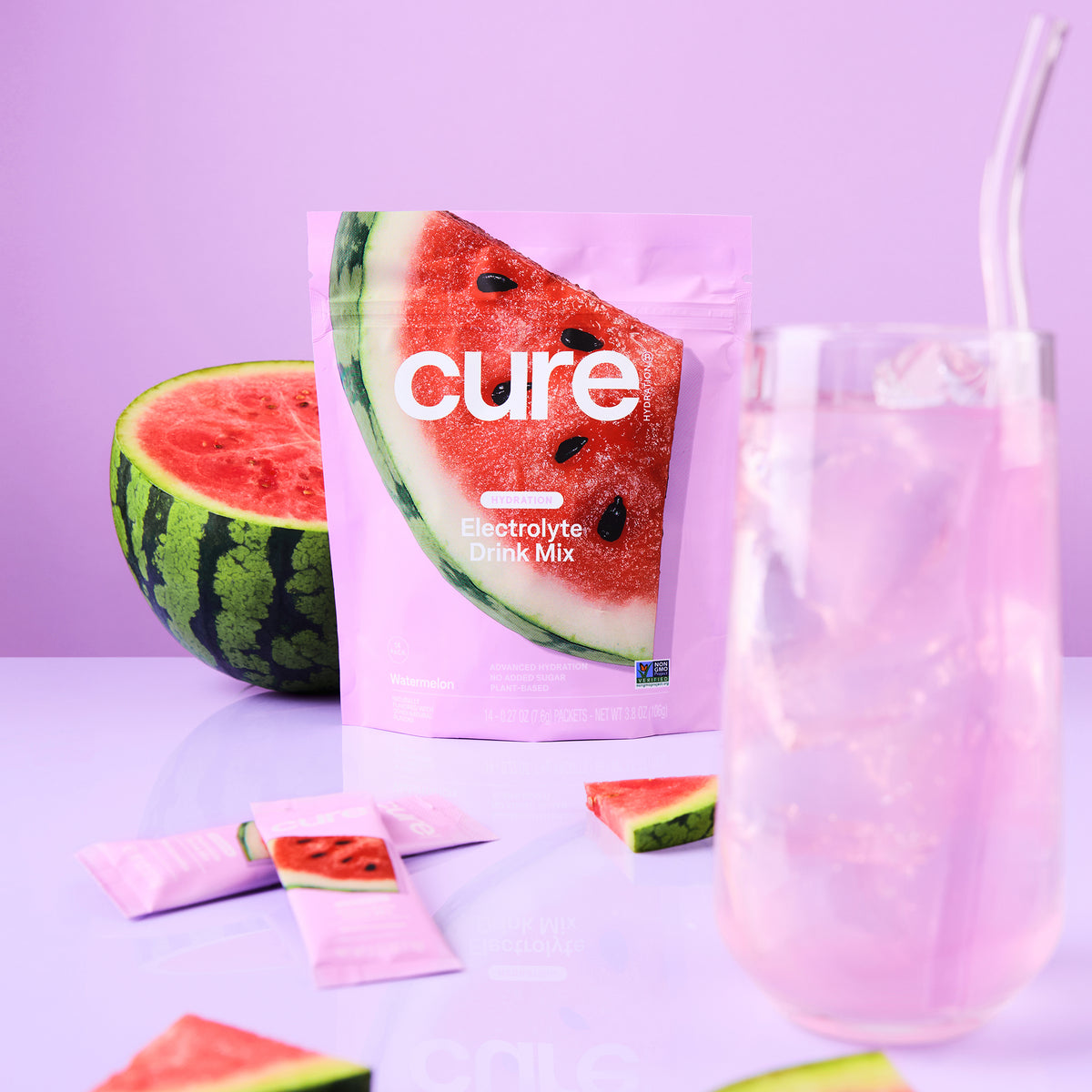
Start the day with water. A glass of water first thing in the morning helps wake up digestion and sets the tone for the rest of the day. Better yet, add your Cure Hydration to your morning water.
-
Offer warm, hydrating drinks. Herbal teas, broth, or warm lemon water can be especially comforting when it is cold outside.
-
Encourage kids to sip often. Children are quick to forget to drink in winter, so keeping a water bottle nearby or setting little reminders can go a long way.
-
Add fruits and vegetables. Many contain high water content and can contribute to hydration while also providing vitamins, minerals, and fiber.
-
Make hydration part of daily routines. Linking it to regular habits like snack time or after outdoor play makes it easier to keep consistent.
-
Get creative with kids. Try fruit-infused water with oranges or berries, use fun cups or straws, or make smoothies with high-water fruits like pineapple and berries.
-
Support adults too. Keep a refillable water bottle on your desk at work, set phone reminders if needed, or pair water with each meal and snack.
When guiding hydration for both children and adults, it can be helpful to reference evidence-based guidelines. According to the Academy of Nutrition and DieteticsHow much water do you need article, healthy children ages 4 to 8 typically need around 7 cups of fluids per day, while older children ages 9 to 13 may need 9 to 10 cups. For adults, the Academy recommends about 9 cups (72 oz) of total fluids per day for women and 13 cups (104 oz) for men under typical conditions. These are general estimates and should be adjusted for activity level, climate, and individual health needs, but they offer a helpful starting point when thinking about hydration for the whole family.
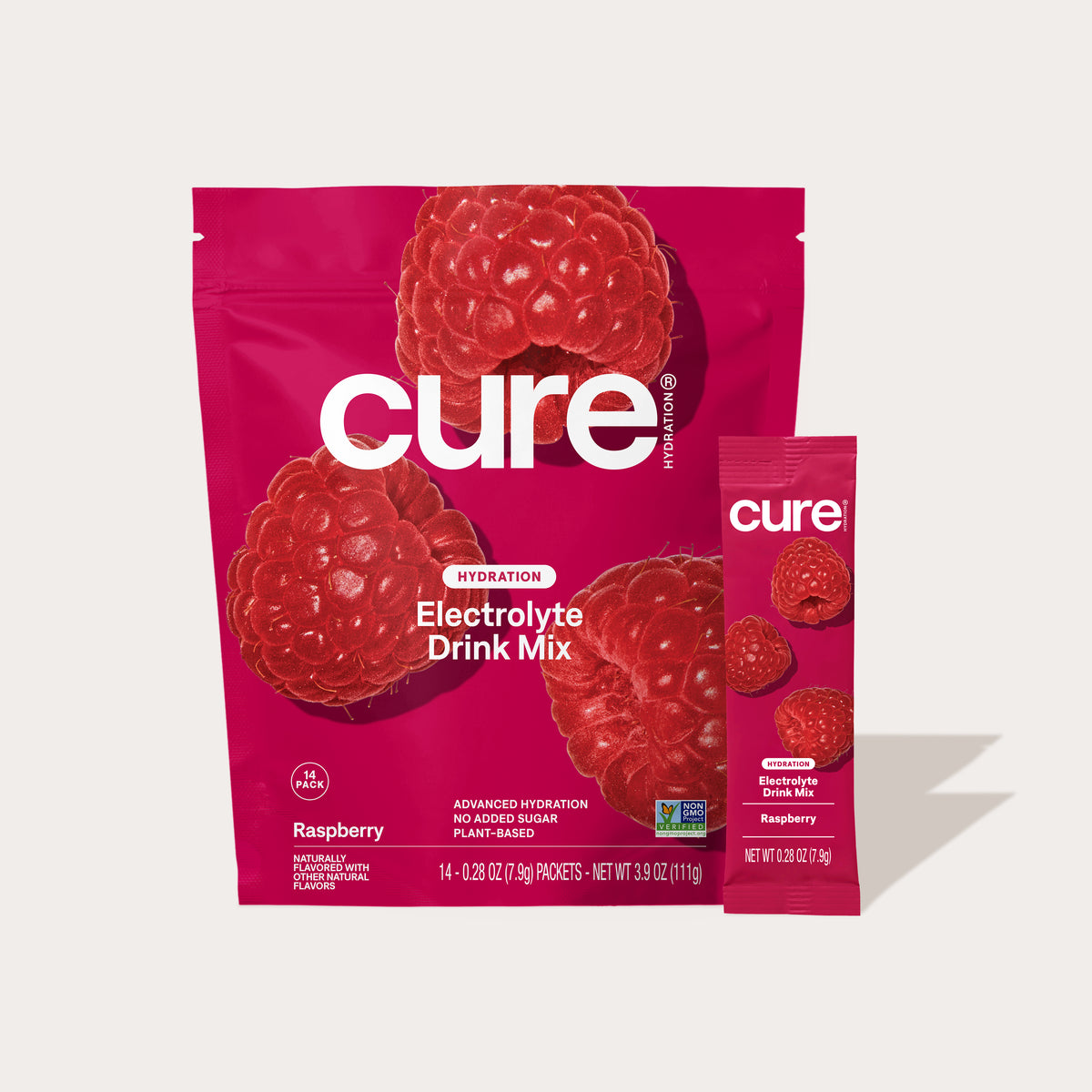
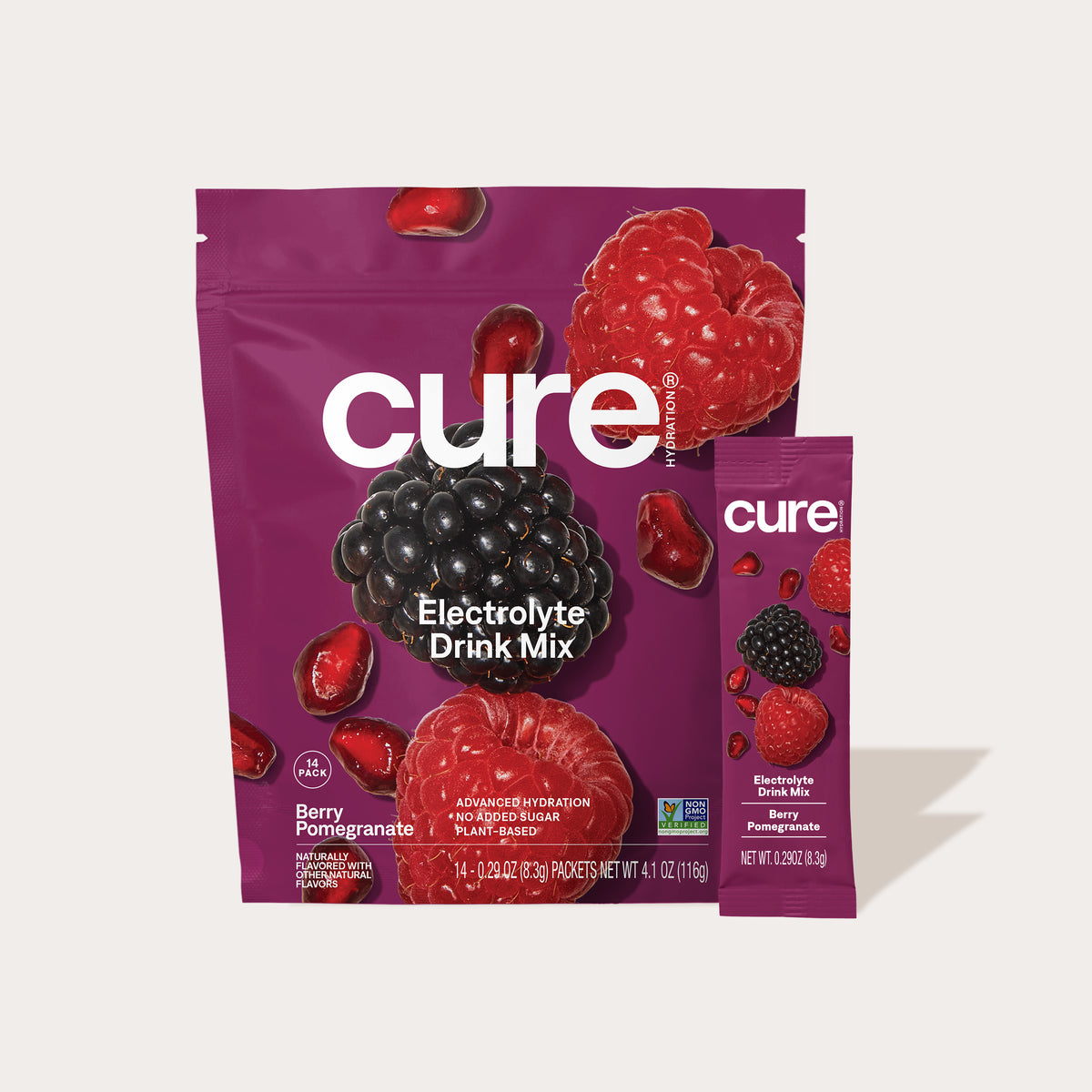
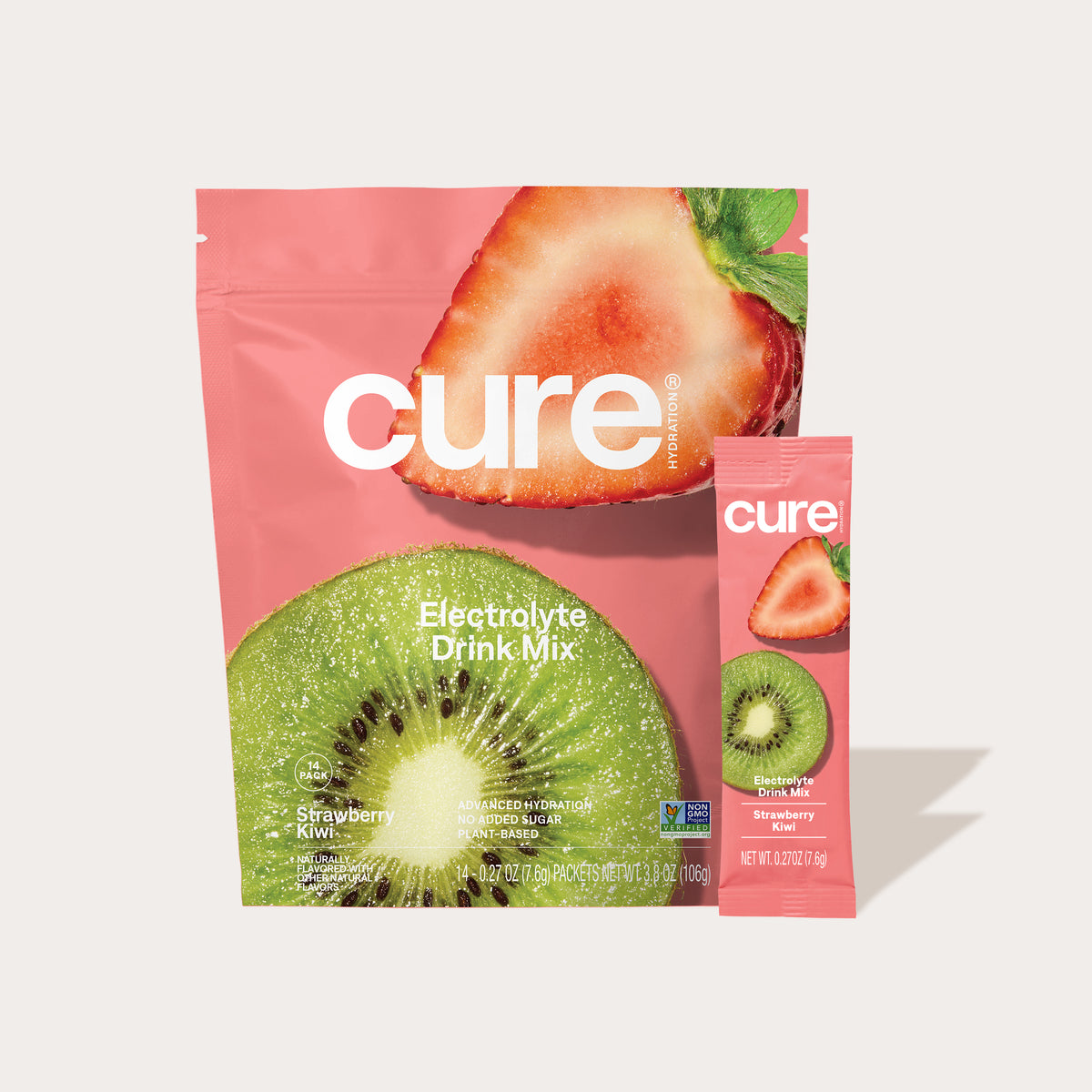
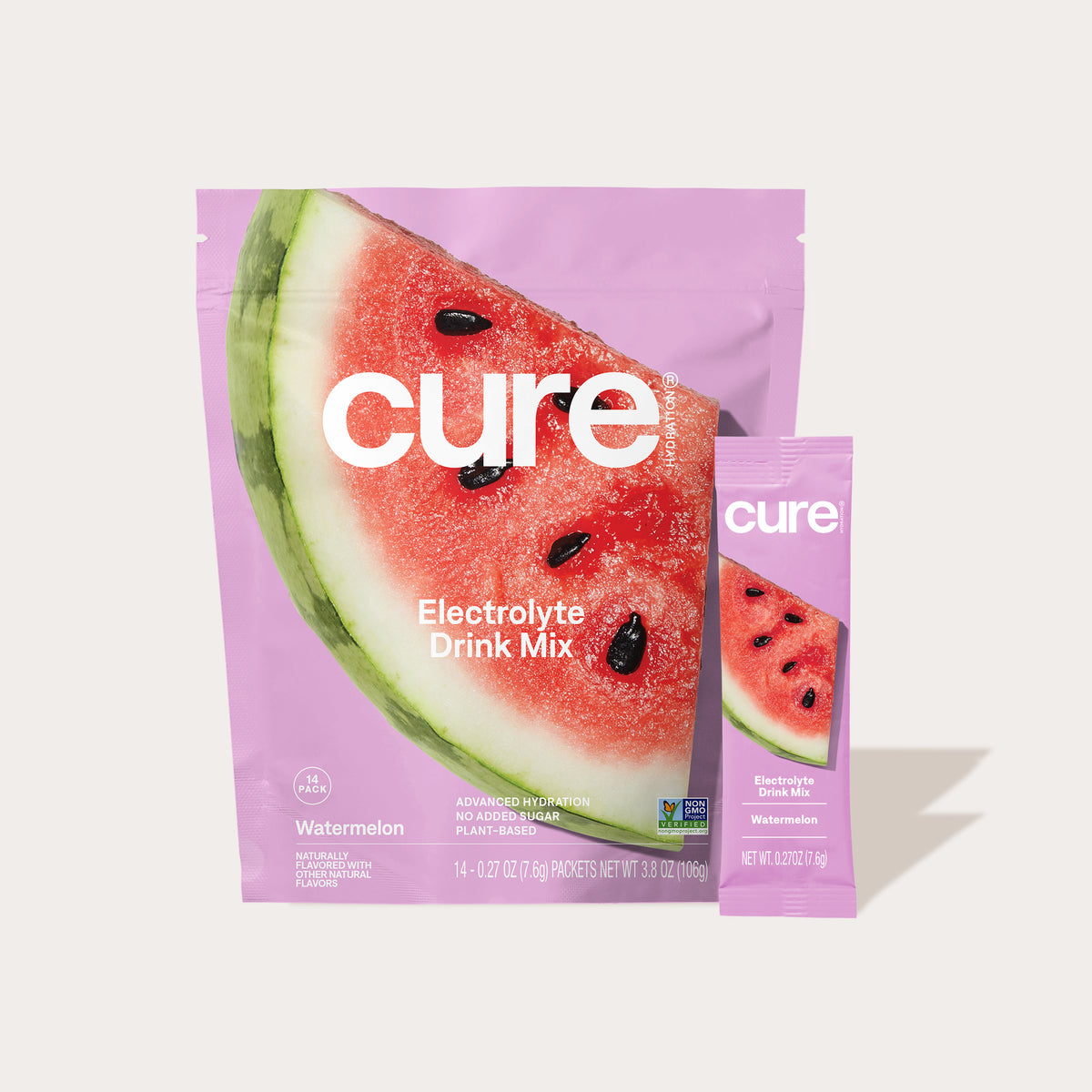
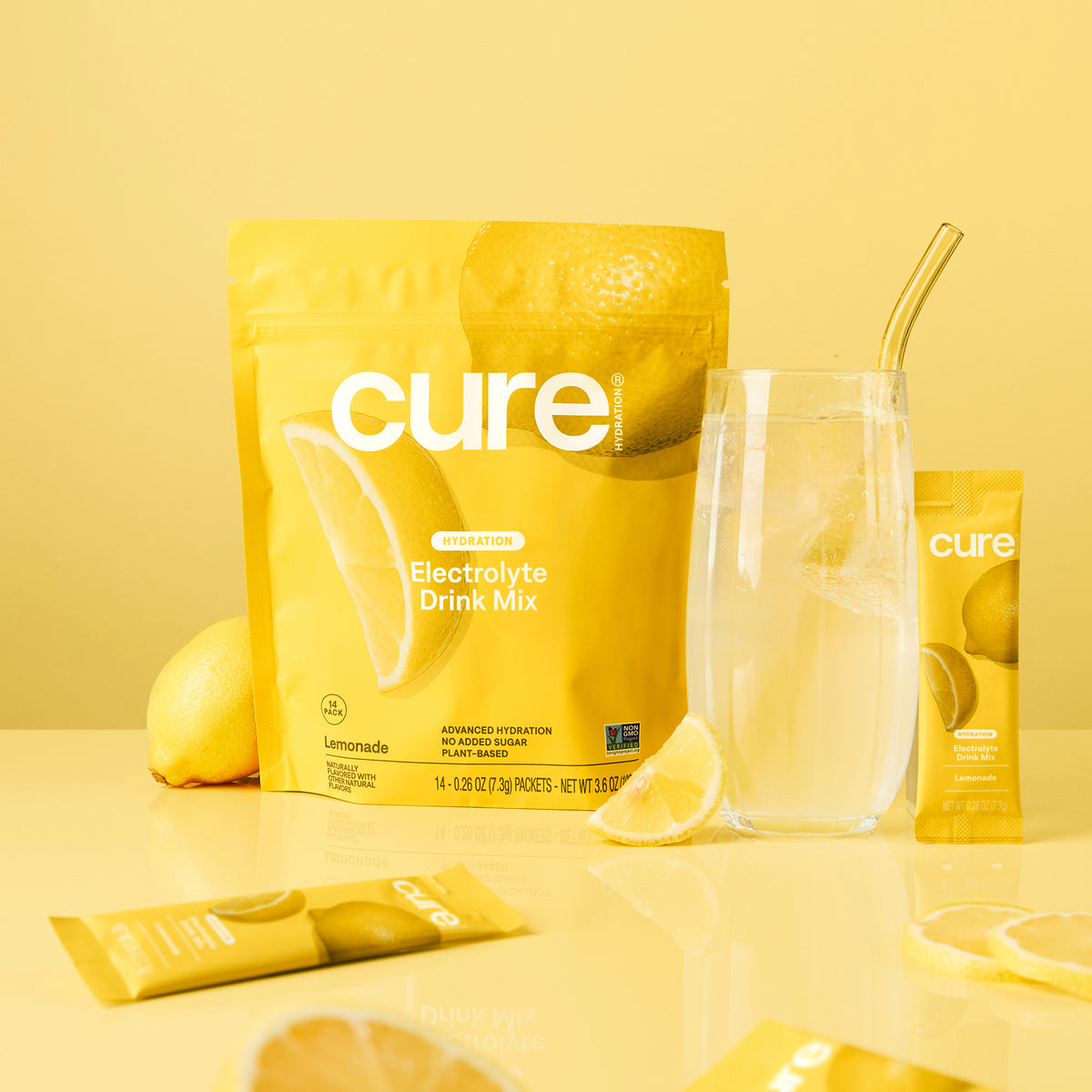
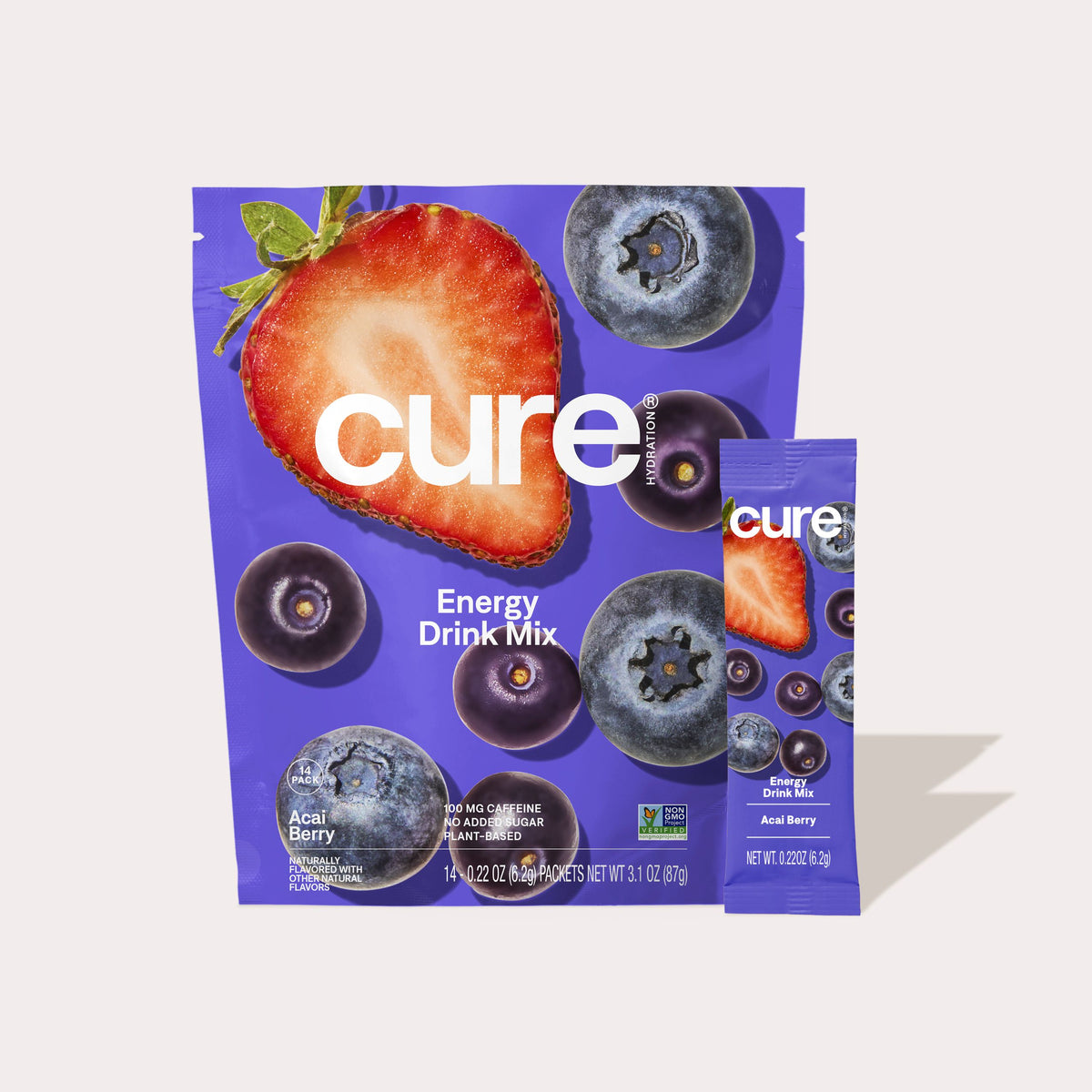
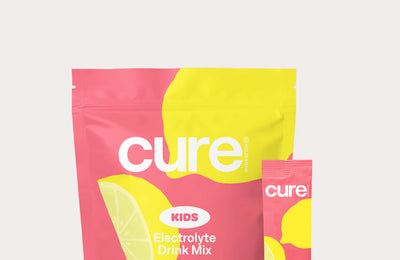
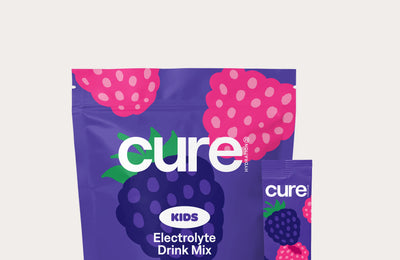
In my practice and in my home, I have seen how much better people feel when hydration is made a daily priority. Energy, focus, and overall well-being noticeably improve when we are intentional with fluids. That is why I recommend products like Cure Hydration for both my patients and my family. It is an easy way to get electrolytes and fluids in a form that truly supports the body’s needs through every season. I personally keep the travel packets in my purse and car for on-the-go hydration all year long.
Even though winter does not always leave us feeling as thirsty, our bodies still rely on consistent hydration for energy, focus, digestion, and overall health. Between dry indoor air, reduced thirst cues, and the higher risk of sickness, staying on top of fluids during colder months is just as important as it is in the summer.
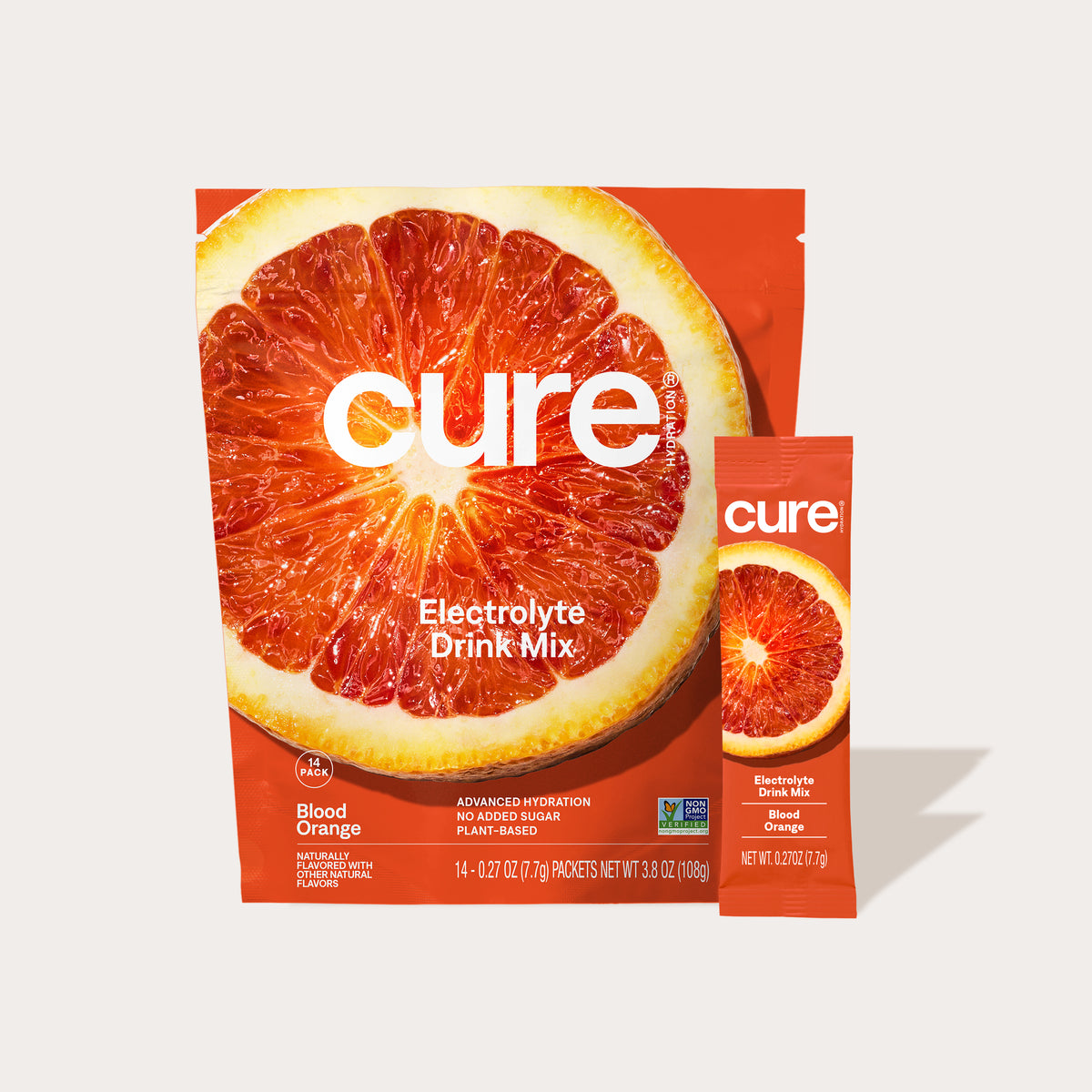
As both a Registered Dietitian and a mom, I have seen the difference that daily hydration makes for patients in my practice and for my own family. Making water, fruits and vegetables, and hydrating drinks part of our everyday routine helps us all feel better and stay well. I also love using Cure Hydration because it provides electrolytes in a way that truly supports how the body functions. Personally, I start every morning with my daily Blood Orange Cure before I drink my coffee. It is a simple habit that helps me begin the day hydrated and feeling my best year-round. Small, consistent choices around hydration go a long way in keeping both kids and adults healthy through every season.
Sources:
Kenefick, R. W., Sawka, M. N., & Young, A. J. (2004). Physiology of cold-induced diuresis: Integrating the responses.Aviation, Space, and Environmental Medicine, 75(3), 272–277. From https://pubmed.ncbi.nlm.nih.gov/15354034/
Academy of Nutrition and Dietetics. (n.d.). How much water do you need? Retrieved October 27, 2025, fromAcademy of Nutrition and Dietetics
Academy of Nutrition and Dietetics. (n.d.). Water: How much do kids need? Retrieved October 27, 2025, from https://www.eatright.org/health/essential-nutrients/water/water-how-much-do-kids-need