











You feel queasy. Maybe it is a stomach bug, a rough morning, or travel catching up. Your first instinct might be to stop drinking anything until your stomach settles. But that can make things worse.
Nausea and dehydration feed each other. When you are dehydrated, digestion struggles, and nausea intensifies. When you are nauseous, you drink less, deepening the dehydration. Breaking that cycle is where electrolytes come in.
The Dehydration-Nausea Connection
Nausea is not always about your stomach. Often, it is your body signaling that something is off with your fluid balance.
How Dehydration Triggers Nausea
When you are low on fluids, blood volume drops. Your body redirects circulation away from the digestive tract to protect vital organs. With less blood flow to the gut, digestion slows, producing nausea, bloating, and that heavy, unsettled feeling.
The Vicious Cycle
Once nausea sets in, most people stop drinking. If vomiting is involved, you are actively losing water and electrolytes. Every hour without replacing those fluids deepens the dehydration that triggered the nausea. The cycle does not break itself.
Do Electrolytes Help With Nausea?
Yes, when dehydration is a contributing factor. Electrolytes help your body absorb and retain water more efficiently than water alone, which addresses the fluid loss that often drives or worsens nausea.
Why Plain Water Is Not Always Enough
Plain water seems logical, but without sodium and potassium, your body does not absorb it efficiently at the gut level. You can drink water and still not rehydrate because the minerals needed for absorption are missing.
The World Health Organization's Oral Rehydration Solution (ORS) formula was designed for this scenario. It uses a precise ratio of sodium, potassium, and glucose to activate the sodium-glucose co-transport mechanism in your small intestine, pulling water into the bloodstream faster. Cure is formulated on this ORS standard, helping your body absorb water more effectively than water alone.
What Electrolytes Will Not Do
Electrolytes do not treat the root cause of nausea. If it stems from food poisoning, a migraine, or medication, electrolytes will not eliminate it. But if dehydration is making it worse, rehydrating with electrolytes can take the edge off and speed recovery.
What to Drink When You Feel Nauseous
What you choose and how you drink it matters when your stomach is upset.
Sip, Do Not Chug
Small sips every five to ten minutes beat gulping a full glass. Large volumes hitting an irritated stomach can trigger vomiting, putting you further behind. Start with a tablespoon at a time and build up as tolerated.
Choose Room Temperature
Ice-cold drinks can shock a sensitive stomach. Room-temperature fluids are gentler and absorb just as well.
Skip Sugary Sports Drinks
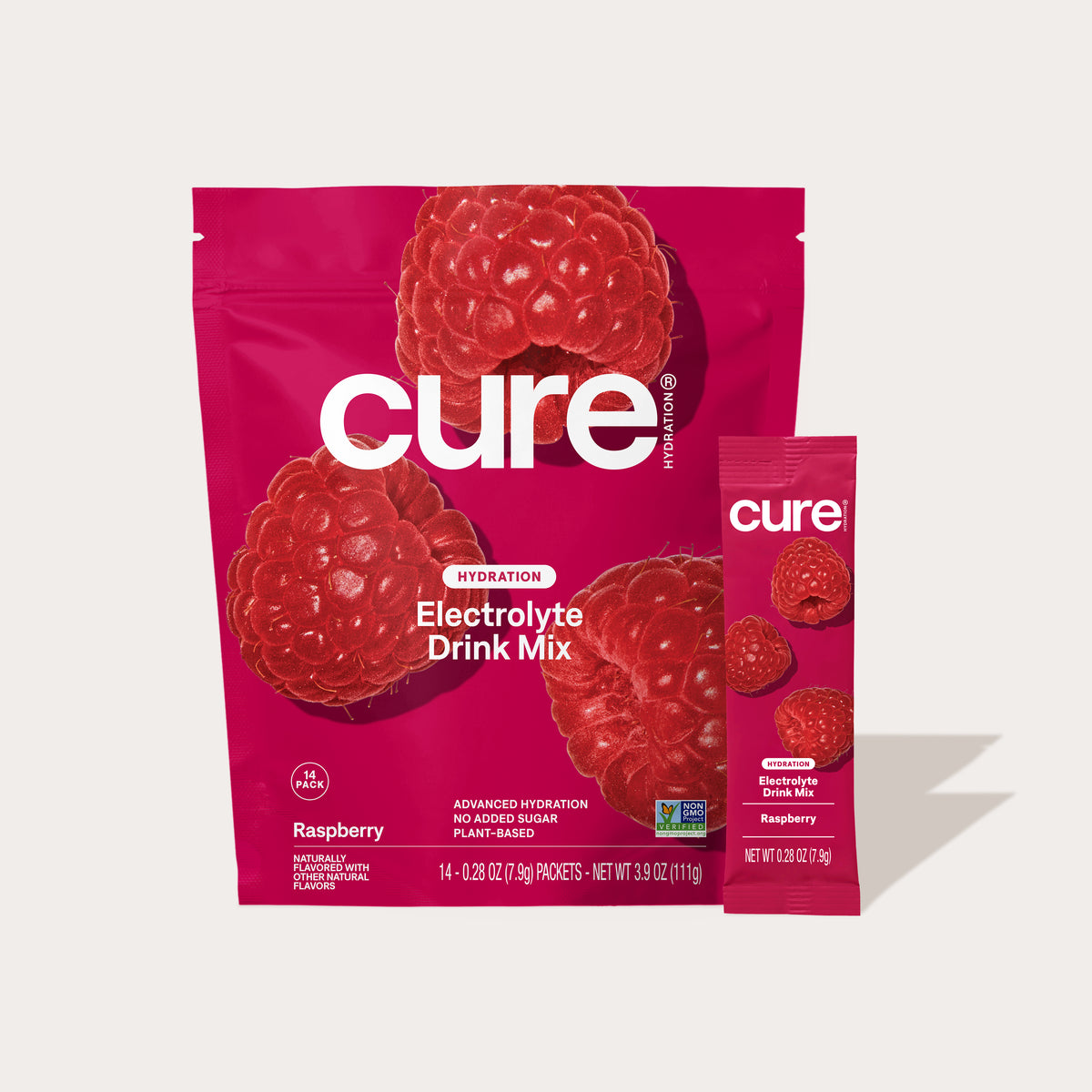
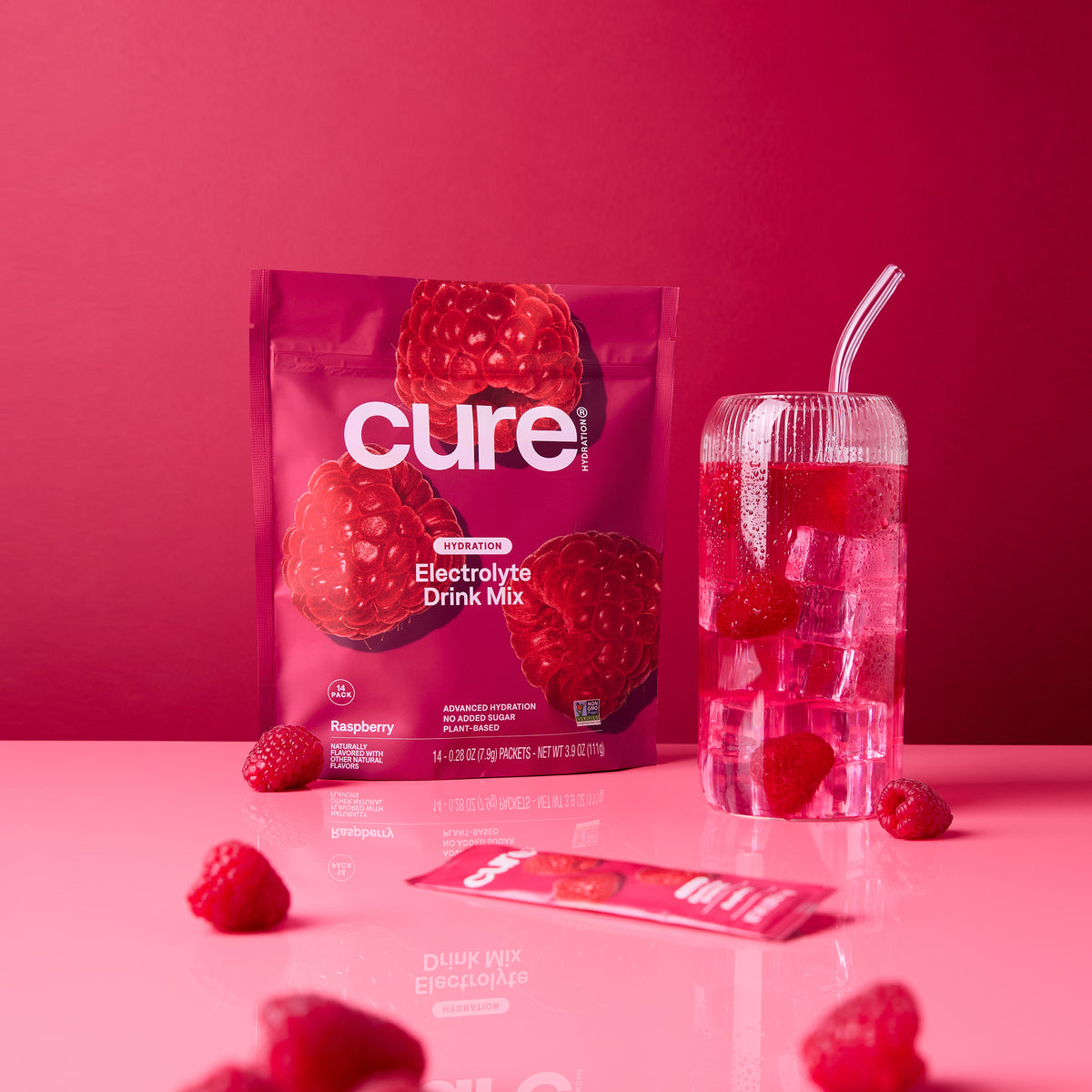
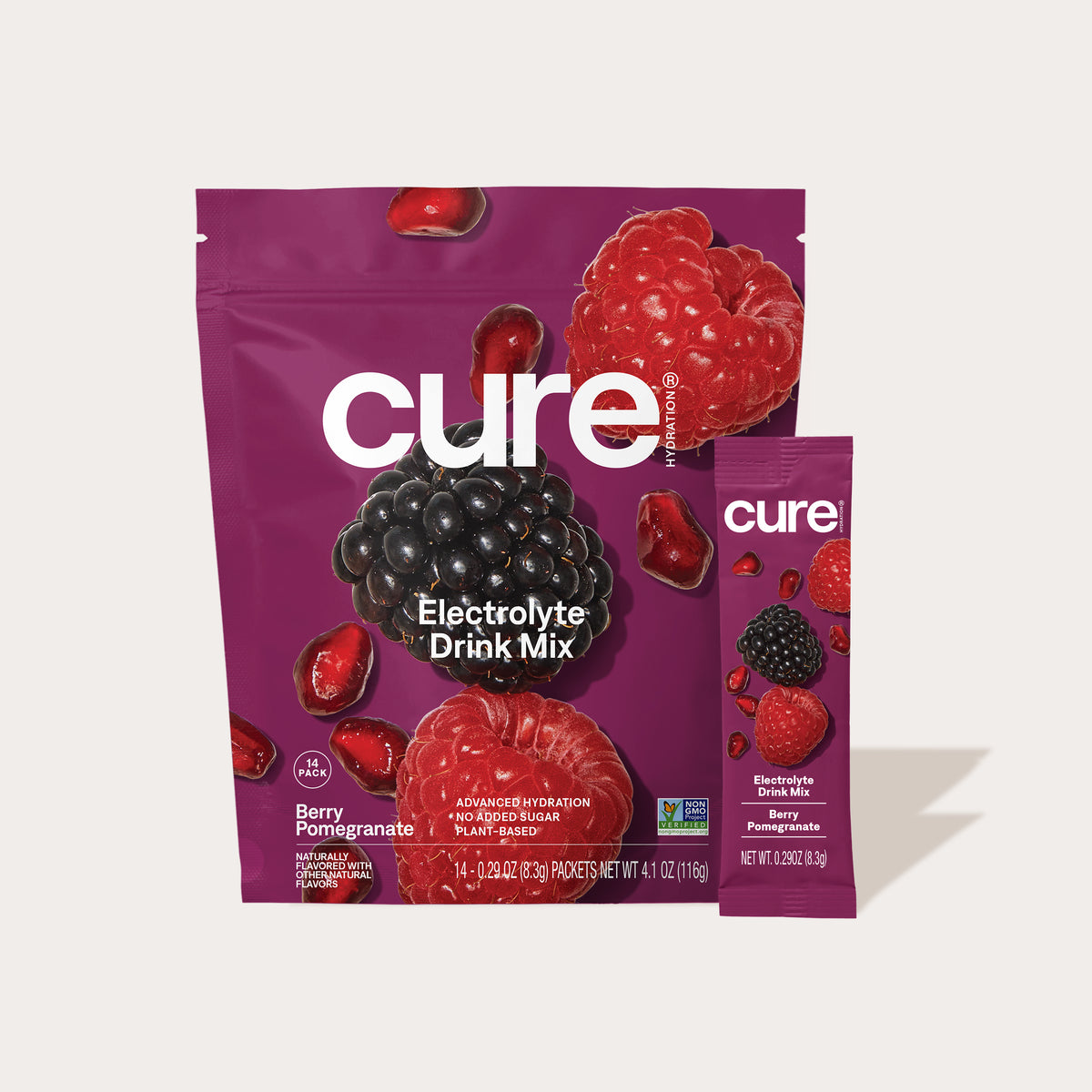
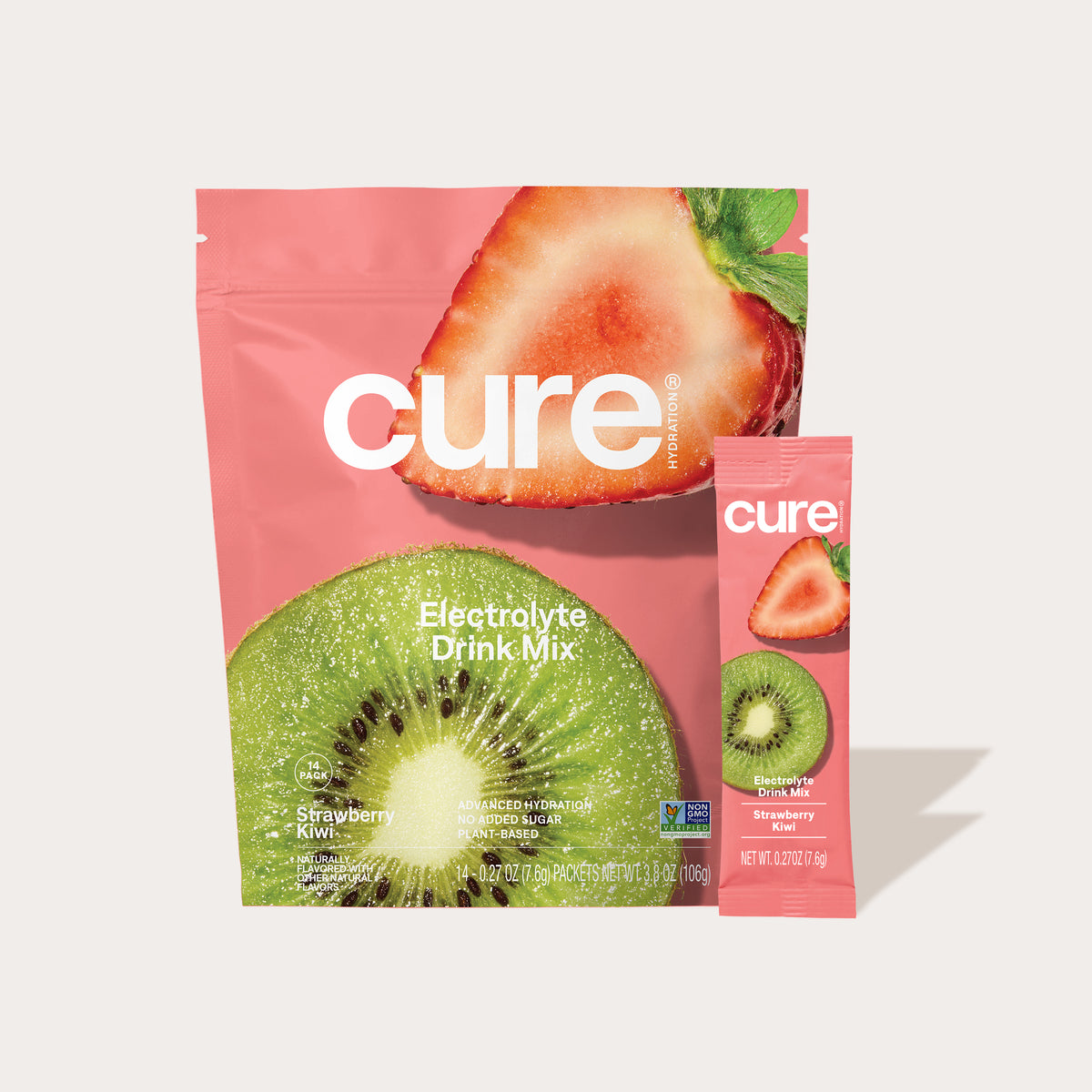
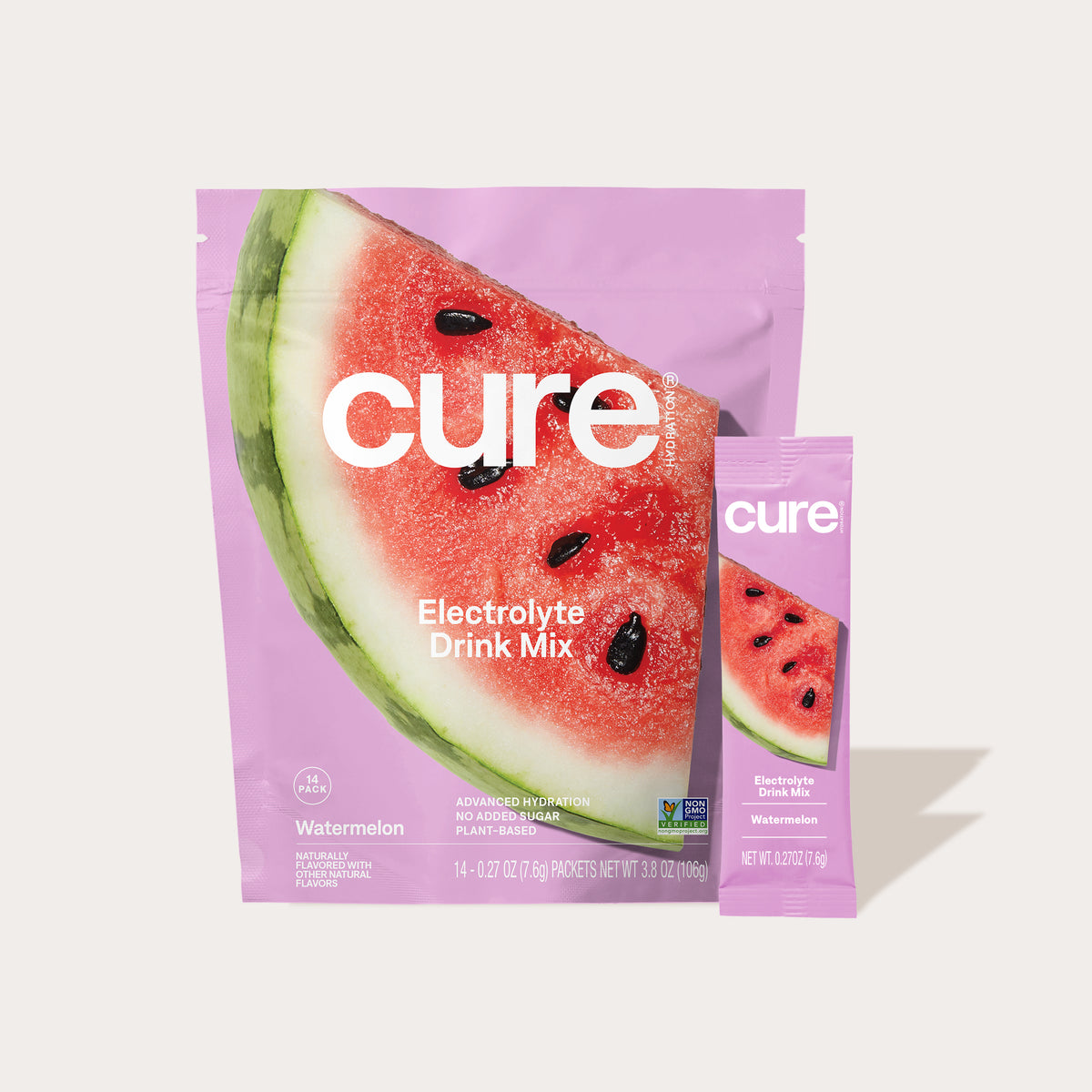
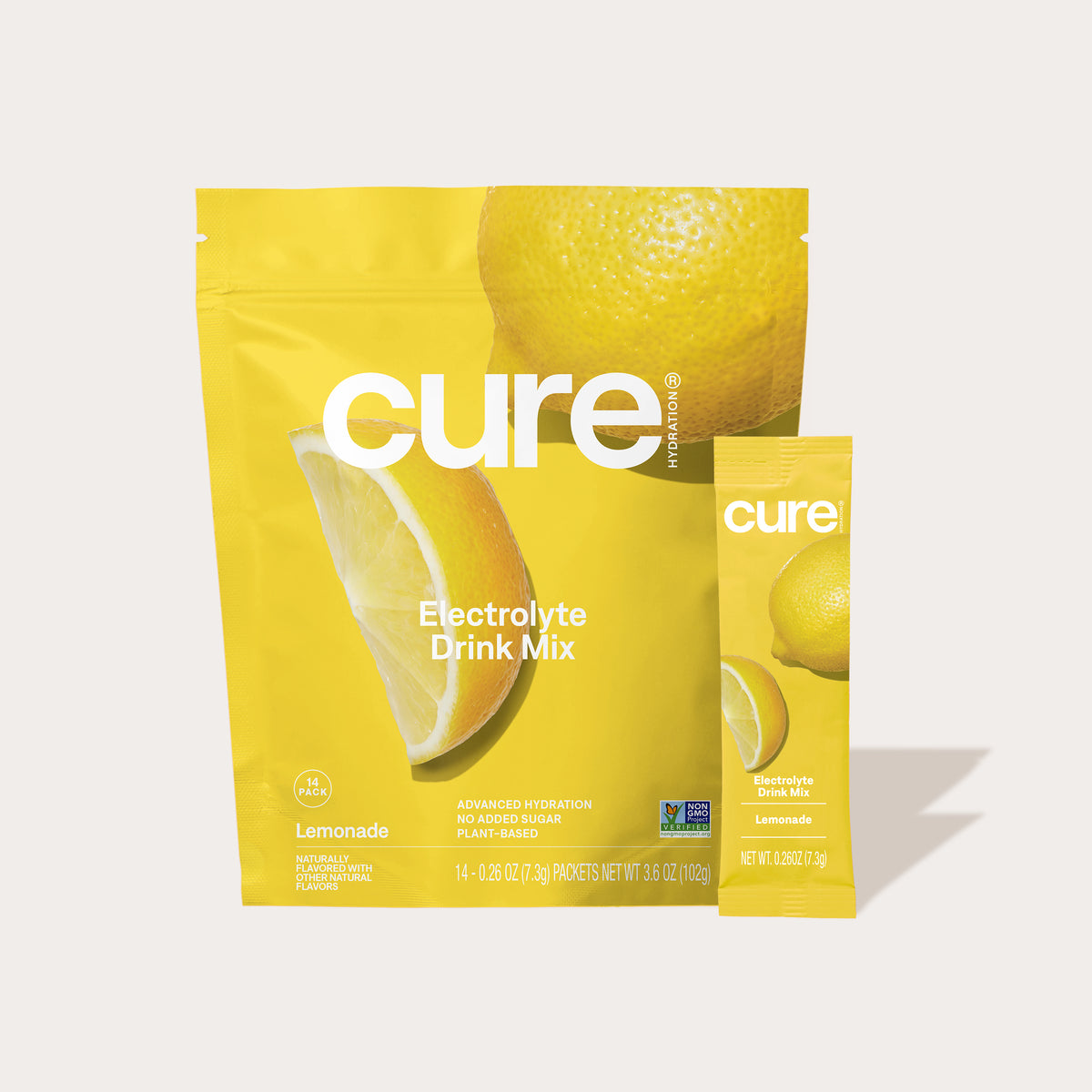
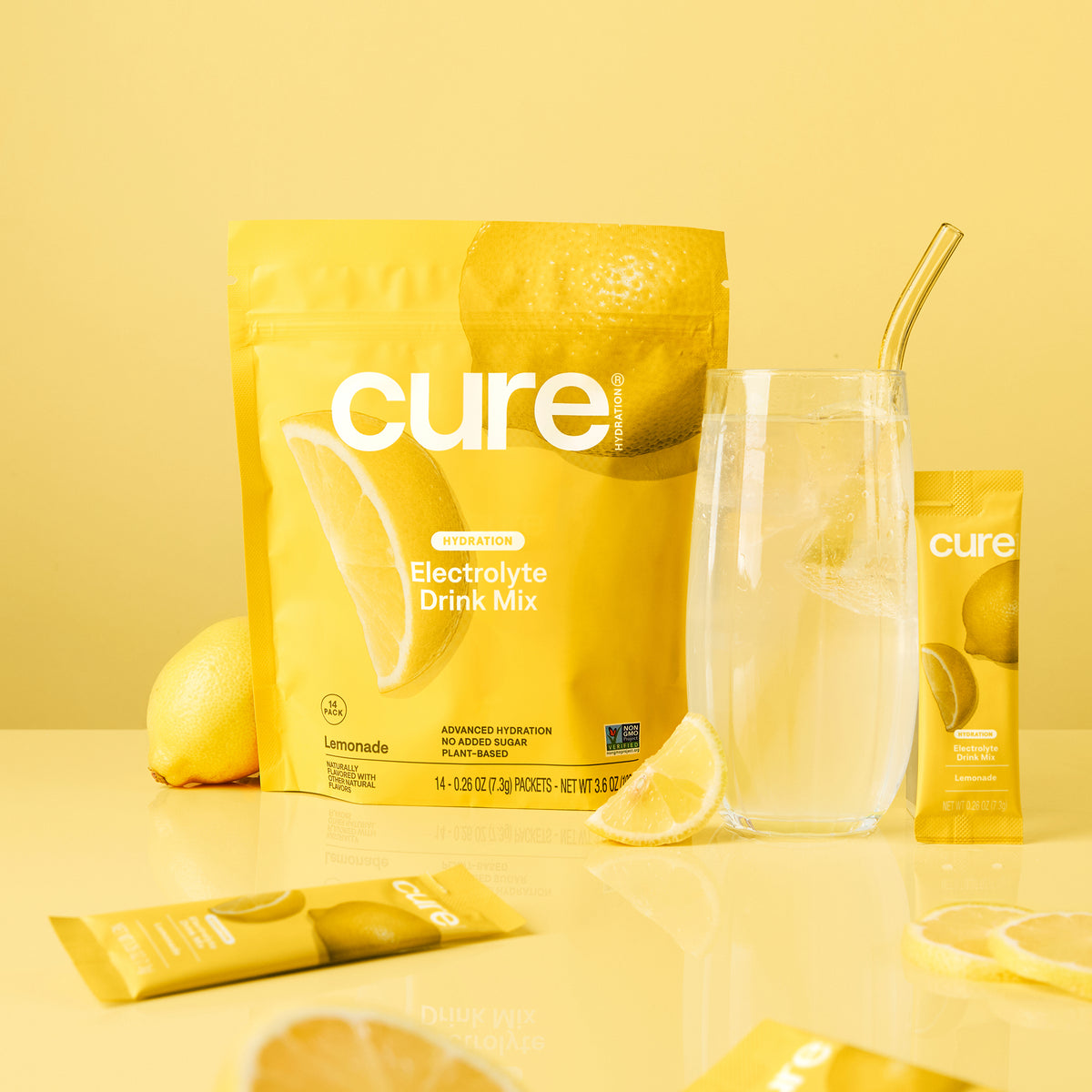
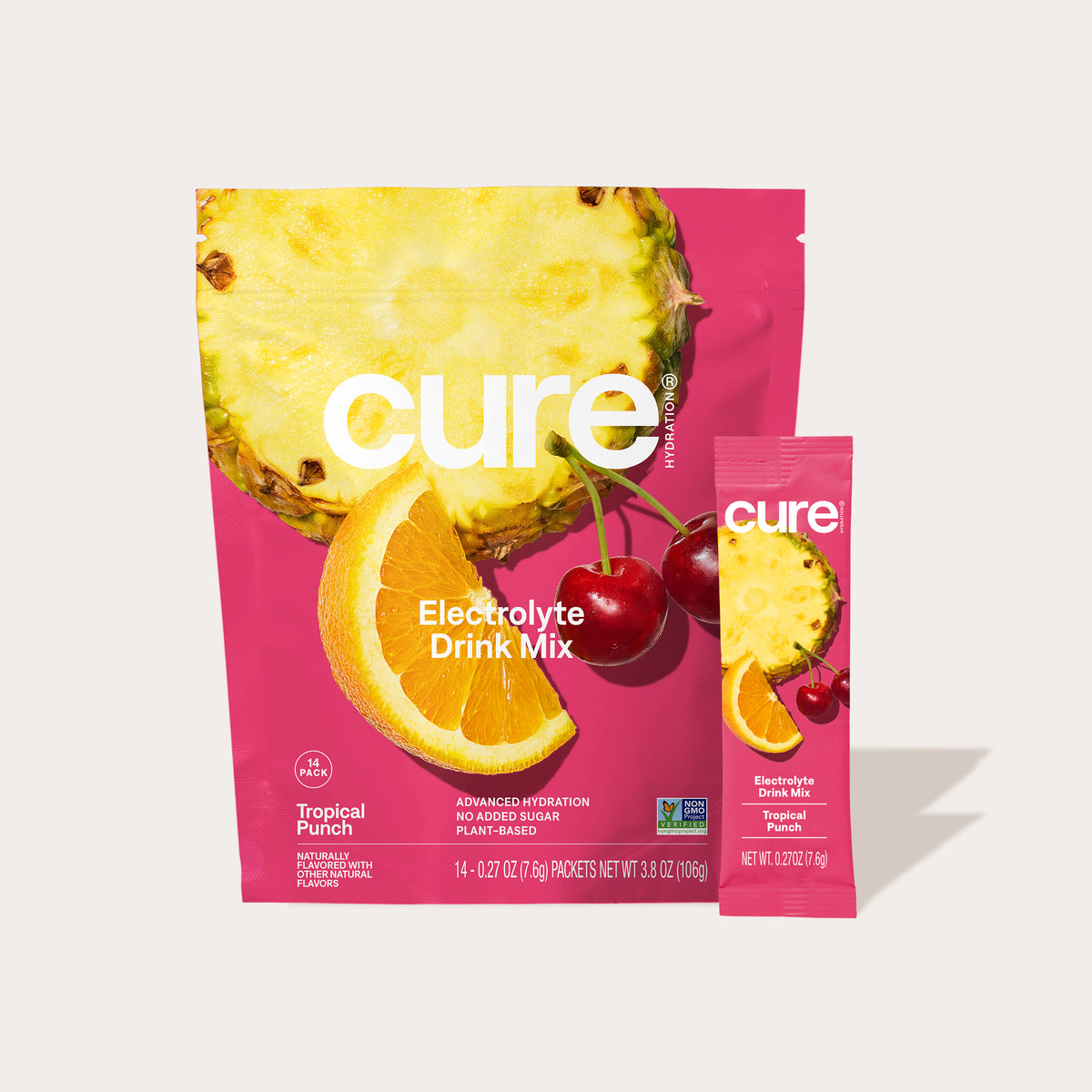
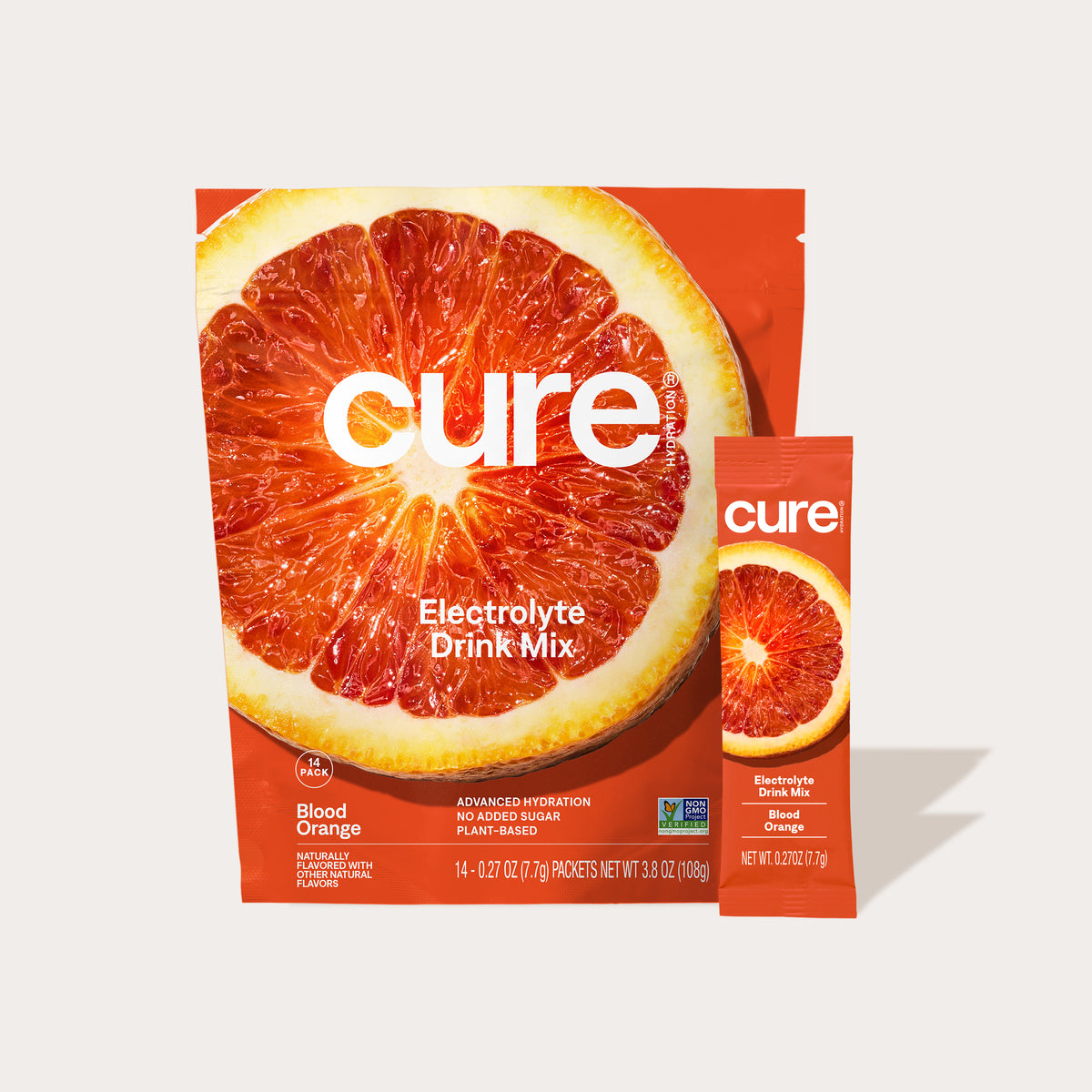
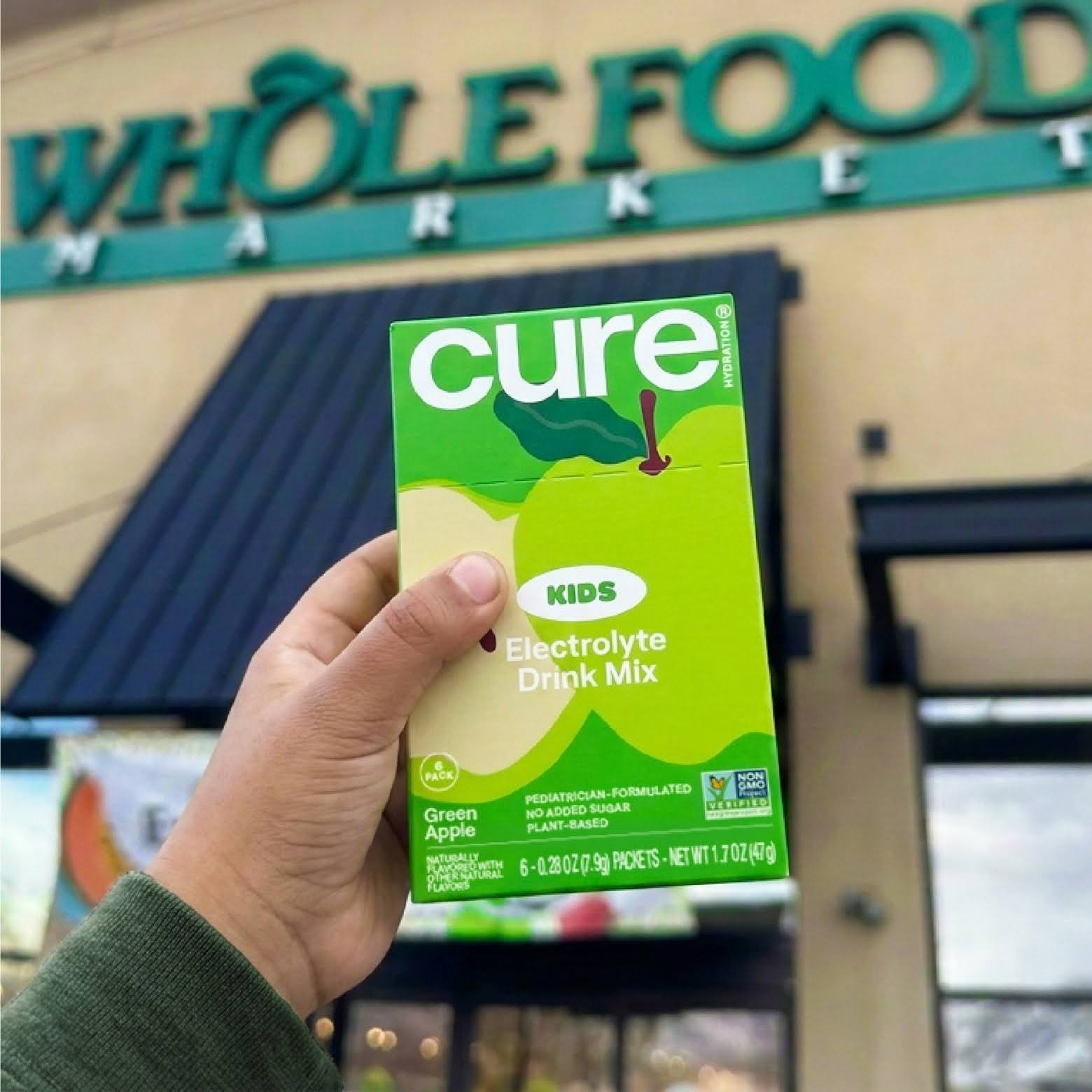
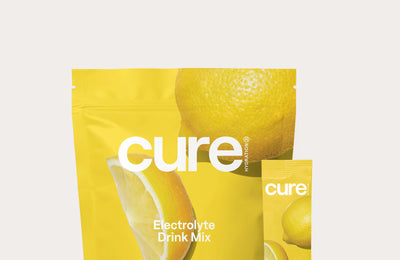
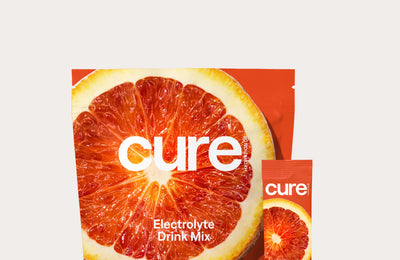
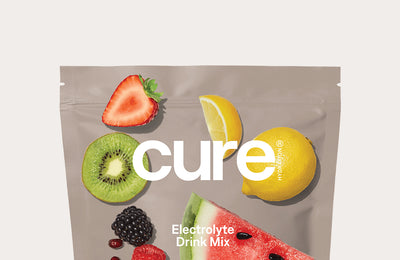
High-sugar beverages can worsen nausea and cause osmotic issues in your gut. Cure has no added sugar, no artificial sweeteners, and is made with real coconut water, pink Himalayan salt, and real fruit juice.
Try Ginger
Ginger has a long history of use for nausea. Ginger Turmeric pairs that stomach-settling benefit with electrolytes, addressing both nausea and hydration in one drink.
Common Causes of Nausea Where Electrolytes Help
Electrolytes will not fix every type of nausea, but they make a meaningful difference in several common situations.
Stomach Bugs and Food Poisoning
Vomiting and diarrhea strip fluids and minerals rapidly. An ORS-based electrolyte mix is one of the first recommendations for recovery. A Classic Variety Pack is worth keeping in your medicine cabinet for exactly this.
Morning Sickness
Pregnancy-related nausea is one of the most common reasons people reach for electrolytes. Dehydration worsens morning sickness, and staying on top of hydration can reduce severity. Cure's OB-GYN-reviewed guide on electrolytes and morning sickness takes a deeper look at the research.
Hangover Nausea
Alcohol is a diuretic that depletes fluids and electrolytes. The nausea you feel the morning after is partly dehydration. An electrolyte mix before bed or first thing in the morning helps replenish what was lost.
Heat-Related Nausea
Nausea is an early sign of heat exhaustion. If you are feeling sick in the heat, your body is telling you it needs fluids and minerals. Move to shade and sip an electrolyte drink slowly.
When to See a Doctor
Nausea can make drinking fluids difficult, but staying hydrated still matters. When dehydration is part of the problem, an electrolyte drink can help replace fluids and electrolytes while giving you an option beyond plain water.
Take it slowly, listen to your body, and focus on fluids you can comfortably keep down. If nausea is severe, persistent, or accompanied by signs of dehydration, check in with a healthcare provider.
Cure is not a medical product and is not intended to diagnose, treat, cure, or prevent any disease. If you have specific health concerns, talk to your doctor.
Frequently Asked Questions
Do Electrolytes Help With Nausea?
Yes, when dehydration is a contributing factor. Electrolytes help your body absorb water more efficiently, addressing the fluid loss that often drives or worsens nausea. They do not treat the underlying cause but can reduce symptom severity.
What Should I Drink When I Feel Nauseous and Dehydrated?
A no-added-sugar electrolyte mix at room temperature, sipped slowly. Avoid sugary sports drinks, which can worsen nausea. An ORS-based formula like Cure provides sodium, potassium, and glucose in the ratio your body needs for efficient absorption.
Can Electrolyte Drinks Help With Morning Sickness?
Many people find that staying hydrated with electrolytes reduces the severity of morning sickness. Dehydration makes pregnancy-related nausea worse, and an electrolyte mix helps your body retain fluids more effectively than water alone.
Is It Better to Sip or Chug Electrolytes When Nauseous?
Sip. Small amounts every five to ten minutes give your stomach time to absorb without triggering more nausea. Start with a tablespoon at a time and increase as tolerated.
Can Too Many Electrolytes Cause Nausea?
Yes. Excess magnesium or sodium from over-supplementing can cause nausea, bloating, and digestive discomfort. Stick to one or two servings per day of a balanced formula and avoid stacking multiple electrolyte sources.
What Is the Best Electrolyte Drink for an Upset Stomach?
Look for a no-added-sugar formula based on the WHO's ORS standard, with real ingredients and no artificial sweeteners. Ginger-based options can offer additional stomach-settling benefits alongside the hydration support.