



















Travel puts your body through more than you realize. Flights dry you out. Altitude changes stress your system. Long drives in stuffy cars leave you nauseous and foggy. And most people do not think about hydration until they are already feeling it.
Electrolytes will not cure altitude sickness or stop motion sickness in its tracks. But they address a factor that makes both conditions worse: dehydration. Here is how electrolytes for altitude sickness and motion sickness travel work, what they can and cannot do, and how to stay ahead of both.
How Altitude Affects Hydration
When you travel to higher elevations, your body adjusts in ways that quietly drain fluids. Here is why electrolyte hydration matters at elevation.
You Breathe and Urinate More
At altitude, your breathing rate increases to compensate for lower oxygen levels. Each exhale releases moisture. Your kidneys also ramp up output as your body adjusts to the thinner air. The result is faster fluid loss from two directions at once.
Sweat Evaporates Faster
The air at elevation is typically drier, and lower humidity means sweat evaporates before you notice it. You can lose significant fluid without the usual cues like damp skin or visible perspiration.
Sodium Loss Compounds the Problem
With increased urination and respiration, you are not just losing water. You are losing sodium and potassium, the two electrolytes most responsible for helping your body retain and absorb fluid. Drinking plain water without replacing those minerals can actually dilute your blood sodium levels, a condition called hyponatremia.
Do Electrolytes Help With Altitude Sickness?
Altitude sickness is caused by low oxygen, not low minerals. Electrolytes cannot prevent acute mountain sickness (AMS) on their own. However, dehydration makes AMS symptoms significantly worse, and electrolytes help you stay properly hydrated.
The symptoms of mild AMS, including headache, fatigue, nausea, and brain fog, overlap heavily with dehydration symptoms. Staying on top of your fluid and mineral intake can help reduce the severity of those overlapping symptoms. Cure is formulated on the World Health Organization's Oral Rehydration Solution (ORS) formula, which helps your body absorb water more efficiently than water alone.
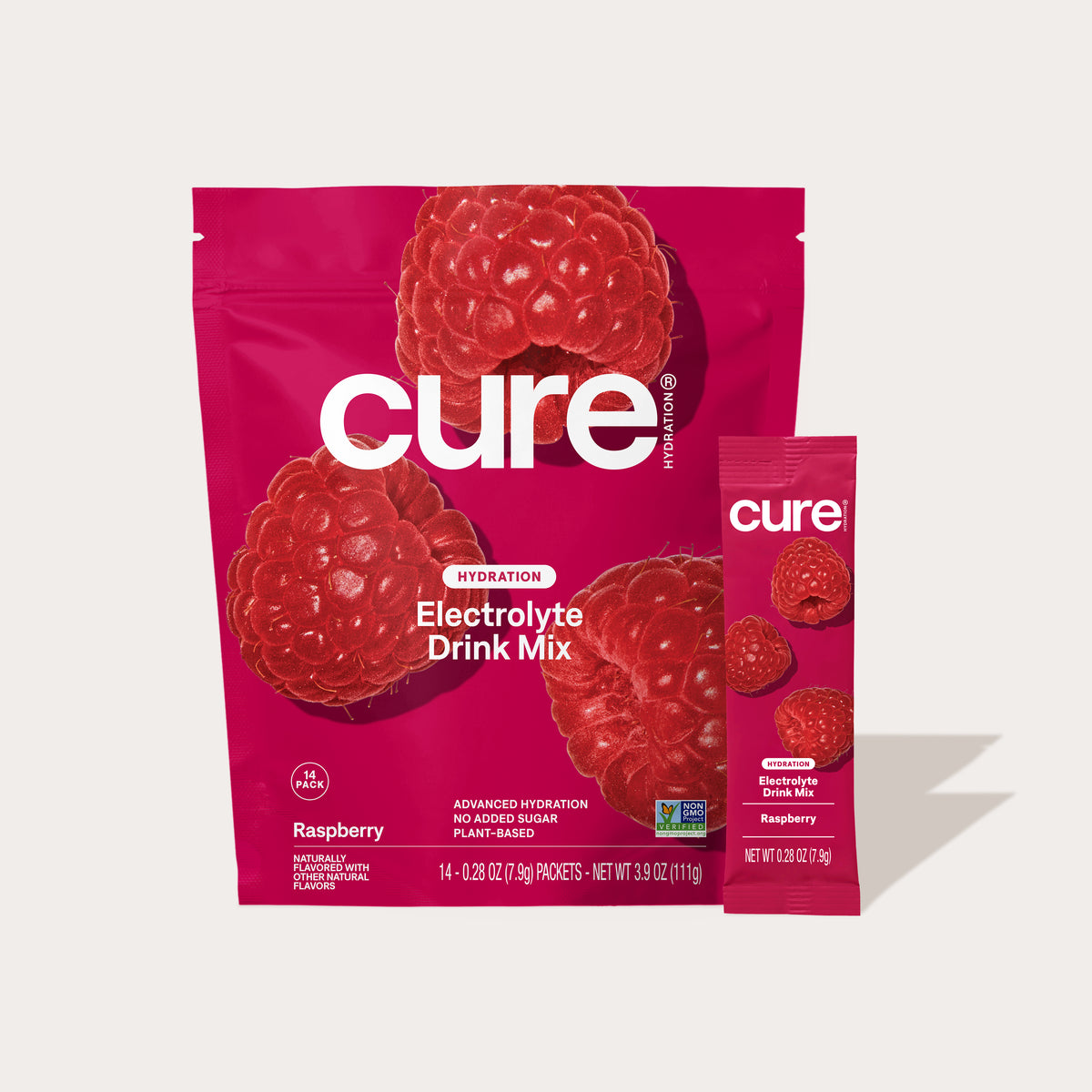
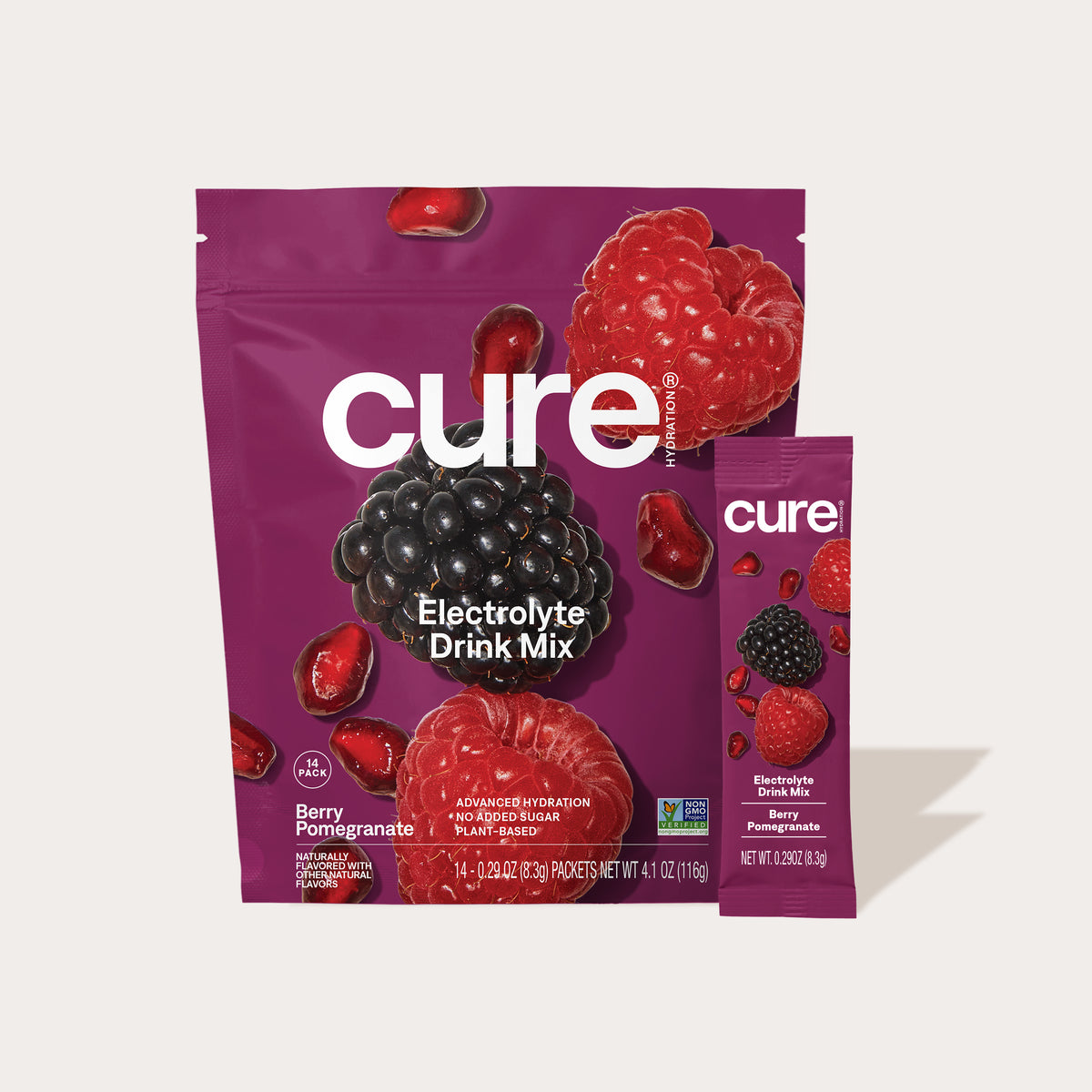
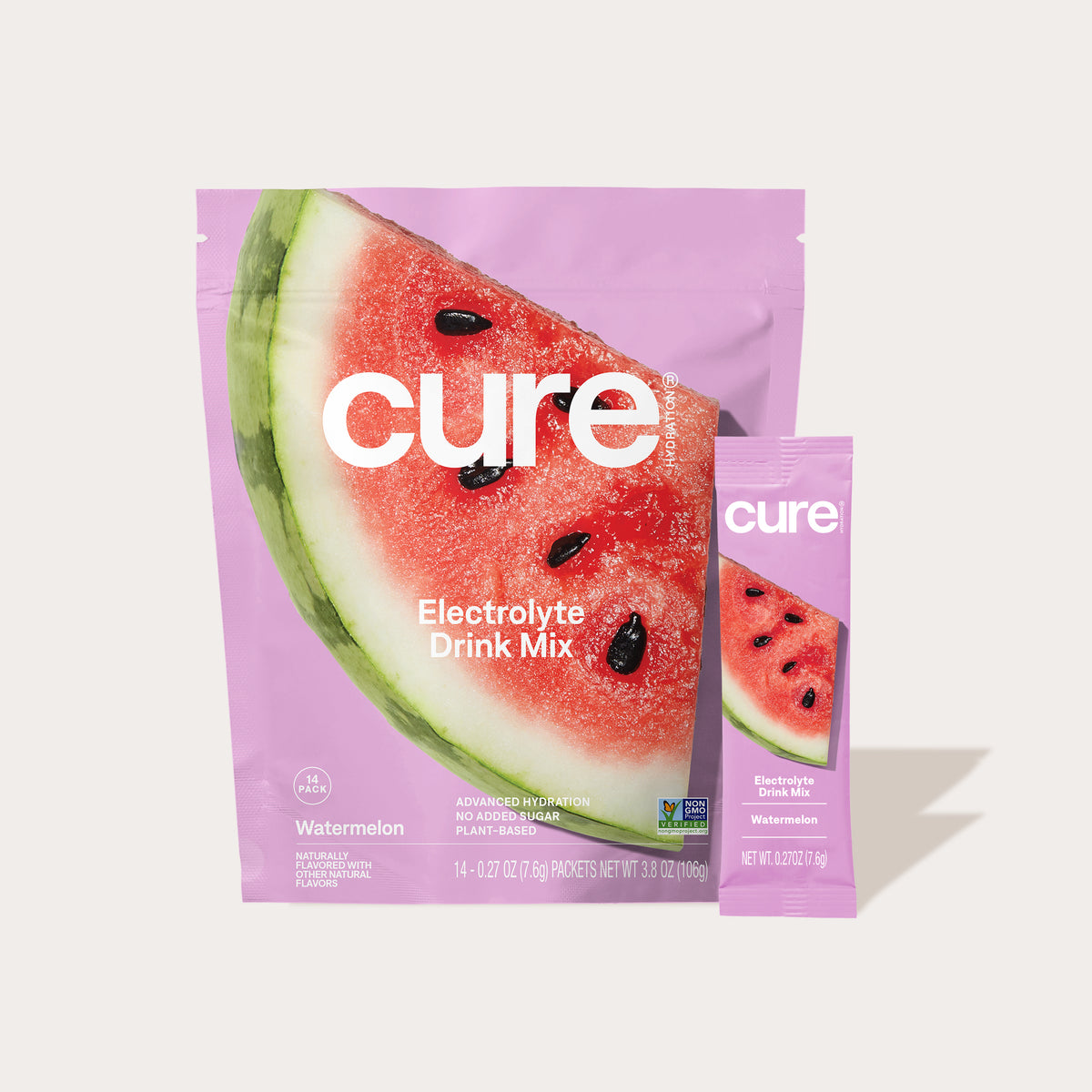
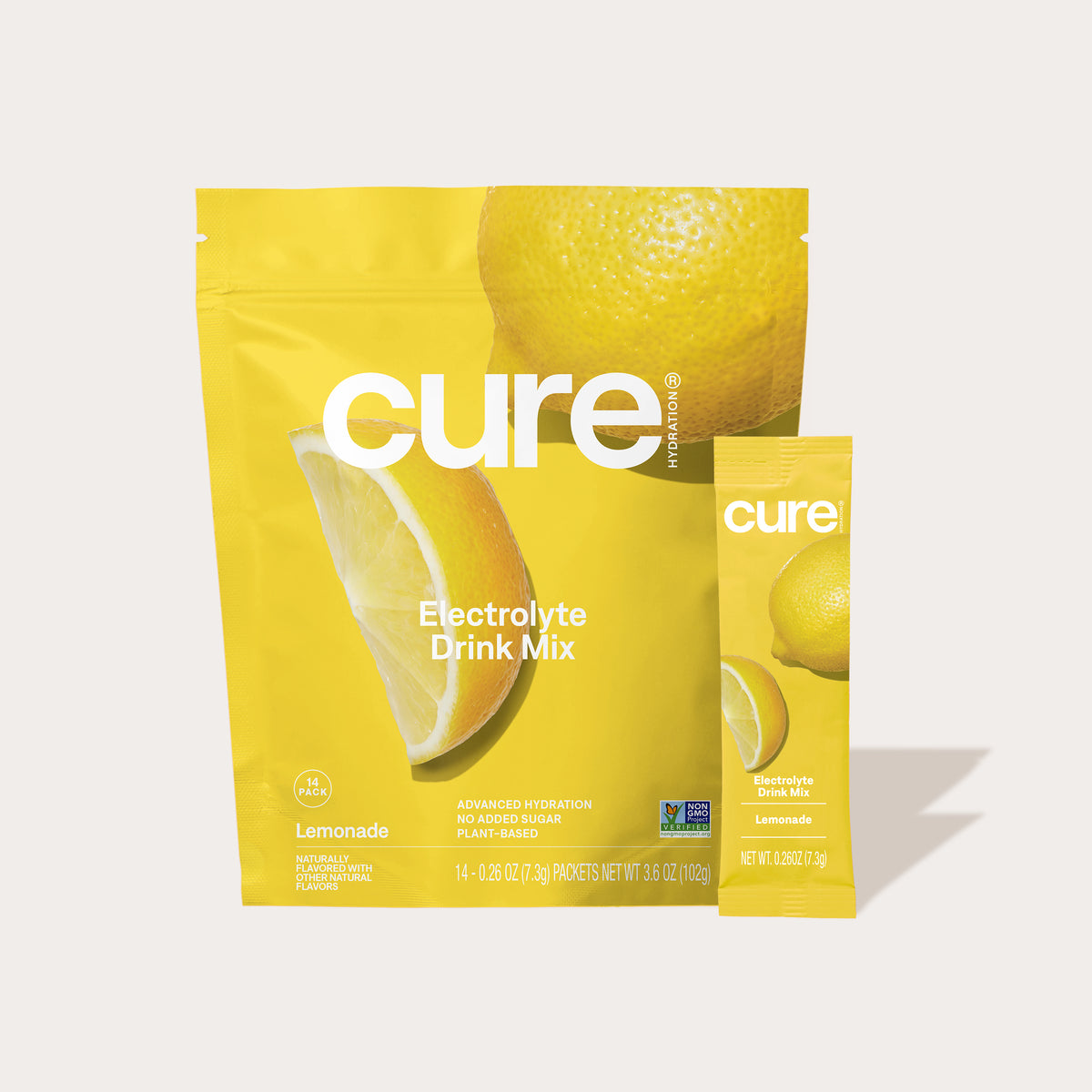
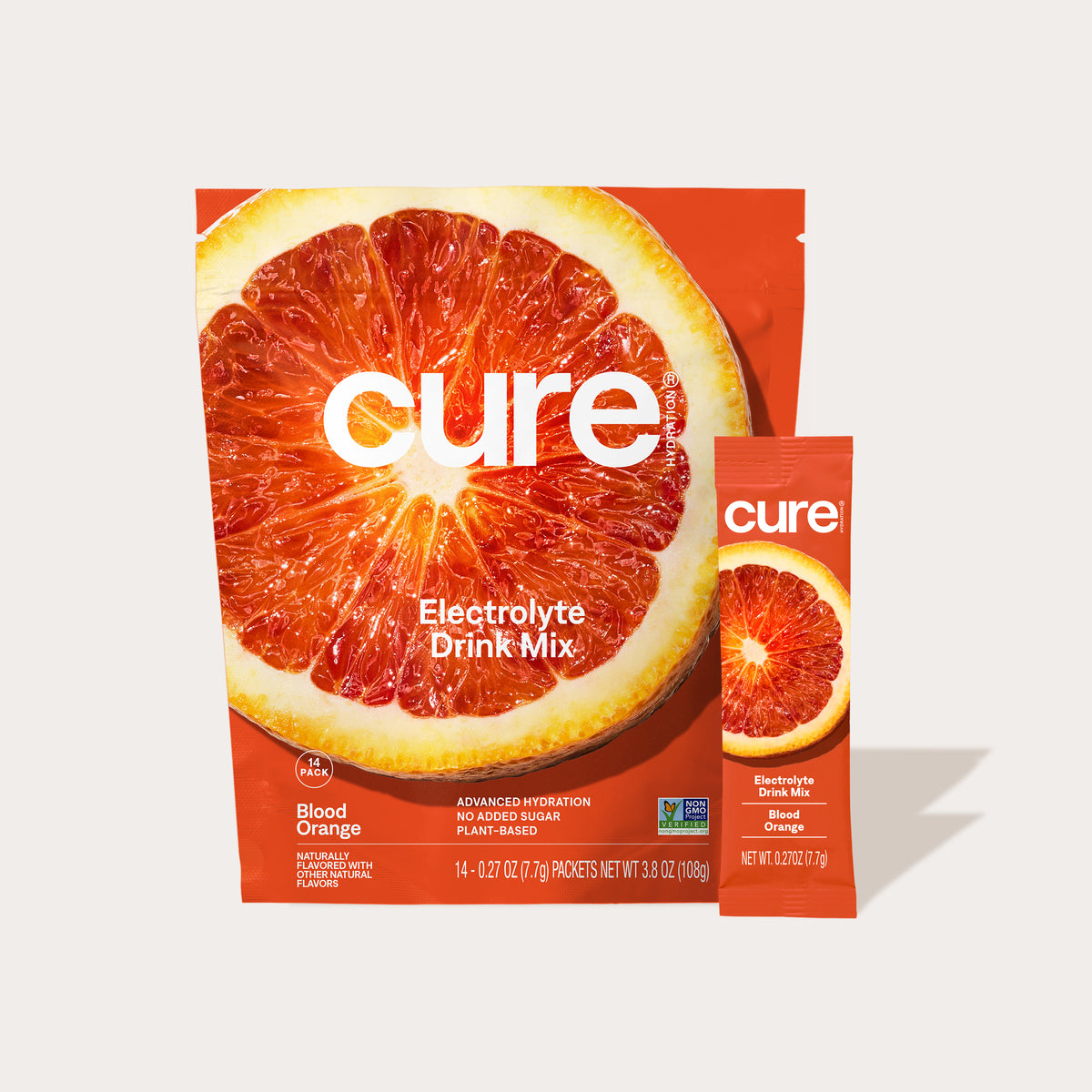
A good approach for altitude travel is to start hydrating with electrolytes the day before you arrive at elevation and continue through your trip. A Tropical Variety Pack gives you enough sticks to cover several days of travel without taking up much space in your bag.
Electrolytes for Motion Sickness Travel
Motion sickness gets blamed on the car, the boat, or the winding road. And those triggers are real. But a lot of travel nausea that gets written off as motion sickness is dehydration making everything worse.
Dehydration and Nausea Are Connected
When you are dehydrated, your body is already under stress. Add motion-related sensory confusion on top of that, and nausea intensifies. Addressing the dehydration does not eliminate true vestibular motion sickness, but it can reduce the severity and prevent the kind of travel nausea that comes purely from fluid loss.
What to Drink for Motion Sickness on a Road Trip
Start with water and electrolytes before you get in the car, not after nausea sets in. Stick packets are easy to toss in a bag or glove box. Mix one into your water bottle before departure and sip steadily throughout the drive.
Ginger Turmeric is worth mentioning here. Ginger has a long history of use for nausea, and pairing it with electrolytes addresses both the stomach discomfort and the hydration piece in one drink.
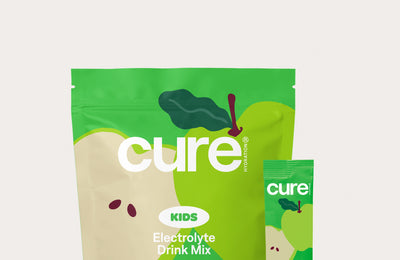
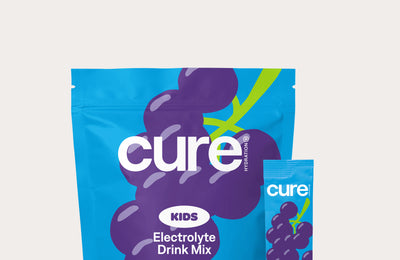
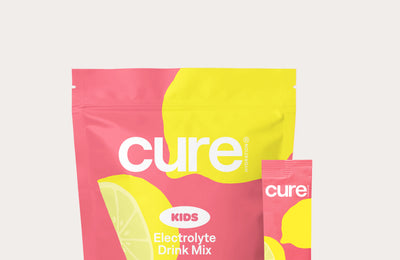
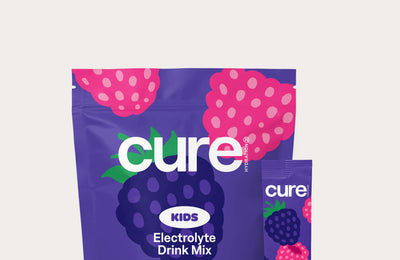
If you are traveling with kids who get carsick, the Kids line offers a no-added-sugar, pediatrician-approved option in flavors they will actually drink.
Travel Hydration Tips That Work
Whether your trip involves altitude, long drives, or flights, these habits keep you ahead of travel dehydration:
- Pack electrolyte sticks in your carry-on or glove box. They weigh nothing and mix into any water bottle.
- Start hydrating the day before travel. Your body handles stress better when it starts from a hydrated baseline.
- Avoid relying on plain water alone. Without sodium and potassium, your body does not retain water as efficiently.
- Do not wait until you feel thirsty. Thirst is a lagging indicator. By the time you feel it, you are already behind.
Stay Ahead of Travel Dehydration
Electrolytes are not a cure for altitude sickness or a replacement for gradual acclimatization. They are not a standalone fix for motion sickness. But they are one of the simplest ways to keep dehydration from making both conditions worse.
Shop Cure Hydrating Electrolyte Mix and pack your next trip with better hydration.
Cure is not a medical product and is not intended to diagnose, treat, cure, or prevent any disease. If you have specific health concerns, talk to your doctor.
Frequently Asked Questions
Do Electrolytes Help With Altitude Sickness?
Electrolytes do not prevent altitude sickness, which is caused by low oxygen. However, they help prevent dehydration, which shares overlapping symptoms like headache, fatigue, and nausea, and can make AMS significantly worse.
What Should I Drink for Motion Sickness on a Road Trip?
Start with water and electrolytes before travel, not after nausea begins. Ginger-based drinks may help with stomach discomfort. Staying hydrated prevents dehydration-related nausea from compounding true motion sickness.
How Much Water Should I Drink at High Altitude?
Most recommendations suggest three to four liters of fluid per day at moderate altitude. Adding an electrolyte mix helps your body retain that fluid rather than flushing it. Drinking plain water alone at elevation can dilute blood sodium.
Can Kids Use Electrolytes for Travel Sickness?
For most healthy children, yes. Choose a product formulated for kids with no added sugar. Cure's Kids Electrolyte Drink Mix is pediatrician-approved and comes in flavors kids will drink without a fight.
When Should I Start Taking Electrolytes Before a Trip?
Start the day before you travel to build a hydrated baseline. Continue through your trip, especially at altitude or during long drives where you might not stop to drink as often.
Are Electrolytes Better Than Plain Water for Travel?
For travel hydration, yes. Plain water helps, but without sodium and potassium, your body does not absorb or retain it as efficiently. An electrolyte mix based on the WHO's ORS formula helps your body hydrate faster than water alone.