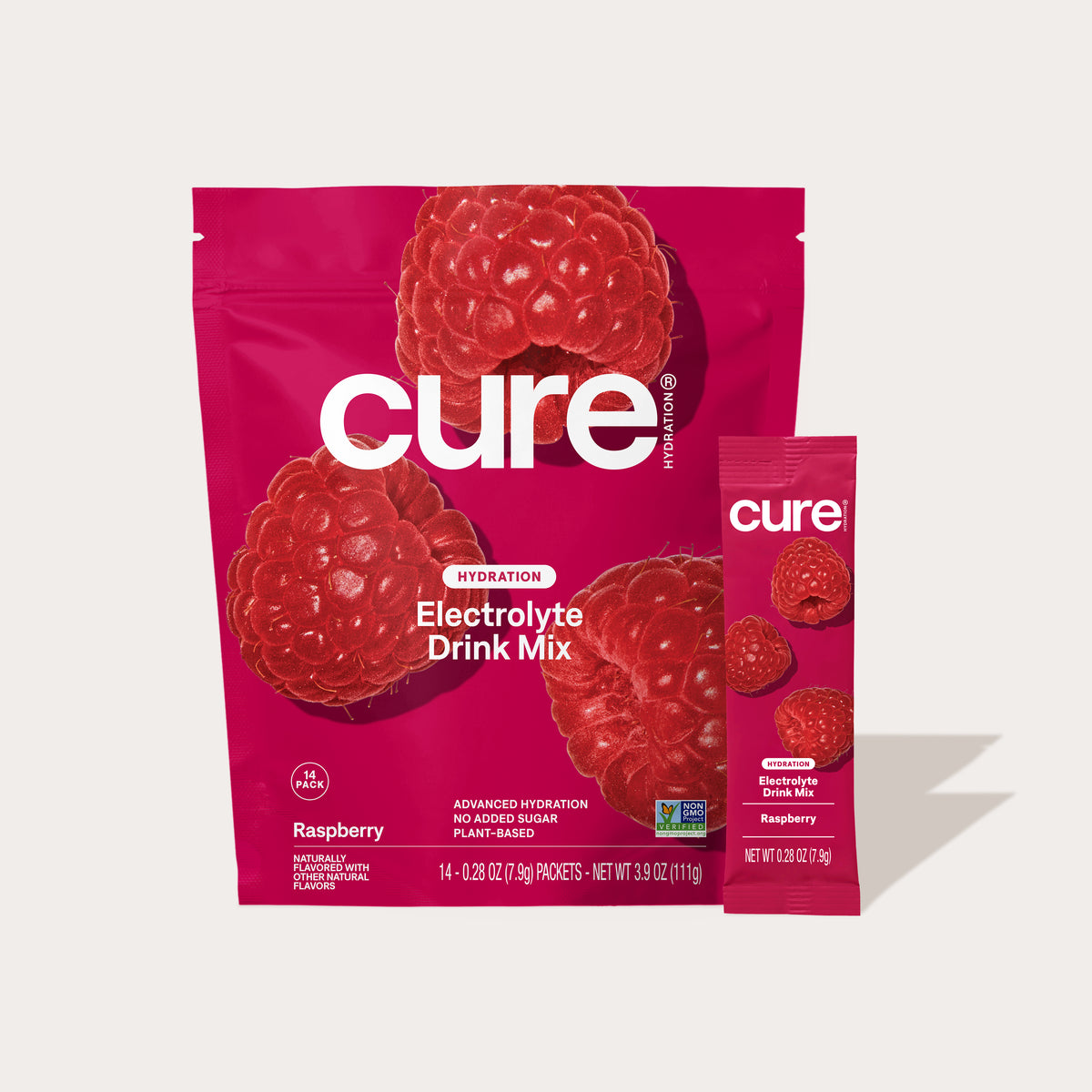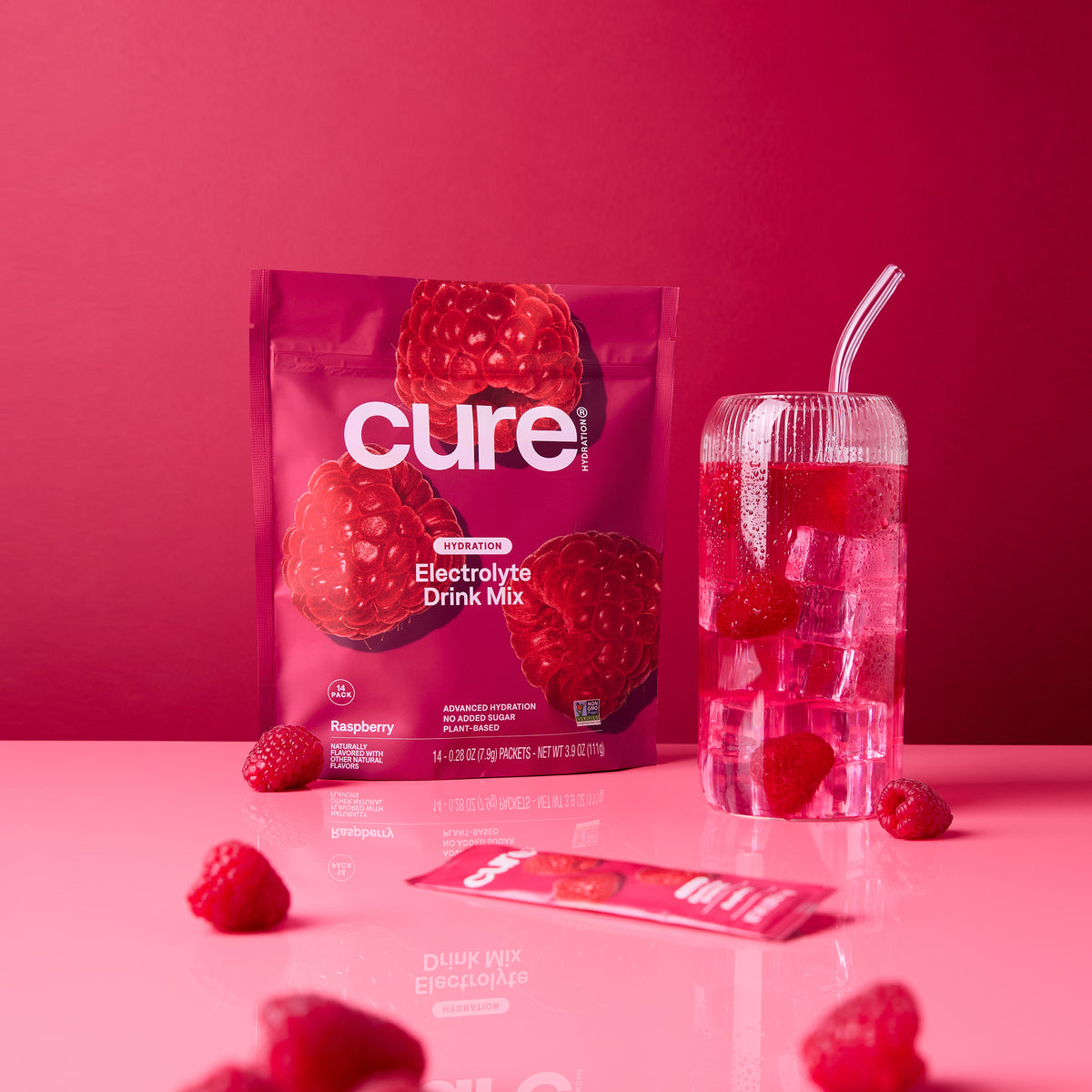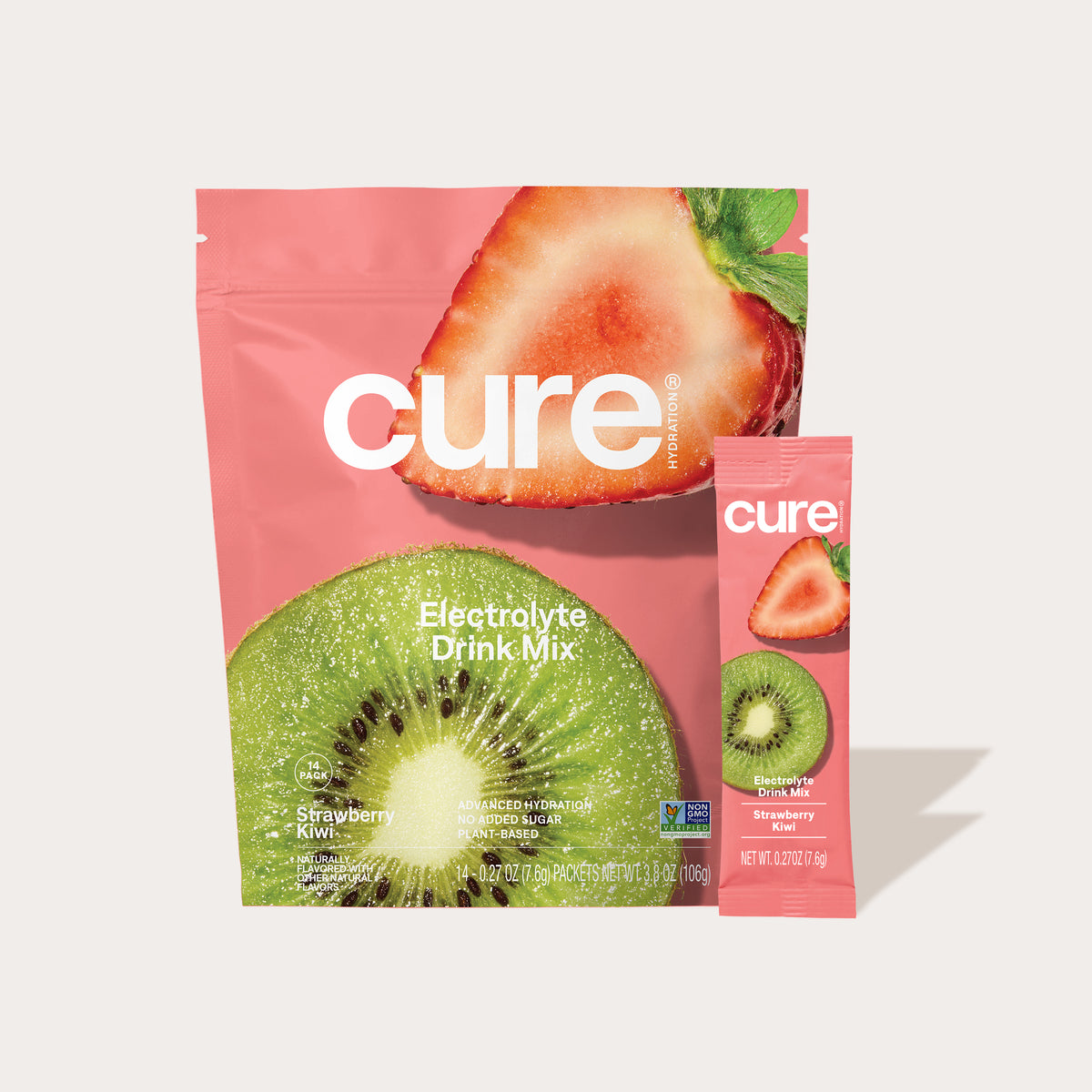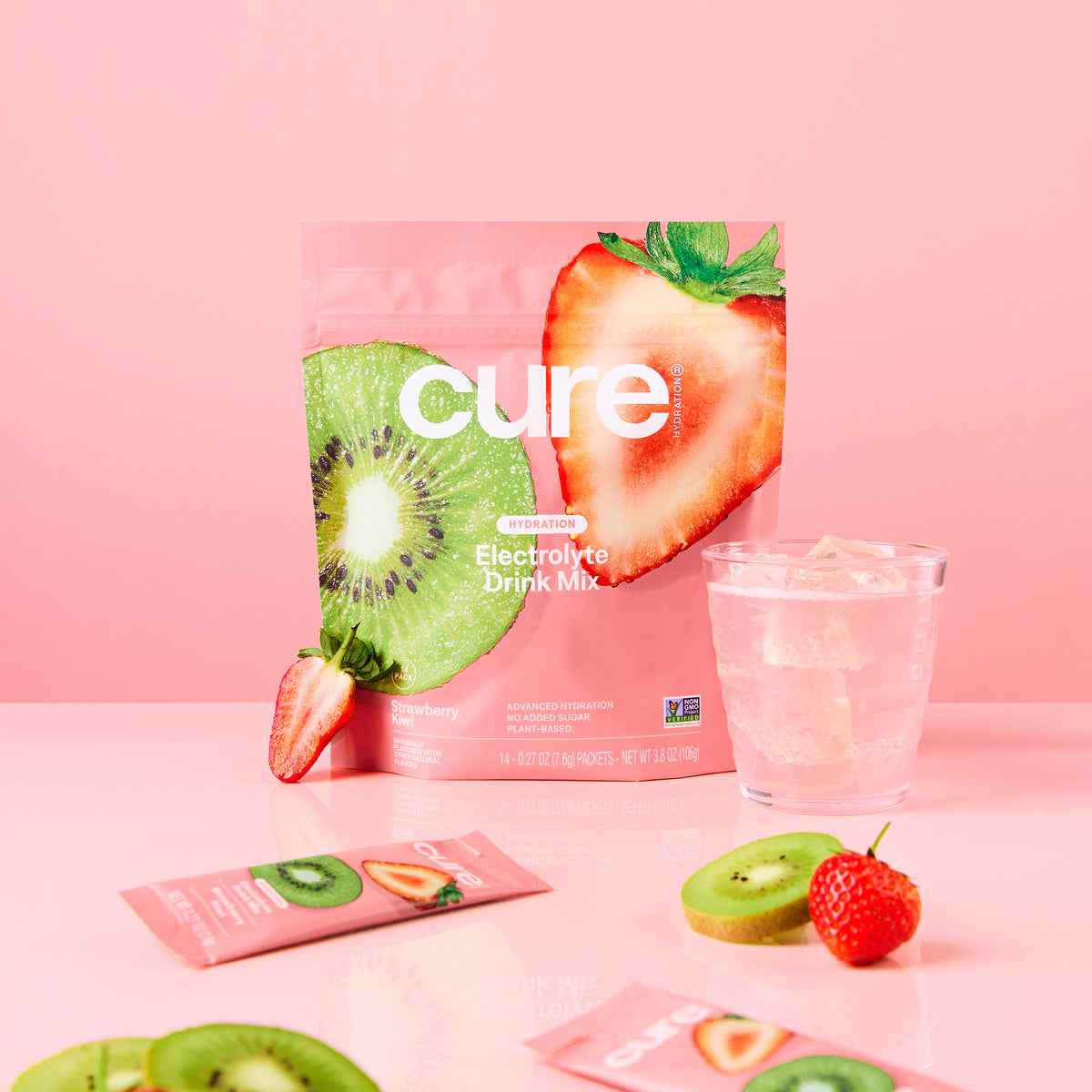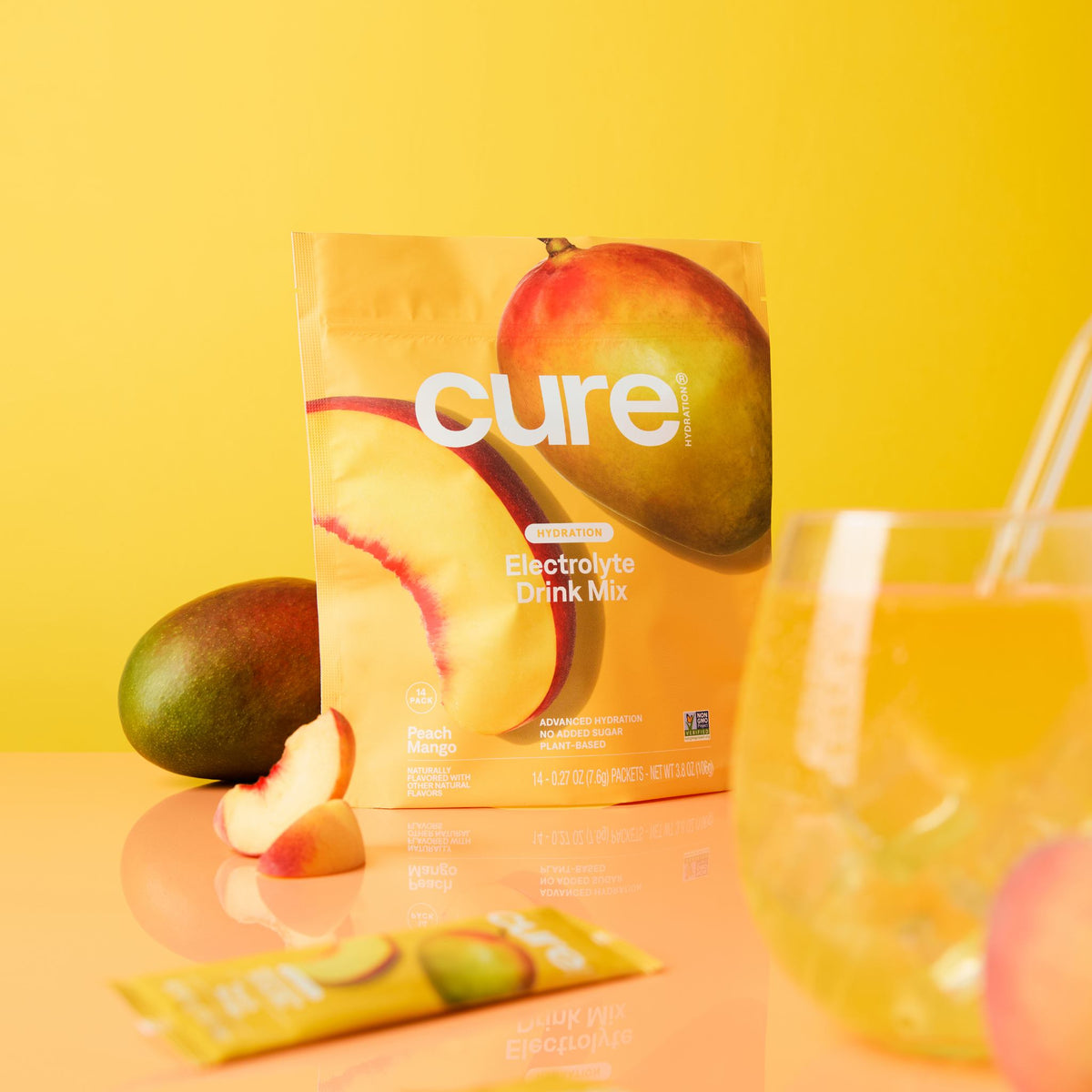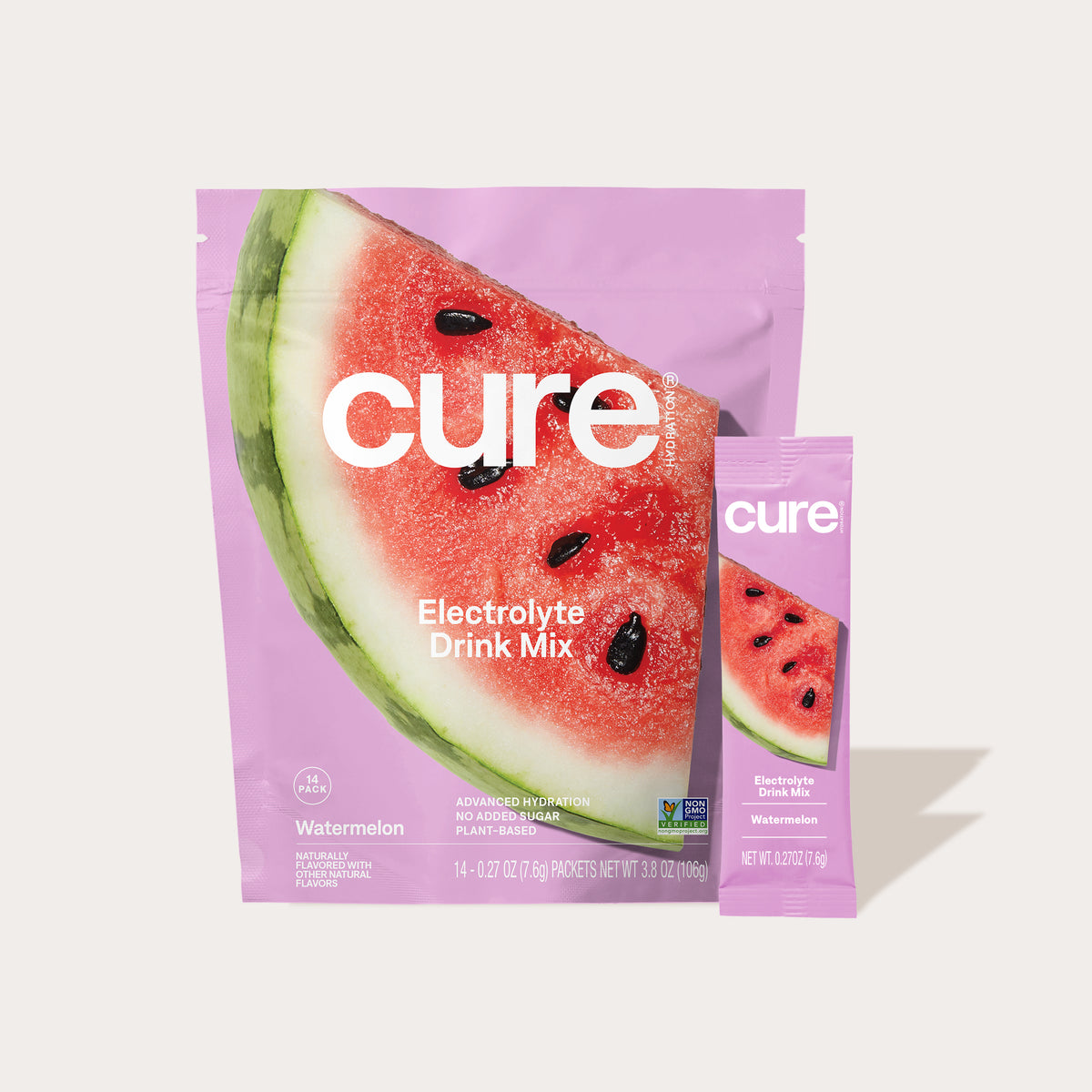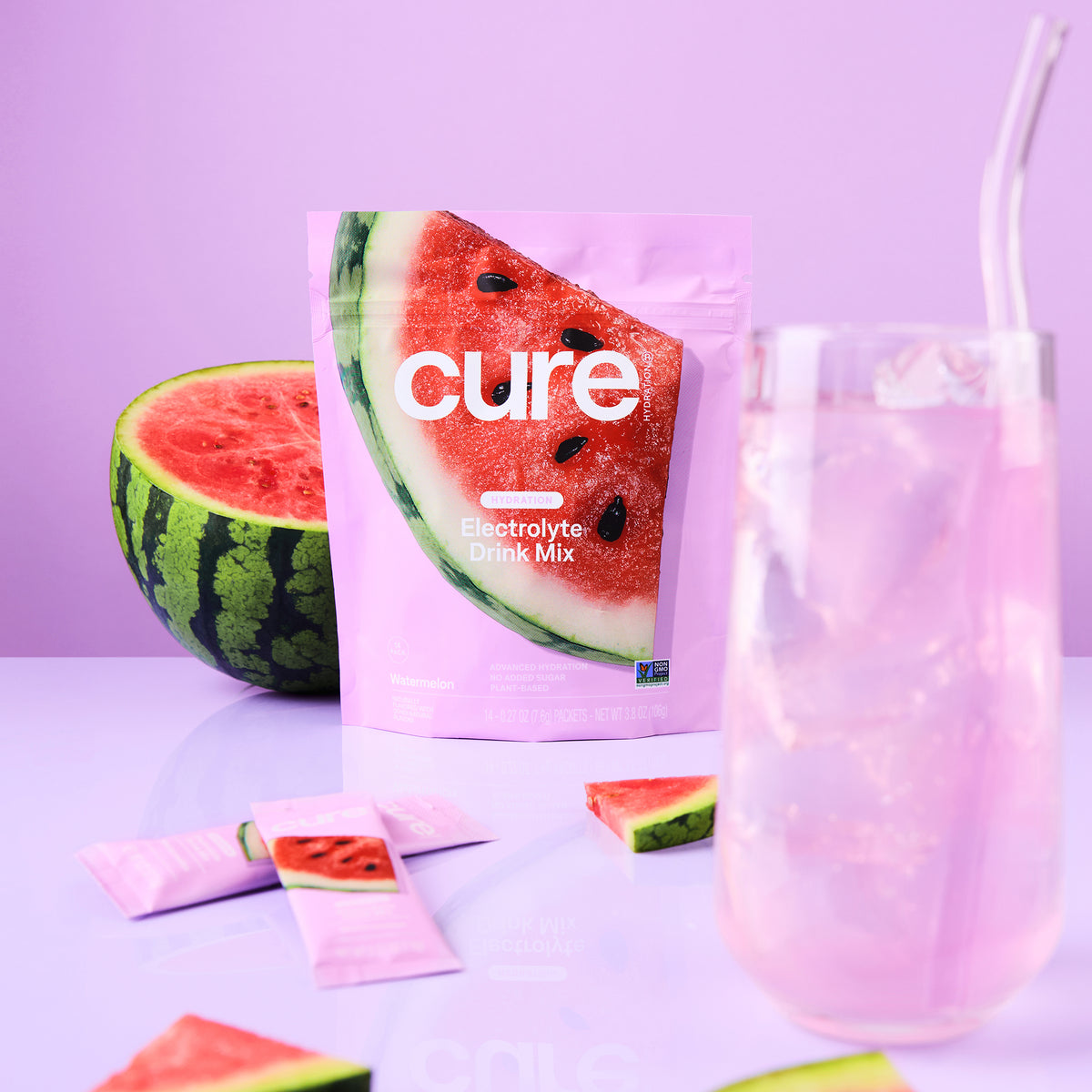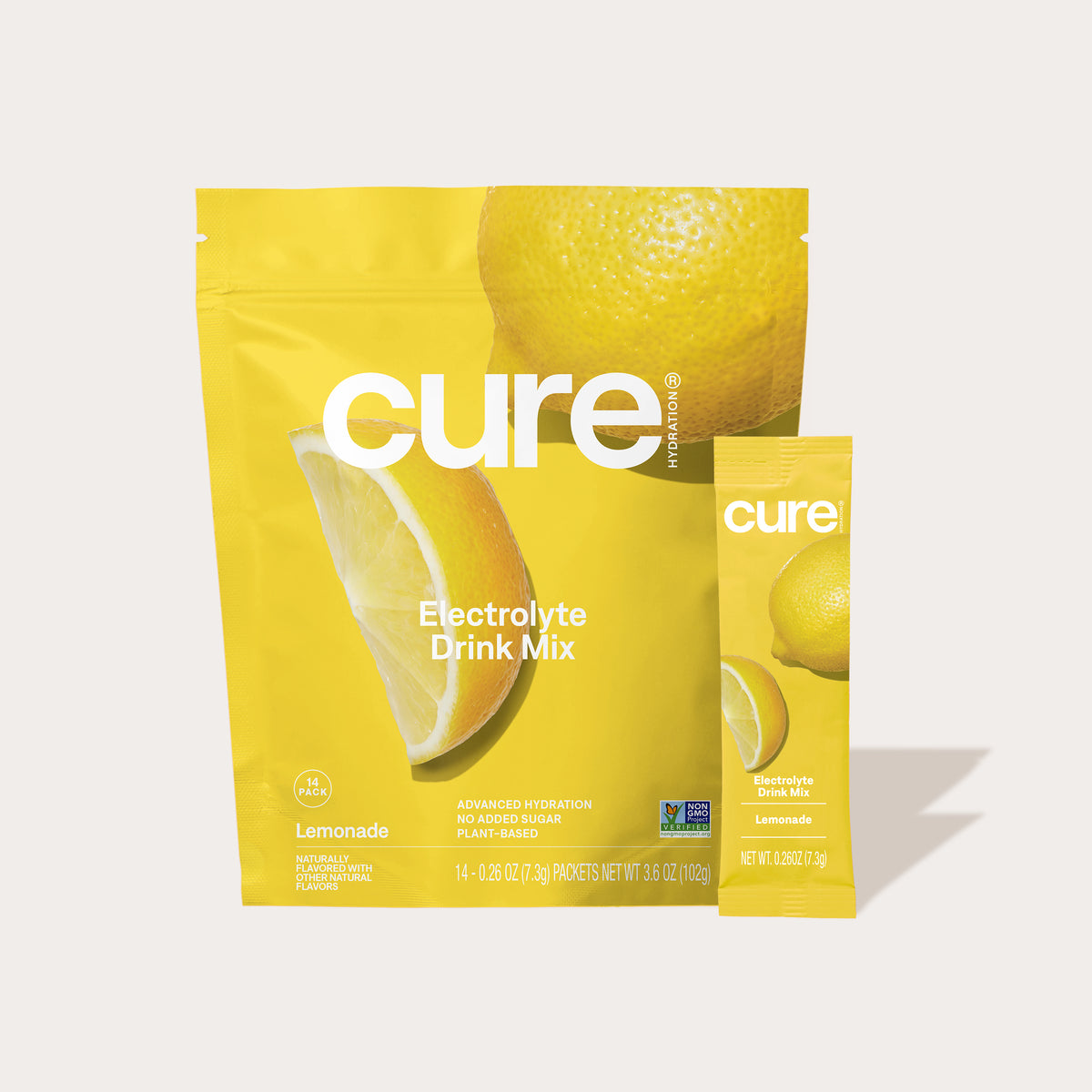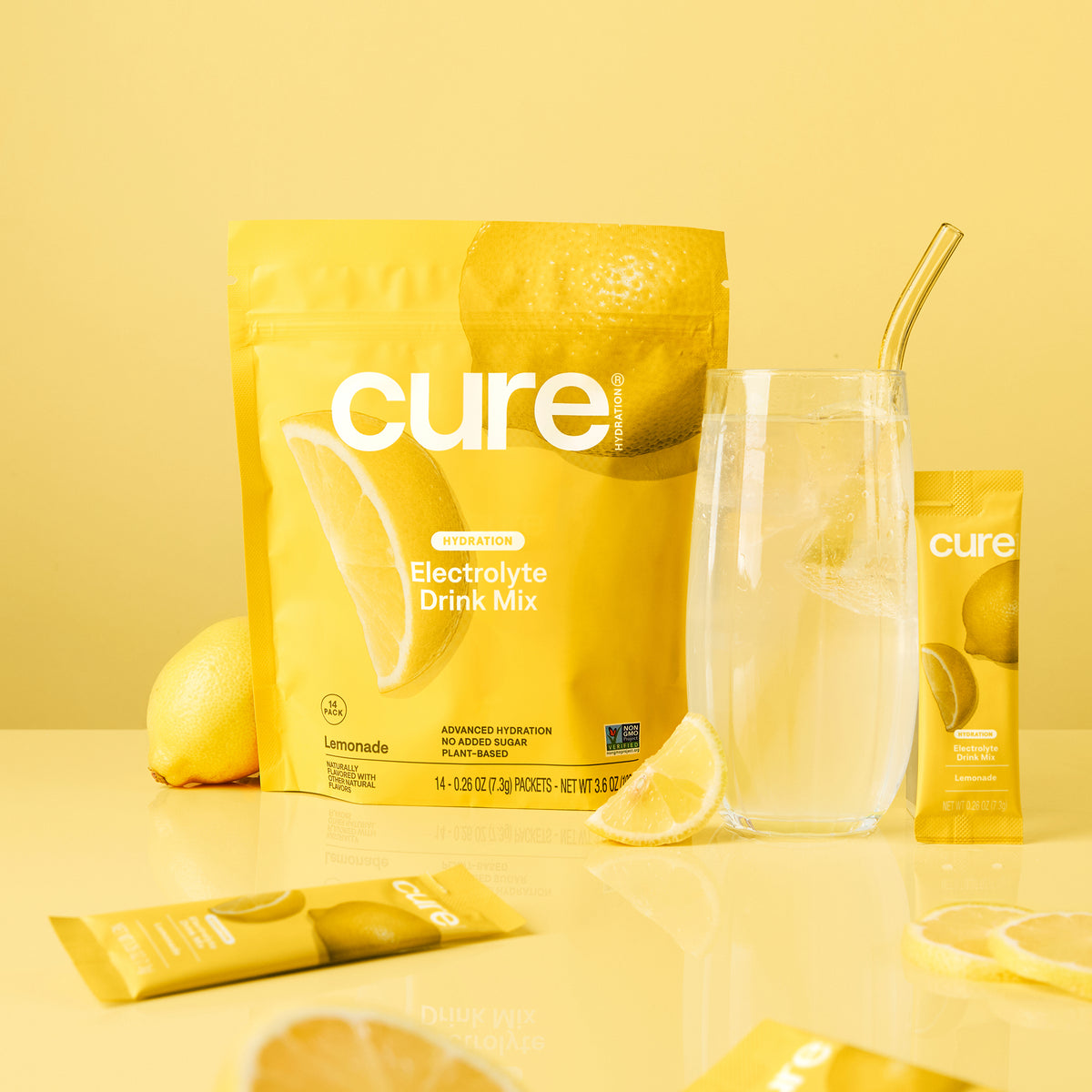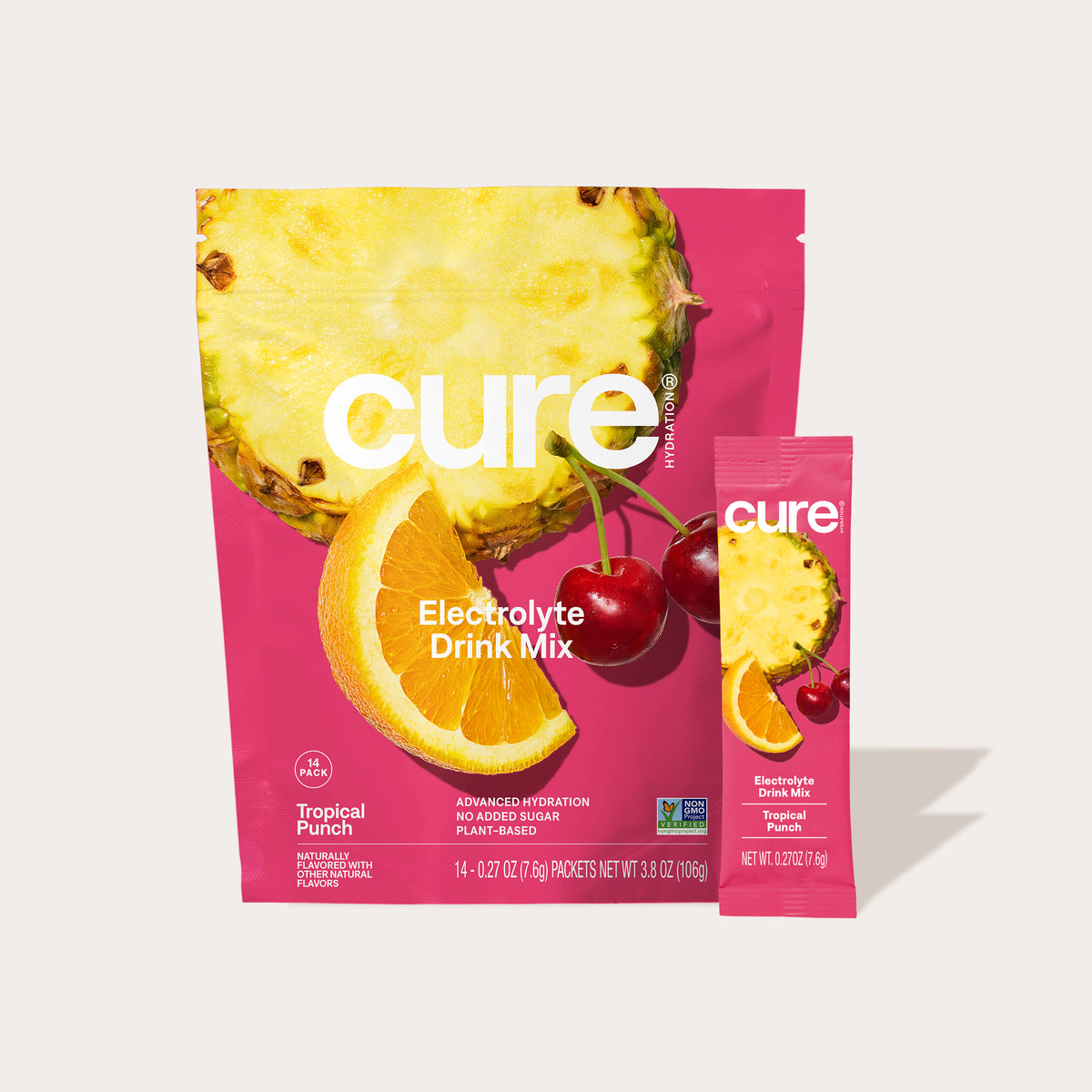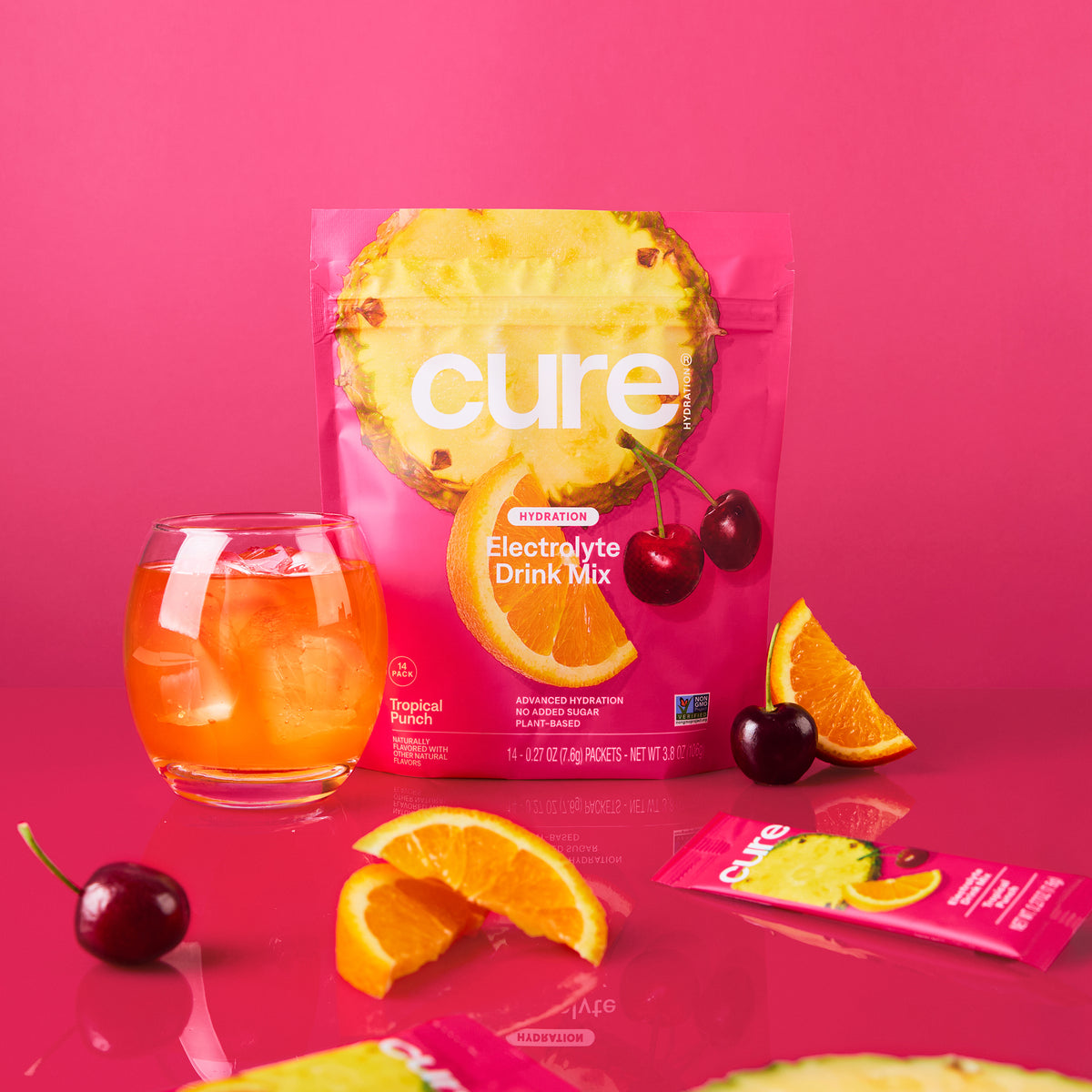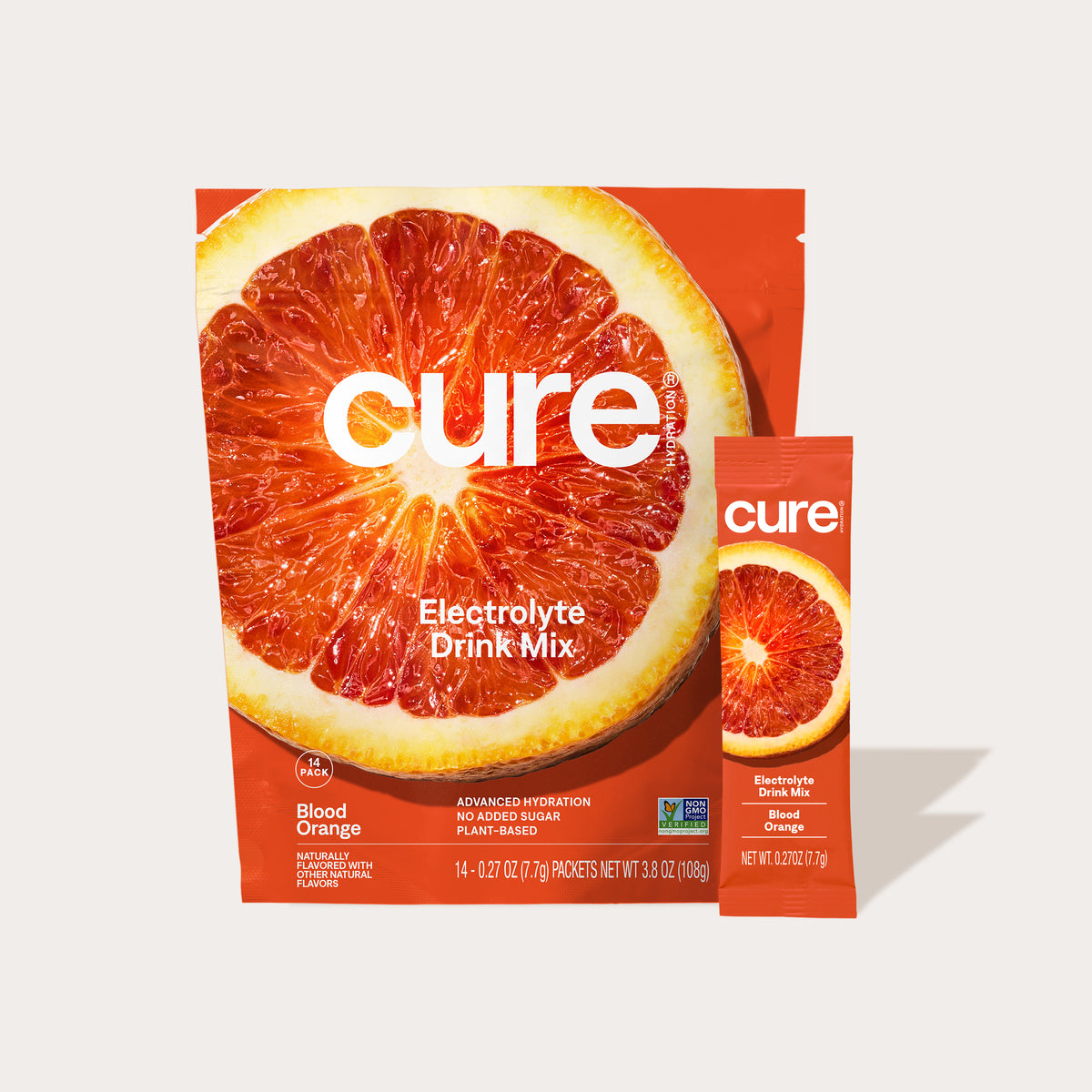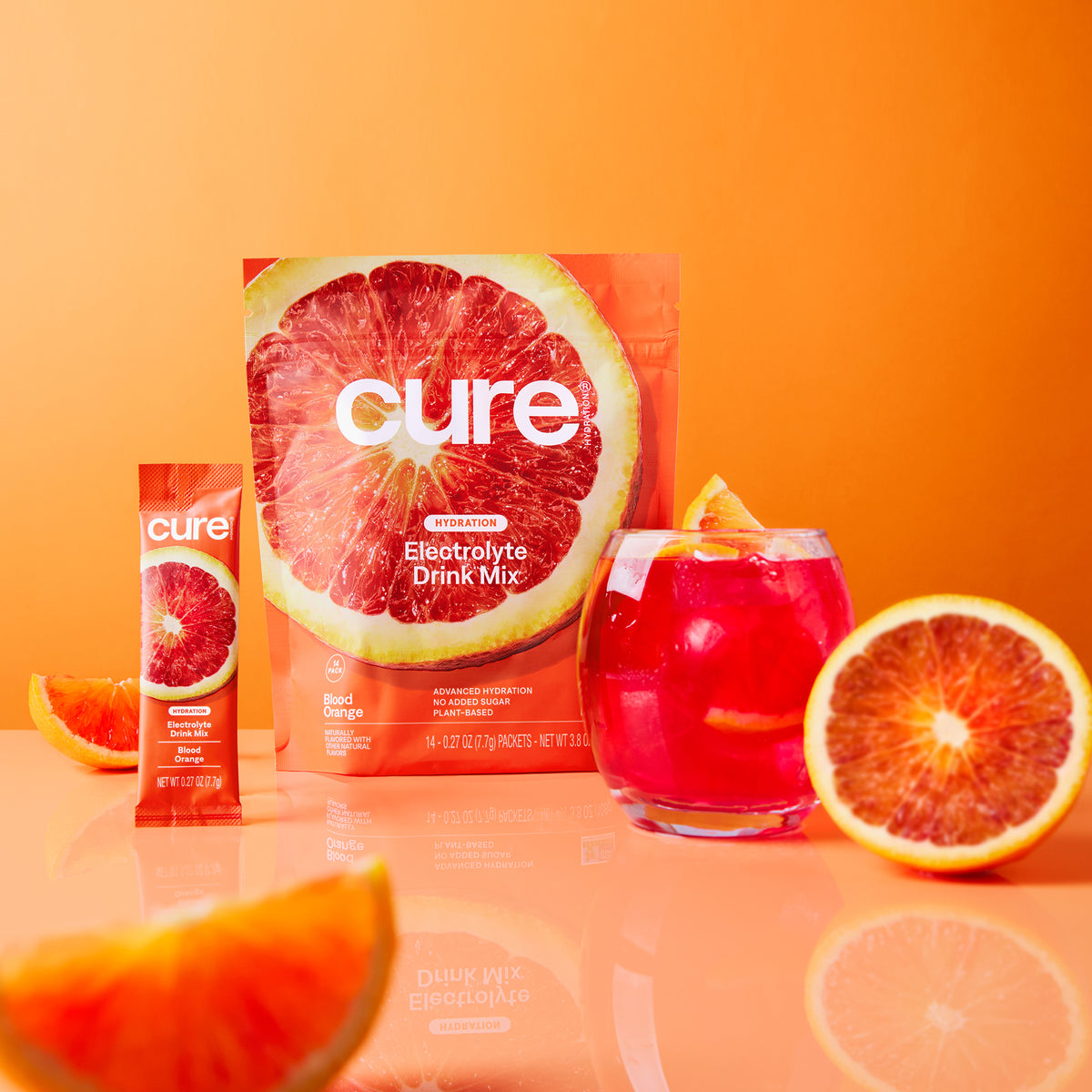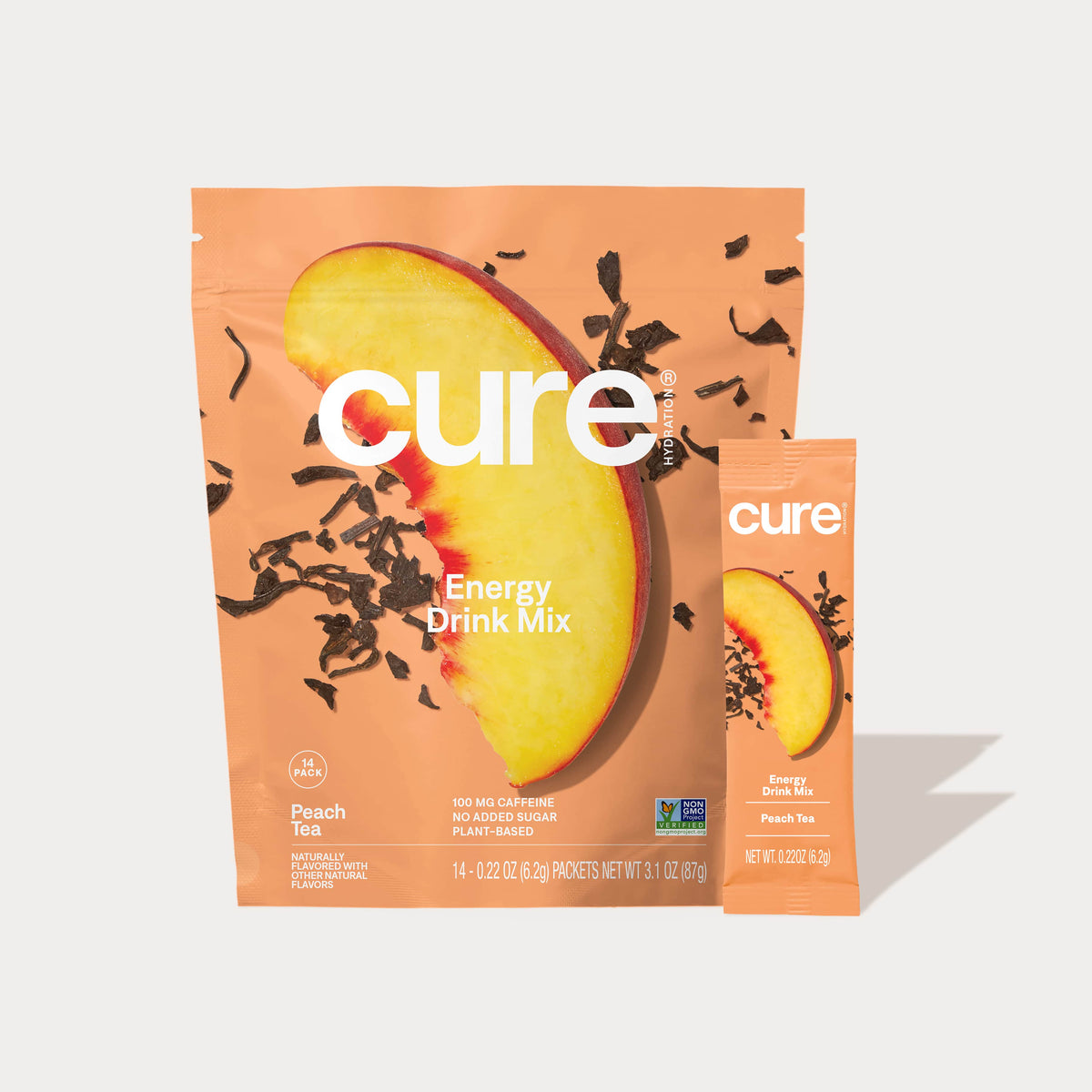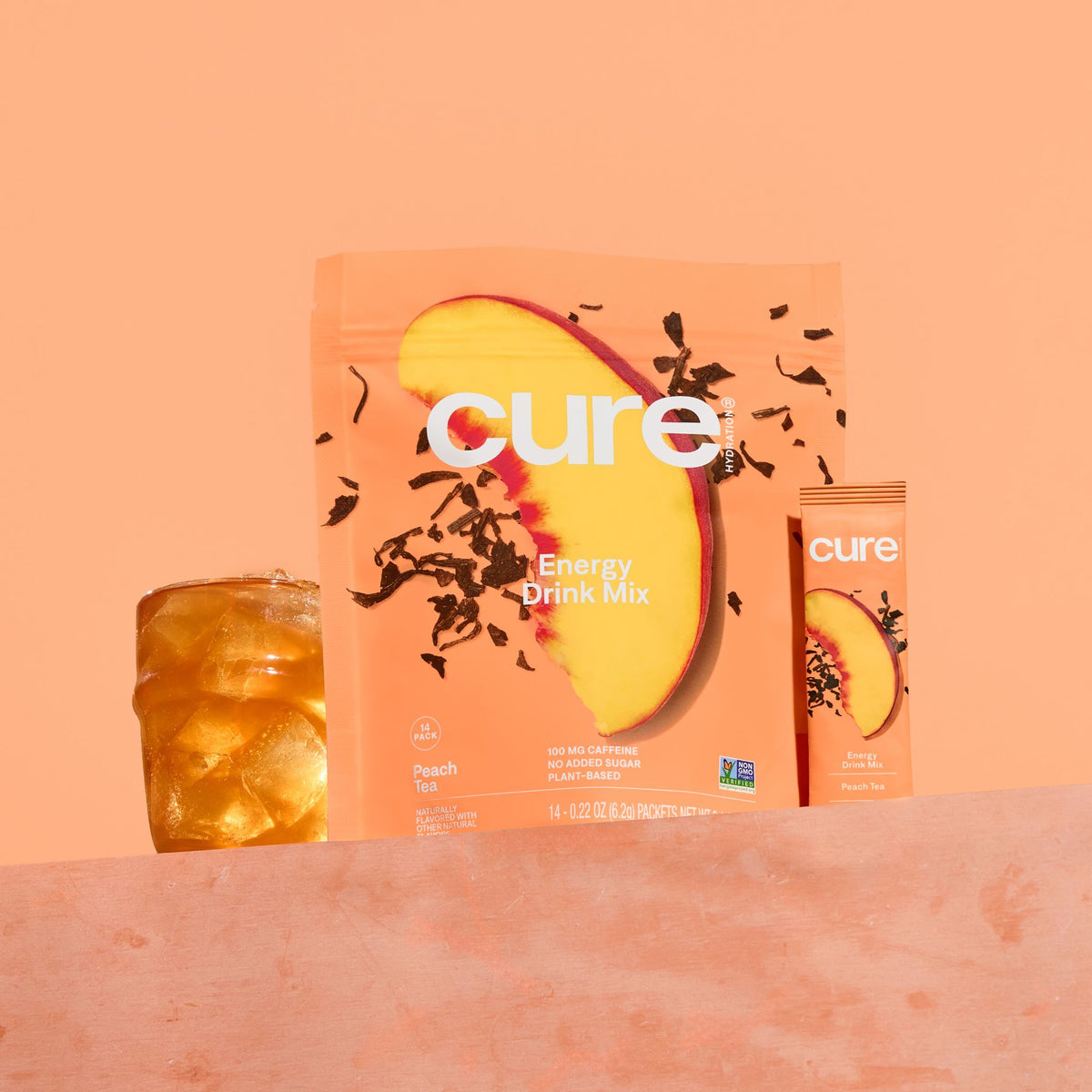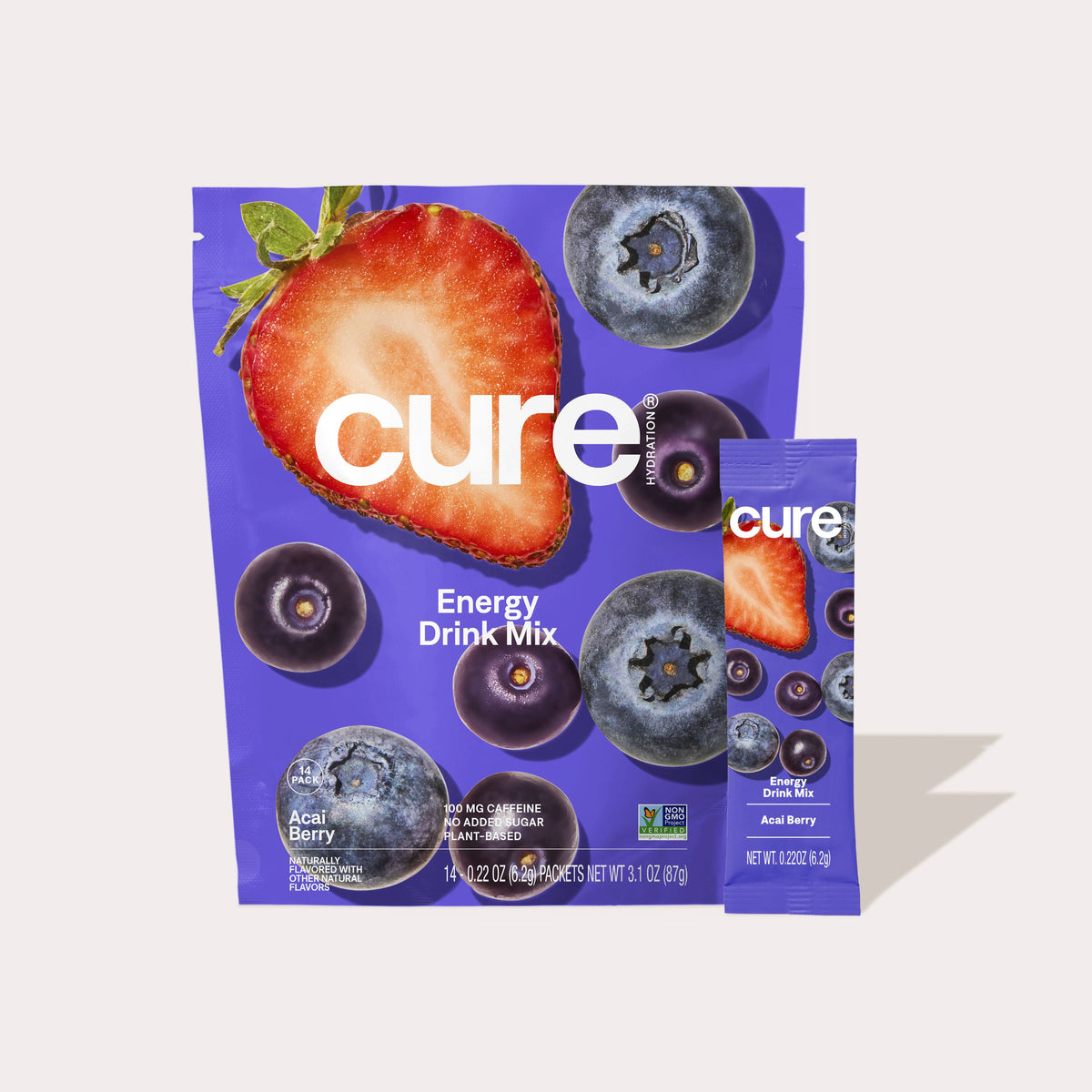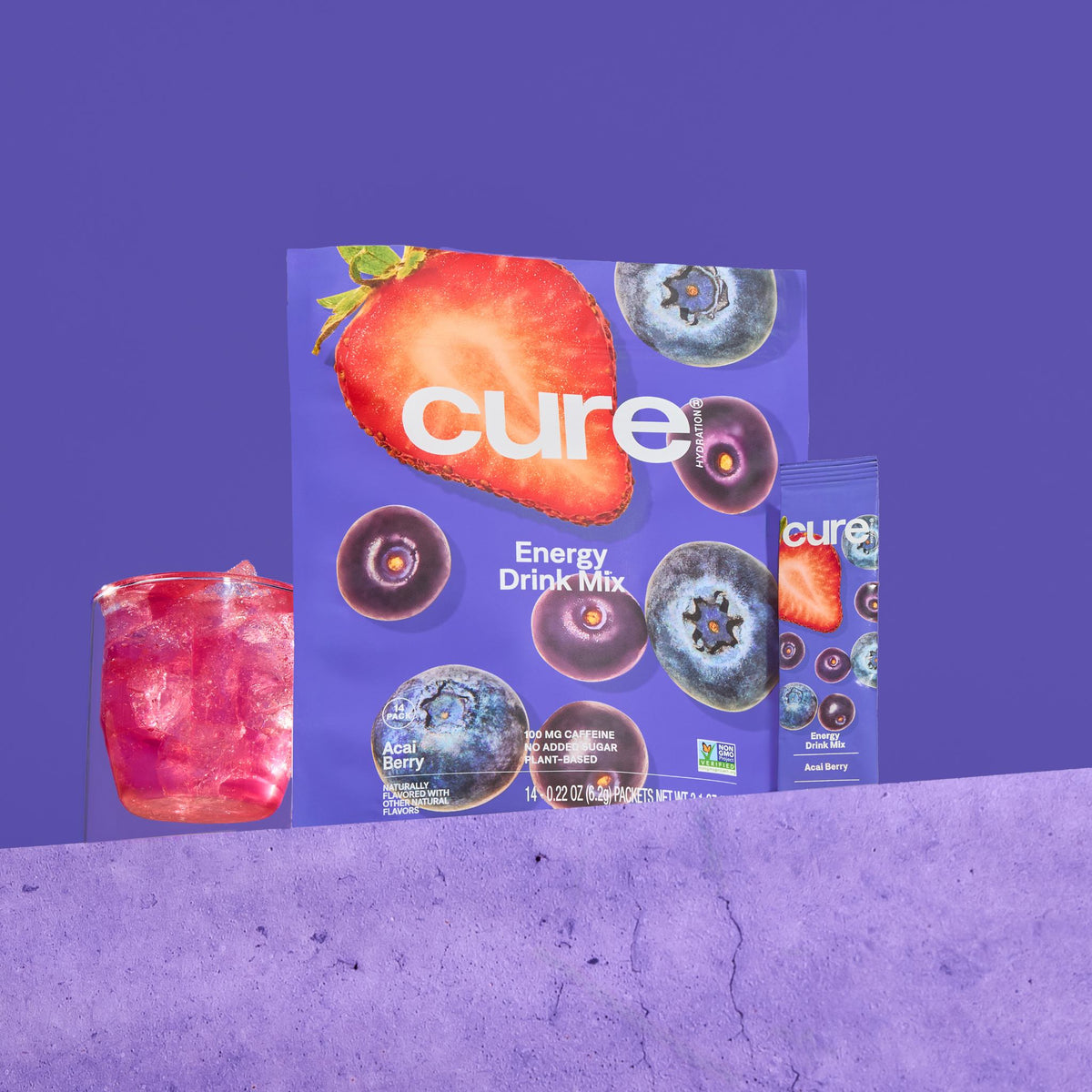
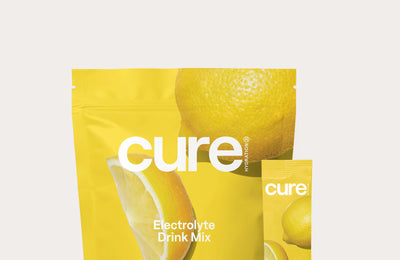
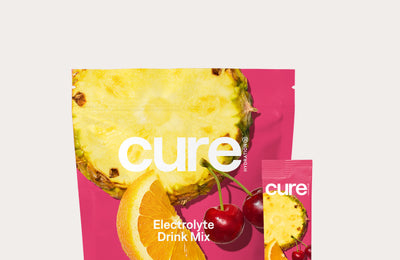
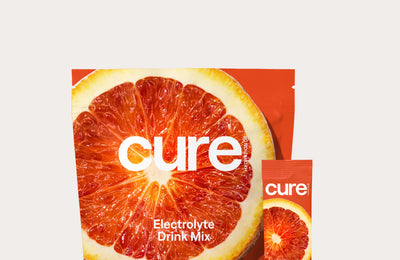
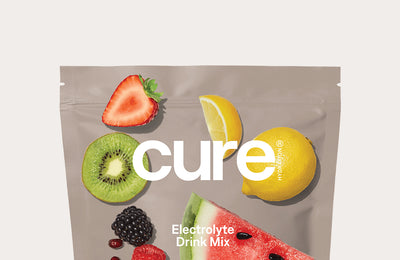

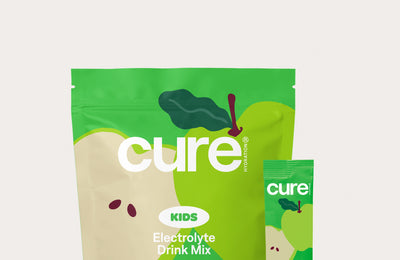
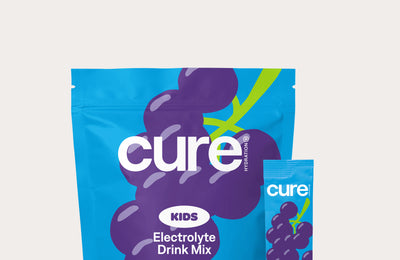
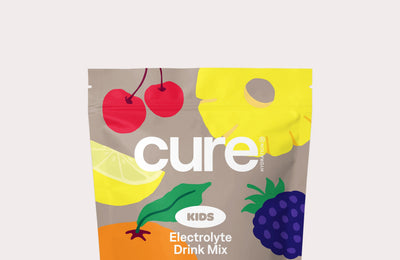
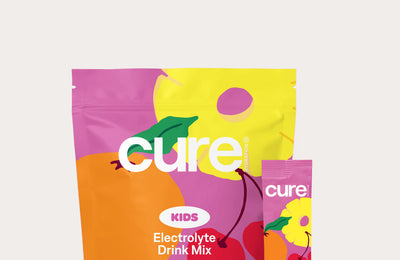
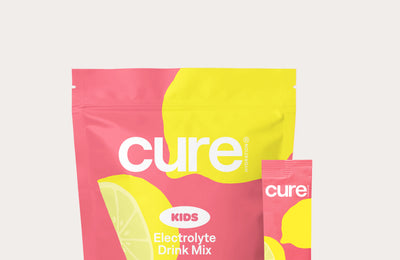
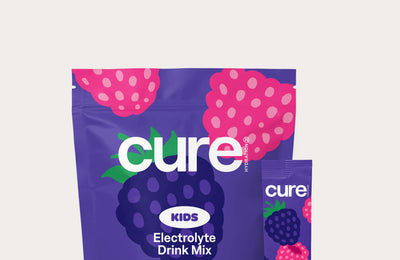
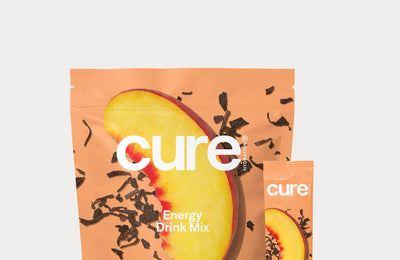
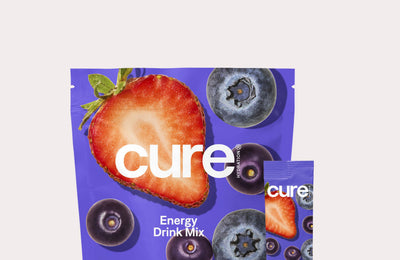








Most electrolyte drinks look the same on the front of the package. Bold colors, "hydration" in big letters, maybe a wave or a mountain. But flip that package over, and the differences pile up. Some are loaded with added sugar. Some use synthetic dyes and fillers. And some taste like you are drinking a chemistry experiment.
If you have ever wondered which no-added-sugar electrolyte drink actually tastes the best, the answer depends on what you are willing to put in your body. Here is how to read a label, what to look for, and how Cure stacks up in a real taste comparison.
How to Read an Electrolyte Drink Label
Before you can compare taste, you need to understand what you are tasting. The front of the package is advertising. The back is where the real information lives.
Check the Sugar Content First
Look at the nutrition facts panel for "Total Sugars" and "Added Sugars." These are two different lines. A product can contain natural sugars from fruit juice or coconut water without having any added sugar. If you see sucrose or brown rice syrup in the ingredients, that is added sugar on top of whatever is already there.
Look at the Ingredient List
Ingredients are listed by weight. If sugar or a sweetener is in the first three, it is a significant part of the formula. Look for real ingredients like coconut water, fruit juice, and mineral salts rather than a list of synthetic compounds.
Know Your Electrolyte Numbers
A solid hydration-focused electrolyte mix should have meaningful sodium (200 to 400 mg for daily use) and potassium (200 mg or more). Cure Hydration provides 240 mg sodium and 200 to 350 mg potassium per stick depending on flavor, aligned with the World Health Organization's Oral Rehydration Solution (ORS) formula.
Watch for Artificial Ingredients
Artificial sweeteners and synthetic colors are common in electrolyte products. Check the ingredient list to see what is actually in the formula and whether it fits your preferences.
No Added Sugar Electrolyte Drink Taste Comparison
Here is where most no-added-sugar electrolyte drinks fall short. Removing sugar is easy. Making it still taste good is the hard part.
Why Most Sugar-Free Options Taste Off
Many brands rely on artificial sweeteners like sucralose or acesulfame potassium to compensate. These can leave a metallic aftertaste that lingers. Others use sugar alcohols like erythritol, which can cause digestive issues for some people.
What Makes Cure Taste Different
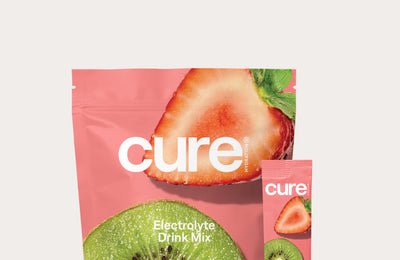
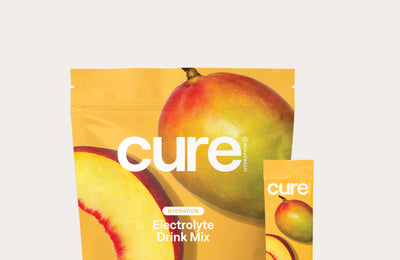
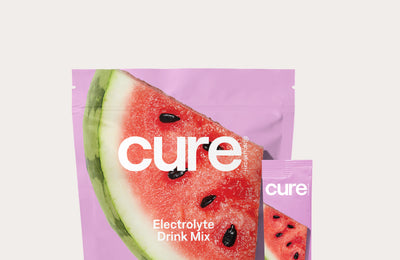
Cure builds flavor from real fruit juice and coconut water, supplemented by organic natural flavors. Sweetness comes from organic stevia and monk fruit extract rather than artificial sweeteners. The result is a clean, slightly sweet flavor that does not coat your mouth or leave a fake aftertaste.
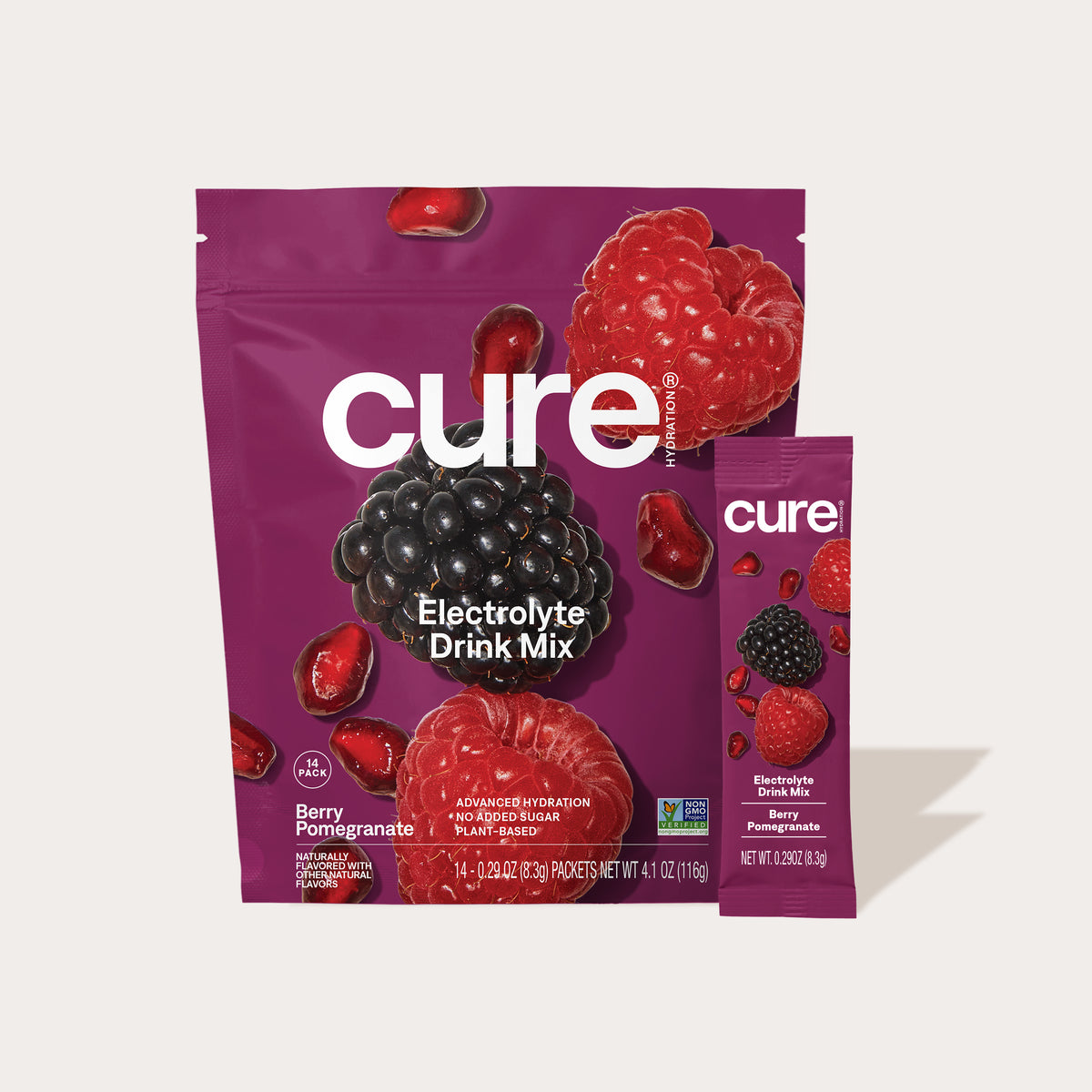
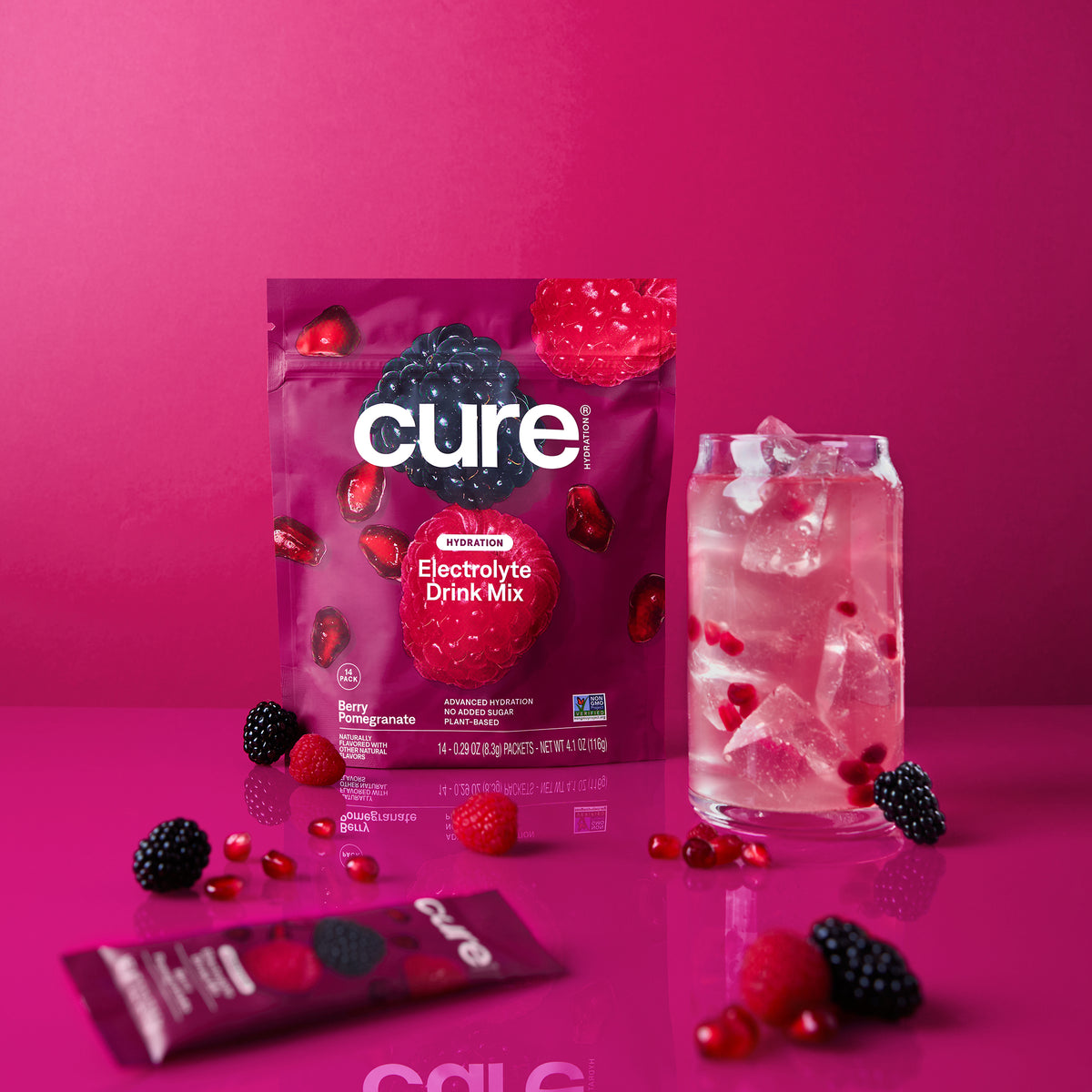
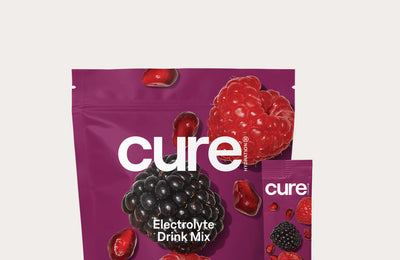
Flavors like Ginger Turmeric and Berry Pomegranate are standouts for people who want something that tastes like a real drink. If you want to try a few before committing, a Classic Variety Pack is the easiest way to sample the range.
What to Look for When Comparing Electrolyte Powders
If you are doing a side-by-side comparison, here is a quick checklist:
- Added sugar: 0g is the target. Confirm on the nutrition facts, not the front label.
- Sweetener type: Stevia or monk fruit over artificial sweeteners or sugar alcohols.
- Electrolyte content: At least 200 mg sodium and 200 mg potassium per serving for a hydration-focused formula.
- Ingredient transparency: Real, named ingredients you can identify.
- Taste: If you dread drinking it, you will not drink it consistently.
The best-tasting electrolyte powder with no added sugar is the one that earns its flavor from real ingredients rather than masking a bad formula with synthetic sweeteners.
Find Your Favorite Flavor
A good electrolyte drink should make sense on the label and taste good enough to become part of your routine. Look for no added sugar, meaningful electrolytes, and ingredients you recognize, then choose a flavor you genuinely enjoy.
Cure is not a medical product and is not intended to diagnose, treat, cure, or prevent any disease. If you have specific health concerns, talk to your doctor.
Frequently Asked Questions
Which No Added Sugar Electrolyte Drink Tastes the Best?
Electrolyte drinks made with real fruit juice and coconut water consistently taste better than those using artificial sweeteners. If you want to try before committing, a Classic Variety Pack is the easiest way to start.
How Can I Tell if an Electrolyte Drink Has Added Sugar?
Check the nutrition facts panel for the "Added Sugars" line, not the front of the package. A product can say "low sugar" on the front and still contain significant added sugars. The ingredient list will confirm it.
What Is the Right Amount of Sodium in an Electrolyte Drink?
For a hydration-focused formula, 200 to 400 mg of sodium per serving is a solid range. Cure Hydration provides 240 mg per stick, aligned with the WHO's ORS formula. Energy-plus-hydration products are built for a different use case and typically have lower sodium.
Are Artificial Sweeteners Bad in Electrolyte Drinks?
They are not dangerous in small amounts, but they can leave an aftertaste and may cause digestive discomfort for some people. Stevia and monk fruit are common alternatives that avoid those issues.
What Ingredients Should I Avoid in an Electrolyte Powder?
Watch for artificial colors, synthetic sweeteners like sucralose or acesulfame potassium, and products with large amounts of added sugar. Look for clear labels and real, named ingredients like coconut water and fruit juice.