














By: Dr. Fahimeh Sasan, Board-Certified OB-GYN
If you're nauseated and someone's told you to just drink more water, you already know that's easier said than done. Electrolytes can genuinely help here — they make it easier to stay hydrated when plain water isn't sitting well. What they don't do is treat the nausea itself; that's a separate question with its own set of answers. Both are worth walking through, since morning sickness is common enough that nearly every pregnant patient asks about it at some point.
How Common Is Morning Sickness, Really?
Roughly half of pregnant women experience nausea and vomiting in early pregnancy, and in about a third of those cases, it's significant enough to interfere with work and daily life. A much smaller group, about 0.3% to 1.0% of pregnancies, develop hyperemesis gravidarum: persistent vomiting severe enough to cause weight loss of more than 5%, ketonuria, and dehydration. That distinction matters, because it changes what actually helps.
What Vomiting Does to Your Fluid and Electrolyte Balance
Vomiting doesn't just remove your body’s water. Gastric fluid carries sodium, potassium, and chloride out of the body along with it, which is why frequent vomiting can lead to measurable electrolyte shifts, not just thirst. With hyperemesis gravidarum, those losses can become severe enough to show up on bloodwork, especially low potassium — one more sign that this condition isn't the same as everyday morning sickness.
This is what’s behind the question in the first place: if you're losing more than water, does it make sense to replace more than water?
So, Do Electrolytes Actually Help?
For everyday morning sickness, yes, in a specific way. Sodium paired with a small amount of glucose helps the body absorb water more efficiently than water alone, which is the entire premise behind oral rehydration solutions. If plain water feels unappealing or you're losing fluid through occasional vomiting, small sips of an electrolyte drink can be easier to tolerate and more effective at keeping you hydrated than trying to force down large volumes of water.
That said, the evidence gets more specific once nausea becomes severe. A randomized controlled trial comparing oral rehydration to IV fluids in women hospitalized for hyperemesis gravidarum found that oral rehydration was less effective.
The takeaway isn't that electrolyte drinks don't work. It's that they have a ceiling. They're a reasonable tool for everyday nausea and mild fluid losses, but they aren't a substitute for IV rehydration once vomiting is frequent and severe enough to require hospitalization.
What Actually Treats the Nausea Itself
Electrolytes address hydration, not the underlying nausea, so it's worth knowing what does. Vitamin B6 (pyridoxine), taken alone or combined with doxylamine, is considered first-line treatment for extreme nausea, and both are considered safe in pregnancy. Ginger, at around 250 mg four times a day, is a solid option as well, though the evidence behind it is weaker than for B6. There's also some evidence that taking a prenatal vitamin for the three months before conception may reduce the severity of nausea once pregnancy starts, which is one more reason preconception care matters.
Small, frequent meals, avoiding an empty stomach, and steering clear of triggering smells are recommended common-sense measures as well, even though they're harder to study formally than a medication or supplement.
When It's More Than Morning Sickness
Contact your OB-GYN if you notice any of the following, since they suggest hyperemesis gravidarum rather than typical morning sickness:
-
Vomiting multiple times a day, every day, without relief
-
Inability to keep down liquids for 24 hours
-
Weight loss
-
Dark urine or urinating much less than usual
-
Dizziness, rapid heartbeat, or fainting
-
Signs of dehydration that don't improve with fluids at home
Not everyone with hyperemesis gravidarum has all of these symptoms, but each is a good reason to seek medical advice promptly.
Severe cases require evaluation for dehydration and electrolyte imbalance, and treatment may include IV fluids and thiamine replacement. These symptoms warrant prompt contact with your OB-GYN or pregnancy care provider. If you're unable to keep any fluids down, are fainting, have severe dehydration, or feel significantly worse, seek urgent medical care the same day.
Choosing an Electrolyte Drink During Pregnancy
If you do reach for an electrolyte drink, read the label the way you would any supplement during pregnancy: sodium and potassium, a small amount of natural glucose, no added sugar, no artificial ingredients.
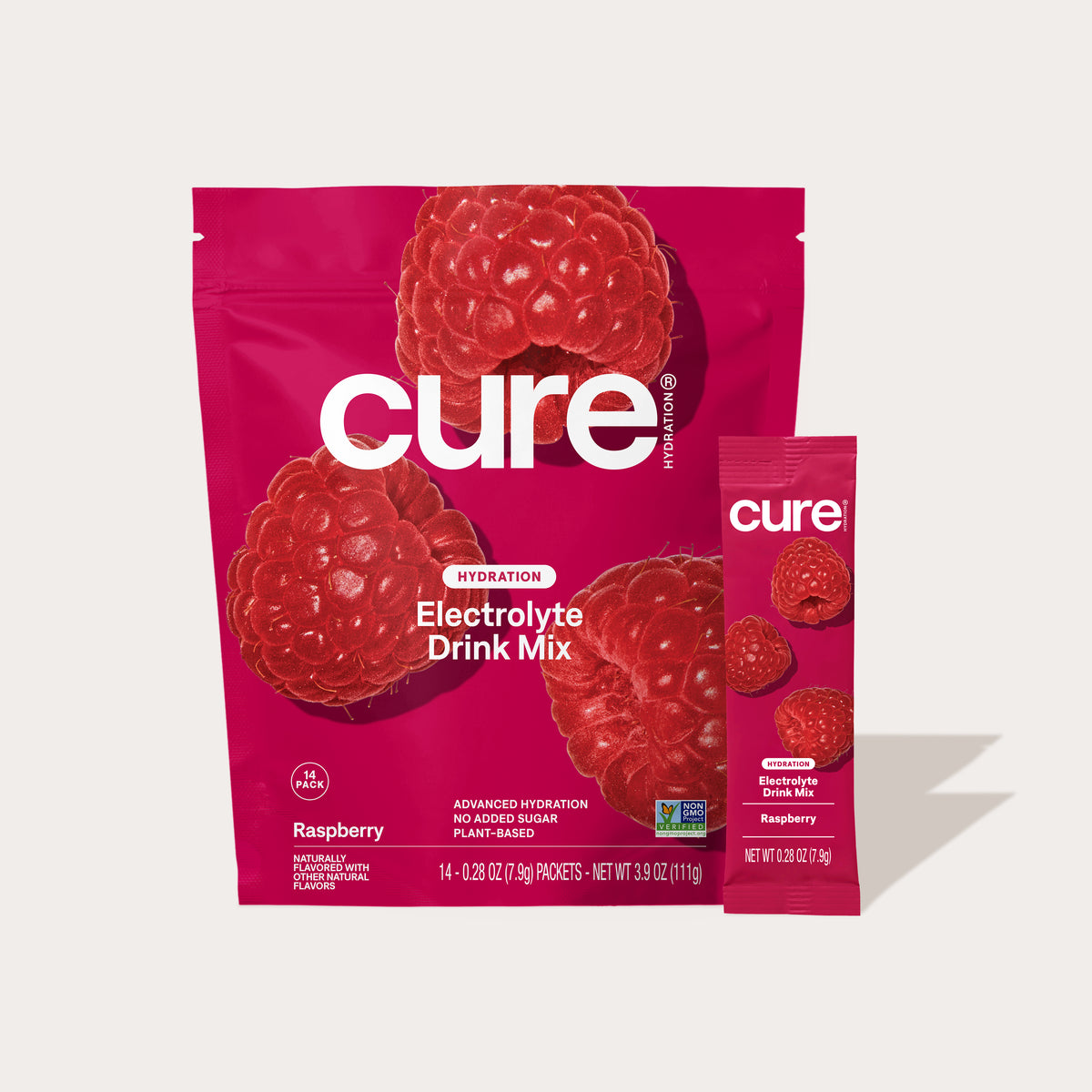
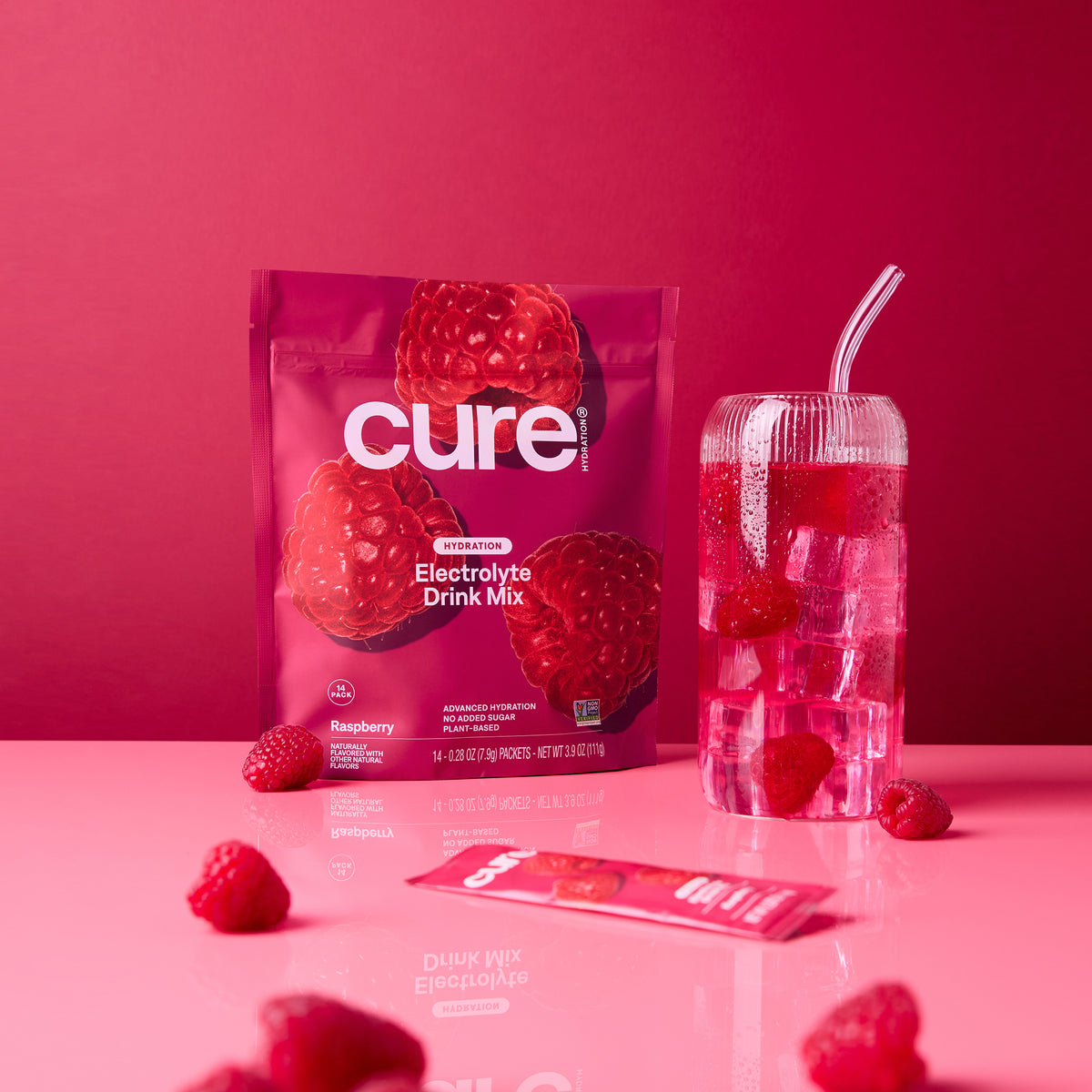
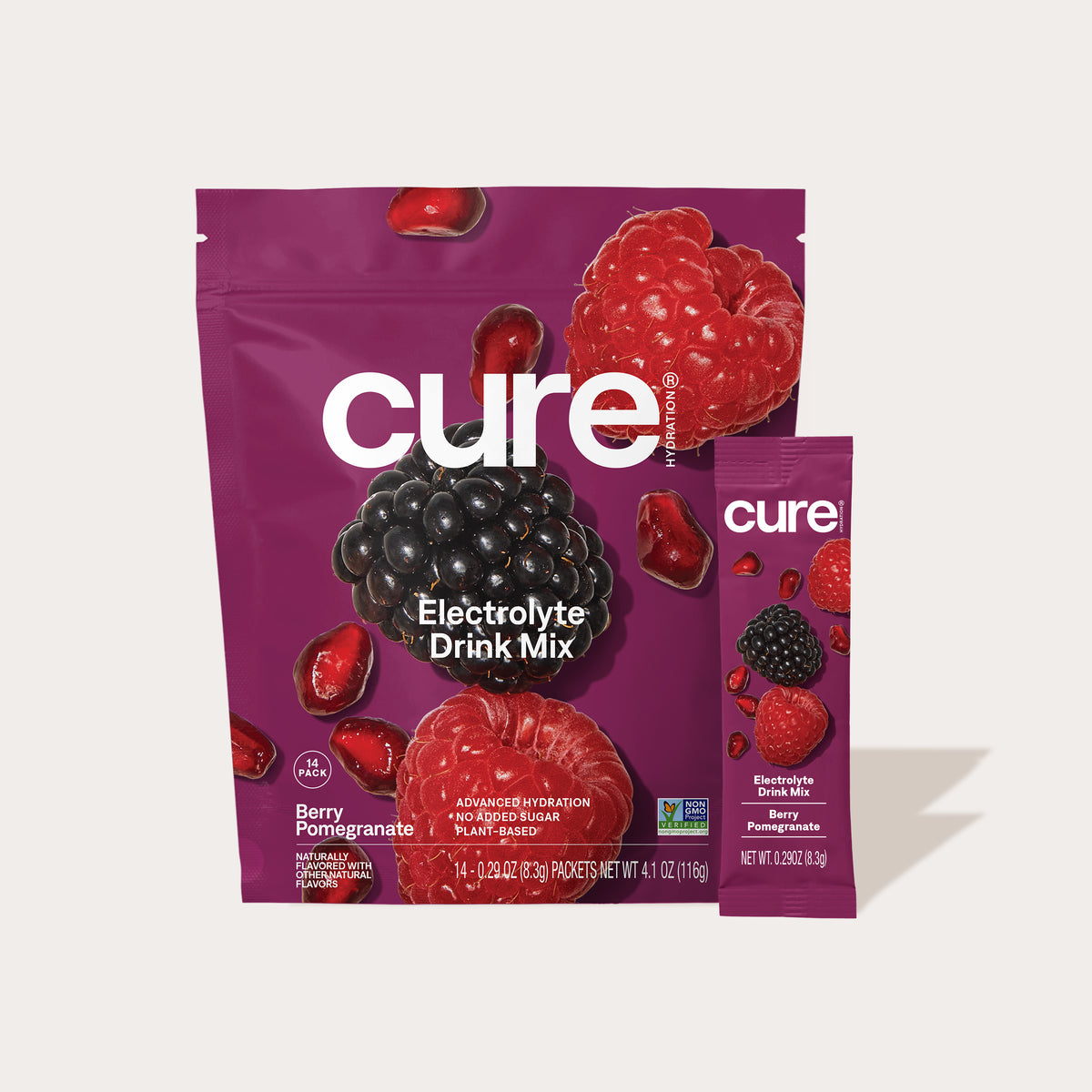
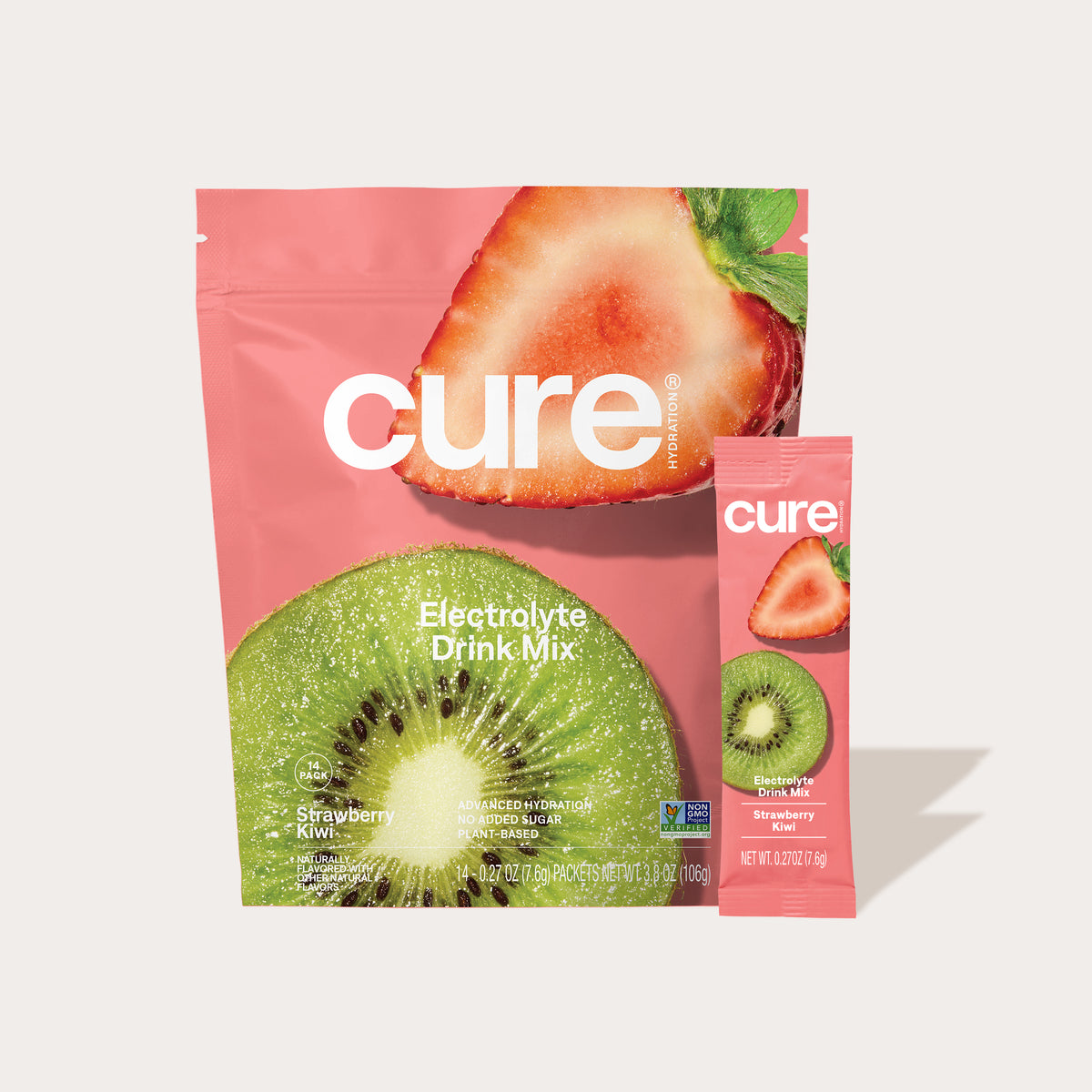
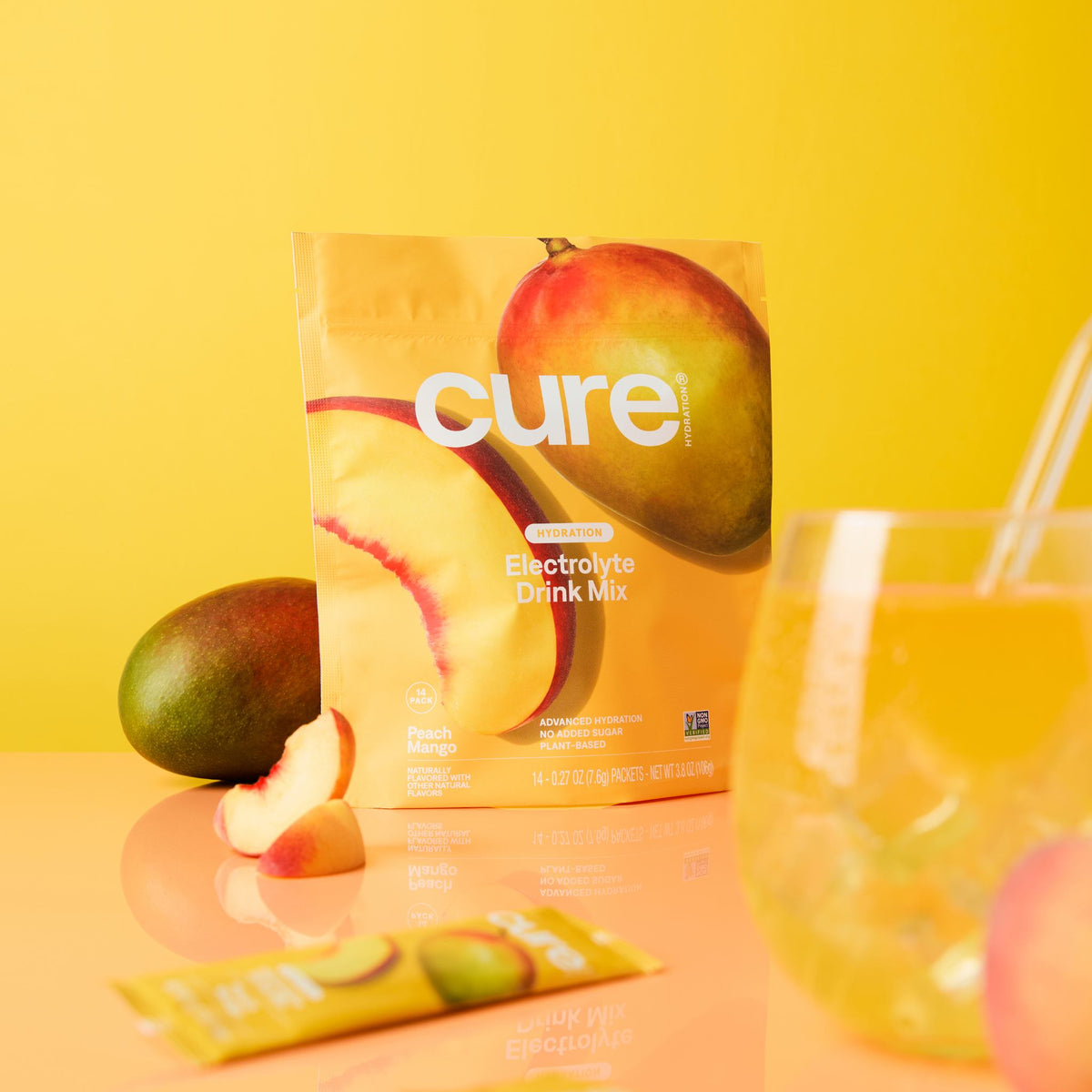
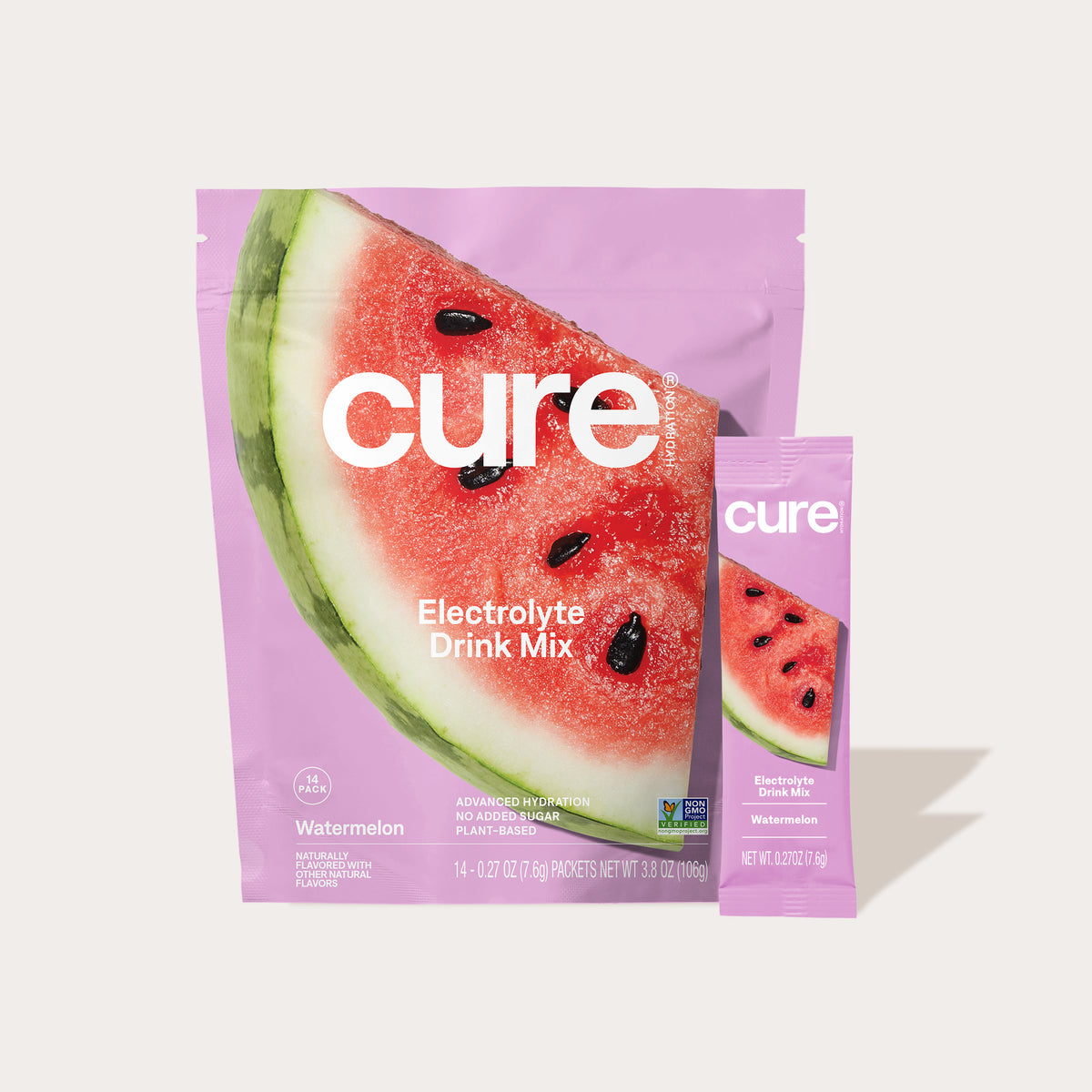
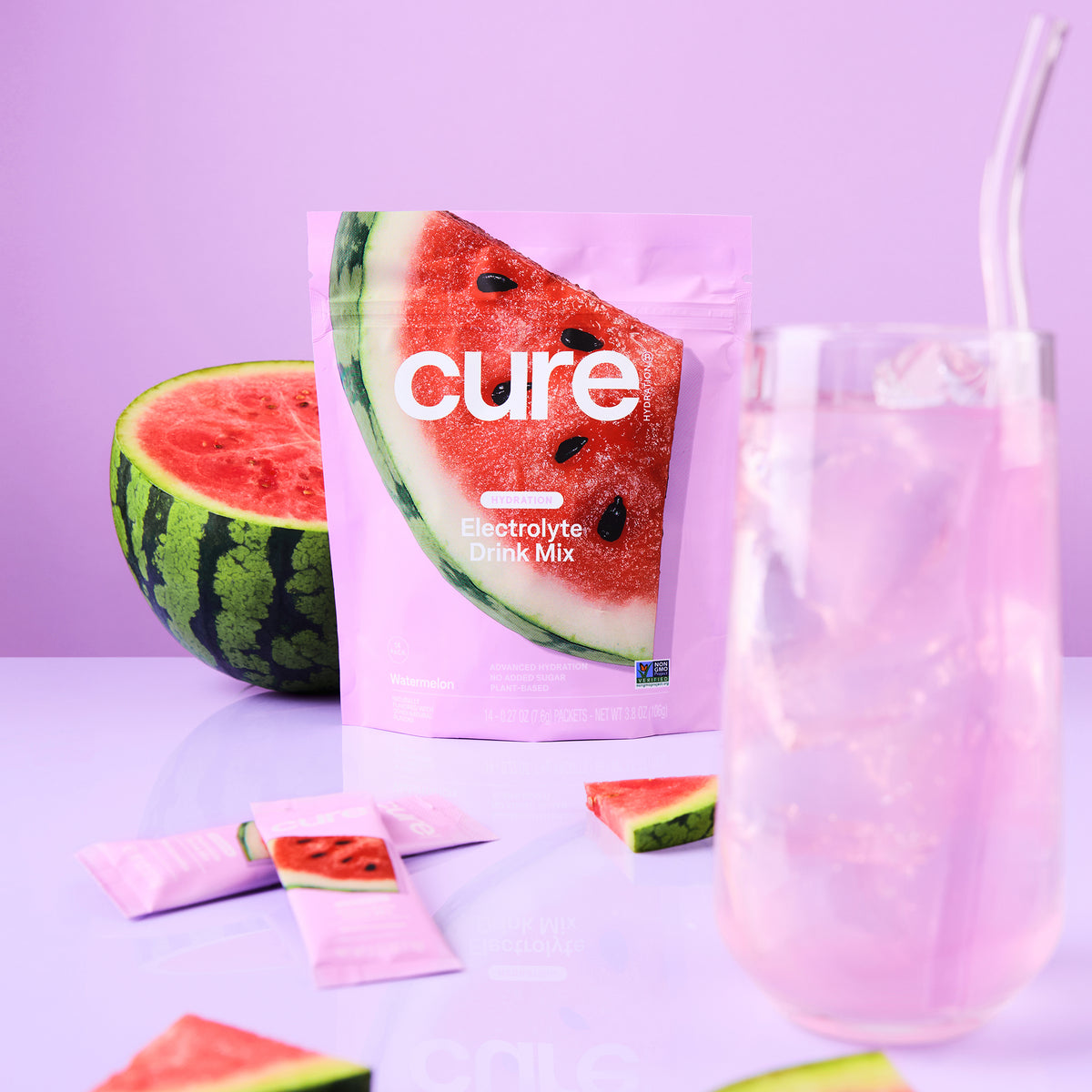
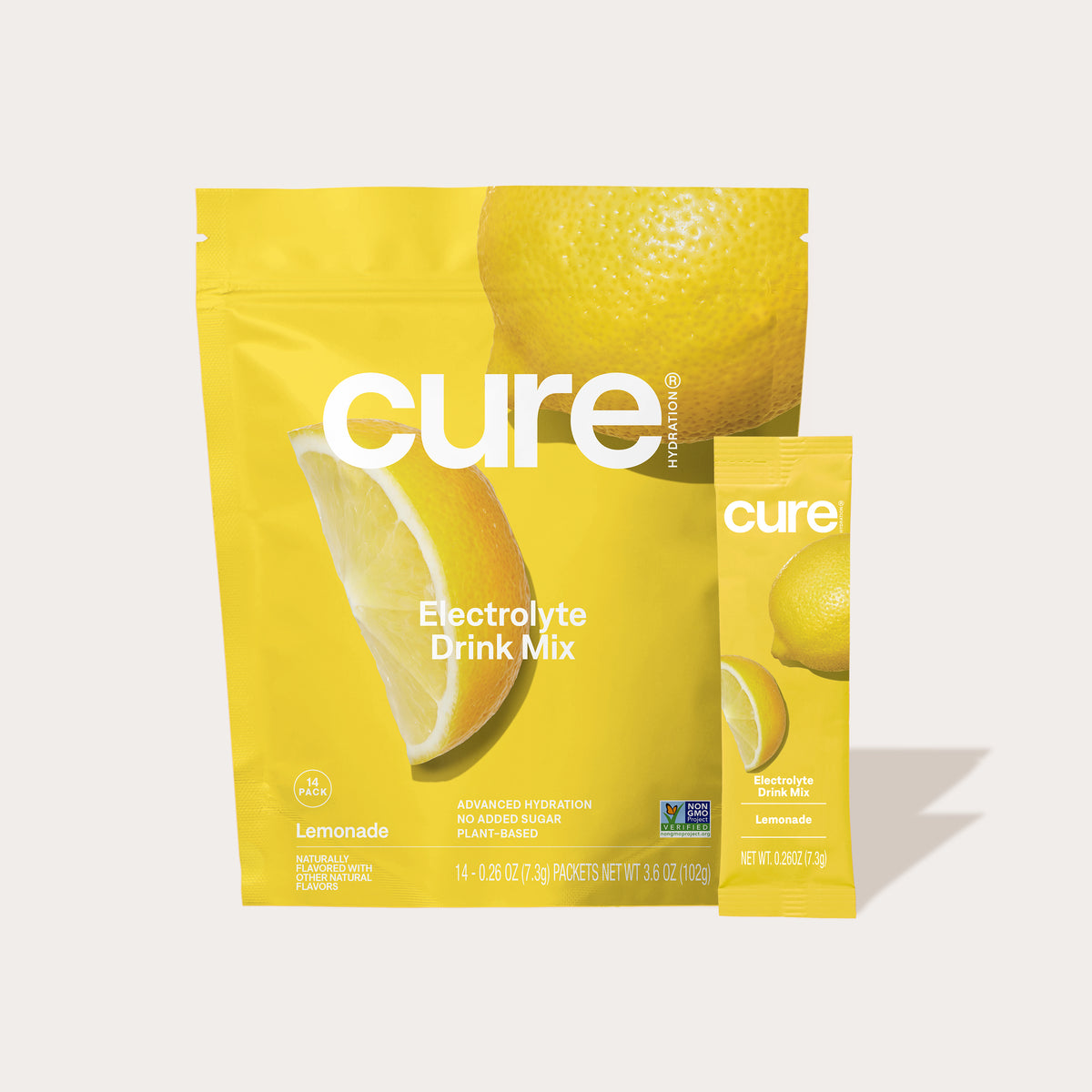
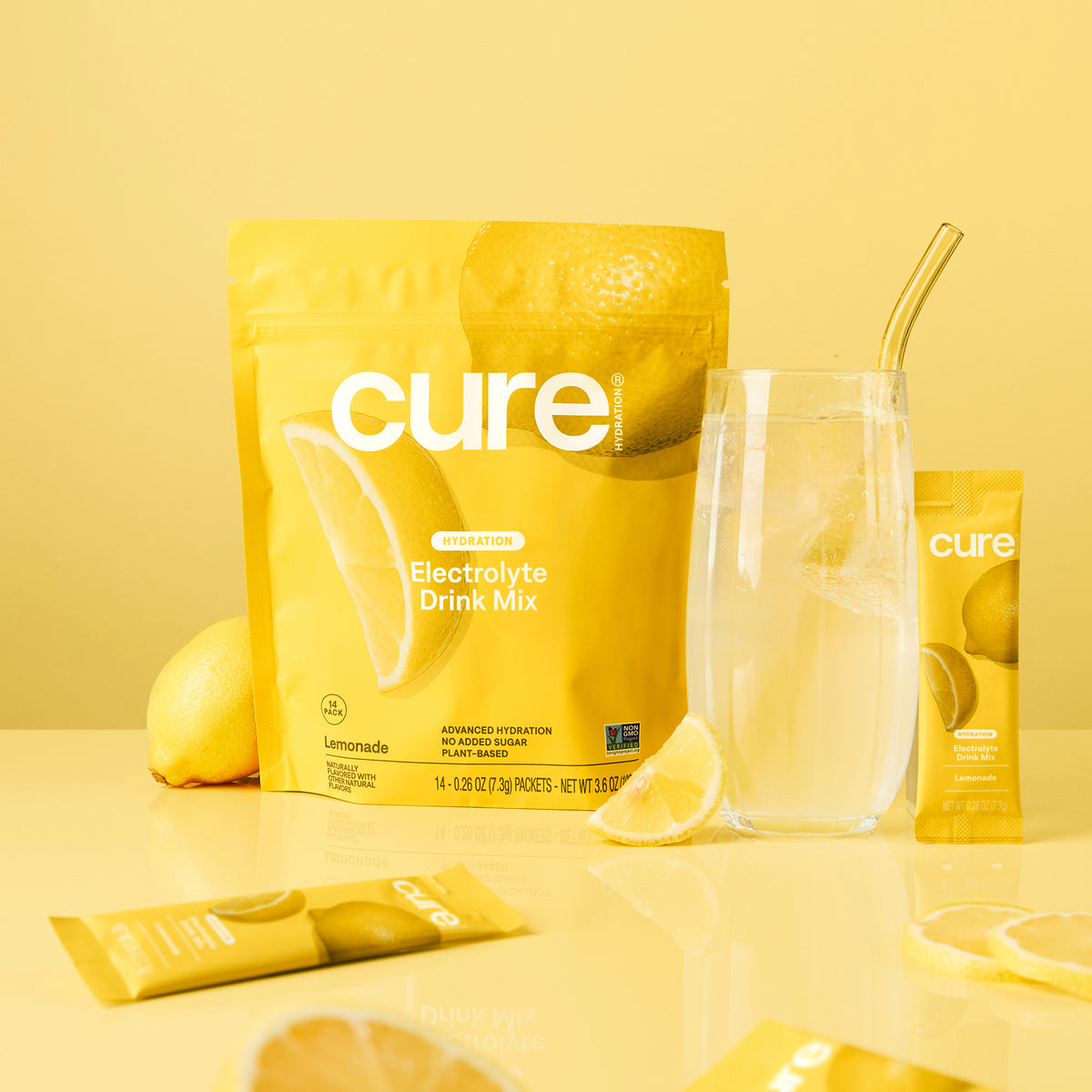
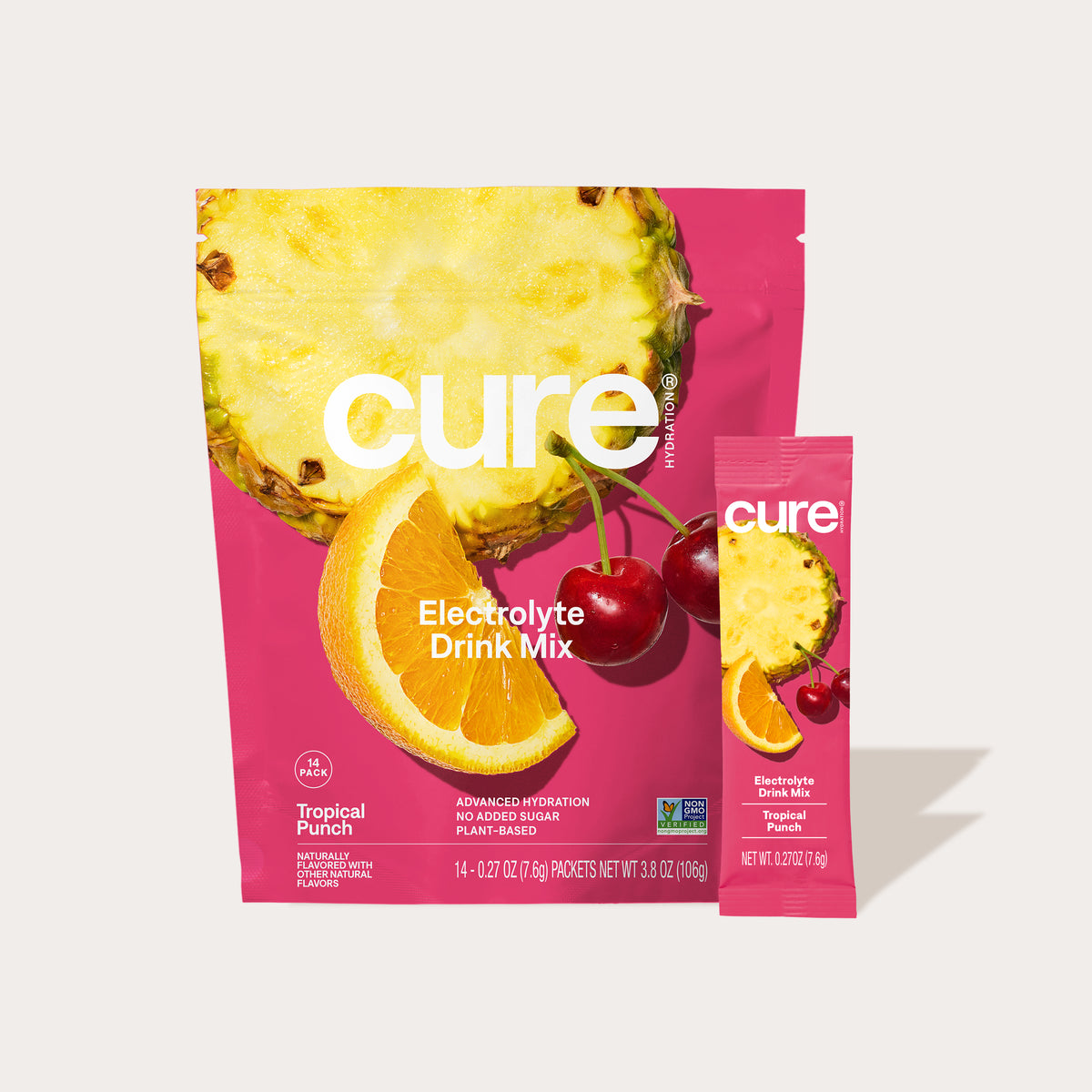
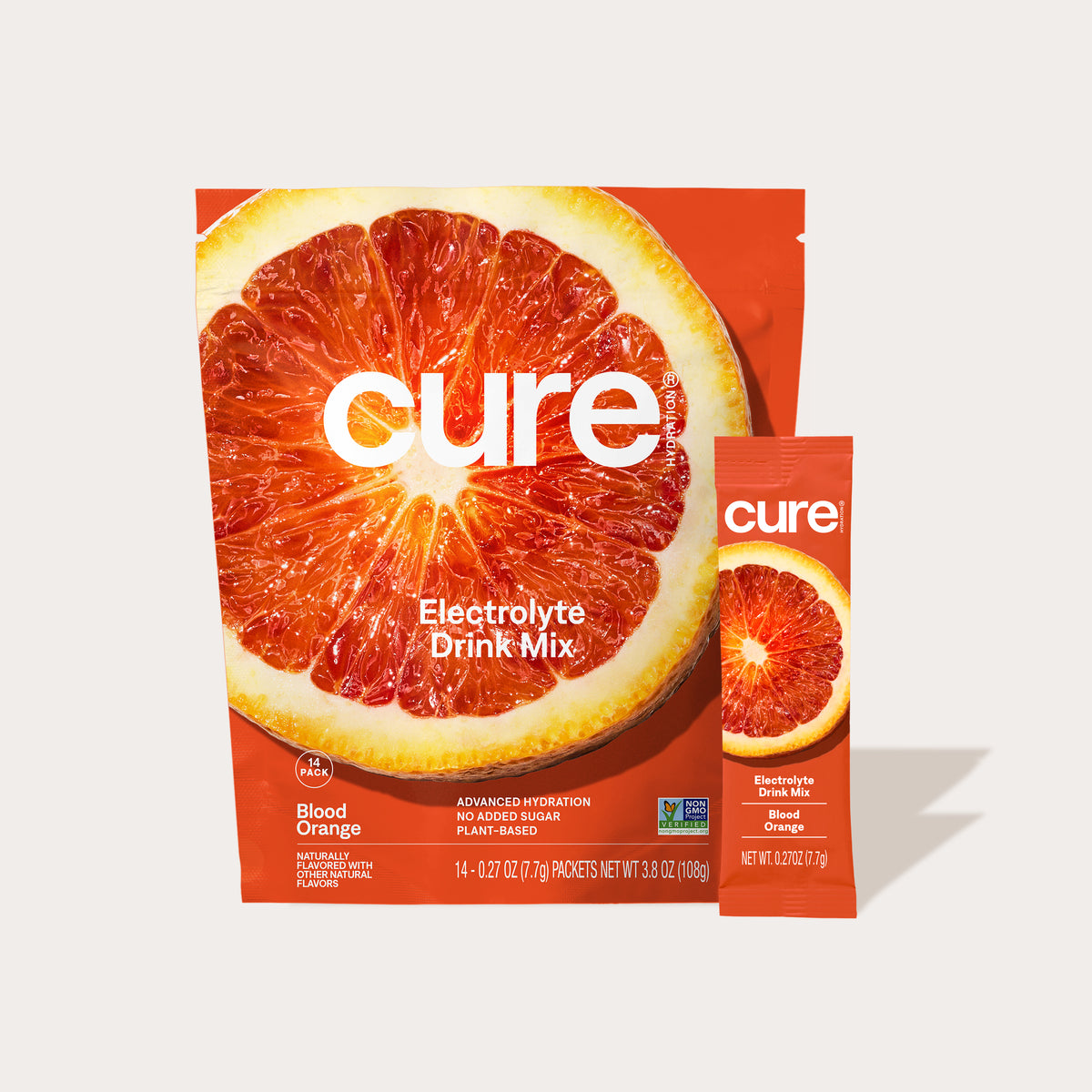
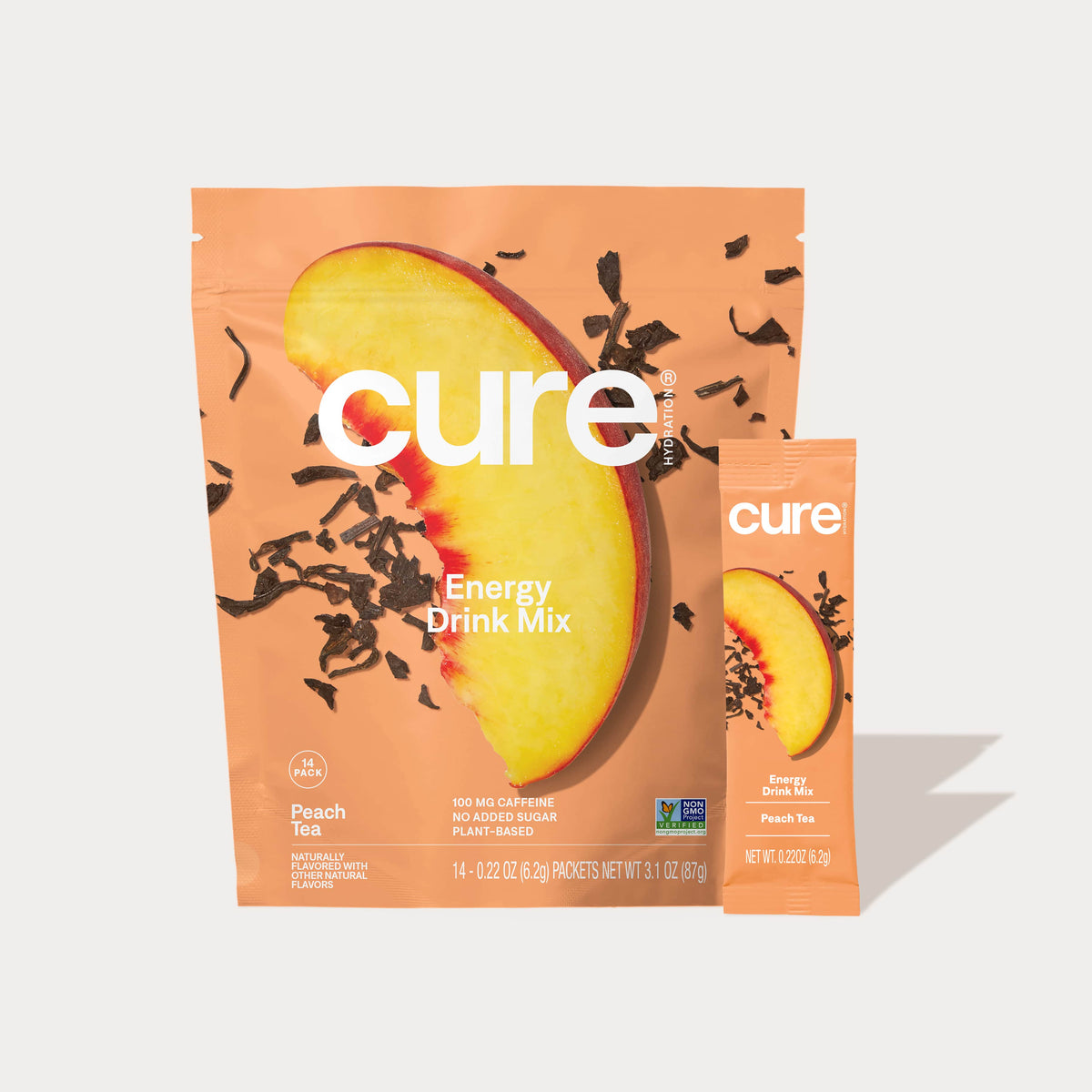
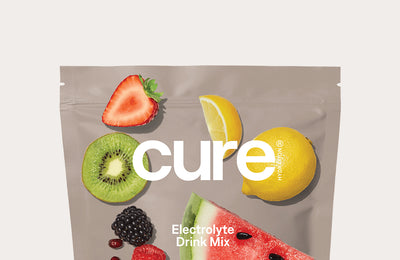
Temperature and pacing matter more than people expect once nausea is in the picture. Cold, mildly flavored drinks tend to go down easier than warm water when your stomach is unsettled, and sipping slowly through a straw over ten minutes usually works better than trying to finish a full glass at once. Cure's Hydrating Electrolyte Drink Mixes are pregnancy and breastfeeding safe, with no added sugar or artificial sweeteners, flavors, colors, or dyes — one less label to scrutinize on a day when you don't have the bandwidth for it. They also have a range of flavors if a particular scent or taste is what's setting off your nausea that day. As always, check with your OB-GYN before adding anything new if you have a specific health condition.
When Does This Actually End?
For most women, nausea and vomiting starts before 9 weeks and resolves by the end of the first trimester, though it can drag on longer for some, and a few patients deal with it for most of the pregnancy. The practical test I give patients in the meantime is simple: if you can keep some fluid down, even slowly, an electrolyte drink is a reasonable thing to lean on. If you can't keep anything down for a full day, that's not a hydration problem to solve on your own — it's a necessary phone call to your pregnancy provider.
Dr. Fahimeh Sasan is a board-certified OB-GYN.
Sources
-
https://www.contemporaryobgyn.net/view/acog-guidelines-glance-nausea-and-vomiting-pregnancy
-
https://www.frontiersin.org/journals/medicine/articles/10.3389/fmed.2022.892265/full
-
https://www.acog.org/womens-health/faqs/morning-sickness-nausea-and-vomiting-of-pregnancy