







By: Dr. Fahimeh Sasan, Board-Certified OB-GYN
Most people in the trying to conceive (TTC) stage of life know the headline advice: take folic acid, eat well, cut back on alcohol. Hydration doesn't usually make that list, but it should. What you drink in the weeks and months before conception can matter as much as what you eat.
Ovulation, cervical mucus, and the uterine lining can all be impacted by how well-hydrated you are, and that groundwork gets laid well before a positive test shows up. That's the real case for building good hydration habits now, while you're trying, rather than waiting for pregnancy to start paying attention.
Here's what I tell patients about eating and drinking well while trying to conceive, and where hydration fits in.
What to Eat When You're Trying to Conceive
Folic acid, before you think you need it. Folic acid is essential for your baby's brain and spinal cord to develop properly, and that starts in the very first weeks of pregnancy, often before you even know you're pregnant. That’s why women in the TTC phase should get 400 micrograms of folic acid daily. A daily supplement is the simplest way to hit that number; folate-rich foods like leafy greens, beans, and fortified grains count too.
Iron supplements. Iron from supplements has been linked to a lower risk of ovulatory infertility (or women not releasing an egg) in long-term data from one large observational study, so it's worth building your iron stores early. Total blood volume expands by about 50% once you're pregnant, and your body draws on iron to build that extra red blood cell mass. Beyond your own circulation, iron is also essential for development of the placenta, fetal growth, and building the baby's own iron stores — reserves they'll draw on in the first months of life. A daily prenatal or iron supplement is the simplest way to cover it.
Diet pattern matters more than any single food. The reality is, no one ingredient is going to move the needle on its own. Following a Mediterranean-style diet — vegetables, fruit, olive oil, fish, legumes, less red and processed meat — has been associated with improved pregnancy rates across several studies. Overall diet quality, rather than any single "superfood," provides stronger fertility support.
Foods and Drinks to Limit or Watch While Trying to Conceive
A few categories are worth treating with pregnancy-level caution once you're actively trying, simply because you can't pinpoint the exact moment conception happens:
-
Alcohol. Skip the cocktails! No amount of alcohol has been established as safe during pregnancy or while trying to conceive, since most women don't know they're pregnant until four to six weeks in.
-
Caffeine. Keep it under 200 mg a day, about one 12-ounce cup of coffee — that amount isn't considered a major contributor to miscarriage or preterm birth. Drink a lot more than that, and the risk of pregnancy loss climbs meaningfully, up to about 40% higher than very low intake.
-
High-mercury fish. Mercury can harm a developing baby's brain and nervous system, and it builds up most in large, long-living fish like swordfish, king mackerel, and tilefish. Skip those. Otherwise, fish is a great source of protein and omega-3s, so aim for 8–12 ounces a week of lower-mercury options like salmon, shrimp, or canned light tuna.
-
Unpasteurized dairy and deli meats. These carry a risk of Listeria, a bacteria that can cause a serious infection. It can cross the placenta with few warning signs if conception happens before you've adjusted your diet, so it's worth cutting these out while you're trying.
How Much Water Do You Actually Need?
This is where I see the most confusion. Outside of pregnancy, the rough guidance on water intake is about 9 cups (2.2 liters) total a day for women, climbing to roughly 10 cups during pregnancy and 13 cups while breastfeeding. Exercise, heat, and travel all push that number higher.
But hydration connects to fertility more directly than most people realize. As estrogen rises in the days before ovulation, cervical mucus shifts from thick and sticky to a thin, slippery, egg-white consistency that makes it easier for sperm to reach an egg. Drinking enough water is one of the few factors that can assist with that shift — so it's beneficial to drink more fluids when you're trying to conceive, just as when you're pregnant.
Where Electrolytes Fit In
Water is the foundation, but it isn't always enough on its own. Sodium and potassium, the core electrolytes, paired with a small amount of glucose, help the body actually absorb water instead of just passing it through. That's the science behind oral rehydration solutions, used for decades to treat dehydration.
Electrolytes matter most when you're losing more fluid than plain water alone can keep up with, which is common if you're:
-
Exercising or sweating more than usual
-
Struggling to drink enough plain water consistently
-
Traveling or spending time in the heat
-
Dealing with early nausea once you do conceive (a preview of what's ahead for many patients)
Hydration If You're Doing IVF or IUI
IVF adds one more hydration consideration: ovarian hyperstimulation syndrome, or OHSS. About one in three people develop at least mild OHSS during controlled ovarian stimulation — bloating, nausea, and abdominal swelling as the ovaries respond to stimulation medication. For mild-to-moderate cases, drinking plenty of electrolyte-rich fluids is a standard first-line recommendation, rather than plain water alone.
IUI cycles can bring milder versions of the same bloating, since the medications used to induce or support ovulation affect the ovaries in a similar, just less intense, way.
Call your fertility team if you notice difficulty breathing, continued vomiting, trouble tolerating fluids, abdominal swelling, decreased urination, or weight gain of more than 3 pounds in two days. Those are signs OHSS may be progressing beyond something fluids alone can manage at home. And defer to your own clinic's instructions around retrieval and transfer days, since protocols vary from patient to patient.
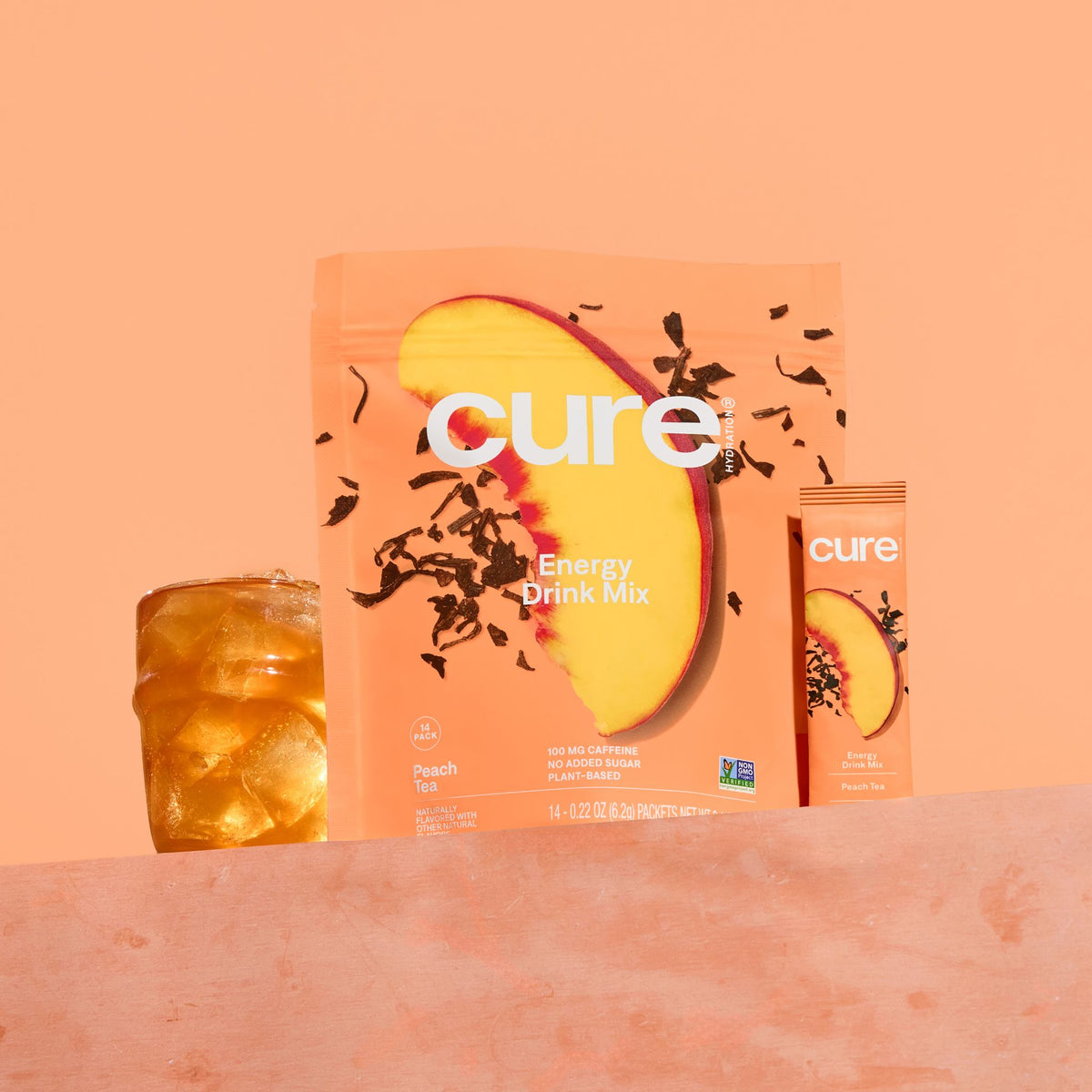
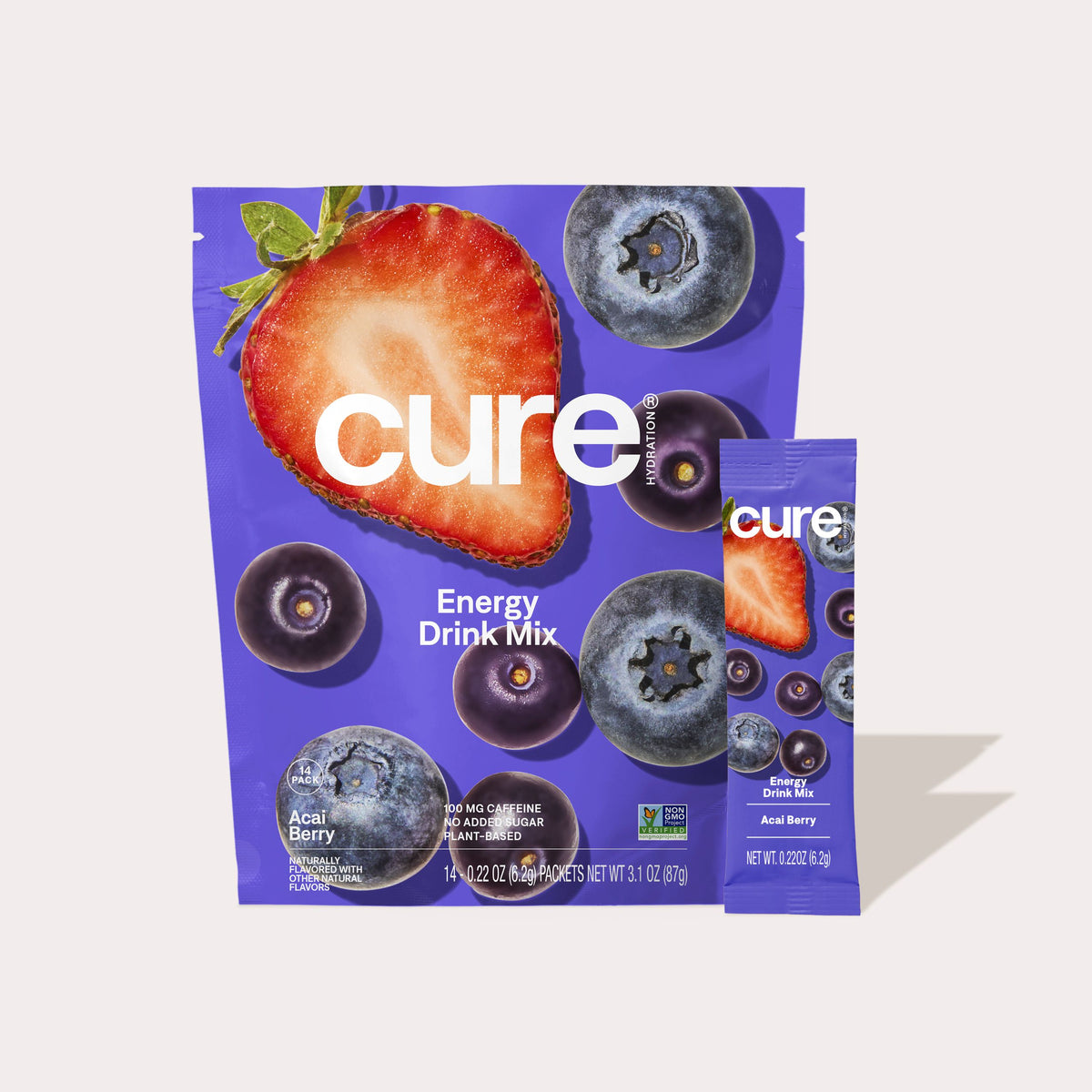
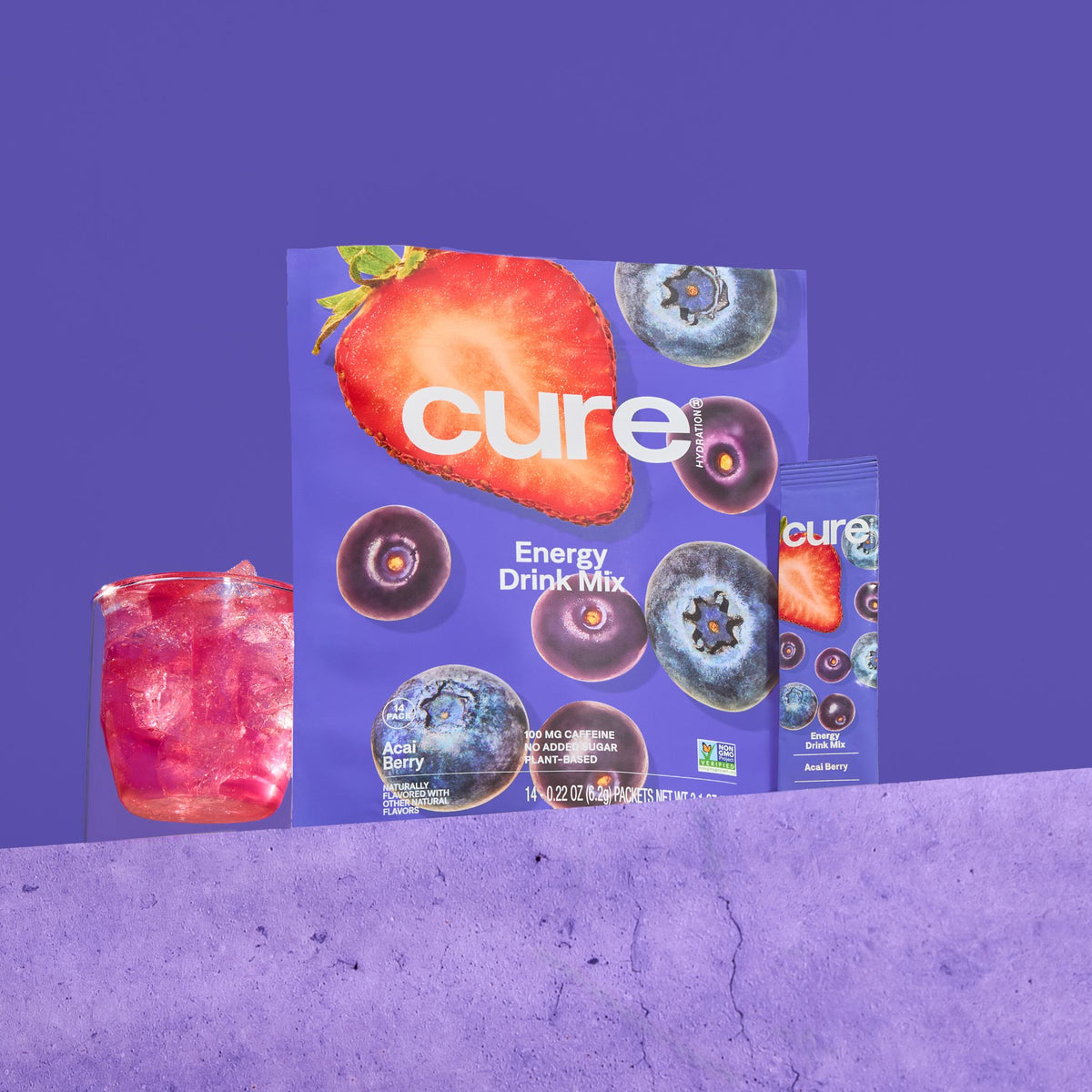
A pregnancy- and breastfeeding-safe electrolyte drink like Cure is worth keeping on hand during stimulation and around retrieval for exactly this reason.
Choosing an Electrolyte Drink
If you do add an electrolyte drink to your routine, read the label the same way you would once you're actually pregnant. Look for sodium and potassium, a small amount of natural glucose, no added sugar, no caffeine or stimulants, and no mega-doses of vitamins or herbal blends you haven't cleared with your provider.
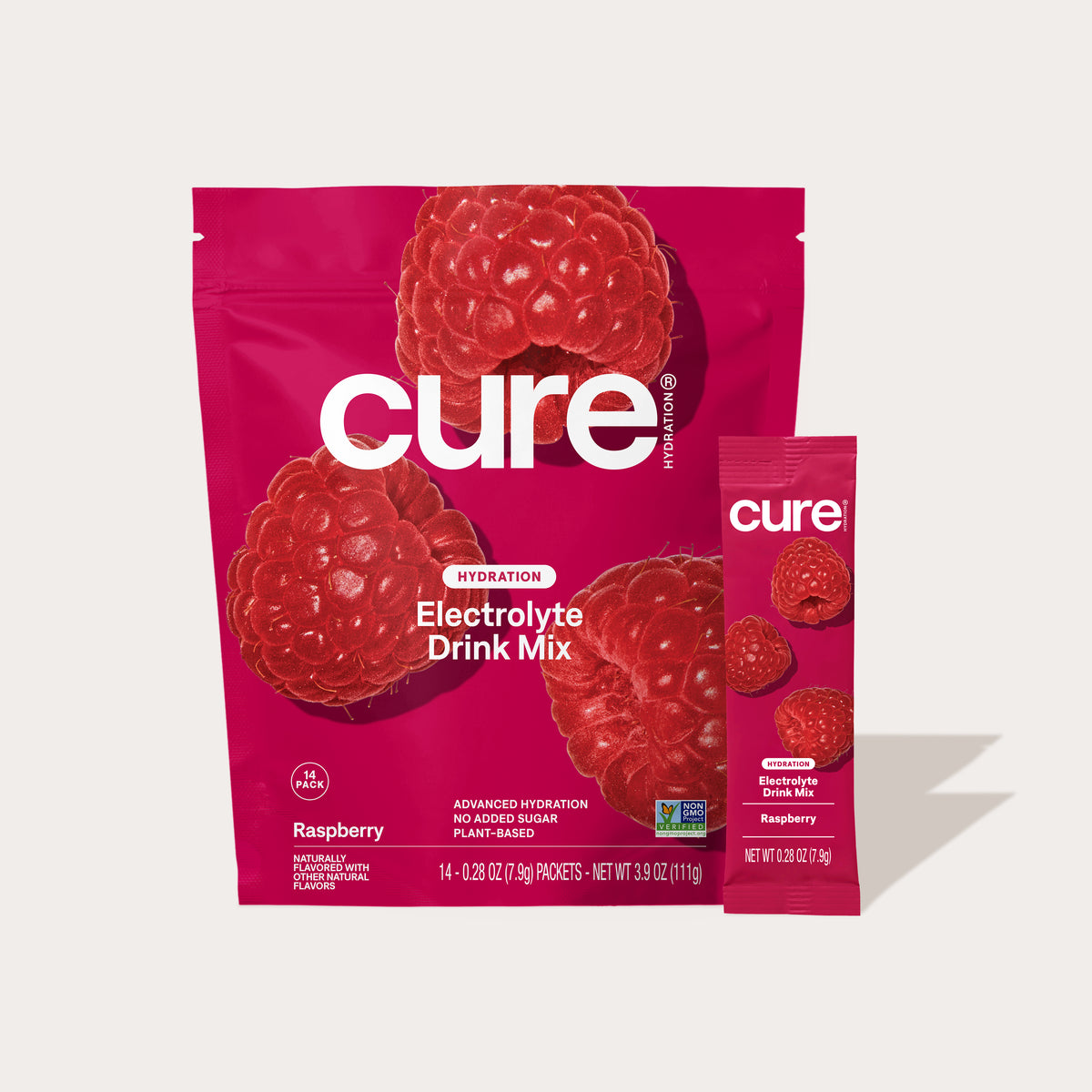
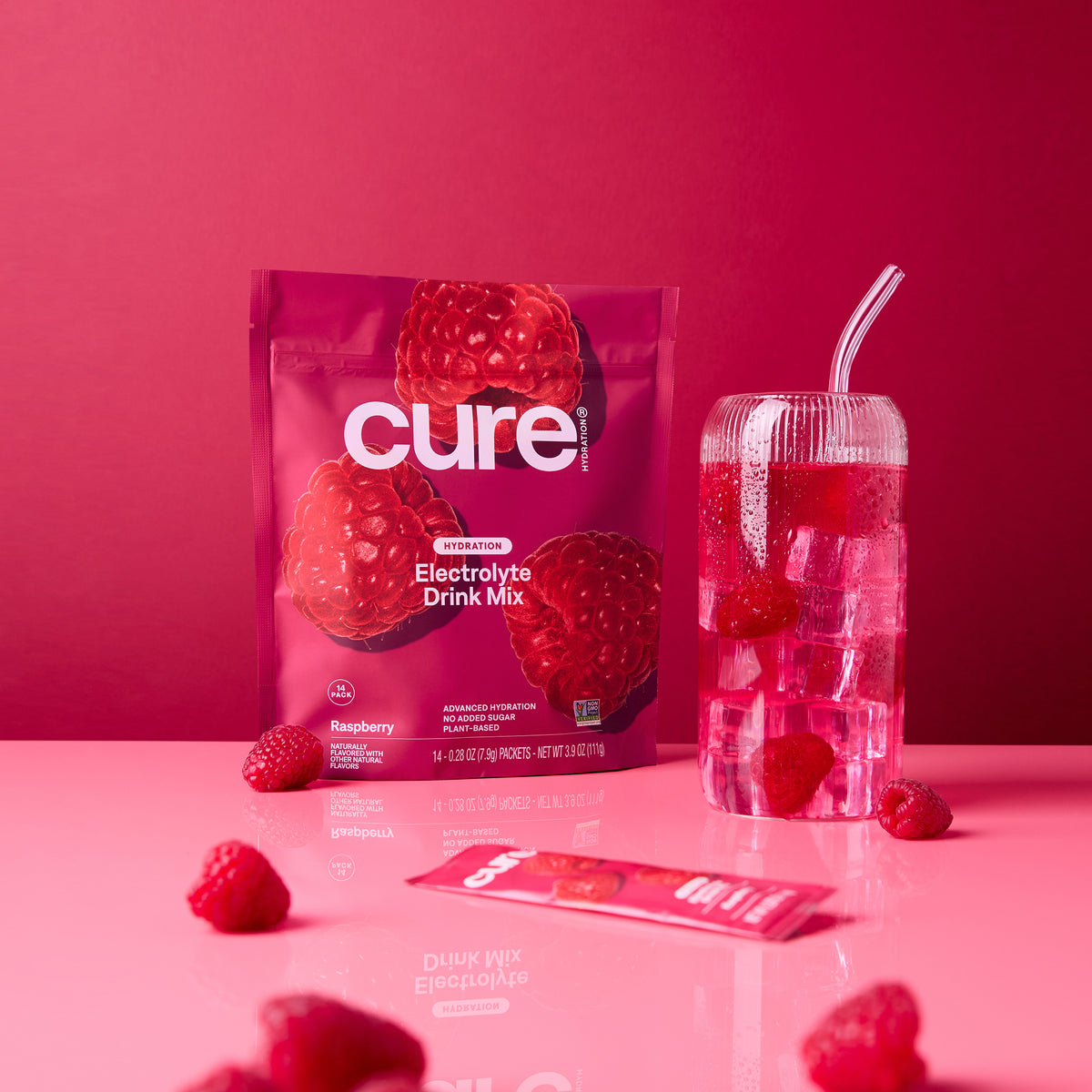
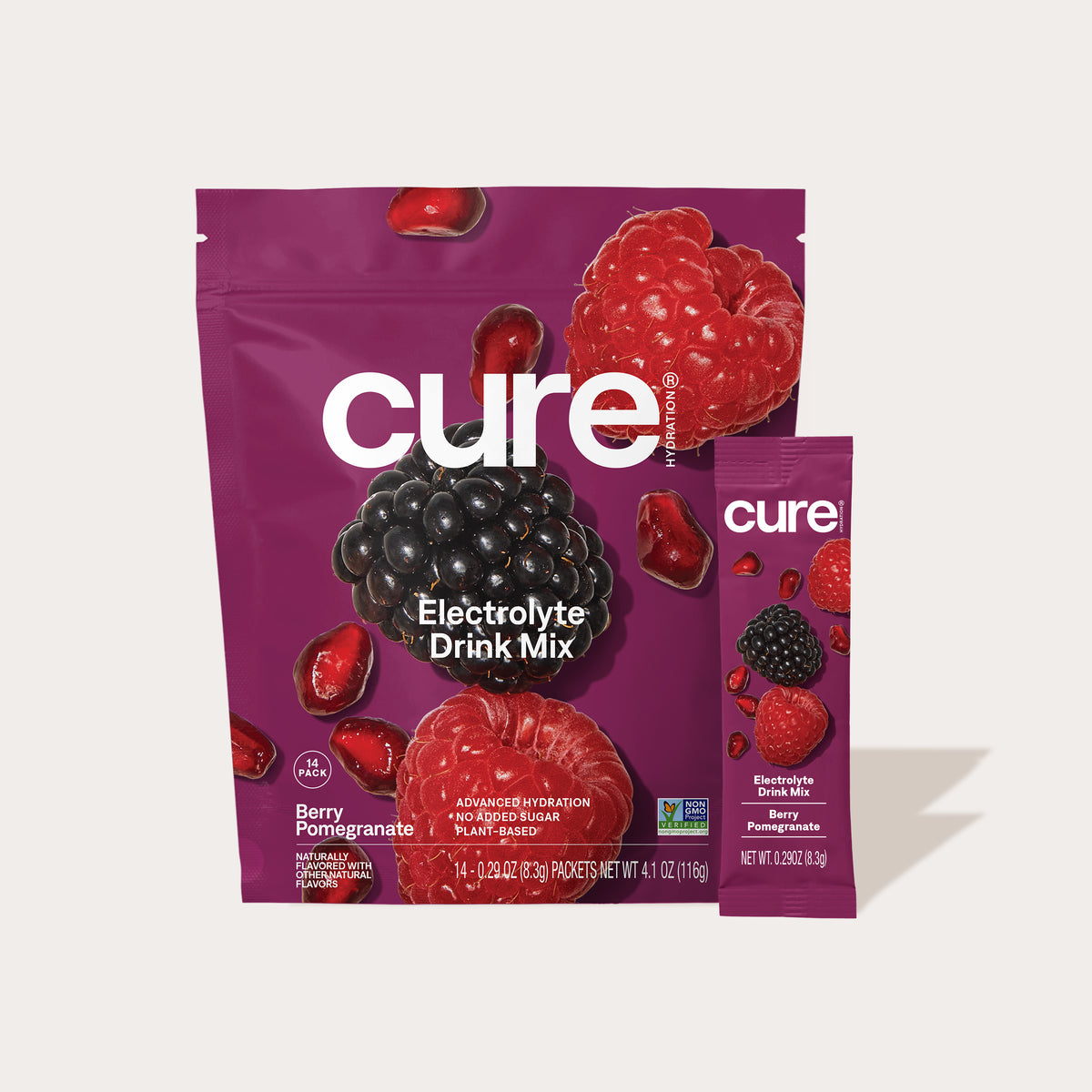
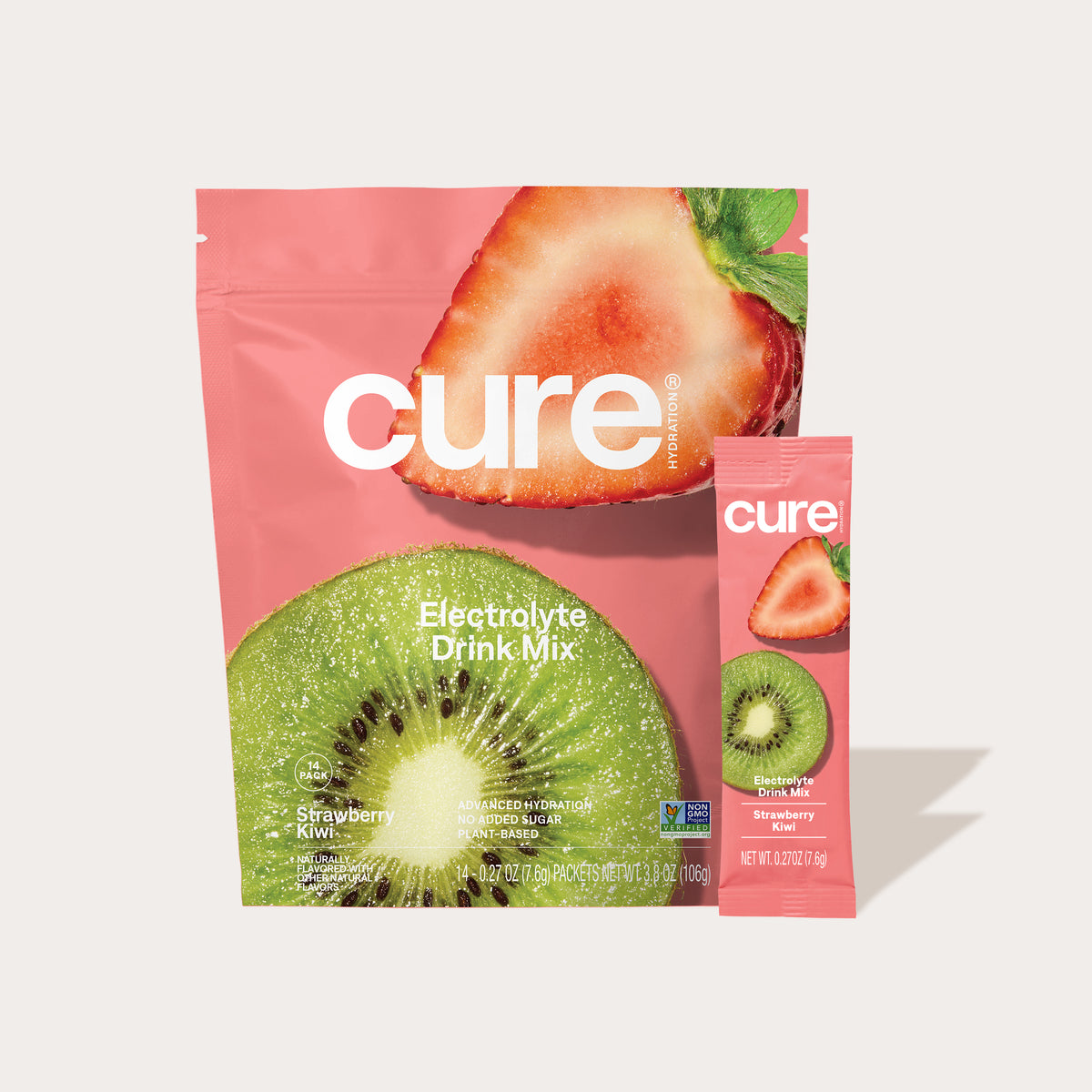
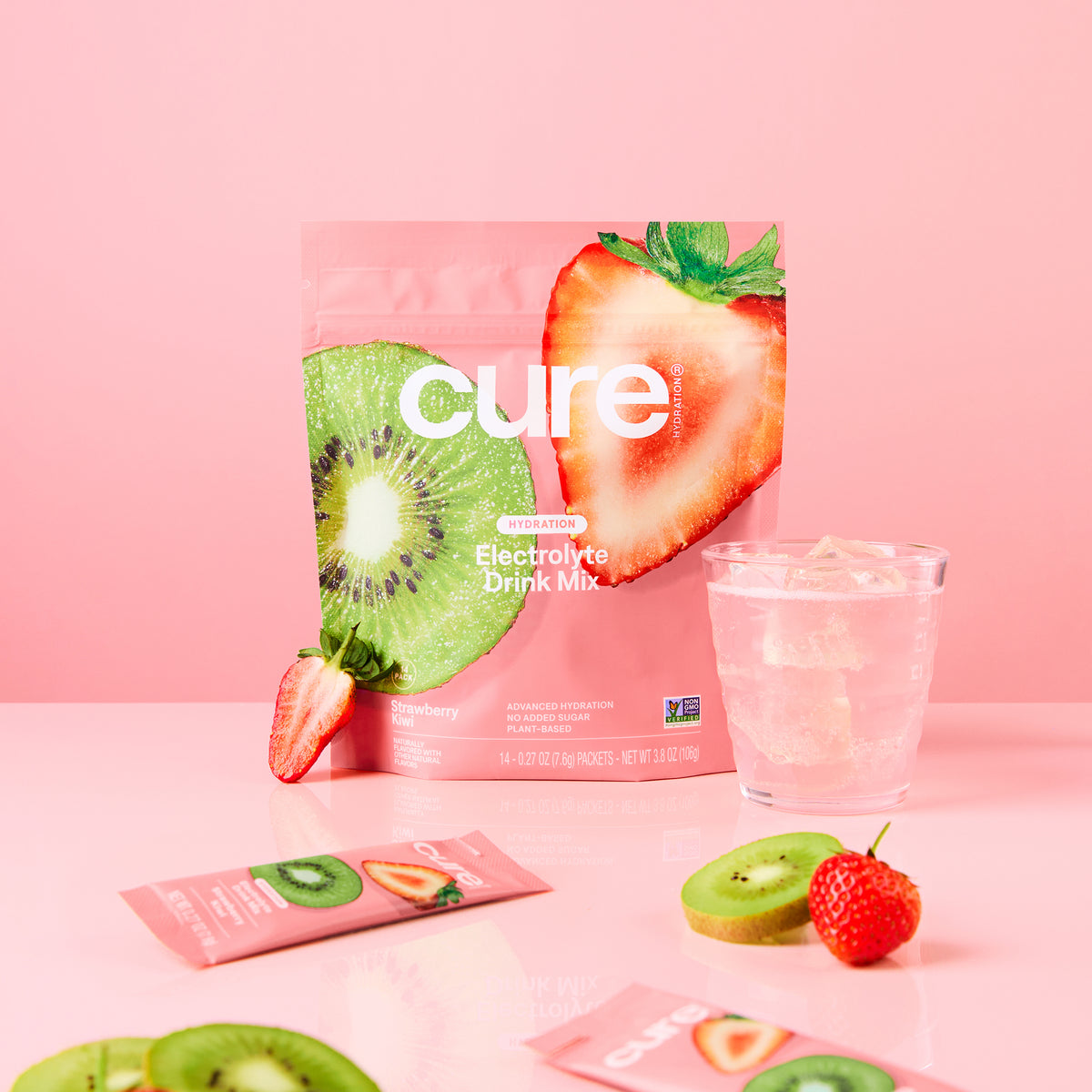
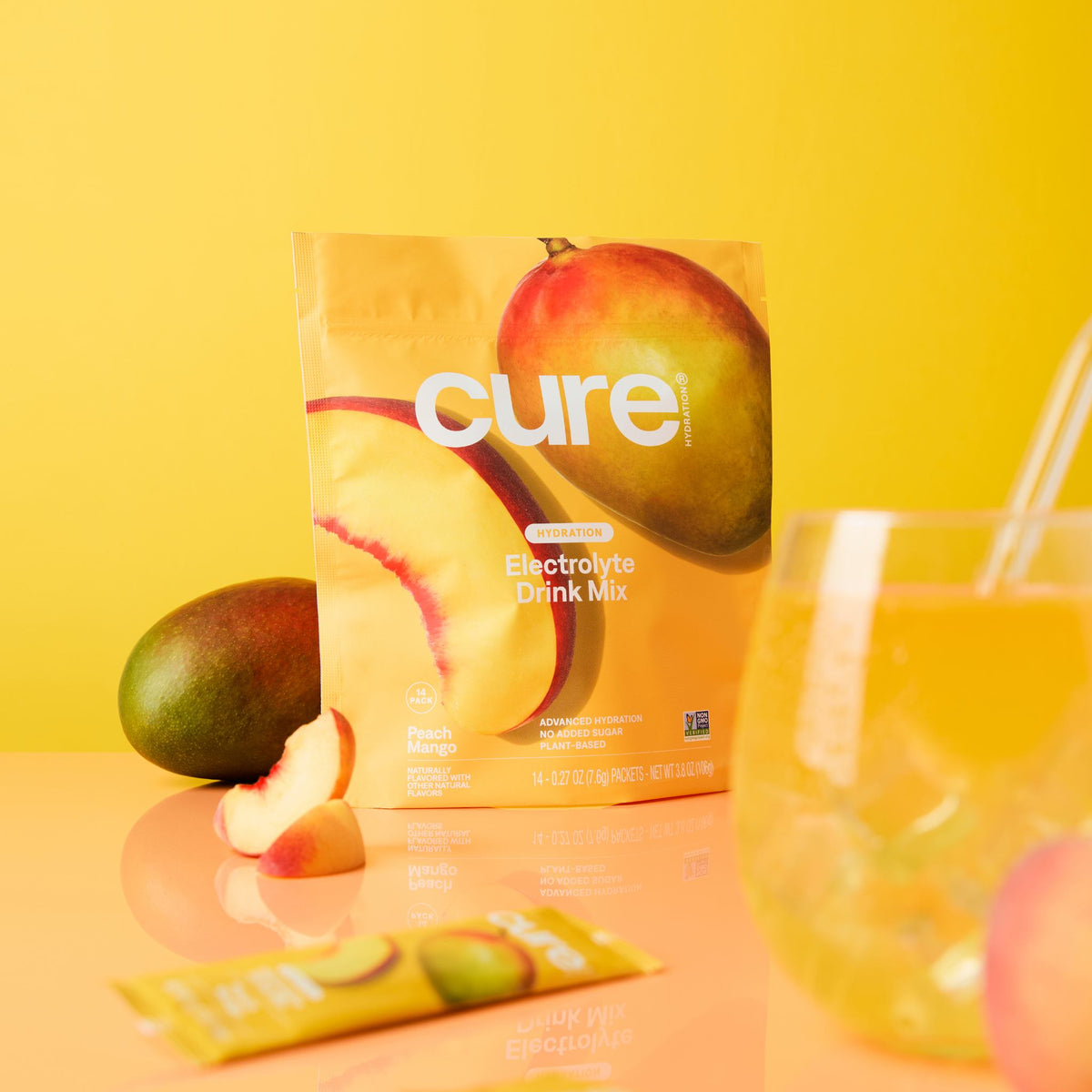
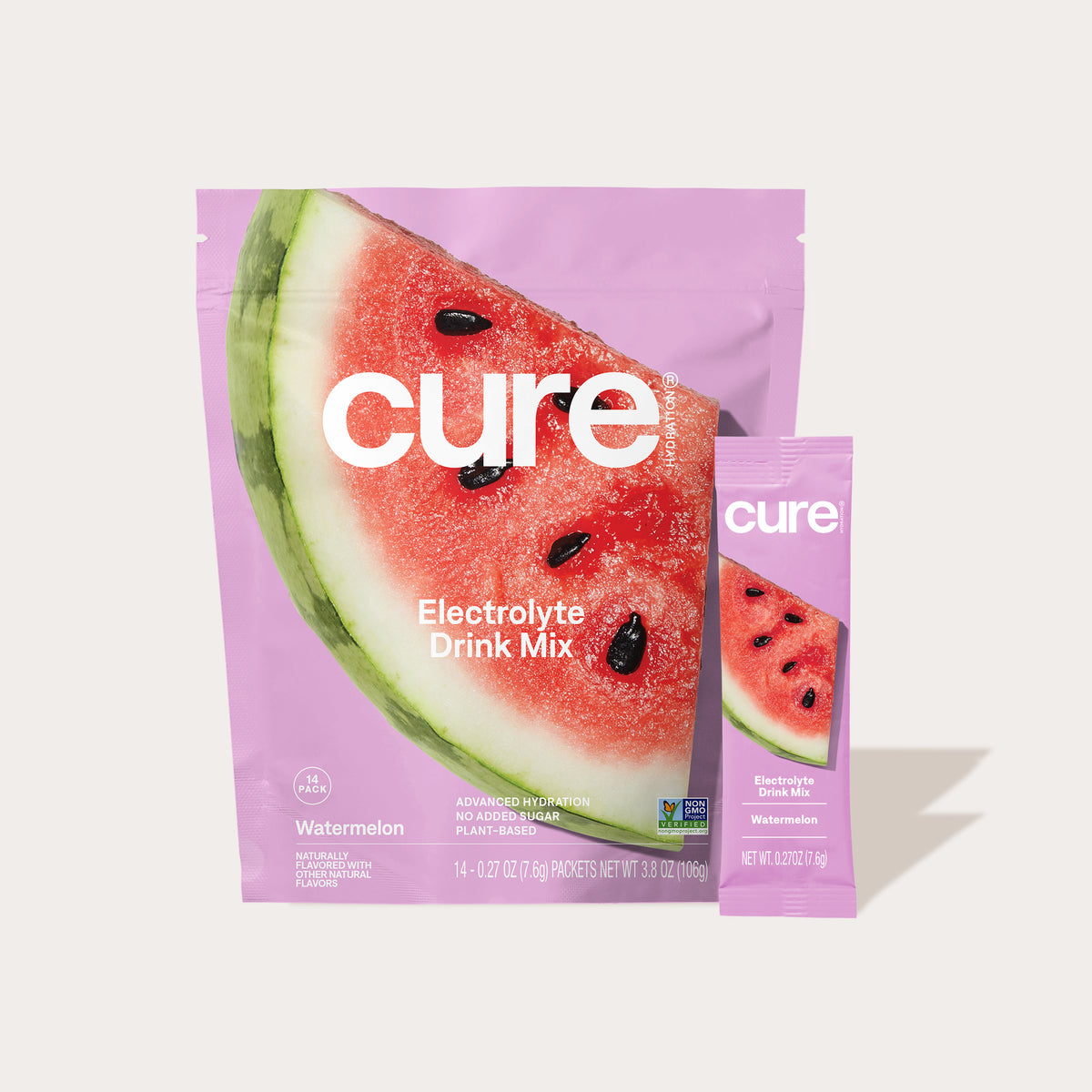
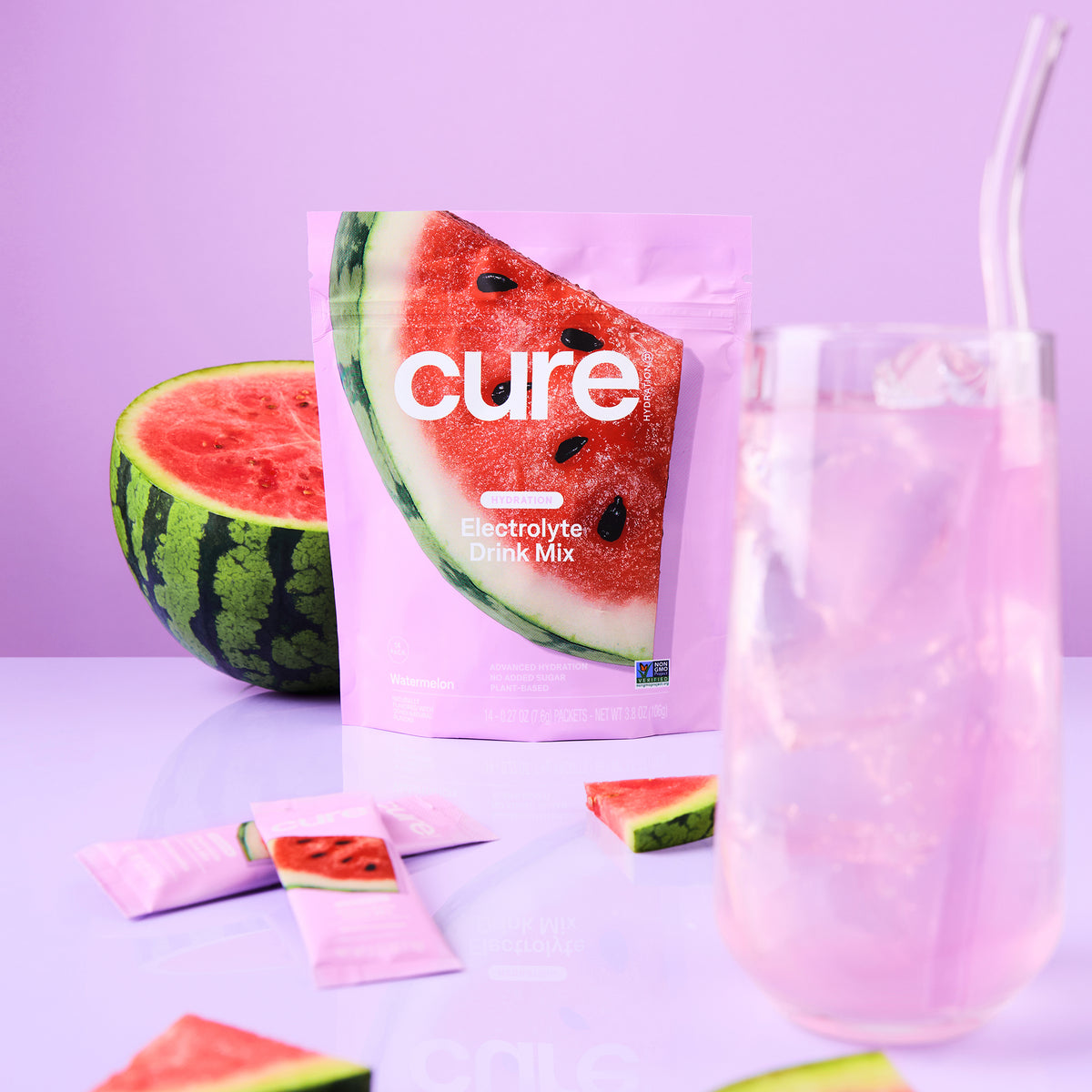
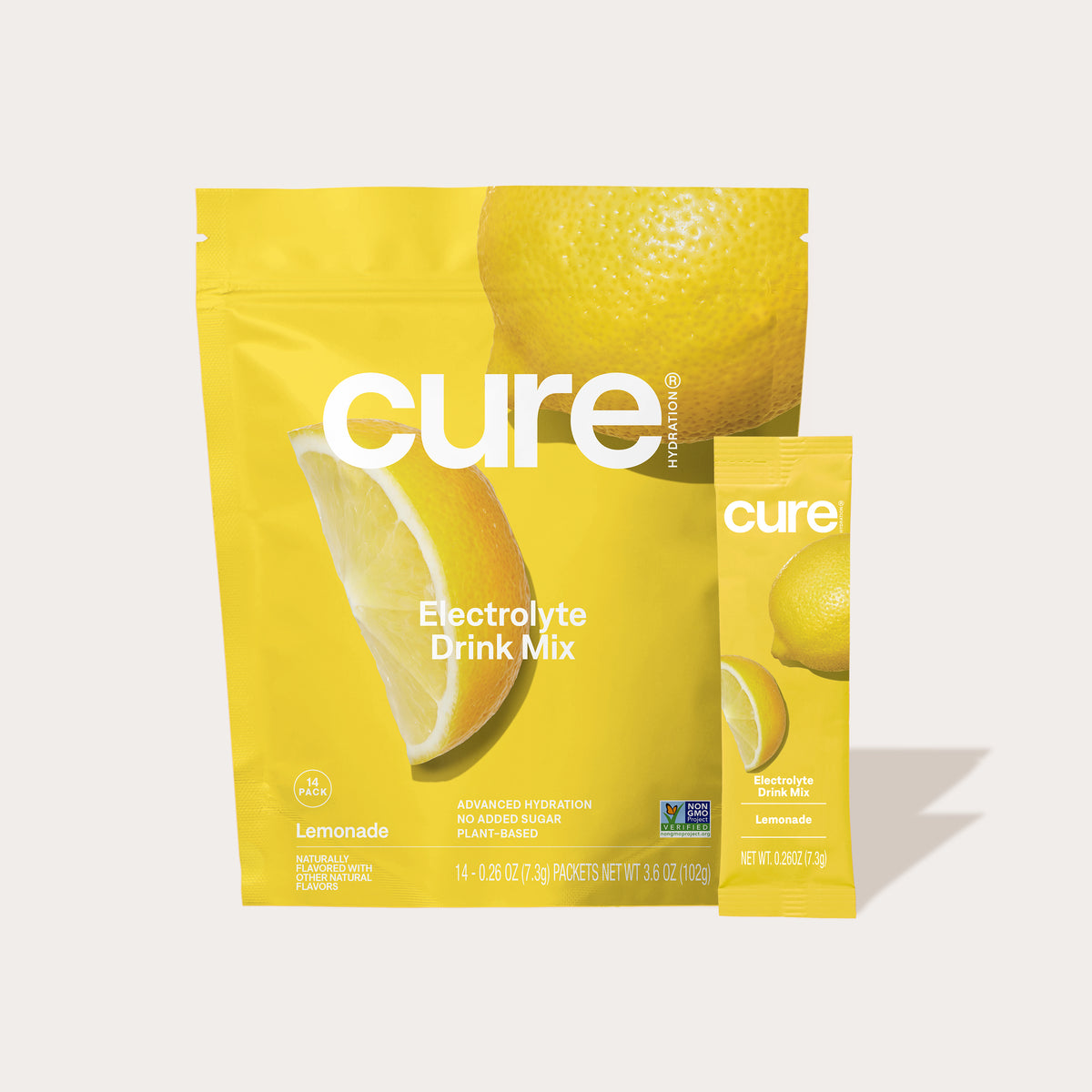
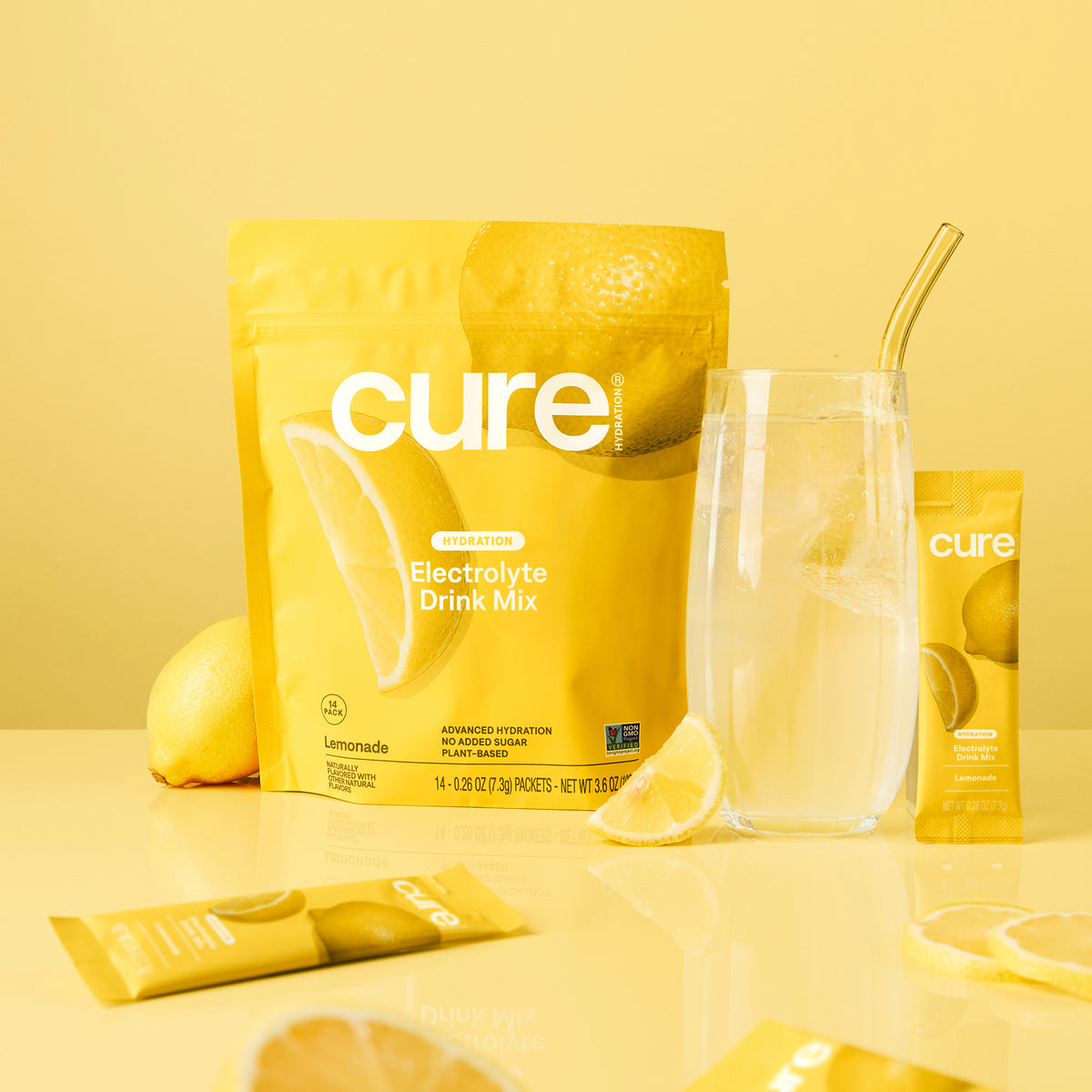
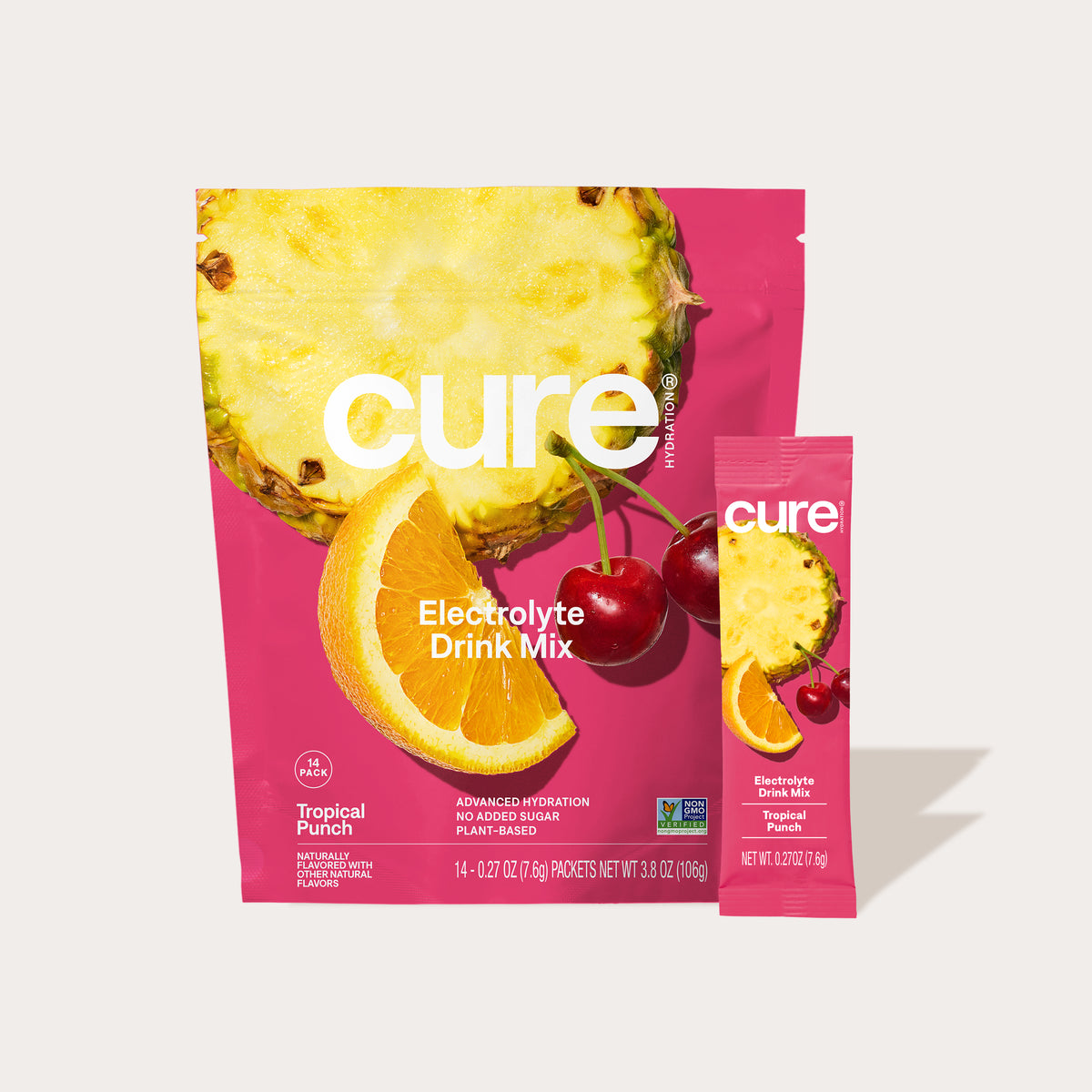
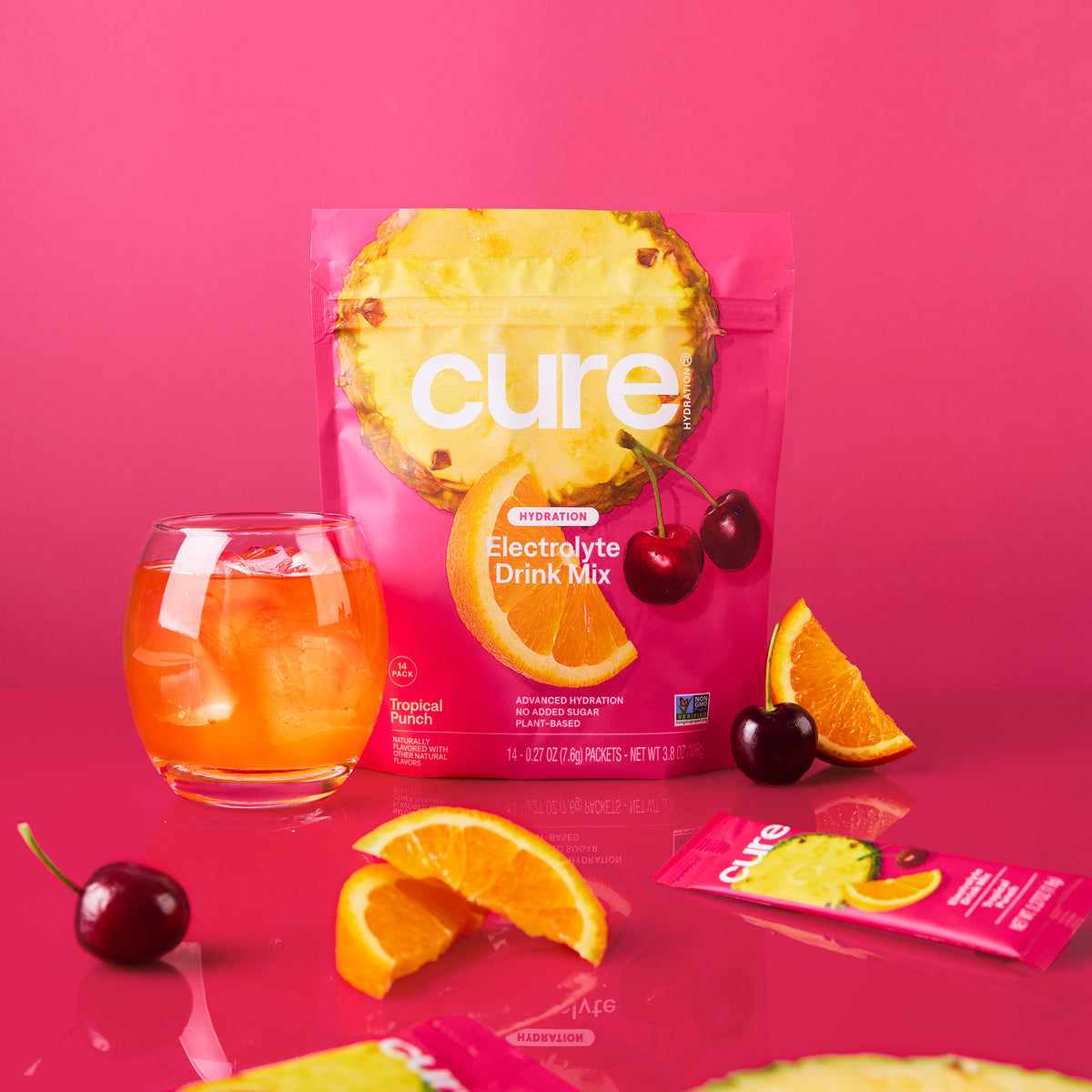
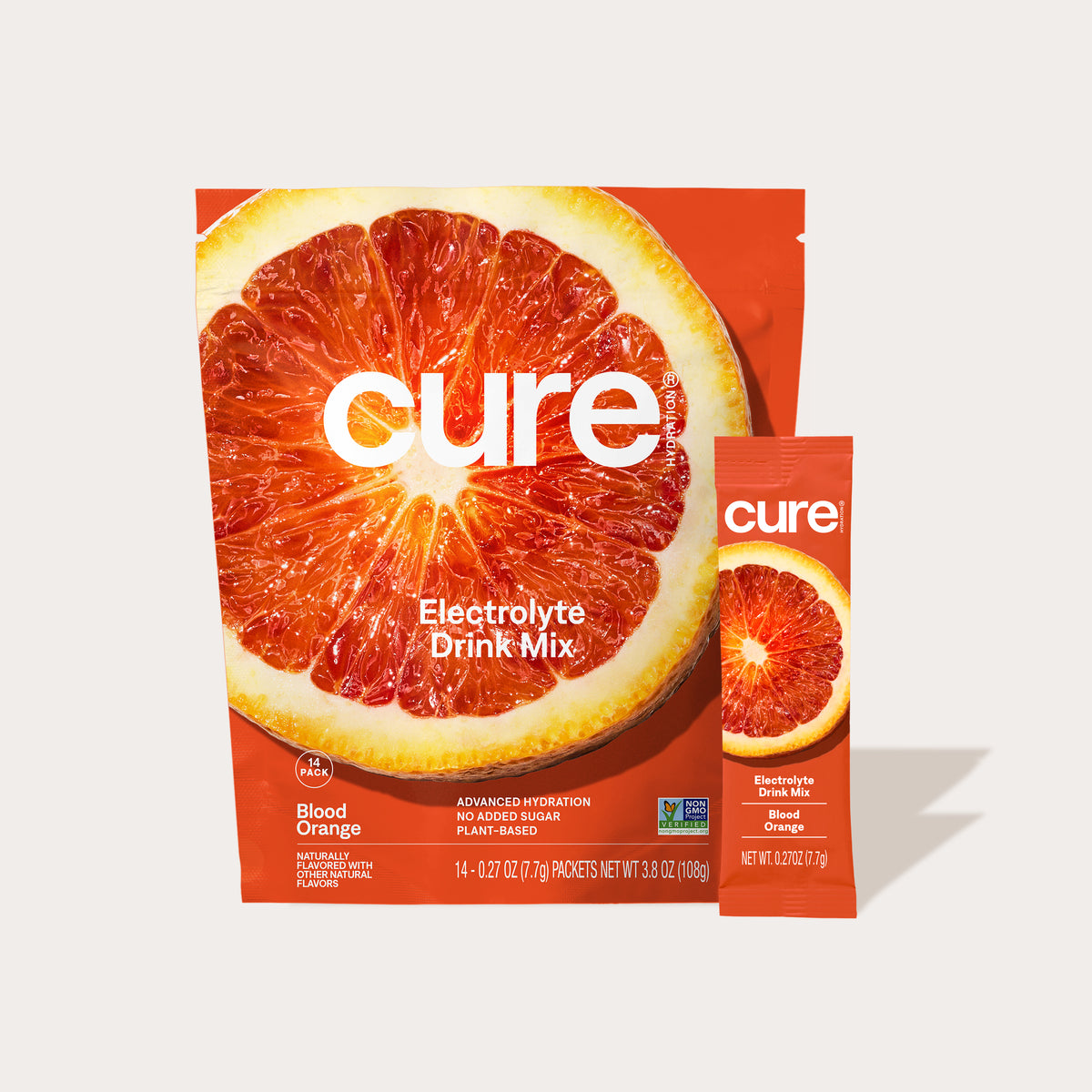
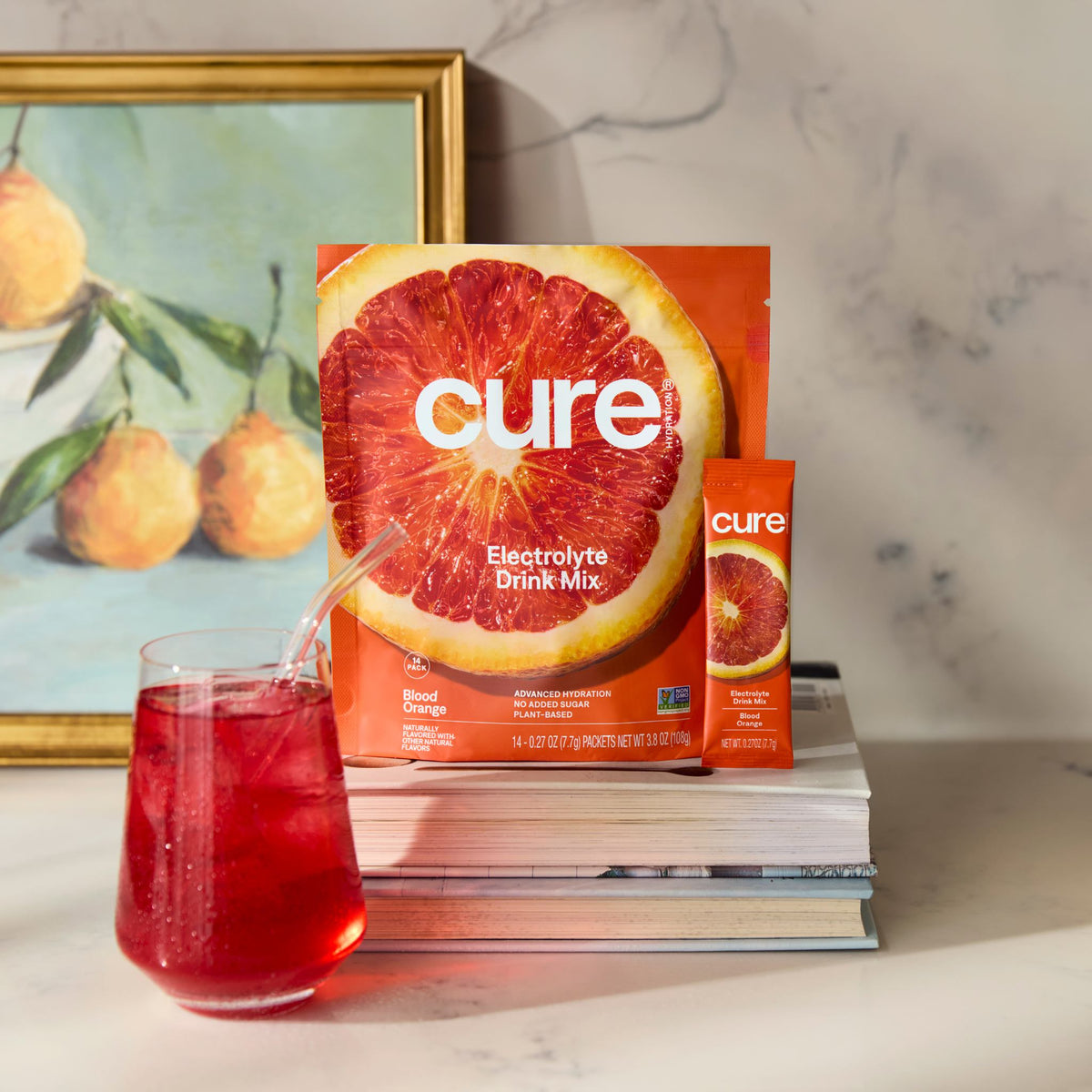
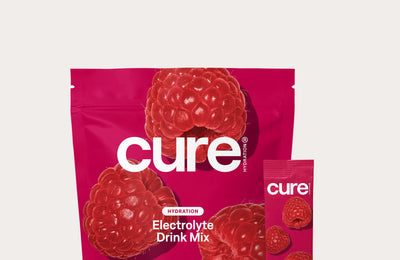
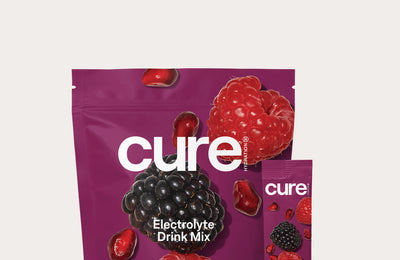
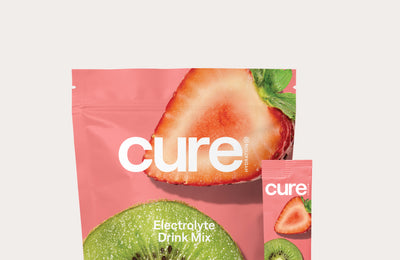
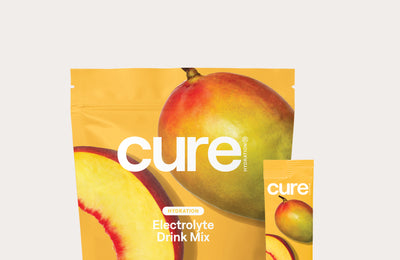
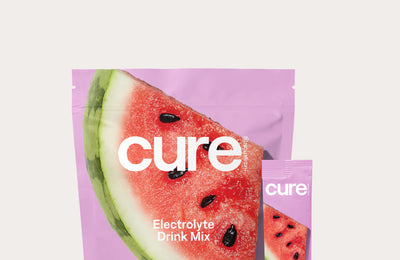
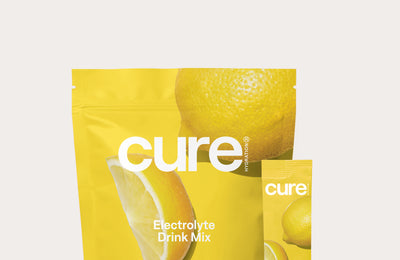
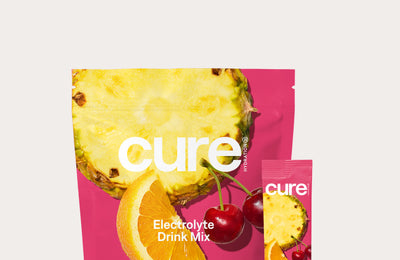
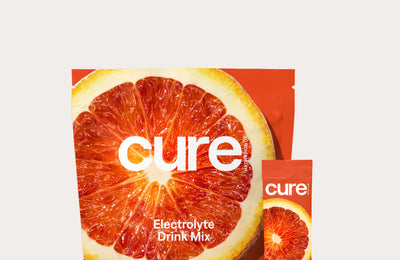
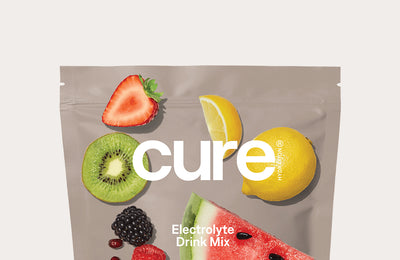
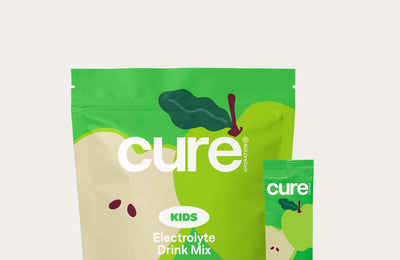
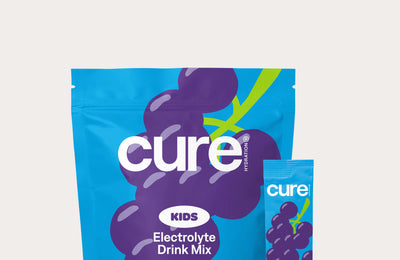
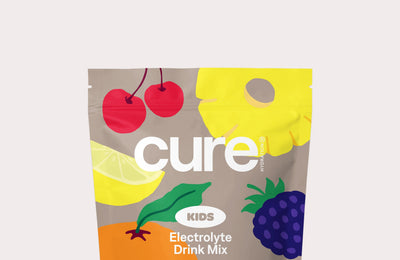
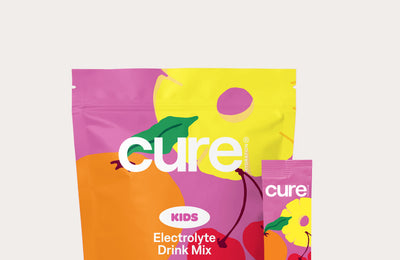
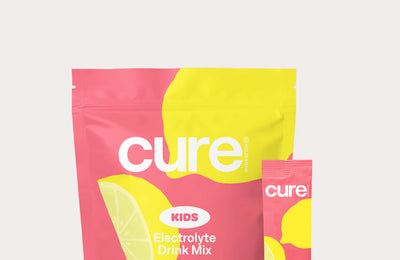
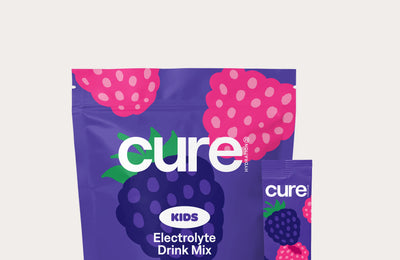
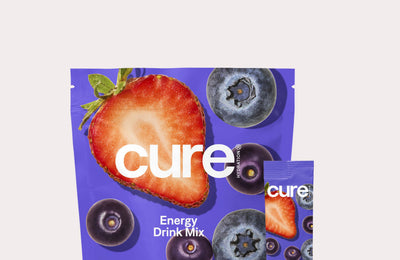
This is why I recommend Cure to patients who are trying to conceive. Cure's Hydrating Electrolyte Drink Mixes are pregnancy and breastfeeding safe, made with coconut water, pink Himalayan salt, and real fruit, with no added sugar and no artificial sweeteners, flavors, colors, or dyes. Start using it while you're trying to conceive, and you can keep using the exact same product straight through pregnancy and breastfeeding without switching formulas or re-reading labels later. As always, check with your OB-GYN before adding anything new to your routine if you have a specific health condition.
When to Call Your OBGYN
Most hydration and nutrition adjustments during the TTC phase are things you can manage on your own. Reach out to your provider if you notice signs of more significant dehydration — dark urine, persistent dizziness, a racing heartbeat, or unusual fatigue — or if you have a condition like hypertension, kidney disease, or a history of gestational diabetes that affects how your body handles fluid and sodium. Trying to conceive is a good time to get ahead of these conversations, rather than waiting until pregnancy is already underway.
You don't need to get every glass of water right. The point is to build habits now that carry you into pregnancy without much of a learning curve, and to know when something's worth a call to your doctor instead of a guess.
Dr. Fahimeh Sasan is a board-certified OB-GYN.
Sources