








Breastfeeding and Dehydration: Why Nursing Moms Need More Than Just Water
By: Dr. Fahimeh Sasan, Board-Certified OB-GYN
New moms hear the same advice constantly: drink more water, it'll help your milk supply. It's well-meaning, but it's not quite right — how much you drink and how much milk you make are less tightly linked than most people assume. And a bigger issue is a separate one: plenty of breastfeeding mothers end up dehydrated, even while drinking water all day.
Here's what actually matters for staying hydrated while nursing, why electrolytes end up doing more work than plain water, and when it's worth calling your doctor instead of just drinking more.
Why Breastfeeding Makes You So Thirsty
Breast milk is about 87% water, and a nursing infant takes in roughly 800 mL of it a day (a little under a quart) once feeding starts. Making that much fluid every day takes a toll on your own hydration, and your body has a built-in signal for it: oxytocin, the hormone that causes your milk to release during feeding, also stimulates your thirst. That's why a lot of women describe feeling suddenly, urgently thirsty in the middle of nursing. It's not in your head — it's a hormonal signal doing exactly what it's supposed to.
Fluid needs go up accordingly: the common standard is about 13 cups (3.1 liters) of total fluid a day while breastfeeding, compared with roughly 9 cups for a woman who isn't pregnant or breastfeeding. Breastfeeding also requires an extra 330 to 400 calories a day for well-nourished mothers, which is worth knowing since fatigue in the newborn period sometimes gets blamed entirely on lack of sleep when it's actually under-eating.
Doesn't Drinking More Water Increase Milk Supply?
This is the part that surprises many parents: simply drinking more water than your body needs doesn't appear to increase milk supply. Research has found that, in well-hydrated breastfeeding women, increasing fluid intake beyond normal has little or no effect on the amount of milk produced. Milk production is driven mainly by how often and how effectively milk is removed from the breast, along with hormones involved in lactation. That's why experts generally recommend drinking enough to satisfy your thirst rather than forcing extra fluids in an attempt to make more milk.
So the advice to "drink more" isn't wrong, exactly — it's just aimed at the wrong target. Drinking enough matters for your own energy and health. It's not a way to make more milk.
Why Hydration Still Matters
For a new mother, dehydration comes up more than you'd expect: night sweats in the early postpartum weeks, a skipped meal during a long stretch of newborn care, hours without a drink because you don't have a free hand. Suddenly, you’re thirsty, fatigued, or have a headache. In moments like those, you're not just losing water — you're losing electrolytes too. Replace only the water, and your body has a harder time holding onto it, so a good amount of what you drink just passes through you. Electrolytes plus a small amount of glucose is what helps your body actually absorb and keep the water you're taking in, which is why an oral rehydration solution is better than water alone on days like that.
What Else to Watch in Your Diet While Nursing
A few things worth knowing about, separate from hydration itself:
-
Caffeine. Stick to about 300 mg or less a day, roughly 2 to 3 cups of coffee. That usually doesn't affect the baby. Much higher intakes, around 10 cups a day or more, have been linked to fussiness and poor sleep in infants.
-
Alcohol. You can drink. Up to one standard drink a day is not known to be harmful. Wait about 2 hours per drink before nursing again to give your body time to clear the alcohol from your milk.
-
Fish. Mercury passes into breast milk the same way it crosses the placenta, so the pregnancy guidance carries over: enjoy a couple of servings a week of lower-mercury fish like salmon or shrimp, and skip swordfish, king mackerel, and tilefish.
Choosing an Electrolyte Drink While Breastfeeding
Keep whatever you choose to drink within arm's reach of wherever you nurse most. You won't always be able to get up mid-feed to refill a water bottle, and that's exactly when a pre-mixed electrolyte drink earns its keep.
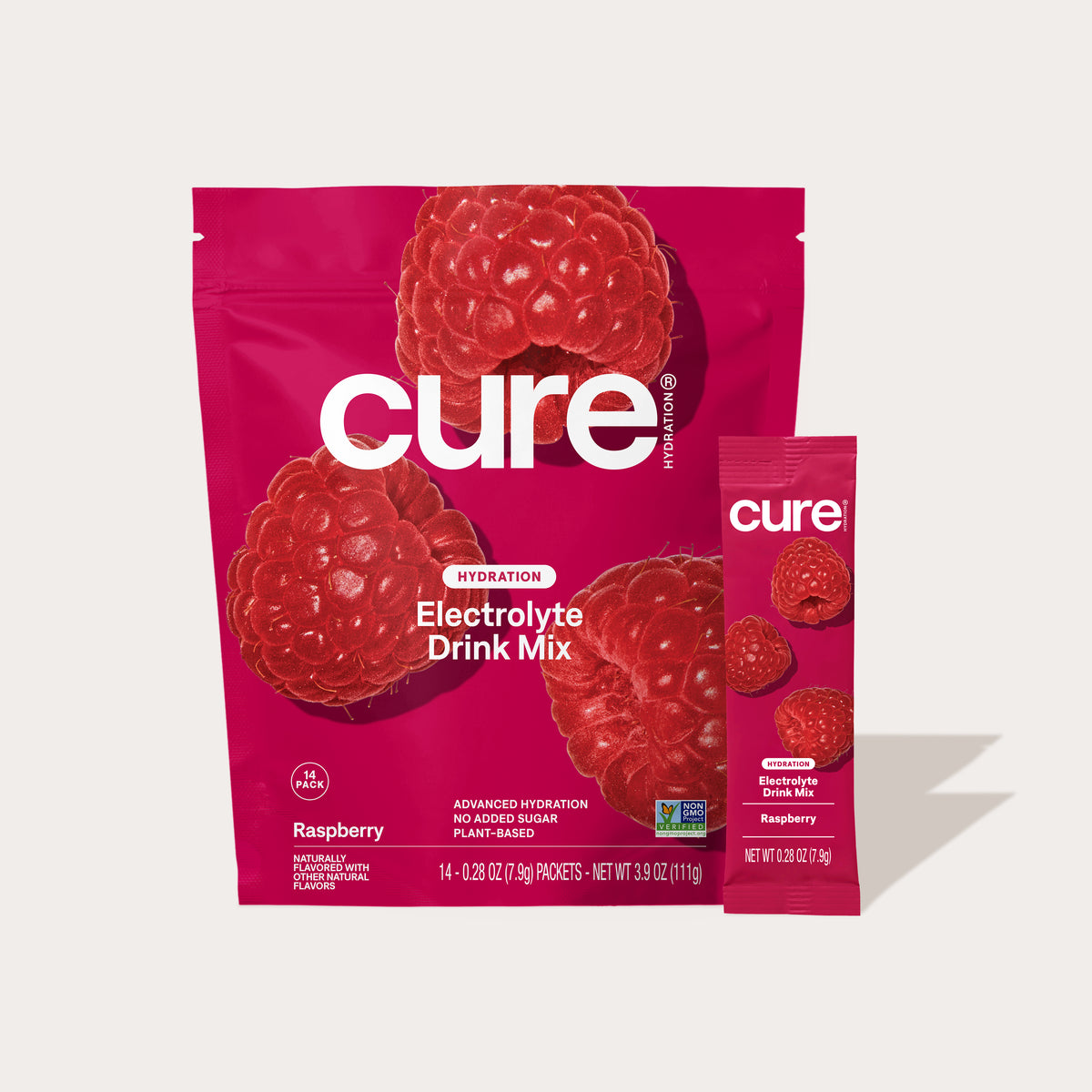
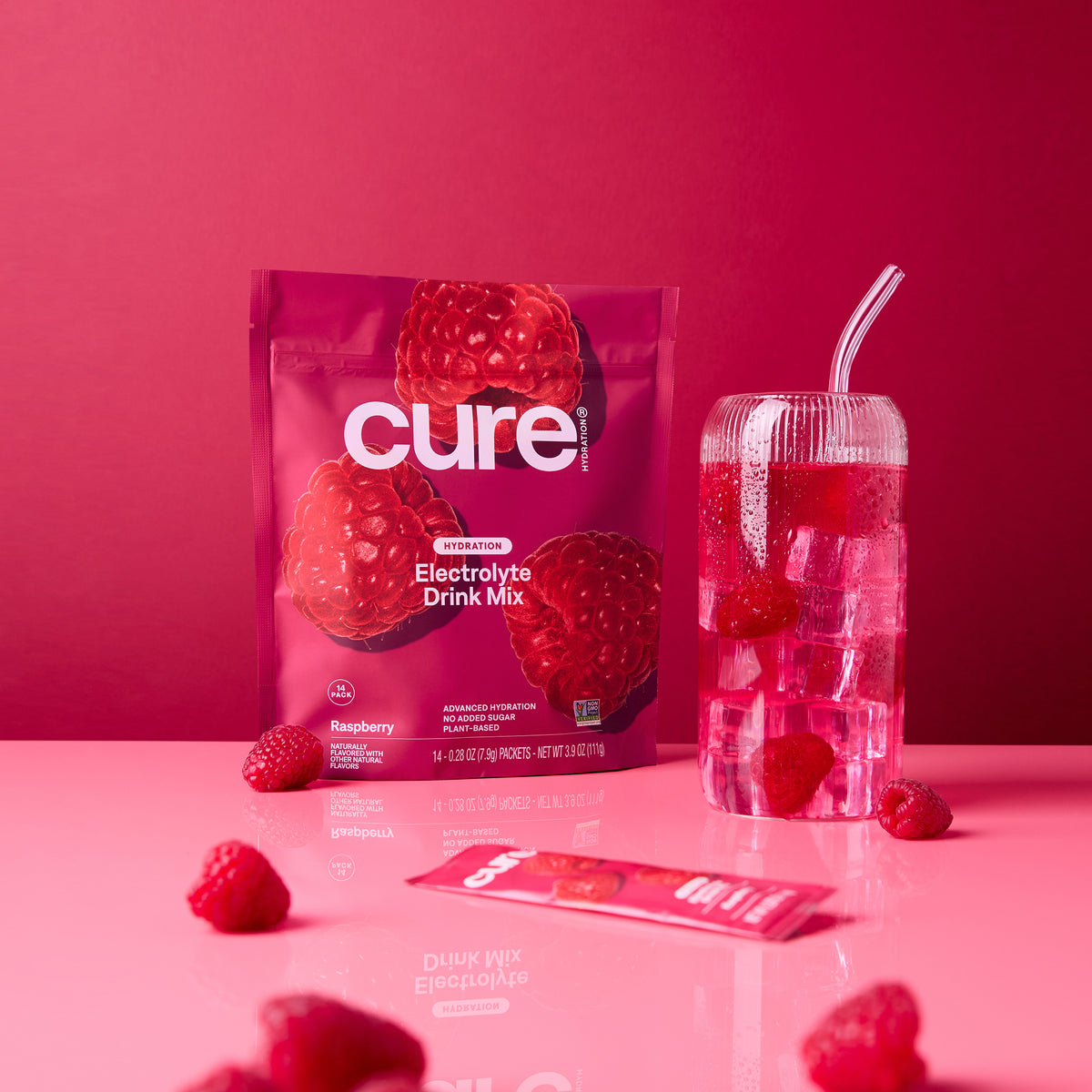
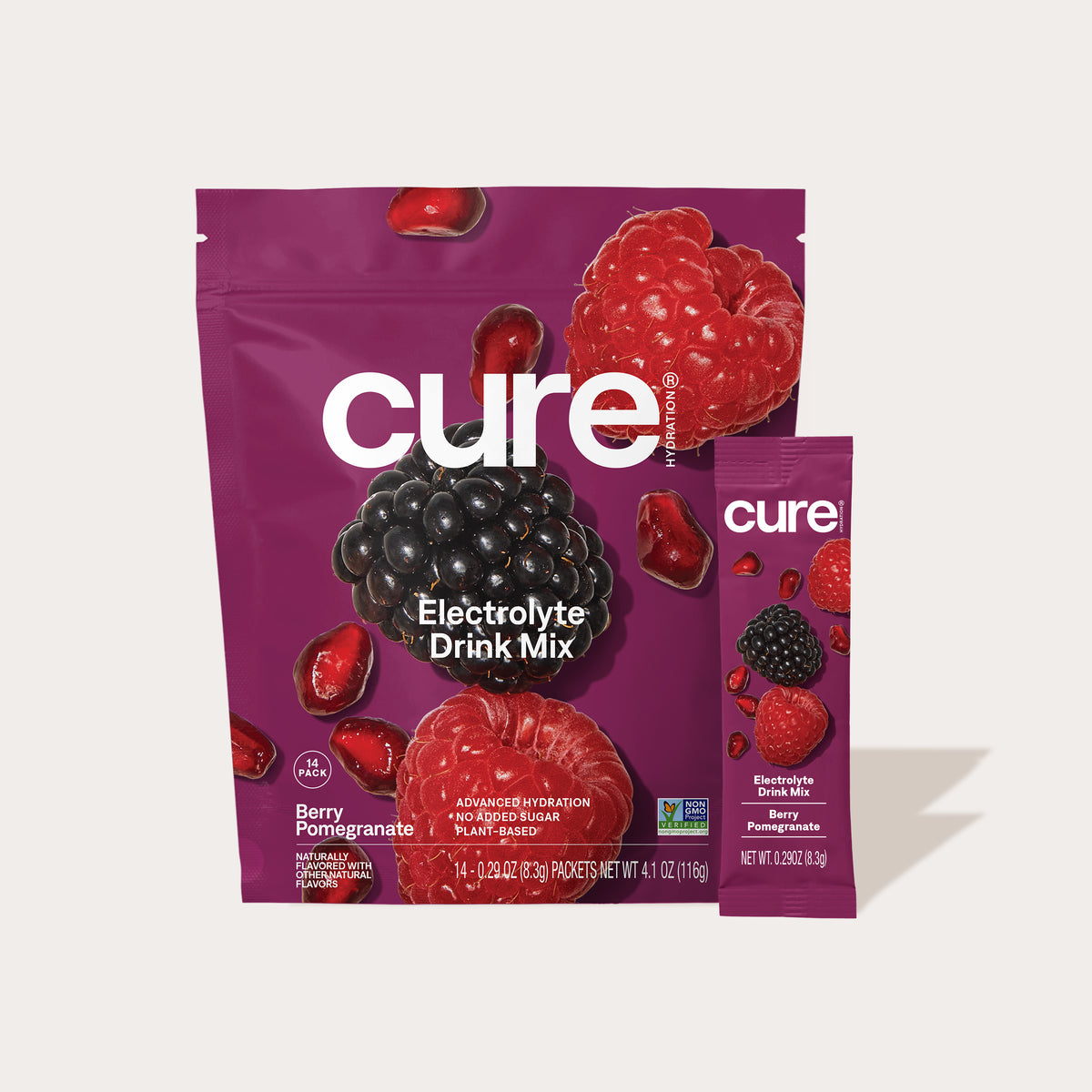
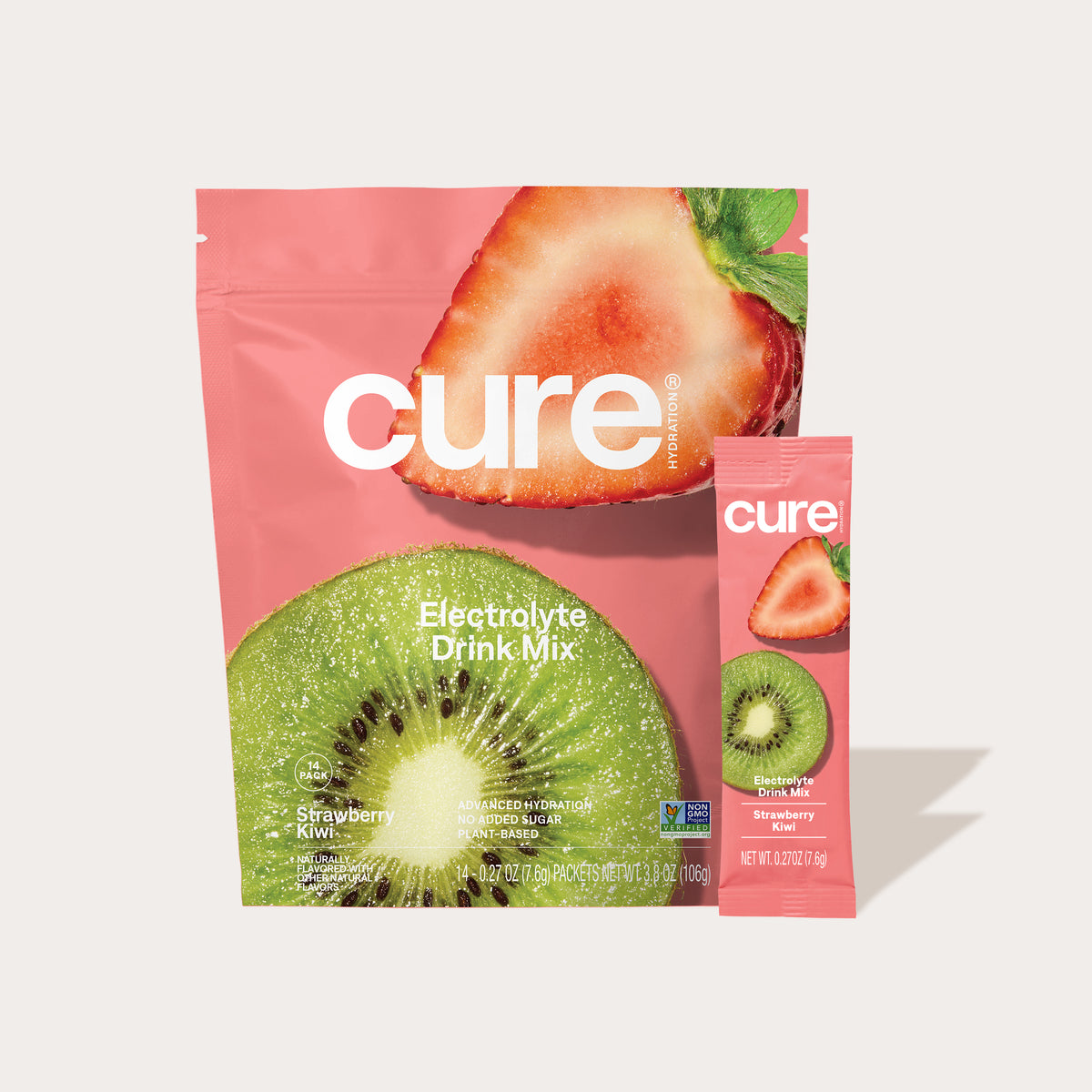
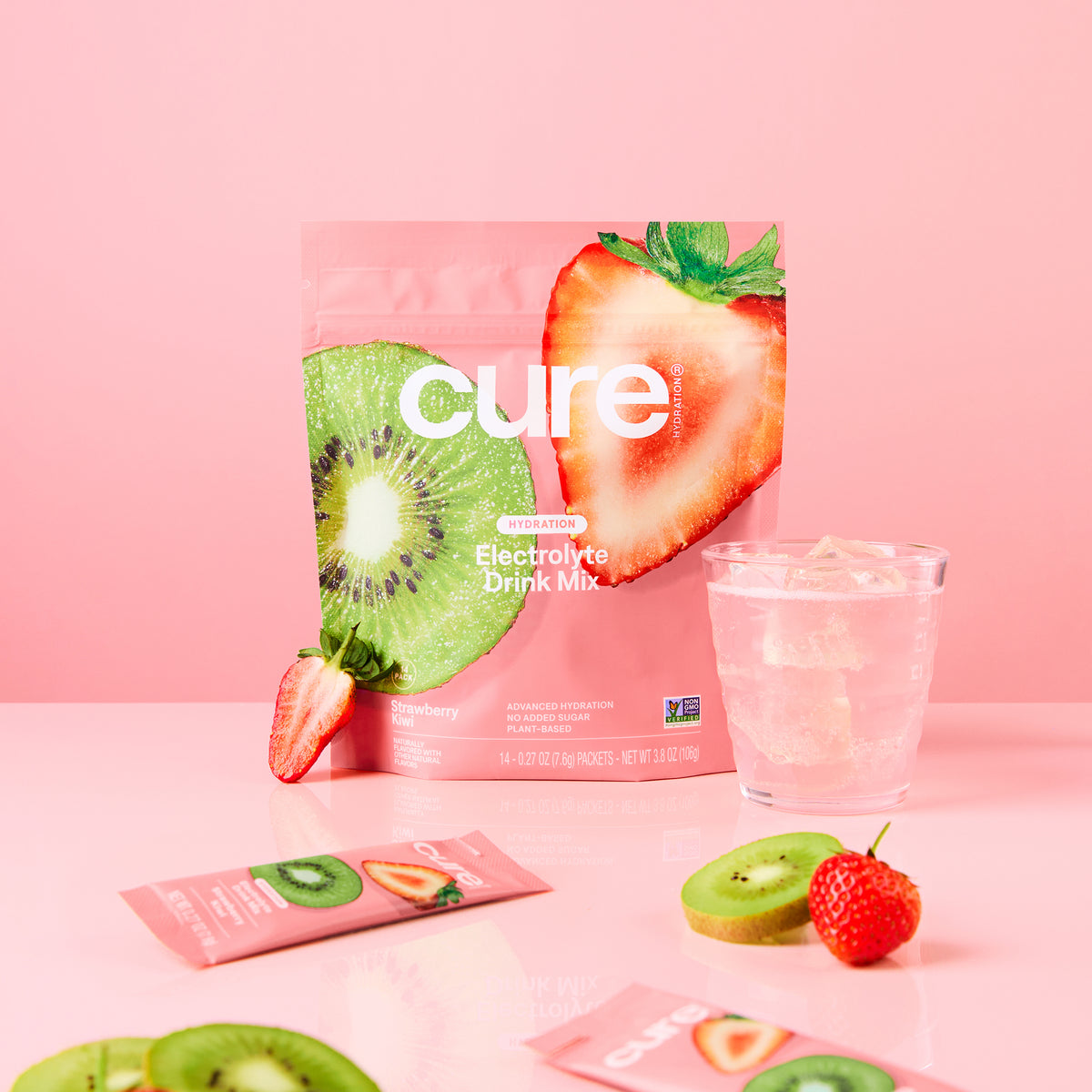
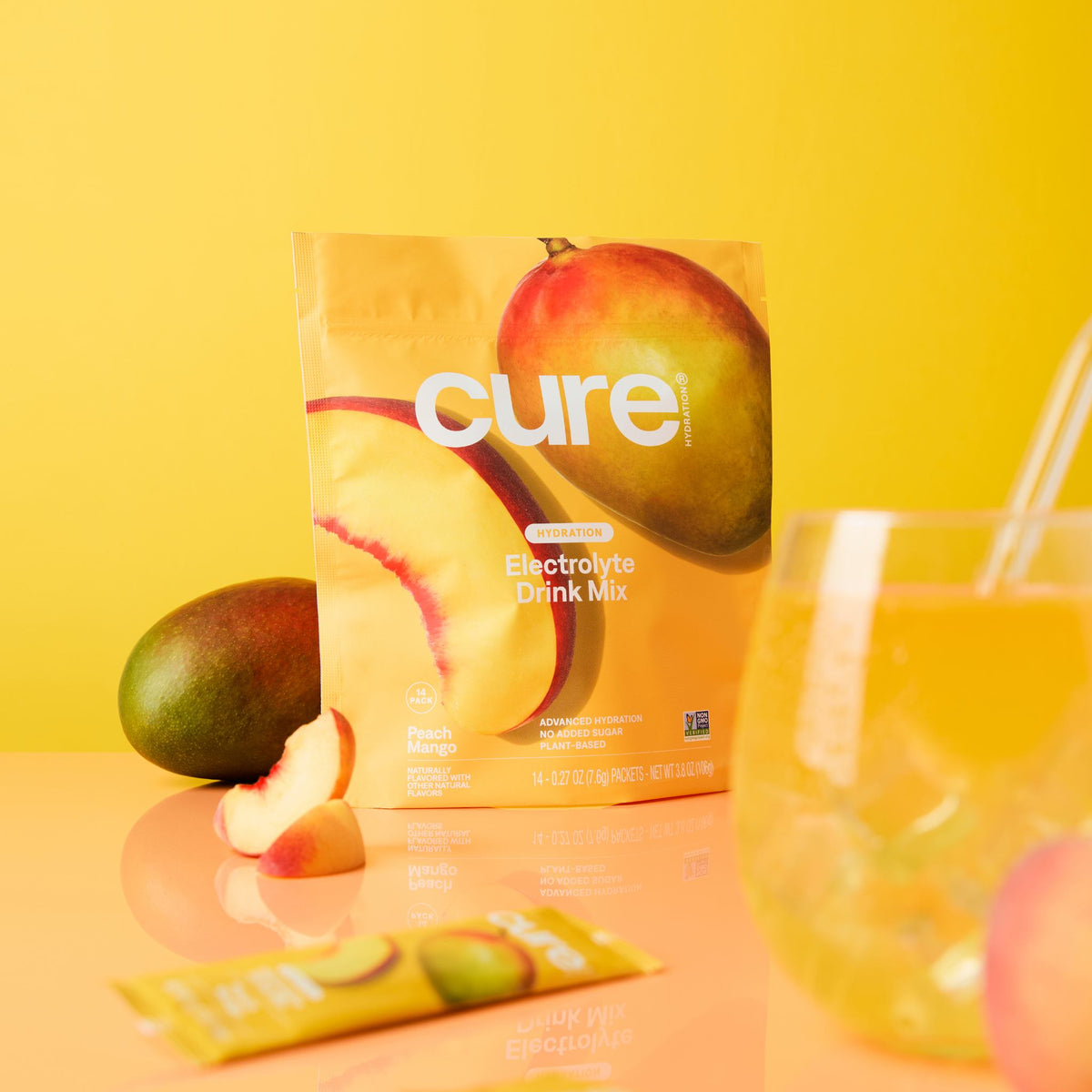
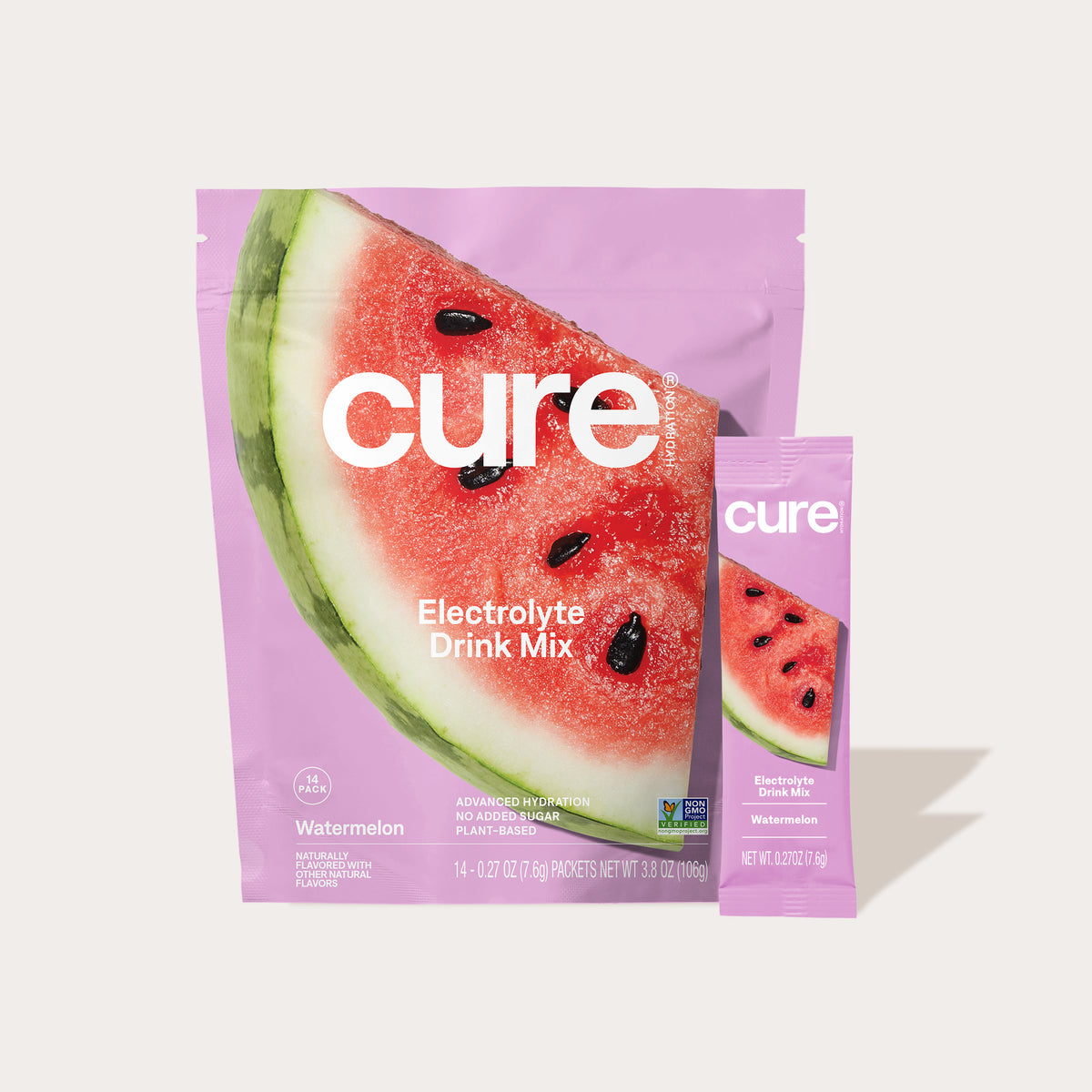
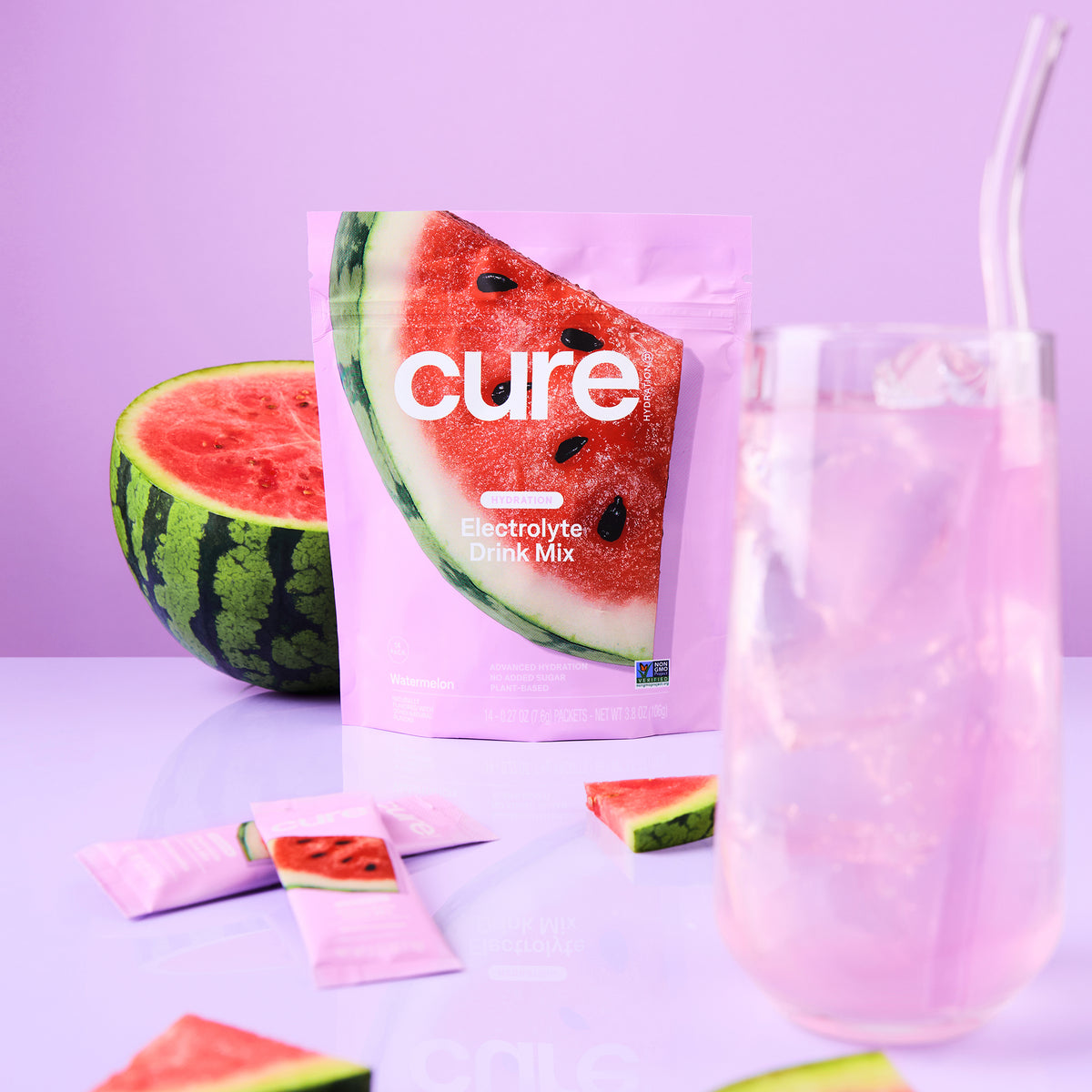
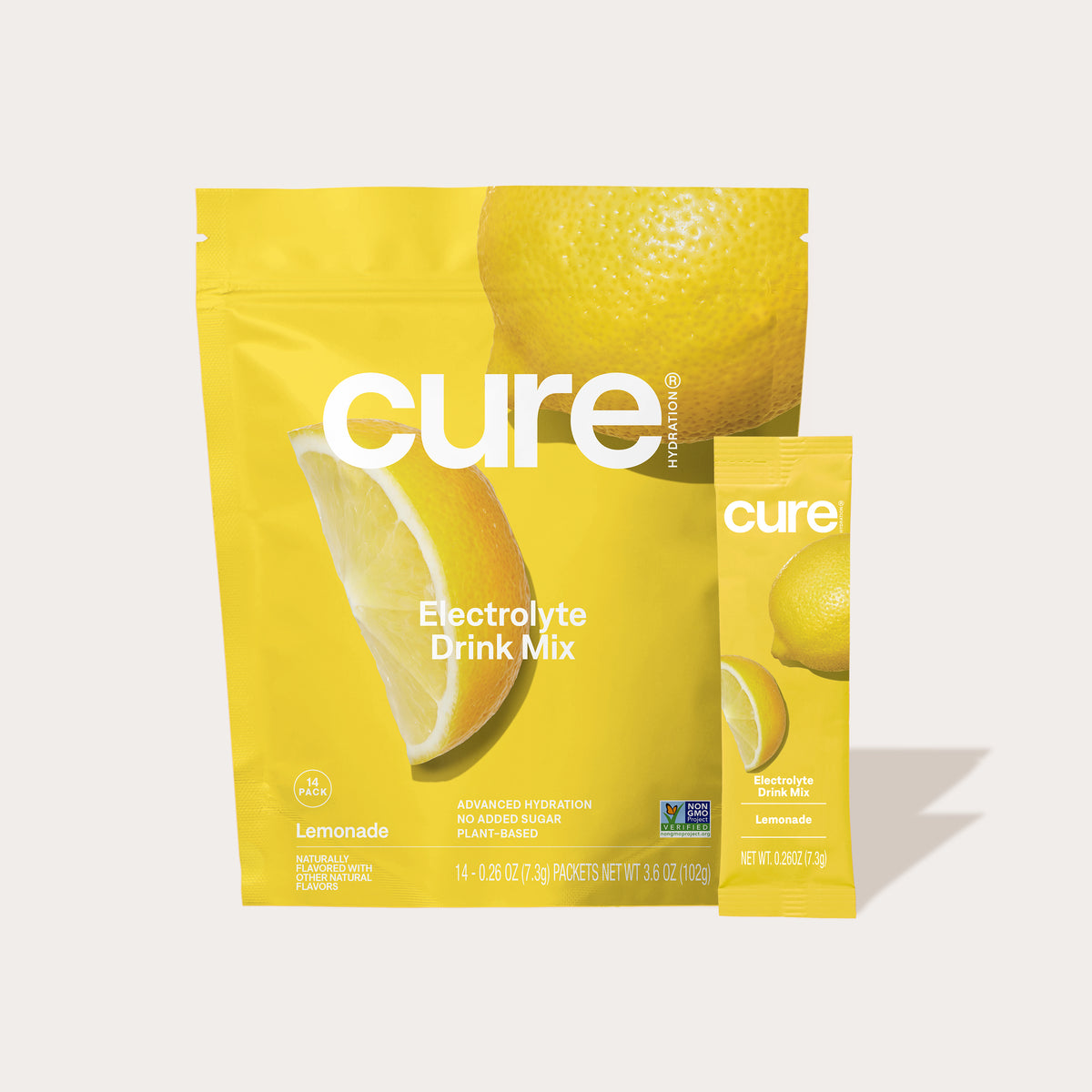
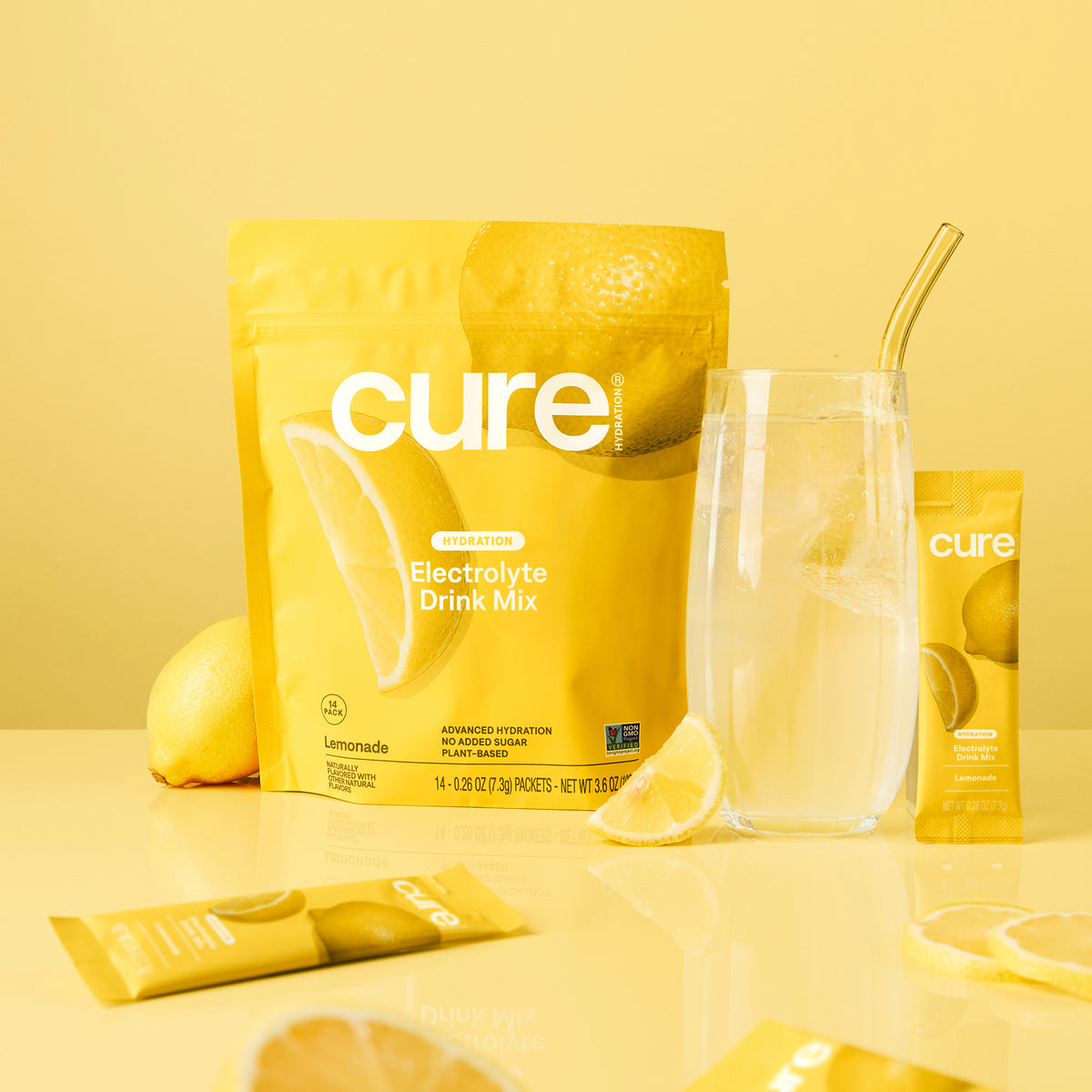
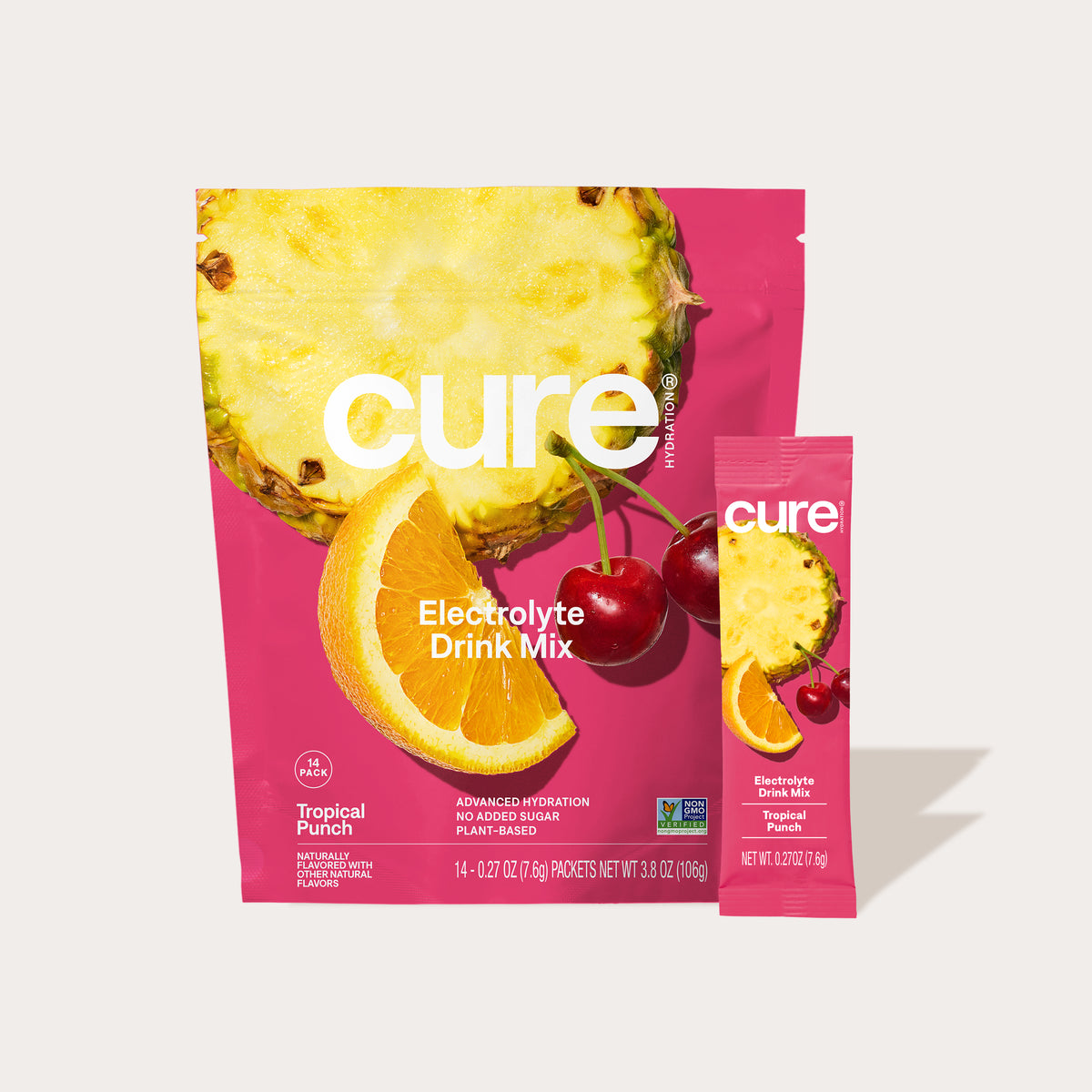
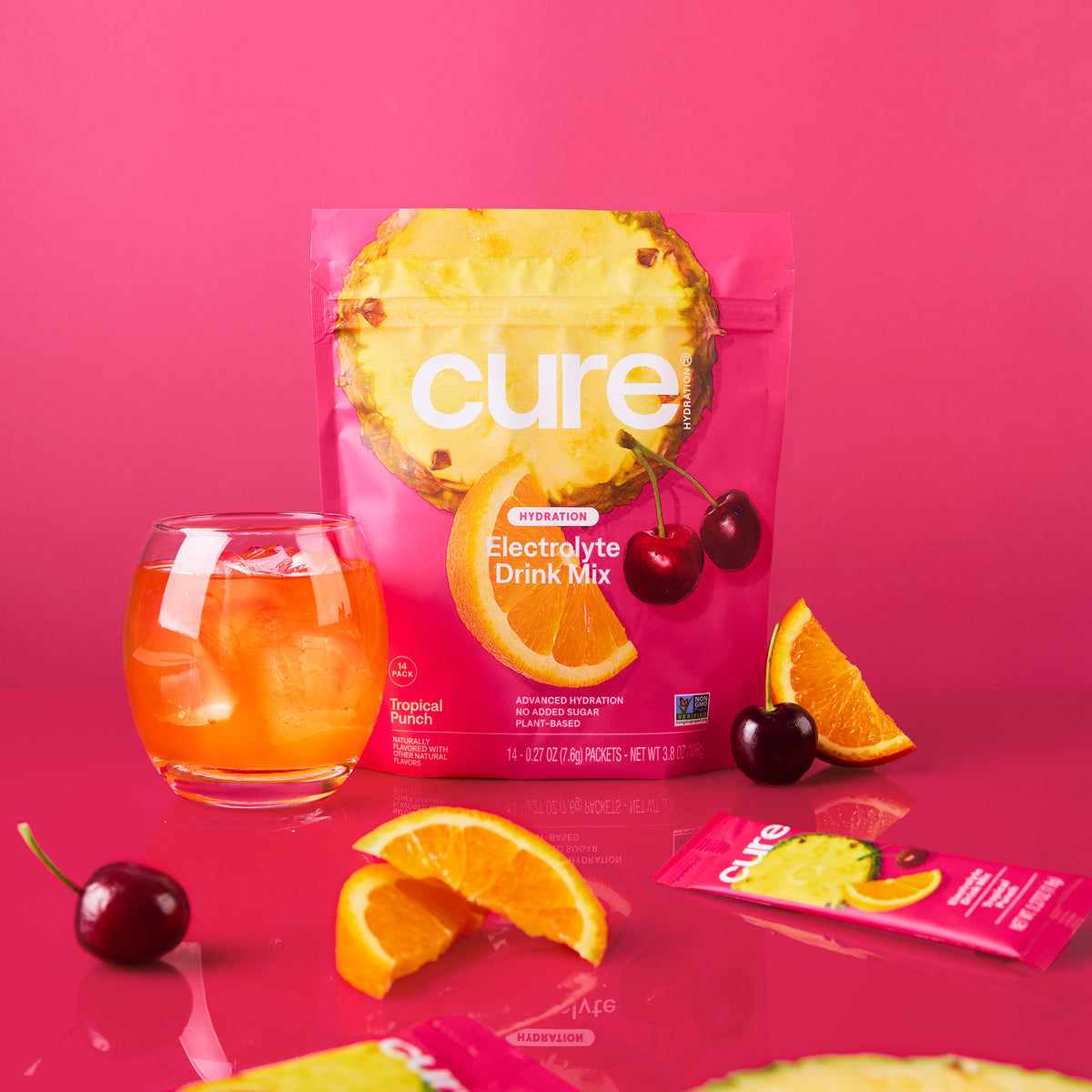
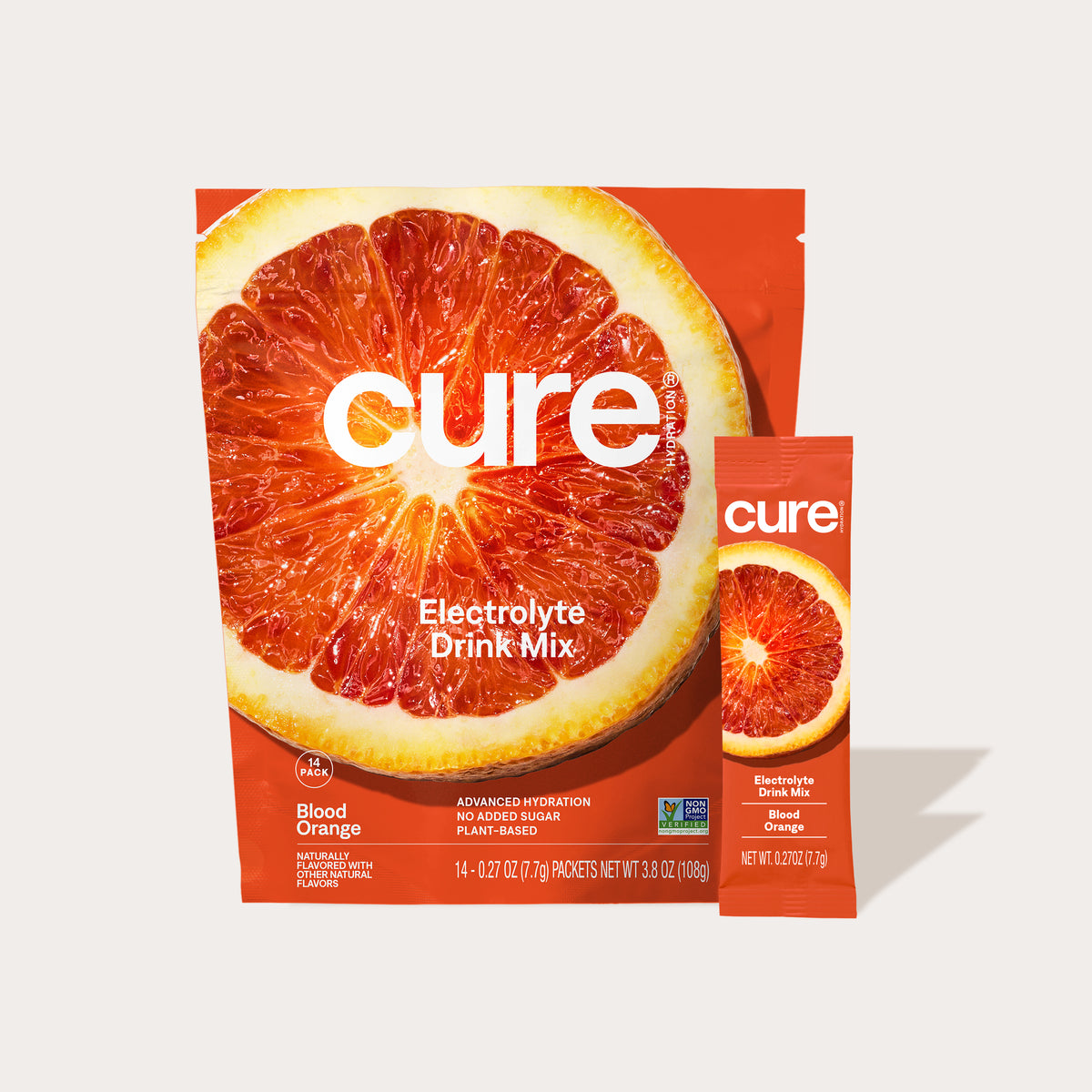
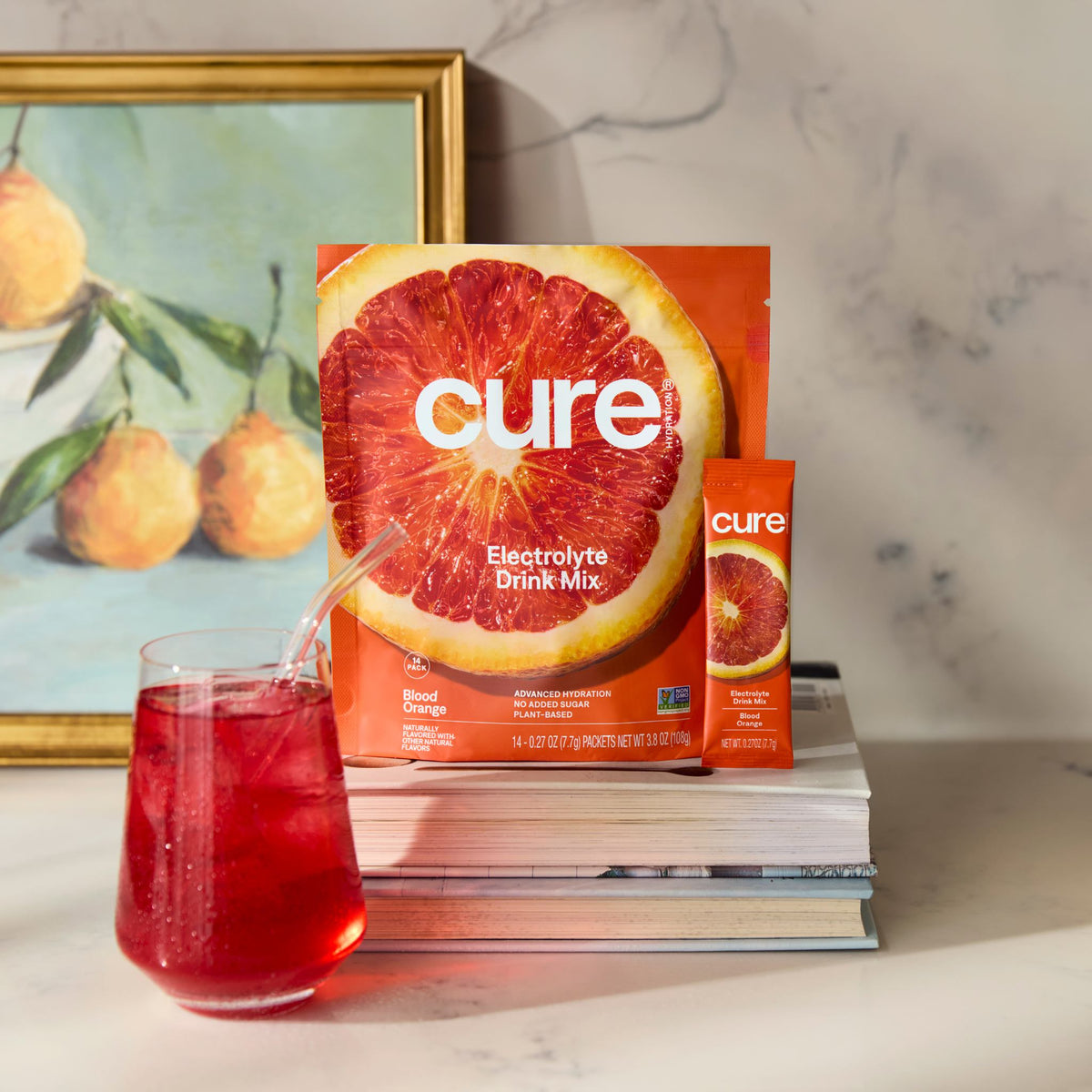
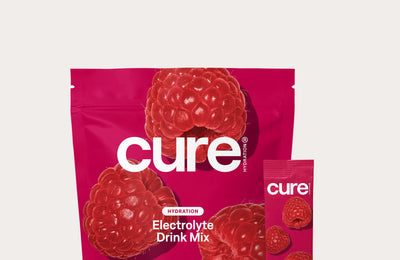
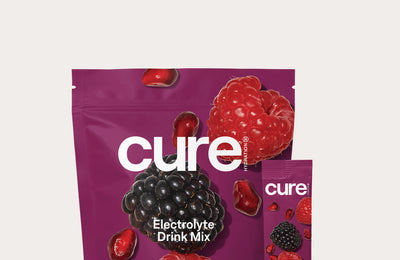
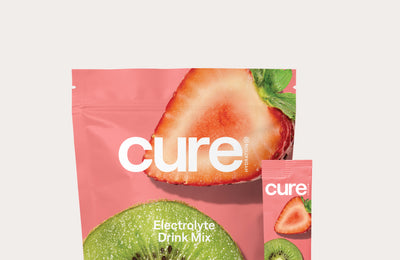
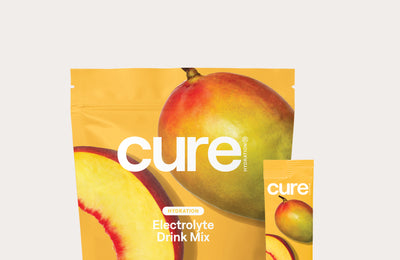
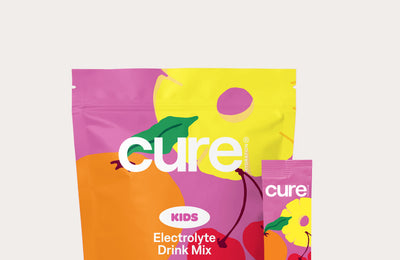
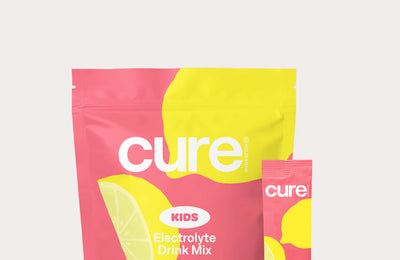
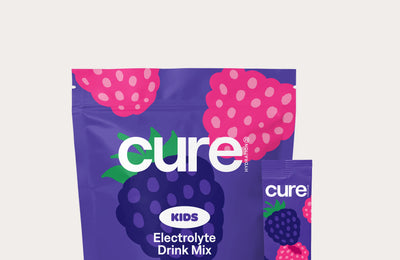
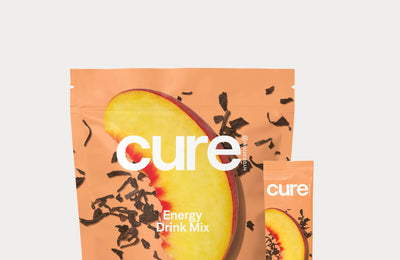
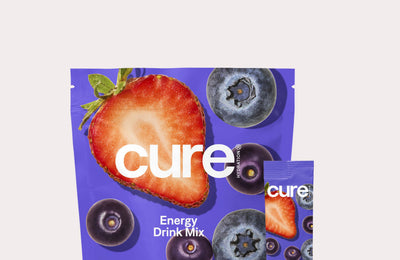
Read labels the way you would any supplement while nursing: sodium and potassium, a small amount of natural glucose, no added sugar, no caffeine. This is why I point patients toward Cure. Cure's Hydrating Electrolyte Drink Mixes are pregnancy and breastfeeding safe, made with coconut water, pink Himalayan salt, and real fruit, with no added sugar and no artificial sweeteners, flavors, colors, or dyes. Mix a packet into your water bottle in the morning and it's one less thing to think about during a feed later. Check with your provider before adding anything new if you have a specific health condition.
When to Call Your OBGYN
Most day-to-day fatigue and thirst during breastfeeding responds to consistent fluids, electrolytes, and food. Call your OB-GYN and/or lactation consultant if you notice signs of dehydration that don't improve, a sudden or dramatic drop in milk supply, a fever, or symptoms of mastitis — a hot, painful, or reddened area of the breast. Those need a clinical evaluation and treatment which can include antibiotics, not just another glass of water.
Dr. Fahimeh Sasan is a board-certified OB-GYN.
Sources