

















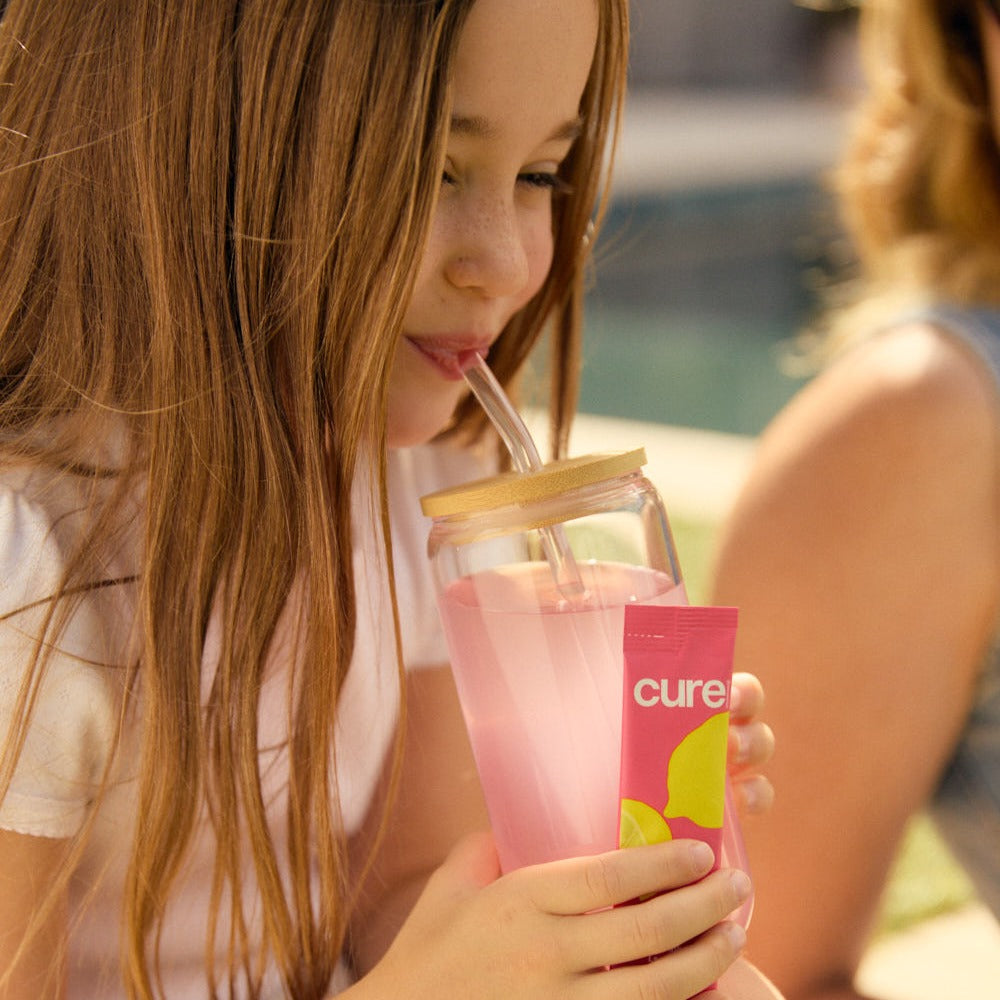
Your child finishes soccer practice flushed, sweaty and ready for a drink. Should you reach for water, a sports drink or an electrolyte drink?
For most children, the answer is simple: water is enough for everyday play, recreational sports and activities lasting less than about an hour.
A sports or electrolyte drink may be useful during prolonged, vigorous exercise, particularly when a child is sweating heavily, playing in hot or humid weather or participating in multiple games or practices in one day.
To help parents choose the right hydration option, we asked pediatric dietitian Lizzie O’Connor, MS, RD, what families should know about natural sports drinks for children.
Key Takeaways
-
Water should be the primary source of hydration for most children.
-
Electrolyte drinks may be helpful during prolonged, strenuous or hot-weather activity.
-
Sports drinks, electrolyte drinks, oral rehydration solutions and energy drinks serve different purposes.
-
“Natural” is not a standardized indication that a product is healthy or appropriate for children.
-
Parents should check sodium, added sugar, serving size, caffeine and artificial dyes.
-
Oral rehydration solutions are generally the appropriate choice for vomiting, diarrhea or dehydration during illness.
-
Children should be encouraged to drink before, during and after physical activity.
-
A child’s hydration strategy should reflect their age, activity level, environment and individual needs.
1. Most Children Need Water Most of the Time
For routine hydration, plain water remains the best place to start.
“Most kids need water most of the time,” says O’Connor.
Water is generally sufficient for:
-
Recess and everyday outdoor play
-
Physical education classes
-
Recreational sports
-
Light or moderate exercise
-
Practices lasting less than about 60 minutes
-
Everyday hydration at home or school
A child does not automatically need a sports drink every time they exercise or spend time outdoors. Parents should consider how long and intensely their child is moving, how much they are sweating and whether they are exercising in hot or humid conditions.
Building a regular water-drinking habit is also important. Children can become absorbed in play and forget to drink, so parents and coaches may need to offer water breaks rather than waiting for children to ask.
2. Electrolyte Drinks May Help During Longer or More Intense Activity
Electrolytes are minerals, including sodium and potassium, that support fluid balance, muscle function and other essential processes in the body.
Children lose electrolytes when they sweat. However, most routine activities do not cause enough electrolyte loss to require a specialty drink.
According to O’Connor, an electrolyte drink may be useful when a child is:
-
Exercising vigorously for longer than 60 minutes
-
Participating in multiple games or practices in one day
-
Attending an all-day tournament or sports camp
-
Exercising in hot or humid weather
-
Sweating heavily
-
Getting limited recovery time between activities
Before offering a sports or electrolyte drink, consider:
-
How long will the activity last?
-
How intense will it be?
-
Is the child exercising in the heat?
-
Is the child sweating significantly?
-
Will meals and snacks be available before and after activity?
-
How much recovery time will the child have?
A short playground visit and an all-day soccer tournament create very different hydration needs.
3. Sports Drinks and Electrolyte Drinks Are Not the Same
Sports drinks, electrolyte drinks, oral rehydration solutions and energy drinks are often grouped together, but they are formulated for different purposes.
Water
Purpose: Everyday hydration
Common use: Routine activity, recreational play and exercise lasting less than about an hour
Sports drink
Purpose: Replaces fluid, electrolytes and carbohydrates lost during prolonged exercise
Common use: Long or vigorous athletic activity that creates significant sweat and energy loss
Electrolyte drink
Purpose: Replaces minerals such as sodium and potassium
Common use: Heavy sweating, prolonged exercise, repeated activity or hot-weather conditions
Some electrolyte drinks contain carbohydrates, while others do not. Parents should check the label to understand how the product is intended to be used.
Oral rehydration solution
Purpose: Uses a precise balance of glucose and electrolytes to help treat or prevent dehydration
Common use: Vomiting, diarrhea or dehydration caused by illness
An oral rehydration solution should not be considered interchangeable with a standard sports drink.
Energy drink
Purpose: Provides stimulation through caffeine and other ingredients
Common use: Energy drinks are not appropriate for children.
Parents should always check whether a beverage contains caffeine or other stimulants before giving it to a child.
4. “Natural” Does Not Automatically Mean Better for Children
Parents looking for healthier sports drinks may be drawn to terms such as:
-
Natural
-
Clean
-
Performance
-
Super hydration
-
Immune boosting
These terms do not necessarily indicate that a product is appropriate for a child.
“I always tell parents to flip the package over and start with the Nutrition Facts panel rather than the marketing on the front,” says O’Connor.
The word “natural” does not tell you how much sodium or added sugar a drink contains, whether it includes caffeine or whether its formula matches your child’s hydration needs.
Instead, evaluate the ingredients, nutrition information and intended purpose of the product.
5. Check These Five Things on the Label
When comparing natural sports drinks or electrolyte drinks for children, start with these five areas.
1. Sodium
Sodium is the primary electrolyte lost through sweat. It also helps the body retain fluid.
The amount a child needs depends on factors such as activity duration, exercise intensity, weather and sweat loss. More sodium is not automatically better, so look for an appropriately balanced formula.
2. Added sugar and carbohydrates
Most children do not need added sugar for everyday hydration.
However, carbohydrates can serve a purpose during prolonged exercise. They provide fuel for working muscles and can help support the absorption of sodium and water in the intestine.
Rather than treating sugar as universally good or bad, consider whether it serves a purpose in your child’s specific situation.
3. Serving size
Check how much powder, concentrate or prepared beverage counts as one serving. Products can appear similar until you compare equivalent serving sizes.
Follow the preparation instructions carefully. Adding too little or too much water can change the intended concentration of the drink.
4. Caffeine and stimulants
Children’s hydration drinks should not contain caffeine or other stimulants.
Do not assume that a brightly packaged beverage is child-friendly. Always review the ingredient list.
5. Artificial dyes
Parents may also prefer to avoid artificial colors and dyes. Look at the full ingredient list rather than relying on the color or front-of-package claims.
When an electrolyte drink is appropriate, O’Connor recommends looking for balanced electrolytes without excessive added sugar, artificial dyes or stimulants.
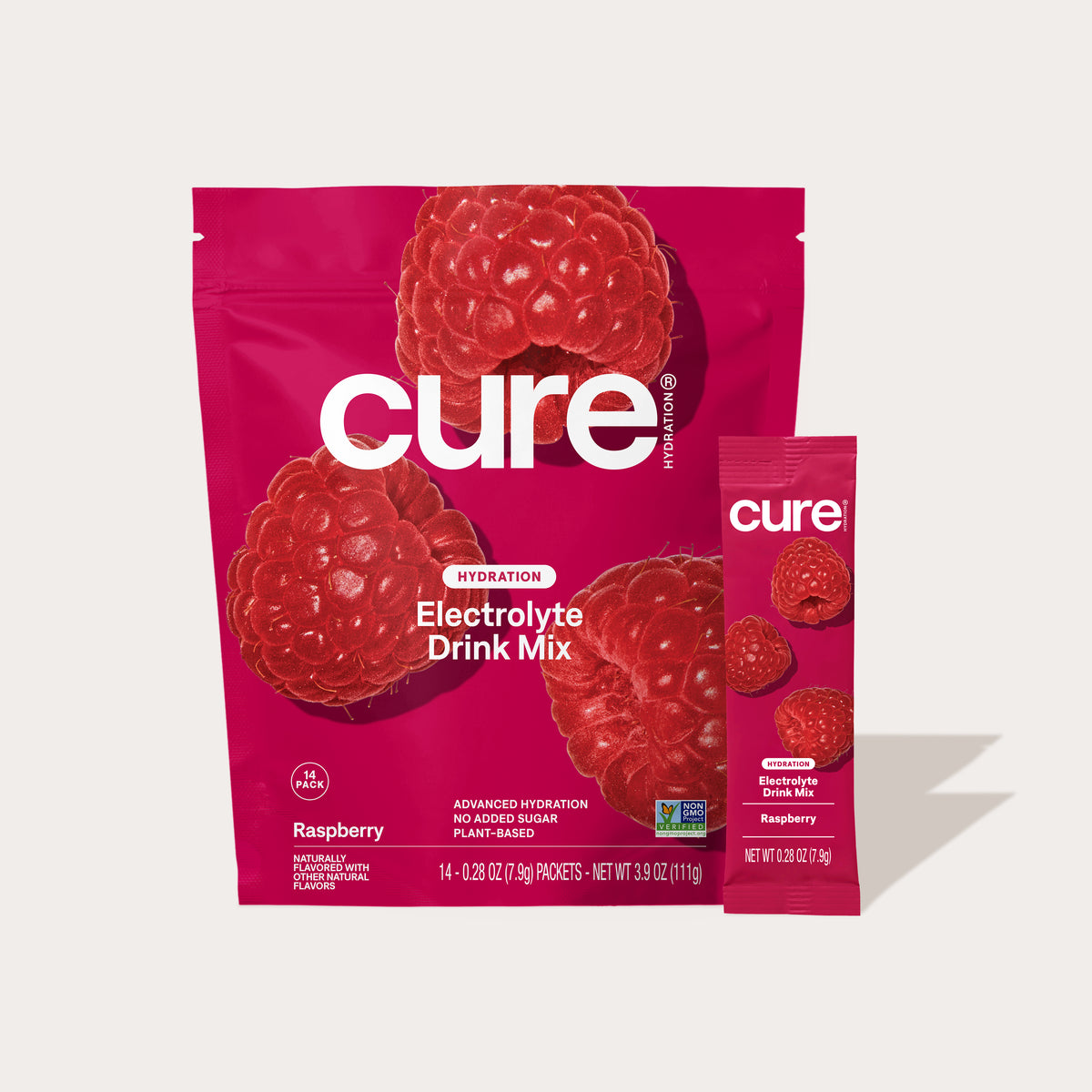
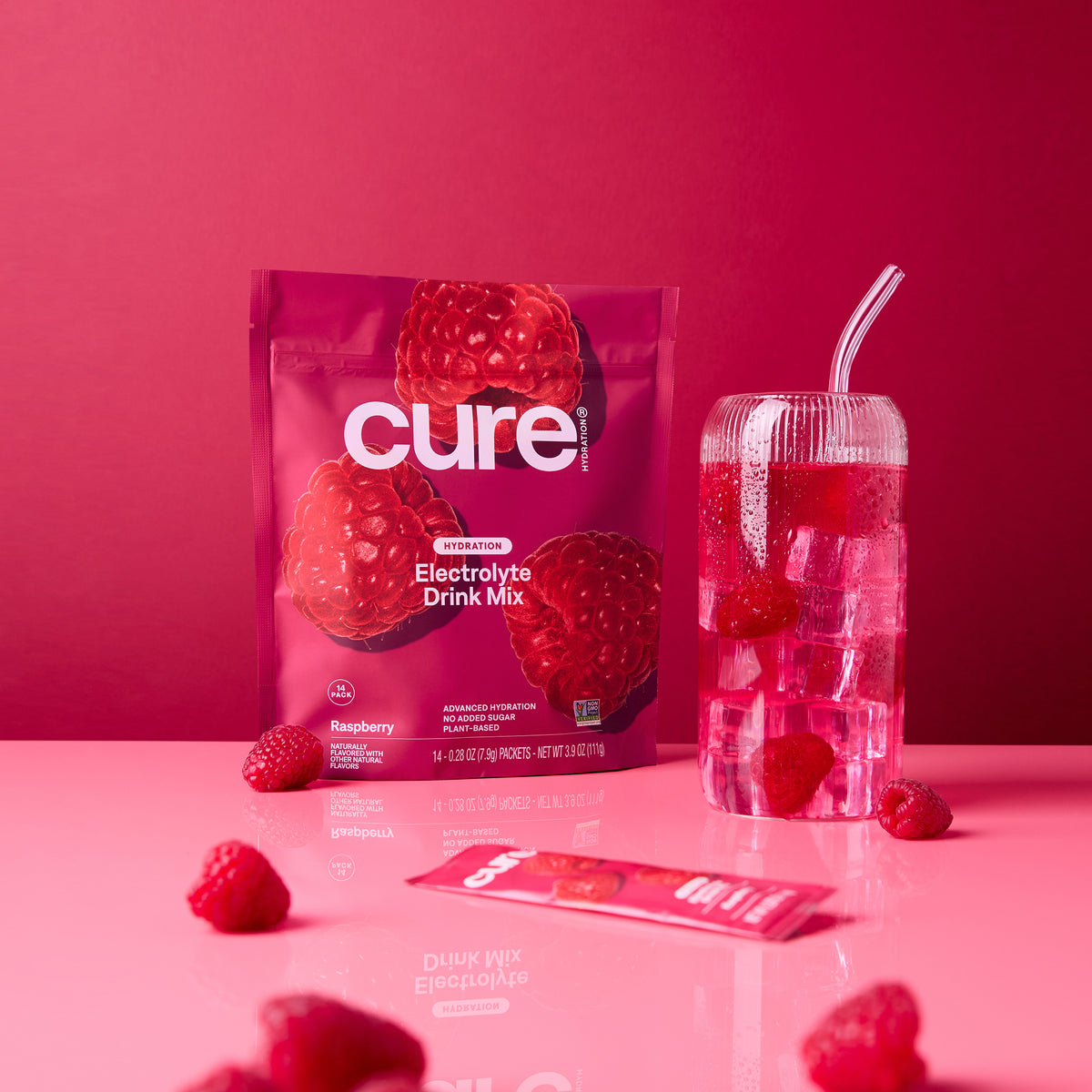
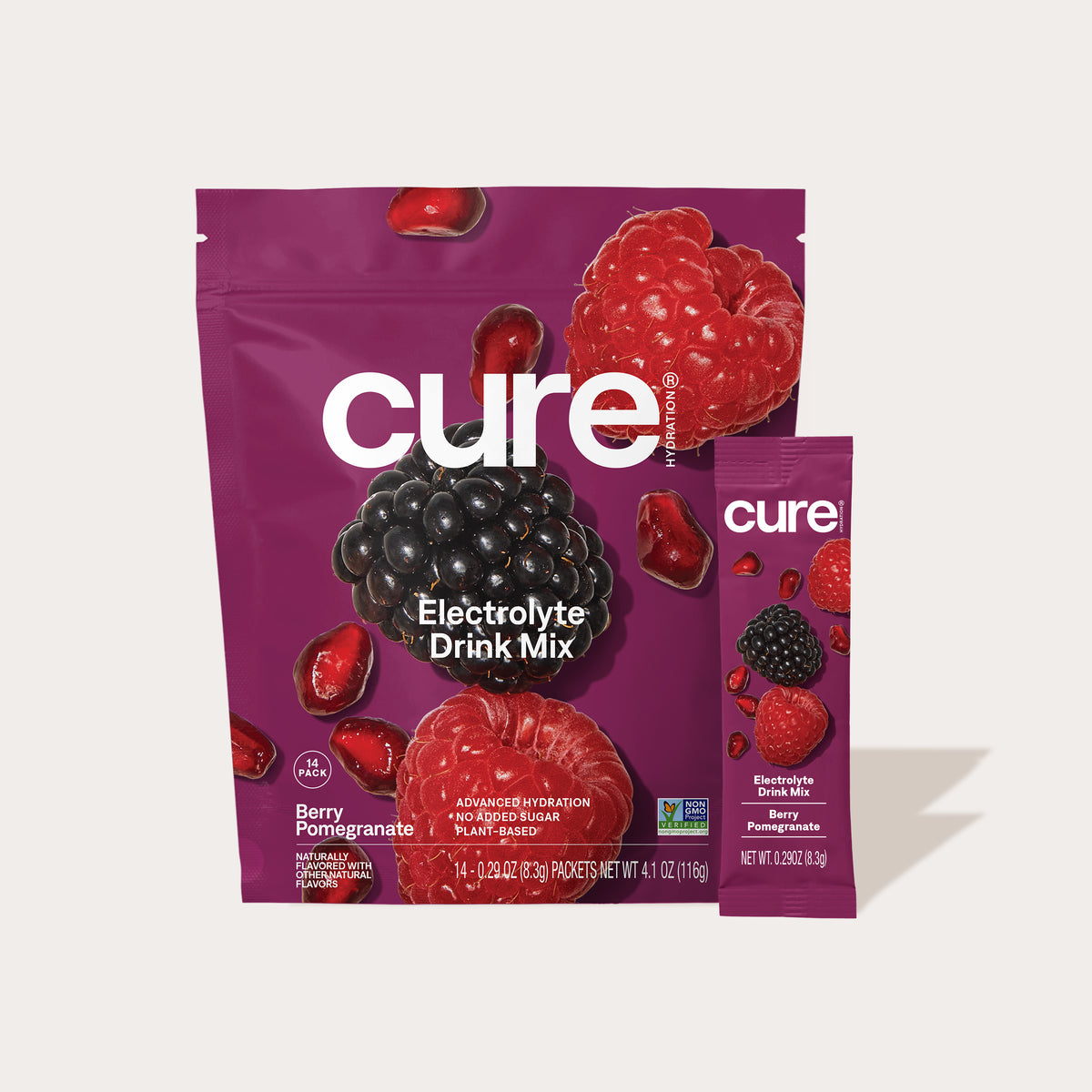
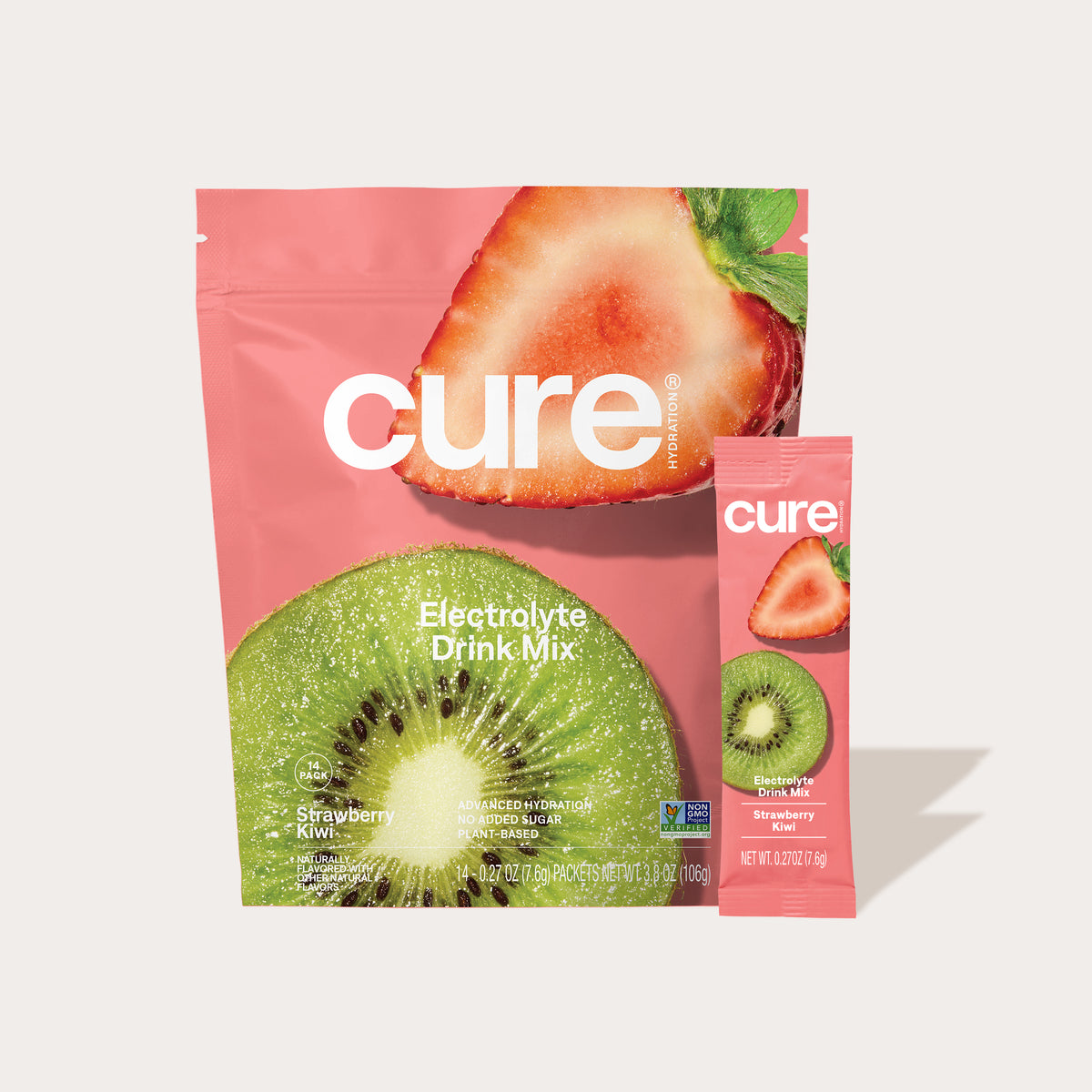
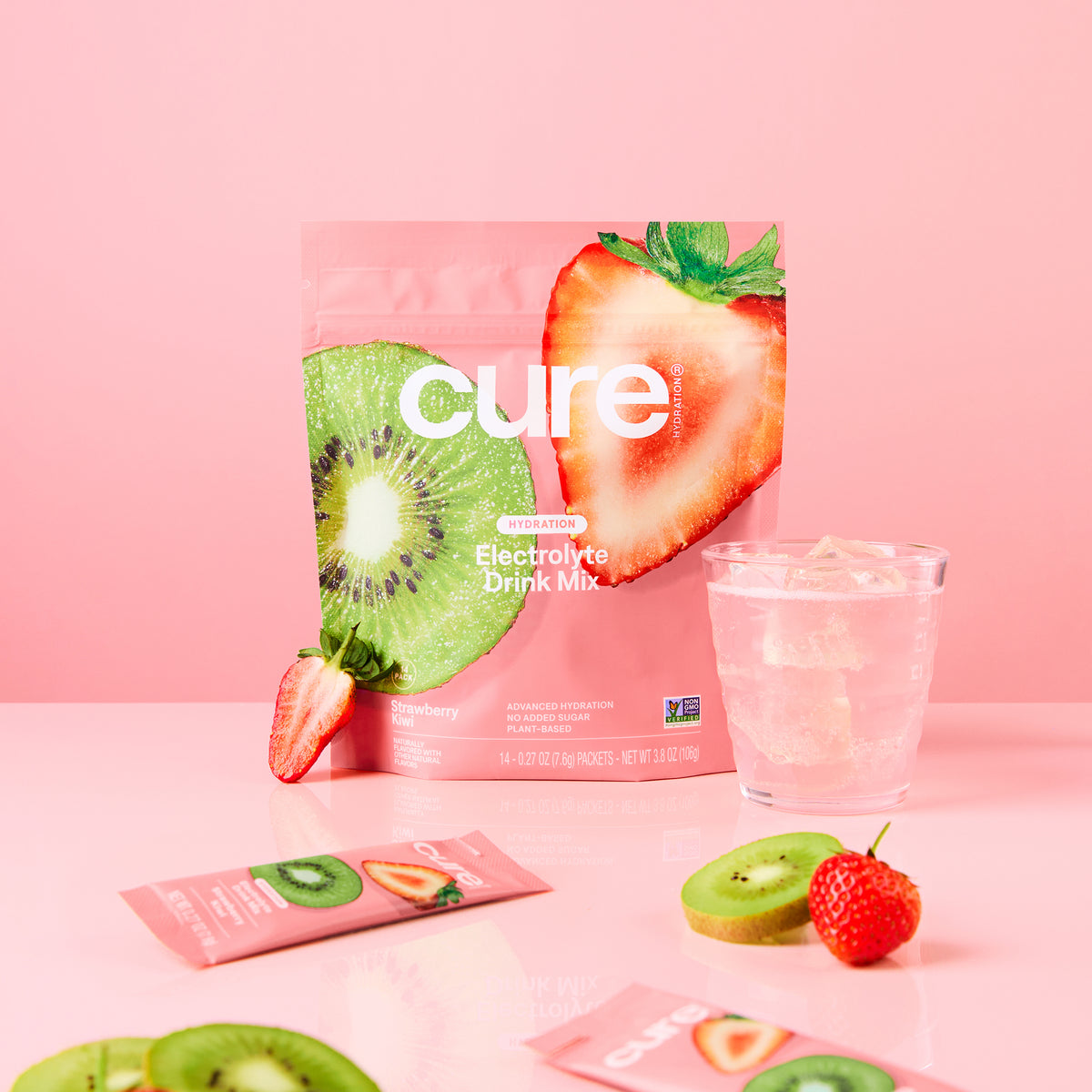
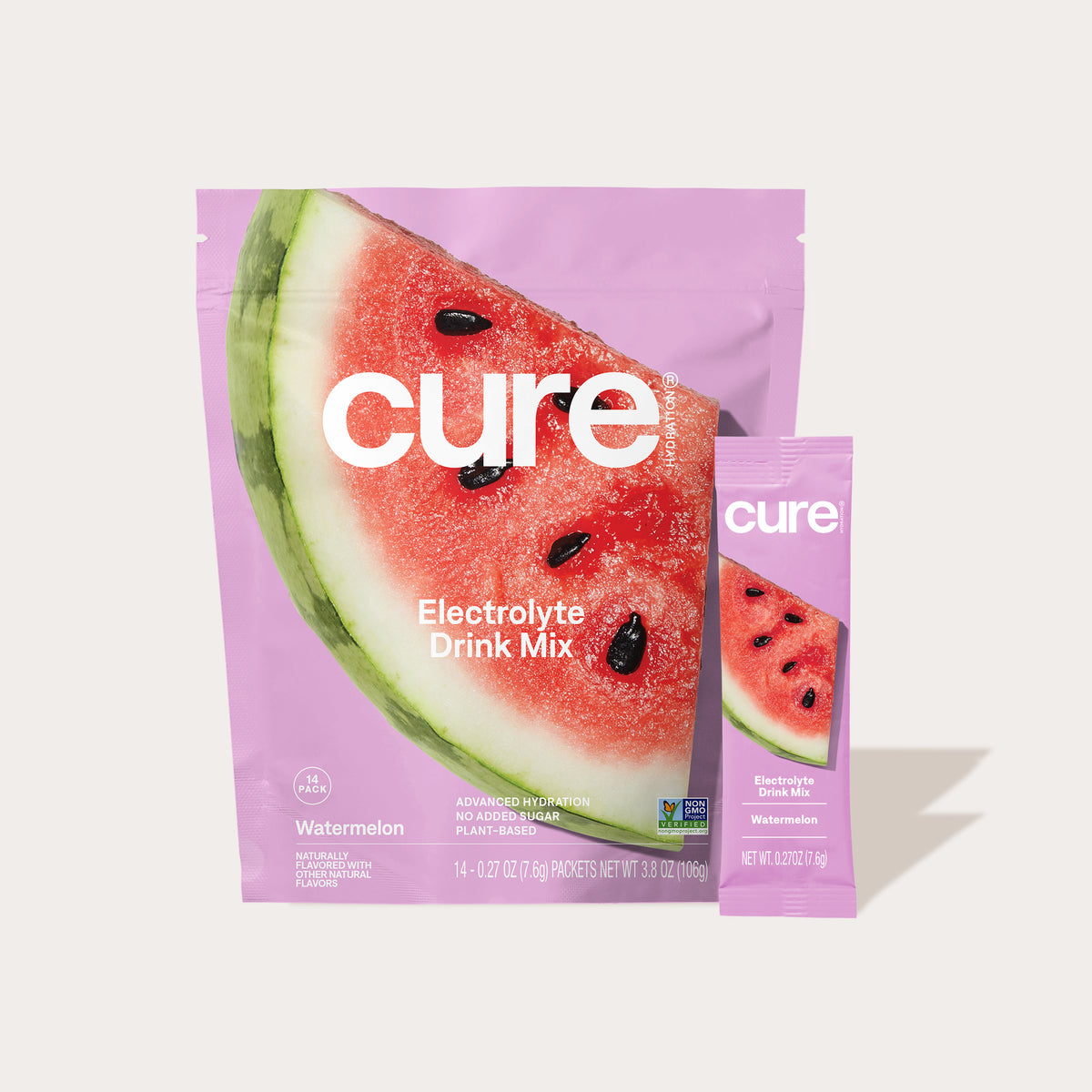
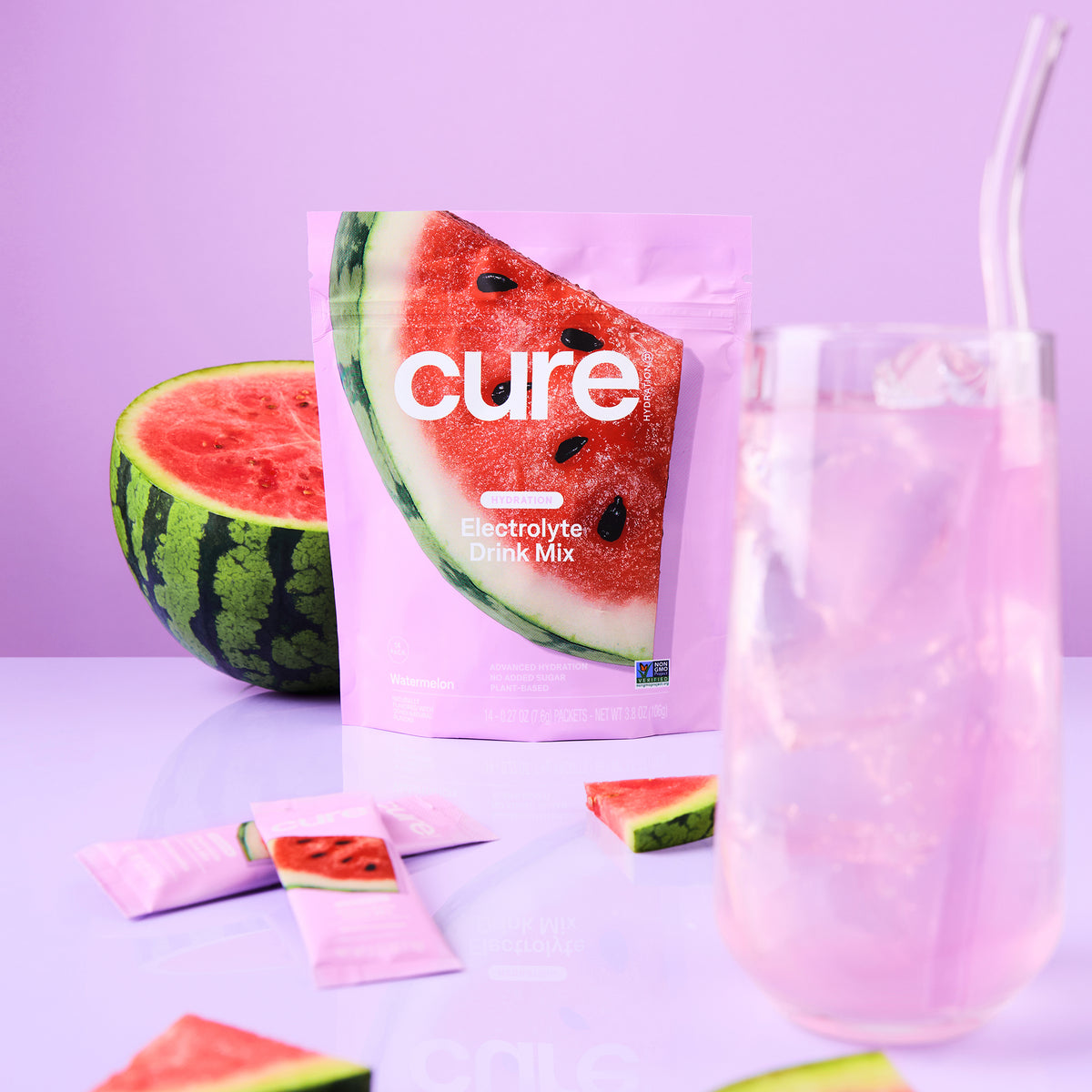
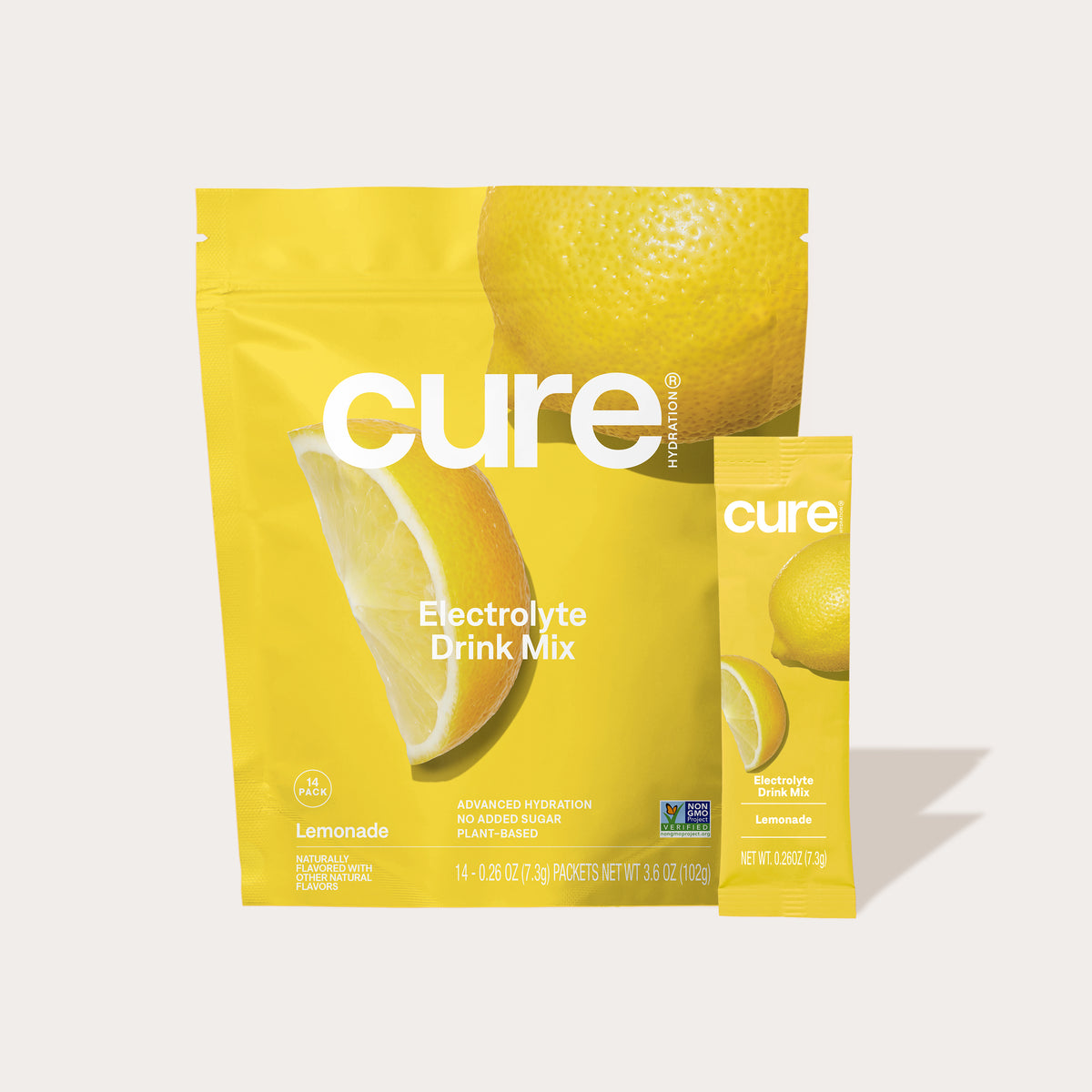
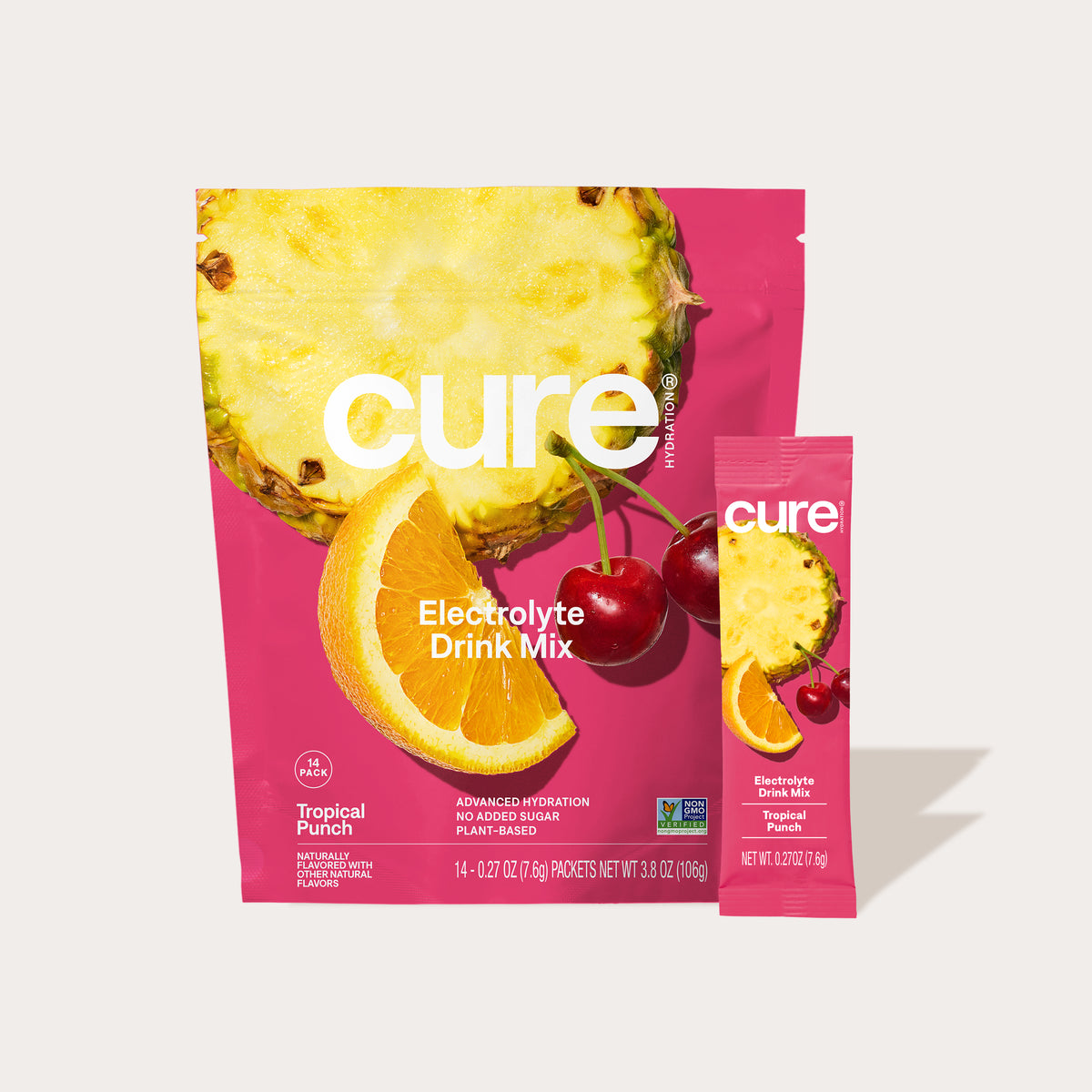
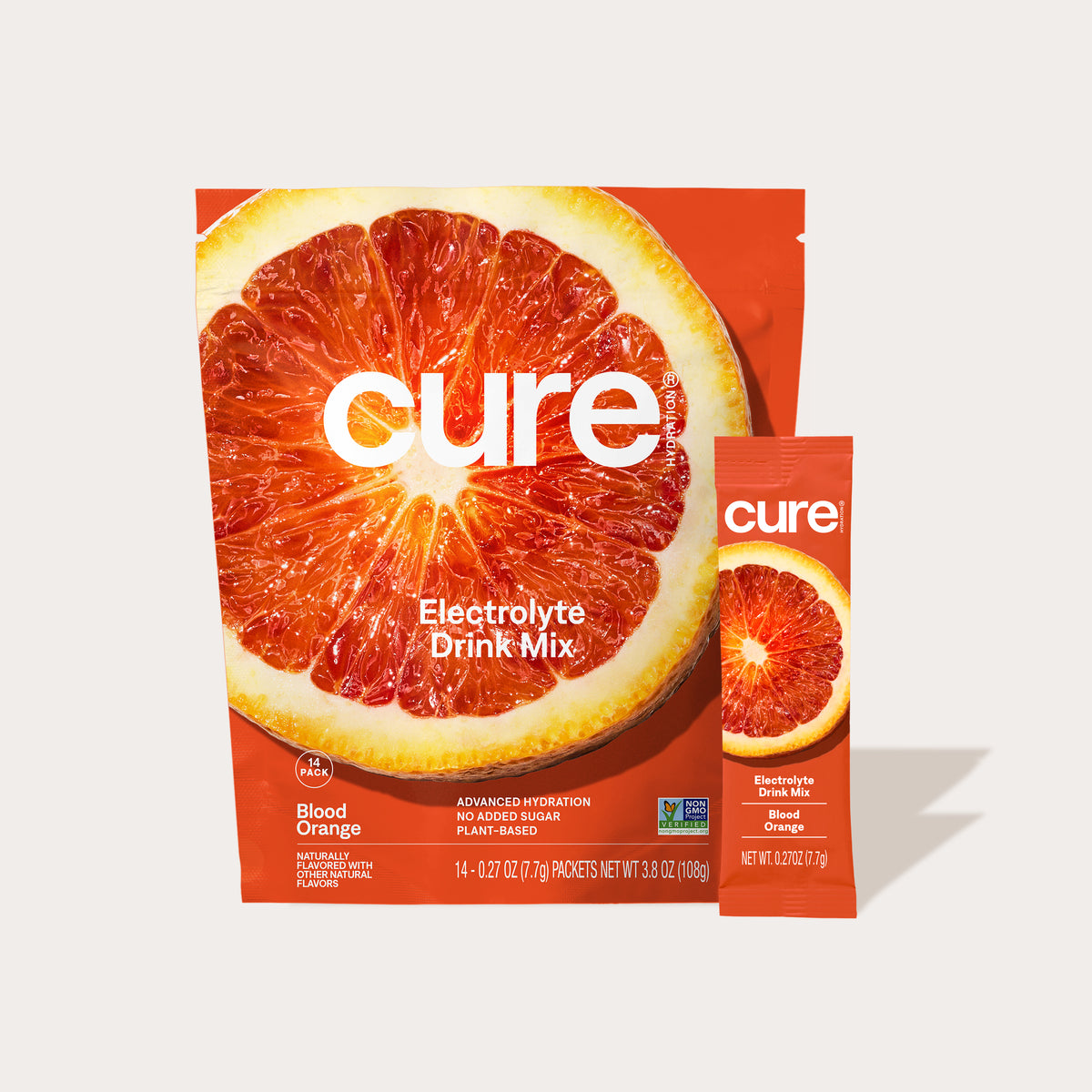
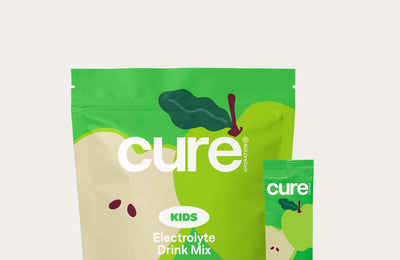
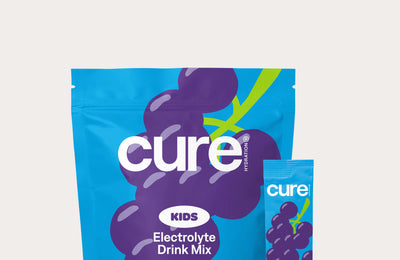
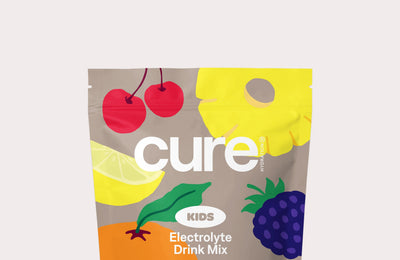
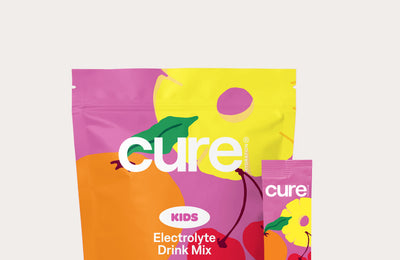
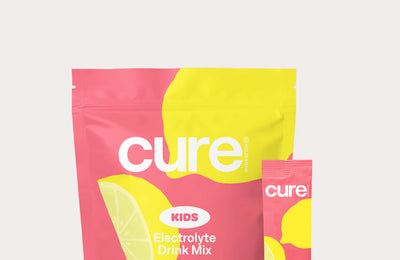
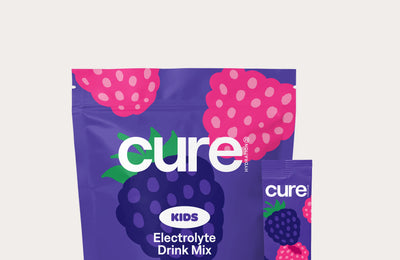
Cure Kids is one example made with balanced electrolytes, real fruit, no added sugar and no artificial dyes.
6. Know the Signs of Dehydration in Children
Children may not always recognize or communicate thirst before they begin to become dehydrated. Younger children can also become so focused on playing that they forget to drink.
Parents should watch for:
-
Increased thirst
-
Dry mouth
-
Dark yellow urine
-
Urinating less frequently
-
Headache
-
Fatigue
-
Dizziness
-
Irritability
-
Decreased athletic performance
Encourage children to drink before, during and after exercise rather than relying only on thirst.
More serious symptoms require prompt medical attention. These may include:
-
Confusion
-
Difficulty waking
-
Persistent vomiting
-
Inability to keep fluids down
-
Significantly decreased urination
-
Unusual sleepiness
Contact your pediatrician if your child shows signs of moderate or severe dehydration or if you are concerned about their ability to replace lost fluids.
7. Plan Hydration Before, During and After Sports
Hydration works best when it is part of the full activity plan, not something addressed only after a child becomes thirsty.
O’Connor recommends thinking about hydration in three phases.
Before activity
Help your child arrive well hydrated. Encourage consistent water intake throughout the day rather than trying to catch up immediately before a game or practice.
During activity
Offer fluids regularly during breaks.
For shorter or less intense activities, water is usually enough. During prolonged, strenuous or hot-weather exercise, an electrolyte drink may help replace sweat losses.
After activity
Replace lost fluids and serve a balanced meal or snack containing carbohydrates, protein and sodium.
Good post-activity options might include:
-
Yogurt and fruit
-
A turkey sandwich
-
Cheese and crackers
-
A smoothie with fruit and yogurt
-
Eggs and toast
-
A banana with nut or seed butter
Hydration products should complement balanced meals and snacks, not replace them.
8. Choose an Oral Rehydration Solution During Stomach Illness
Parents should distinguish between hydration during exercise and rehydration during illness.
If a child is experiencing ongoing vomiting or diarrhea, O’Connor recommends using a commercially prepared oral rehydration solution rather than a regular sports drink.
Oral rehydration solutions contain a carefully balanced combination of glucose and electrolytes designed to support fluid absorption during gastrointestinal illness.
Sports drinks and most electrolyte beverages are formulated primarily to replace sweat losses. They may not contain the appropriate balance for treating dehydration related to vomiting or diarrhea.
An electrolyte drink may occasionally help an older child with a very mild illness continue drinking when they:
-
Are keeping fluids down
-
Are drinking adequately
-
Are not showing signs of dehydration
-
Do not have ongoing vomiting or diarrhea
It should not replace an oral rehydration solution when dehydration is present.
Contact your pediatrician if your child cannot keep fluids down, urinates significantly less than usual, becomes unusually sleepy or shows other signs of moderate or severe dehydration.
Are Homemade Electrolyte Drinks Safe for Children?
A homemade electrolyte drink can sometimes be an option for a healthy older child when it is prepared using a reliable, evidence-based recipe.
However, commercially prepared electrolyte beverages and oral rehydration solutions offer a more consistent balance of sodium, other electrolytes and, when appropriate, glucose.
Even small measuring errors in a homemade recipe can change the concentration of sodium or sugar. This may make the drink less effective or potentially unsafe, particularly for infants and young children.
Parents should not create a homemade oral rehydration treatment for a sick infant or young child without guidance from a qualified healthcare professional.
How to Make Hydration More Appealing to Kids
Some children simply need encouragement to drink more consistently.
Try making hydration part of an enjoyable routine:
-
Let your child choose a reusable water bottle.
-
Keep water accessible during play and travel.
-
Build water breaks into sports and outdoor activities.
-
Add fresh fruit to water for flavor.
-
Serve water with meals and snacks.
-
Use fun cups, straws or ice shapes.
-
Model regular water intake as a family.
-
Offer a child-appropriate electrolyte drink when there is a clear need for one.
The goal is not to pressure children to drink constantly. It is to make fluids accessible and create predictable opportunities to hydrate throughout the day.
A Pediatric Dietitian’s Checklist for Choosing a Kids’ Hydration Drink
Before purchasing a sports or electrolyte drink, ask:
-
What is this drink designed to do?
-
Does my child need more than water in this situation?
-
Has my child been exercising vigorously for longer than an hour?
-
Is the weather hot or humid?
-
Is my child sweating heavily?
-
Does the product contain sodium and potassium?
-
How much added sugar does it contain?
-
Does it contain caffeine or other stimulants?
-
Does it contain artificial dyes?
-
What is the serving size?
-
Am I preparing it according to the instructions?
-
Will my child also have access to balanced meals and snacks?
If your child has recurring hydration concerns, a medical condition or unusual symptoms during exercise, speak with their pediatrician or a registered dietitian.
Frequently Asked Questions
Are natural sports drinks safe for children?
Natural sports drinks can be safe for children when selected carefully and used for an appropriate reason. Most children do not need a sports drink for routine activity or exercise lasting less than about an hour.
When should children drink electrolytes?
An electrolyte drink may be helpful when children are exercising vigorously for longer than 60 minutes, sweating heavily, playing in hot or humid conditions or participating in multiple games or practices in one day.
Is water or a sports drink better for children?
Water is the better choice for everyday hydration and most routine activities. A sports or electrolyte drink may be useful during prolonged, strenuous activity involving significant sweat loss.
What is the healthiest sports drink for children?
There is no single drink that is best for every child or situation. Look for an age-appropriate option with balanced electrolytes, no caffeine, an appropriate amount of sugar for the activity and no unnecessary artificial ingredients.
Should children have sugar-free electrolyte drinks?
Most children do not need added sugar for everyday activity. A no-added-sugar electrolyte drink may be appropriate when the primary goal is replacing electrolytes or encouraging fluid intake.
During prolonged exercise, carbohydrates may provide useful energy. The appropriate option depends on the activity and whether the child has access to meals and snacks.
Can children drink electrolytes every day?
Most children do not need an electrolyte drink every day. Water should remain the primary beverage for routine hydration. Electrolyte drinks should be used thoughtfully when activity, heat or significant sweat loss creates a clear benefit.
Can children drink sports drinks when they are sick?
A standard sports drink is not the same as an oral rehydration solution. For ongoing vomiting, diarrhea or dehydration, parents should generally use a commercially prepared oral rehydration solution and follow their pediatrician’s advice.
Are energy drinks safe for children?
No. Energy drinks contain caffeine or other stimulants and are not appropriate for children.
The Bottom Line
Most children need water most of the time.
Natural sports drinks and electrolyte beverages can be useful tools during prolonged or vigorous exercise, heavy sweating, hot or humid weather, tournaments and repeated practices.
The best option is not determined by the word “natural” on the front of the package. It depends on the drink’s purpose, ingredients and nutrition information, along with the child’s activity level and individual needs.
Match the hydration strategy to the child and the situation. Keep water as the foundation, add electrolytes when there is a clear benefit and speak with your child’s pediatrician when illness, dehydration or individual health concerns are involved.
This article is for educational purposes only and is not a substitute for individualized medical advice. Consult your child’s pediatrician or registered dietitian regarding specific health, nutrition or hydration concerns.