








Feeling thirstier than usual during pregnancy? It is not your imagination. In this post, board-certified OB-GYN Dr. Alex Shurling explains why your hydration needs change during pregnancy, how much water you should drink, and when adding electrolytes may help.
By: Dr. Alex Shurling, Board-Certified OB-GYN
“I’m drinking water all day, so why am I still thirsty?”
It is a question I hear often from pregnant patients. Pregnancy can make your water bottle feel like a permanent attachment. You may feel thirstier, urinate more frequently, or suddenly find plain water difficult to tolerate.
There are medical reasons for these changes. Pregnancy alters how your brain signals thirst, how your kidneys manage water, and how much fluid your circulation requires. The American College of Obstetricians and Gynecologists recommends drinking 8 to 12 cups of water each day during pregnancy, but some women may need additional hydration support because of nausea, vomiting, heat, exercise, or difficulty drinking enough water.
Water should remain the foundation of your routine. An electrolyte drink can also be a useful option when you are losing fluids or simply need help staying consistently hydrated.
Why Pregnancy Makes You Thirstier
Pregnancy essentially resets your body’s internal thirst thermostat.
Your brain normally signals thirst when your blood becomes concentrated enough to indicate that you need more water. During pregnancy, that signal is triggered sooner. In other words, your body lowers the point at which you begin to feel thirsty, prompting you to drink more frequently and take in the additional fluid pregnancy requires.
At the same time, your kidneys begin filtering more blood. This means they process a greater amount of fluid each minute. Although most of that fluid is returned to the bloodstream, more can ultimately reach the bladder, contributing to frequent urination early in pregnancy. Later on, pressure from the growing uterus on your bladder can make bathroom trips even more frequent.
It can feel like the water you drink is going straight through you, but increased thirst and urination are both part of the body’s normal adjustment to pregnancy. Your body is taking in, circulating and processing more fluid than it did before.
Why Your Body Needs More Fluid During Pregnancy
Your body needs additional fluid largely because your blood supply is expanding.
Blood is made up of blood cells and a liquid component called plasma. Plasma is mostly water, and it carries blood cells, nutrients, hormones and waste products throughout the body. As pregnancy progresses, your body retains more water to produce additional plasma and increase the total amount of blood circulating through your body.
This expanded blood supply helps deliver oxygen and nutrients to the uterus, placenta, and developing baby. A systematic review of healthy pregnancies found that plasma volume was approximately 48% higher near the end of pregnancy than it was before pregnancy. This expansion is an essential part of normal maternal circulation and helps meet the needs of the developing pregnancy.
Water also supports digestion, waste removal, and the production of amniotic fluid. These are some of the reasons ACOG recommends 8 to 12 cups of water per day during pregnancy. That recommendation is a helpful baseline, not a perfect number for every person or every day. You may need more fluid when you are exercising, sweating, traveling, spending time in hot weather or losing fluids because of illness.
I generally encourage patients to drink regularly throughout the day instead of waiting until they feel extremely thirsty and trying to catch up all at once.
The Role of Electrolytes During Pregnancy
Not every pregnant woman needs an electrolyte drink every day. But electrolytes can be a helpful addition to a pregnancy hydration routine.
Electrolytes are minerals, including sodium and potassium, that help regulate fluid balance and support normal nerve and muscle function. They do not replace water, but sodium, when paired with glucose, can help absorb sodium and water more effectively, which is the principle behind oral rehydration solutions.
Pregnancy itself does not automatically make you sodium-deficient. A healthy pregnancy actually activates hormonal systems that help your body retain sodium and water so it can expand blood volume.
Electrolytes become more relevant when you are losing fluids and minerals together, having trouble drinking enough, or finding that plain water is not helping you meet your increased needs.
You may want to consider a pregnancy-safe electrolyte drink when you are:
-
Feeling thirstier than usual
-
Having trouble drinking enough plain water
-
Needing to replace fluids and electrolytes lost through occasional vomiting
-
Exercising or sweating more
-
Spending time in hot weather
-
Urinating more frequently and finding it difficult to stay ahead of your fluid needs
-
Looking for an easy, flavored option that helps you drink more consistently throughout the day
Think of electrolytes as another tool in your hydration routine, not a replacement for every glass of water.
Electrolytes and Morning Sickness
Morning sickness can make hydration challenging in two ways. Nausea may make plain water difficult to drink, and vomiting causes you to lose both fluid and electrolytes.
When you vomit, you lose more than water: gastric fluid contains electrolytes, including sodium, potassium, and chloride, so repeated vomiting can contribute to fluid and electrolyte losses.
In this situation, small and frequent sips of an electrolyte drink may be easier to tolerate than a large glass of water. The flavor may also make drinking more appealing when plain water suddenly tastes unappealing.
Persistent or severe vomiting requires a different approach. Hyperemesis gravidarum can cause significant dehydration, weight loss, and electrolyte abnormalities. It may require medication, intravenous fluids, or additional medical treatment. A clinical review of hyperemesis gravidarum describes dehydration and electrolyte imbalances among its common complications.
Contact your OB-GYN if you cannot keep fluids down, are urinating very little, feel faint, or are losing weight. An electrolyte drink may support everyday hydration, but it is not a substitute for treating severe nausea and vomiting.
Heat, Exercise, and Electrolyte Needs During Pregnancy
Sweat contains water and sodium. The longer or more heavily you sweat, the more of both you lose.
Pregnancy can make you more susceptible to dehydration and heat-related illness because the body is already working harder to regulate circulation and temperature. According to the CDC’s guidance on heat and pregnancy, pregnant women may become dehydrated or develop heat-related illness sooner than people who are not pregnant.
For a short walk or an everyday workout, water and a balanced diet may be enough. After several hours of sweating, however, the CDC notes that a beverage containing electrolytes may be necessary.
That could include a long workout, a hot outdoor event, several hours of travel or a summer day spent outside. An electrolyte drink can help replace the sodium and fluid lost through sweat while giving you another way to keep drinking consistently.
Staying Ahead of Dehydration During Pregnancy
Dehydration does not always begin with dramatic symptoms. Often, the first clues are simply feeling thirstier than usual, noticing darker urine or realizing you have not been drinking consistently throughout the day.
Common signs that you may need more fluids include:
-
Darker urine or urinating less often
-
Dry mouth or increased thirst
-
Headache
-
Mild dizziness or lightheadedness
-
Feeling more tired than usual
The easiest approach is to stay ahead of these signs. Keep fluids nearby, drink regularly, and pay extra attention on days when nausea, exercise, or warm weather make hydration more challenging.
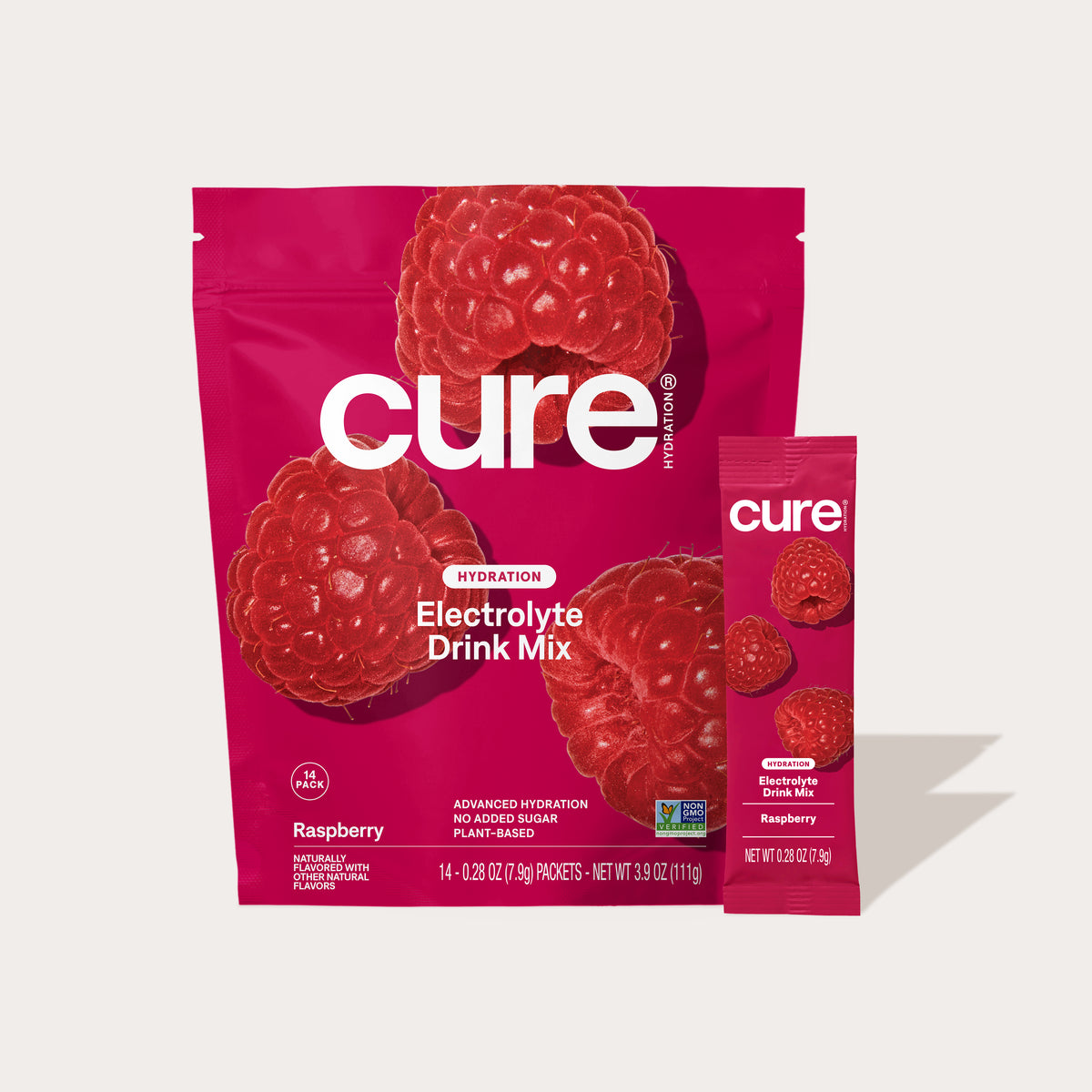
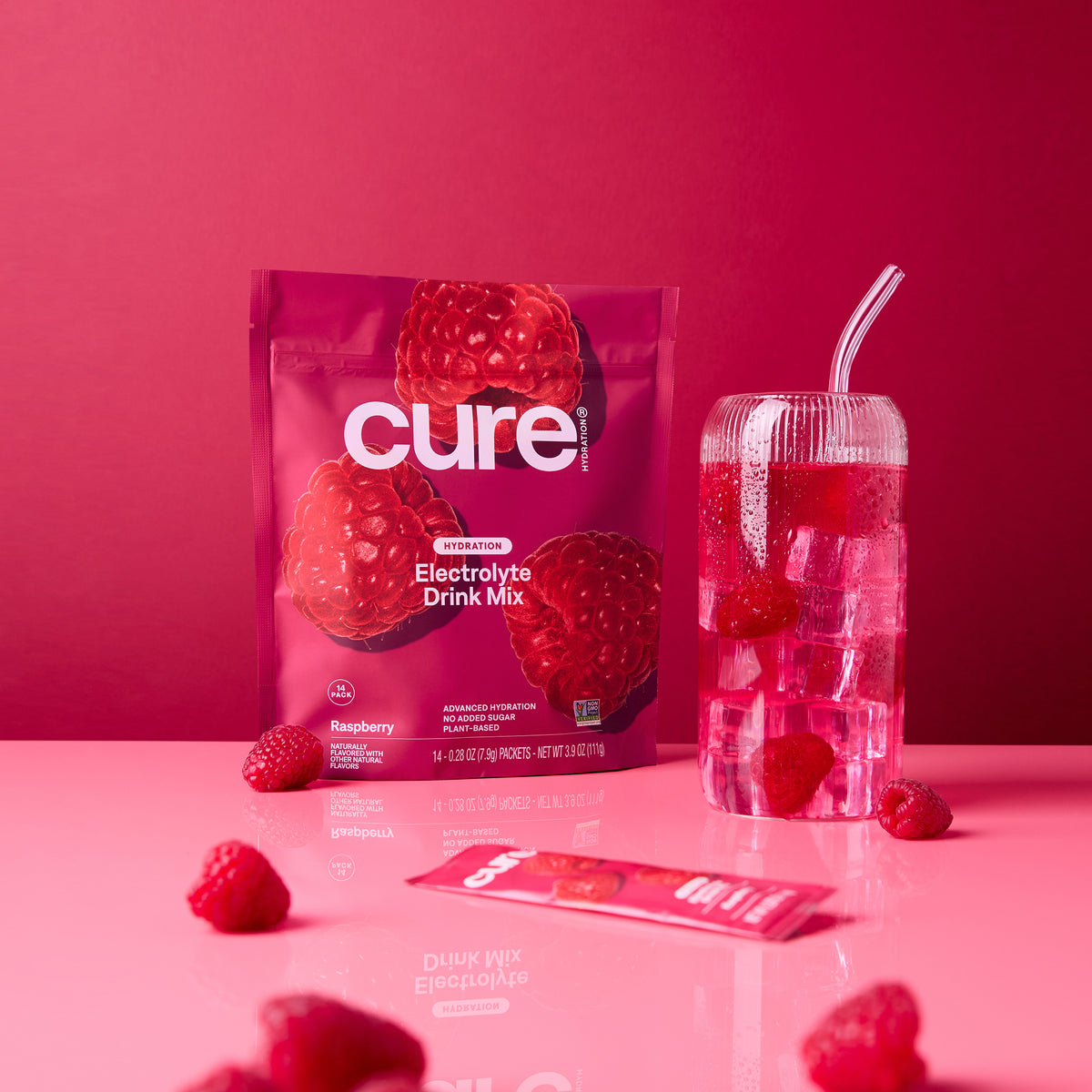
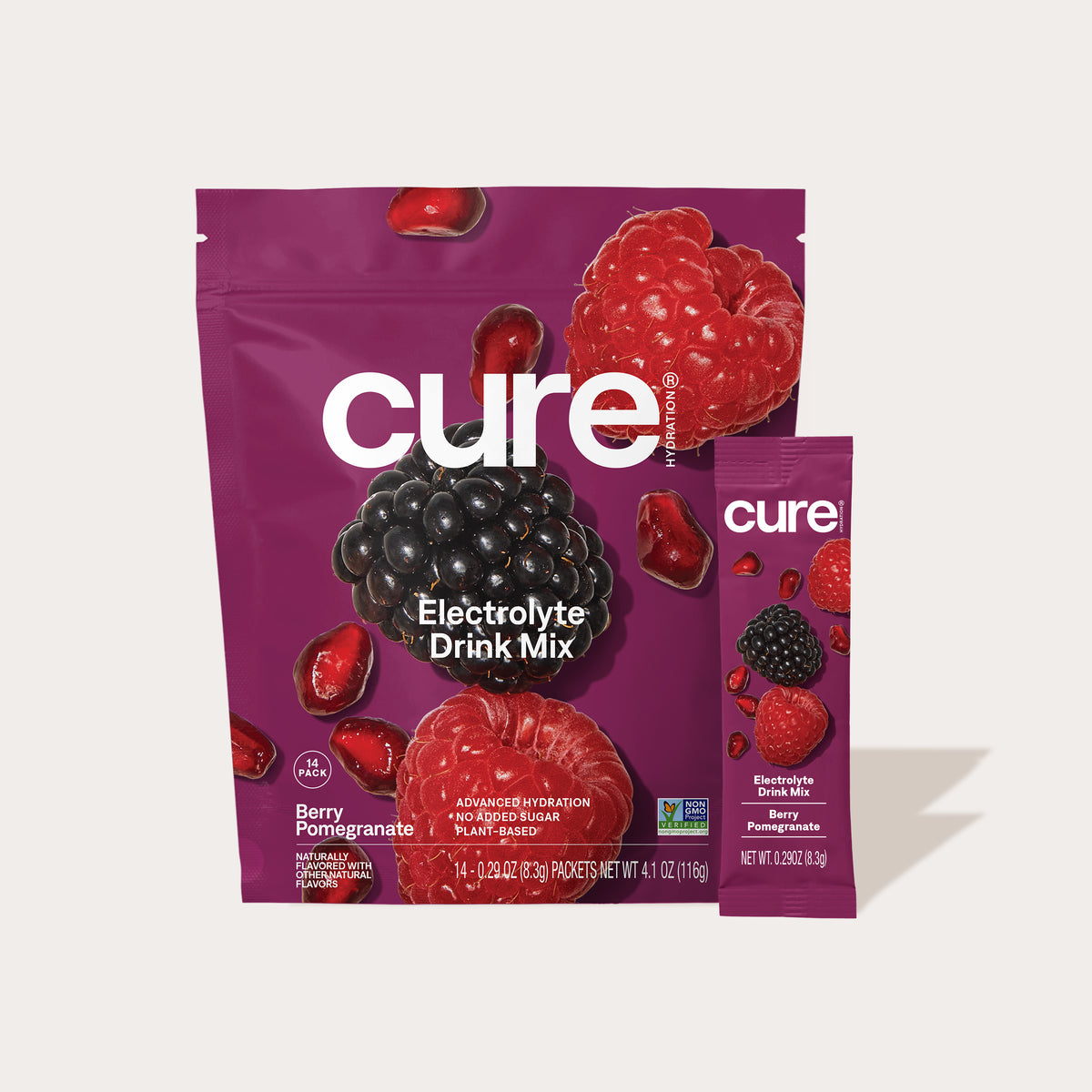
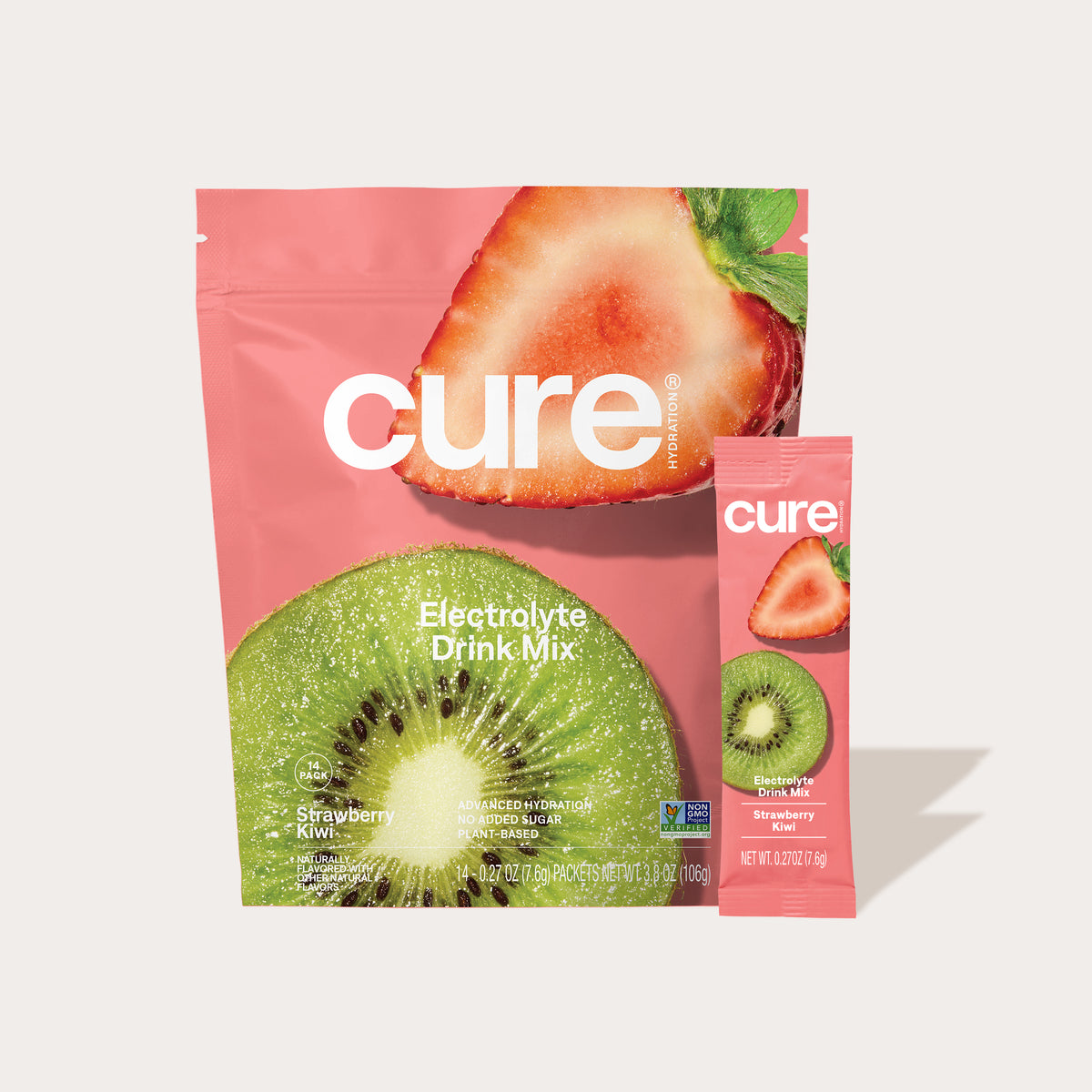
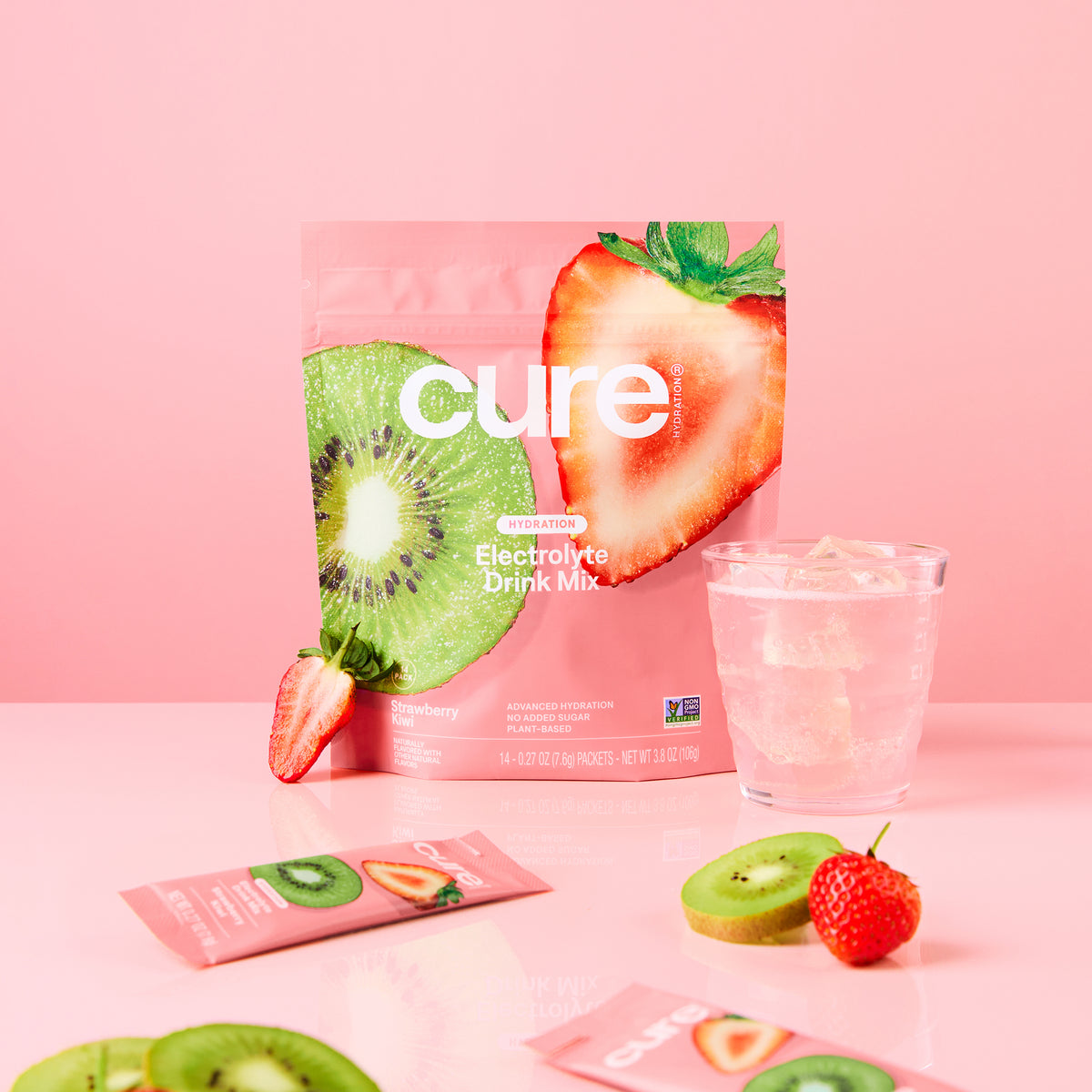
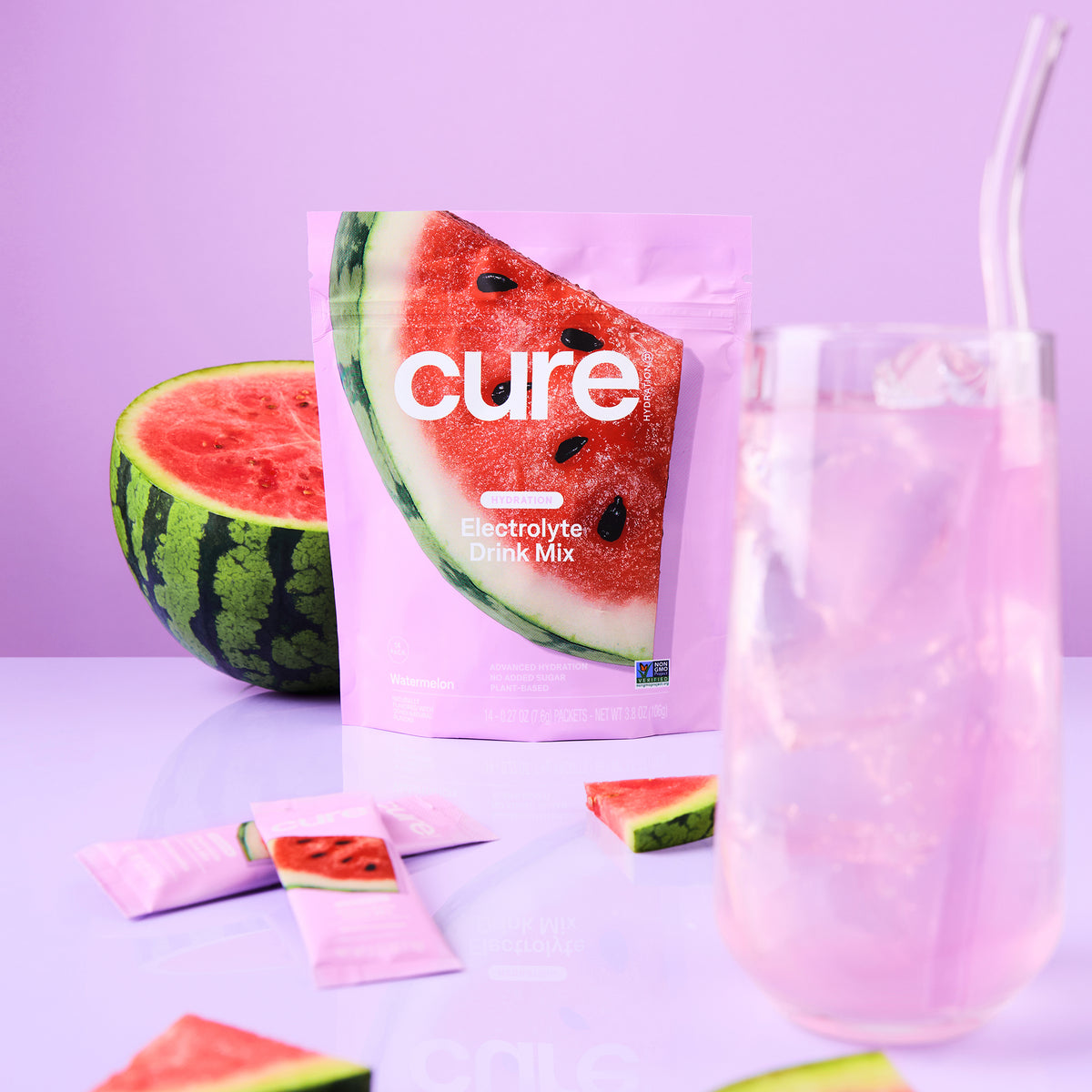
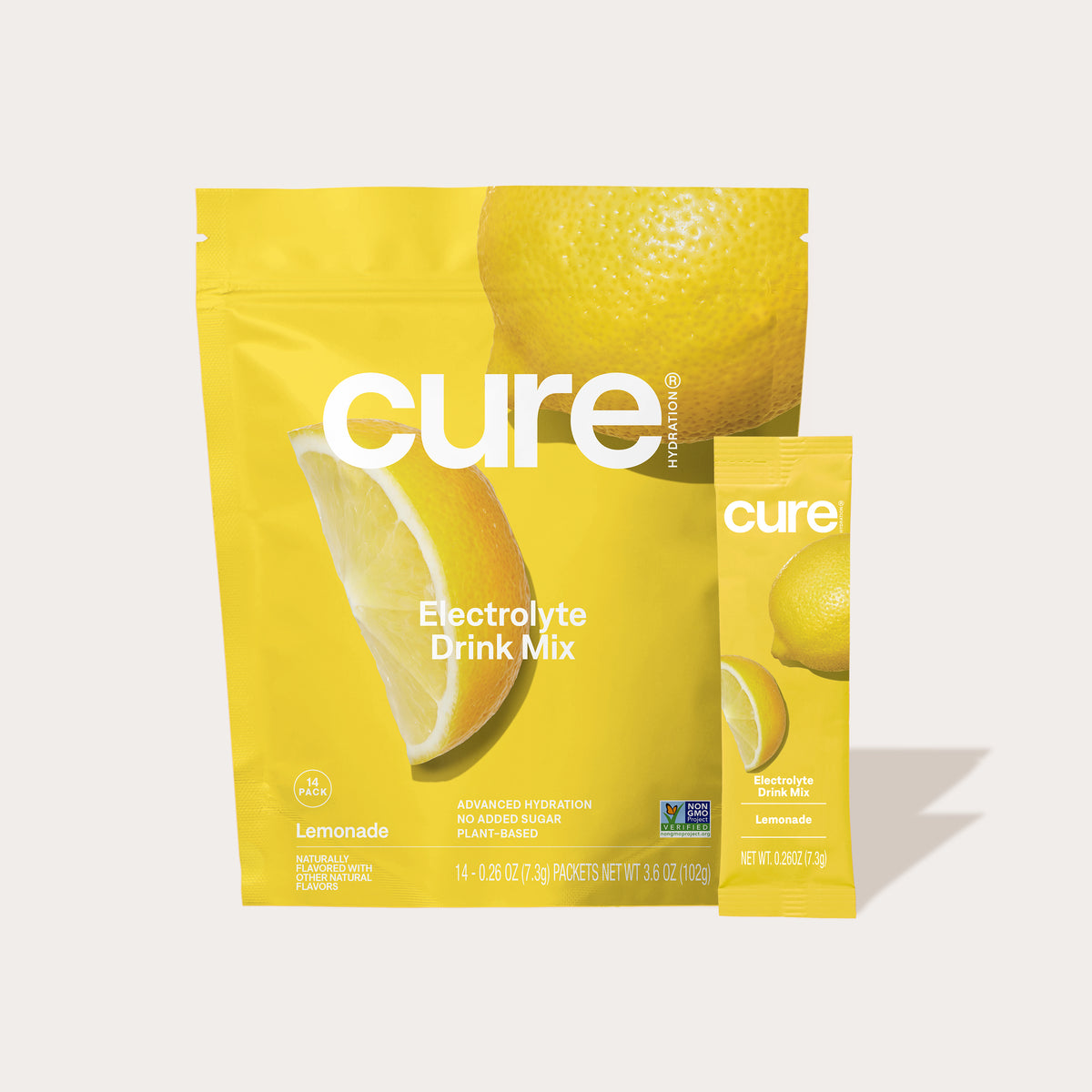
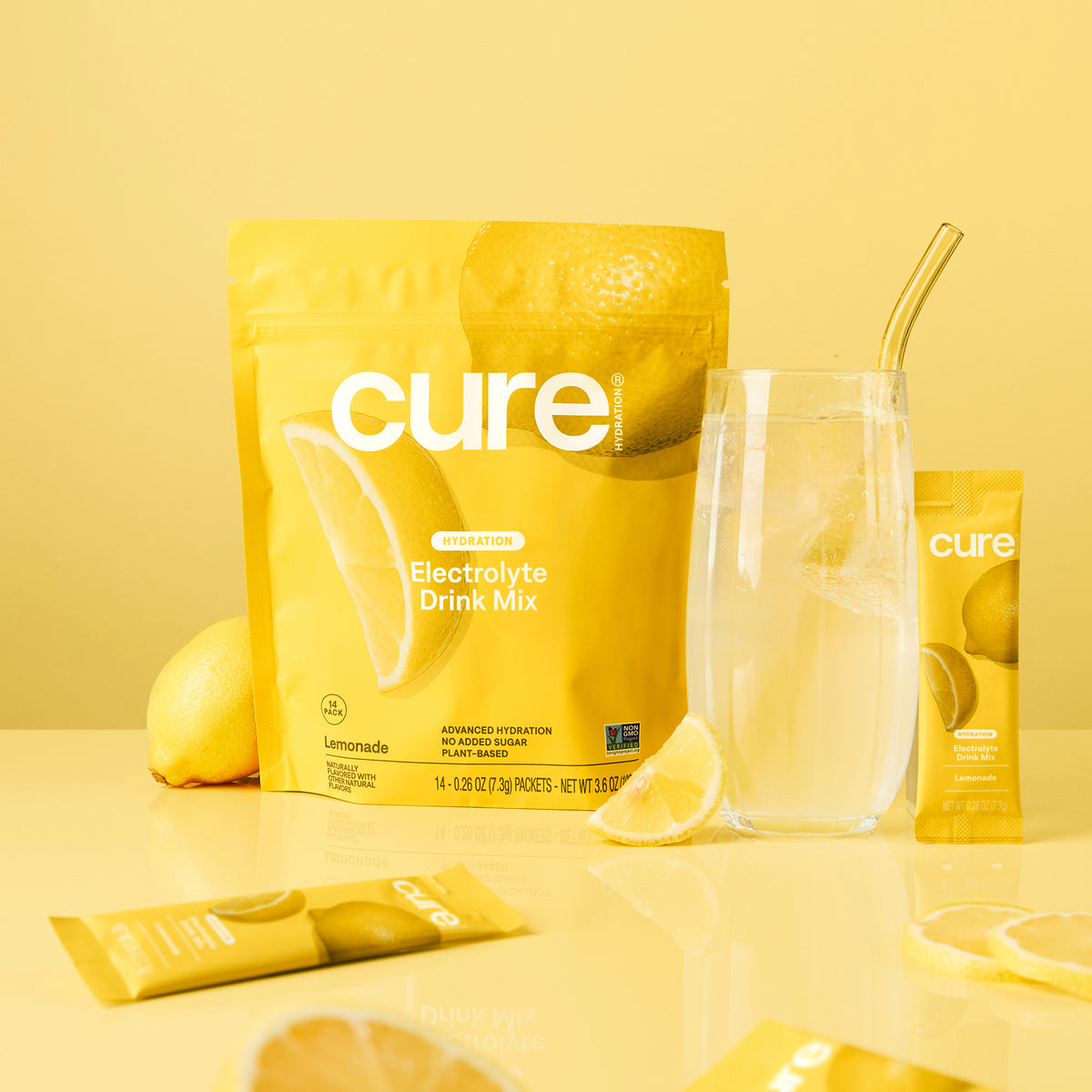
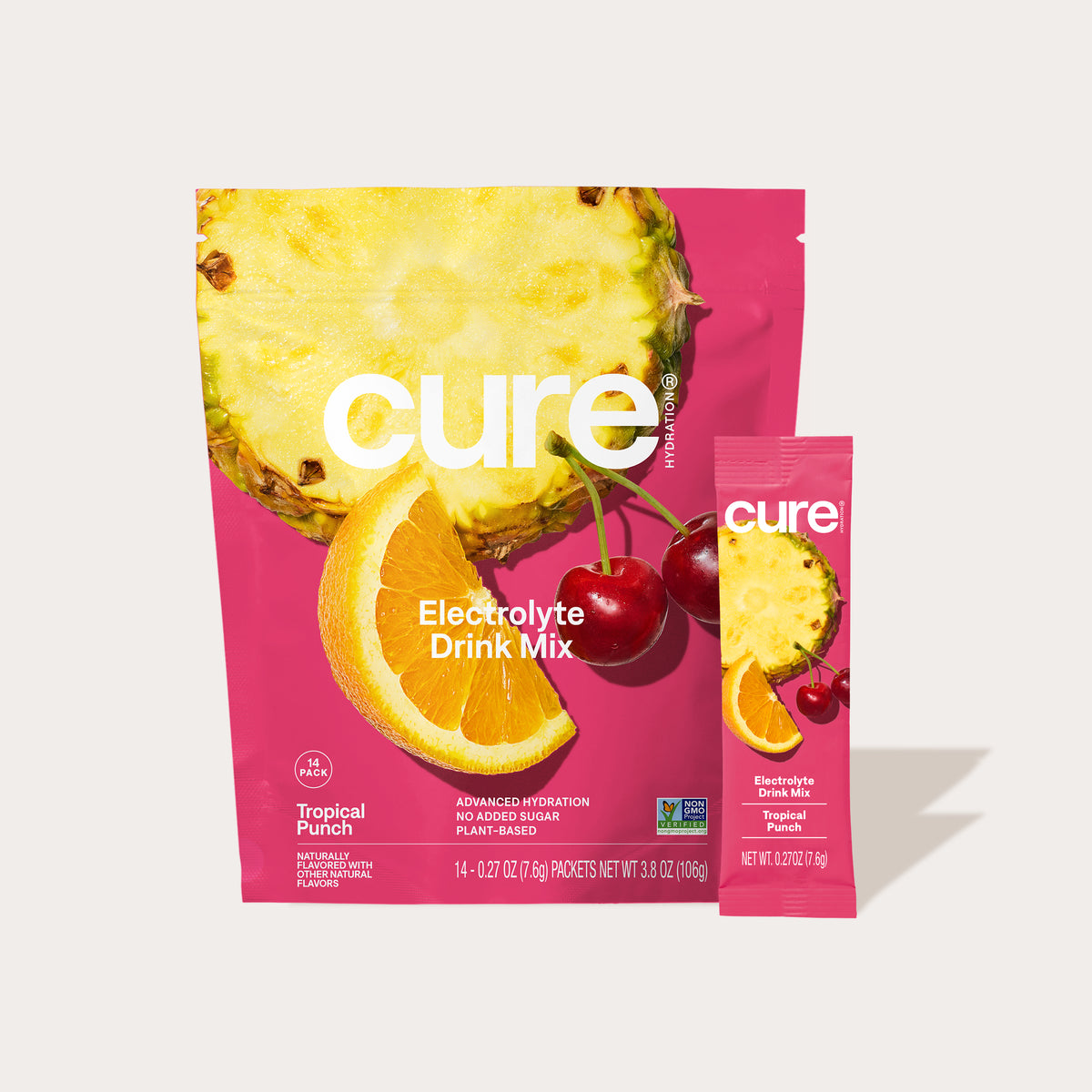
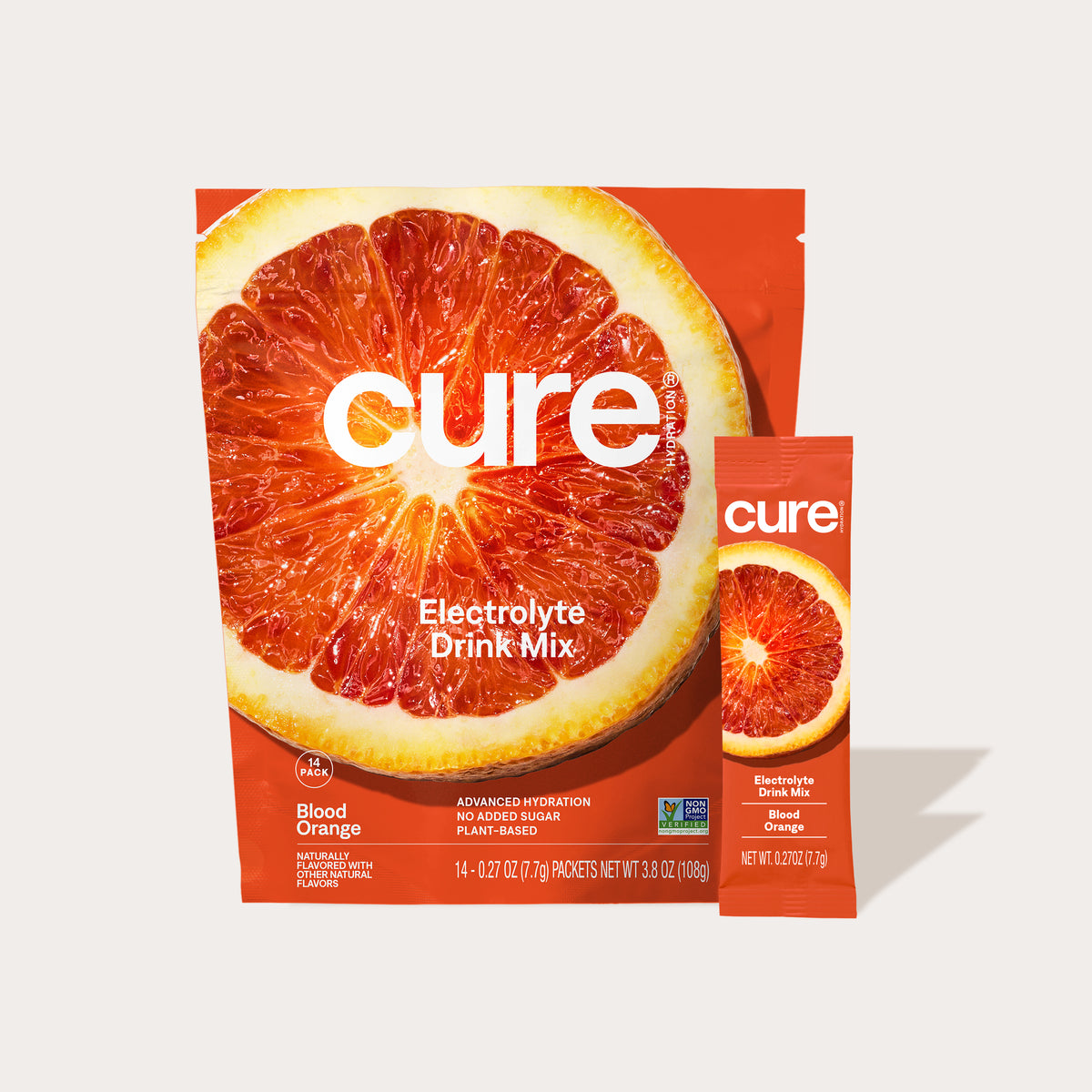
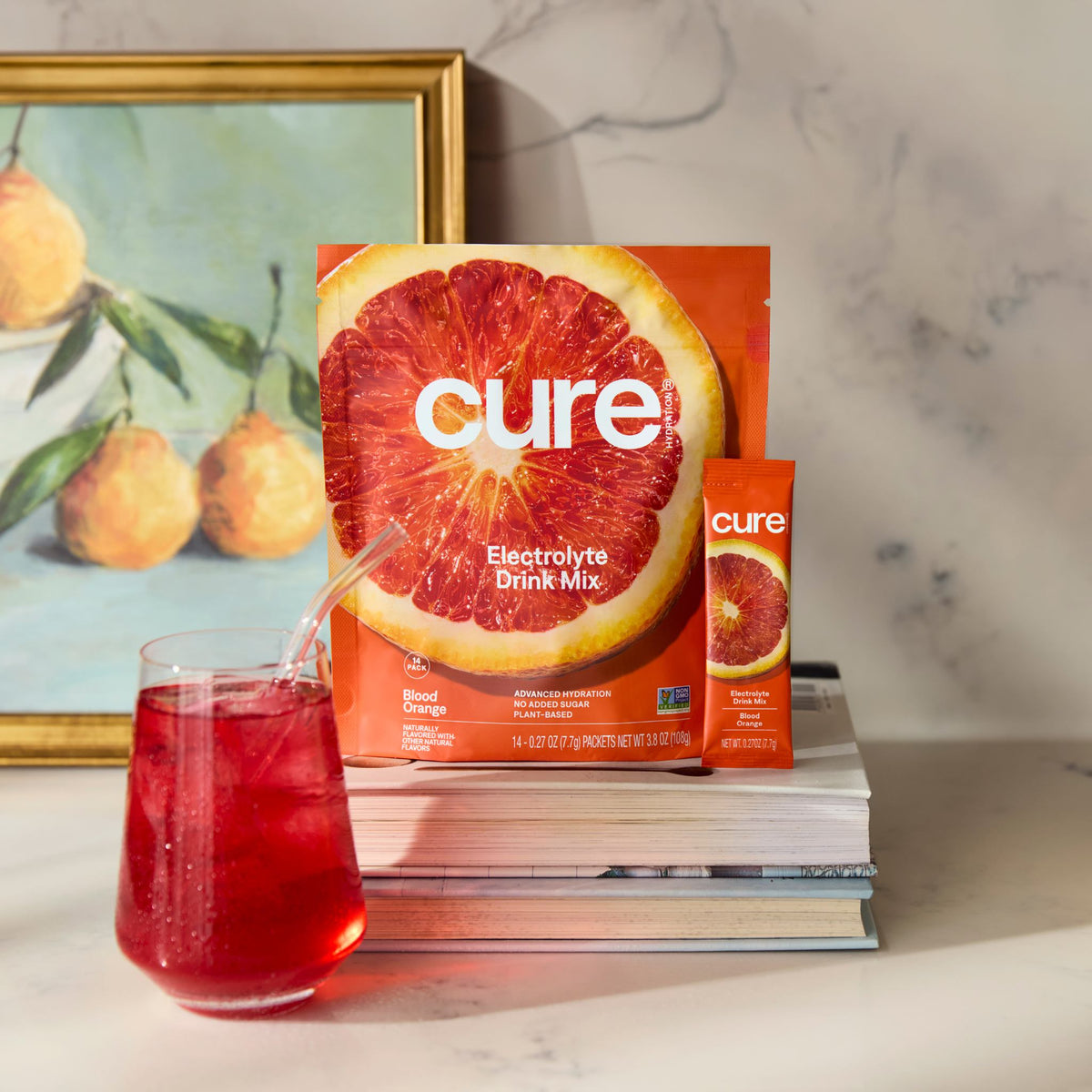
Water should remain the foundation of your routine, but it does not have to be your only option. When plain water is unappealing, or you are replacing fluids after occasional vomiting or sweating, a pregnancy-safe electrolyte drink like Cure can offer another easy way to hydrate. Its combination of electrolytes and glucose supports fluid absorption, while the flavor can make consistent sipping feel more manageable.
More significant symptoms, such as feeling faint, having a rapid or pounding heartbeat, urinating very little, or being unable to keep liquids down, are reasons to contact your prenatal care provider. Persistent headaches, dizziness, or vision changes can also be associated with other pregnancy conditions, so they should not automatically be treated as dehydration alone.
The goal is not to worry about every dry mouth or headache. It is important to notice when your body may need more fluid, respond early, and reach out for medical support when symptoms feel severe or do not improve.
How Electrolytes Support Fluid Absorption
Recognizing the early signs of dehydration is one part of staying ahead of it. The next is replacing not only the water you have lost, but also the electrolytes that can be lost through vomiting or sweat.
Sodium is especially important because it helps the body absorb water. In the small intestine, sodium and glucose are absorbed together, and water follows. This is the science behind oral rehydration solutions. The World Health Organization’s guidance on oral rehydration explains that glucose helps the body absorb sodium and, in turn, water.
Everyday electrolyte drinks are not the same as medical oral rehydration solutions, and formulas can vary. Still, choosing a drink that pairs sodium with a small amount of glucose may provide more targeted hydration support when you are replacing meaningful fluid losses.
Choosing a Pregnancy-Safe Electrolyte Drink
Start by reading the full label. The word “electrolytes” on the front of a package does not tell you whether the overall formula is appropriate during pregnancy.
Look for:
-
Sodium and potassium
-
A small amount of glucose from a natural source to support water absorption
-
No added sugar
-
No caffeine or other stimulants
-
No unnecessary herbal blends
-
No excessive doses of vitamins or minerals
-
Clear ingredient and allergen information
-
Pregnancy-safe information
Be sure you are evaluating the exact product. Some brands offer both hydration and caffeinated energy formulas, and those products should not be treated as interchangeable.
Patients with preeclampsia, gestational hypertension, kidney disease, heart disease, or another condition that affects sodium or fluid balance should speak with their healthcare provider before regularly using an electrolyte product.
When Water Isn’t Cutting It
Some days, plain water is exactly what you need. Other days, nausea, heat, or simply drinking the same thing over and over can make staying hydrated feel harder than it should.
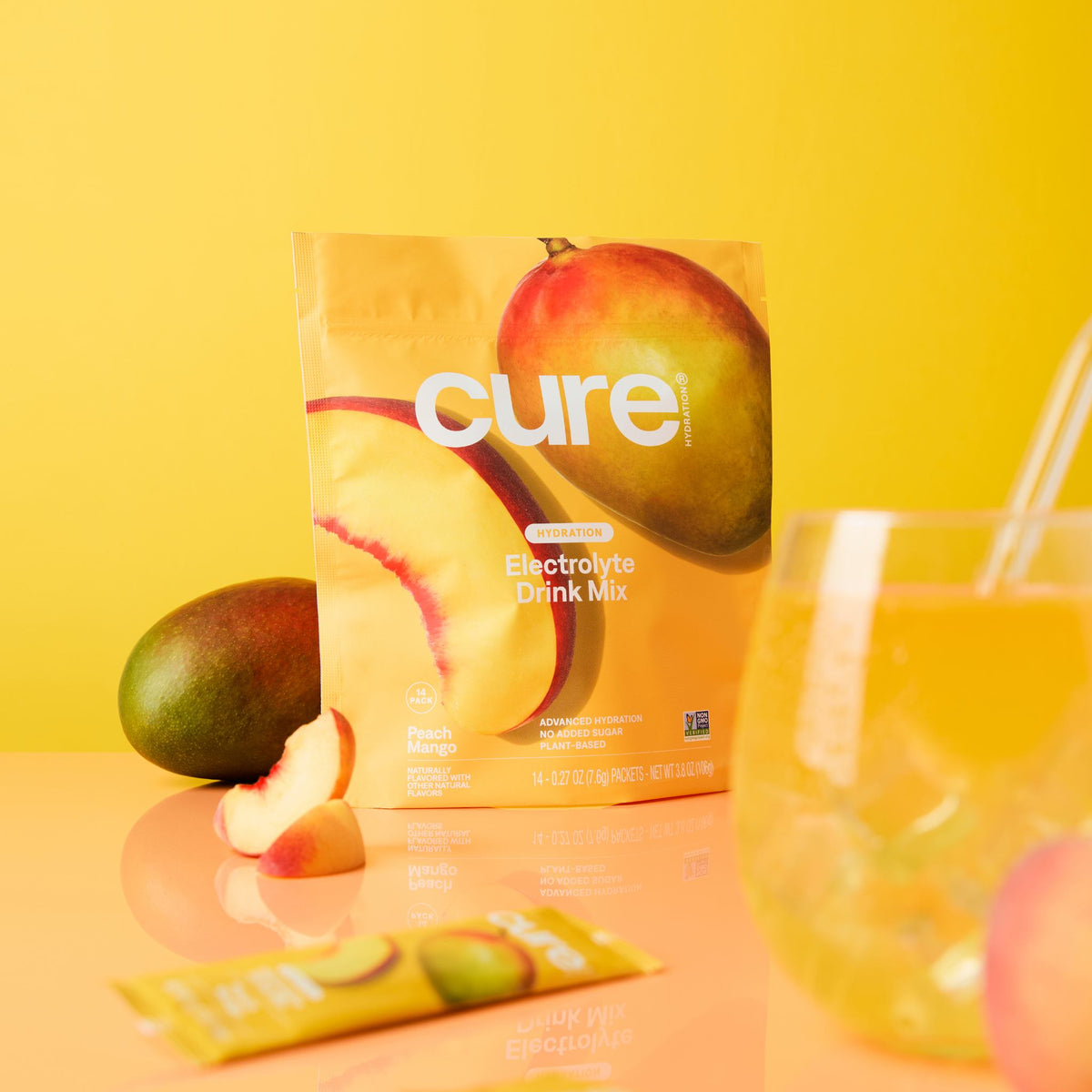
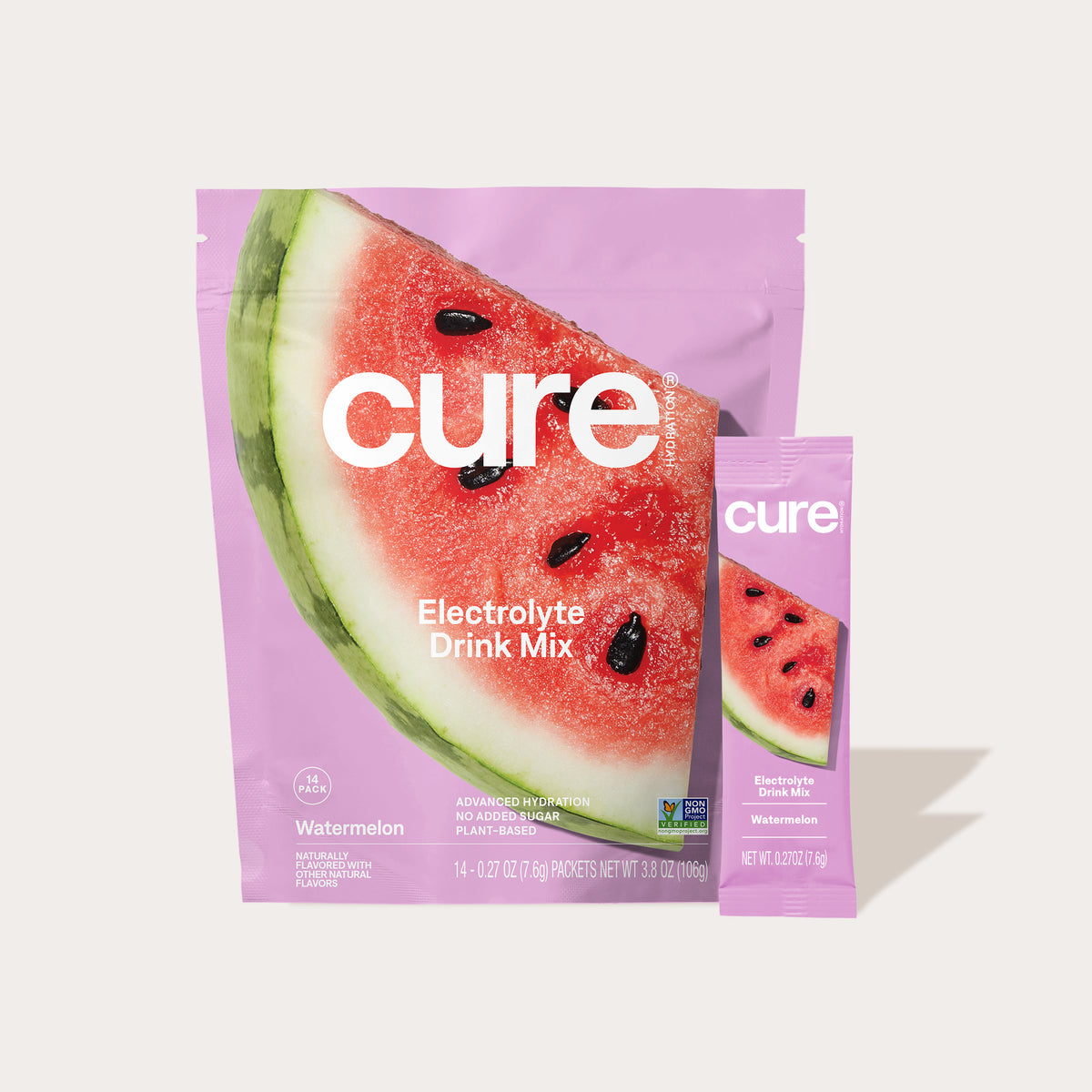
That is where Cure can be helpful. Cure’s Hydrating Electrolyte Drink Mixes are pregnancy and breastfeeding-safe, with electrolytes and glucose to support hydration and no added sugar or artificial sweeteners, flavors, colors, or dyes. It is an easy option to keep nearby for mornings when water sounds unappealing, after occasional vomiting, or anytime your fluid needs feel a little higher than usual.
Sources
-
https://www.frontiersin.org/journals/medicine/articles/10.3389/fmed.2022.892265/full
-
https://www.cdc.gov/heat-health/risk-factors/heat-and-pregnancy.html