










Electrolytes are essential. Your muscles need them, your nerves depend on them, and your hydration suffers without them. But somewhere between "not enough" and "just right" sits a less-discussed zone: too much.
Most healthy people will never overdose on electrolytes from a well-formulated drink mix. But if you are stacking supplements, chugging sports drinks, and salting everything on top, the excess can cause real symptoms. Here is what that looks like and how to stay in the right range.
What Happens When You Get Too Many Electrolytes
Your body runs on a careful balance of sodium, potassium, magnesium, and calcium. When any goes significantly above normal, you will know.
Sodium: The Most Common Culprit
Excess sodium (hypernatremia) causes thirst, headache, irritability, and in serious cases, confusion or muscle twitching. It most often results from dehydration, where the body loses more water than sodium, and the remaining sodium becomes too concentrated. Less commonly, it can follow high-sodium supplement intake without adequate water.
Potassium: Subtle but Serious
Too much potassium (hyperkalemia) can cause muscle weakness, numbness, and irregular heartbeat. Rare from food or drink mixes alone, it usually involves kidney issues or medications affecting potassium clearance.
Magnesium: The Digestive Signal
Excess magnesium shows up in your gut first: nausea, diarrhea, and cramping. High-dose supplements are the usual cause.
How Much Is Too Much?
There is no single number that flips you from "hydrated" to "overdoing it." Your needs change based on activity, climate, health, and sweat rate.
General Daily Guidelines
The Dietary Guidelines recommend less than 2,300 mg of sodium per day, though athletes may need more. Potassium should land around 2,600 to 3,400 mg per day.
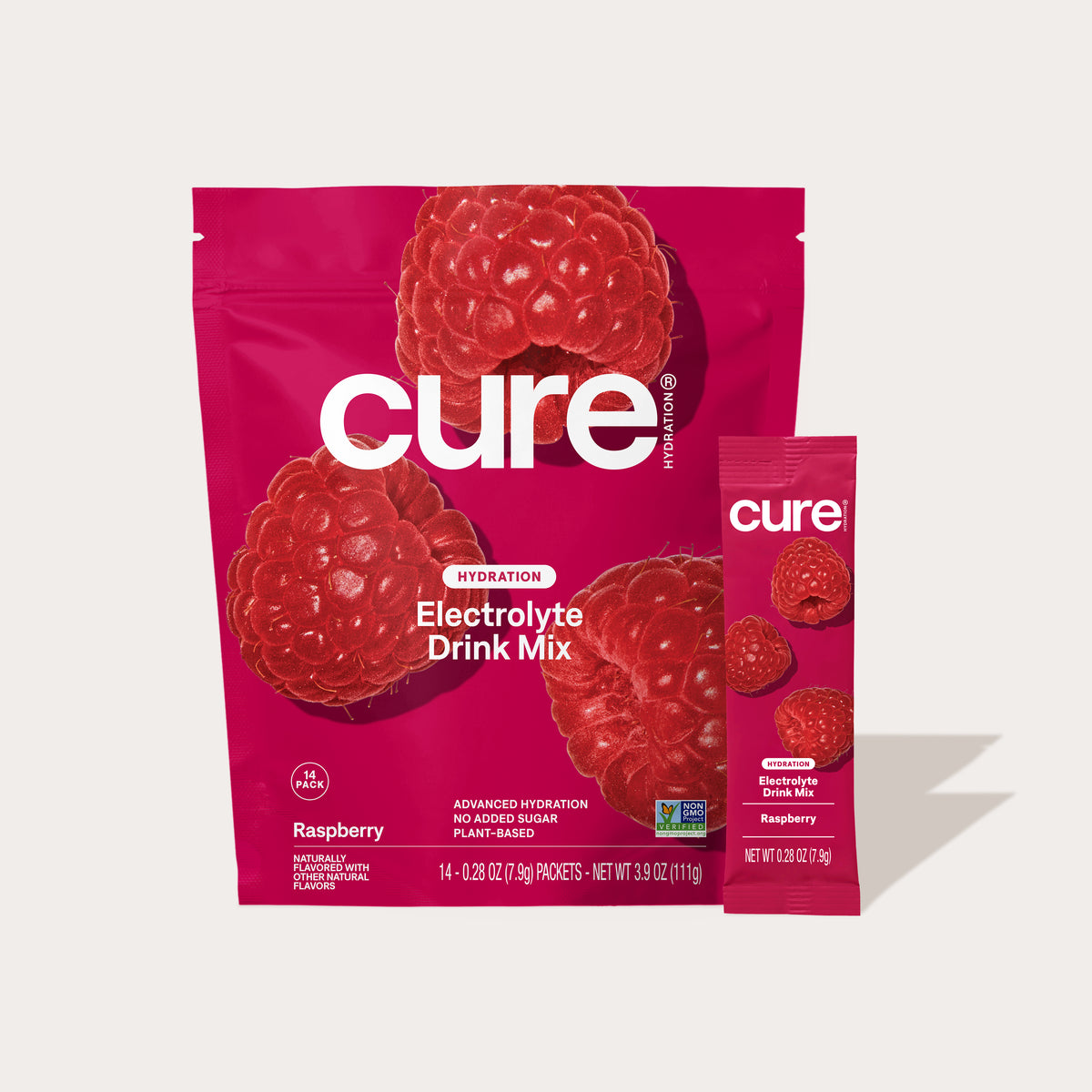
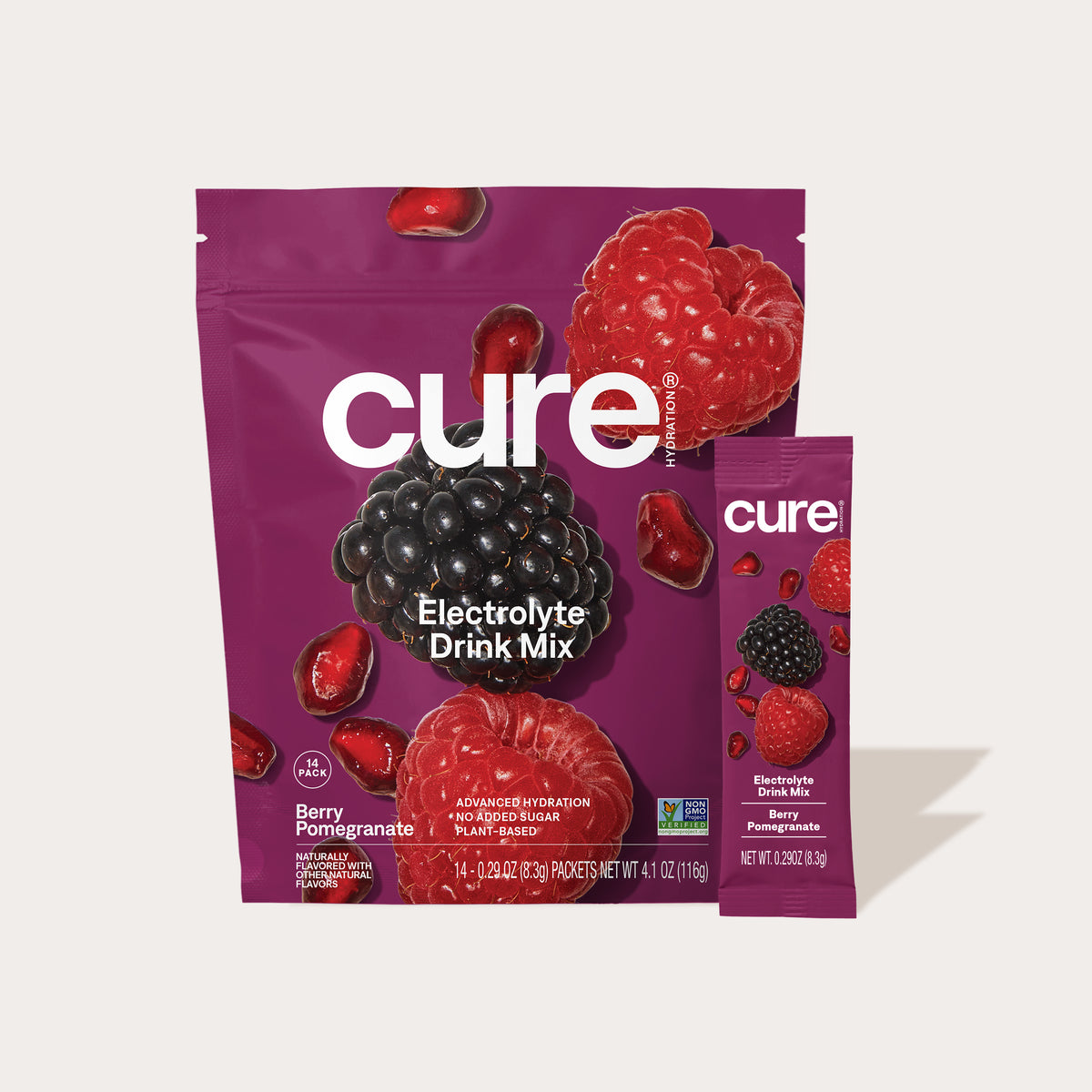
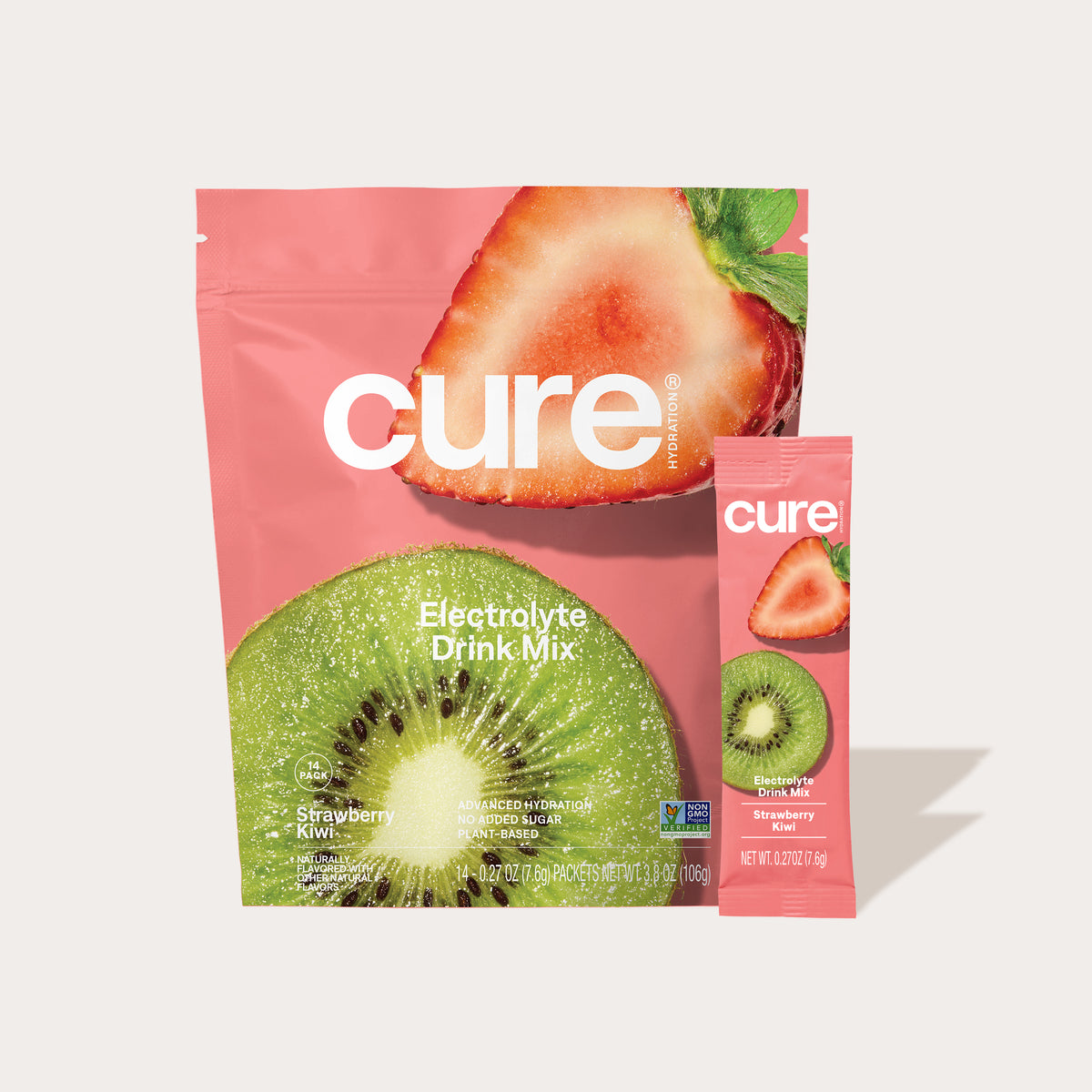
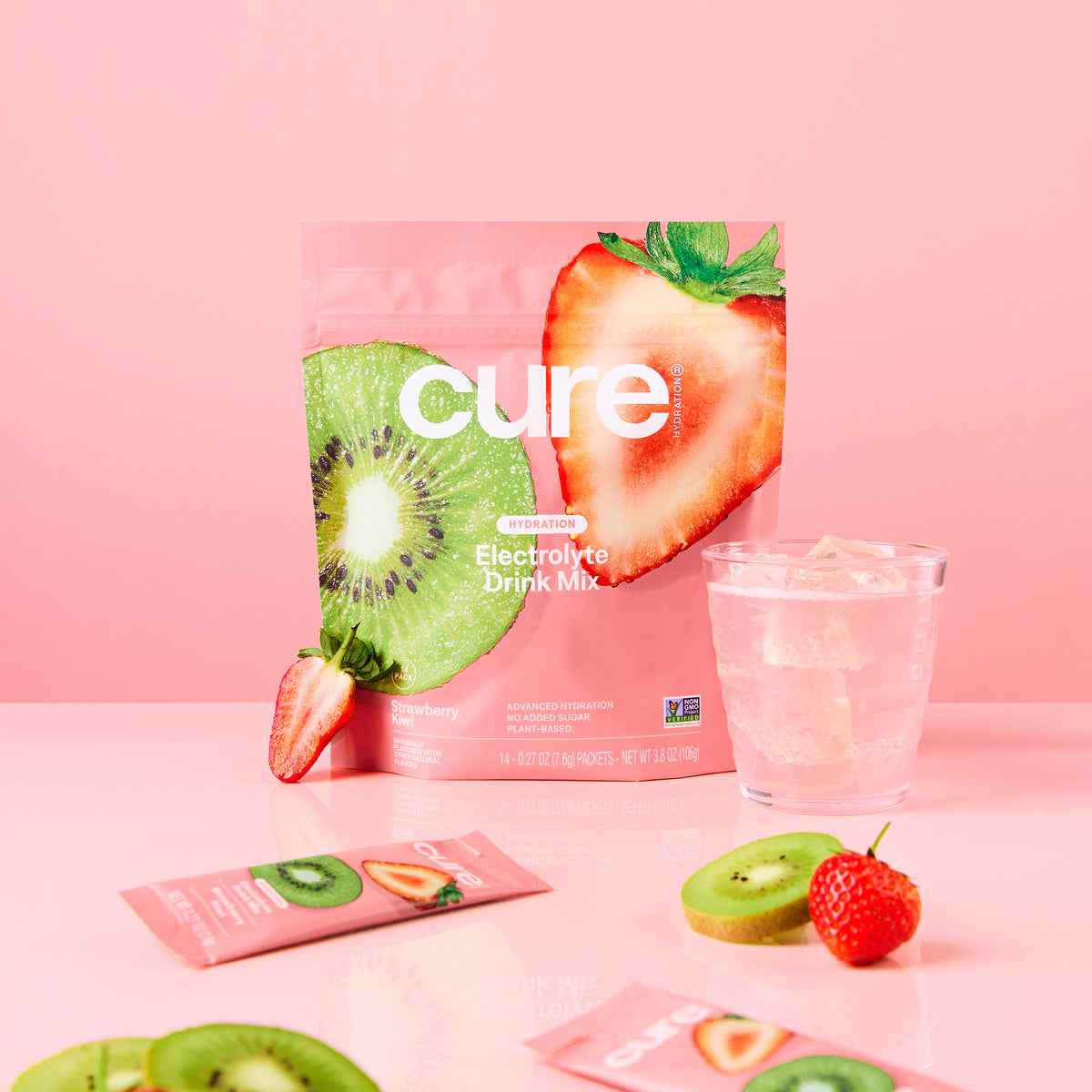
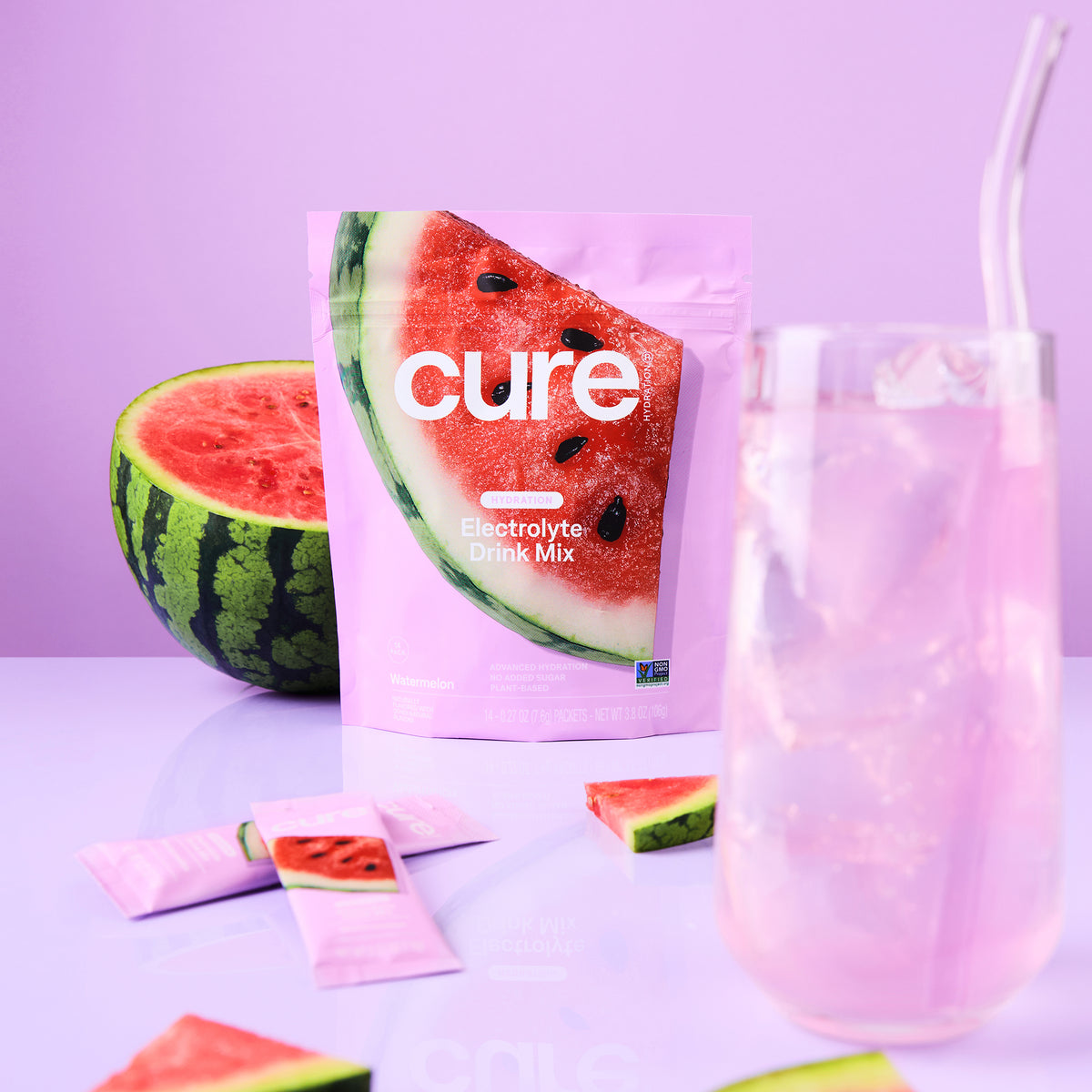
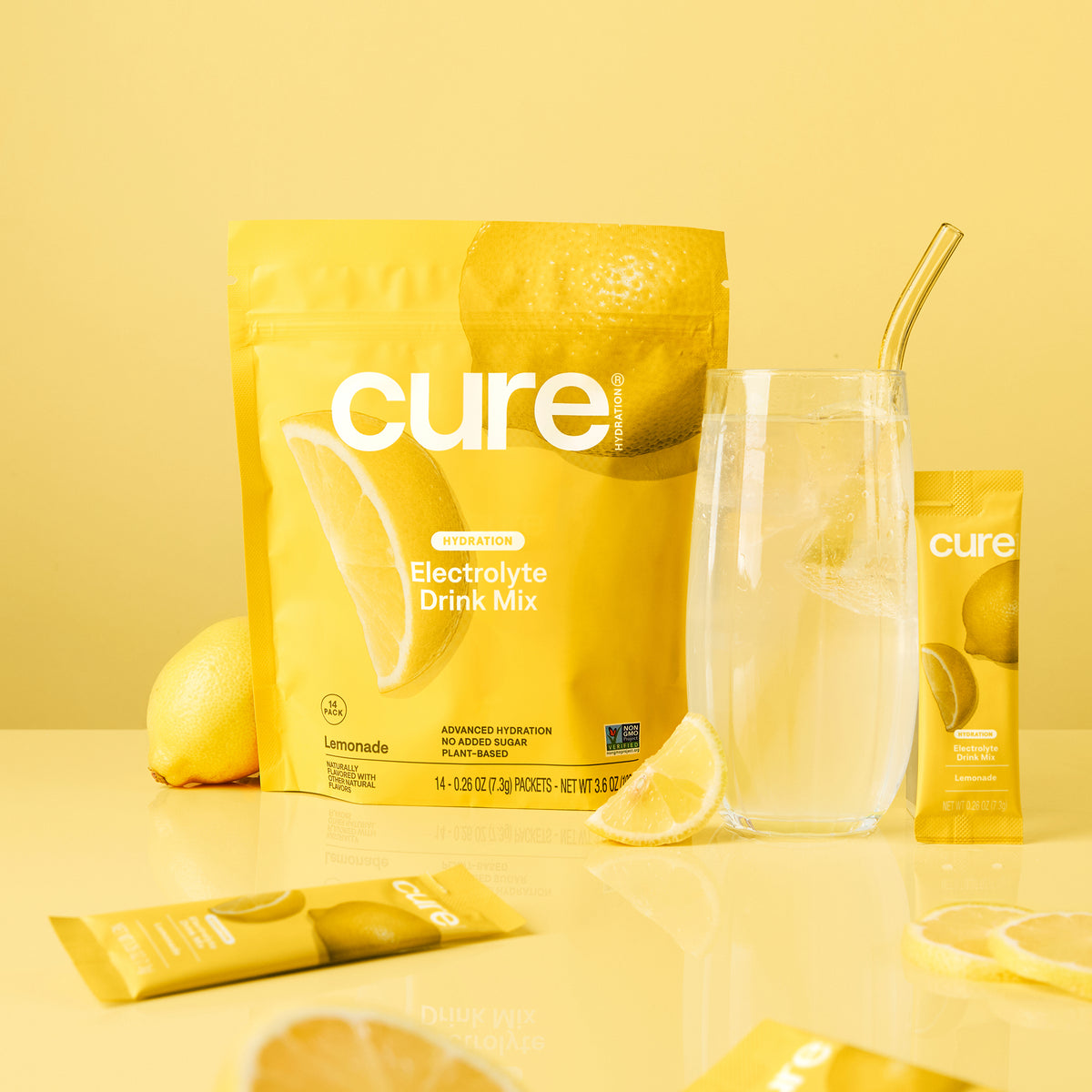
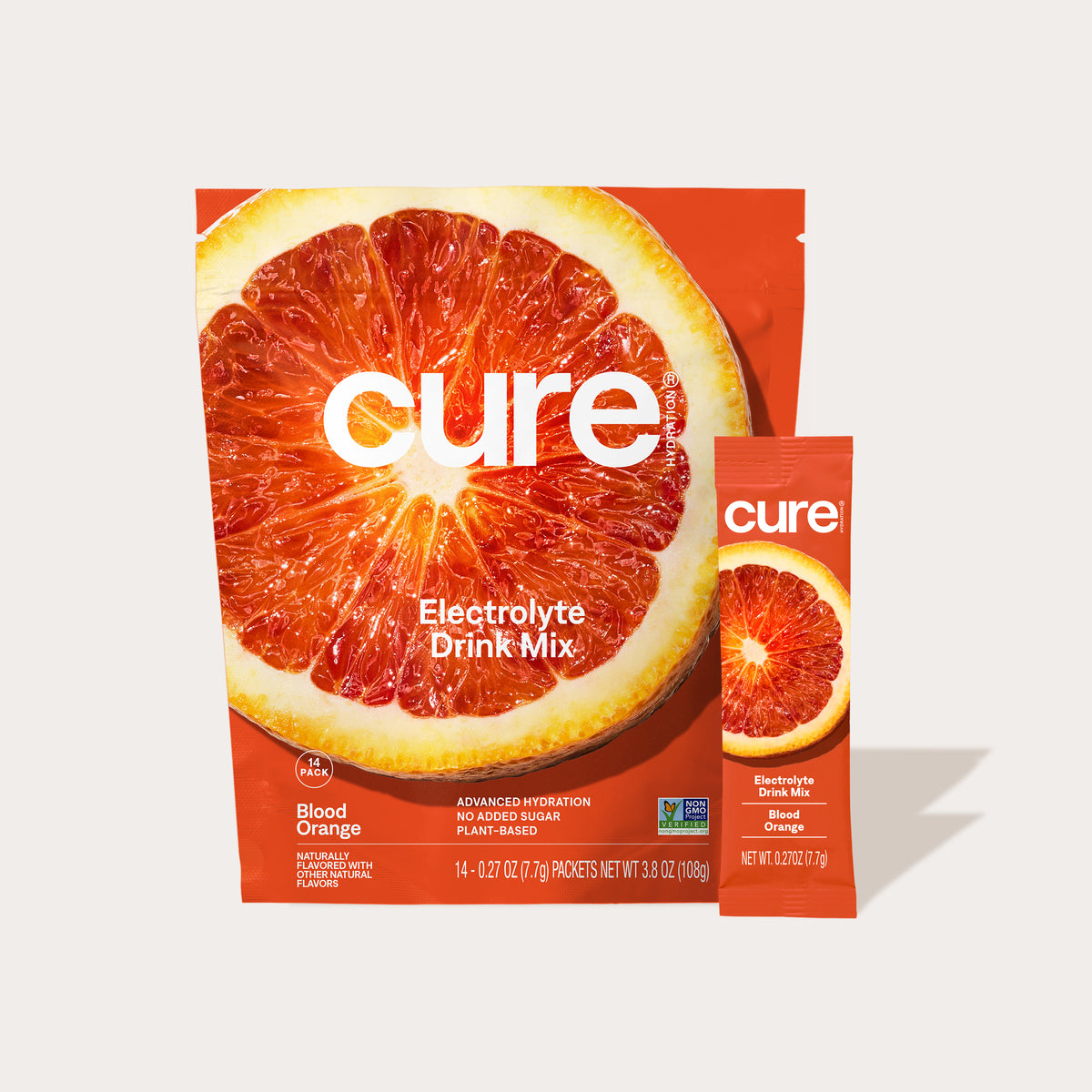
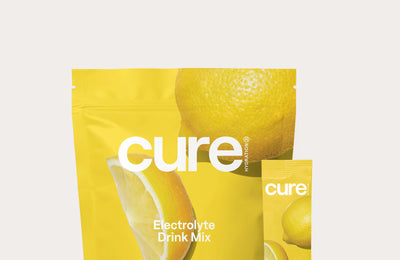
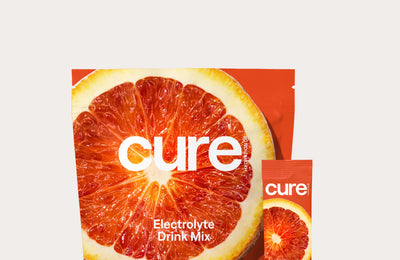
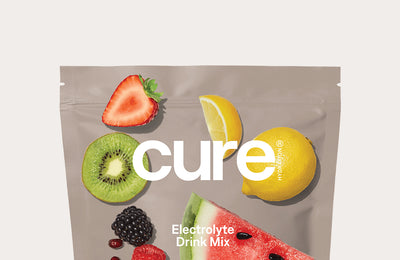
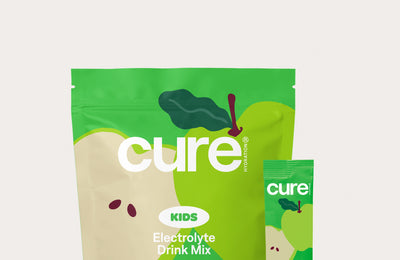
A Cure Hydration stick has 240 mg of sodium and 200 to 350 mg of potassium depending on flavor. One to two per day keeps you well within safe ranges, especially if you are active. If you are not sure how to get electrolytes from the right sources, a balanced drink mix is a good starting point.
When Intake Becomes a Problem
Trouble starts when people stack sources unknowingly. A high-sodium breakfast, a sports drink mid-morning, electrolyte powder at lunch, and salty snacks can push sodium past what your kidneys process comfortably.
Signs You Might Be Overdoing It
Your body might give you electrolyte overdose symptoms before things get serious.
Persistent Thirst That Water Does Not Fix
Drinking plenty of water and still thirsty? Excess sodium might be the cause. Your body pulls water to dilute the extra salt, leaving you dehydrated despite adequate intake.
Digestive Issues
Nausea, bloating, and diarrhea can point to excess magnesium or a general surplus. If these show up consistently after supplementing, scale back.
Headaches and Brain Fog
Both too few and too many electrolytes cause headaches. If you have been supplementing heavily and headaches persist, the fix might be less, not more.
Muscle Weakness
Excess potassium can cause muscle weakness. This matters because weakness from too much potassium can feel like fatigue or heaviness rather than the sharp tightening of a cramp. If you're supplementing heavily and your muscles feel weak rather than tight, that is a signal to scale back, not add more.
How to Stay in the Sweet Spot
The goal is not to avoid electrolytes. It is to match your intake to what your body needs.
Start With One Serving and Adjust
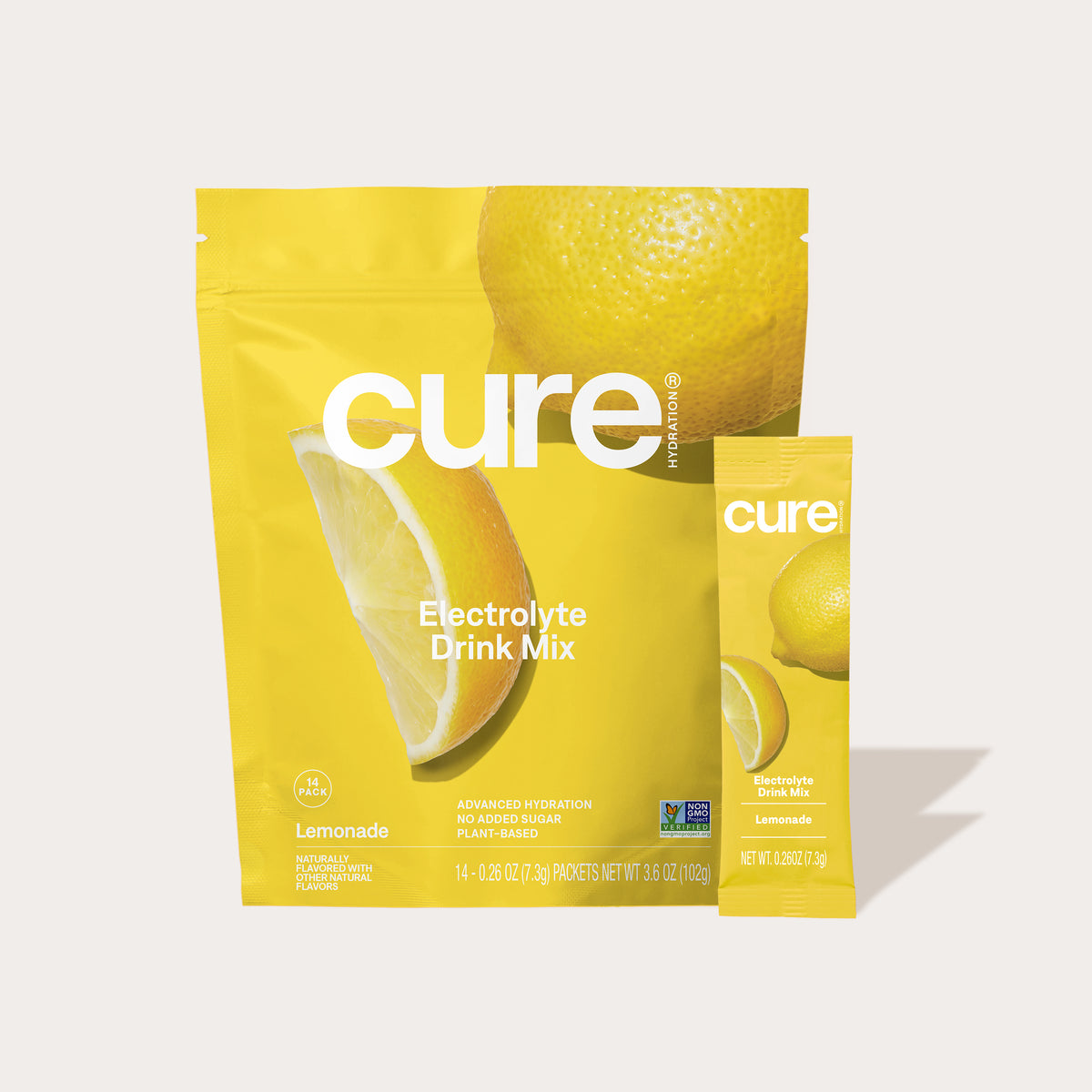
One stick per day covers most people. If you are exercising intensely or in the heat, a second makes sense. A Lemonade Bulk Jar is a practical option for daily users who go through servings quickly. Beyond two is rarely necessary outside prolonged endurance activity.
Do Not Stack Sources Blindly
If you are using an electrolyte powder, you do not also need a sports drink, tablets, and a recovery supplement. Cure is formulated on the WHO's Oral Rehydration Solution (ORS) formula, helping your body absorb water more effectively than water alone.
Read the Label
Some products pack 1,000 mg or more of sodium per serving, pushing you toward excess quickly on a normal diet. Cure Hydration’s 240 mg per stick is built for daily use without overcorrecting.
Drink Water Alongside Electrolytes
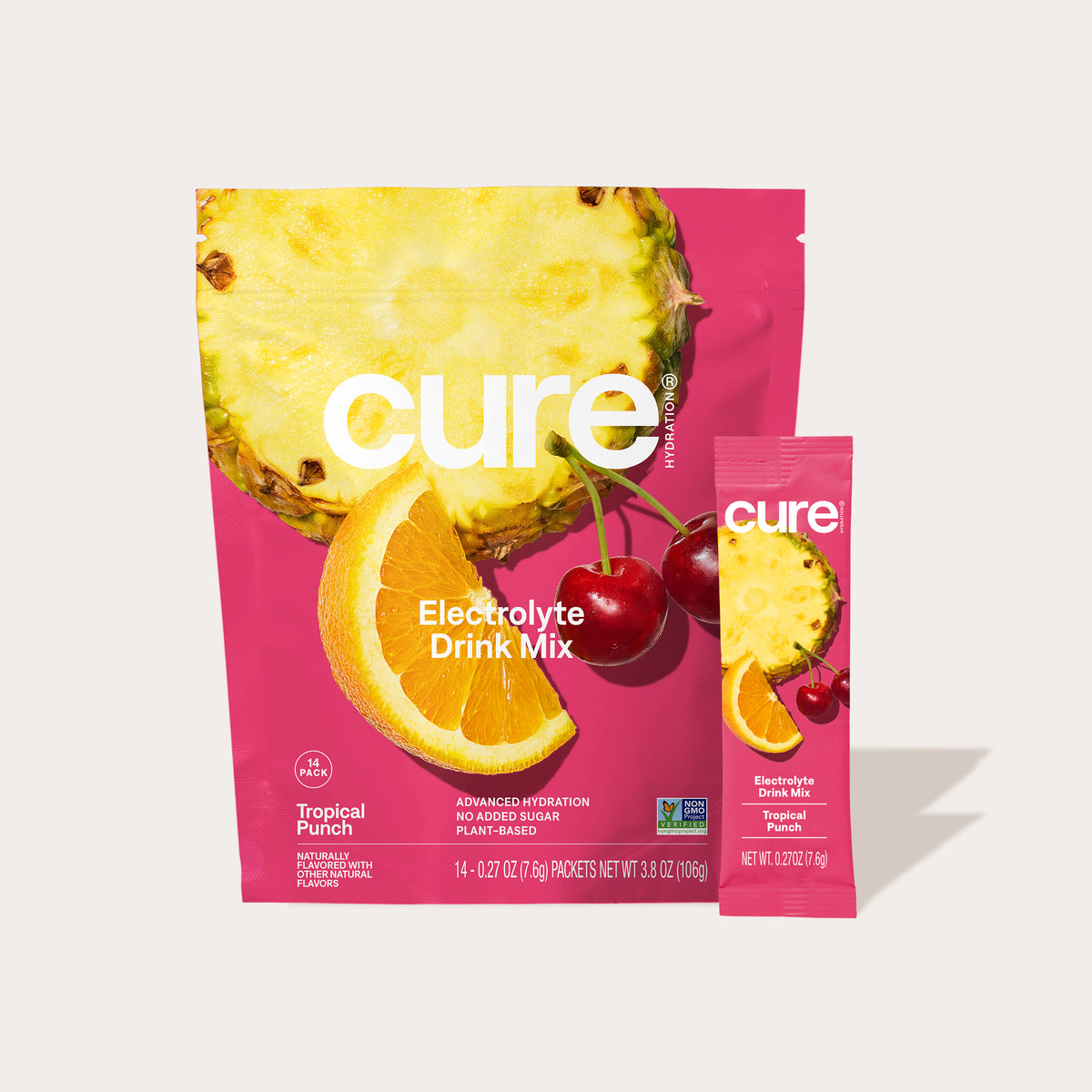
Electrolytes help your body absorb and retain water, but they do not replace it. A Classic Variety Pack in your daily water bottle is a simple way to maintain balance.
Who Should Be Extra Careful
Most healthy adults can generally include electrolyte drinks as part of their routine. However, some people may need to pay closer attention to their electrolyte intake:
- People with kidney conditions: The kidneys help regulate electrolyte levels, so kidney problems can affect how the body handles excess minerals. Check with your healthcare provider before adding electrolyte supplements regularly.
- Those on blood pressure medication: Some medications can affect sodium or potassium levels. If you take blood pressure medication, ask your healthcare provider whether electrolyte supplementation is appropriate for you.
- People using multiple supplements: If you already take magnesium, potassium, or sodium supplements, check the labels before adding an electrolyte drink to avoid unnecessary overlap.
Balance, Not Avoidance
Electrolytes are an important part of hydration, but more is not always better. For most healthy adults, a balanced electrolyte drink alongside regular water is enough for everyday hydration. If you use electrolyte drinks regularly, check the label and consider everything else you are getting from your diet and supplements.
Learn more about our ingredients
Cure is not a medical product and is not intended to diagnose, treat, cure, or prevent any disease. If you have specific health concerns, talk to your doctor.
Frequently Asked Questions
Can You Overdose on Electrolytes?
A true overdose from drink mixes is rare in healthy adults. It typically involves kidney issues, certain medications, or extreme overconsumption. One or two servings of a balanced mix per day keeps most people safe.
What Are the Symptoms of Too Many Electrolytes?
Persistent thirst, headaches, nausea, bloating, muscle weakness, and brain fog. Excess potassium can cause an irregular heartbeat in serious cases. These symptoms usually result from stacking multiple high-dose sources.
How Many Electrolyte Drinks Can You Have Per Day?
One to two servings is the right range for daily hydration. Athletes or heavy sweaters may benefit from a third on intense days. Going beyond that is rarely necessary.
Is It Possible to Drink Too Much Electrolyte Mix?
Yes, though the threshold is higher than most people think. Problems arise from stacking multiple sources or using products with very high sodium content. Cure Hydration has 240 mg of sodium per stick and is designed for safe daily use.
Am I Peeing Out My Electrolytes?
If your urine is consistently very pale and you are drinking large amounts of plain water, you may be diluting your electrolyte concentration. Your kidneys regulate electrolyte balance by excreting what your body does not need. An electrolyte mix helps your body absorb and retain fluid more effectively so hydration lasts longer.
Should I Stop Taking Electrolytes if I Feel Nauseous?
Nausea can indicate excess magnesium or sodium. Scale back to one serving per day. If symptoms persist, talk to your doctor and check whether other supplements contain overlapping minerals.