

















Kids lose fluids and electrolytes faster than adults because of their smaller size and faster metabolism, which is why the question isn't just about “should” they drink electrolytes, but “how often”. This guide covers exactly when an electrolyte mix helps, how frequently to offer one, and when plain water is still the better call.
Why Do Kids Get Dehydrated?
Not Enough Fluids and Electrolytes
Kids notoriously don’t want to drink plain water. This can lead to them getting dehydrated more quickly than adults who make it a point to get at least the recommended 8 cups per day.
Even though your child’s fluid intake needs will vary depending on their age, physical activity, and outside temperature, they all have one thing in common: a preference for sweetened beverages.
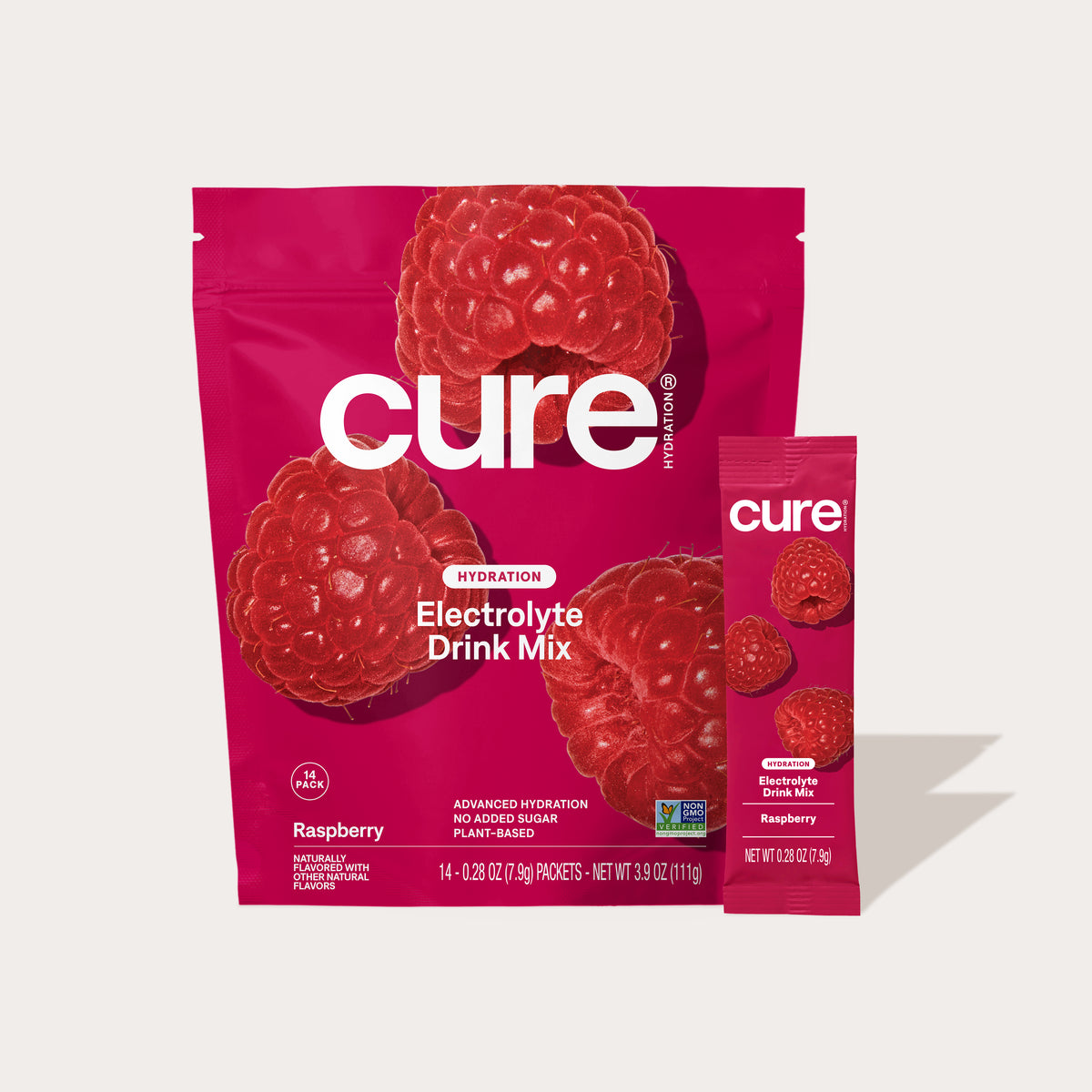
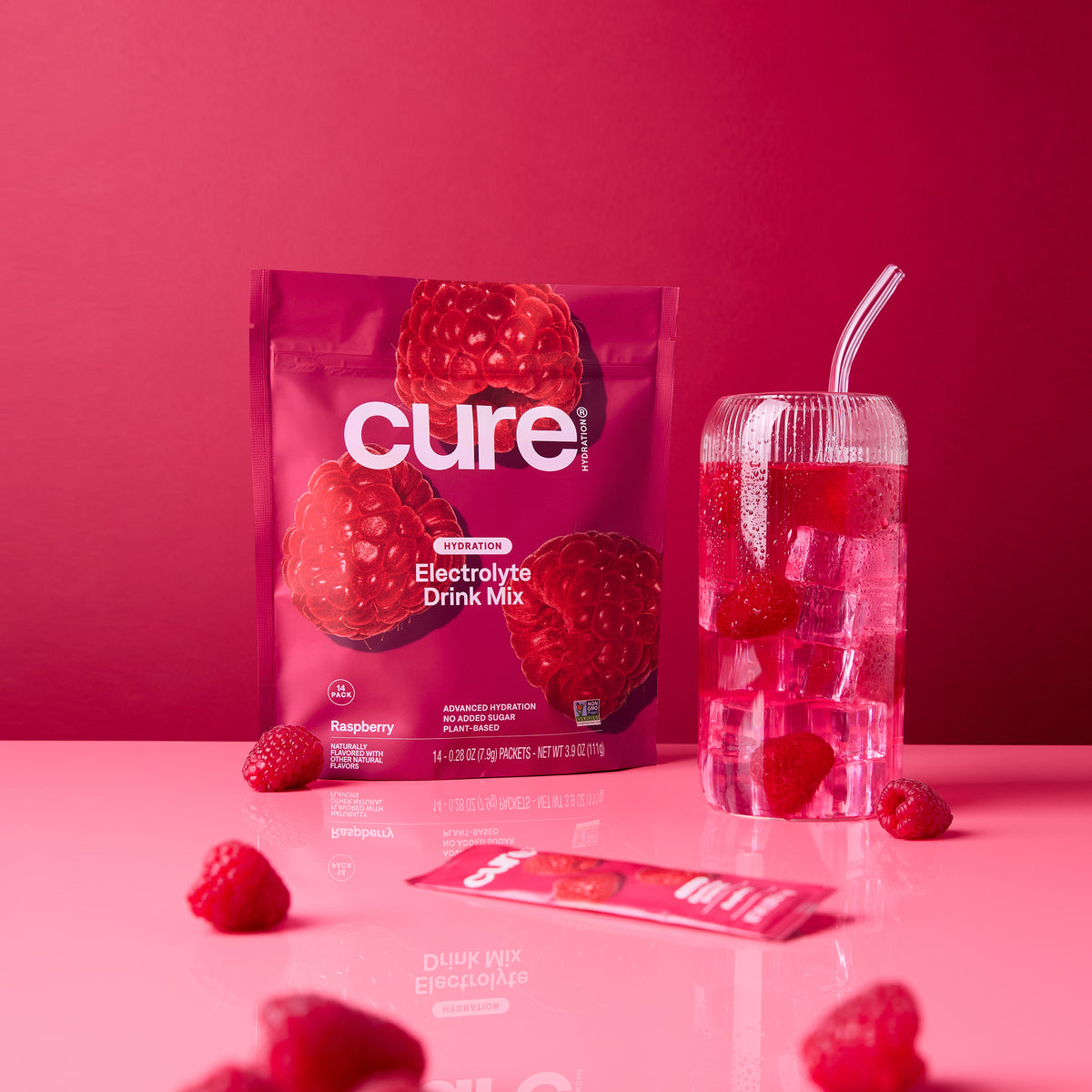
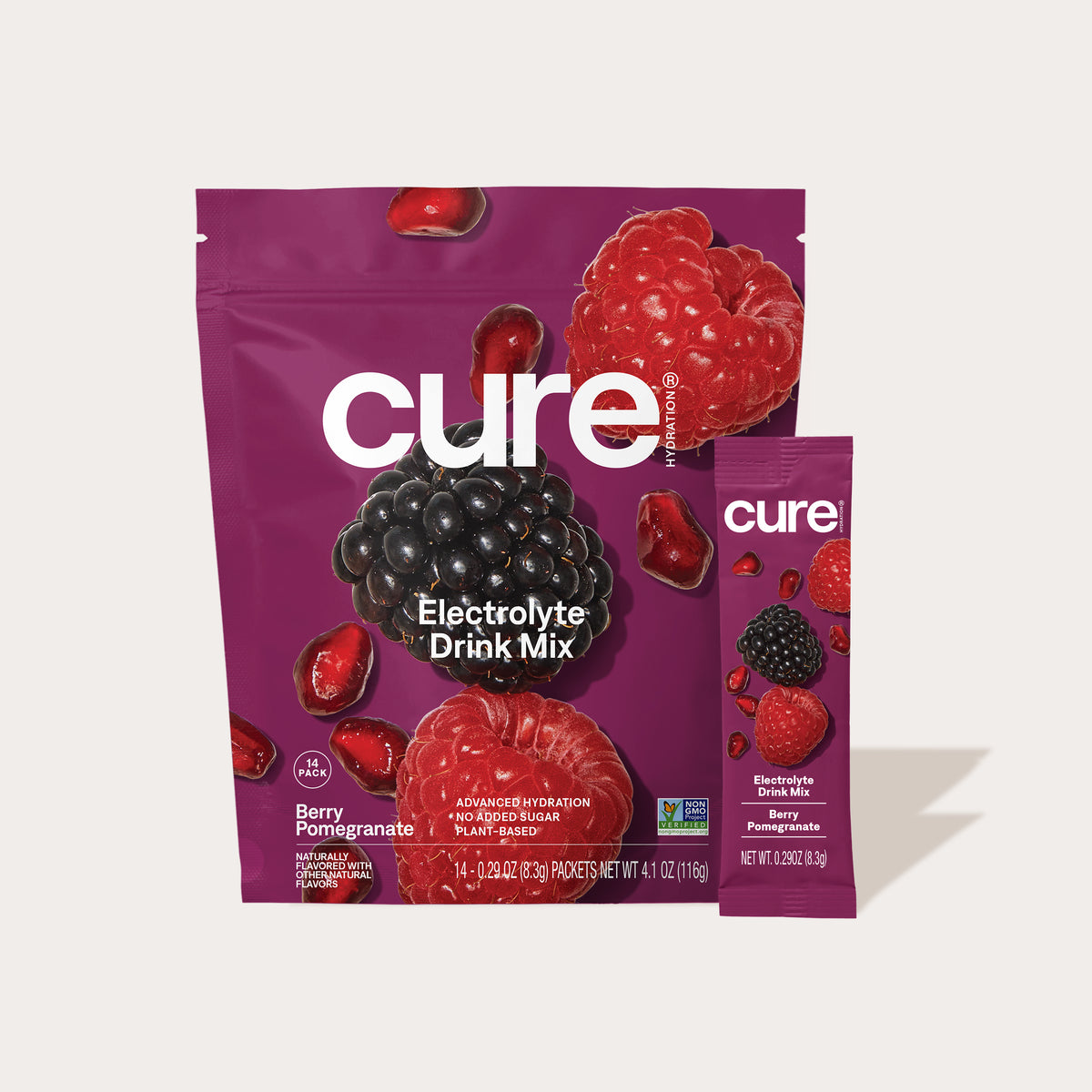
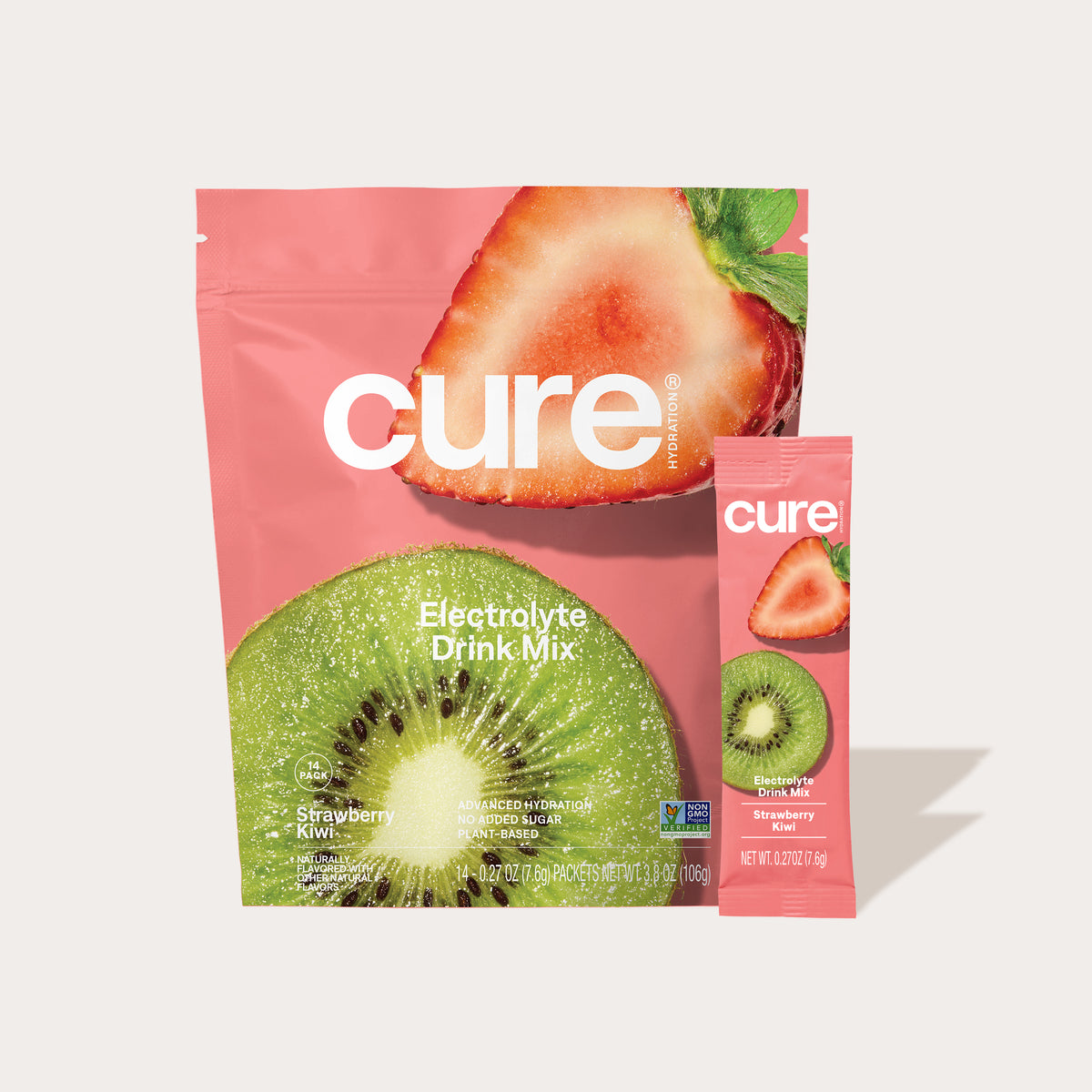
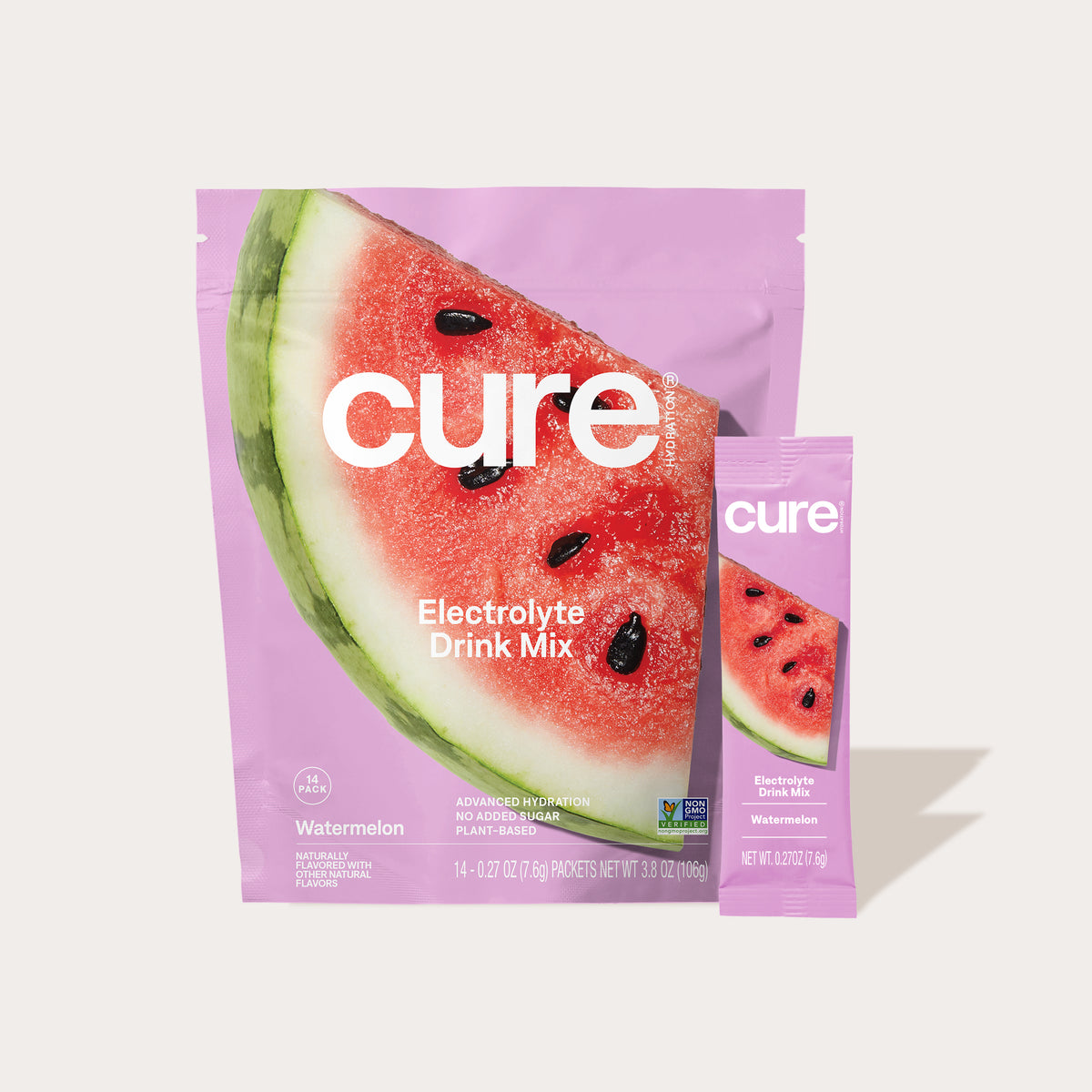
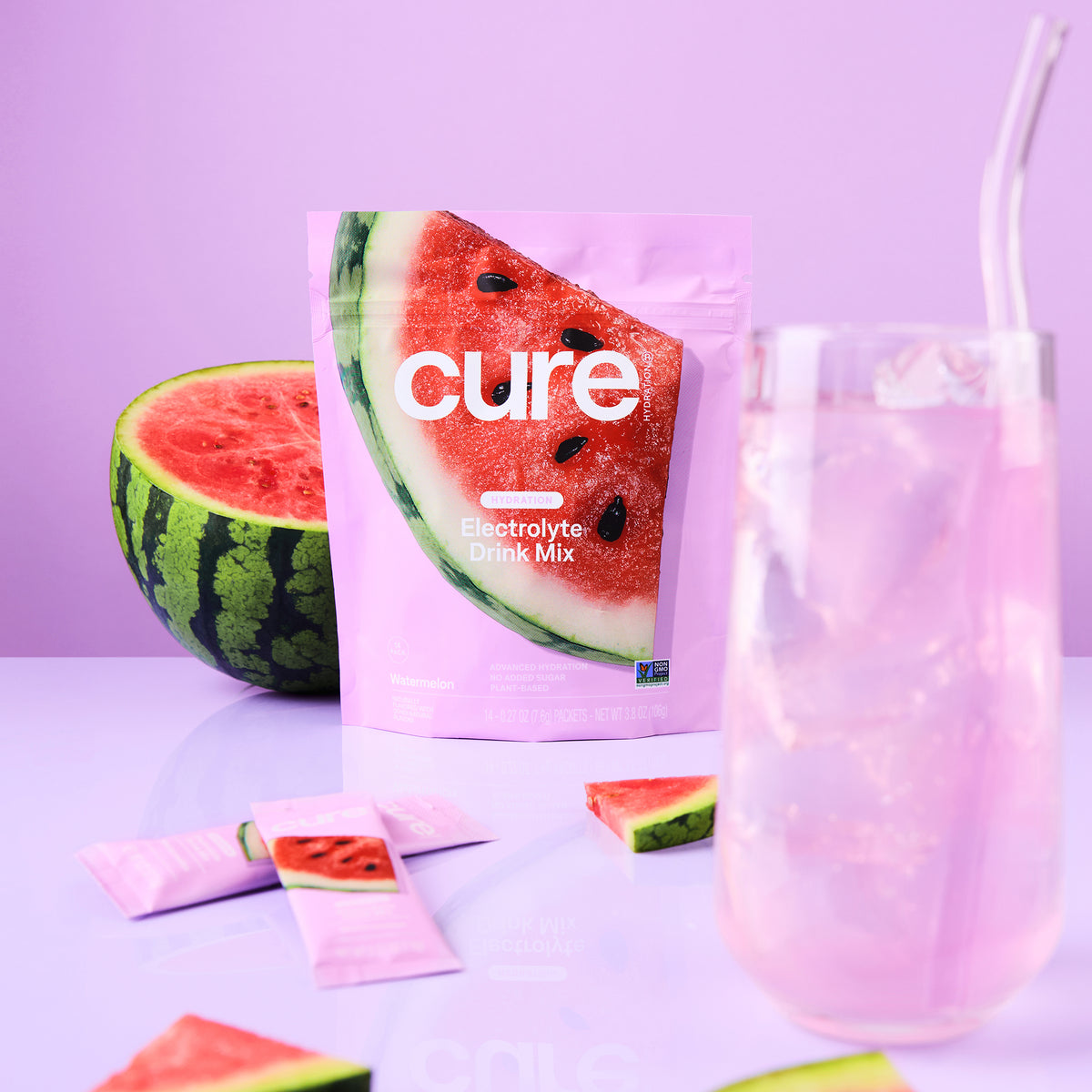
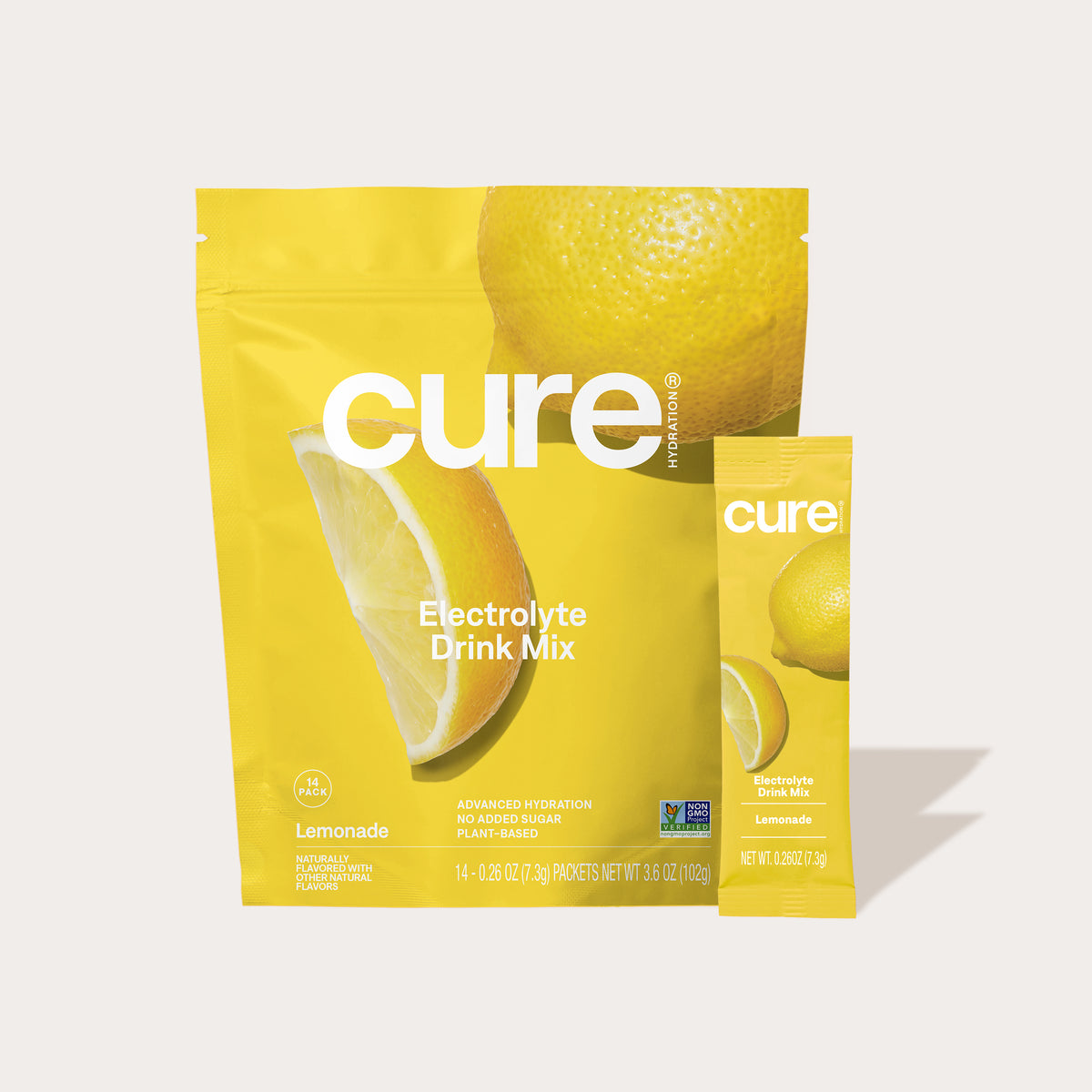
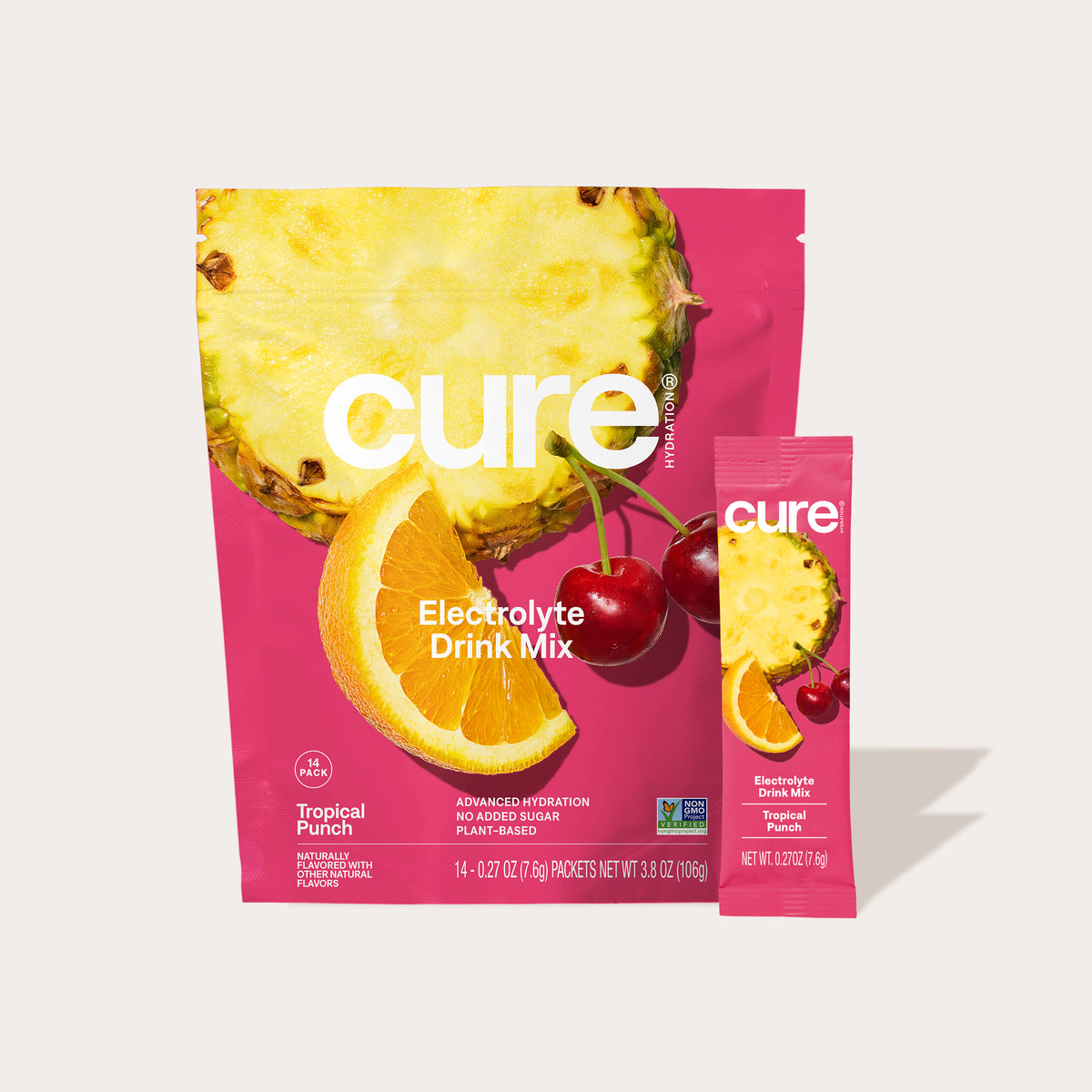
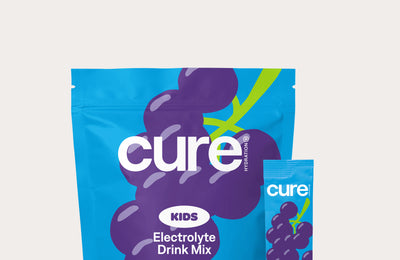
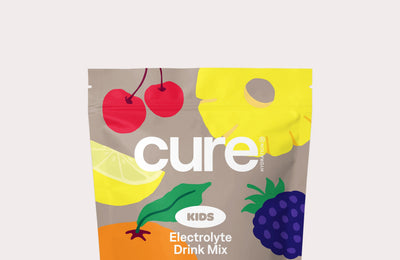
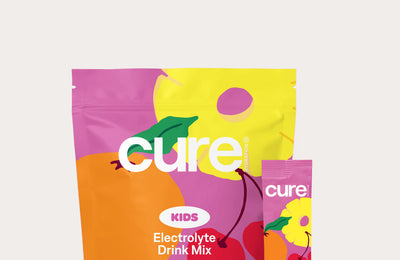
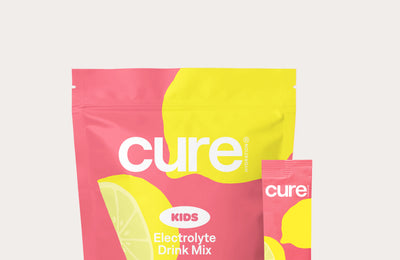
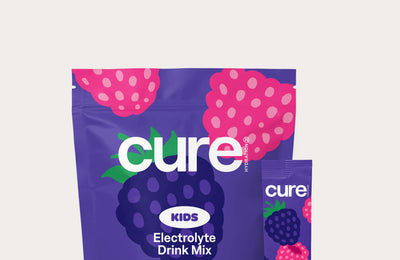
If you’re trying to avoid adding sugar to your child’s diet, then it might be difficult to keep them hydrated. This is what makes Cure Kids such a great solution: Our pediatrician-formulated and kid-approved Kids electrolyte powderGo to Kids can be a delicious addition to water without adding empty sugar calories to your child’s diet.
Too Much Sweating
Kids are very active creatures. (Fun fact: Kids have muscles that are actually resistant to fatigueGo to Full Cure HydrationGo to Aboutus electrolyte powderGo to Kids quickly rehydrateGo to When water isnt enoughresistant to fatigue. Plus, they recover much faster from intense physical activity.) This may explain why they’re constantly running around.
This can lead to them losing fluids at a faster level than an adult. And, of course, if your child plays sports or is involved in another physical activity, then they’re probably sweating and losing fluids, too.
This is not to say that sweating automatically leads to dehydration. But if kids are constantly losing fluids through sweat and not replenishing with fluids, then this can be a potential cause.
What’s more, if a kid is drinking only water, then they may not replenish the important electrolytes that they lose. Because dehydration is not only the lack of water, but also lack of important electrolytes, drinking only water can lead to kids feeling dehydrated, too.
Too Much Sun
Because kids are so active and energetic, they may also get more sun exposure, especially if they tend to play outside. A little bit of sun exposure is certainly not a bad thing. But even 15 minutes of being in direct sunlight can lead to a sunburn.
A sunburn is definitely painful. But a little-known fact is that getting sunburned can also lead to dehydration. Because the skin regulates the balance of water and electrolytes in the body, any damage caused to it can throw this balance off-kilter.
A sunburn damages the top layers of the skin, which can lead to fluid and electrolyte loss. For this reason, excessive sun exposure can lead to dehydration.
Diarrhea and Vomiting
A stomach bug can lead to kids expelling more fluids than usual. Of course, it’s super important to consult with your health provider if this ever happens. But if fluids aren’t replenished quickly enough (which can be hard in this case), then dehydration is likely to happen.
What are the Signs of Dehydration in Kids?
The signs of dehydration mostly depend on how severe it is. If dehydration is severe, then your child may experience extreme symptoms such as fatigue, confusion, low body temperature, and increased heart rate. If this ever happens, then it’s important to get medical care as soon as possible.
However, mild to moderate dehydration is likely to appear before any severe symptoms, which is why it’s important to watch out for them. Below are some common signs of dehydration.
Dry Mouth or Throat
Your child can have a dry mouth or throat due to various reasons. However, if your child complains of having difficulty talking, chewing food, or even bad breath, this can be a sign they’re not getting enough fluids.
Usually, a dry mouth caused by mild dehydration can be resolved fairly quickly once the intake of fluids and electrolytes goes up.
Dizziness
Although it feels like dehydration and dizziness aren’t related, there’s actually an interesting link between the two. When the body gets fewer fluids and electrolytes than usual, then total blood volume will go down. This can lead to low blood pressure.
Because the blood carries oxygen and other important nutrients to many parts of the body (brain included), lower blood pressure will lead to less oxygen for your organs and muscles. This can lead to dizziness.
Sleepiness
Just like dry mouth and throat, feeling sleepy can be due to many reasons that have nothing to do with fluid and electrolyte intake. But many times, dehydration is the main culprit.
As mentioned above, blood pressure drops when the body is dehydrated. This means that less oxygen and nutrients are getting to the brain. In addition to dizziness, this can also lead to your child feeling sleepy.
Dehydration can cause sleepiness in another way. During the night, dehydrated muscles are more likely to spasm. This can interrupt restful sleep, even if your child is getting enough hours in bed.
Dark Urine
Urine should be anywhere from a clear to light yellow color. This is because urine contains naturally occurring pigments that give it its color, which get diluted with fluids.
The less fluid in your system, the more concentration there is of the pigment. So, if urine is dark yellow or even amber, this is a sign of dehydration.
Vitamins and supplements can also change the color of your urine, such as vitamin B2 causing neon yellow urine and vitamin C creating orange urine. This colorful urine is generally a sign that you have excess amounts of the vitamin in your system.
You can determine the cause of your pigmented urine based on its color. If your urine is neon yellow or orange, this is likely caused by excess vitamin intake. If your urine looks dark yellow or amber, you are probably dehydrated.
Is it Safe to Give Kids Electrolytes?
The symptoms of electrolyte overload are severe. Just like getting too few electrolytes, too much of these essential minerals are also not great for health. So, naturally, you may be wondering if giving your kids electrolytes is safe.
Of course, going way over the recommended serving size is not a good idea (this goes for pretty much anything). But considering that many children may actually be deficient in electrolytes like potassium and magnesium, it's very unlikely that one serving of electrolyte powder will throw off their electrolyte balance. Besides, electrolyte deficiency is a much greater risk.
It’s also important to keep in mind that most standard electrolyte powders come loaded with artificial sweeteners, synthetic food coloring, and even preservatives, which are especially not great for kids.
Artificial sweeteners are usually seen as a great way to replace the empty calories from sugar.
However, researchers are starting to show that they can actually affect your body in much the same way that sugar does: by raising blood sugar and insulin levels. Plus, they can even change your gut bacteria and we know that healthy gut bacteria affect both your physical and emotional health.
Besides, it’s not a great idea to consume a completely sugar-free electrolyte powder. You actually need a little bit of naturally occurring sugar in your electrolyte drink to replenish glycogen stores and to speed up rehydration.
When it comes to synthetic food colorings and preservatives, kids are especially affected. Studies show that these additives interfere with the brain function of children, making them more hyperactive and less likely to be able to sustain focus.
For this reason, it’s important to choose an effective electrolyte powder made of natural ingredients and to follow serving size recommendations. If this is done, then electrolyte powders are a safe, healthy, and sometimes even necessary supplement for kids.
How Often Should Kids Drink Electrolytes?
Most healthy kids don't need an electrolyte mix every day. Plain water is the everyday default. Reach for an electrolyte mix on the days it actually matters: after time outside in the heat, after sports or heavy play, or when your child has been sick with vomiting or diarrhea and is losing fluids faster than usual. Outside of those moments, save it for occasional use rather than a daily habit.
Conclusion
Electrolytes can even be a great addition to your child’s morning routine. After a full night’s sleep, we wake up dehydrated. This is especially true for people who live in warm climates or even those who snore. Electrolytes can be a healthy (and delicious) way to quickly rehydrate in the morning.
All in all, electrolytes are a great way to stave off dehydration and all the negative side effects that it comes with. As long as you choose an electrolyte powder for kids that is made with natural ingredients (and is delicious to drink), electrolytes can become a regular part of your child’s health and wellness.
Building a full kids' hydration routine? Read our complete buying guide for parents.
Frequently Asked Questions
How Many Times a Day Can a Kid Have an Electrolyte Drink?
There's no fixed number that fits every child. It depends on activity level, heat, and whether they're unwell. As a general guide, one serving on an active or hot day is a common starting point. Check with your pediatrician for guidance specific to your child.
Can Kids Drink Electrolytes Every Day, or Just When They're Sick or Active?
Most families reach for electrolytes on active or hot days, or when a child has been unwell. Plain water stays the everyday baseline rather than a daily electrolyte habit.
What Age Can Kids Start Drinking Electrolyte Mixes?
Cure's Kids Variety Pack and Kids flavors are formulated for ages 1 and up.
Can Kids Drink Electrolytes?
Yes. Kids can drink electrolyte mixes formulated for their age group, especially after time outside, sports, or when they've been under the weather. Cure's Kids Variety Pack is formulated for ages 1 and up with no added sugar.
Can Toddlers Drink Electrolyte Water?
Cure's Kids Variety Pack is formulated for ages 1 and up. As with any new drink for a toddler, introduce it gradually and check the ingredient list for anything your child hasn't had before.
Are Electrolytes Good for Kids After Sports or Being Sick?
Yes. This is one of the most common times parents reach for an electrolyte mix, since kids lose fluids and electrolytes faster during activity or illness. Cure's kids formula uses coconut water, pink Himalayan salt, and fruit juice powders with no added sugar.
What Ingredients Should I Avoid in an Electrolyte Drink for My Child?
Skip electrolyte drinks with added sugar, artificial sweeteners like sucralose, synthetic dyes, or caffeine. Research has linked some of these additives to hyperactivity and blood-sugar spikes in children. Cure's Kids Variety Pack uses coconut water, pink Himalayan salt, and fruit juice powders instead, with no added sugar. See our ingredient standards for the full list of what we leave out.