
















Electrolytes for Kids: Healthy Hydration Guide for Parents
Your child just finished soccer practice, face flushed and sweating, reaching for that brightly colored sports drink you grabbed from the store. But as you watch them gulp it down, a nagging question crosses your mind: is this actually what their growing body needs, or are you inadvertently loading them up with unnecessary sugar and artificial ingredients?
The truth is, children's hydration needs are fundamentally different from adults, yet most parents rely on marketing claims rather than science when choosing electrolyte solutions for their kids. While proper electrolyte balance is crucial for your child's energy, muscle function, and overall health, the pediatric hydration market is flooded with products designed more for profit than for your little one's wellbeing.
Understanding electrolytes for kids isn't just about preventing dehydration during sports—it's about supporting their rapid growth, maintaining their energy levels throughout busy school days, and knowing when their bodies truly need more than just water. From the toddler who refuses to drink anything but juice to the teenage athlete training twice a day, each age group has specific electrolyte requirements that most parents never learn about.
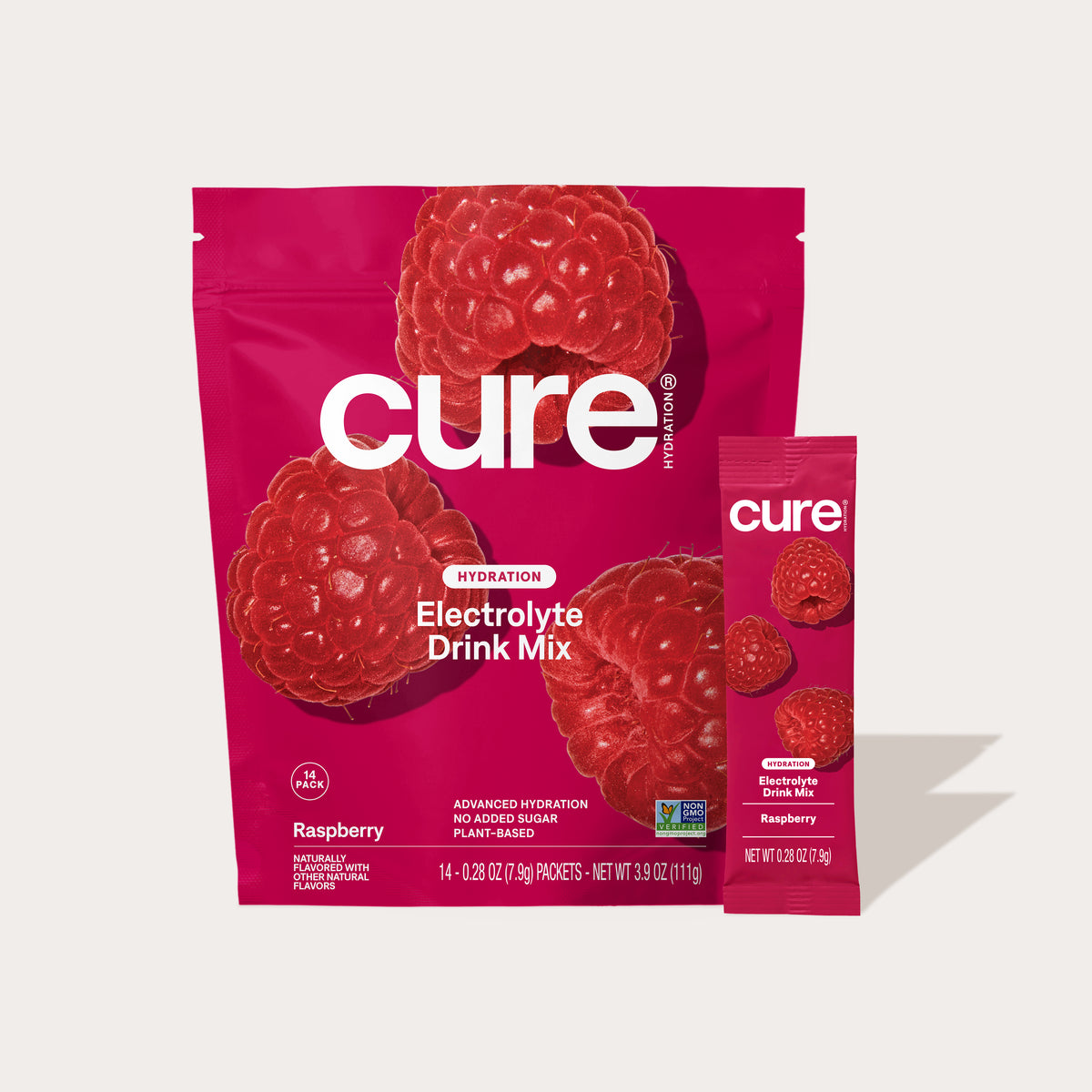
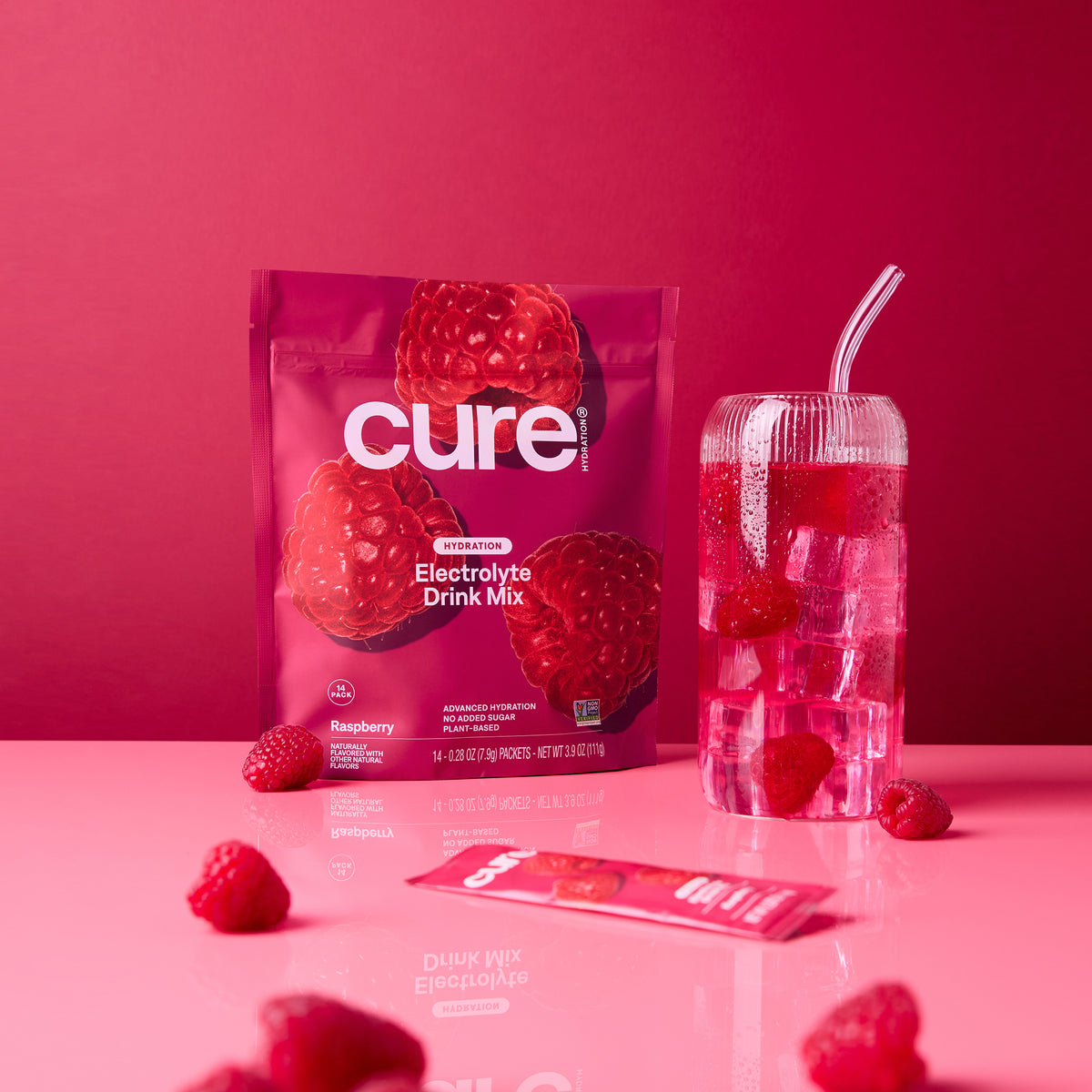
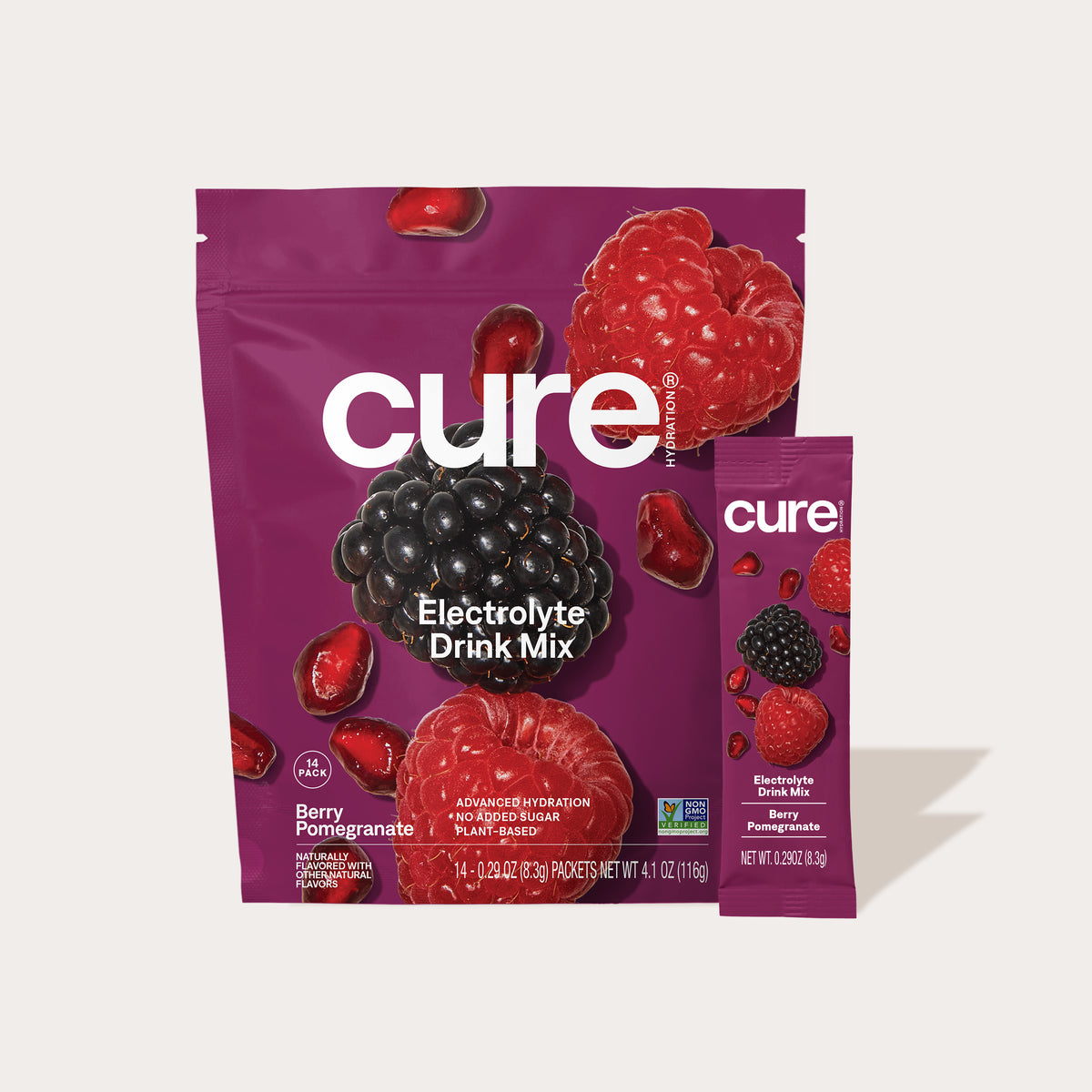
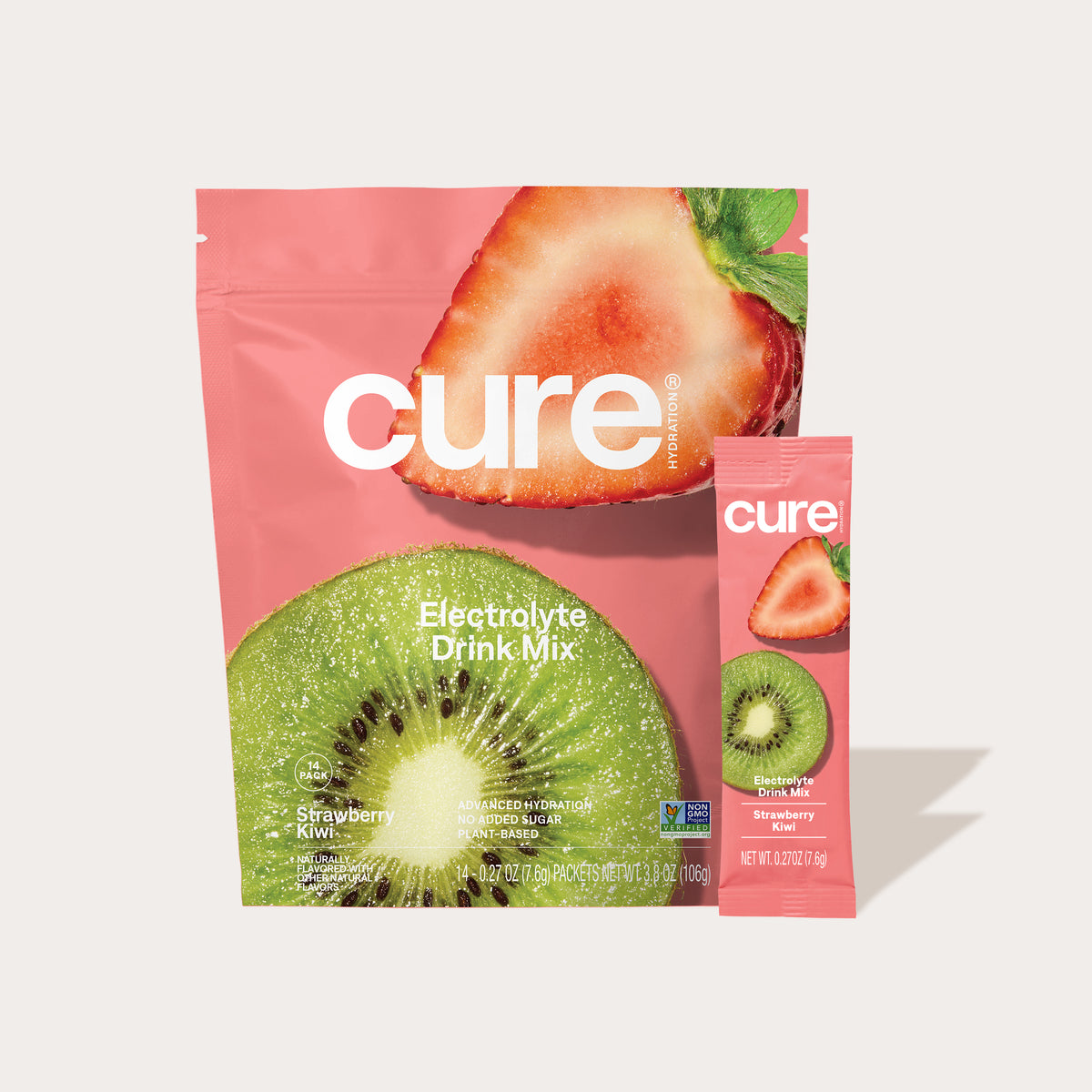
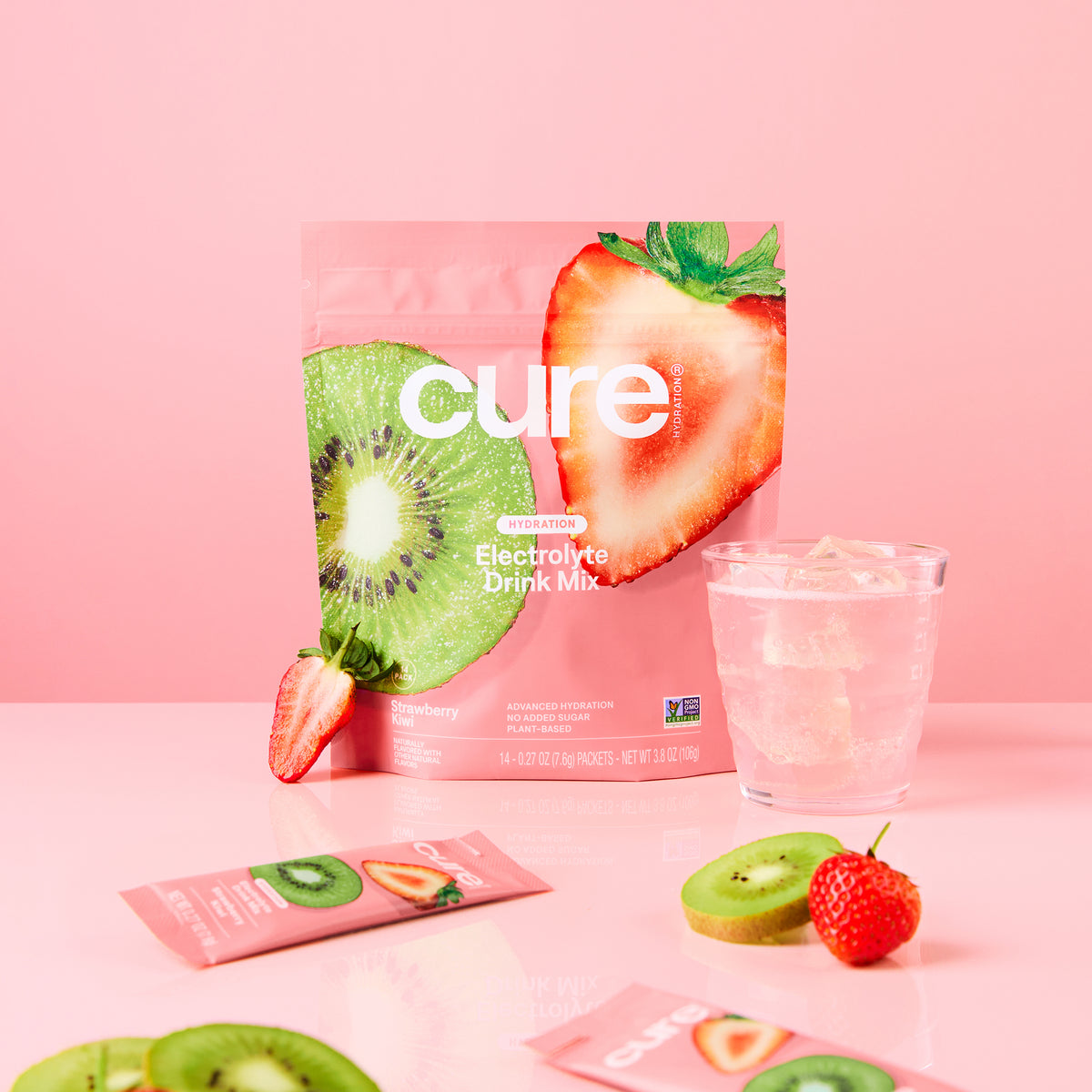
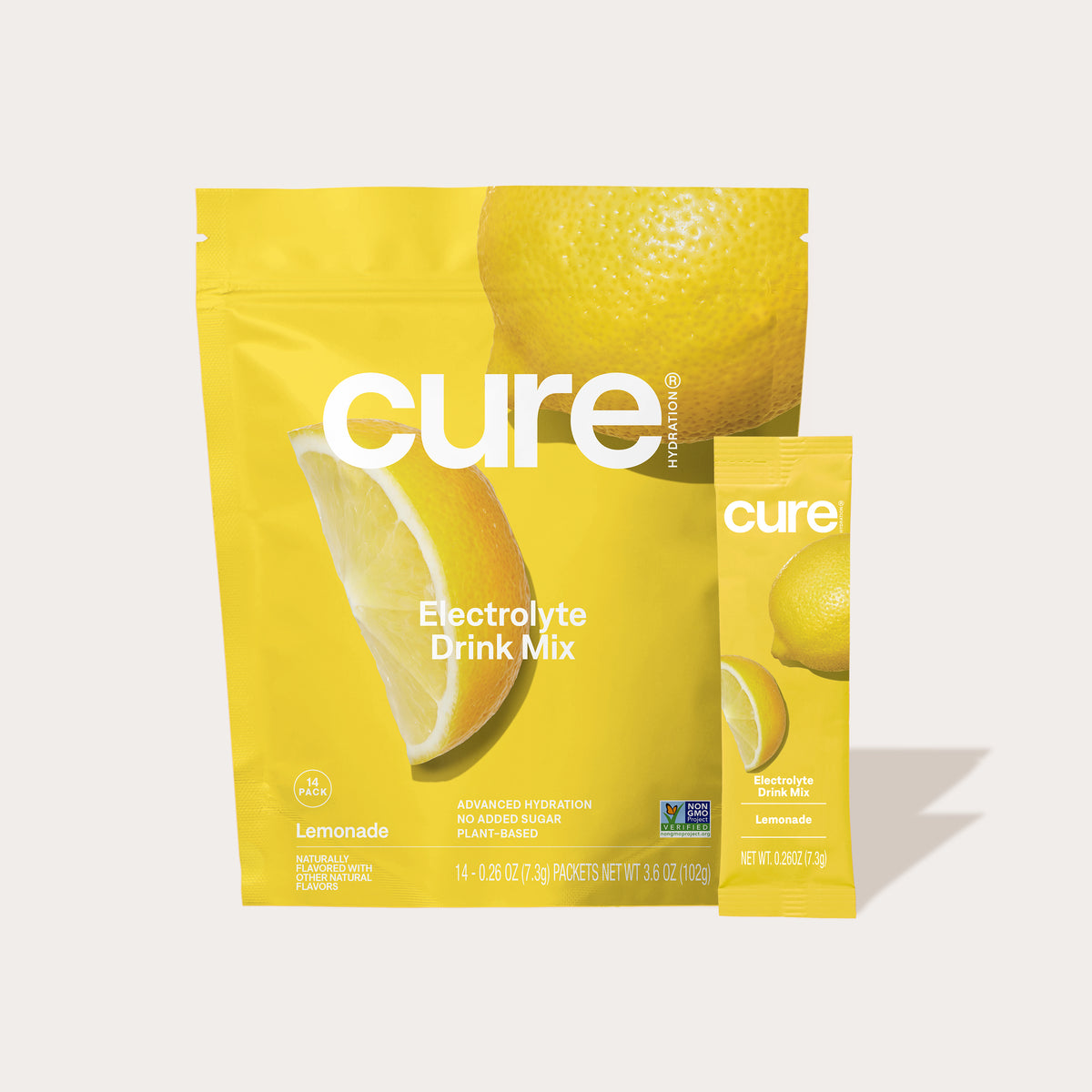
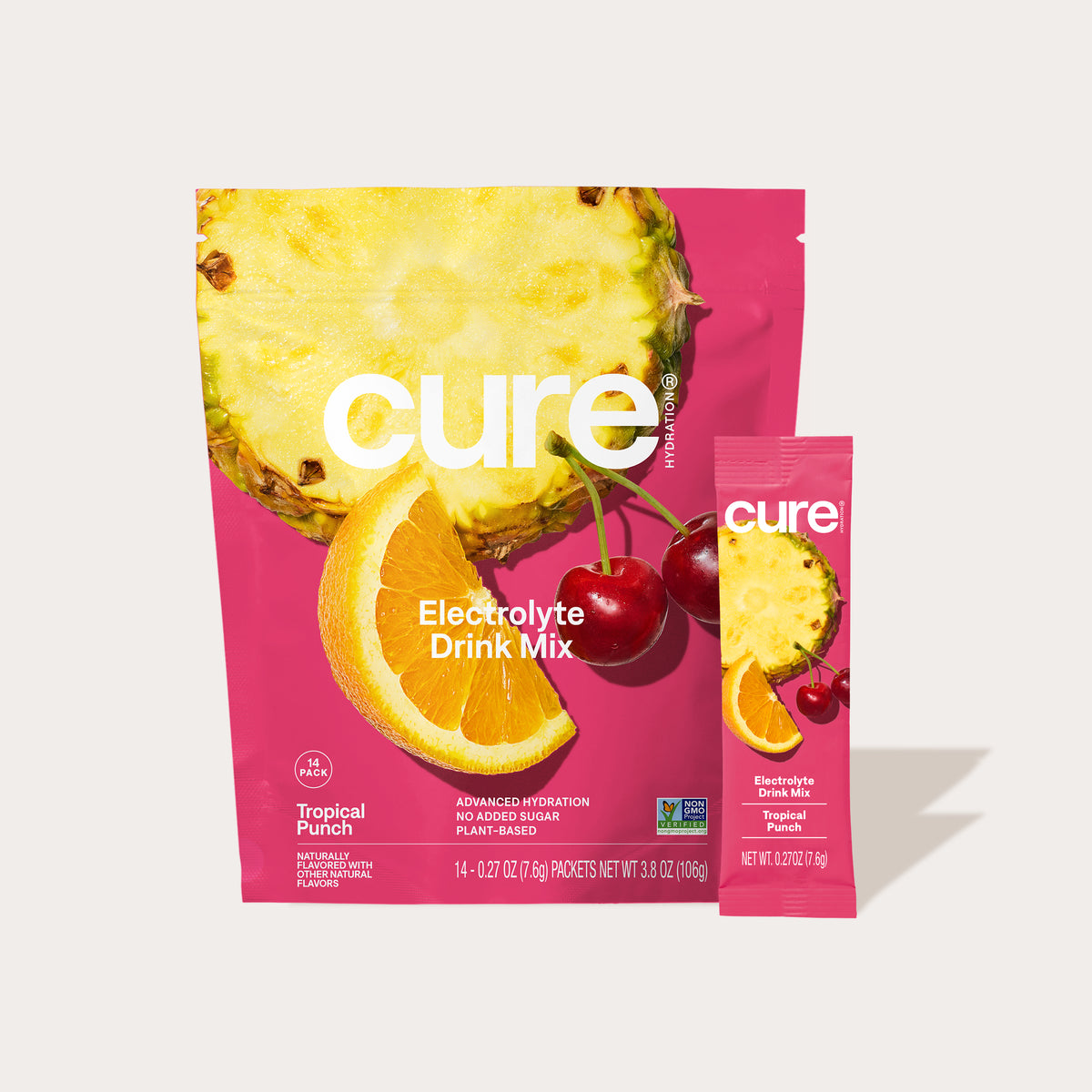
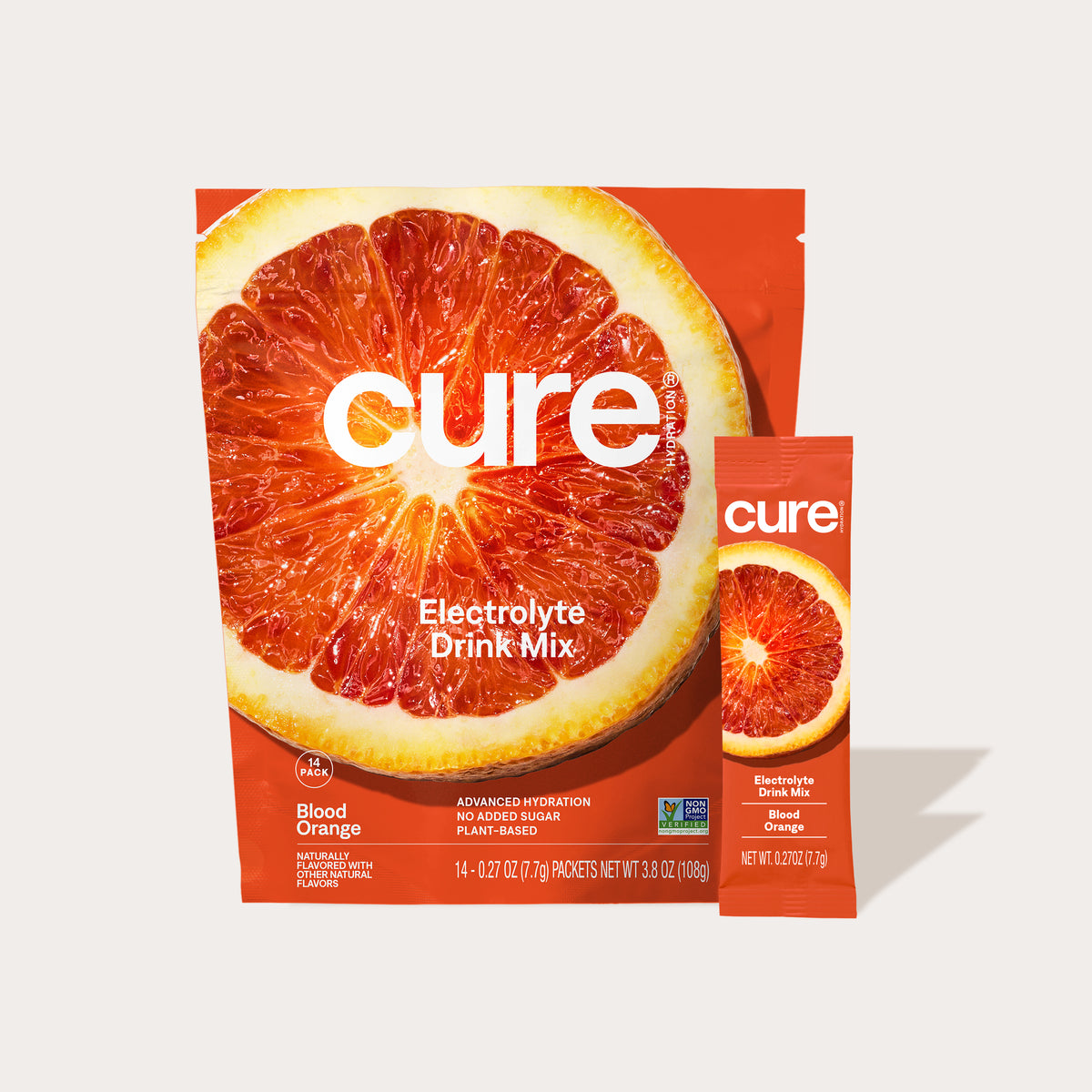
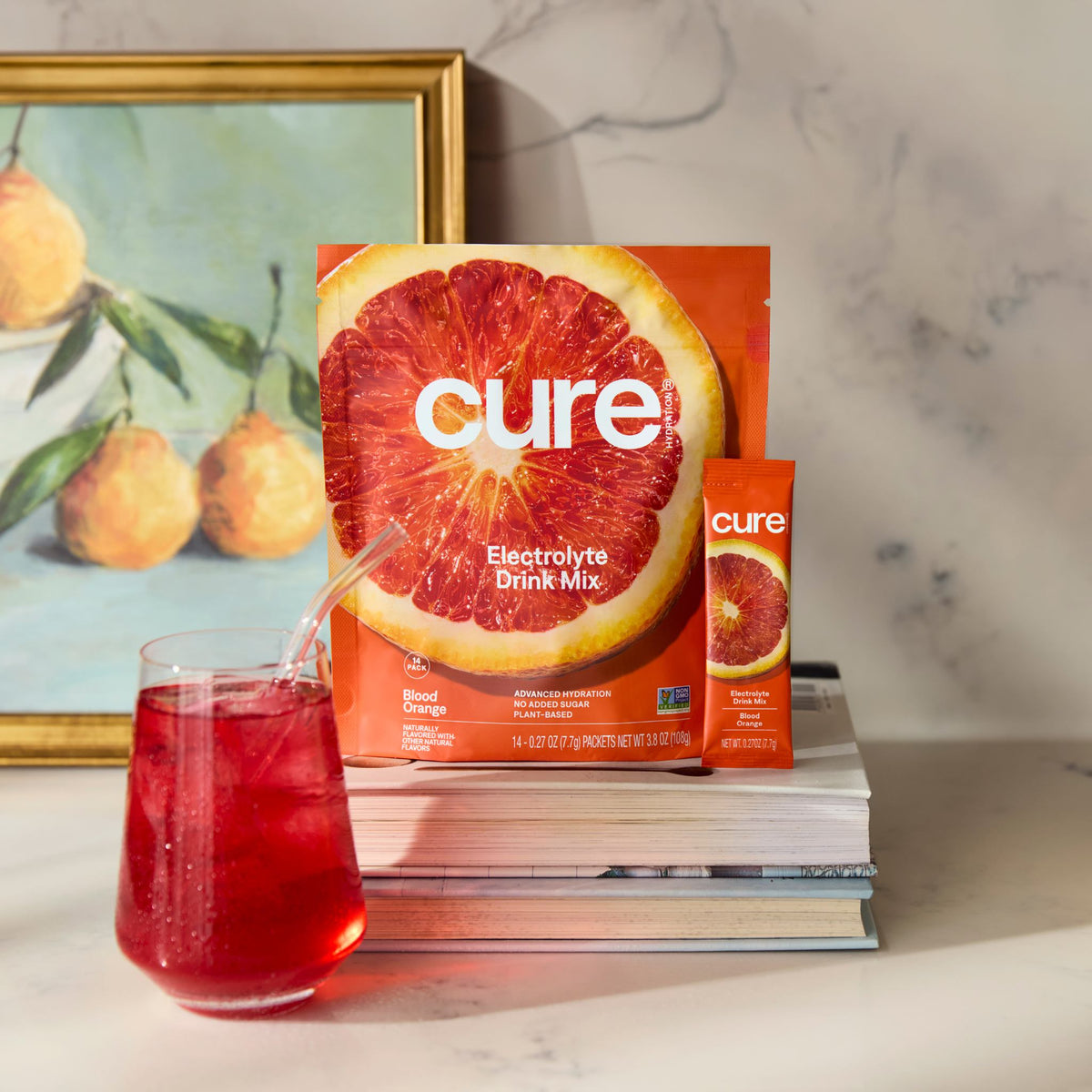
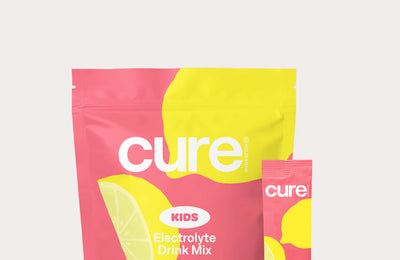
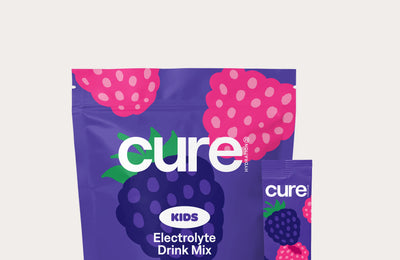
This comprehensive guide will walk you through everything you need to know about electrolytes for children, including age-appropriate recommendations, natural versus commercial options, and the warning signs that indicate your child needs more than basic hydration. You'll discover when electrolyte supplementation is beneficial, which ingredients to avoid, and how brands like Cure Hydration are formulating cleaner alternatives specifically with family health in mind.
Most importantly, you'll gain the confidence to make informed decisions about your child's hydration needs, whether they're dealing with a stomach bug, training for their first marathon, or simply navigating the everyday demands of childhood. Let's dive into the science behind keeping your kids properly hydrated and energized.
Key Takeaways
1. Children's hydration needs are unique, requiring more careful monitoring and different strategies compared to adult hydration approaches.
2. Learn to recognize early dehydration signs like dry lips, decreased urination, and unusual fatigue to quickly address your child's fluid needs.
3. Water should be the primary hydration source, with sports drinks reserved for intense physical activity or situations involving significant fluid and electrolyte loss.
4. Transform hydration into a fun, engaging routine by using creative strategies like colorful water bottles, tracking charts, or playful drinking challenges.
5. Electrolyte balance is crucial for children's overall health, supporting everything from muscle function to cognitive performance during growth and development.
Why Children's Bodies Handle Hydration Differently Than Adults: Understanding Your Child's Unique Hydration Challenges
Your child's body faces distinct hydration challenges that make them more vulnerable to dehydration than adults. During intense exercise, children have impaired sweat gland mechanisms, leading to undesirable increases in core temperature [4]. Even minimal dehydration of just 1-2% significantly affects their athletic performance, including decreased throwing and shooting accuracy, reduced blood flow to muscles, and compromised alertness [21].
Concerning patterns emerge early: 30% of 1-year-olds and 22% of 2- to 3-year-olds do not regularly drink plain water [7]. This early water avoidance creates problematic patterns, since the first 5 years of life represent a crucial period for establishing lifelong beverage preferences [36].
The challenge intensifies because thirst is an inadequate hydration indicator for young athletes. By the time your child feels thirsty, they're already experiencing 3-5% dehydration levels—"already behind the curve" [21]. Small fluid imbalances of just 2-3% body weight immediately decrease athletic performance and training ability [4].
Contrary to earlier thinking, children don't have less-effective temperature regulation compared to adults—as long as they maintain appropriate hydration [20]. This makes proactive hydration strategies essential for supporting your child's active lifestyle and overall health.
Recognizing Dehydration Signs in Your Child: Early Warning Signs Every Parent Should Know
As a parent, you're naturally attuned to changes in your child's behavior, but some dehydration signs can be surprisingly subtle. The most reliable early indicator is urine color - aim for pale yellow like lemonade rather than dark amber [5]. If bathroom breaks become less frequent or urine color deepens, increase fluid intake immediately.
Watch for energy level changes that seem disproportionate to activity. Even minimal dehydration of just 1-2% body weight can significantly affect your child's throwing accuracy, alertness, and reaction time [21]. Your normally energetic child may become unusually sluggish during play, or your teenage athlete's performance may drop unexpectedly.
Behavioral shifts often precede physical symptoms. Children may become irritable, have difficulty concentrating, or complain of headaches before obvious signs appear. Since thirst signals 3-5% dehydration levels, your child is "already behind the curve" when they feel thirsty [21].
Physical signs include dry mouth, fewer tears when crying, and skin that doesn't bounce back quickly when gently pinched. Children ages 4-8 need approximately 5 cups of fluid daily, while younger children (1-3 years) require about 4 cups per day [5].
Monitor these signs more closely during sports or outdoor play, as hydration needs increase significantly with physical exertion.
Water vs. Sports Drinks: Making Smart Choices for Your Child
For most childhood activities, plain water remains the gold standard for hydration. This becomes especially important considering that 30% of 1-year-olds and 22% of 2- to 3-year-olds don't regularly drink plain water [7].
Water serves as your child's perfect hydration companion because it contains zero calories, no added sugar, and supports all body systems without negative health impacts [36]. Unlike sports drinks, water doesn't contribute to excessive caloric intake or dental problems [20].
Even minimal dehydration of just 1-2% significantly affects your child's performance, decreasing throwing accuracy, reducing blood flow to muscles, and compromising alertness [21]. Water addresses these concerns without unnecessary additives found in commercial beverages.
The first 5 years represent a crucial period for establishing lifelong beverage preferences [36]. By making water your child's go-to drink now, you're setting them up for healthy hydration habits that will benefit them throughout their lives.
When Your Child Might Need Electrolyte Support
While water remains the gold standard for most childhood hydration needs, certain situations call for additional electrolyte support.
High-Intensity Athletic Activities
Young athletes face unique challenges during prolonged exercise. Even minimal dehydration of 1-2% significantly affects athletic performance, including decreased throwing accuracy and increased heat illness risk [21]. Thirst is an inadequate hydration indicator—by the time your child feels thirsty, they're already 3-5% dehydrated [21].
Extreme Weather Conditions
When temperatures exceed 90°F, children become especially vulnerable to dehydration [23]. Monitor sweat patterns—white residue on clothing indicates high sodium loss requiring electrolyte replacement beyond plain water [13].
Illness Recovery
During vomiting, diarrhea, or fever, children lose significant electrolytes alongside fluids. Electrolyte replacement becomes crucial for proper recovery, though you should always consult your pediatrician for guidance.
Creating Healthy Hydration Habits That Stick: Making Hydration Fun and Routine
Establishing healthy hydration habits in children requires creativity and consistency, as many parents are unaware that insufficient water intake can negatively impact their child's health [36]. The key is transforming hydration from a chore into an enjoyable daily ritual.
Make water visually appealing with colorful cups, fun straws, or bottles featuring favorite characters. Create hydration games like "water races" or use sticker charts to track daily intake. Since the first 5 years of life are crucial for establishing lifelong beverage preferences [36], these early positive associations are invaluable.
Build routines by linking water consumption to existing habits—a glass upon waking, before meals, and after playground time. This is particularly important since 30% of 1-year-olds and 22% of 2- to 3-year-olds don't regularly drink plain water [7].
Consider natural flavor enhancers like fresh fruit slices or mint leaves to make water exciting without added sugars. Children under 2 years should have no artificial sweeteners [17], making these natural options especially important for toddlers. When children associate hydration with fun activities and positive experiences, they're more likely to maintain these healthy habits throughout their lives.
Frequently Asked Questions
Q: How do children's hydration needs differ from adults?
Children's bodies have a higher surface area to volume ratio, which means they lose water and electrolytes more quickly than adults. Their metabolism is faster, and they're often more active, making them more susceptible to dehydration. Unlike adults, kids may not recognize early thirst signals, so parents need to be proactive about monitoring their fluid intake.
Q: What are the most important signs of dehydration in children?
Key dehydration signs include decreased urination, dark yellow urine, dry mouth, unusual lethargy, sunken eyes, and lack of tears when crying. If your child shows these symptoms, especially during hot weather or after intense physical activity, it's crucial to replenish fluids and electrolytes immediately. When in doubt, consult your pediatrician.
Q: Are sports drinks always necessary for kids?
Sports drinks aren't recommended as a default beverage for children. Water is typically the best hydration source for most daily activities. Electrolyte drinks become beneficial during prolonged exercise, intense heat, illness with vomiting or diarrhea, or extended physical activities lasting more than an hour. Choose low-sugar options and avoid unnecessary electrolyte supplementation.
Q: How can I make hydration more appealing to my child?
Transform hydration into a fun experience by using colorful water bottles, creating hydration challenge games, offering fruit-infused water, using fun ice cube shapes, or setting up reward systems. Make drinking water a positive, engaging activity. For younger kids, you can use sticker charts or create playful hydration tracking methods that make drinking water exciting.
Q: Can children drink too much water?
While rare, overhydration is possible and can lead to a dangerous condition called hyponatremia, where sodium levels become dangerously low. Balance is key. Encourage regular, moderate water intake throughout the day. For most children, drinking when thirsty and consuming water with meals is sufficient. If your child is drinking excessive amounts of water, consult a healthcare professional to rule out any underlying issues.
Expert Insights
Keeping your kids properly hydrated doesn't have to feel like an uphill battle. By understanding the role of electrolytes and implementing the strategies we've covered – from recognizing dehydration signs to choosing the right drinks for different situations – you're already setting your family up for success. Remember, the goal isn't perfection; it's progress. Whether your child prefers water with a splash of fruit juice, enjoys coconut water as a treat, or needs an electrolyte drink after intense sports, you now have the knowledge to make informed choices.
The beauty of healthy hydration lies in its simplicity. Start with water as your foundation, add electrolytes when needed, and keep sugary sports drinks for truly active moments. Your kids will develop better hydration habits that will serve them well into adulthood, and you'll have peace of mind knowing you're supporting their growing bodies in the best way possible.
Every family's hydration journey looks different, and that's exactly what makes this community so valuable. Share your family's hydration tips in the comments below! Have a unique trick that keeps your kids drinking and feeling great? We'd love to hear it – your insight might help another parent struggling to keep their little ones healthy and happy. Drop your wisdom and let's learn from each other!
References
- [1] [drinkcaliwater.com](https://drinkcaliwater.com/blogs/news/best-electrolyte-drinks-for-kids)
- [2] [thegoodtrade.com](https://thegoodtrade.com/features/hydration-drinks-for-kids)
- [4] [Children, Adolescents and Urine Hydration Indices—A Systematic ...](https://pmc.ncbi.nlm.nih.gov/articles/PMC11854905/)
- [5] [Choose Water for Healthy Hydration - HealthyChildren.org](https://www.healthychildren.org/English/healthy-living/nutrition/Pages/Choose-Water-for-Healthy-Hydration.aspx)
- [6] [Functional beverages: Top trends of hydration, gut health and energy](https://www.beveragedaily.com/Article/2025/04/23/functional-beverages-top-trends-of-hydration-gut-health-and-energy/)
- [7] [Survey Study Explores Low-Income Parents' Beliefs About Healthy ...](https://pmc.ncbi.nlm.nih.gov/articles/PMC12696295/)
- [8] [Energy and sports drinks in children and adolescents - PMC](https://pmc.ncbi.nlm.nih.gov/articles/PMC5823002/)
- [9] [2025 Beverage trends: Water enhancers, functional drinks takeoff](https://www.foodnavigator-usa.com/Article/2024/11/14/2025-beverage-trends-water-enhancers-functional-drinks-takeoff/)
- [11] [COPC Registered Dietitian Breaks Down Sports & Energy Drink ...](https://www.copcp.com/Articles/Details/260-copc-registered-dietitian-breaks-down-spo)
- [12] [[PDF] Healthy Beverage Consumption in School-Age Children and ...](https://healthyeatingresearch.org/wp-content/uploads/2024/11/HER_ConsensusStatement_FINAL.pdf)
- [13] [Hydration 101: Drinking 8 Glasses of Water and Other Myths ...](https://www.urmc.rochester.edu/news/publications/health-matters/hydration-101-drinking-8-glasses-of-water-and-other-myths-debunked)
- [15] [Nutrition-related claims lead parents to choose less healthy drinks ...](https://pmc.ncbi.nlm.nih.gov/articles/PMC8971006/)
- [16] [Effects of fortified electrolyte drink on cognitive, mood, and nutritional ...](https://onlinelibrary.wiley.com/doi/10.1111/ijfs.17578?af=R)
- [17] [Are sugar substitutes safe for kids? - Children's Health](https://www.childrens.com/health-wellness/are-sugar-substitutes-safe-for-kids)
- [19] [Functional Beverages Market Size to Hit USD 314.04 Bn by 2035](https://www.precedenceresearch.com/functional-beverages-market)
- [20] [Are Sports Drinks a Smart Choice for Young Athletes? - ACE Fitness](https://www.acefitness.org/resources/pros/expert-articles/8935/are-sports-drinks-a-smart-choice-for-young-athletes/)
- [21] [For Young Athletes, Drinking Water and Eating Healthy Is Key](https://www.chla.org/blog/advice-experts/young-athletes-drinking-water-and-eating-healthy-key)
- [22] [Summer safety tips every parent should know - News](https://news.llu.edu/health-wellness/summer-safety-tips-every-parent-should-know)
- [23] [Extreme Heat: Tips to Keep Kids Safe When Temperatures Soar](https://www.healthychildren.org/English/safety-prevention/at-home/Pages/Protecting-Children-from-Extreme-Heat-Information-for-Parents.aspx)
- [24] [The impact of water consumption on hydration and cognition among ...](https://pmc.ncbi.nlm.nih.gov/articles/PMC6336322/)
- [25] [Water and Electrolytes - Recommended Dietary Allowances - NCBI](https://www.ncbi.nlm.nih.gov/books/NBK234935/)
- [26] [Water Intoxication: Symptoms, Causes, Intake Levels, and More](https://resources.healthgrades.com/right-care/symptoms-and-conditions/water-intoxication)
- [27] [Effects of a front-of-package disclosure on accuracy in assessing ...](https://pmc.ncbi.nlm.nih.gov/articles/PMC10755381/)
- [28] [Family Facilitators of, Barriers to and Strategies for Healthy Eating ...](https://pmc.ncbi.nlm.nih.gov/articles/PMC9920773/)
- [29] [How pictorial warnings change parents' purchases of sugar ...](https://pmc.ncbi.nlm.nih.gov/articles/PMC10290296/)
- [30] [Consumers Read Food Labels, But Don't Always Understand or ...](https://www.prnewswire.com/news-releases/consumers-read-food-labels-but-dont-always-understand-or-trust-them-new-coast-packingipsos-survey-reveals-300291564.html)
- [31] [Parents' nutrition knowledge, perceived barriers and enablers, and ...](https://www.frontiersin.org/journals/nutrition/articles/10.3389/fnut.2025.1651528/full)
- [32] [Educational Content Marketing: Unlock The Power Of Blogging](https://www.higher-education-marketing.com/blog/unlocking-the-power-of-blogging-in-educational-marketing)
- [33] [Kids' Wellness Matters Podcast Ep. 14: Summer Hydrating Hacks](https://www.luriechildrens.org/en/kids-wellness-matters/summer-hydration-hacks/)
- [34] [The Role of Hydration in Children and Adolescents—A Theoretical ...](https://pmc.ncbi.nlm.nih.gov/articles/PMC12430526/)
- [35] [The Best Infographics About Parent Involvement In Schools](https://engagingparentsinschool.edublogs.org/2013/08/20/the-best-infographics-about-parent-involvement/)
- [36] [Healthy Hydration Campaign Toolkit - AAP](https://www.aap.org/en/news-room/campaigns-and-toolkits/healthy-hydration/)
- [37] [[DOC] Fluid and Electrolyte Therapy in Children - Stanford Medicine](https://med.stanford.edu/content/dam/sm/pednephrology/documents/secure/FluidElectrolyteTherapy.doc)