








What does “pregnancy-safe hydration” mean to you as an OB-GYN?
To me, pregnancy-safe hydration means meeting the body’s increased fluid needs with ingredients that are well understood, appropriately dosed, and free from unnecessary stimulants or poorly studied supplements.
Pregnancy increases the body’s demand for water. Adequate hydration supports circulation, digestion, temperature regulation, nutrient transport, waste removal, and the production of amniotic fluid. ACOG generally recommends drinking 8–12 cups, or 64–96 ounces, of water per day during pregnancy, although individual needs vary based on body size, activity level, climate, illness, vomiting, and other medical conditions. (ACOG)
For most healthy pregnant patients, hydration does not need to be complicated. Water should remain the foundation. An electrolyte drink can be a convenient and useful addition when fluid or electrolyte losses are increased or when nausea makes plain water difficult to tolerate.
What are the biggest misconceptions you hear about hydration products during pregnancy?
One of the biggest misconceptions is that every pregnant woman needs an electrolyte drink every day. Electrolytes are important for fluid balance, muscle function, nerve signaling, and other basic processes, but most people obtain adequate electrolytes through a balanced diet. For someone eating normally, feeling well, and participating in routine daily activities, plain water is often enough. (Ods)
The opposite misconception is that electrolyte products are inherently unsafe because they contain sodium, sugar, sweeteners, or ingredients with chemical-sounding names. Safety is determined by the ingredient, dose, frequency, and the individual patient, not simply by whether the ingredient sounds “natural.”
Another misconception is that more electrolytes always equal better hydration. Electrolytes are helpful when the body has actually lost fluid and minerals, but routinely consuming very concentrated products can be unnecessary. A product should supplement hydration rather than turn every glass of water into a high-dose vitamin, mineral, or stimulant drink.
Finally, patients sometimes assume that an electrolyte drink can treat significant dehydration or replace medical care. Persistent vomiting, inability to keep fluids down, fainting, confusion, very limited urination, contractions, decreased fetal movement, or other concerning symptoms require medical evaluation. A hydration product is not a substitute for assessment by a doctor or intravenous fluids when those are needed.
Which ingredients in electrolyte drinks should pregnant or breastfeeding women approach with caution?
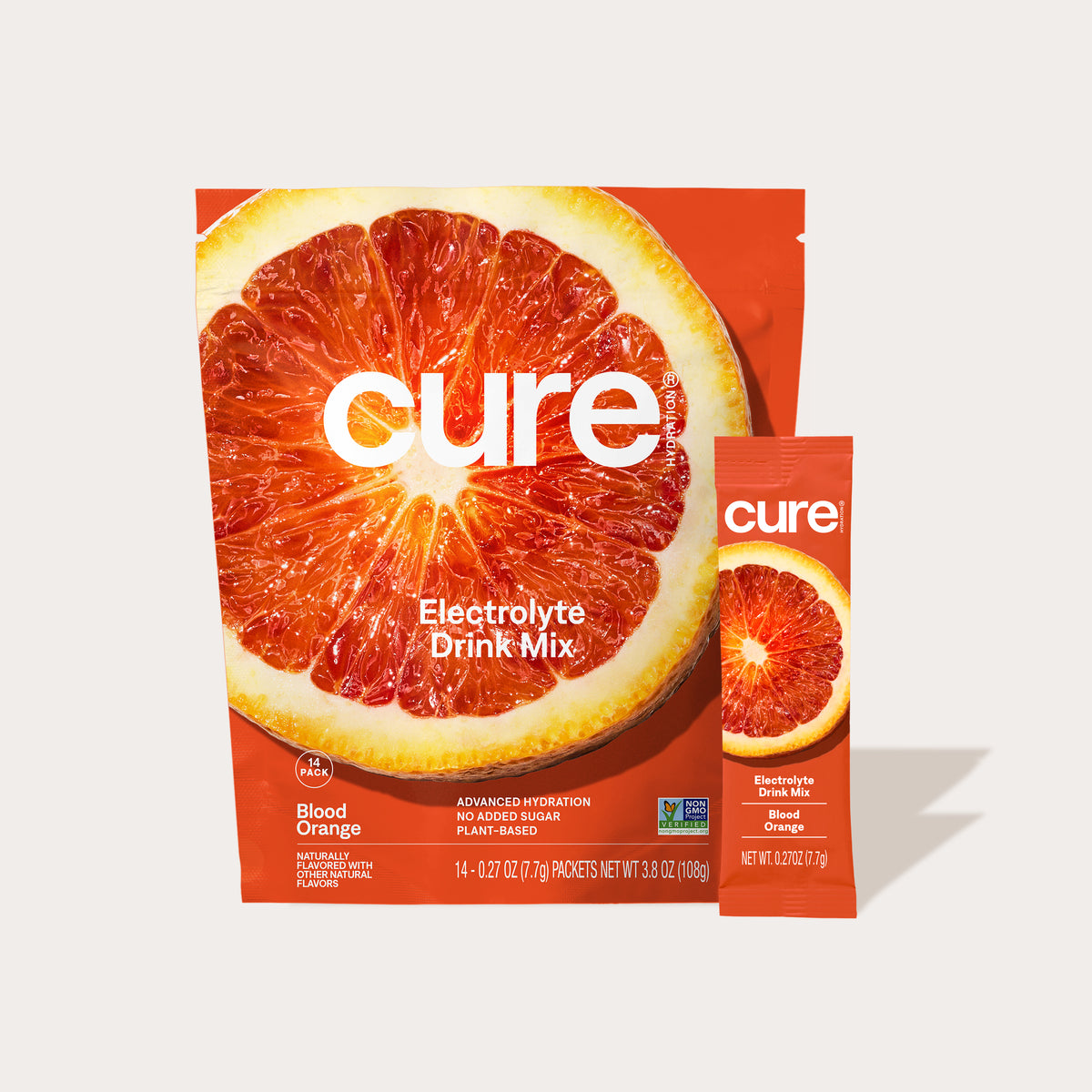
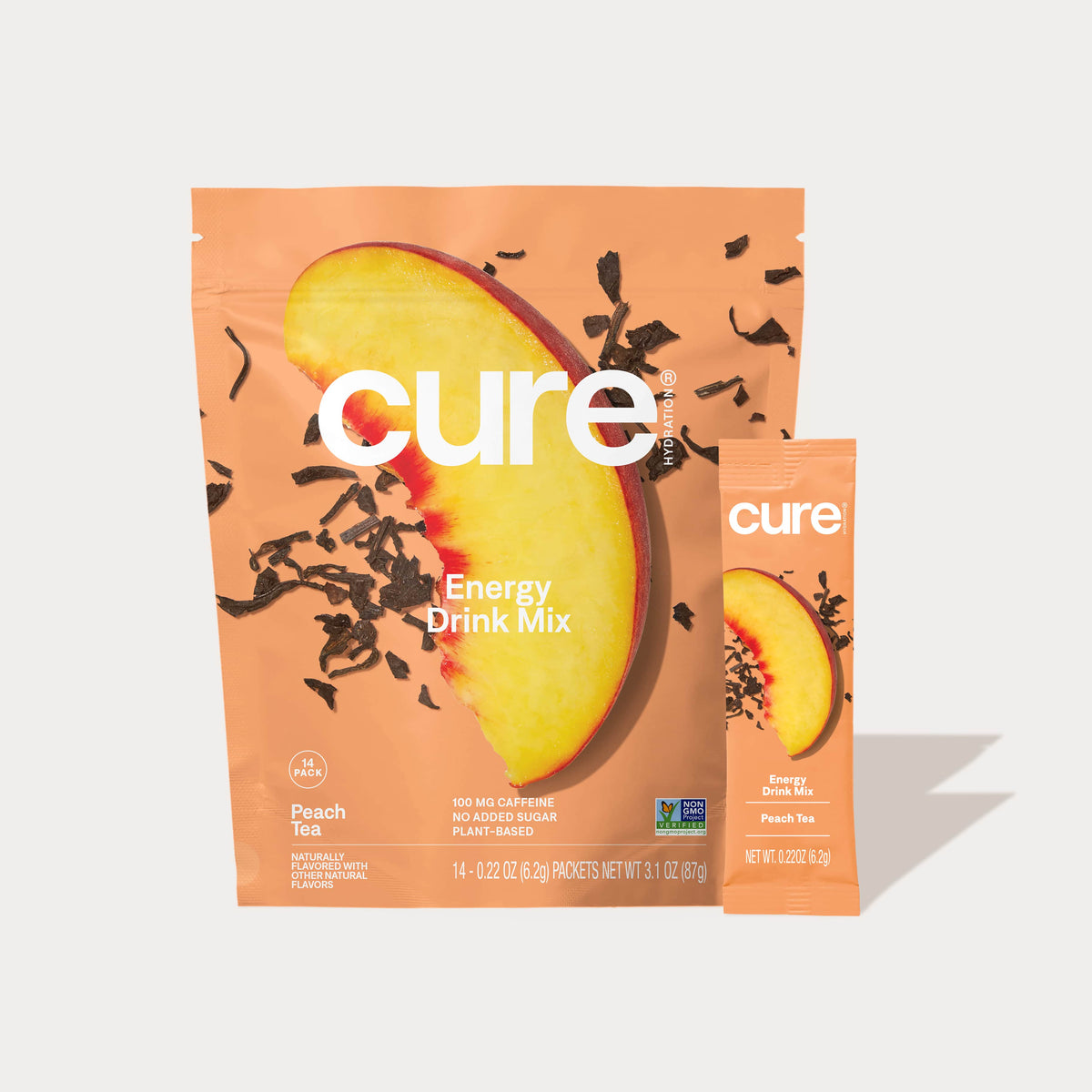
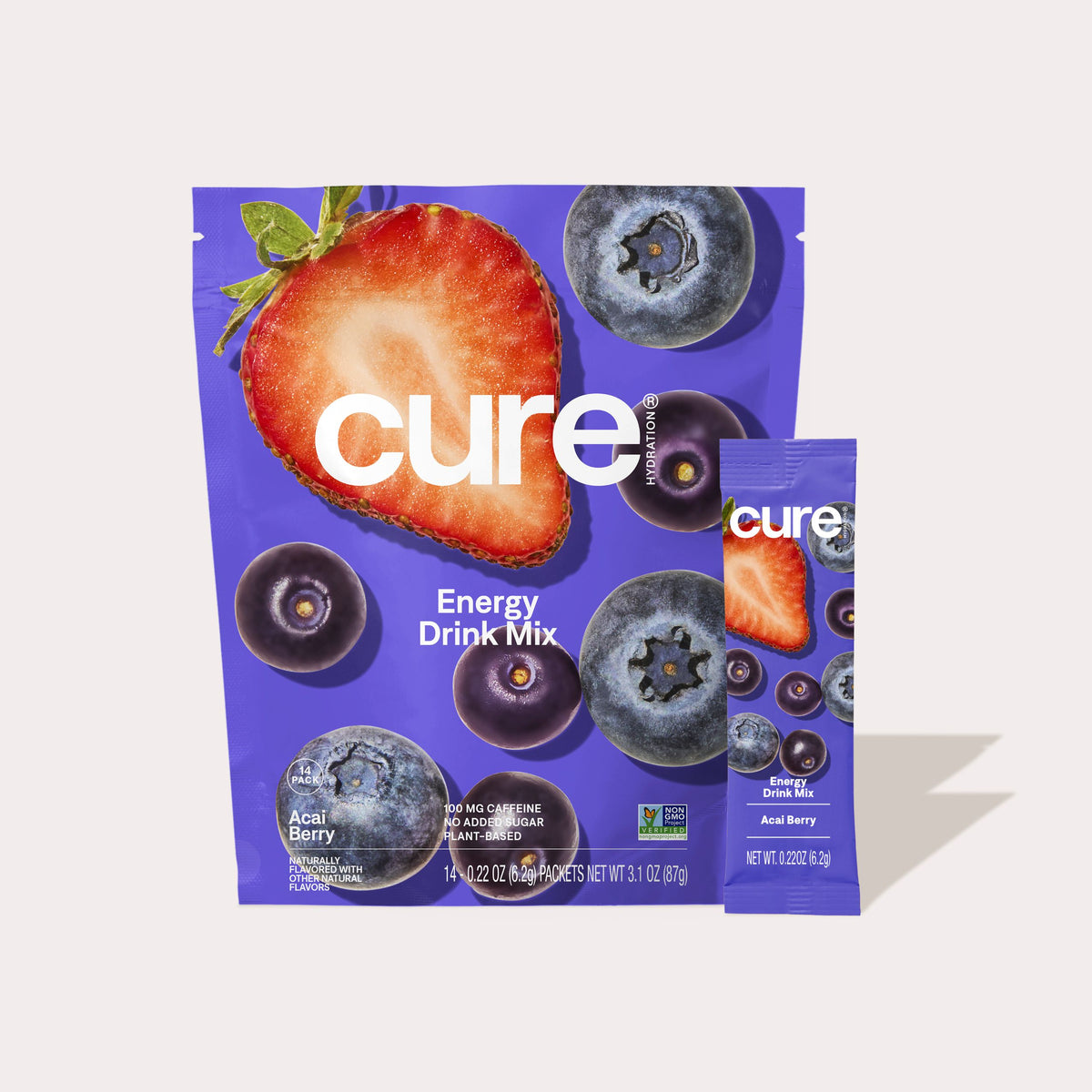
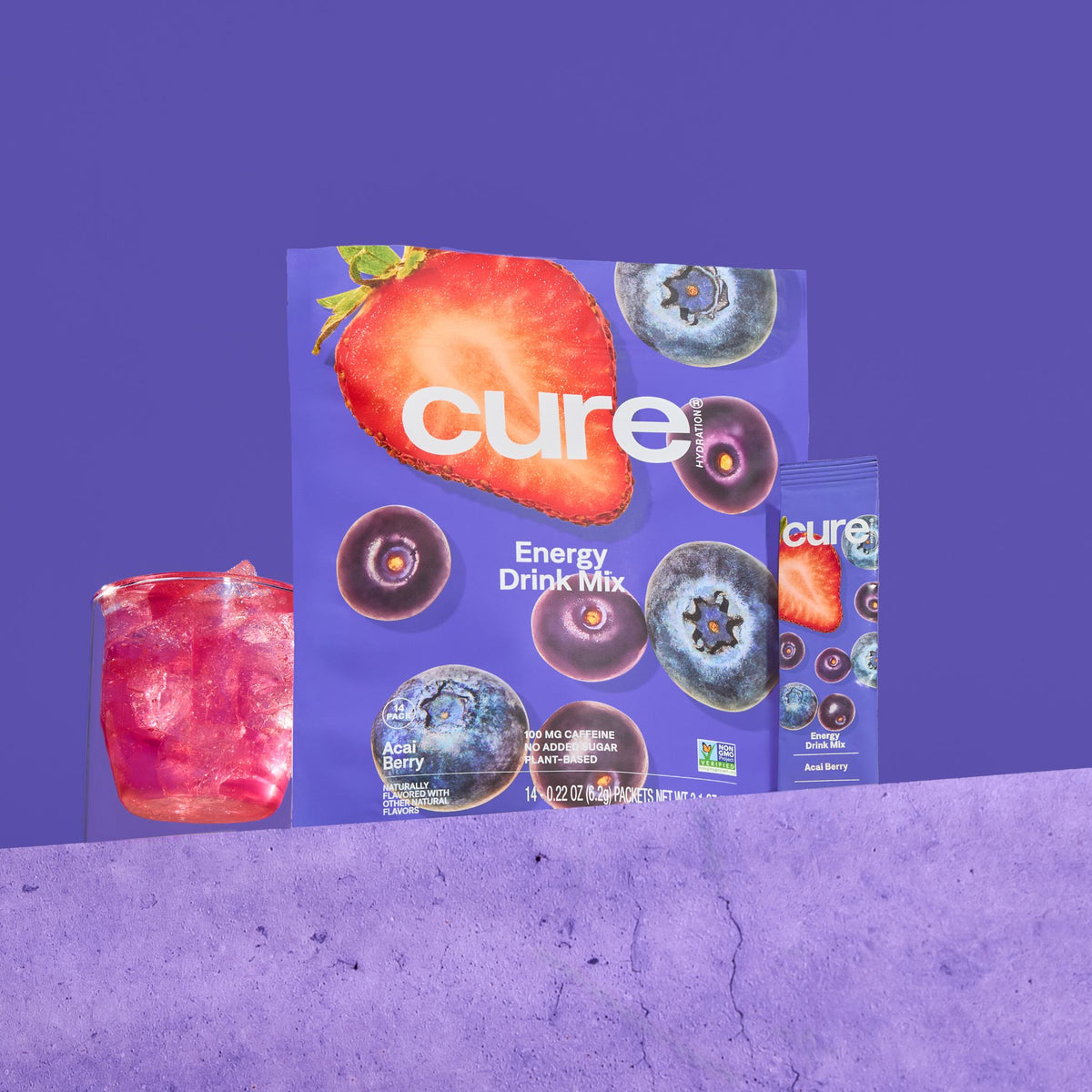
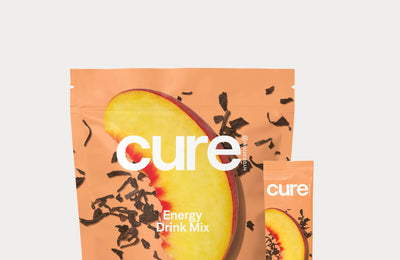
The first thing I recommend checking is caffeine and other stimulants. Some products marketed for hydration, performance, or energy contain caffeine from coffee, tea, guarana, yerba mate, or other sources. During pregnancy, ACOG recommends keeping total caffeine intake below 200 milligrams per day. Patients should count caffeine from all sources, not just coffee. During breastfeeding, moderate caffeine intake is generally compatible with nursing, but high intake may contribute to infant fussiness, jitteriness, or sleep disruption. (U.S. Food and Drug Administration)
I also advise caution with proprietary herbal blends, adaptogens, and botanical extracts. “Natural” does not automatically mean pregnancy-safe. Many herbal ingredients have limited pregnancy and lactation safety data, may interact with medications, and may not be standardized consistently. Dietary supplements are also regulated differently from prescription medications and do not undergo the same premarket approval process.
Patients should watch for large doses of vitamins and minerals, particularly when they are already taking a prenatal vitamin. More is not always better. An electrolyte drink does not need to function as a second prenatal vitamin, and repeatedly combining fortified drinks, supplements, and prenatal vitamins can lead to unnecessary or excessive intake.
The amount of added sugar also matters, especially for patients with diabetes, gestational diabetes, or difficulty controlling blood glucose. Sugar is not automatically unsafe, and glucose can serve a functional role in fluid absorption. In formal oral rehydration solutions, glucose helps the intestine absorb sodium and water. However, that does not mean that every routine hydration drink needs a large amount of sugar. (World Health Organization)
Patients with kidney disease, heart disease, certain blood-pressure conditions, or medications that affect potassium or sodium should ask their clinician before regularly using a high-electrolyte product. These recommendations need to be individualized rather than based on pregnancy alone.
Finally, sugar alcohols or very high doses of magnesium may cause bloating, cramping, or diarrhea in some people. That is particularly counterproductive when someone is already nauseated or trying to replace fluid losses.
Are there common ingredients women avoid during pregnancy that are actually safe?
Yes. Pregnancy often makes women understandably cautious, but many common beverage ingredients are not automatically unsafe.
Sodium is one example. Sodium is an essential electrolyte involved in fluid balance, nerve signaling, and muscle function. Pregnant women do not generally need to eliminate sodium from their diets. The relevant question is whether the amount is appropriate for the person and the situation.
A small amount of sugar can also be appropriate. Sugar is sometimes treated as though any amount makes a hydration product unhealthy, but glucose has a legitimate physiological role in oral rehydration because it supports sodium and water absorption in the intestine. The goal is an intentional amount rather than excessive sweetness or unnecessary calories. (World Health Organization)
Ingredients such as citric acid, citrate salts, and standard food flavoring ingredients are also frequently misunderstood simply because their names sound unfamiliar. A long chemical name does not automatically indicate risk.
What separates a clinically useful hydration product from one that simply has a “clean” ingredient list?
“Clean” is primarily a marketing term; it is not a standardized medical definition. A short ingredient list may be appealing, but it does not automatically tell us whether a product will effectively support hydration.
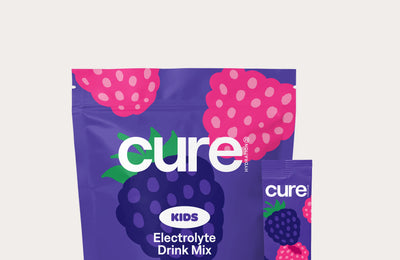
A clinically useful product should have a clear purpose. It should provide fluid along with reasonable amounts of electrolytes, particularly sodium, without relying on megadoses, unnecessary stimulants, or a long list of supplements. It should be tolerable, easy to drink, transparent about ingredient quantities, and practical enough that the patient will actually use it.
The balance of ingredients matters as much as the number of ingredients. Oral rehydration science demonstrates that sodium and glucose can work together to improve intestinal absorption of water. That does not mean every commercial electrolyte product is equivalent to a medical oral rehydration solution, but it illustrates why judging a product only by whether it is sugar-free or has a short label can be misleading. (World Health Organization)
I also look for transparency. Consumers should be able to see exactly how much sodium, potassium, magnesium, sugar, and caffeine they are consuming. A hydration product should not hide active ingredients inside proprietary blends or use the word “natural” as a substitute for meaningful safety data.
Ultimately, the most clinically useful product is not the one with the most aggressive wellness claims. It is one that safely helps the patient replace what she is losing, drink enough fluid, and feel better.
How do your hydration recommendations change from pregnancy to breastfeeding to postpartum?
During pregnancy, the emphasis is on consistently meeting increased fluid needs. ACOG recommends approximately 8–12 cups of water daily, but more may be needed with exercise, heat exposure, fever, vomiting, or diarrhea. I encourage patients to drink throughout the day rather than trying to catch up all at once. (ACOG)
During breastfeeding, thirst often increases because the body is producing milk. I typically recommend drinking to thirst, keeping water accessible during feeds or pumping sessions, and watching practical markers such as urine color, urination frequency, headaches, dry mouth, and overall well-being. Breastfeeding does not mean a mother needs to force excessive amounts of water, and drinking beyond thirst has not been shown to create an unlimited increase in milk supply. Milk production depends much more on effective and frequent milk removal.
Electrolytes can be helpful during breastfeeding when there is heavy sweating, illness, poor oral intake, significant exercise, or difficulty drinking enough plain water. Caffeine still deserves attention because it does pass into breast milk in small amounts. CDC considers approximately 300 milligrams or less per day a low-to-moderate intake during breastfeeding, although some infants—especially younger or preterm infants—may be more sensitive. (CDC)
The early postpartum period deserves special attention because fluid needs can change quickly. A patient may be recovering from blood loss, surgery, prolonged labor, vomiting, fever, medications, or significant shifts in body fluid. She may also be breastfeeding while sleeping very little and forgetting to eat or drink.
At the same time, postpartum swelling is common, and some patients with hypertensive disorders, heart problems, kidney conditions, or postpartum preeclampsia require individualized fluid and sodium guidance. In addition, new or worsening shortness of breath, chest pain, severe headache, vision changes, marked swelling, or rapidly worsening symptoms should never be treated by simply drinking more electrolytes. Those symptoms require prompt medical assessment.
When do you recommend electrolytes to patients, and when is plain water enough?
Plain water is usually enough for routine hydration when a patient is eating normally, participating in ordinary daily activity, and not losing significant fluid through sweat, vomiting, or diarrhea. Most healthy people can replace their everyday electrolyte losses through food and water. (Ods)
I am more likely to recommend an electrolyte drink when a patient is:
-
Experiencing nausea or vomiting and struggling to tolerate plain water
-
Recovering from diarrhea or another gastrointestinal illness
-
Exercising or working outdoors in significant heat
-
Sweating heavily for an extended period
-
Traveling and having difficulty maintaining normal food and fluid intake
-
In labor or recovering postpartum, when oral intake is permitted and appropriate
-
Breastfeeding while also experiencing increased fluid losses or poor oral intake
-
Finding that a flavored drink makes it easier to consume adequate fluid
Electrolytes are most useful when they solve a specific problem: replacing losses, improving fluid absorption, or making hydration easier to maintain.
My recommendation is to let water provide the foundation, obtain most nutrients through food, and use a thoughtfully formulated electrolyte product when the circumstances make it useful.
As always, patients with significant pregnancy complications, persistent vomiting, diabetes, kidney or heart disease, hypertension, or fluid restrictions should discuss individualized hydration recommendations with their own OBGYN.