








At some point, adding salt to water stopped being a weird idea and started being a wellness staple. And if you've gone down this path, you've probably noticed that not all salt is treated equally. Pink Himalayan salt, in particular, shows up in hydration products, wellness content, and kitchen counters everywhere.
But is pink Himalayan salt actually better for hydration than regular table salt? And what kind of salt should you add to water if you're trying to stay properly hydrated? Let's look at what the science and the ingredient label actually say.
What Makes Pink Himalayan Salt Different
Pink Himalayan salt comes from ancient sea salt deposits in the Khewra Salt Mine in Pakistan. Its pink color comes from trace minerals, primarily iron oxide, along with small amounts of calcium, potassium, and magnesium.
Here's how it compares to the other options:
| Salt Type | Processing | Trace Minerals | Additives |
|---|---|---|---|
| Table salt | Heavily processed, ground fine | Stripped during processing | Can include anti-caking agents, sometimes iodine |
| Sea salt | Evaporated from seawater | Some; varies by source | May contain microplastics depending on source |
| Pink Himalayan salt | Minimally processed, hand-mined | Iron, calcium, potassium, magnesium | None |
The core mineral in all three is sodium chloride, which is the electrolyte that matters most for hydration. But the way the salt is sourced and processed affects what else comes along with it.
Pink Himalayan salt is unrefined. It hasn't been stripped of its trace minerals or treated with anti-caking agents. That's why it shows up in products focused on clean, real-ingredient formulations.
How Salt Supports Hydration
Sodium is the primary electrolyte your body uses to retain water and maintain fluid balance. Without enough sodium, the water you drink passes through your system without being efficiently absorbed.
This is the science behind the World Health Organization's Oral Rehydration Solution (ORS). ORS pairs sodium with glucose to activate a co-transport mechanism in your gut that pulls water directly into your bloodstream. It's a specific ratio (75 mmol/L sodium, 75 mmol/L glucose) designed for maximum absorption.
So yes, adding salt to water helps with hydration. But just dumping a pinch of table salt into a glass gets you sodium without the trace minerals, without the right ratio, and with a taste that's hard to enjoy consistently.
What Kind of Salt to Add to Water for Hydration
If you're going to add salt to water, pink Himalayan salt is a better starting point than table salt. It gives you sodium plus trace minerals without additives. But on its own, it's still an incomplete hydration solution.
Effective hydration requires more than just sodium. You also need potassium (for intracellular fluid balance) and a small amount of glucose (to activate the sodium-glucose co-transport mechanism). Salt alone doesn't provide either.
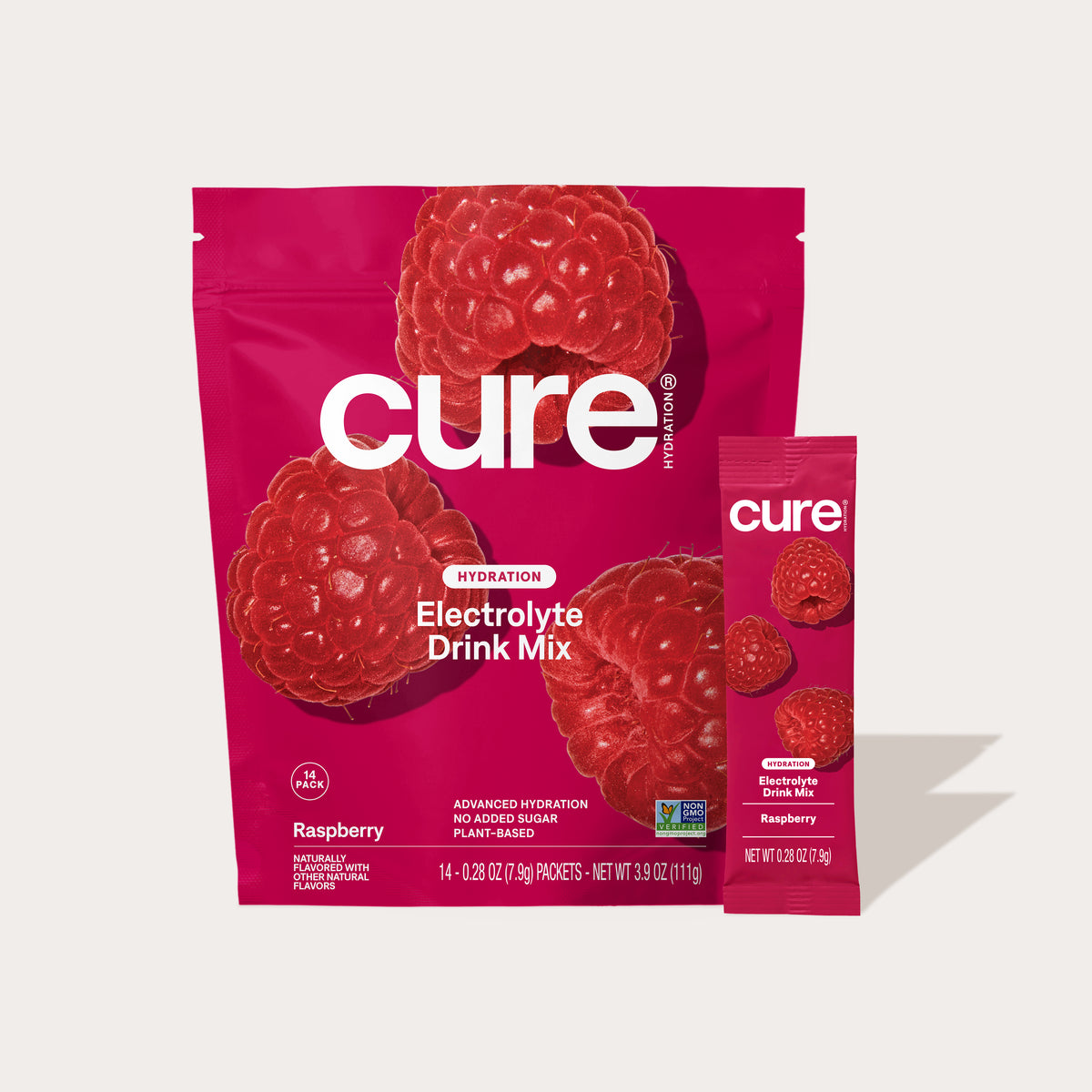
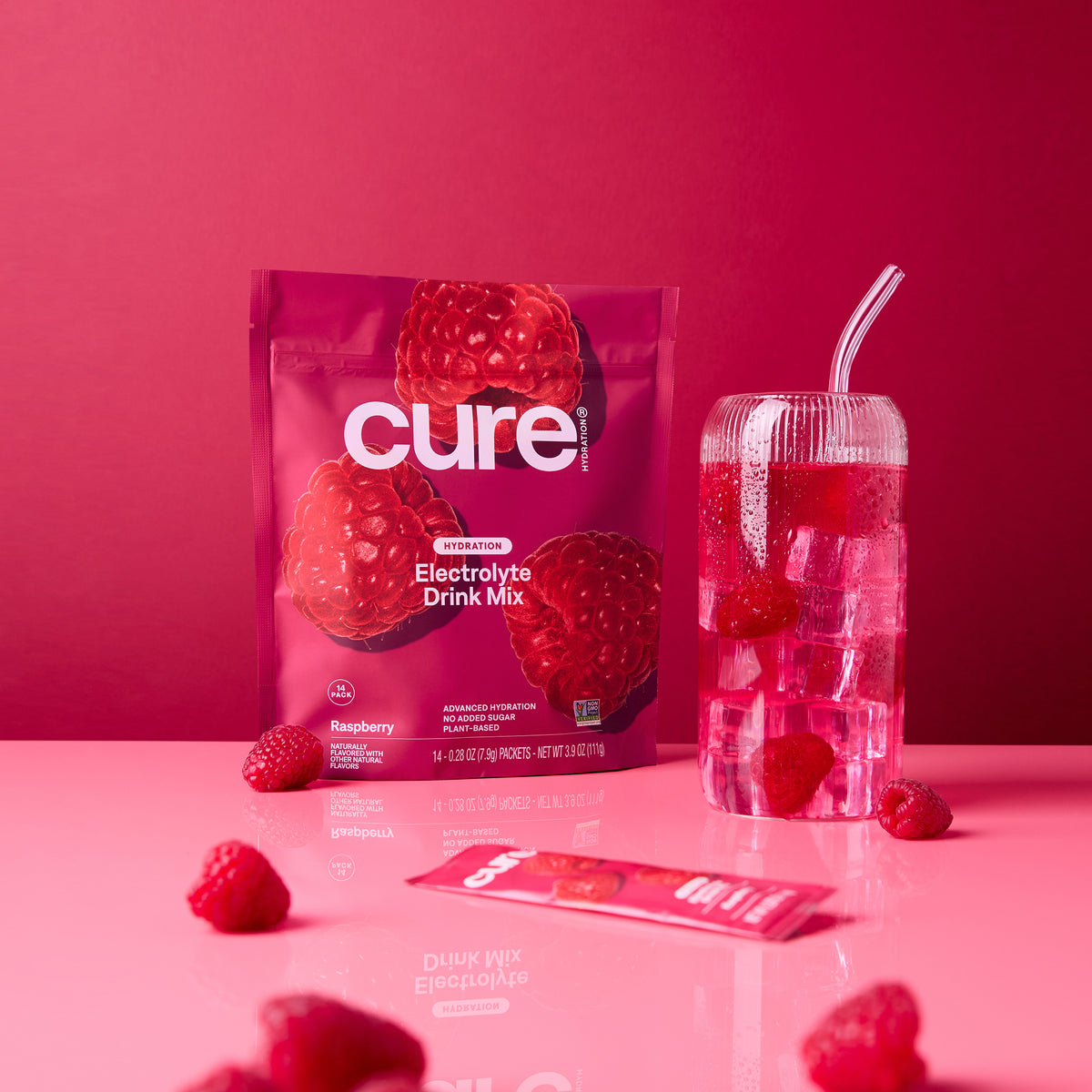
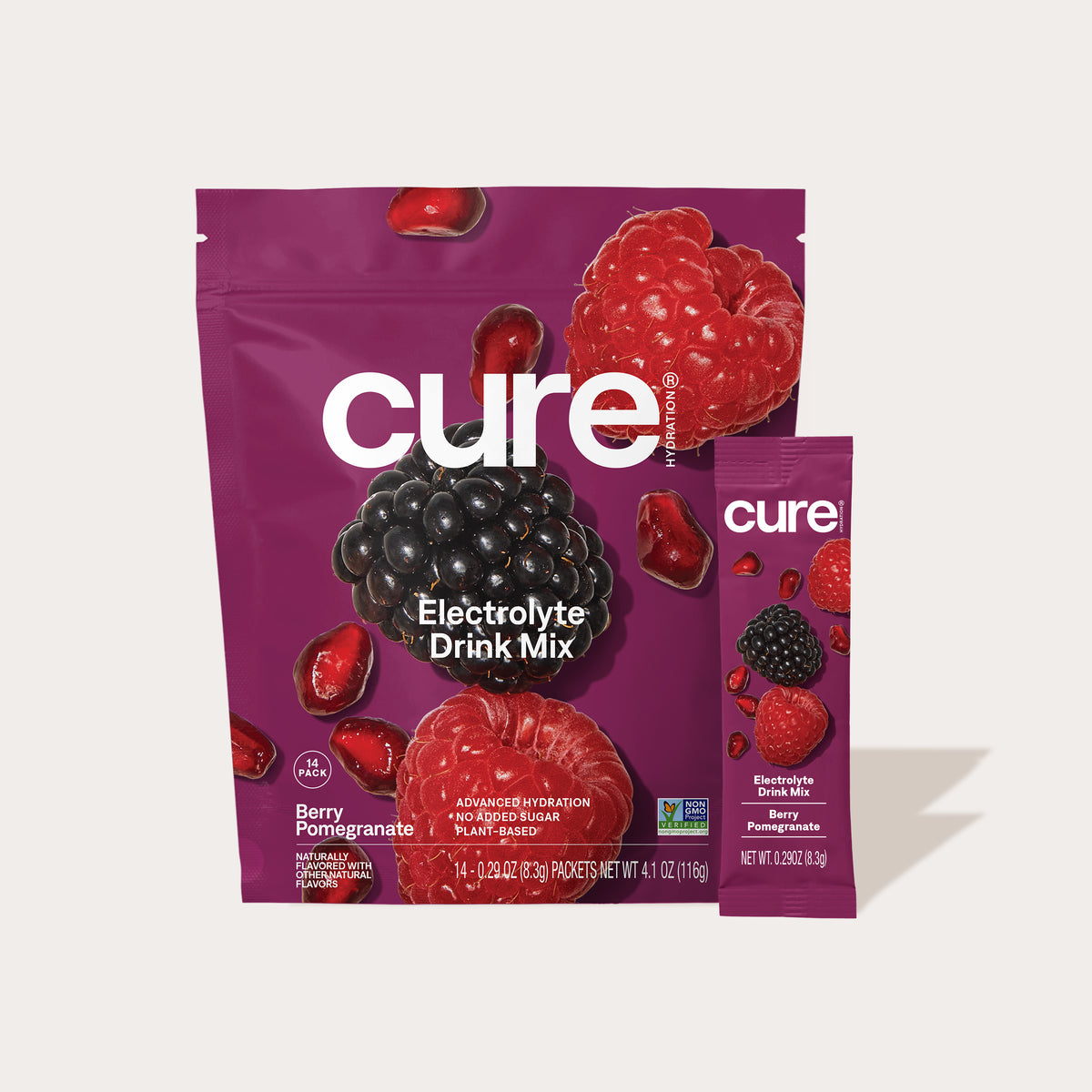
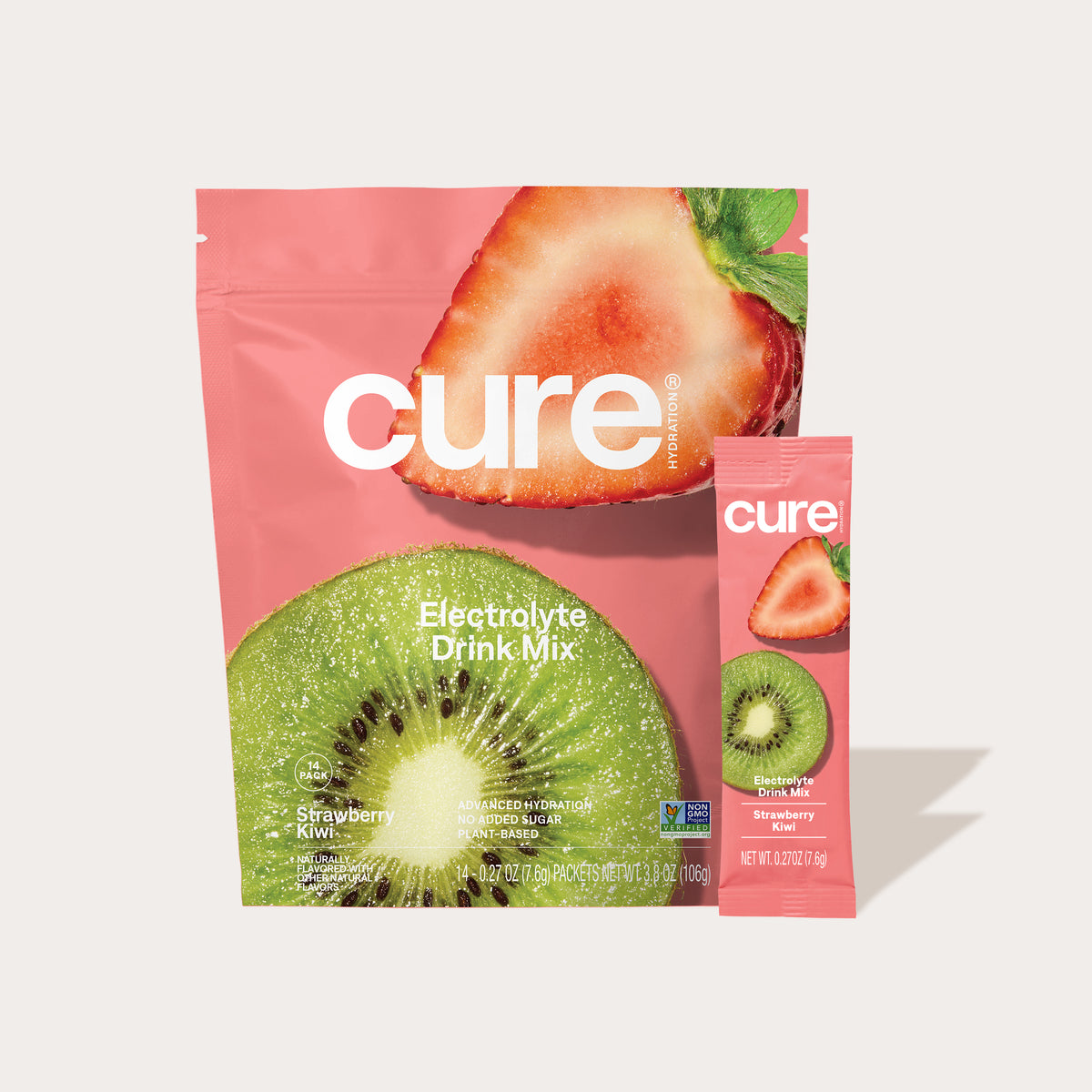
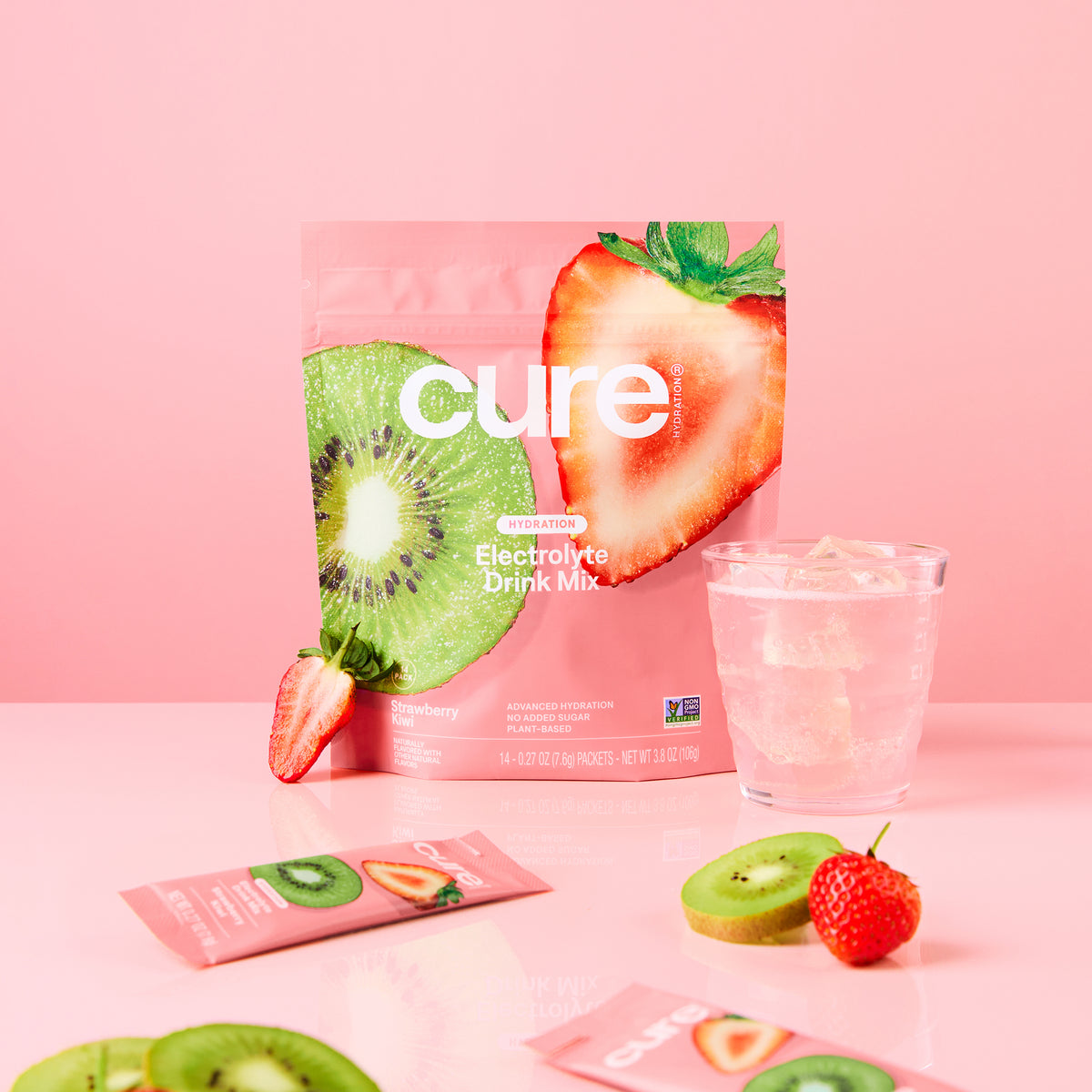
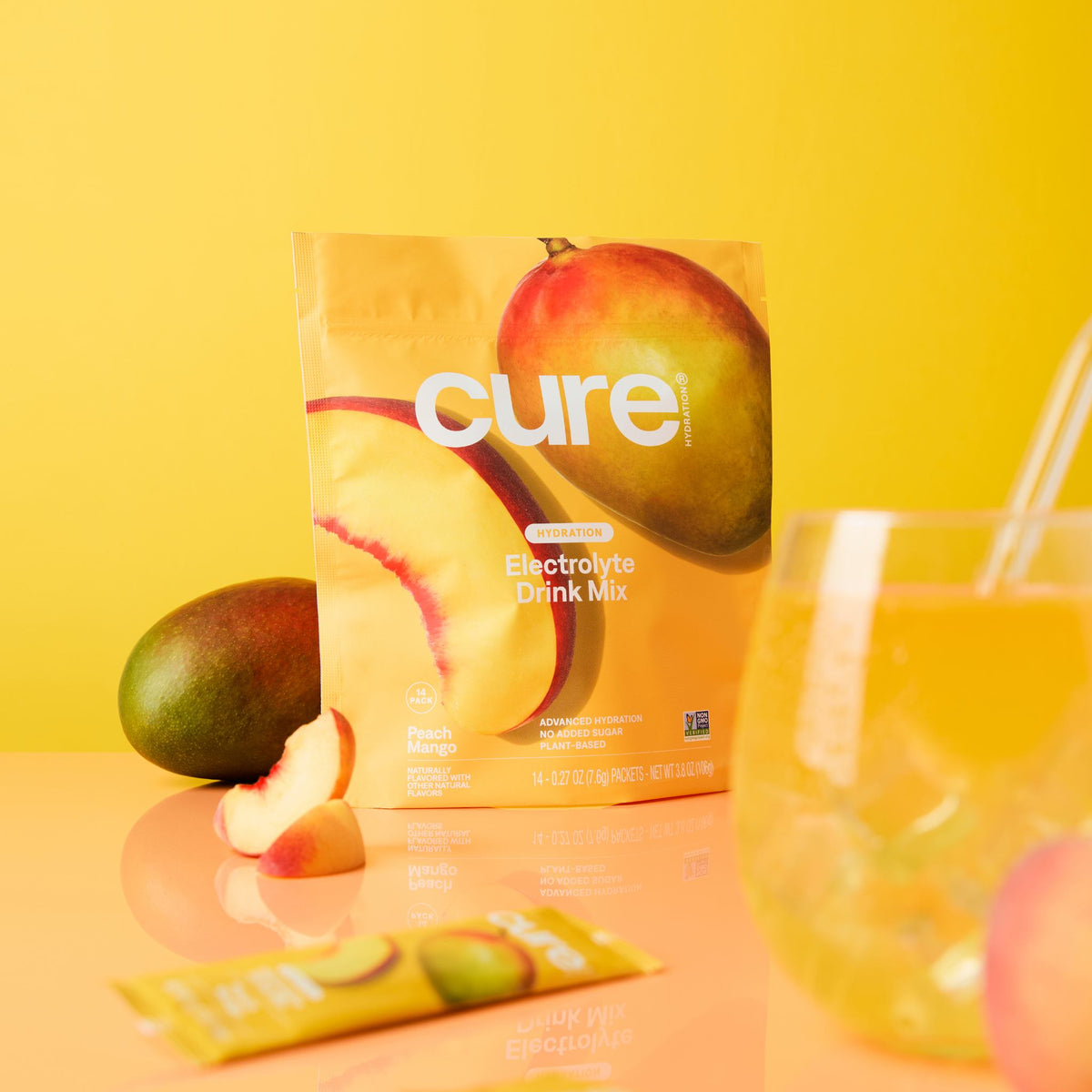
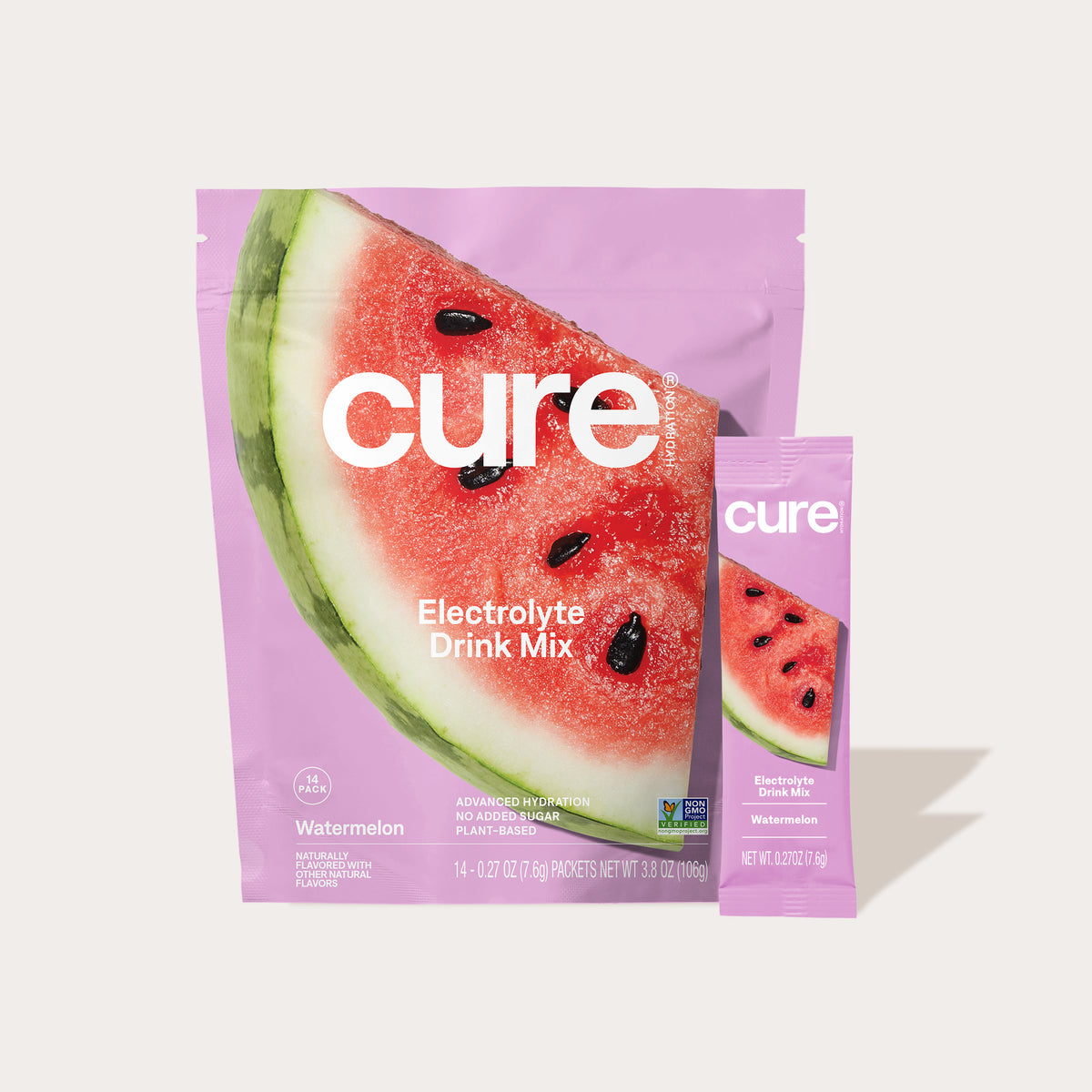
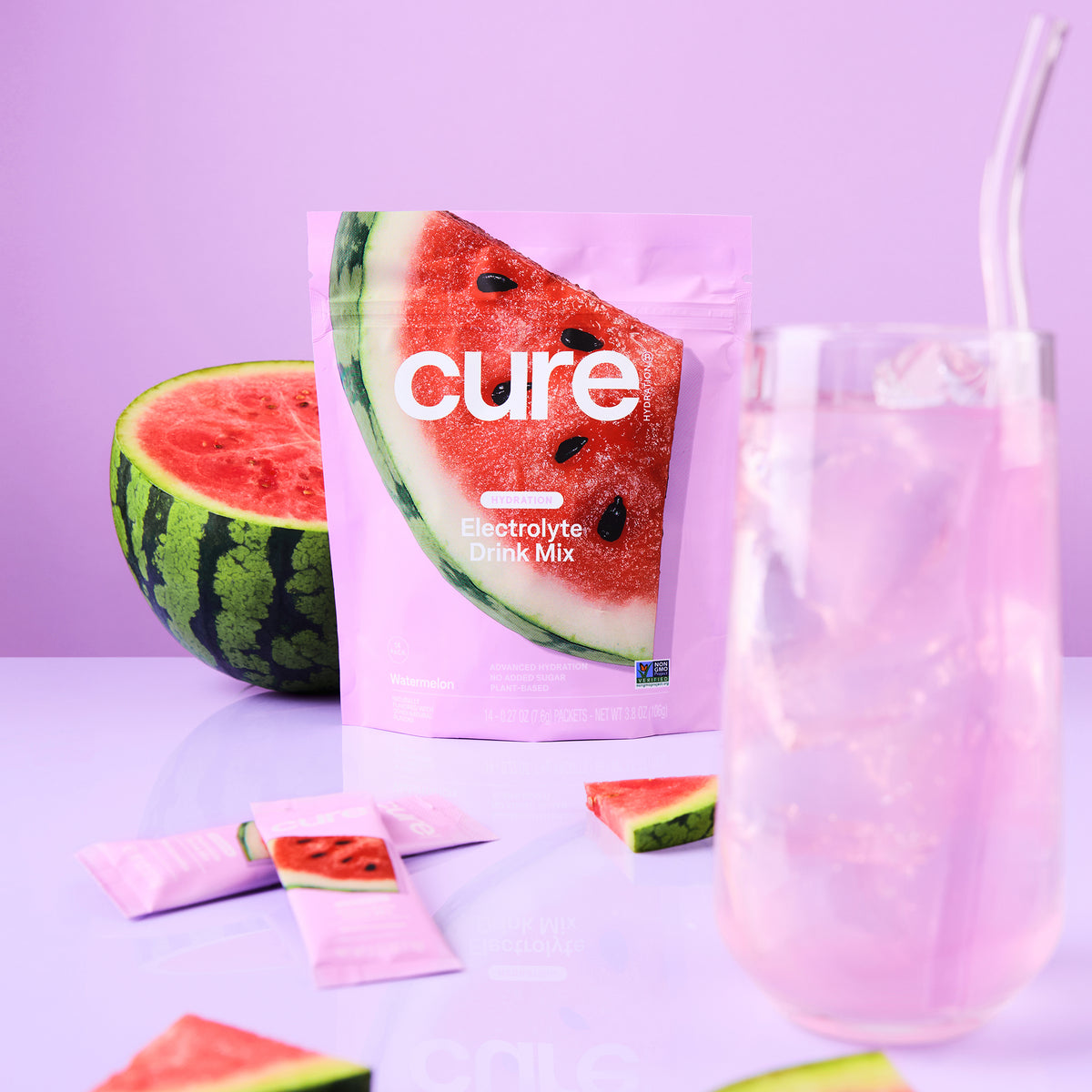
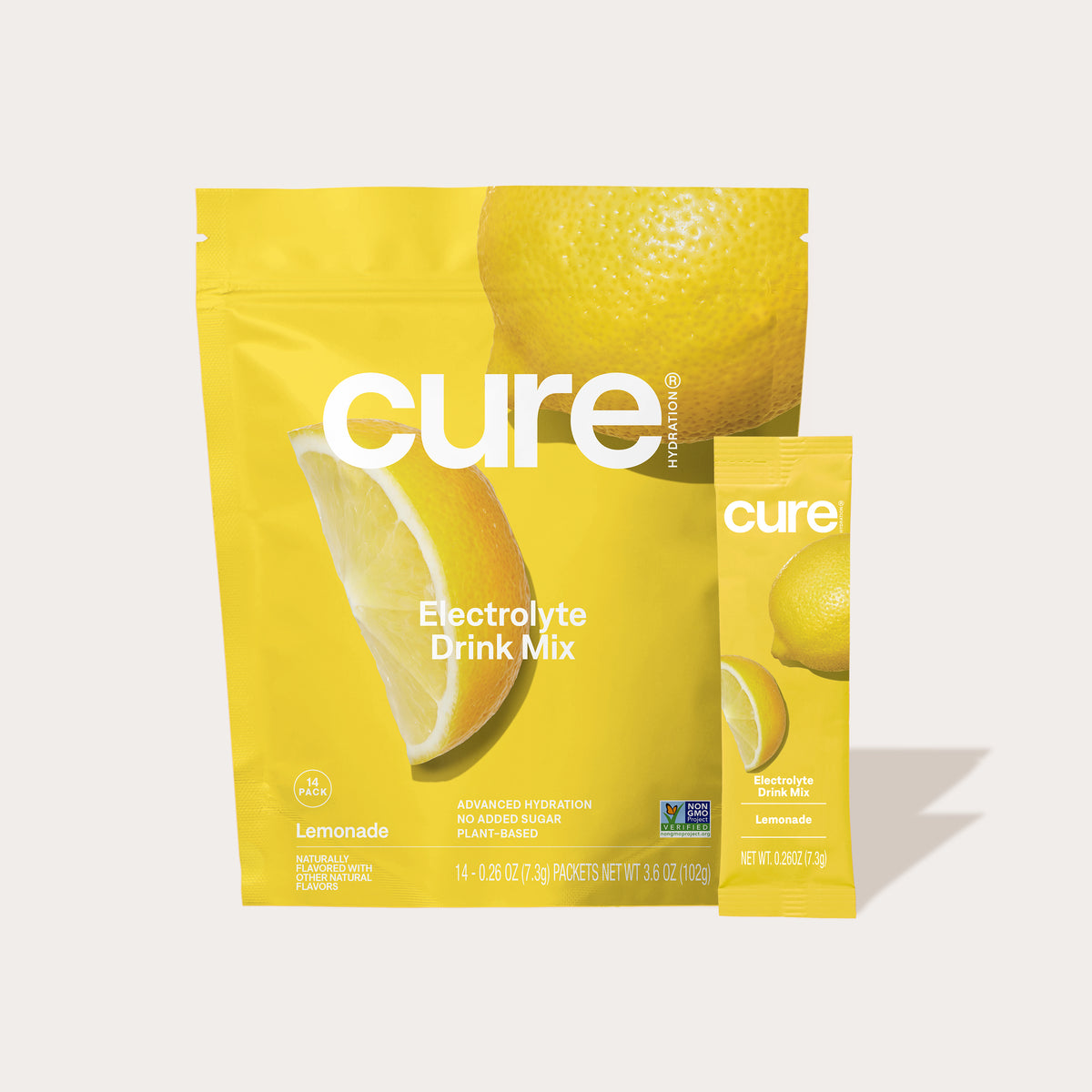
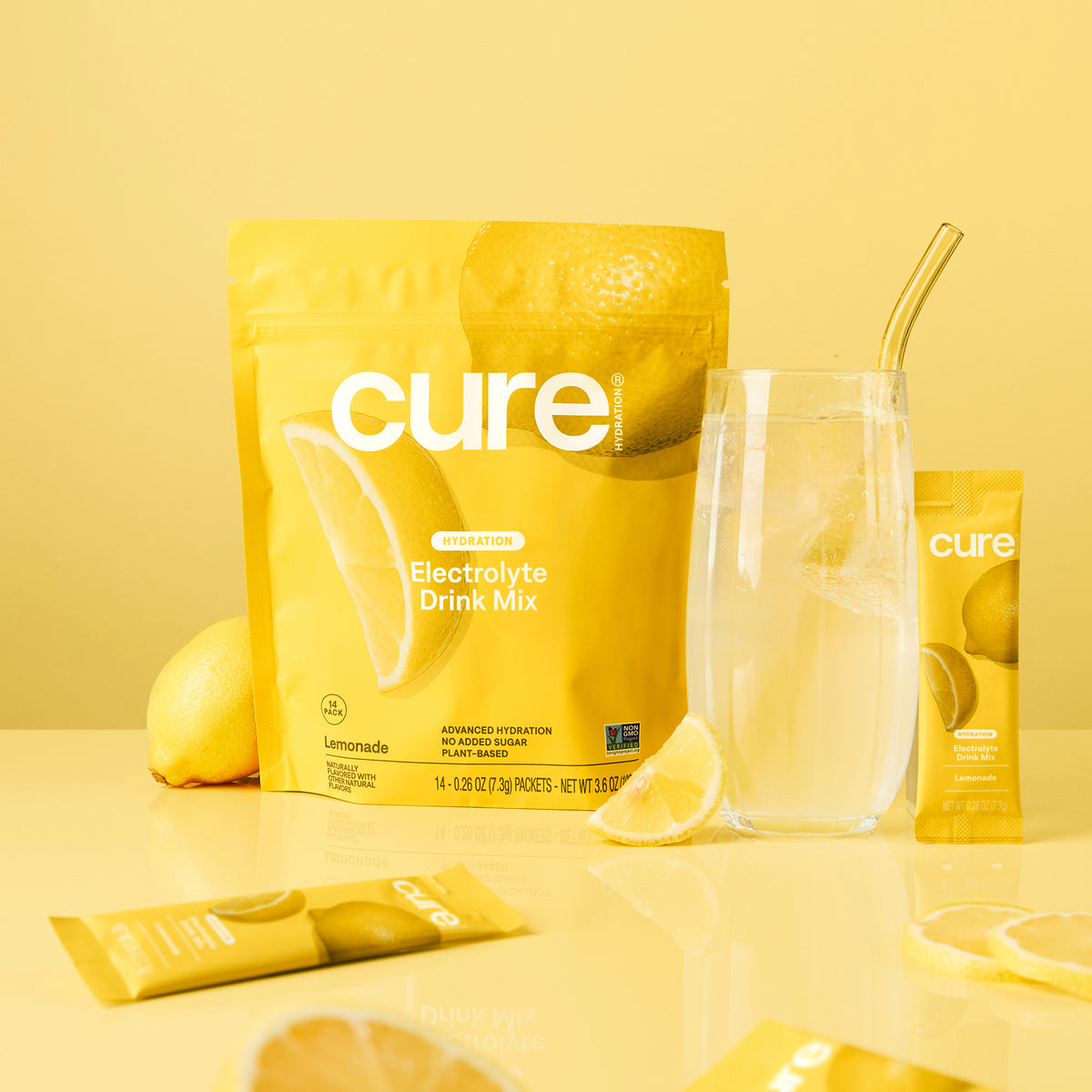
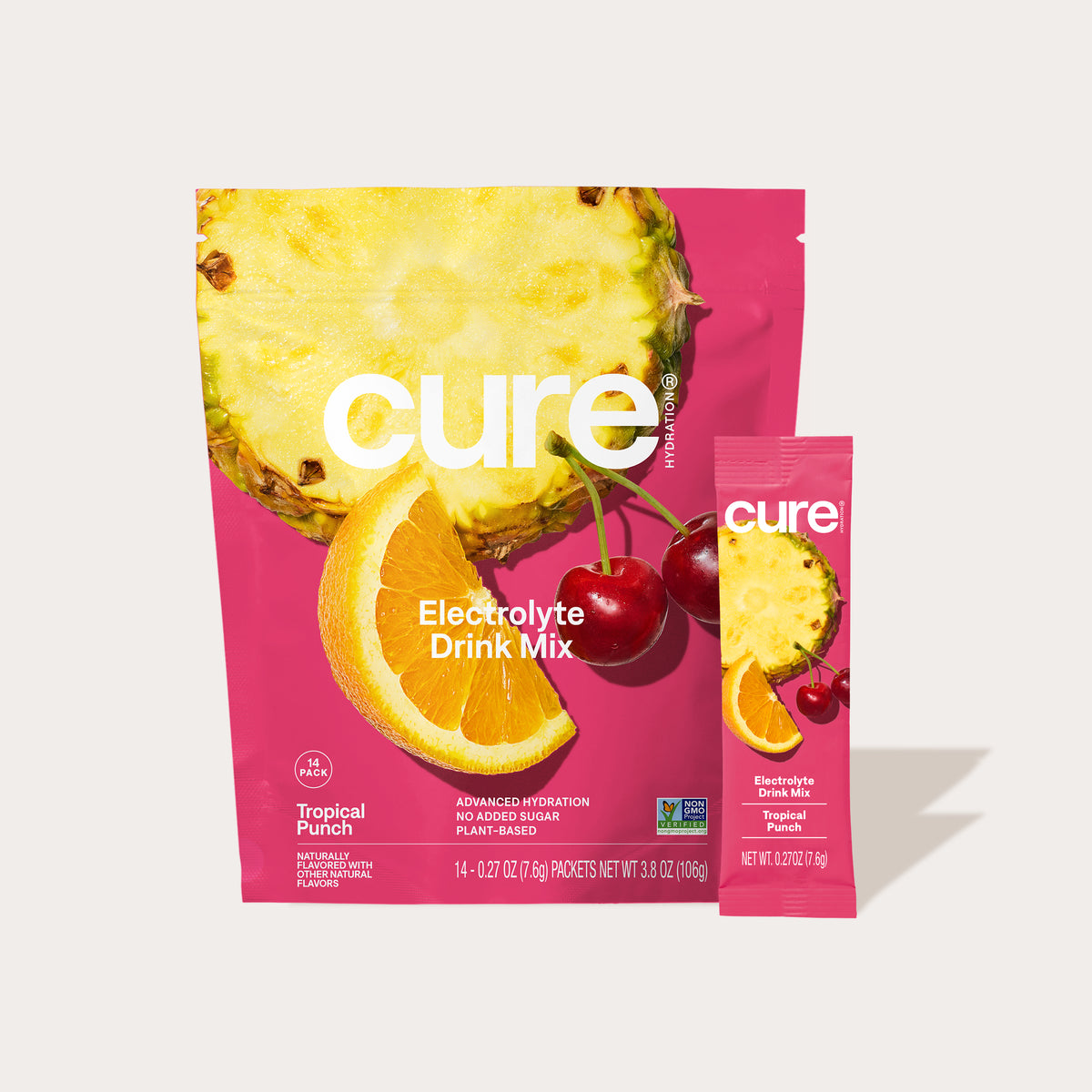
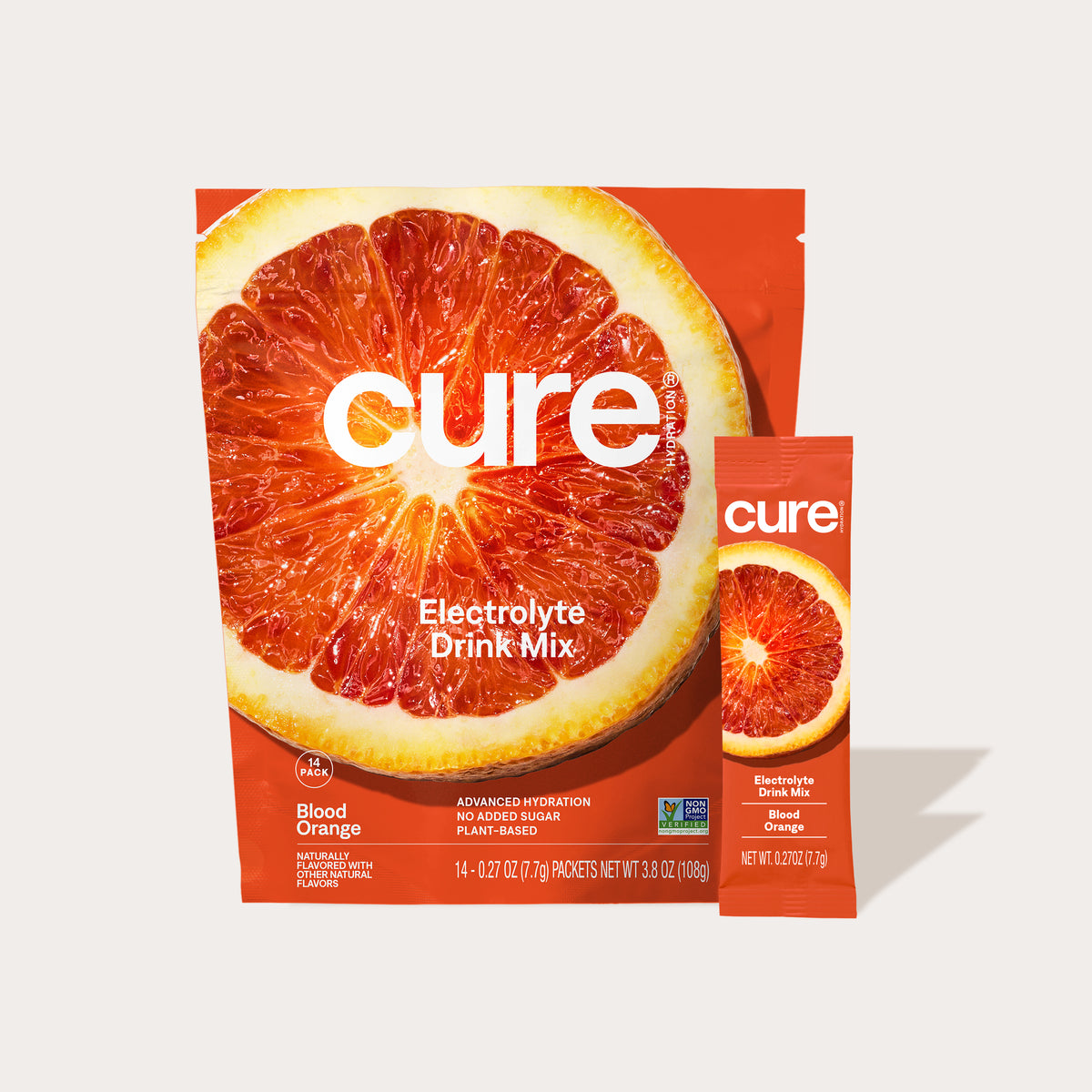
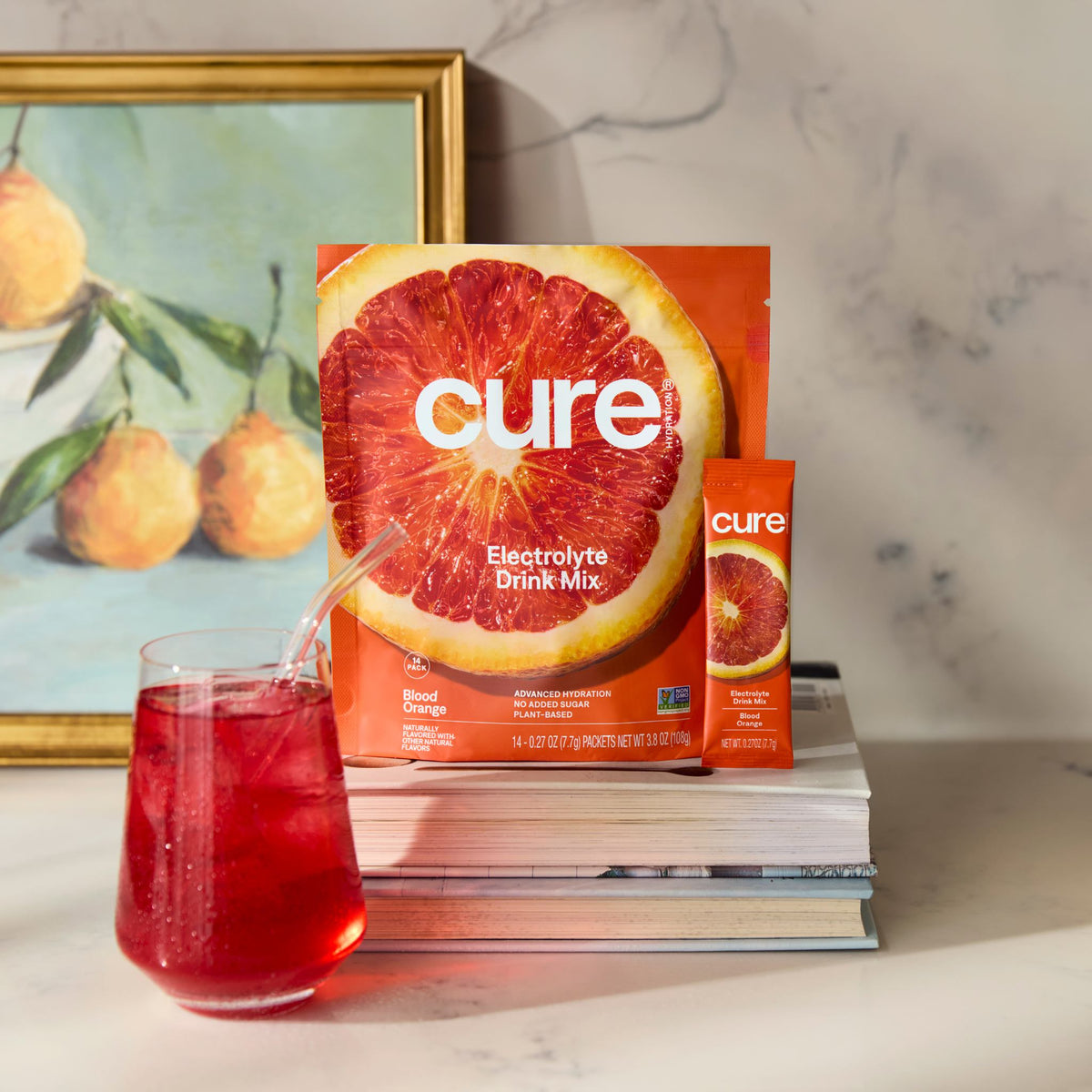
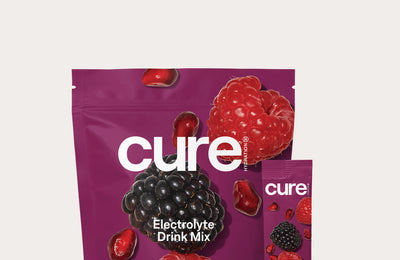
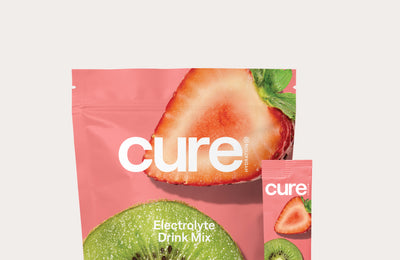
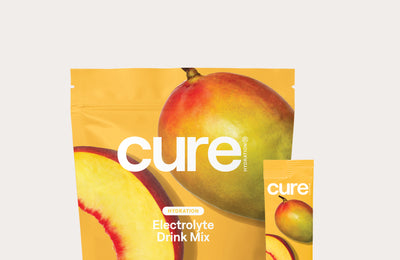
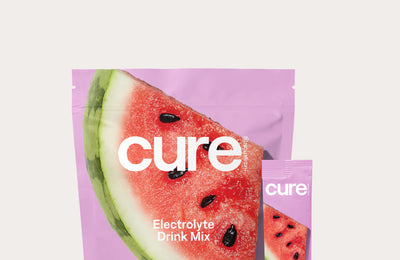
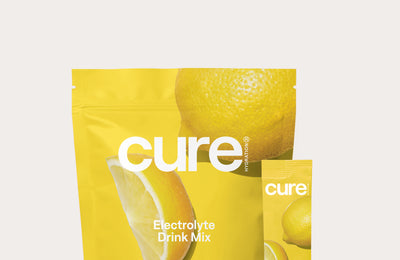
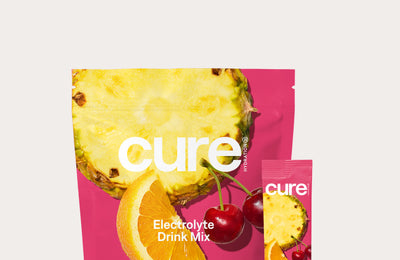
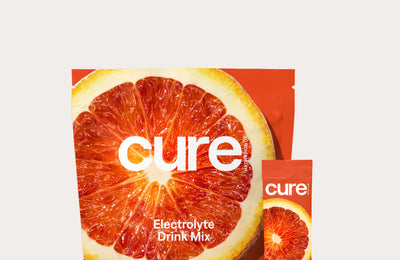
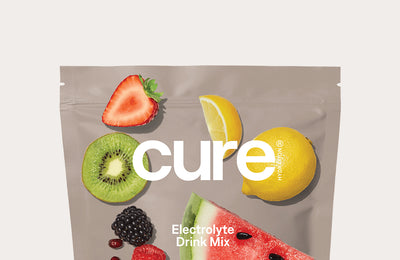
This is where a formulated electrolyte drink built on ORS science does a better job than DIY salt water. Cure's Electrolyte Drink Mix uses pink Himalayan salt as its sodium source, paired with coconut water for potassium and 2g glucose to match the ORS formula. 240mg sodium, 300mg potassium, real fruit juice, 0g added sugar.
You get the benefits of pink Himalayan salt in a formula that's actually designed for hydration, not just seasoning.
Is Pink Himalayan Salt Healthier Than Regular Table Salt?
The definition of "healthier" varies. From a pure sodium-per-gram perspective, they're almost identical. Both are roughly 98% sodium chloride.
The difference is in the details:
- Trace minerals: Pink Himalayan salt contains trace minerals in small amounts. These won't single-handedly meet your daily mineral needs, but they contribute to a more complete mineral profile than stripped table salt.
- No additives: Table salt often contains anti-caking agents like silicon dioxide or calcium silicate. Pink Himalayan salt doesn't.
- Less processing: Minimal processing means the salt retains its original mineral composition.
Pink Himalayan salt isn't a supplement. It won't replace a balanced diet. But as a sodium source in a hydration product, it's a cleaner option than table salt or synthetic sodium citrate.
Bringing Salt and Hydration Together
Pink Himalayan salt is a solid sodium source for hydration. It's unrefined, additive-free, and carries trace minerals that processed table salt doesn't. But it works best when it's part of a complete formula, not just a pinch in a glass.
Shop Cure to get pink Himalayan salt hydration in a formula that really works.
Cure is not a medical product and is not intended to diagnose, treat, cure, or prevent any disease. If you have specific health concerns, talk to your doctor.
Frequently Asked Questions
How Much Salt Do I Actually Need for Hydration?
Your sodium needs vary based on factors such as activity, sweat loss, and diet. For general intake, the WHO recommends less than 2,000mg of sodium per day for adults, equivalent to less than 5g of salt.
Can I Just Add Pink Himalayan Salt to Water?
You can, and it's better than plain water for sodium. But salt alone doesn't provide potassium or the glucose needed to activate the sodium-glucose co-transport mechanism. A formulated ORS-based drink delivers a complete hydration profile.
What Kind of Salt Should I Add to Water for Hydration?
Pink Himalayan salt or unrefined sea salt are better options than table salt. They provide sodium without additives. For the best results, pair sodium with potassium and a small amount of glucose, which is what the ORS formula does.
Is Pink Himalayan Salt Better Than Regular Table Salt?
They contain similar amounts of sodium chloride. Pink Himalayan salt is minimally processed, contains more trace minerals, and has no anti-caking agents. It's a cleaner sodium source, though it won't replace a balanced diet.
Does Pink Himalayan Salt Have Enough Minerals to Make a Difference?
The trace minerals in pink Himalayan salt (iron, calcium, magnesium, potassium) are present in small amounts. They contribute to the mineral profile but won't meet your daily needs on their own. The main benefit is getting sodium from an unrefined, additive-free source.
Why Does Cure Use Pink Himalayan Salt?
Cure uses pink Himalayan salt as its sodium source because it's minimally processed, free of additives, and carries trace minerals. It aligns with Cure's commitment to real, transparent ingredients rather than synthetic mineral blends.