


















There's a question most runners eventually ask, usually mid-run and usually too late: "Should I have taken something before this?"
Whether you're training for your first 5K or your fourth half marathon, hydration is one of those things that's easy to overlook until it catches up with you. And plain water, as helpful as it is, doesn't replace what you actually lose through sweat.
Here's what runners need to know about electrolytes, when to take them, and how to keep it simple.
Why Runners Need Electrolytes
When you run, you sweat. And sweat isn't just water. It carries sodium, potassium, magnesium, and chloride out of your body with every mile. The longer and harder the effort, the more you lose.
Sodium is the big one. The amount runners lose through sweat can vary widely depending on sweat rate, exercise intensity, temperature, and individual sweat composition. That's why you sometimes see white salt lines on your shirt after a long run.
When sodium drops, your body has a harder time holding onto the fluids you drink. You can chug water all morning and still feel dehydrated because your body doesn't have the electrolyte balance it needs to absorb that water efficiently.
This is where the World Health Organization's Oral Rehydration Solution (ORS) comes in. ORS uses a specific ratio of sodium, potassium, and glucose to help water move into your bloodstream faster.
When to Take Electrolytes While Running
Not every run requires supplementation. Here's a practical breakdown:
Runs Under 45 Minutes
For short, easy runs in moderate weather, water is usually enough. Your body has enough stored electrolytes to handle a quick session without extra help.
Runs Between 45 and 90 Minutes
This is where electrolytes start to matter, especially in warm weather or if you're a heavy sweater. An electrolyte drink mix before or after your run can help you start and finish better hydrated.
Runs Over 90 Minutes
Long runs, tempo sessions in the heat, and race days all call for electrolyte support. Have a serving before and after your run. For efforts of two hours or more, sipping an electrolyte drink during the run can help prevent the late-run fade that many runners chalk up to fitness when it's actually dehydration.
What Electrolytes Should Runners Take?
The four that matter most for runners:
- Sodium (the most critical): Drives fluid retention and helps your body absorb water. Cure provides 240mg per serving from pink Himalayan salt.
- Potassium: Works with sodium to regulate fluid balance inside and outside your cells. Cure delivers 300mg per serving from coconut water.
- Magnesium: Supports muscle function and energy production. Especially relevant across a full training block where cumulative depletion can build up.
- Glucose (in small amounts): The ORS formula uses 2g of glucose to activate the sodium-glucose co-transport mechanism. This is what makes the absorption work.
The key is balance, not volume. More isn't better. What matters is the right ratio of electrolytes working together. That's why an ORS-based formula outperforms most sports drinks that load up on sugar (often 20g+) without matching the electrolyte science.
What to Look for in a Running Electrolyte Drink
The best electrolytes for running are straightforward. Look for:
- An ORS-based electrolyte ratio (sodium, potassium, glucose in balance)
- Real ingredient sources (coconut water, pink Himalayan salt, real fruit juice)
- No added sugar (your fuel can come from gels or food; your hydration mix shouldn't be a sugar bomb)
- Clean certifications (Non-GMO, Gluten Free, Vegan)
- Portability (stick packets that fit in a running vest or belt)
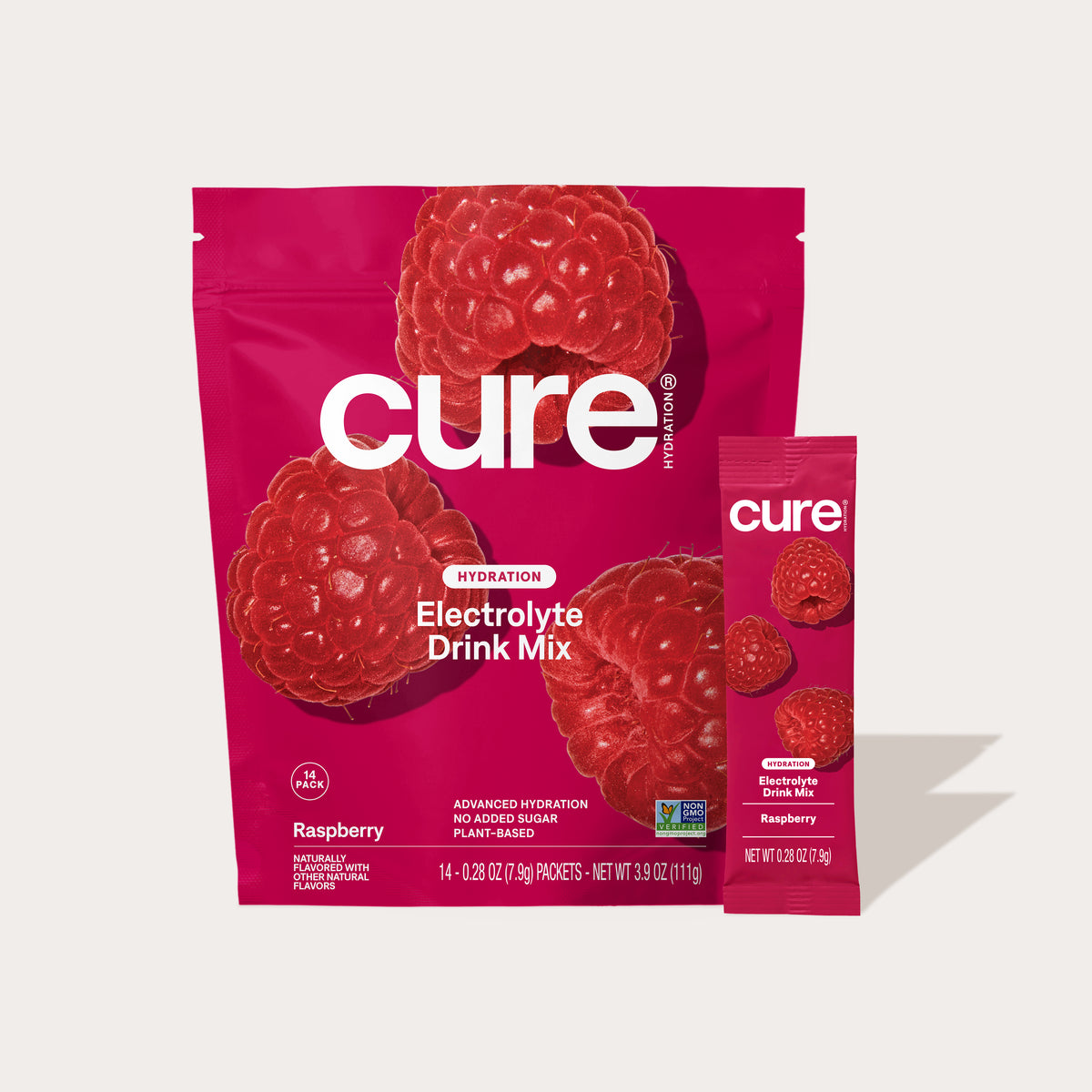
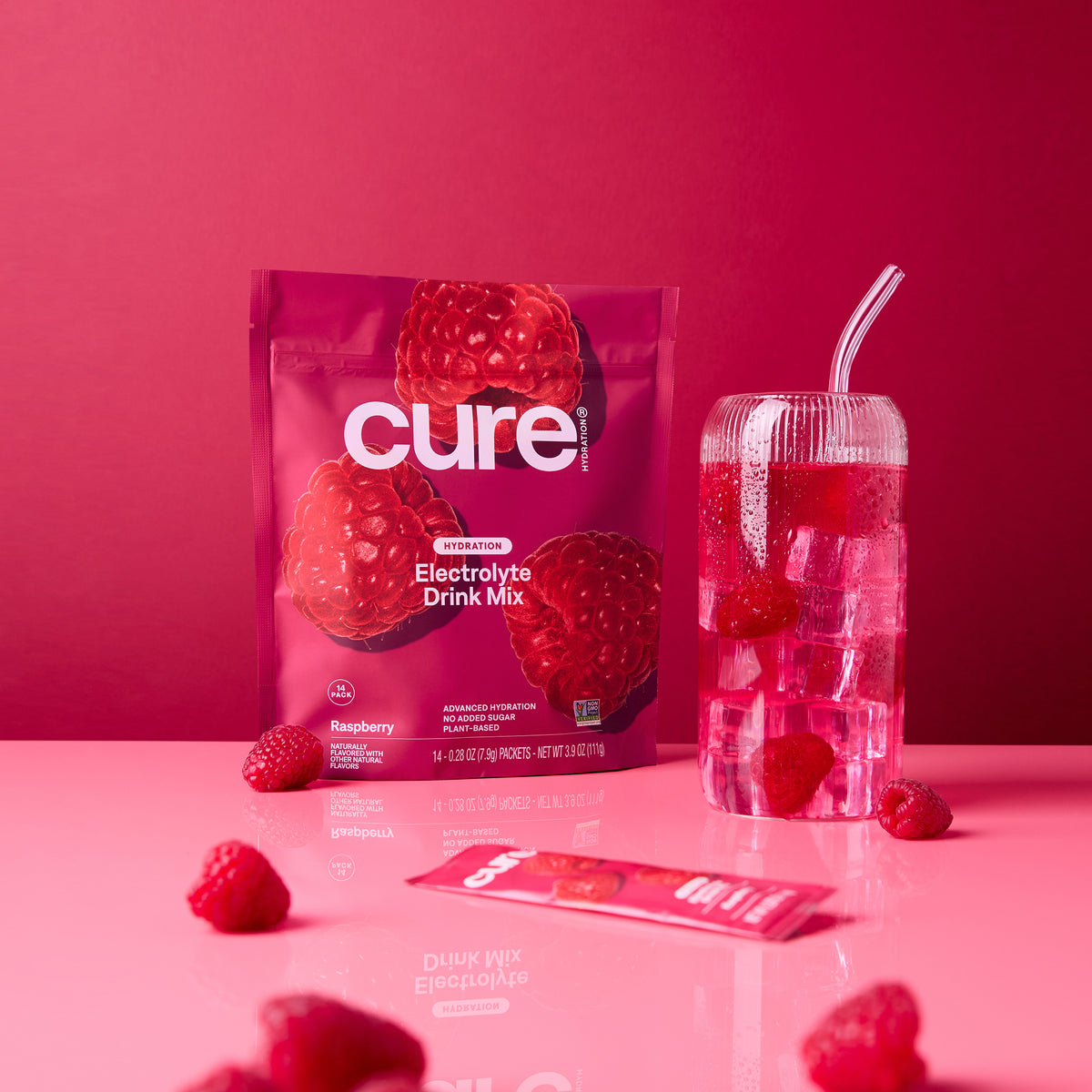
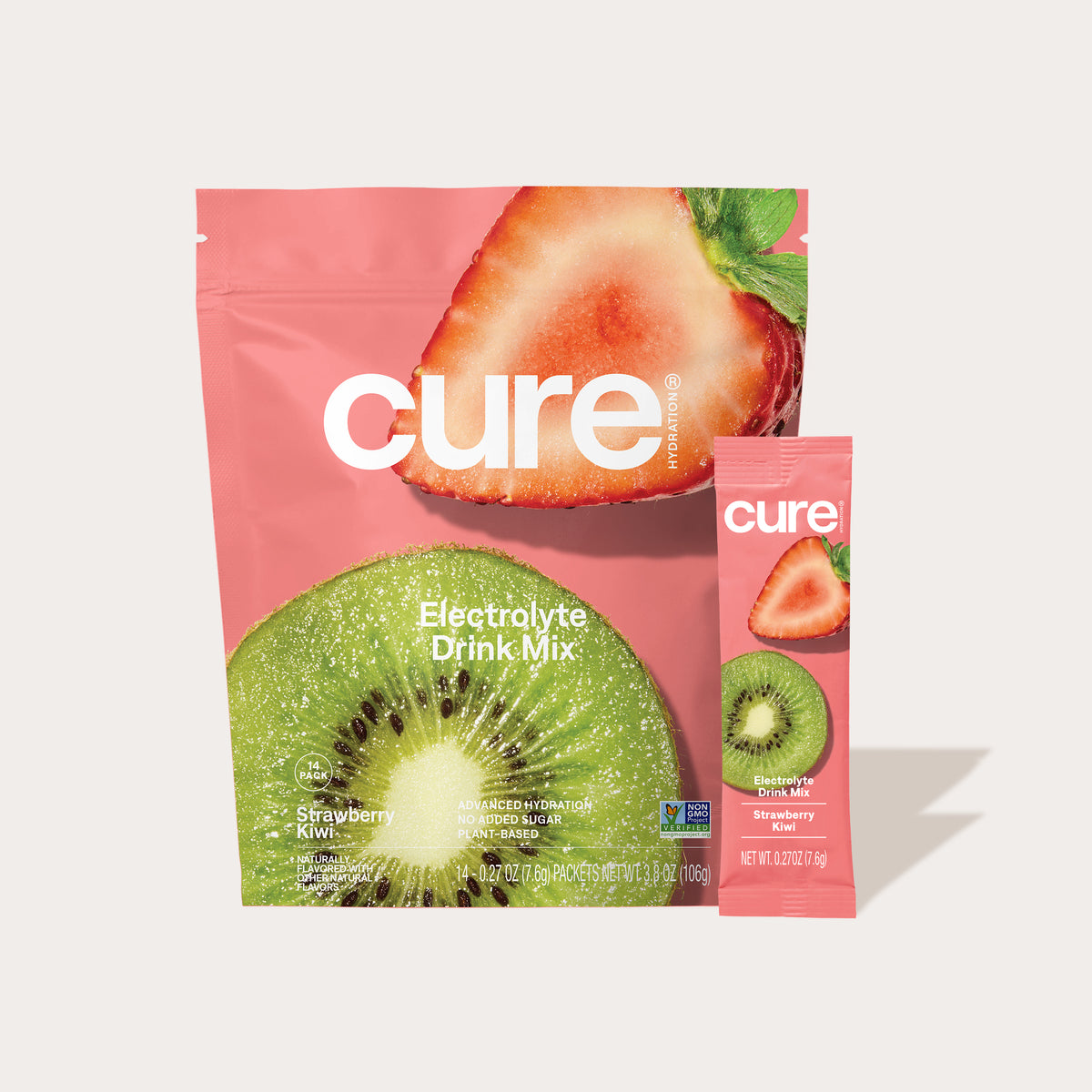
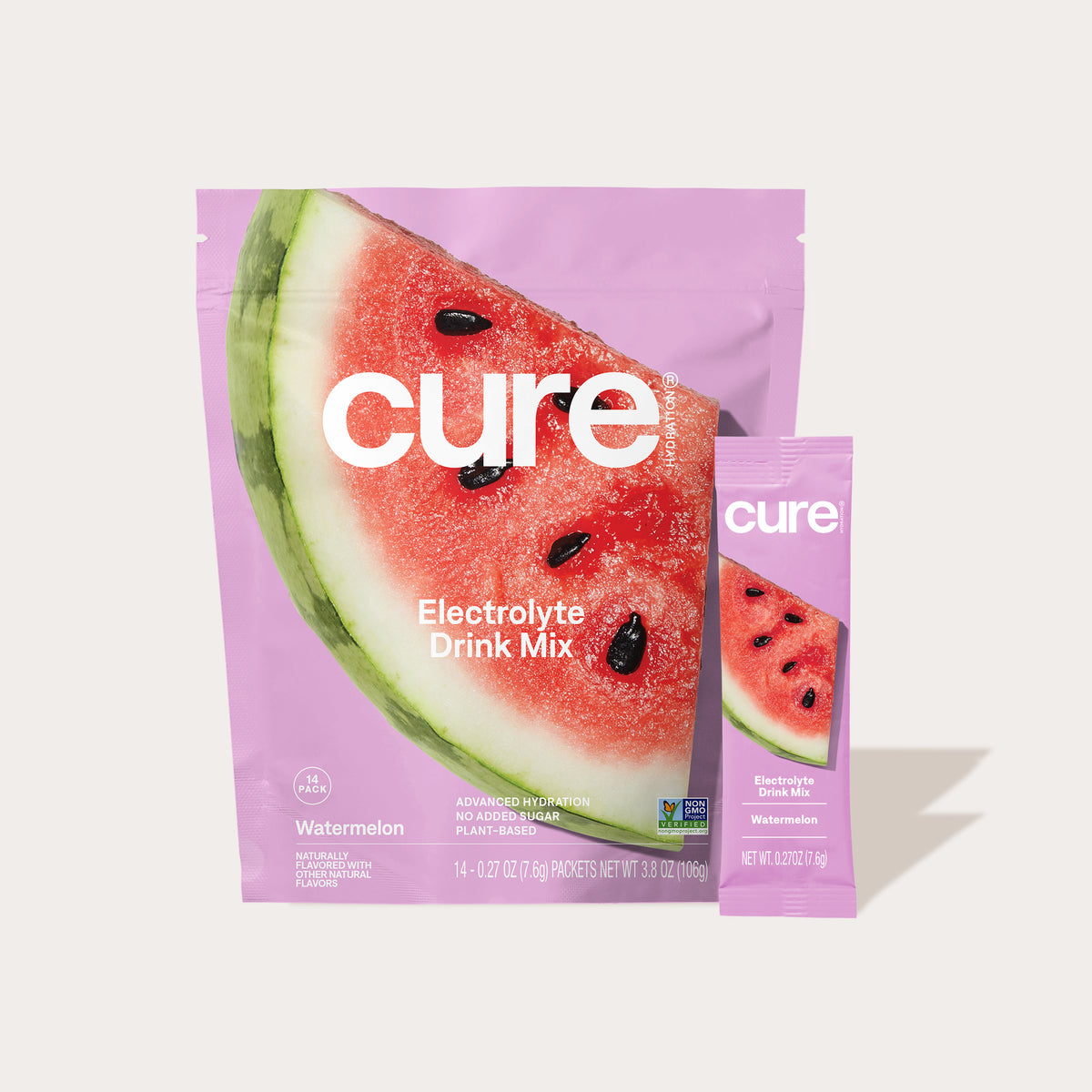
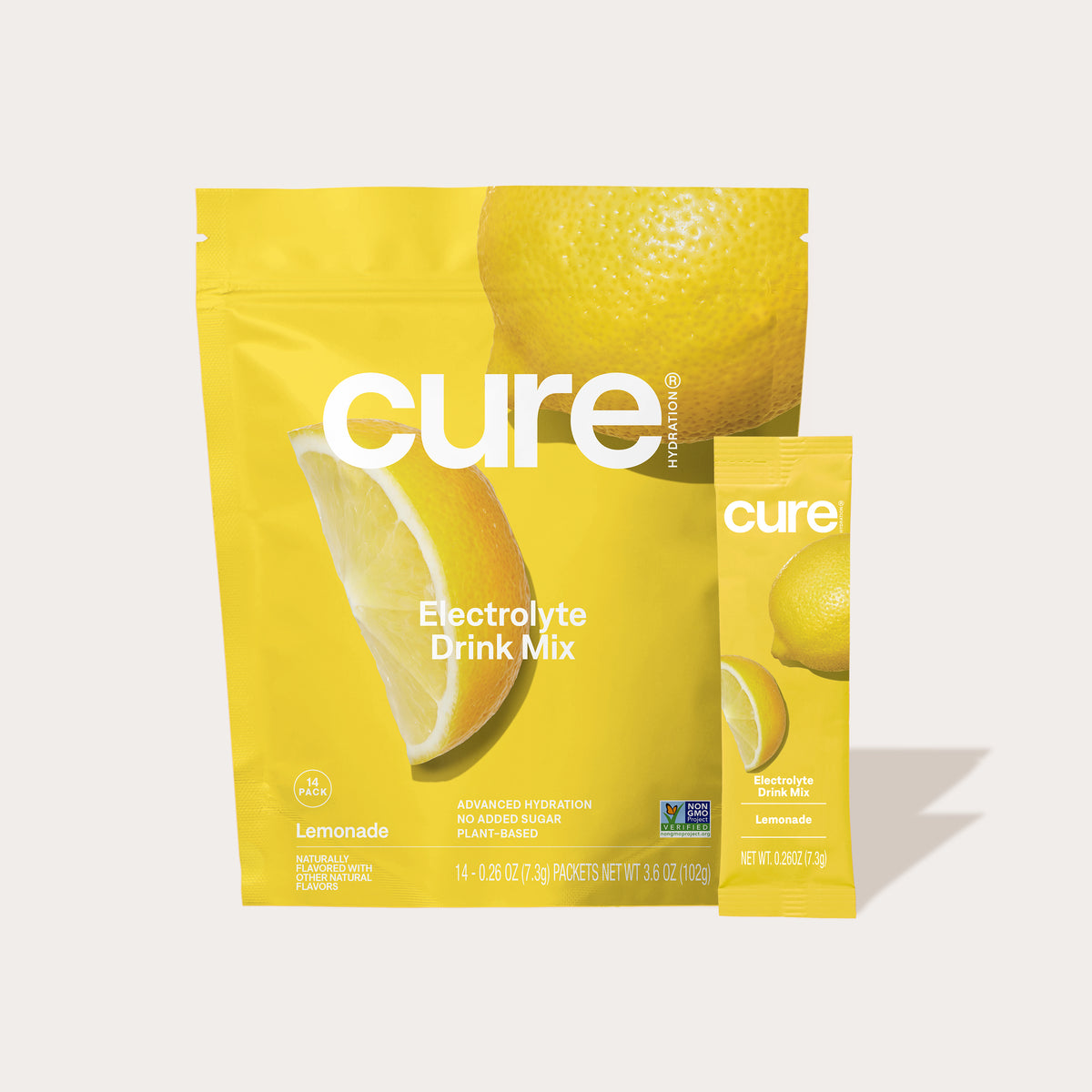
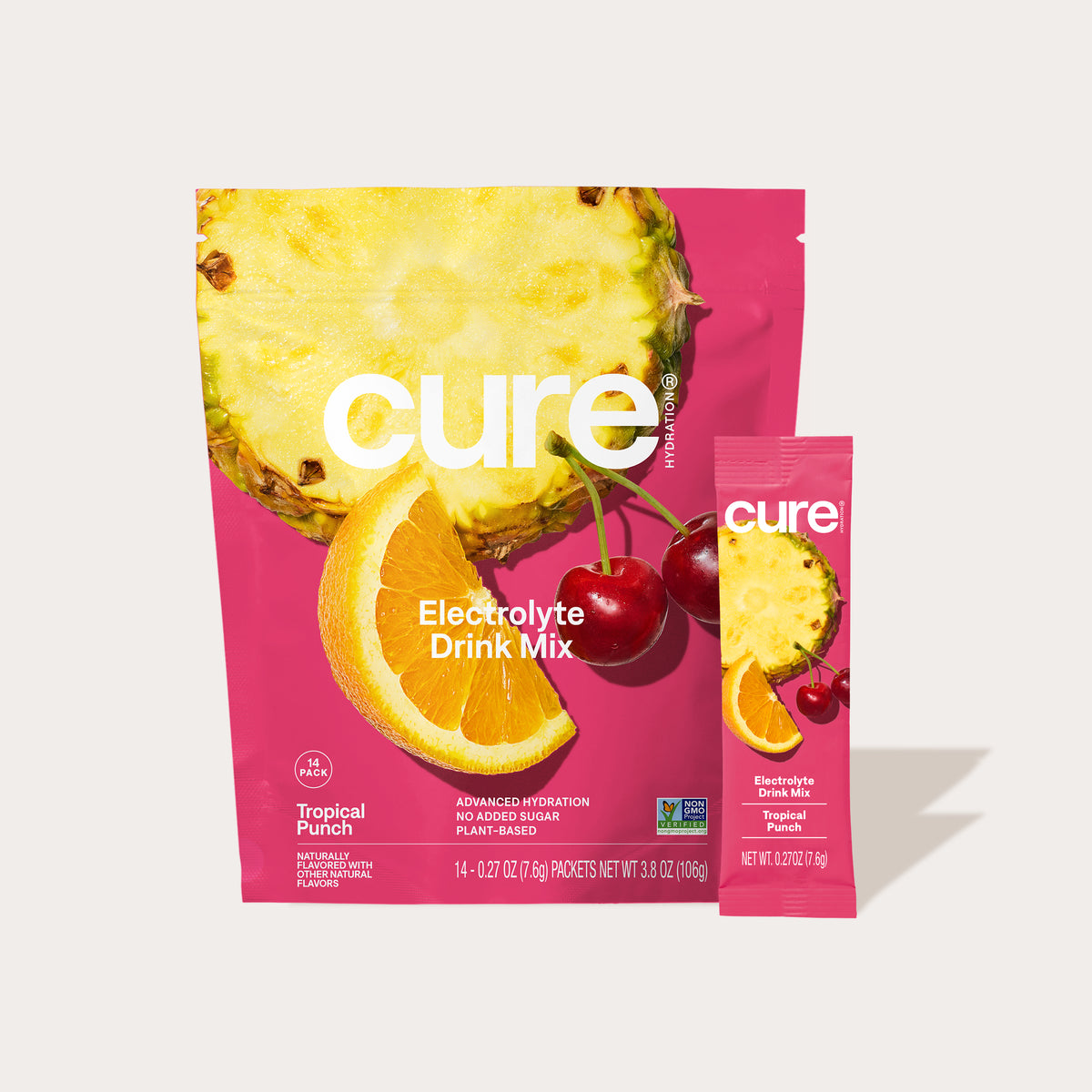
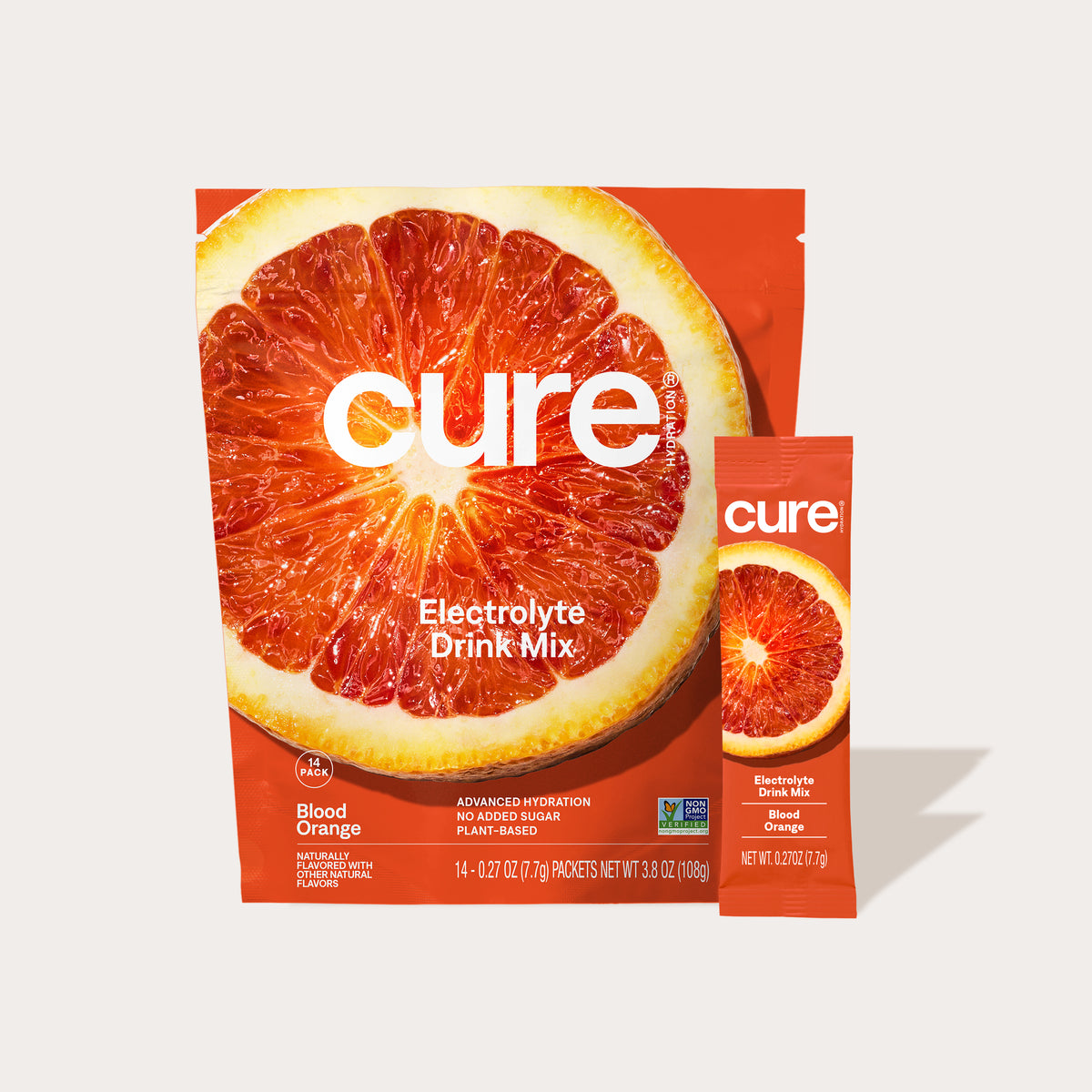
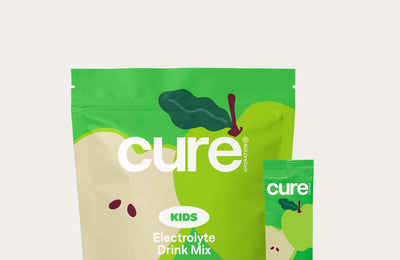
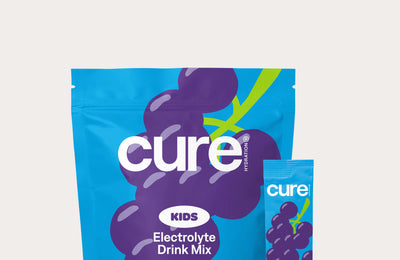
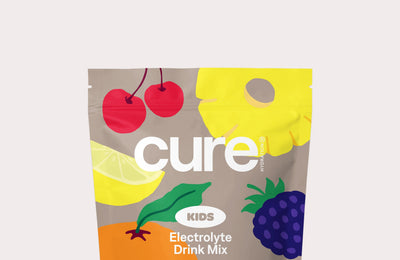
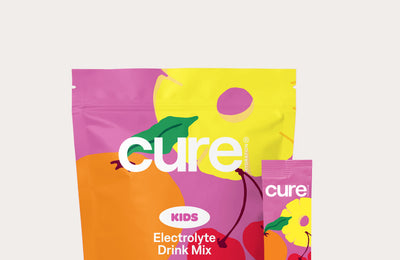
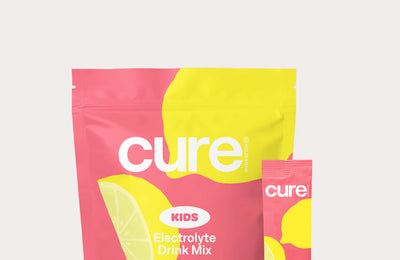
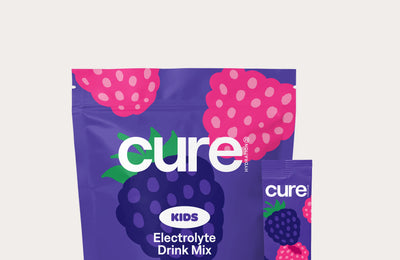
Cure's Electrolyte Drink Mix checks all of these. Based on the ORS formula, made with coconut water, pink Himalayan salt, and real fruit juice. With 25 calories and zero added sugar, you get stick packets that fit in a running vest.
Electrolytes for Running Recovery
What you do after a run matters just as much as what you do before. Post-run, your body needs to replace the sodium and potassium lost through sweat.
An electrolyte drink within 30 minutes of finishing helps your body rehydrate more efficiently than water alone. Pair it with a post-run snack of carbs and protein, and you've covered the basics of recovery.
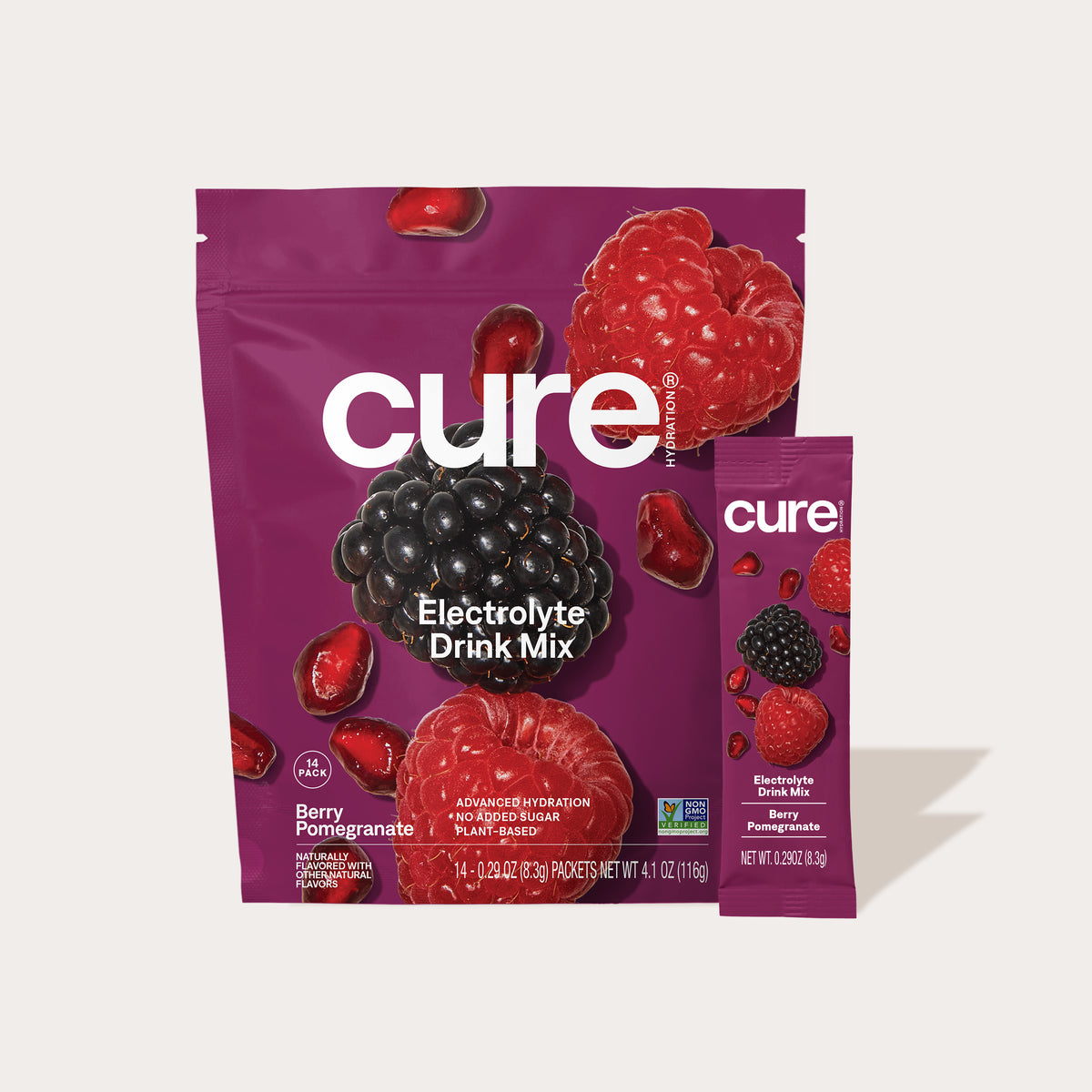
For runners who train most days, a Variety Pack makes it easy to stay consistent without flavor fatigue.
Run Better. Hydrate Smarter
Electrolytes for running don't need to be complicated. Know what you lose, replace it with the right ratio, and pick a product made with real ingredients. Your runs will feel better, and your recovery will be faster.
Shop Cure and bring better hydration to every mile.
Cure is not a sports drink or a medical product. It's a science-backed hydration mix made for daily use, including your run days. If you have specific health concerns, talk to your doctor.
Frequently Asked Questions
Do I Need Electrolytes for a Short Run?
For easy runs under 45 minutes in moderate conditions, water is usually enough. But in heat, humidity, or if you're a heavy sweater, even a short run benefits from electrolytes before or after.
Can I Drink Electrolytes Every Day, Not Just on Run Days?
Absolutely. Your body uses electrolytes for hydration, nerve function, and muscle recovery whether you're running or not. Many runners find that daily intake keeps them consistently hydrated, which improves training quality on run days.
What Should I Look for in a Running Electrolyte Drink?
An ORS-based formula with balanced sodium, potassium, and a small amount of glucose. Real ingredient sources like coconut water and pink Himalayan salt. No added sugar, no artificial sweeteners, and a portable format you can throw in your running bag.
How Many Electrolytes Do I Need Per Hour of Running?
It varies based on your sweat rate, pace, and conditions. Rather than aiming for one number, consider factors like how much you sweat, how long you're running, and whether you're exercising in hot conditions.
Is Cure Better Than a Sports Drink for Running?
Cure is based on the WHO's ORS formula and provides sodium, potassium, and glucose with no added sugar. Traditional sports drinks can vary in their electrolyte and sugar content, so check the label to see what fits your hydration and fueling needs. Your fueling, such as gels, chews, or food, can be handled separately.
Should I Take Electrolytes Before or After a Run?
Both, if you can. Before a run, electrolytes help you start hydrated. After, they help you recover what sweat took. For long runs (90+ minutes), having electrolytes during the run can also help maintain performance.