








The electrolyte aisle keeps shouting "more." Here's what the science actually says about how much sodium an everyday workout costs you, and how to choose a drink that fits.
Electrolyte marketing has quietly turned into an arms race. One brand stacks 1,000 mg of sodium into a single stick and frames it as the serious choice. The implication: more electrolytes, better hydration. For most people, on most days, that's not how it works. The right amount of sodium depends entirely on how much you're losing, and unless you're an endurance athlete or sweating through heat for hours, you're losing less than the marketing suggests, and probably already getting plenty from food.
Here's the actual math.
How much sodium is in sweat?
Two things determine how much sodium you lose: how much you sweat, and how salty your sweat is.
Sweat rate during exercise typically runs about 0.5 to 1.5 liters per hour, climbing with heat and intensity. Sweat sodium concentration varies a lot from person to person, anywhere from under 200 mg per liter to over 2,000 mg, with the average landing somewhere around 800 to 950 mg per liter. It's largely genetic and doesn't change much once you're an adult.
Put those together for a normal workout. A 45 to 60 minute session at moderate effort might cost you roughly half a liter to a liter of sweat, which works out to somewhere in the few-hundred-milligram range of sodium for most people. Not nothing, but nowhere near four figures.
When researchers measured this directly across 90 minutes of exercise, low-intensity sessions averaged about 660 mg of sodium lost and moderate-intensity sessions about 1,565 mg. The detail that matters most: even the moderate 90-minute loss was lower than the same participants' sodium intake from a single normal day of eating. In other words, a solid workout didn't even put them in a sodium deficit relative to their diet.
You're probably already over your sodium budget
This is the part that reframes everything. The average American takes in about 3,400 mg of sodium per day, well above the 2,300 mg daily limit health authorities recommend. Roughly 90% of people exceed that limit, and more than 70% of it comes hidden inside packaged and restaurant food, not the salt shaker.
So if you do a normal 45-minute workout and sweat out a few hundred milligrams, then reach for a drink with 1,000 mg of sodium, you're not refilling a deficit. You're adding salt on top of a daily total you've very likely already passed. Sodium you don't sweat out doesn't get "used up", it just adds to your intake, and high sodium intake is consistently linked to higher blood pressure across the population.
This isn't an argument against electrolytes. It's an argument for matching the dose to the loss.
When you genuinely do need more sodium
To be clear, high-sodium electrolyte drinks exist for good reasons, they're just built for a specific job:
- Endurance athletes going long and hard, especially over 90 minutes.
- Heavy or "salty" sweaters, the people whose shirts dry with white salt rings.
- Hot-weather and heat-exposure work, where sweat losses pile up for hours.
- Low-carb and keto diets, which cause the body to shed more sodium.
The American Heart Association makes this distinction explicitly: its lower sodium targets don't really apply to people losing large amounts of sodium in sweat, like competitive athletes and those working in serious heat. If that's you, a high-sodium formula is the right tool. If it's not, it's salt you don't need.
The potassium plot twist
While everyone argues about sodium, the electrolyte most people actually fall short on is potassium. It's officially flagged as an under-consumed "nutrient of public health concern," with the average adult landing well below the recommended intake. The dietary pattern public health bodies actually push toward is less sodium and more potassium.
That flips the usual framing. For everyday hydration, a drink that's balanced and slightly potassium-forward is better aligned with what most people are missing than one engineered around maximum sodium.
How to estimate your own sweat sodium loss
Want to stop guessing? You can ballpark it in one workout:
- Find your sweat rate. Weigh yourself (minimal clothing) right before and right after a workout. Each kilogram lost is roughly 1 liter of sweat. Add back any fluid you drank during the session.
- Estimate your sweat saltiness. Without a lab test, use proxies: visible white salt stains on clothing, sweat that stings your eyes or tastes very salty, and a tendency to crave salt all suggest you're on the higher end (toward 1,500 to 2,000 mg per liter). No residue and mild-tasting sweat suggests the lower end.
- Do the math. Sodium lost ≈ liters of sweat × your estimated mg per liter. Example: 0.75 L of sweat at about 900 mg/L is roughly 675 mg of sodium for that session.
Compare that number to what's in your drink. For most everyday workouts, you'll find you don't need a four-figure sodium dose to break even.
What to look for in an everyday electrolyte drink
For daily hydration and everyday or moderate exercise, the checklist is simple:
- Moderate sodium, in the ballpark of what a normal session actually costs (a couple hundred mg per serving), not a megadose.
- Meaningful potassium, the electrolyte you're more likely to be short on.
- No added sugar, unless you specifically need carbohydrate fuel for a long, hard effort.
- Real, recognizable ingredients over a list of synthetic-sounding additives and artificial colors.
Where Cure fits
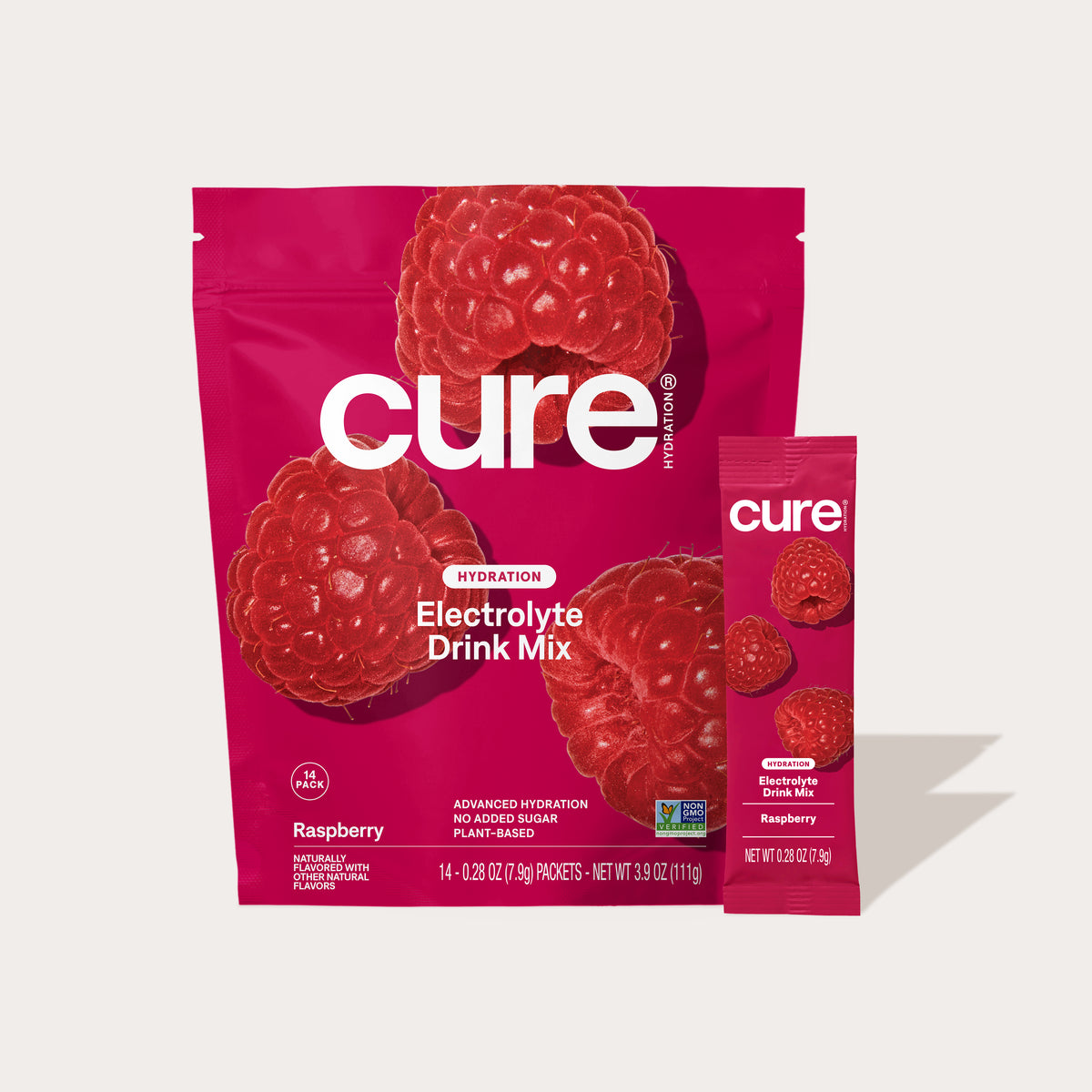
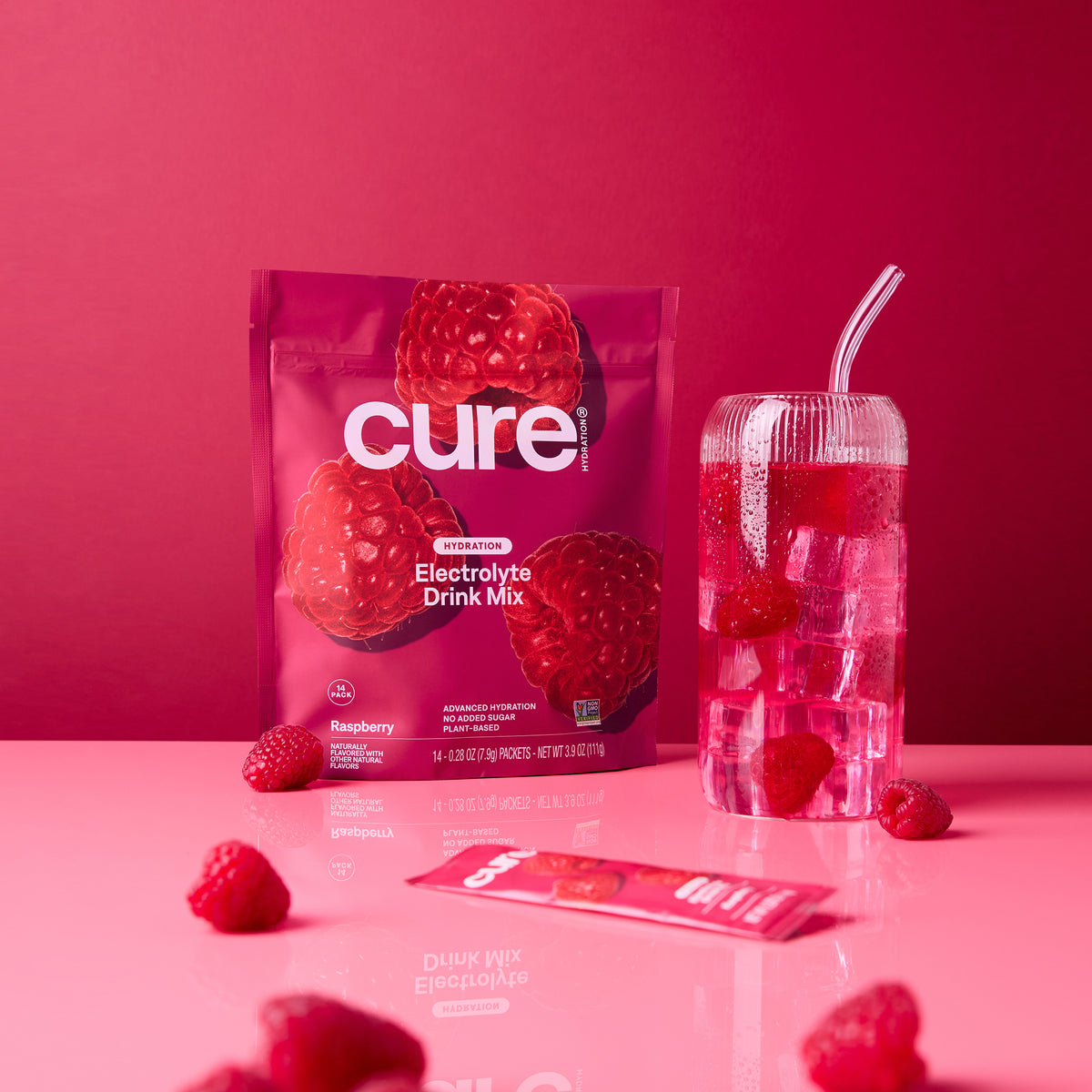
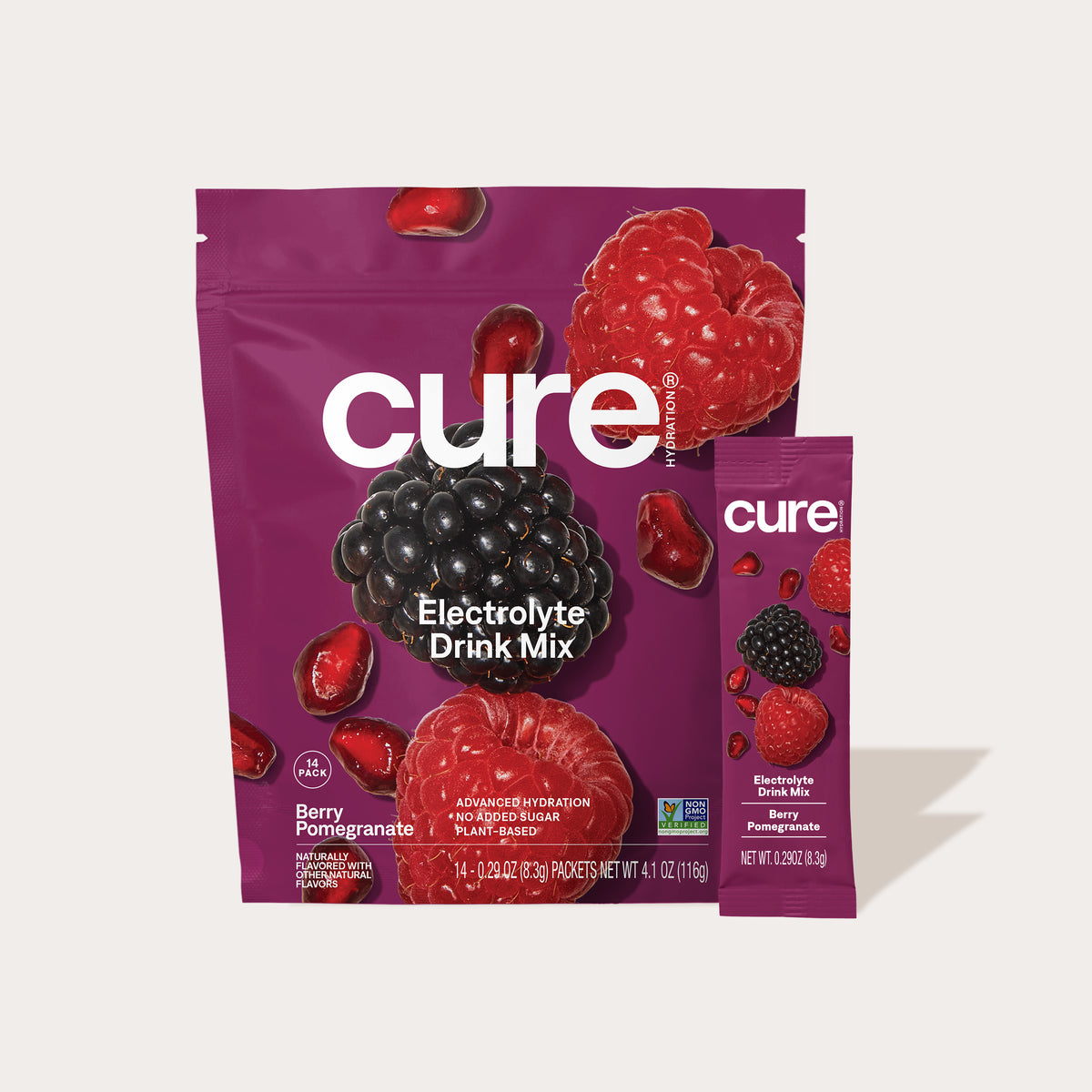
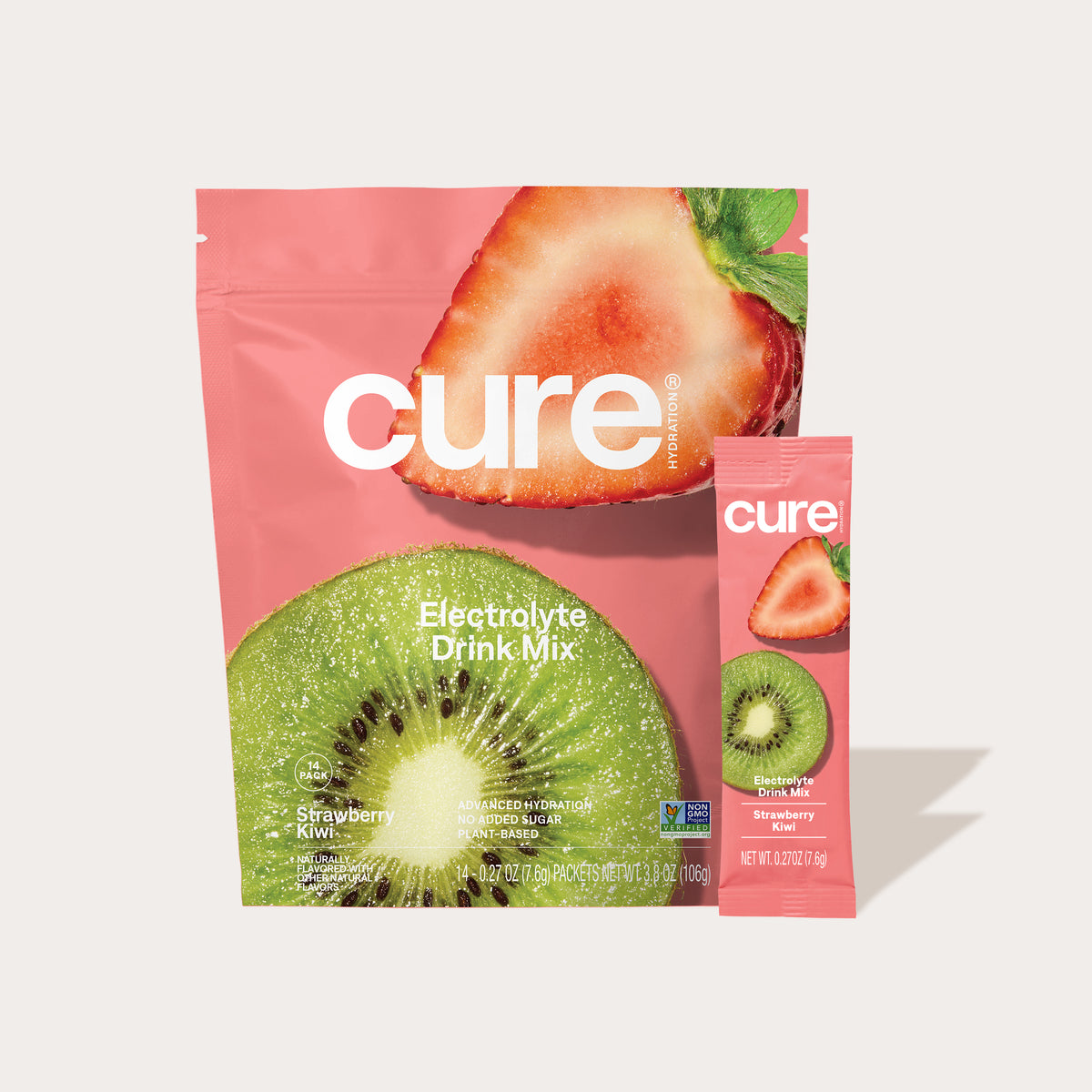
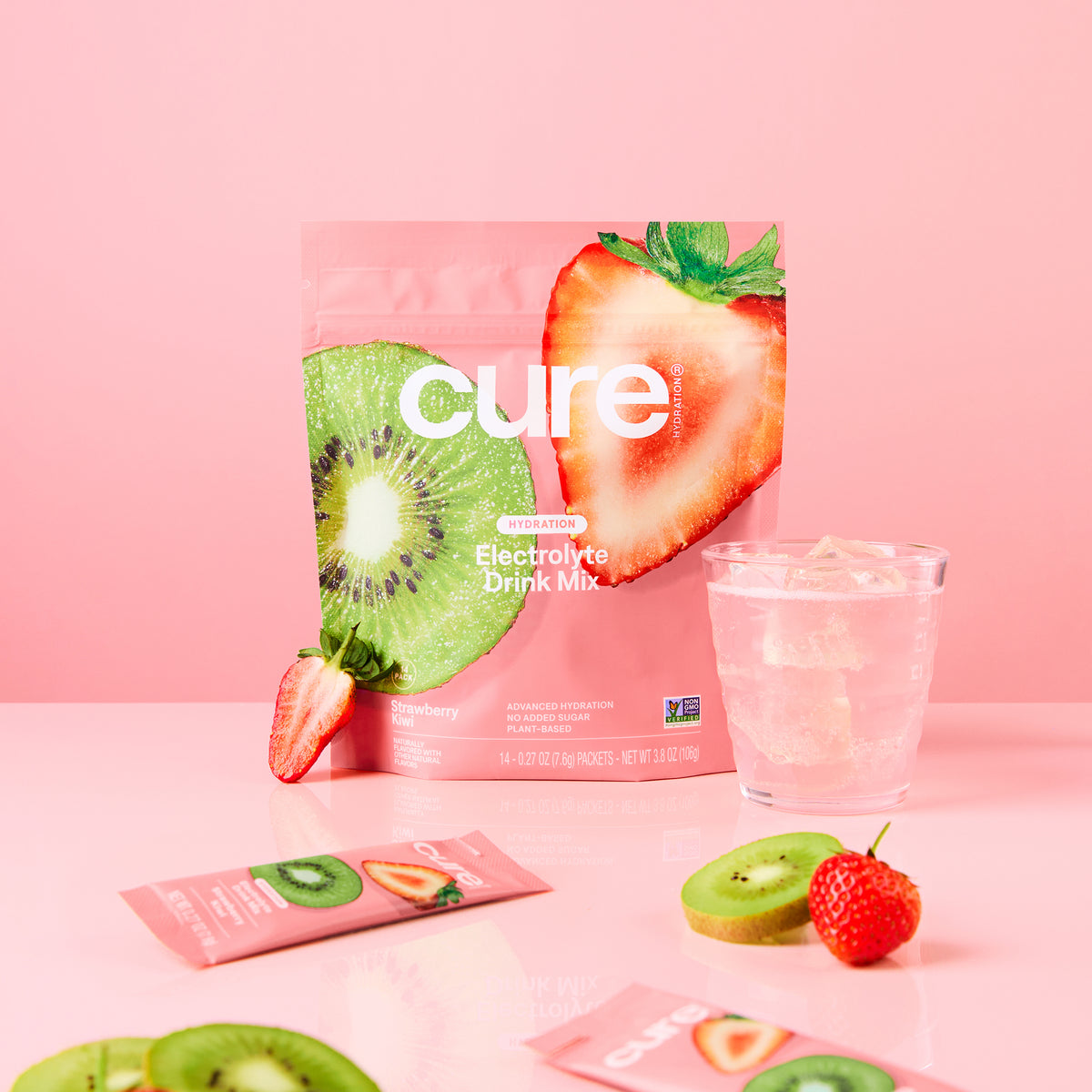
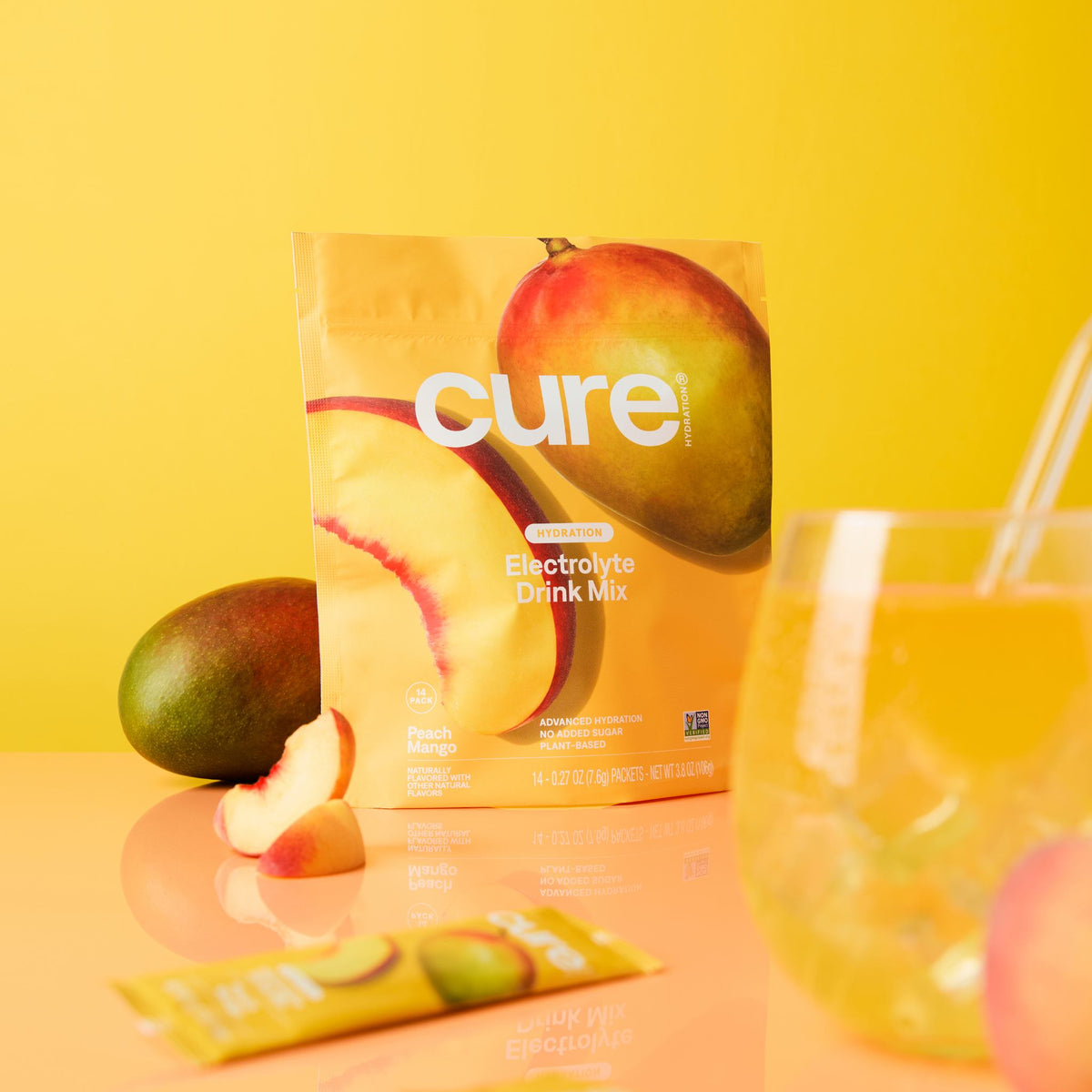
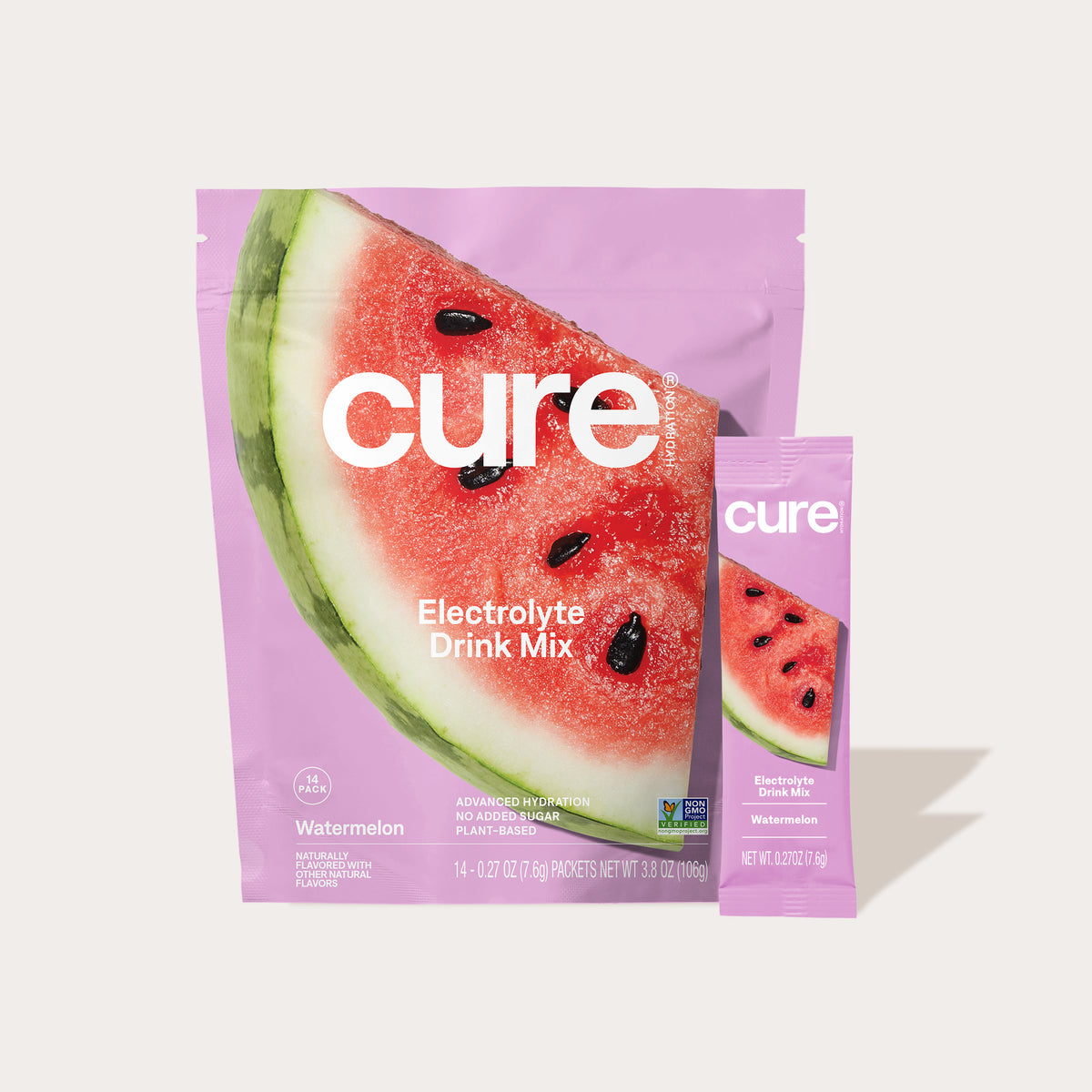
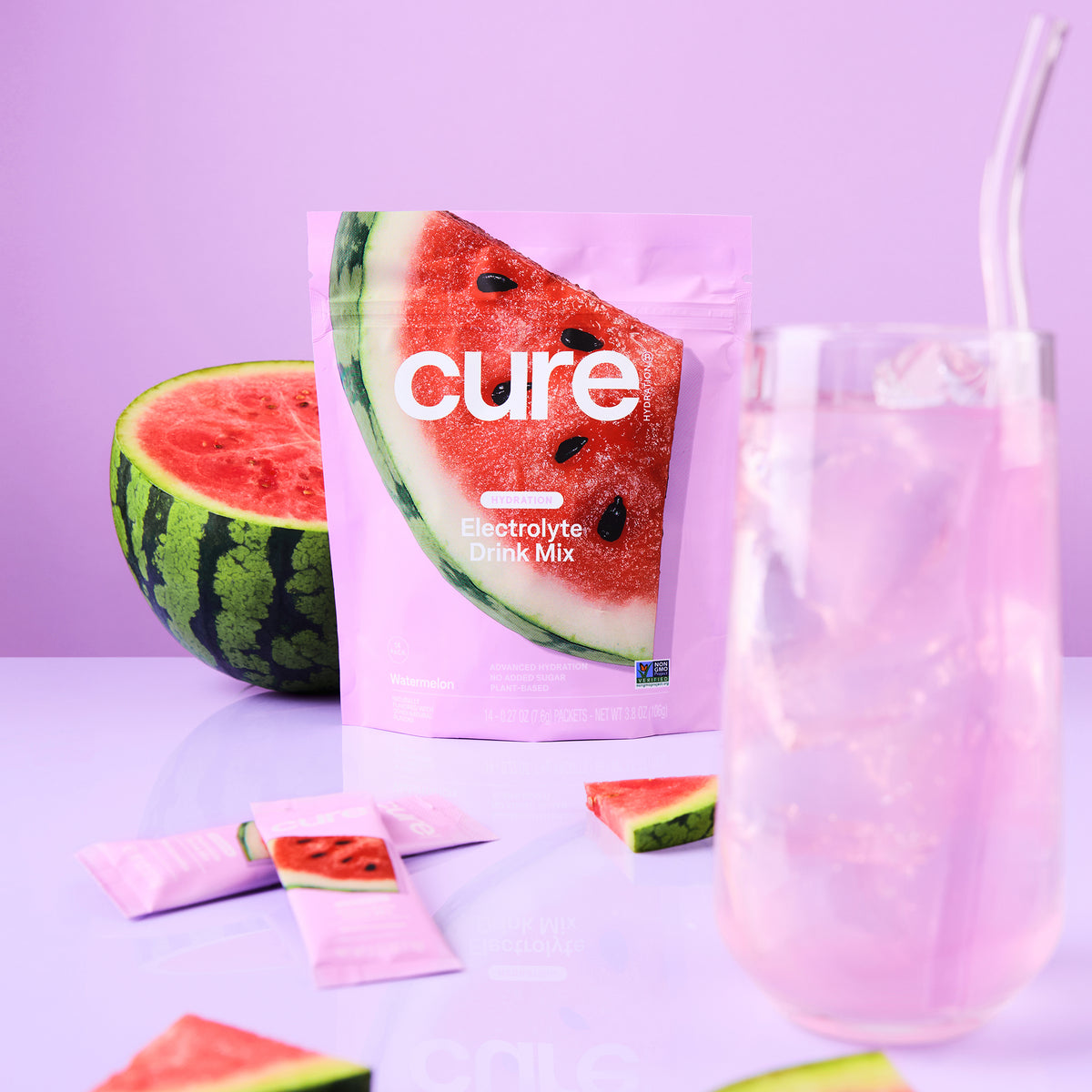
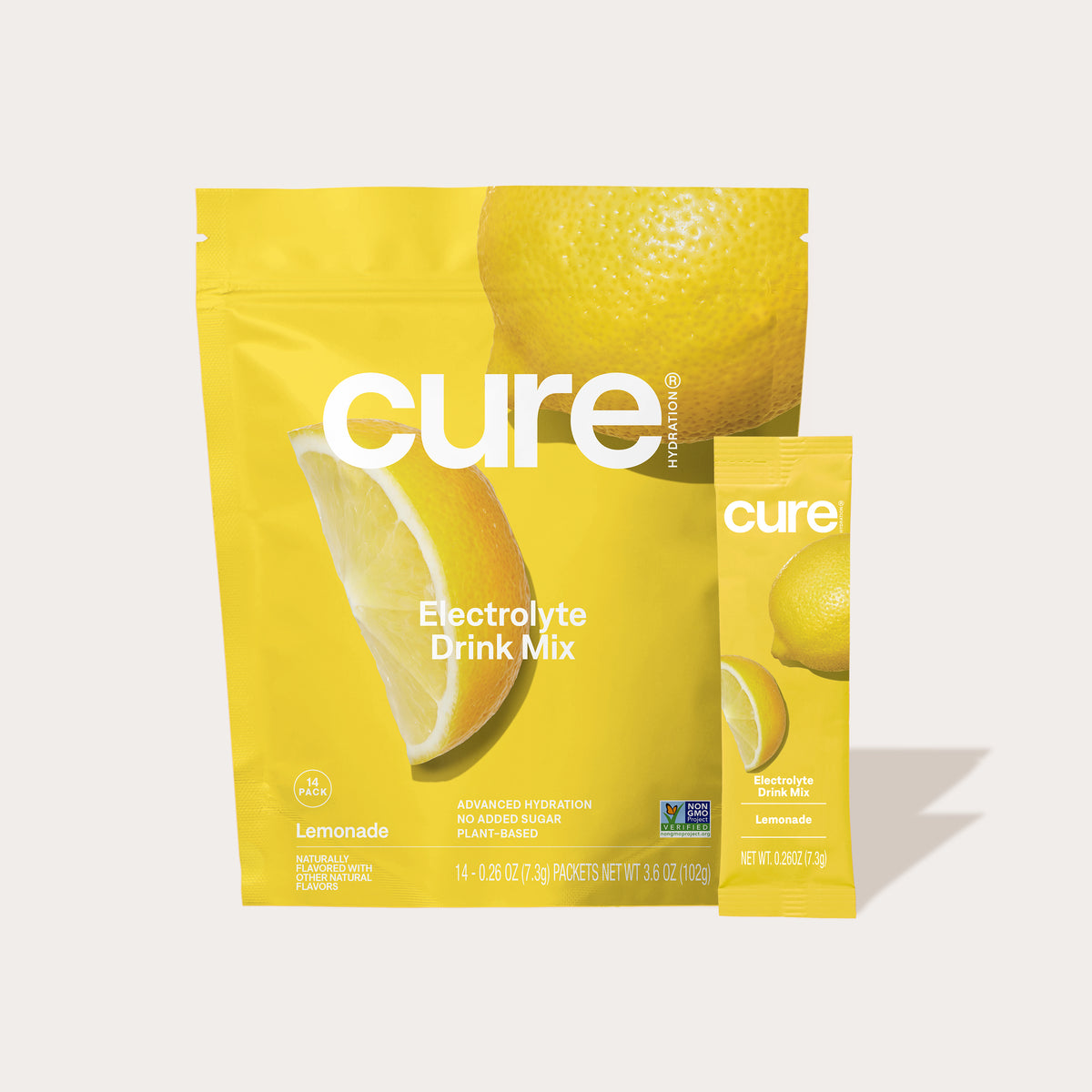
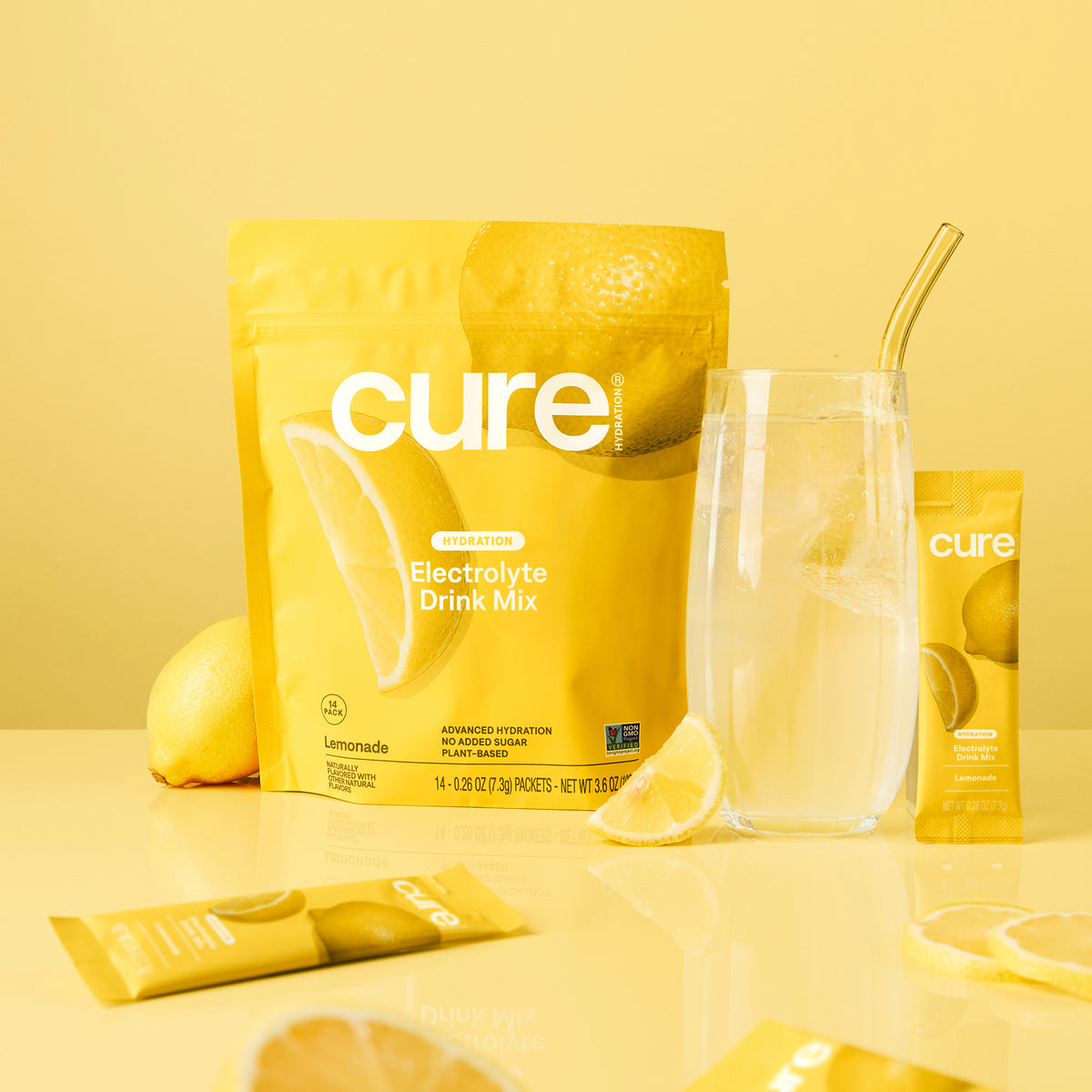
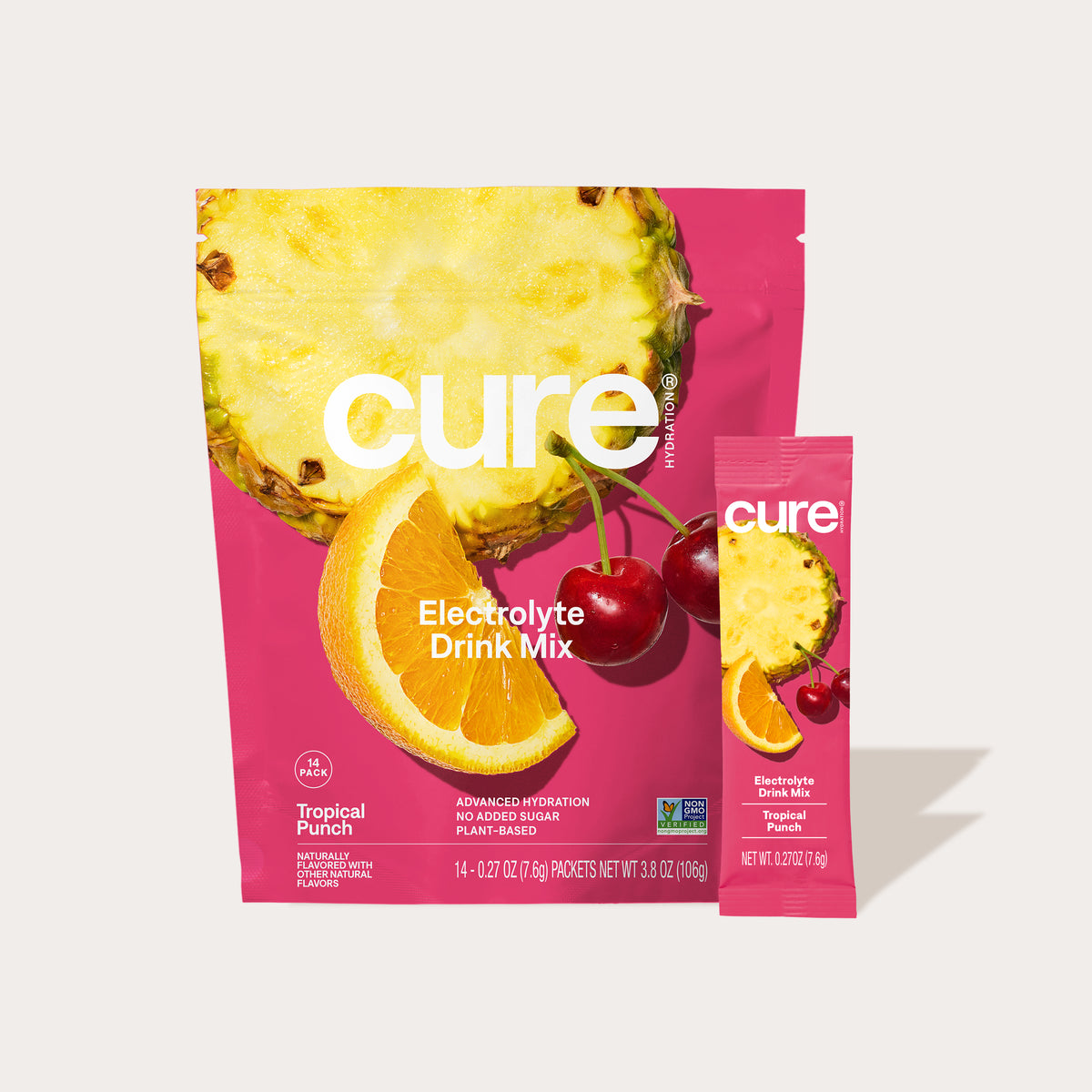
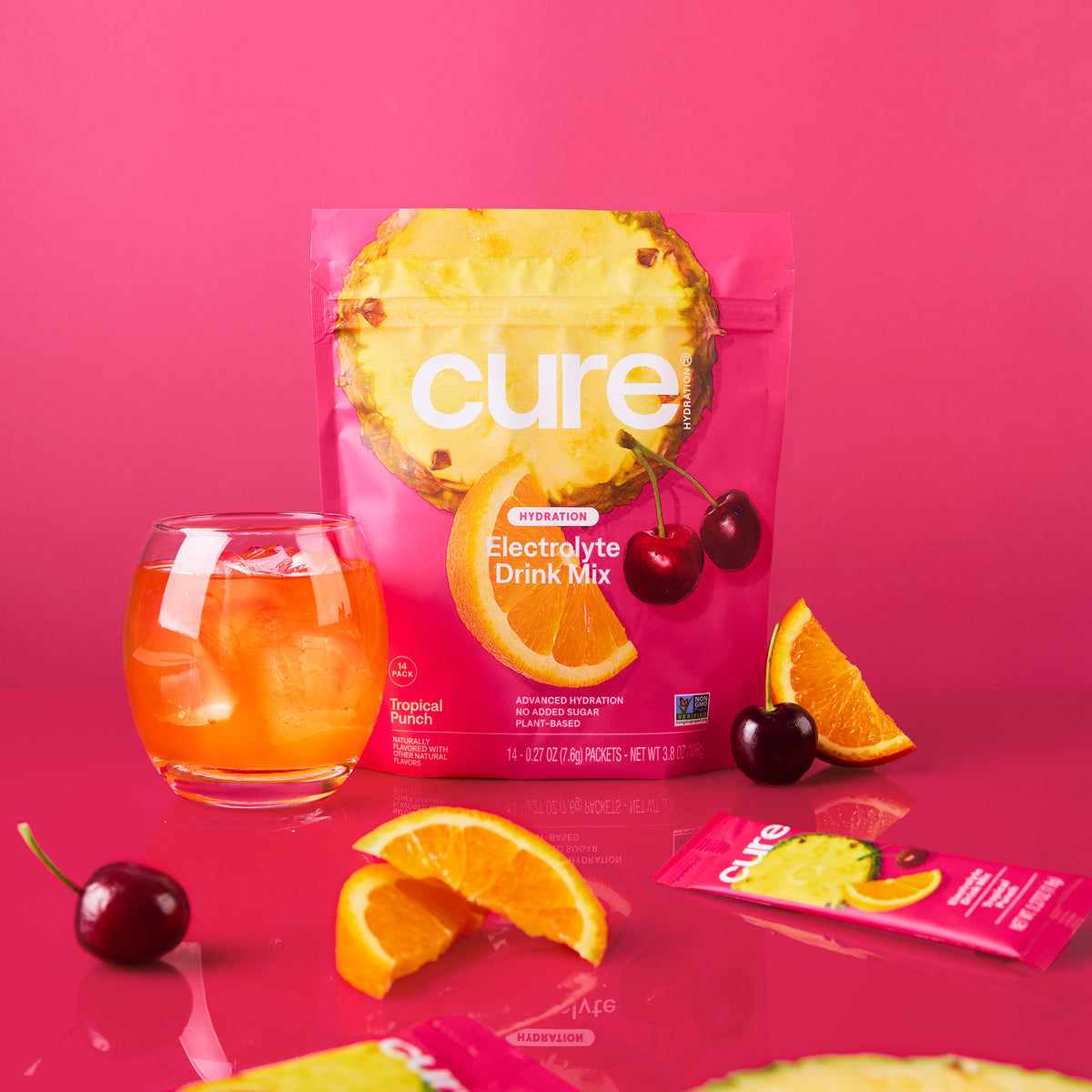
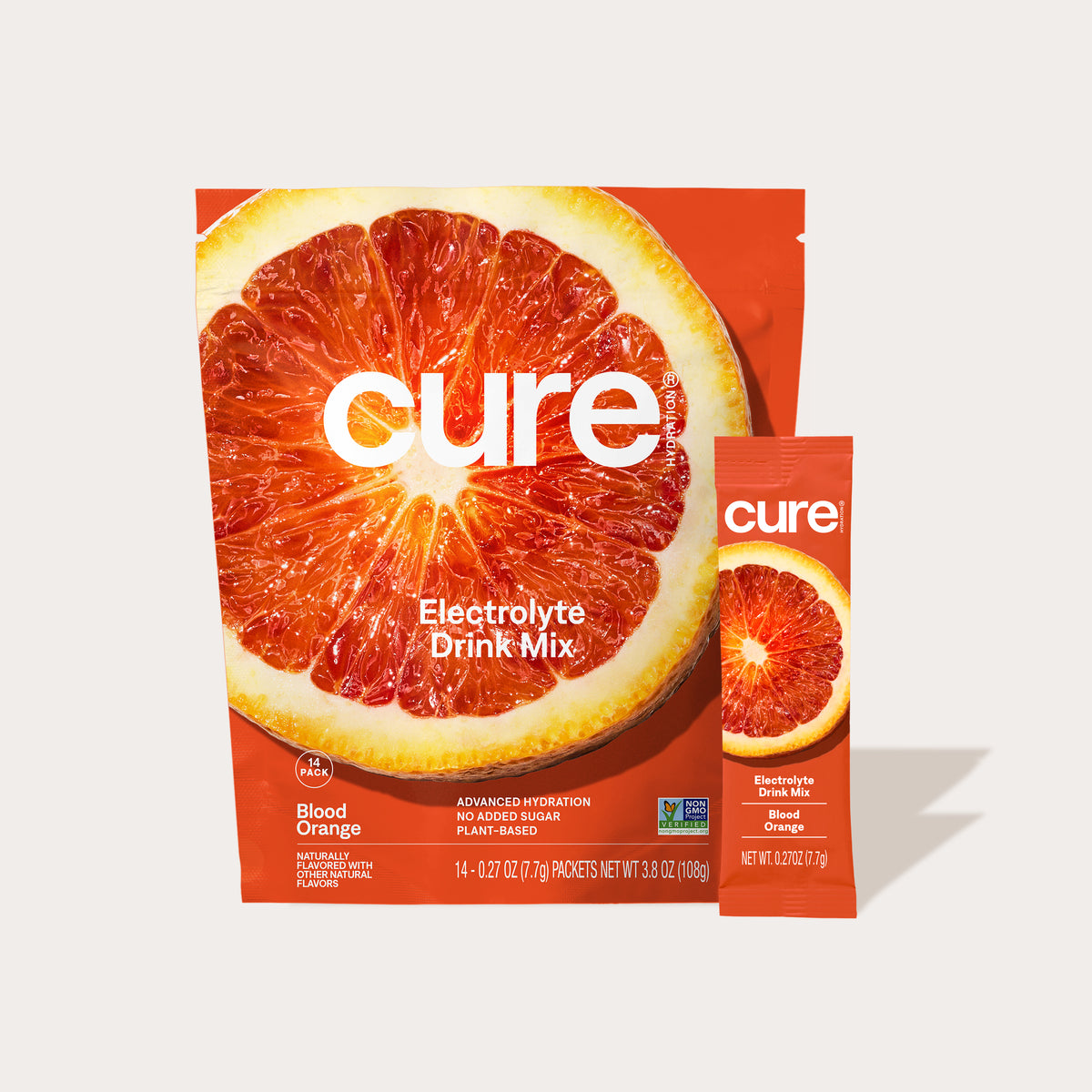
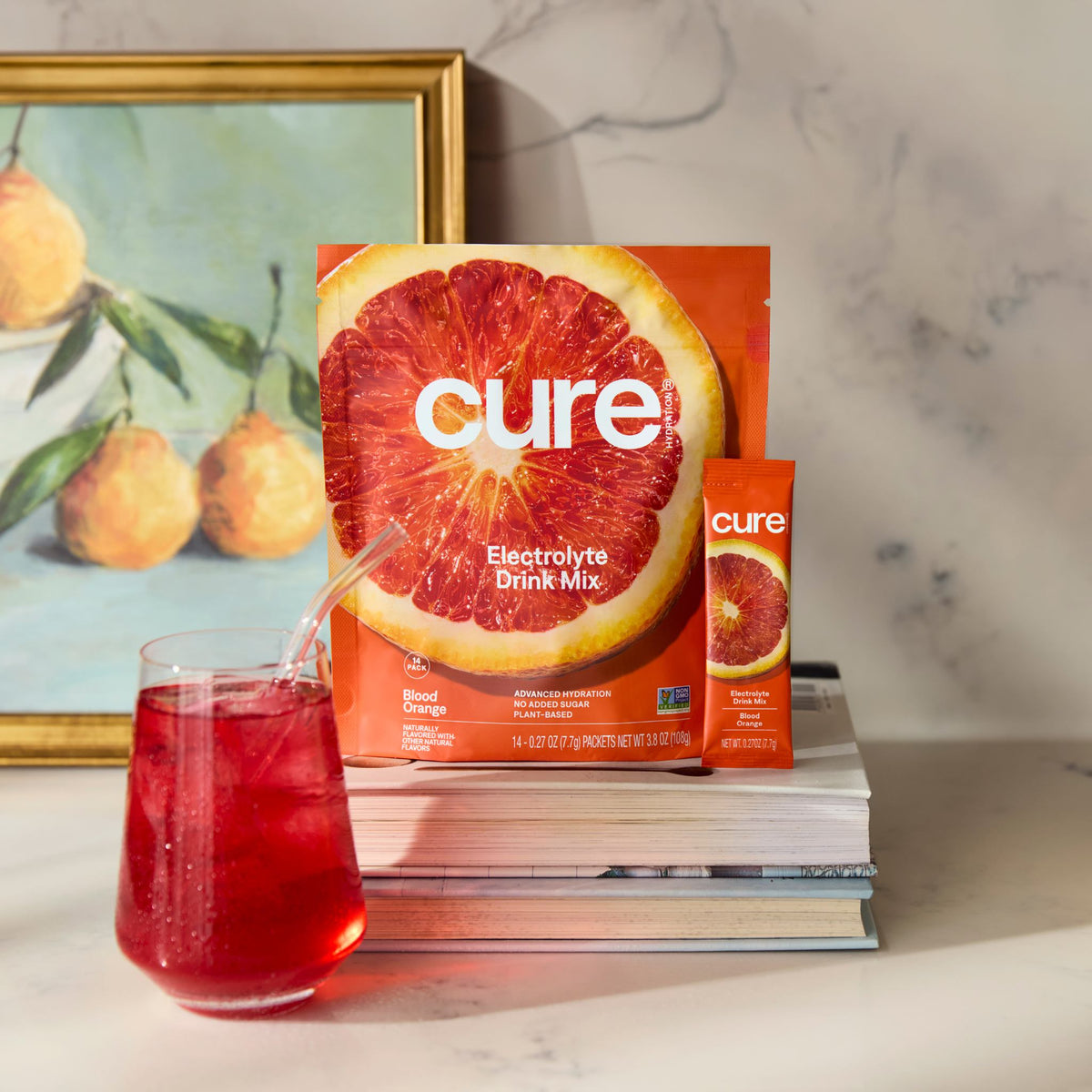
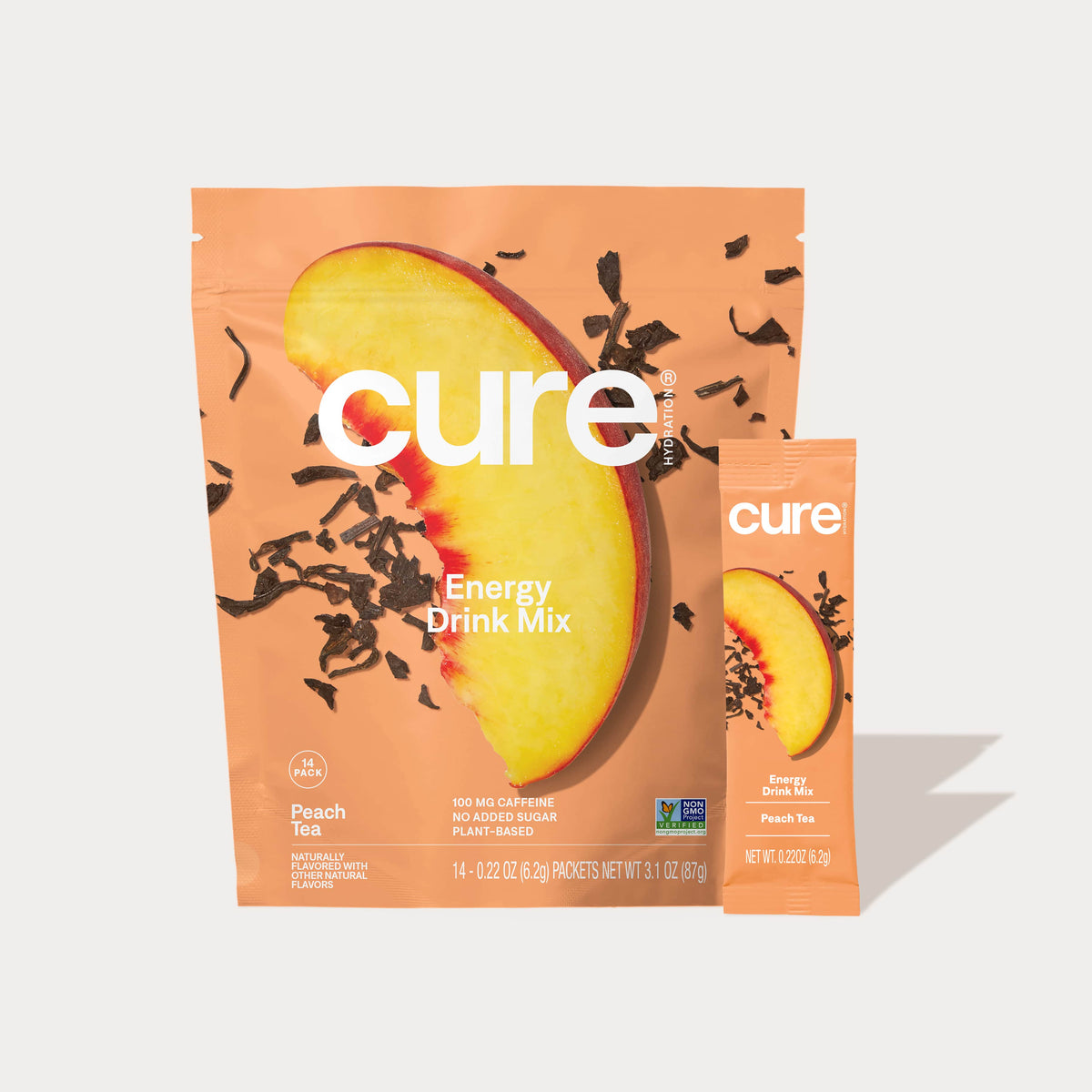
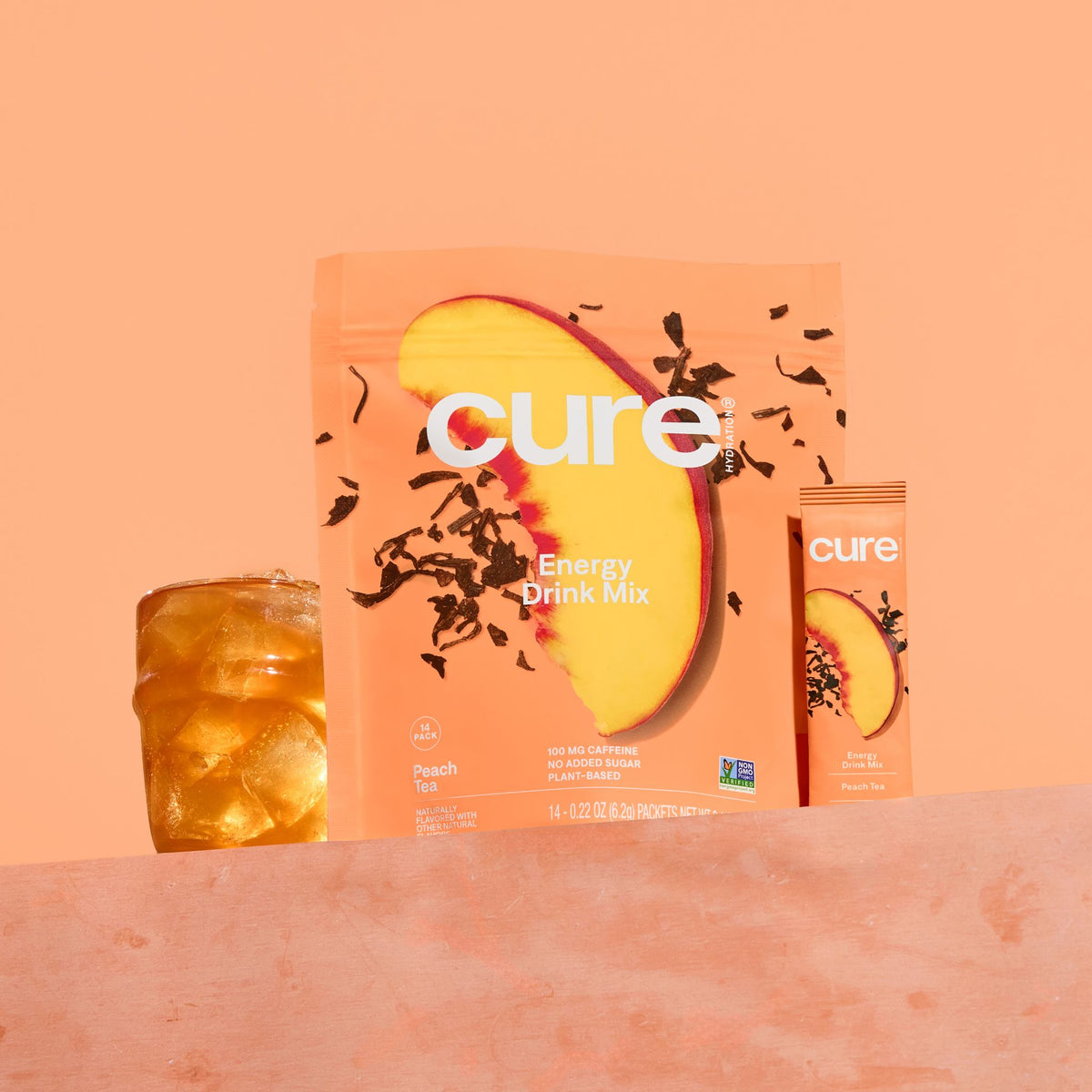
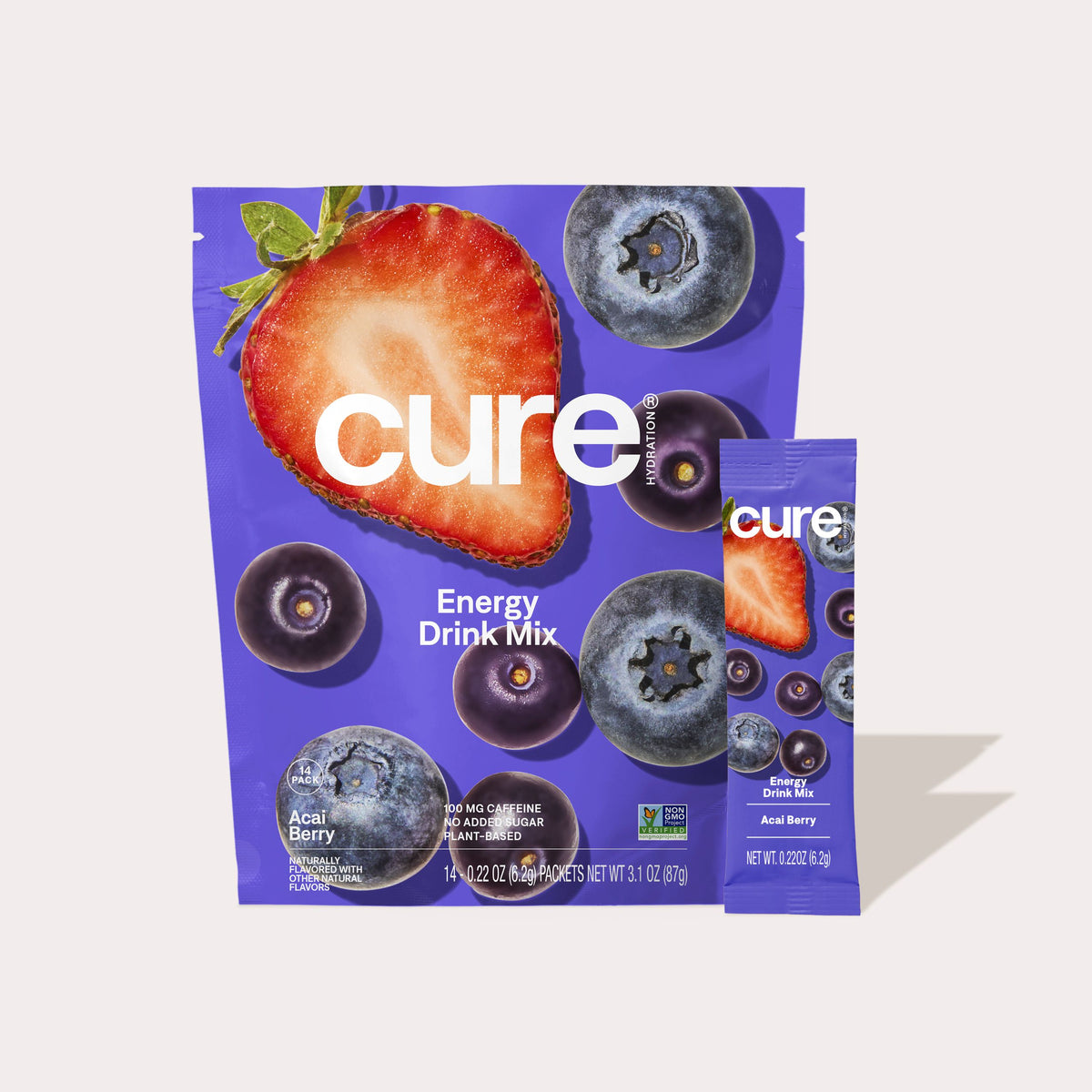
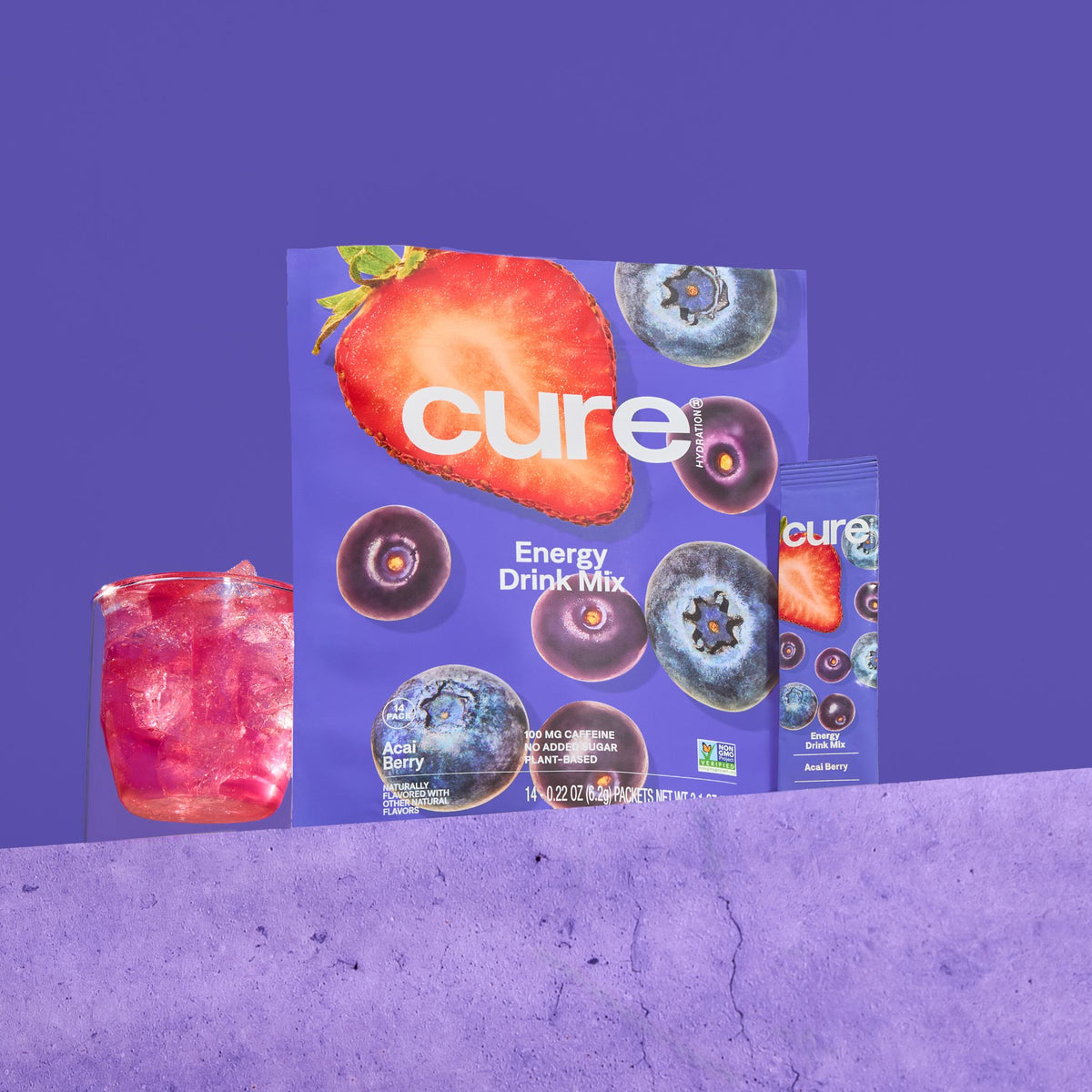
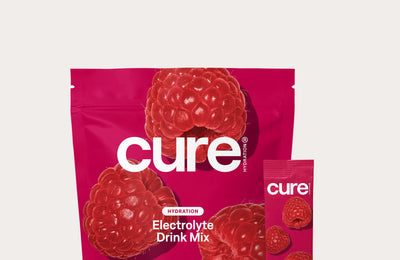
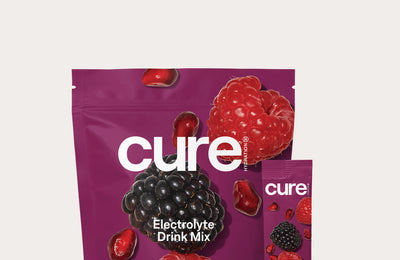
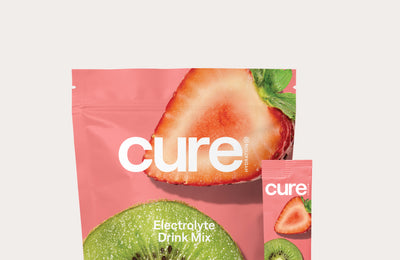
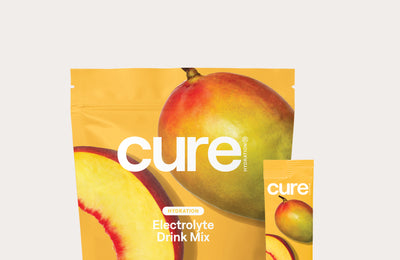
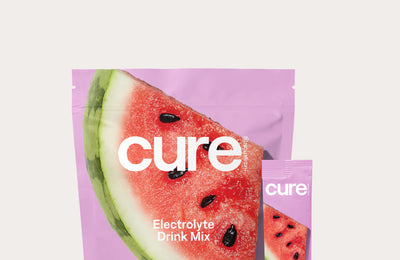
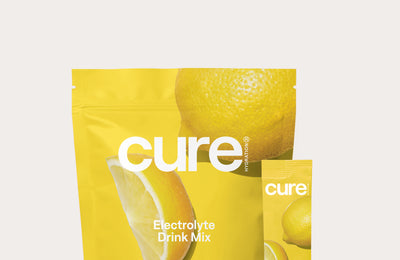
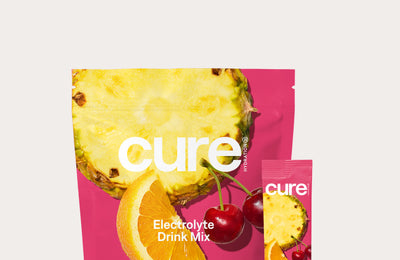
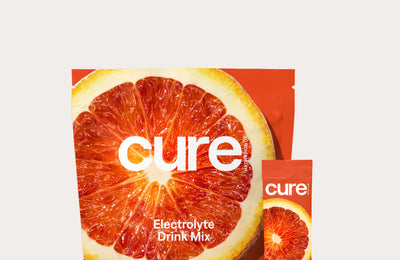
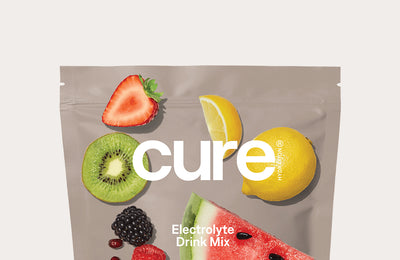
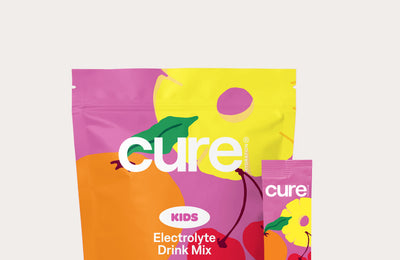
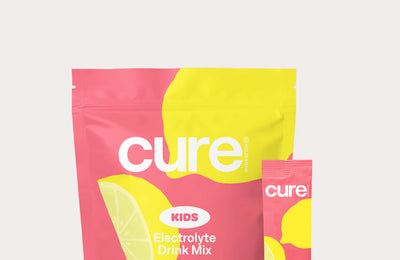
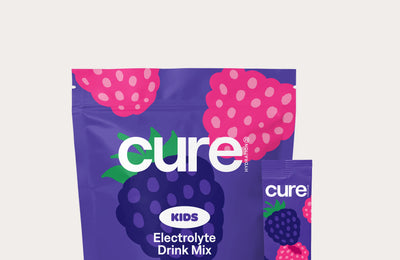
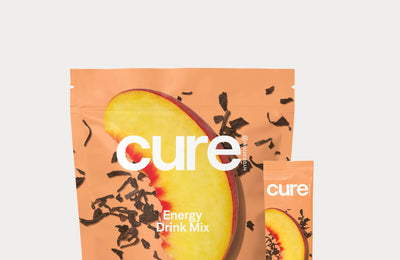
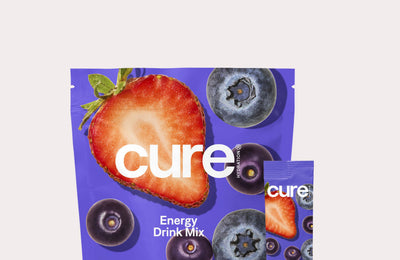
Cure is built for exactly this everyday lane. Each serving delivers about 240 mg of sodium and 300 mg of potassium, balanced for daily hydration and everyday movement rather than ultra-endurance sodium replacement, with electrolytes from real ingredients like organic coconut water and pink Himalayan salt, real fruit, and no added sugar. It's based on the World Health Organization's Oral Rehydration Solution formula, the same principle that helps your body absorb water more effectively than water alone.
If you're training for an Ironman or grinding through doubles in August heat, reach for a high-sodium formula, that's what it's for. If you're hydrating through a normal active day and the workouts that come with it, you want balance, not a salt lick.
FAQ
How much sodium do you lose per hour of exercise? It varies widely, but for most people a moderate workout costs a few hundred milligrams up to roughly 1 gram per hour, driven by how much and how saltily you sweat. Heavy sweaters in heat can lose considerably more.
Do I need electrolytes for everyday workouts? For short, moderate sessions, plain water and a normal diet usually cover it. A balanced electrolyte drink can help with longer efforts, hot conditions, or simply making hydration more pleasant, but you don't need a high-sodium formula for everyday movement.
Can too much sodium in an electrolyte drink be a problem? If you're not replacing large sweat losses, extra sodium just adds to a daily intake that most people already exceed, and high sodium intake is linked to higher blood pressure across the population. Match the dose to your actual losses.
What's a good sodium-to-potassium balance for everyday hydration? For daily use, a balanced, slightly potassium-forward profile fits most people well, since potassium is widely under-consumed and excess sodium is widely over-consumed. Higher-sodium ratios make more sense specifically for heavy-sweat, endurance, or low-carb scenarios.
Do you need sugar to absorb electrolytes? A small amount of glucose helps activate the gut's sodium-glucose cotransport system, which is the principle behind Oral Rehydration Solution. The key is small, just enough to aid absorption, not enough to turn a hydration drink into a sugary one.
Sources
- Sweat sodium loss by exercise intensity (peer-reviewed): https://pmc.ncbi.nlm.nih.gov/articles/PMC6373370/
- Sweat sodium concentration and sweat rate ranges: https://www.precisionhydration.com/performance-advice/hydration/how-to-estimate-sweat-salt-loss/
- FDA, Sodium in Your Diet (average intake vs. recommended limit): https://www.fda.gov/food/nutrition-education-resources-materials/sodium-your-diet
- CDC, About Sodium and Health: https://www.cdc.gov/salt/about/index.html
- American Heart Association, How Much Sodium Should I Eat Per Day (heavy-sweat exception): https://www.heart.org/en/healthy-living/healthy-eating/eat-smart/sodium/how-much-sodium-should-i-eat-per-day
- NIH Office of Dietary Supplements, Potassium (nutrient of public health concern): https://ods.od.nih.gov/factsheets/Potassium-HealthProfessional/
- World Health Organization, Oral Rehydration Solution background: https://www.who.int/
- Cure Hydration, product and ingredient information: https://www.curehydration.com/