









Electrolytes, Gut Health & Your Immune System
By Jamie DeLaurentis, MS, RDN, LDN
Registered Dietitian & Gut Health Expert
When most of us think about staying healthy, we focus on the big pillars of health: a nutrient-dense diet, quality sleep, movement, stress management, and immune-supporting nutrients like vitamin C and zinc. But there's a quieter (and often forgotten) factor working behind the scenes that plays a powerful role in your overall health.
Electrolytes
Electrolytes are minerals that are involved in everything from cellular hydration and muscle contraction to gut motility and immune signaling. They are not just “hydration helpers” – but an integral part of full body health. As a Registered Dietitian, I’ve found supporting electrolytes is a daily non-negotiable habit for my clients, especially for achieving symptom wins when it comes to gut and immune health.
Why Electrolytes Are a Non-Negotiable
Electrolytes – such as sodium, potassium, magnesium, and chloride are minerals that allow cells, nerves, and tissues to communicate effectively. This “communication” greatly impacts how well you feel on a day-to-day basis. This impacting:
● Cellular hydration and fluid balance in the body
● Muscle contraction
● pH balance
● Nutrient transport and absorption
● Immune cell activation and communication
● Overall gut, liver, and thyroid function
With my clients, I always teach that nutrition should be approached in a specific order – one of those very first steps being electrolyte balance. This tends to surprise people, because electrolytes are usually only associated with workouts or sports drinks. But once you understand that electrolytes do far more than simply hydrate you, it becomes clear why they are foundational. The moment you support electrolytes with a bigger purpose in mind, your health will feel the difference.
Signs of Electrolyte Depletion
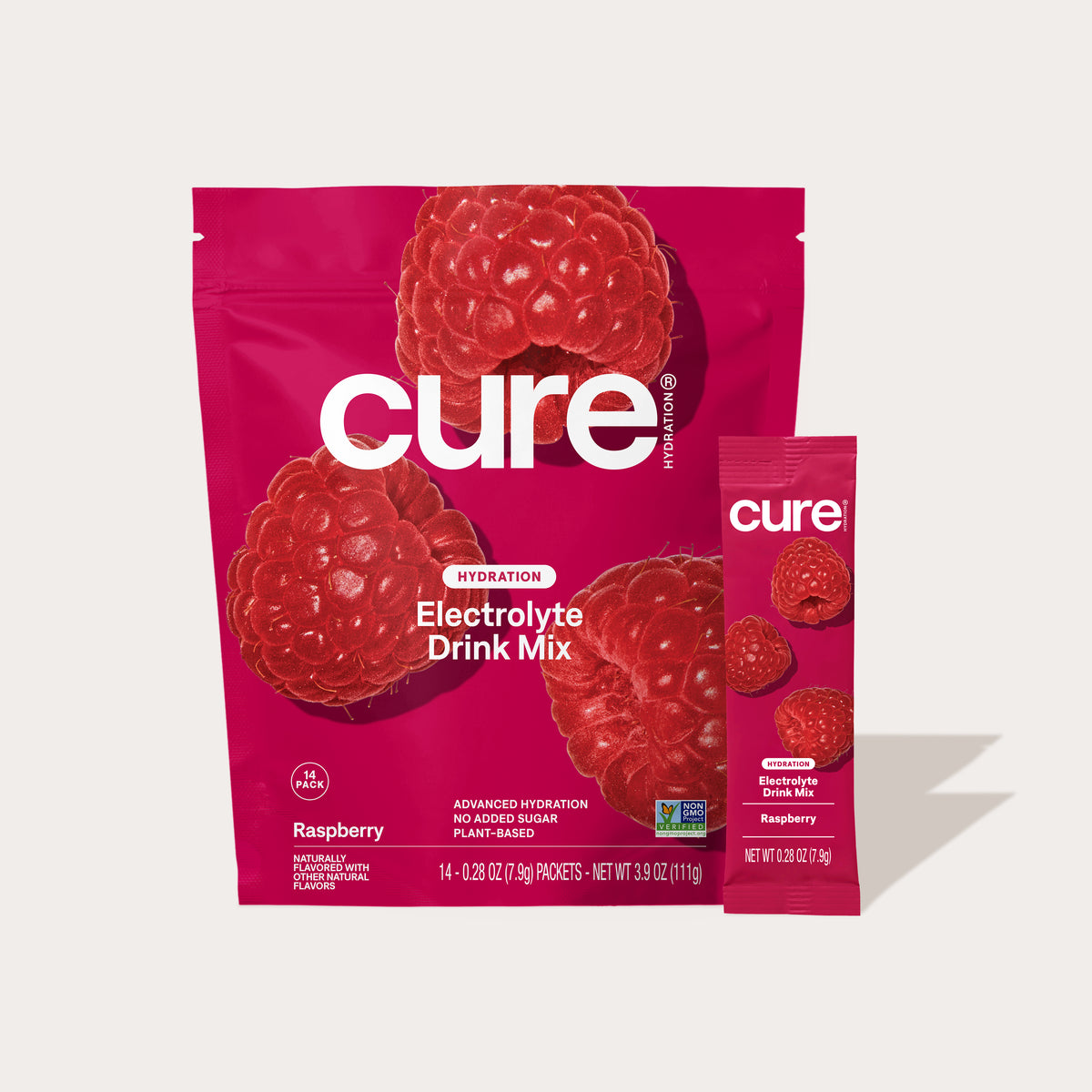
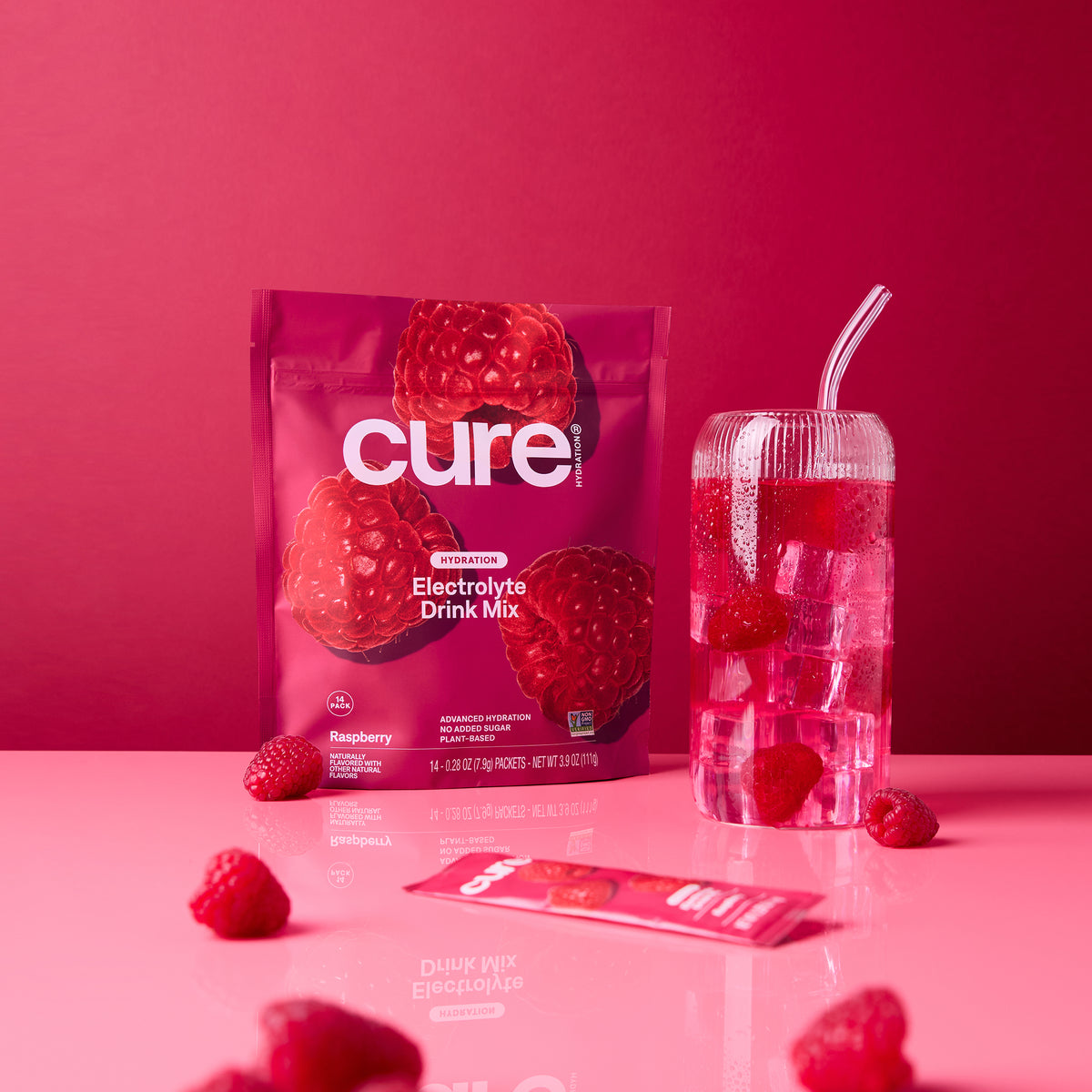
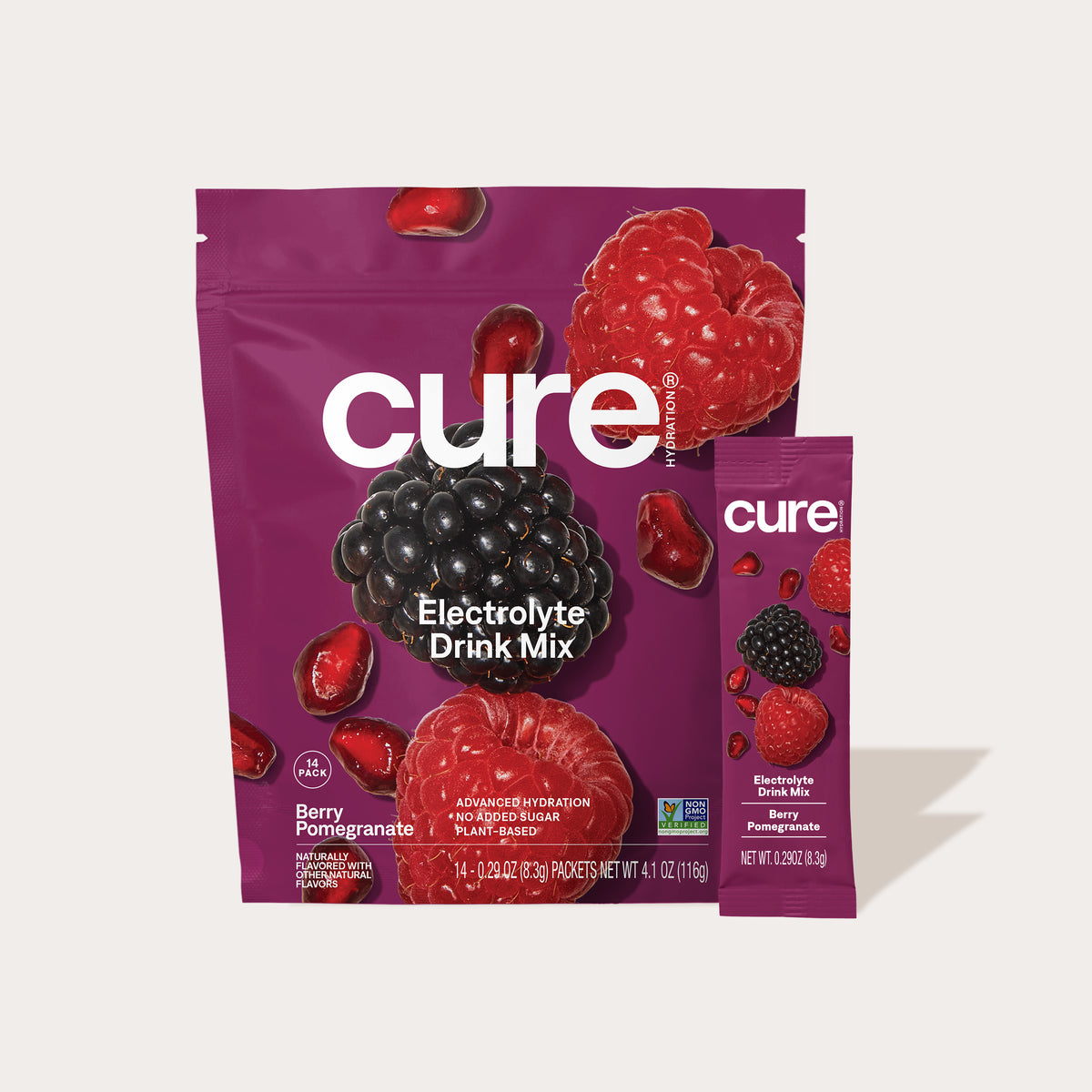
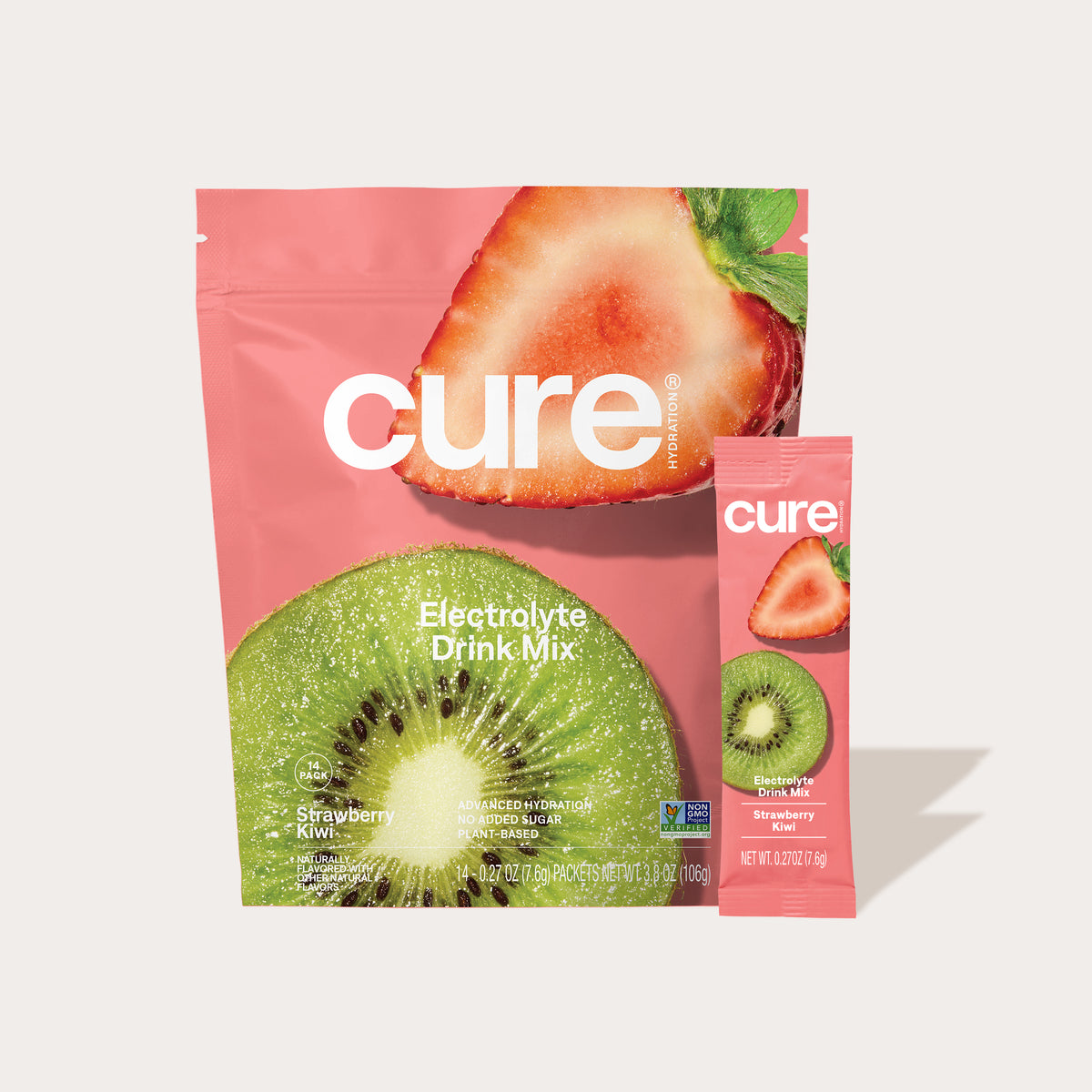
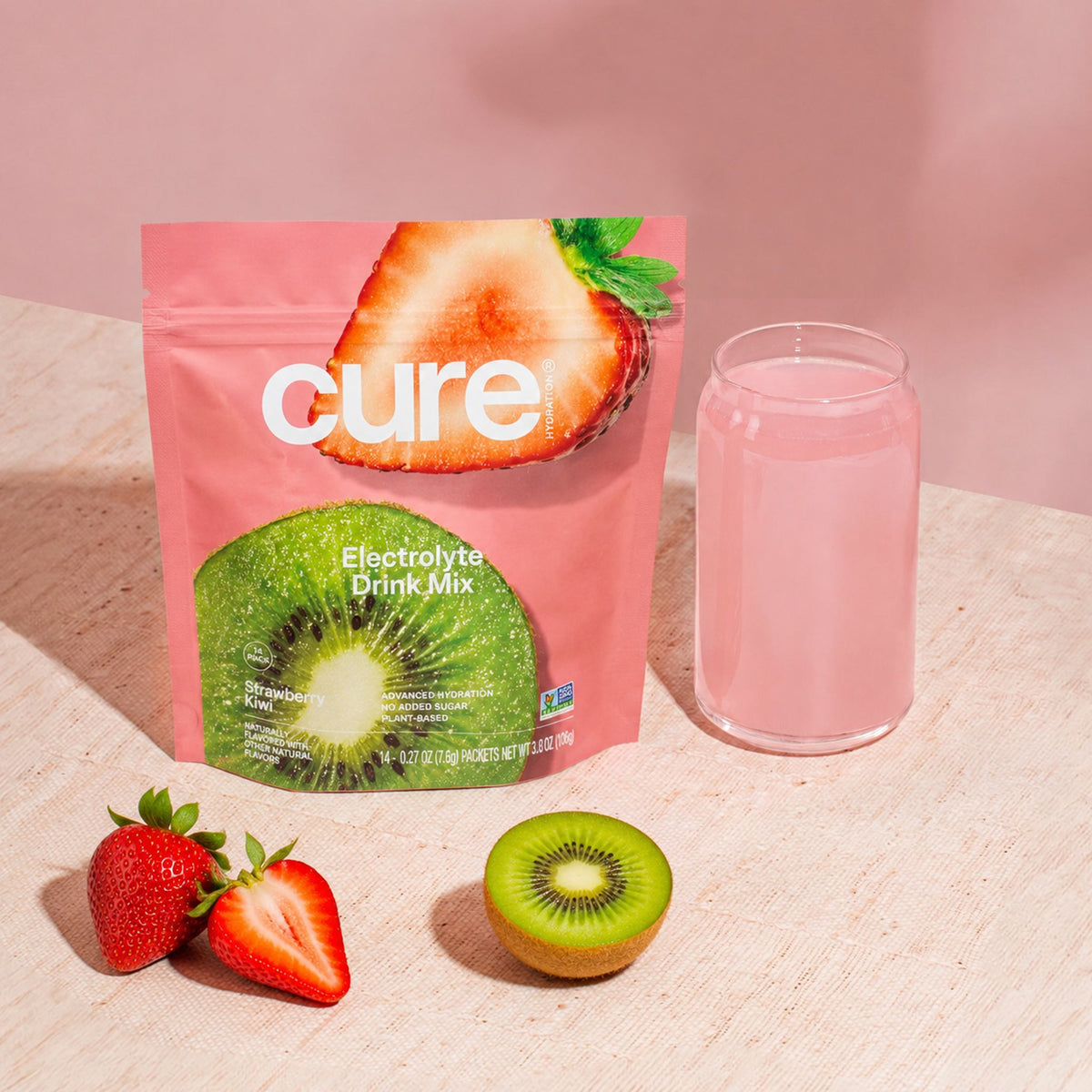
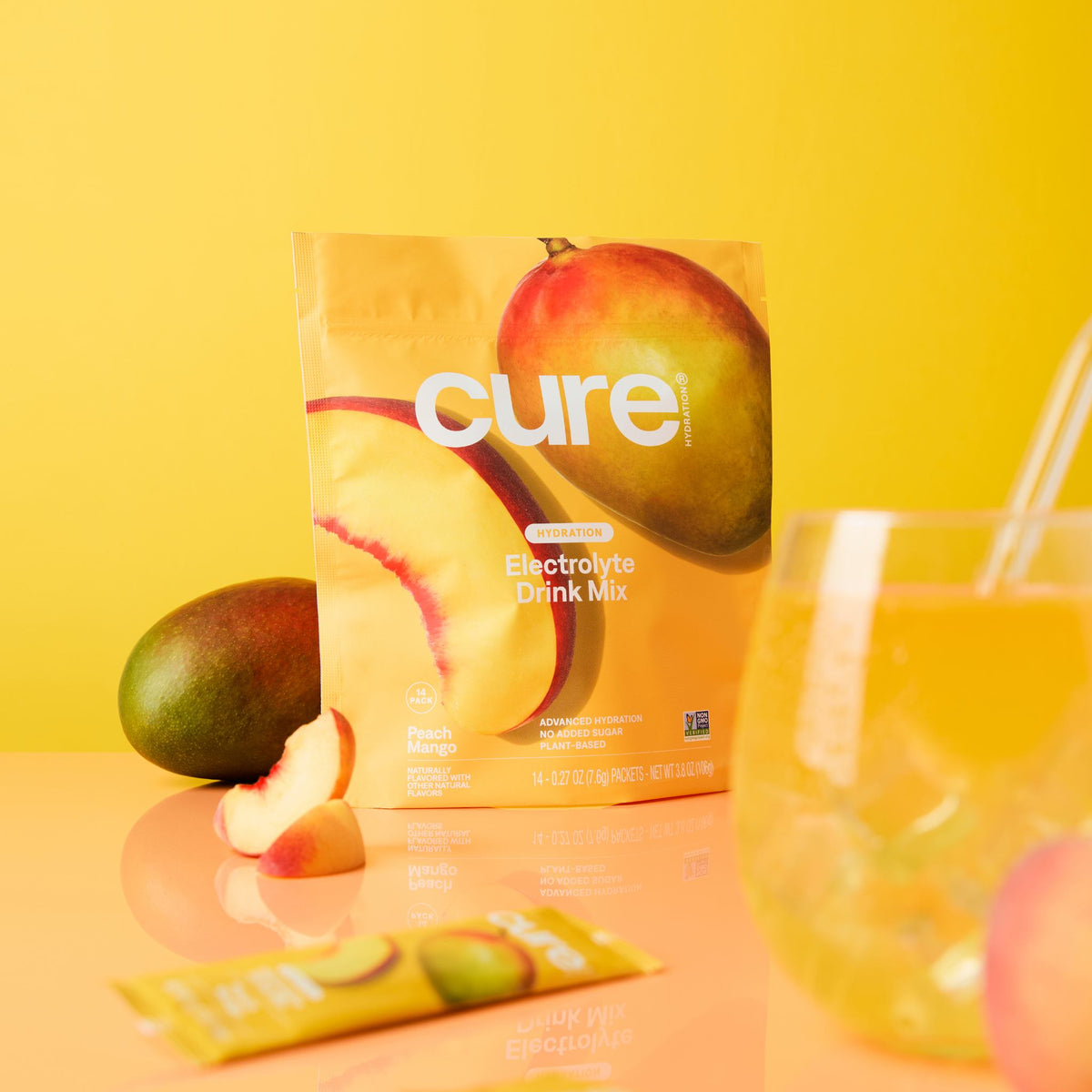
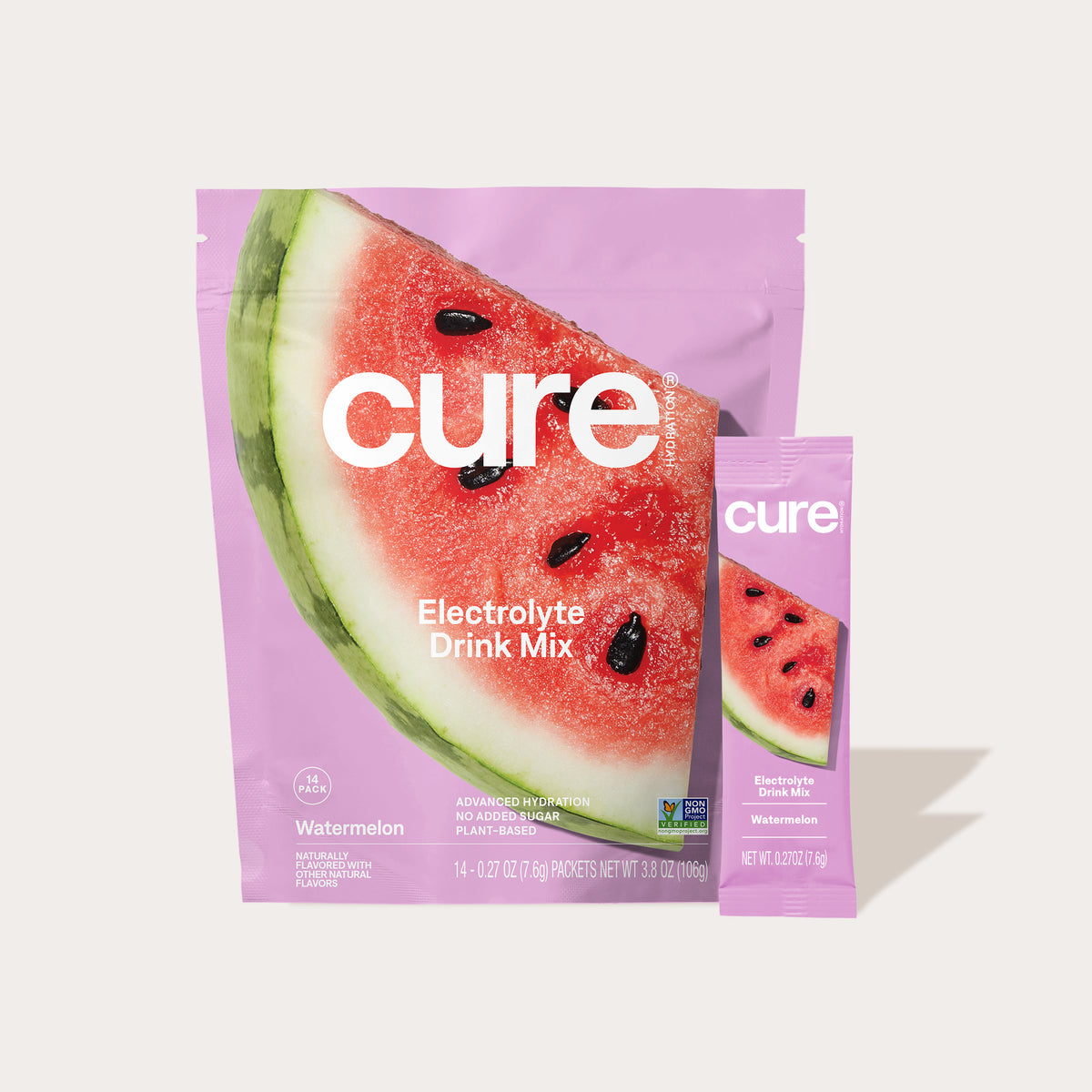
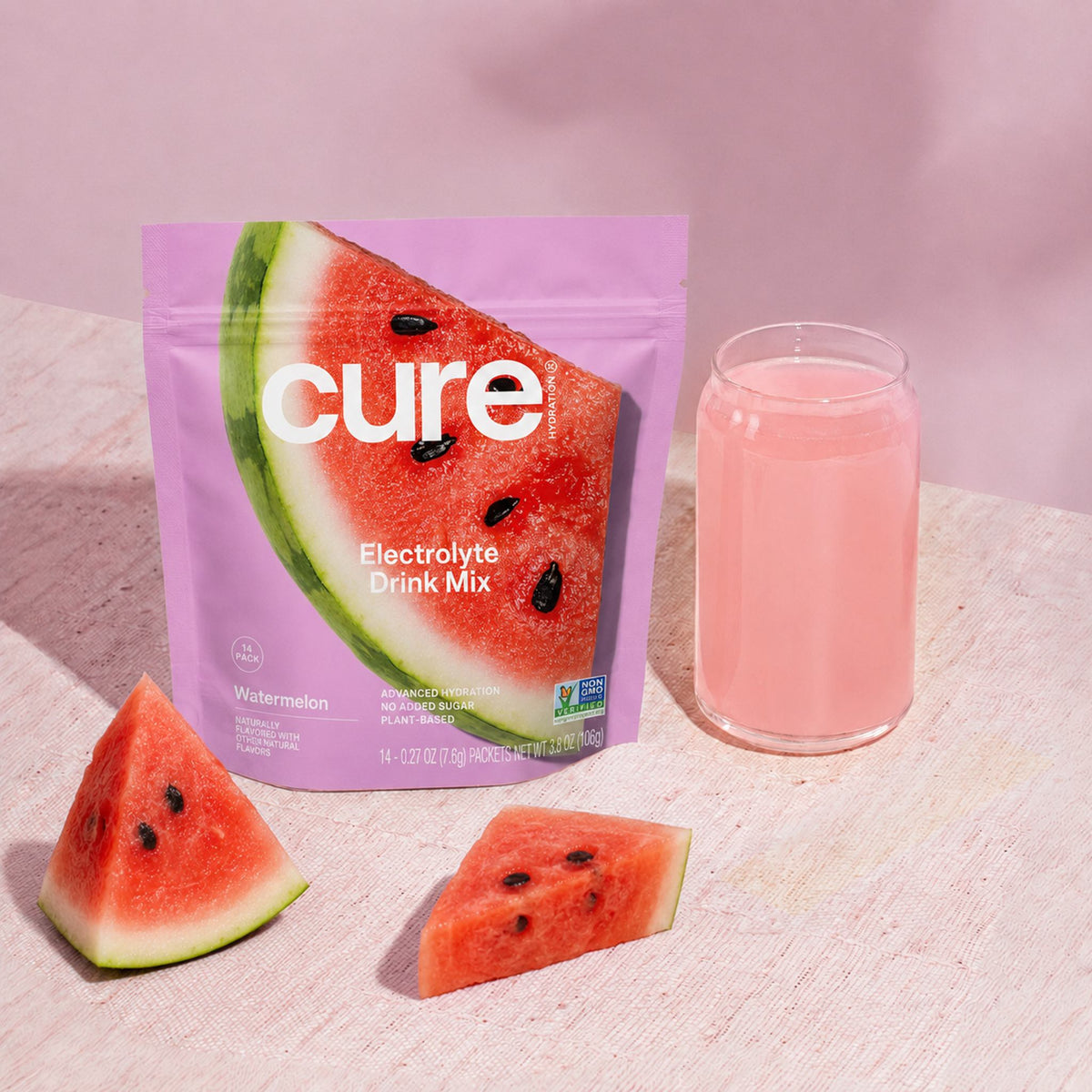
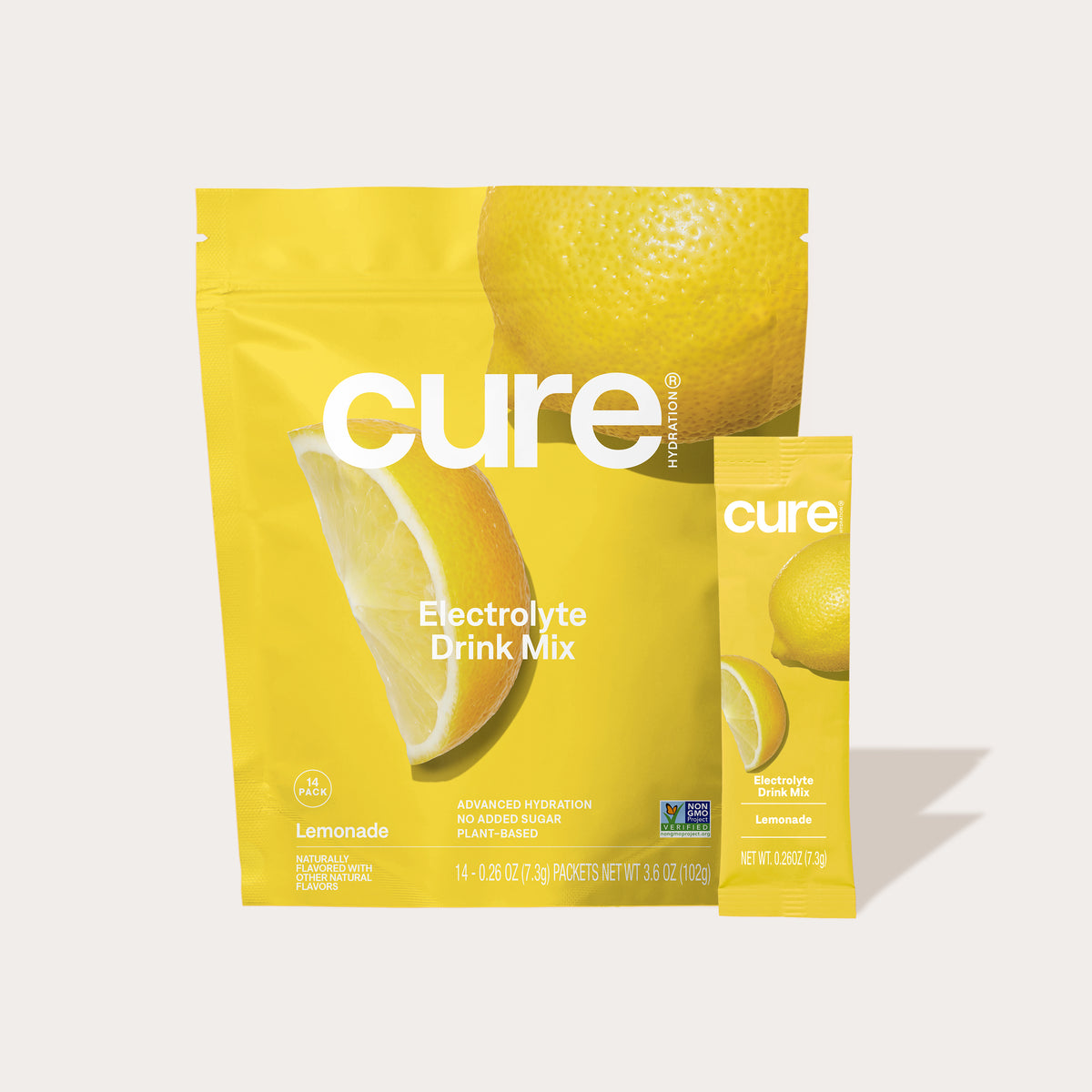
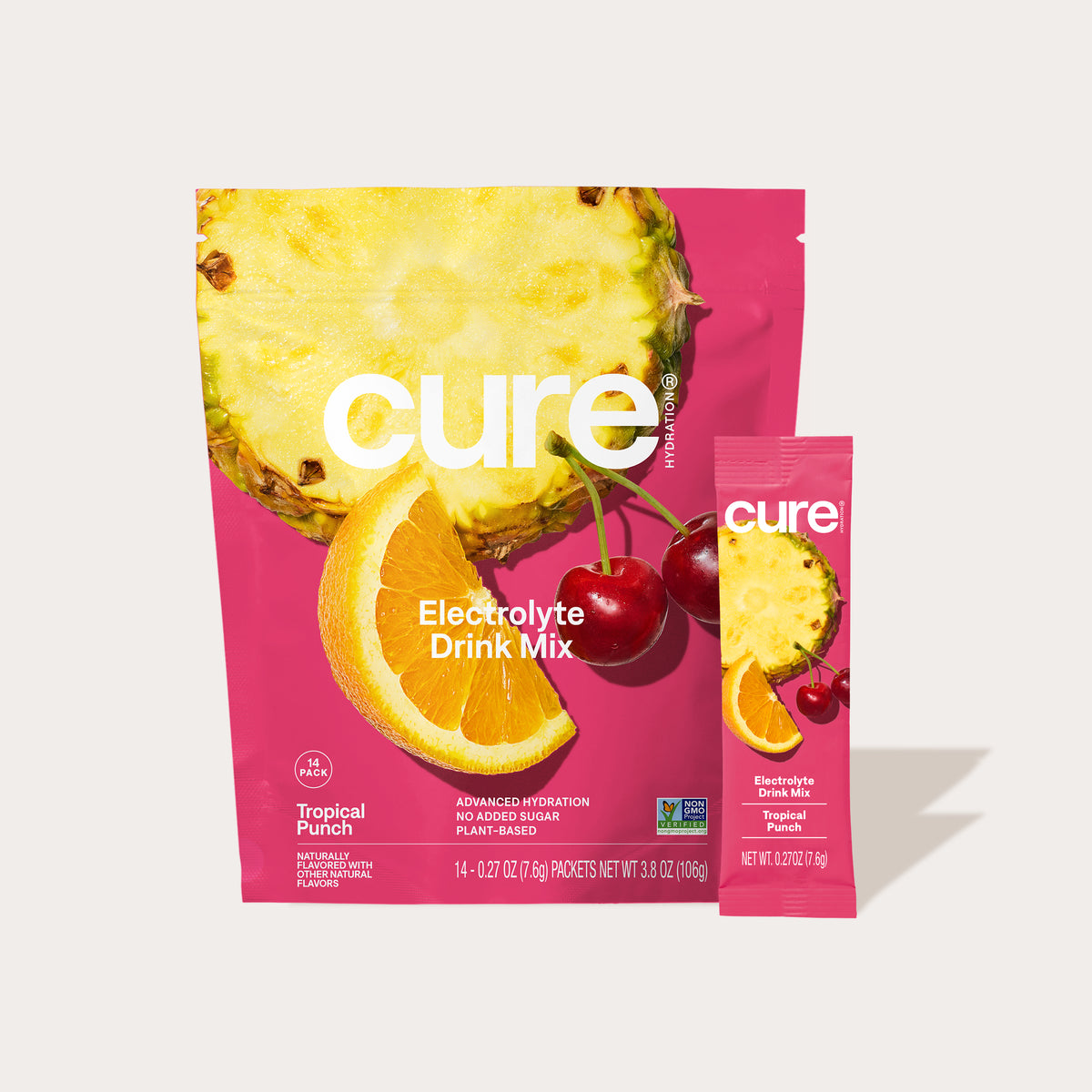
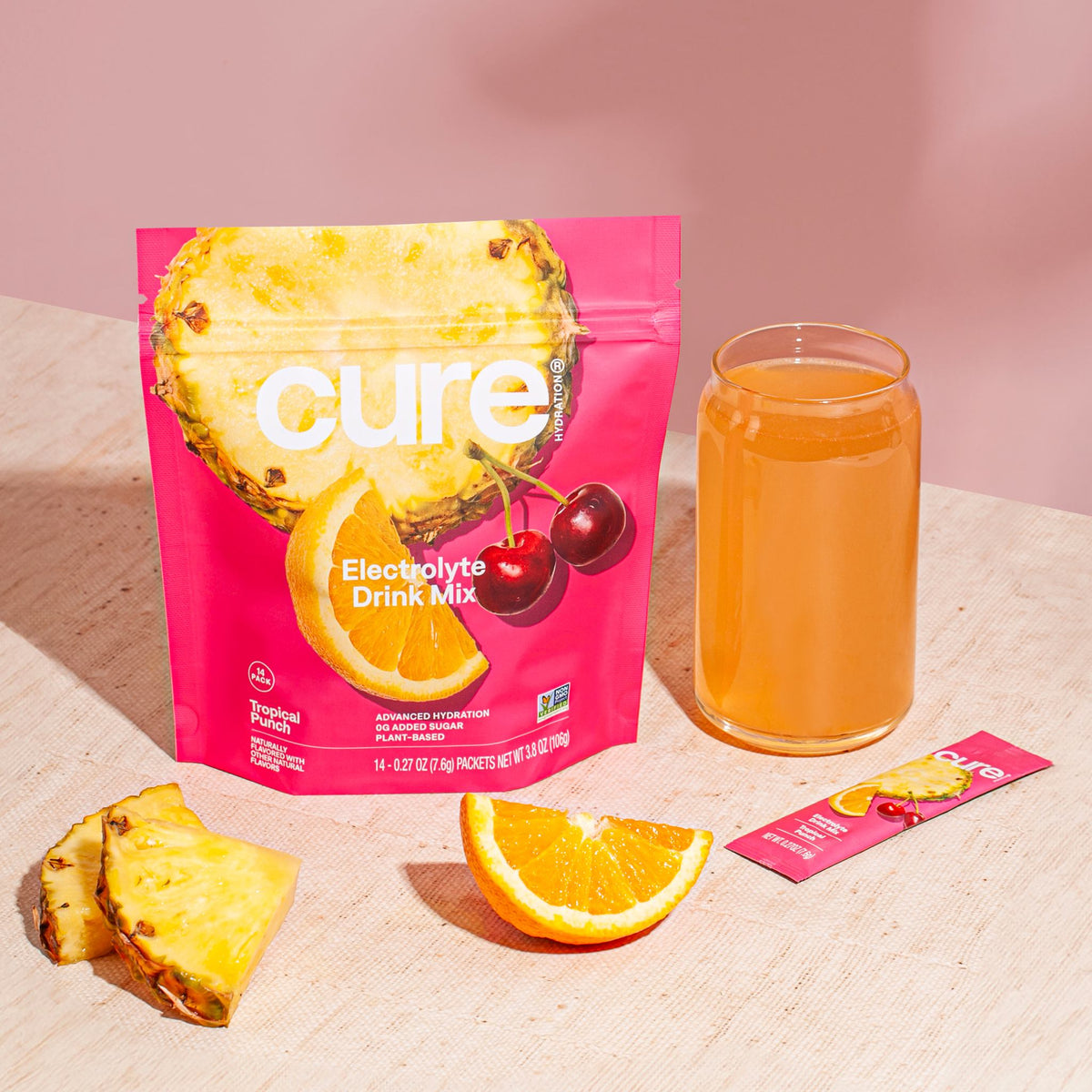
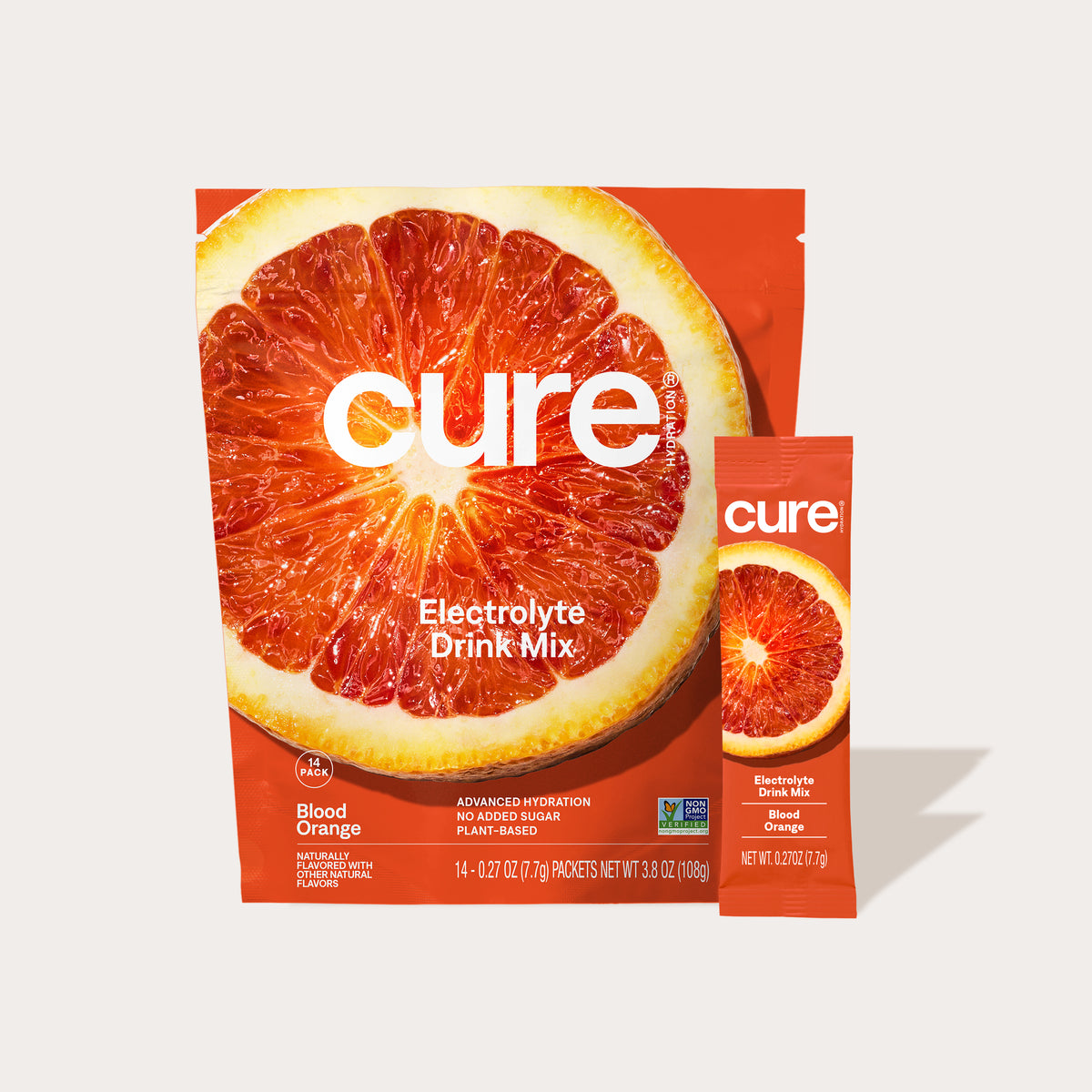
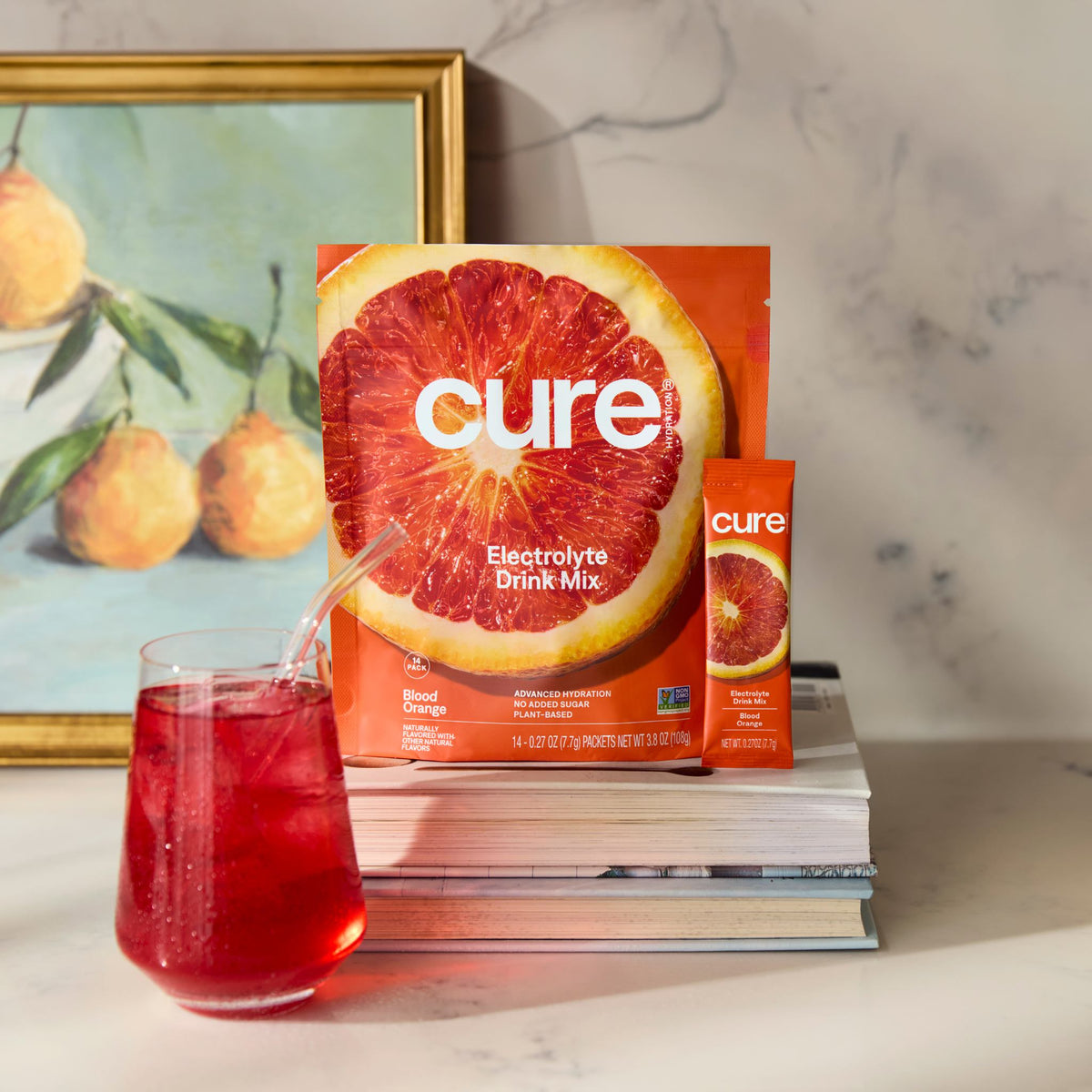
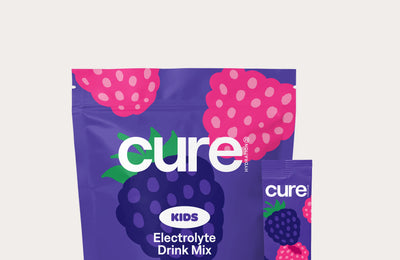
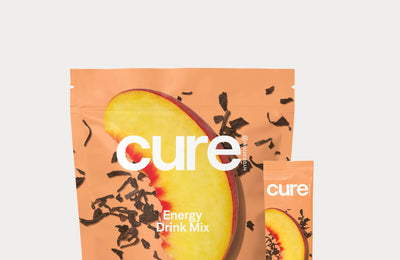
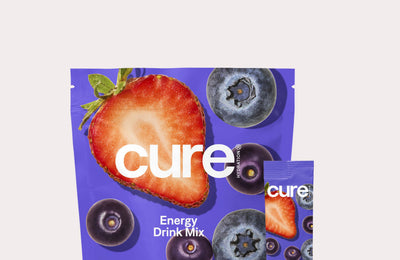
Electrolyte deficiency is more common than you would think, especially in a modern lifestyle where stress, sweating, medication, and dietary patterns can disrupt balance. Not to mention modern-day agriculture and depleted soil, impacting the nutrient density of the foods we are consuming. I teach my clients to get as many nutrients as possible from the foods they are eating, but to fill nutrient gaps with additional food based electrolyte sources like Cure.
Common signs of electrolyte deficiency include:
● Feeling puffy
● Frequent urination
● Fatigue or consistently hitting a 3 PM slump
● Poor sleep
● Muscle spasms or cramping
● Digestive symptoms: constipation, bloating, acid reflux
● Increased frequency of illness or slow recovery
Even ignoring subtle signs of deficiency can create ripple effects on how you feel on a day to day basis. Not to mention, quick symptom wins are always a positive in the health space – and I can confidenly say, like clockwork, my clients notice a significant difference in their health after just days to weeks of consistent Cure packets.
Electrolytes and Gut Health
Over the past few years the gut has really gained popularity as a integral part of full body health – but what many people don’t realize is its a highly active immune and signaling hub. Roughly 70% of the immune system is located in the gut and the way the gut functions is deeply influenced by electrolytes.
Gut Motility: Electrolytes help regulate normal, daily bowel movements for a few reasons. One being electrolytes help to muscle contractions that impact daily motility, but electrolytes and fluid balance also impacts stool consistency. When the body is dehydrated, stool can also be dehydrated, leading to hard stools and constipation.
Stomach Acid and Digestive Enzymes: Electrolyes such as sodium, potassium, and chloride contribute to both stomach acid and digestive enzyme production. Both are needed to properly break down the foods you are eating, protect against pathogens, and absorb nutrients effectively. If food is not broken down properly for months to years, this not only manifests as digestive symptoms and food sensitivities – but it makes you prone to imbalances in the gut microbiome. This weakening your guts immune system.
Histamine Build Up & Breakdown: The gut plays a massive part in how histamine levels are regulated in the body. Electrolytes support histamine breakdown via the gut by the production of diamine oxidase, otherwise known as DAO enzyme - a crucial enzyme for regulating histamine levels in the gut. Poor gut health (bacterial overgrowth, infections, pathogens, etc) can also contribute to too much histamine.
Gut Barrier Integrity: Tight junctions between intestinal cells prevent unwanted substances from entering the bloodstream. Sodium, potassium, and magnesium help maintain these tight junctions, reducing gut inflammation and protecting against a weakened gut lining (aka “leaky gut”).
Electrolytes and the Immune System
Beyond hydration and the role of electrolytes when it comes to gut health, electrolyte intake also has a big impact on immune cell function. Without electrolytes, immune cells may respond too slowly or worse, become overactive and contribute to unnecessary inflammation in the body.
Key ways electrolytes support immunity:
● Electrolyte deficiency can delay the immune response. Adequate calcium, sodium, and potassium intake is required for immune cells to recognize pathogens and send the appropriate signals.
● Potassium and magnesium act as buffers for inflammatory pathways - adequate electrolyte intake helps to keep inflammation in check.
● Many electrolytes contribute to mucosal immunity in not only the gut, but also the lungs and sinuses. These surfaces help to defend against pathogens, which is imperative to prevent illness.
● Fighting an infection in the body is “energetically costly” - meaning the boody rapidly depletes electrolyes to properly transport immune cells to fight an infection. Without adequately repleting electrolytes, delayed recovery or prolonged sickness is common.
Why Upping Electrolytes When You're Sick Matters
When we’re sick - whether it's a cold, flu, or gastrointestinal bug the body loses electrolytes at a faster rate as intake is typically suppressed. That being due to diarrhea loss, sweating, lack of appetite or simply mineral depletion due to sickness.
Alongside zinc and a whole food based vitamin C source like camu camu – I encourage you to incorporate daily Cure packets when sick.
Potassium: The Overlooked Electrolyte
For years, I’ve recommended Cure to my clients as an easy, effective source of both sodium and potassium. Most people don’t realize that optimal potassium intake is close to 4,000-4,700mg per day, yet the average gets only 1,000-1,200mg daily.
While potassium-rich foods like fruits, vegetables, beans, and potatoes should always serve as the foundation, it’s not realistic for many people to hit a consistent intake from food alone. That's where Cure becomes a practical tool, it helps my clients bridge the deficiency gap so they can support symptom progress while still supporting a whole food diet.
Using Electrolytes to Support Allergy Symptoms
As a Registered Dietitian who specializes in gut health, I work with a lot of clients who also struggle with histamine issues. This meaning they have an overproduction of histamine and an inability to break it down. This presenting as digestive symptoms, migraines, dizziness and allergy symptoms.
Some big nutrients like copper, vitaminc C, and calcium play a role in histamine breakdown – but a healthy gut is a importnat factor to regulating healthy histamine levels in the body.
In the gut, we make an enzyme called DAO to break down histamine. As noted previously electrolyte status in the body has a big impact on both the breakdown of food and the integrity of the gut lining – this impacts DAO production.
Supporting Electrolytes Daily: Practical Tips from a Registered Dietitian
By moving beyond the idea that electrolytes are only for workouts and treating them as a daily health foundation, you can better support digestion, strengthen immune defenses, and build greater resilience in the body as a whole.
Here are a few ways that you can prioritize daily electrolyte repletion:
● Prioritize electrolytes & minerals from whole foods: leafy greens, coconut water, root vegetables, fruit, nuts, seeds, quality salt
● Properly hydrate with water and electrolytes - Cure has been my go to brand for years! ● Increase supplemental electrolytes during seasons of intense exercise, illness, or high stress. For example, on days I go to hot pilates to feel a cold coming on – I may up to 2-3 cure packets per day! Of course always speak to a health professional before making drastic changes to your health, but this is a good rule of thumb!
Quick Science Recap:
● Electrolytes are essential for hydration, muscle function, energy production, and immune communication
● The gut relies on electrolytes for motility, digestive juices, histamine regulation, microbiome balance, and barrier integrity
● Electrolyte imbalance can compromise immune function, leading to inflammation and increased illness risk
● Potassium and sodium intake is often insufficient in most healthy individuals, bridging this gaps supports symptom management and overall health.
● Daily practices like mineral-rich foods, proper hydration, and daily Cure packets can maintain balance naturally.
Sources:
1. Brandtzaeg, P. (2013). Mucosal immunity: induction, dissemination, and effector functions. Scandinavian Journal of Immunology.
2. Round, J. L., & Mazmanian, S. K. (2009). The gut microbiota shapes intestinal immune responses during health and disease. Nature Reviews Immunology, 9(5), 313–323. 3. Millard-Stafford M, Snow TK, Jones ML, Suh H. The Beverage Hydration Index:
Influence of Electrolytes, Carbohydrate and Protein. Nutrients. 2021; 13(9):2933. 4. Schnedl WJ, Enko D. Histamine Intolerance Originates in the Gut. Nutrients. 2021 Apr 12;13(4):1262.
5. Alghamdi M, Gutierrez J, Komarnytsky S. Essential Minerals and Metabolic Adaptation of Immune Cells. Nutrients. 2023; 15(1)