








The word "clean" shows up often on electrolyte labels, ads, and ingredient lists. But what does a clean electrolyte drink actually mean, and what should you look for when comparing different options?
It comes down to what is in the formula, what is left out, and how clearly the ingredients are listed. Here is how to evaluate an electrolyte powder and look for one made with real, recognizable ingredients.
What "Clean" Should Mean in an Electrolyte Drink
There is no FDA-regulated definition of "clean label," so the term can mean different things from one brand to another. In general, when consumers use "clean" to describe a product, they often mean three things.
Real, Recognizable Ingredients
A clean electrolyte drink should use real ingredients that are easy to recognize and understand. Coconut water, fruit juice, and mineral salts are some examples that make it clear what goes into the formula.
Nothing Artificial
A clean formula avoids unnecessary artificial ingredients, including synthetic dyes and artificial sweeteners. Check the ingredient list to see what the product uses for sweetness, flavor, and color.
Transparent Labeling
A clean electrolyte drink should make its ingredients easy to understand. Look for a label that clearly lists each ingredient and its amount rather than grouping ingredients under proprietary blends.
How to Spot Synthetic Fillers on a Label
The front of the package is marketing. The back is where you find answers.
Sweetener Red Flags
Many electrolyte mixes remove sugar but replace it with artificial sweeteners like sucralose, acesulfame potassium, and aspartame. Sugar alcohols like erythritol and sorbitol show up frequently too and can cause digestive issues.
A clean label electrolyte powder sweetens with stevia or monk fruit and builds flavor from real food sources rather than synthetic compounds.
Fillers and Flow Agents
Ingredients such as silicon dioxide, magnesium stearate, and maltodextrin can improve texture, consistency, or shelf stability, but they do not provide electrolytes. A simple ingredient list makes it easier to see what is actually contributing to the formula.
Artificial Colors
Synthetic dyes like Red 40 and Blue 1 are common in sports drinks and serve zero functional purpose. If you prefer a simpler formula, look for products that use recognizable ingredients for color or skip added colors altogether.
Why Ingredient Sourcing Matters for Electrolytes
Two products can both list "sodium" and "potassium" on the label and source those minerals completely differently. Where ingredients come from affects quality and absorption.
Coconut Water vs. Synthetic Minerals
Coconut water is one of the richest sources of potassium and provides electrolytes in a form your body recognizes, plus trace minerals that synthetic formulas skip. The difference between an electrolyte drink built on coconut water and one built on lab-synthesized mineral salts is the difference between whole food and a supplement.
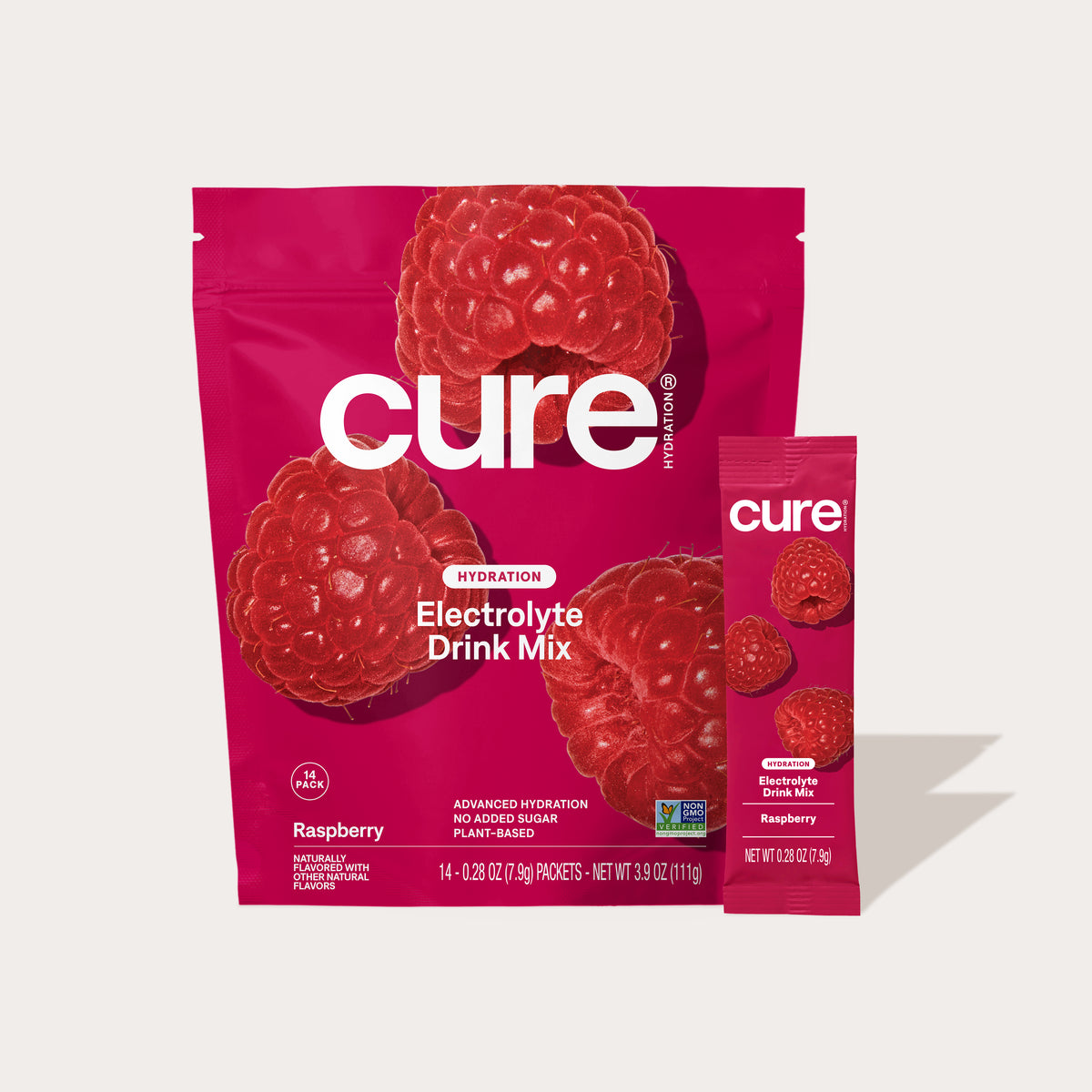
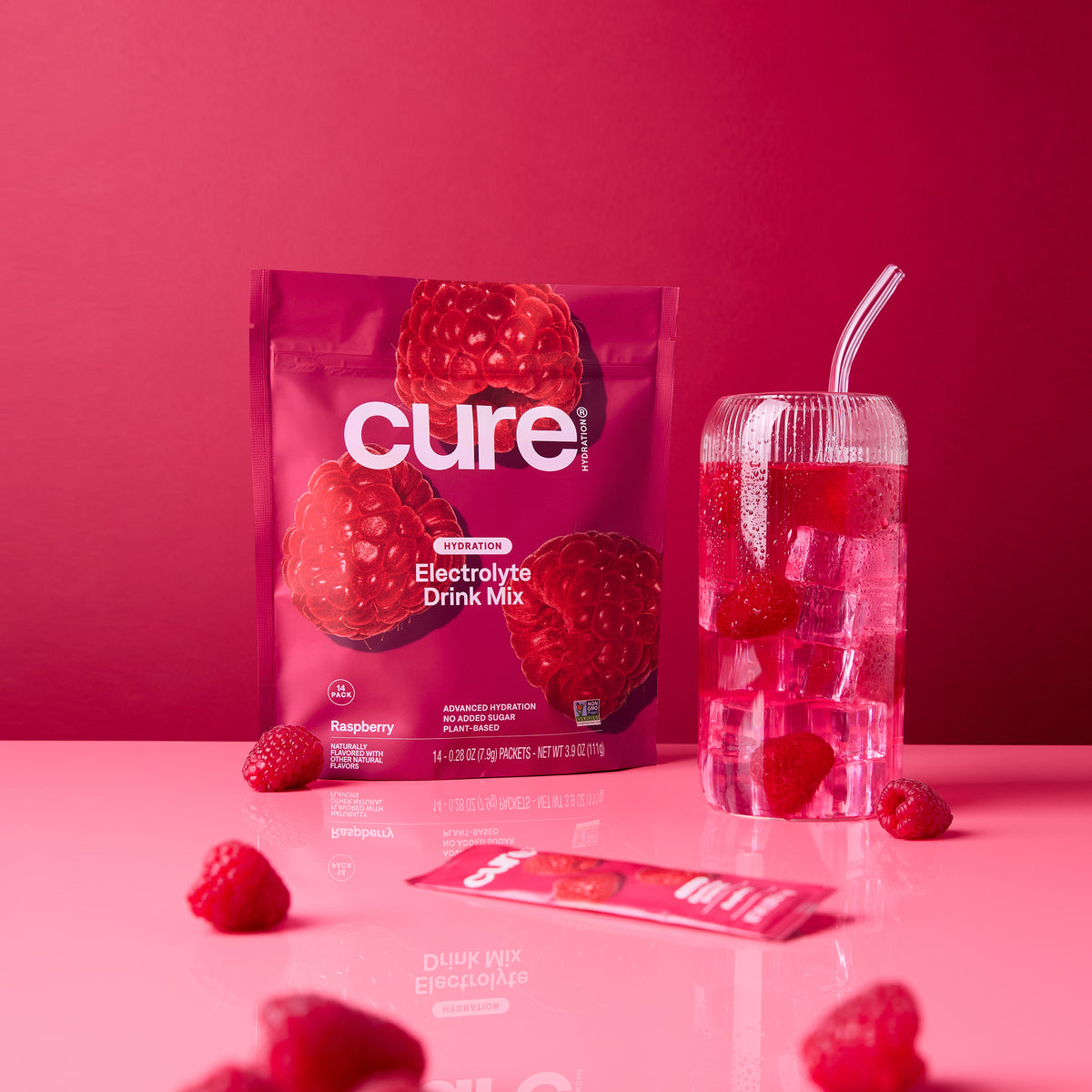
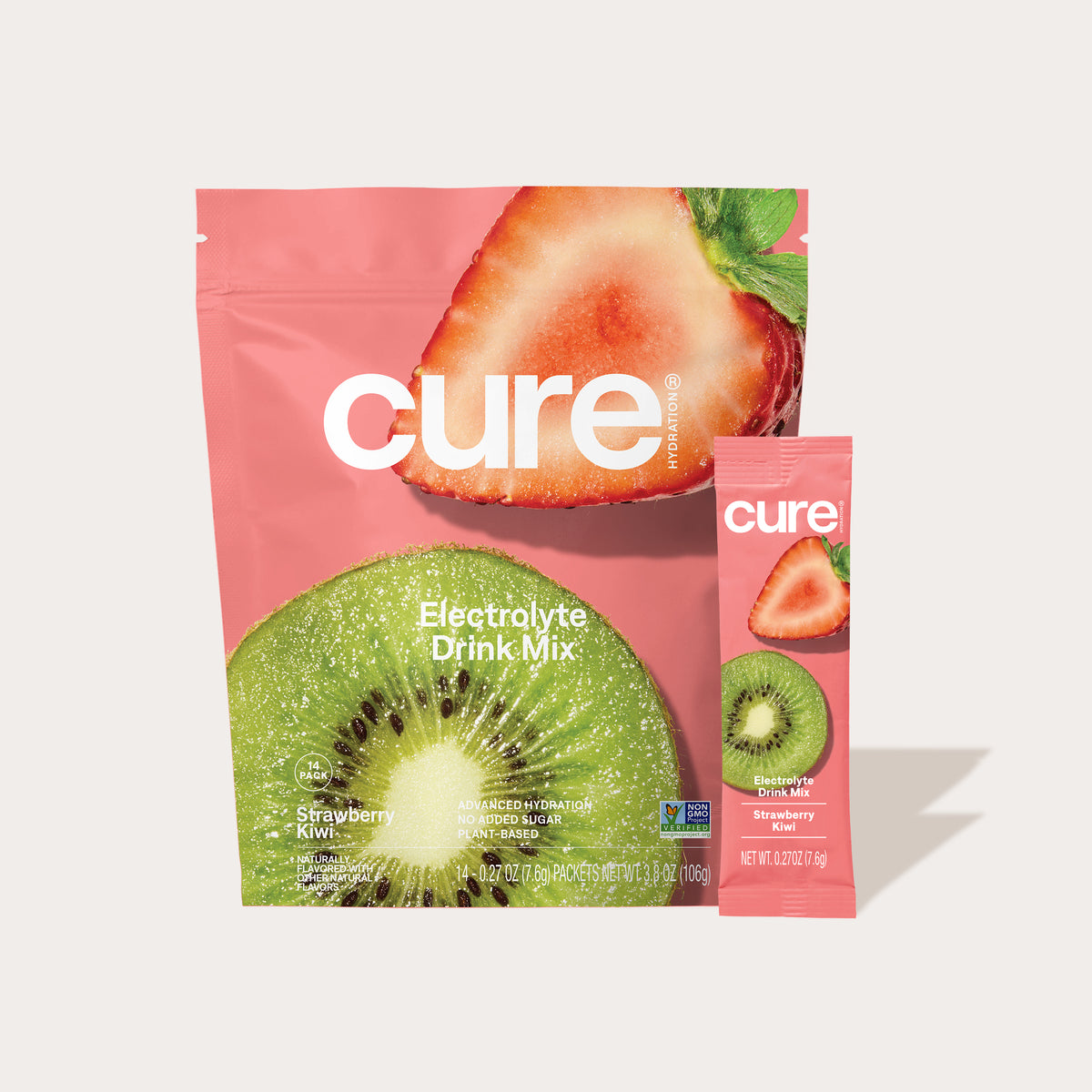
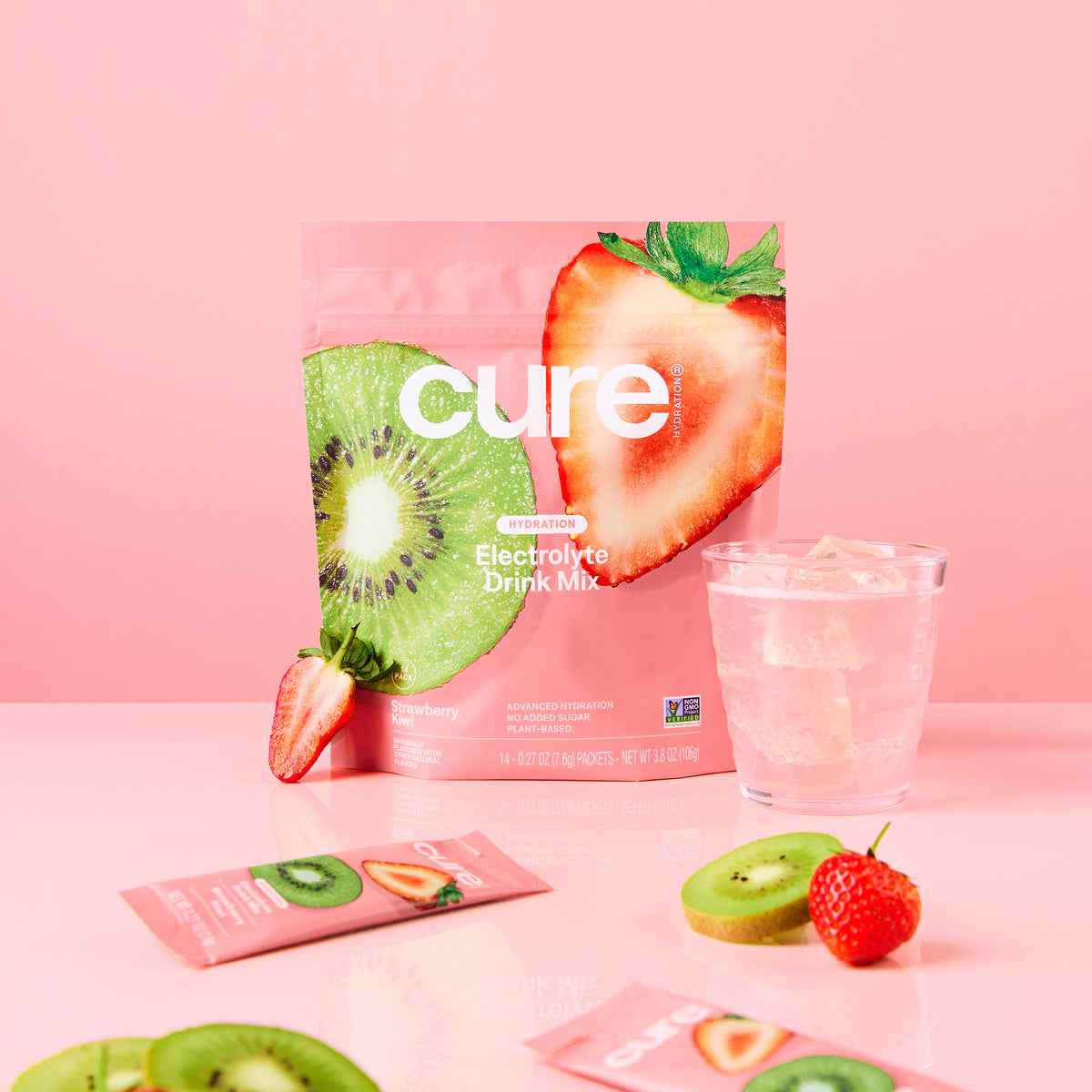
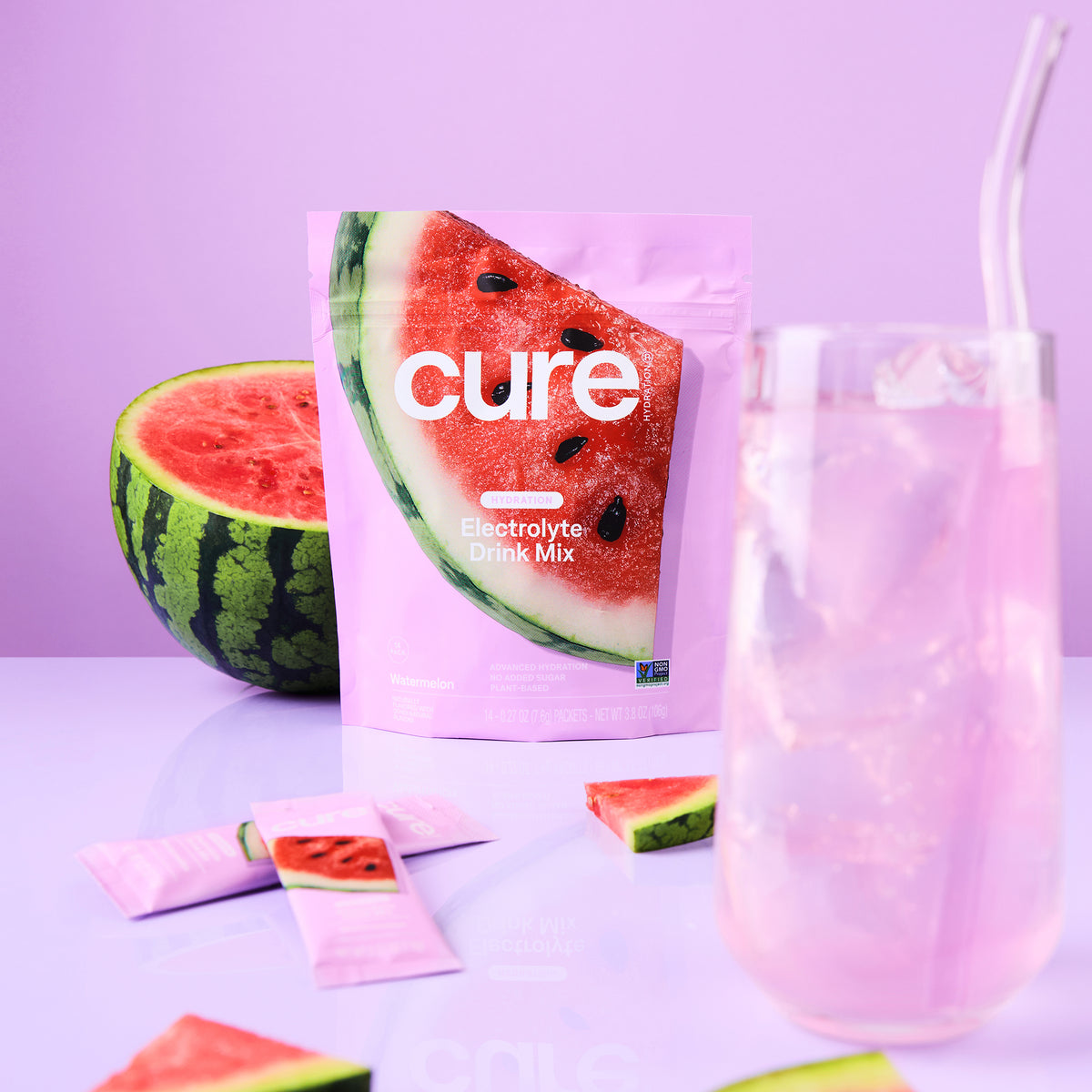
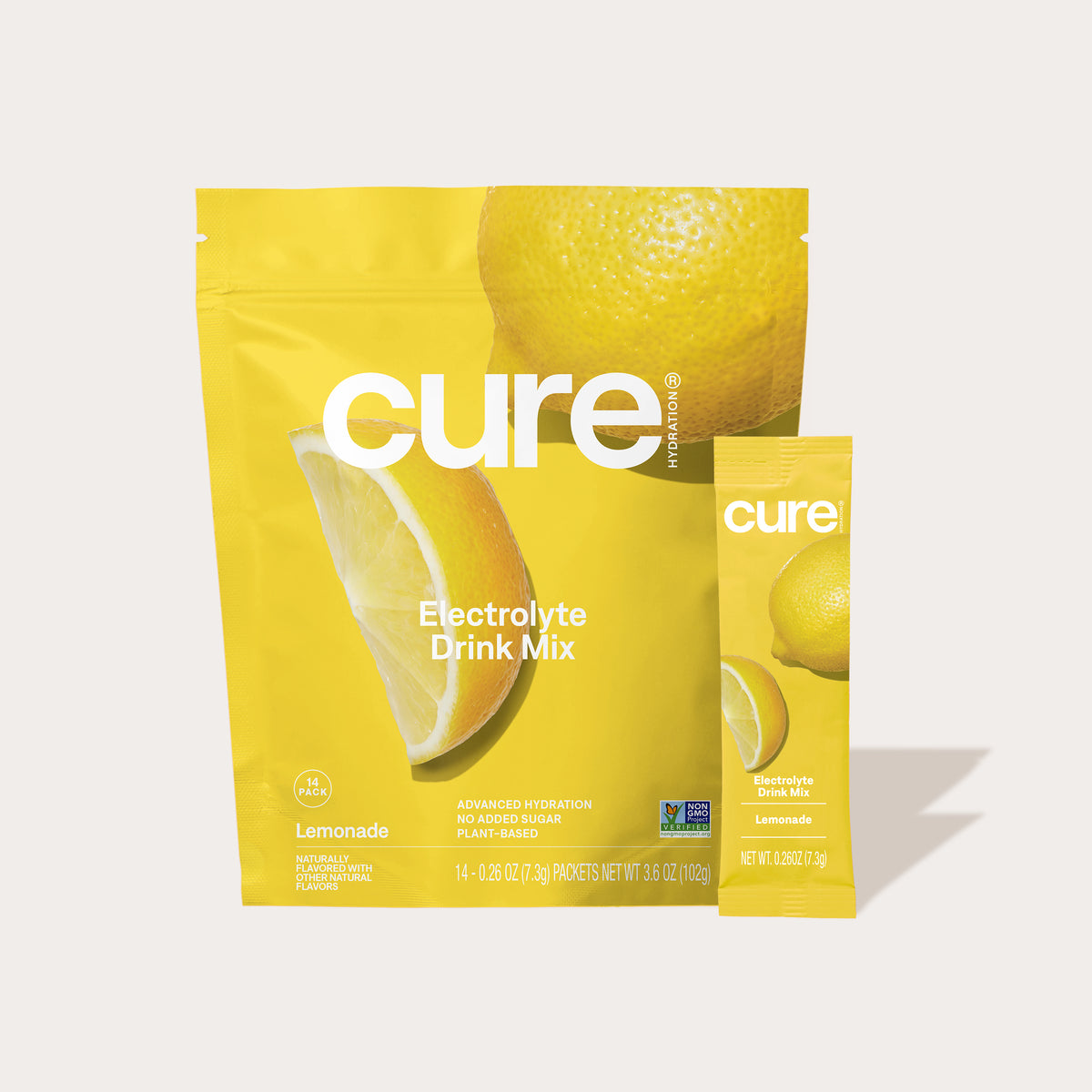
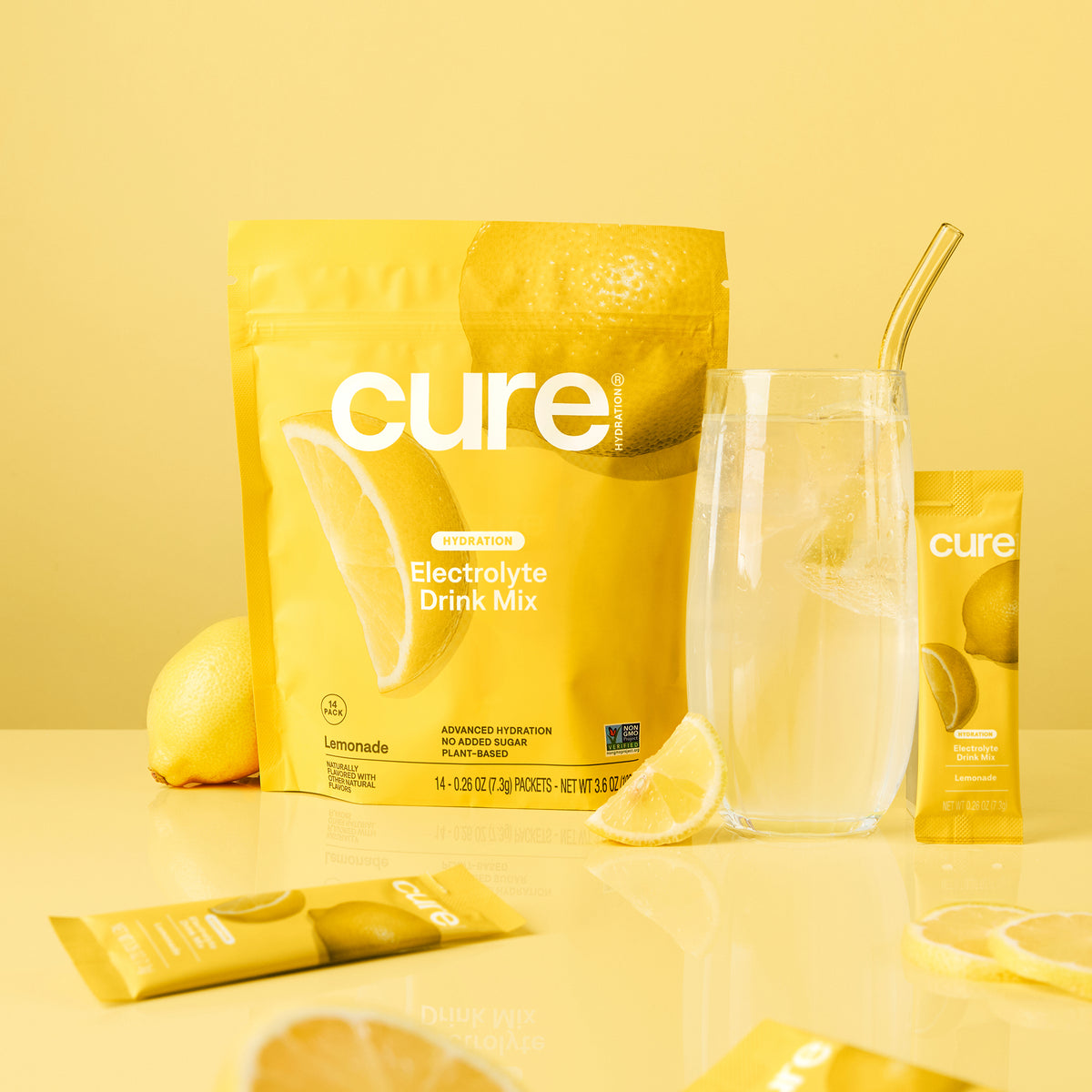
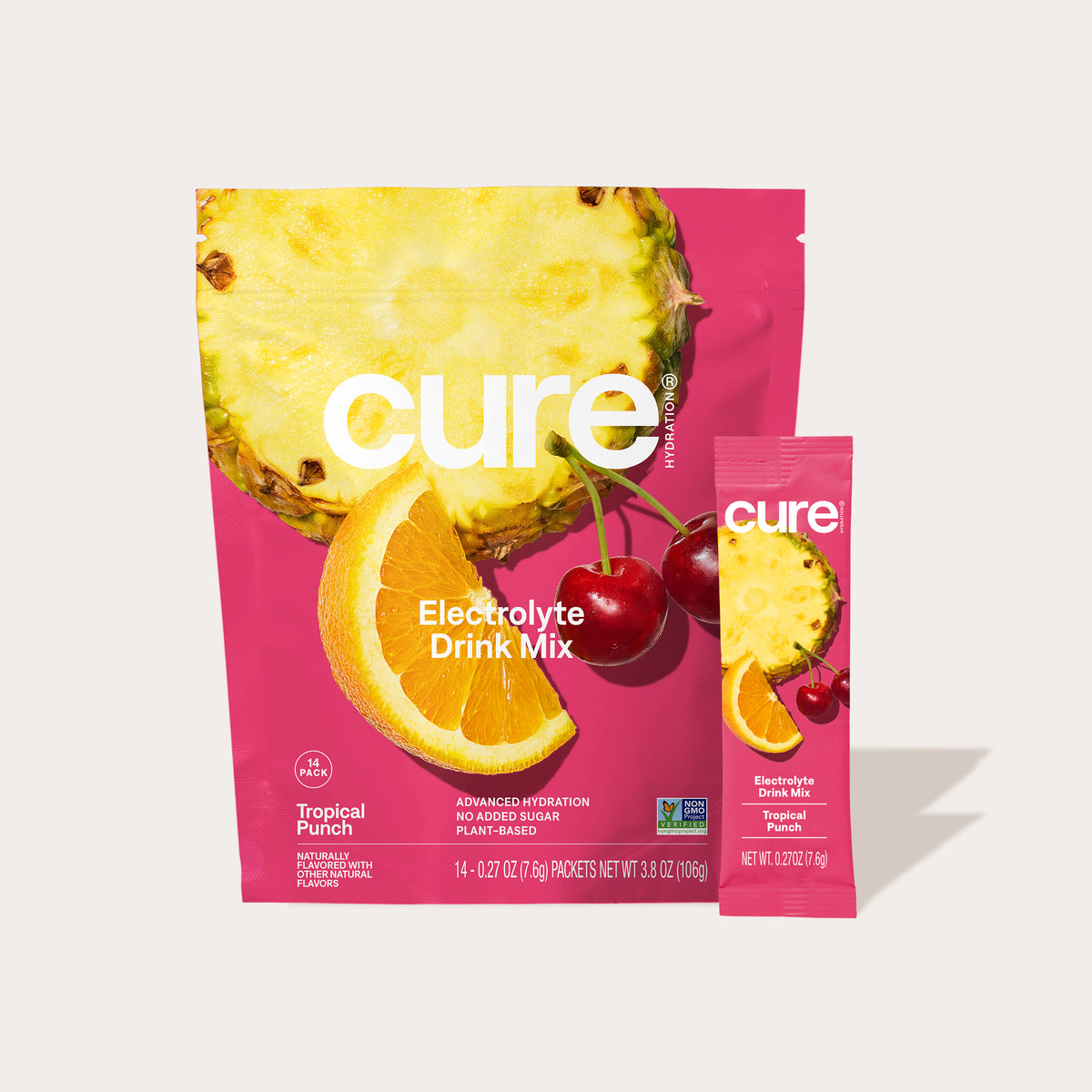
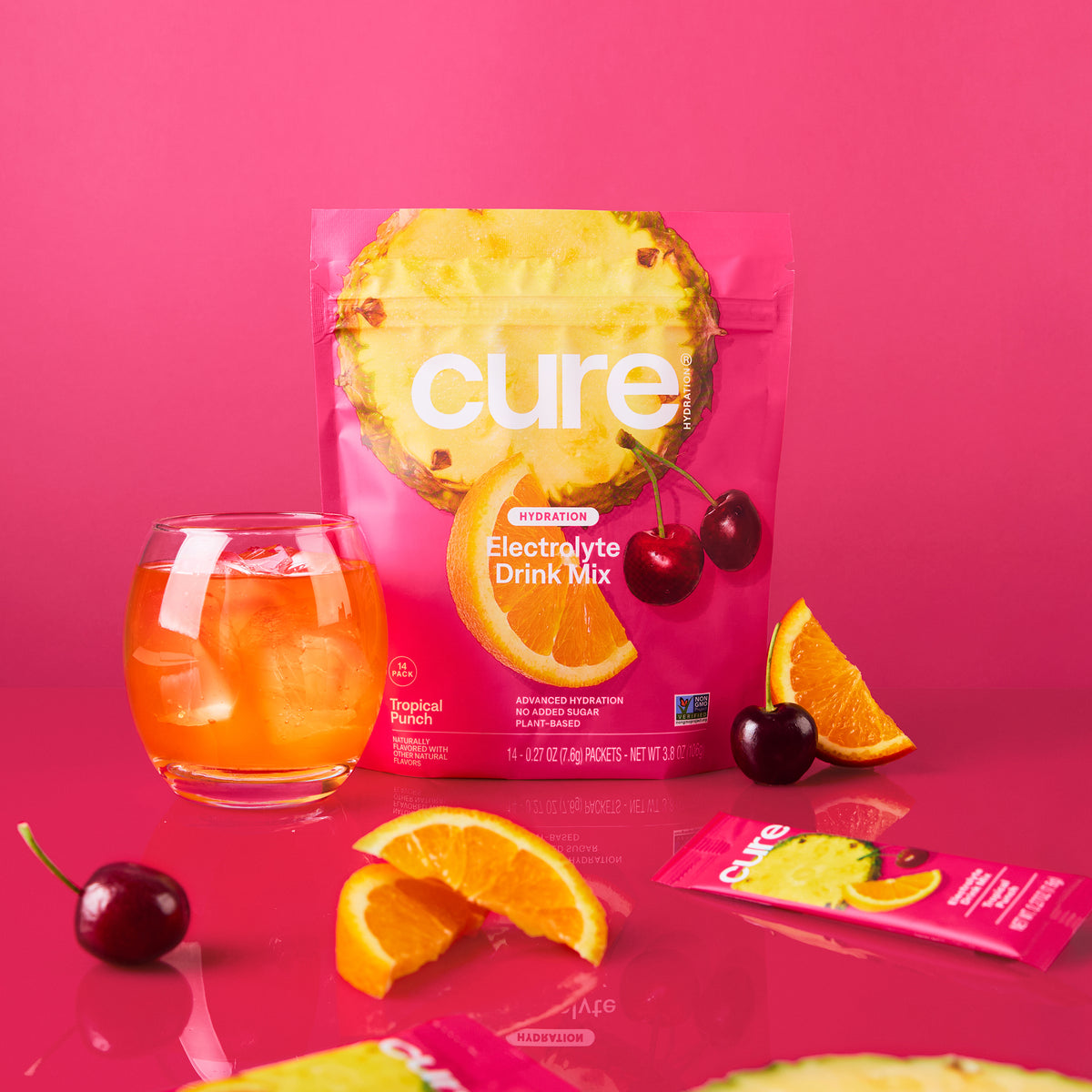
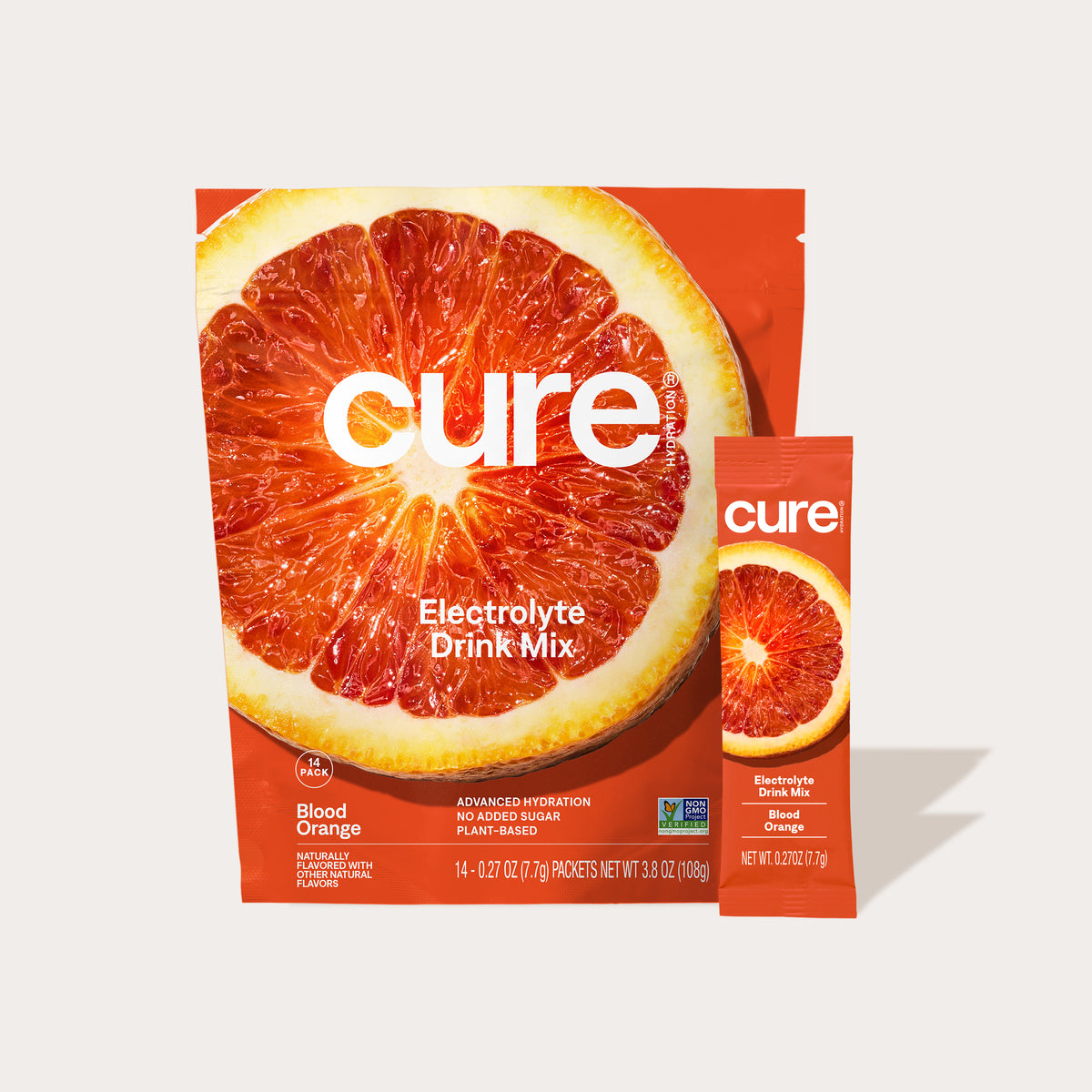
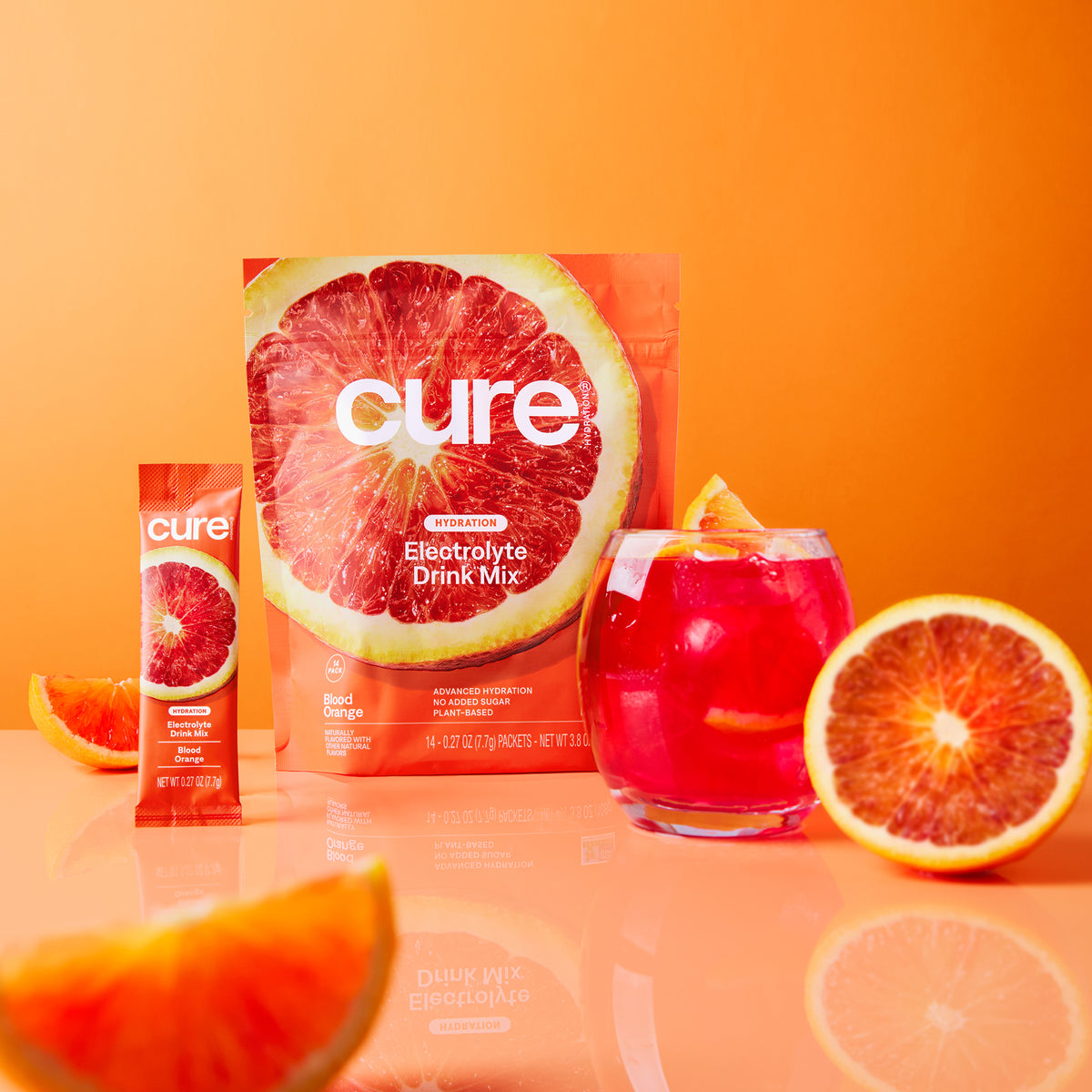
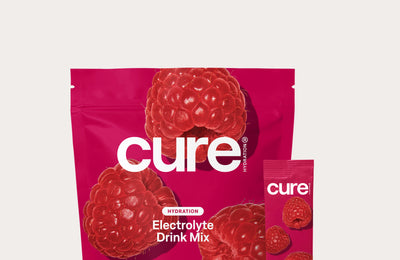
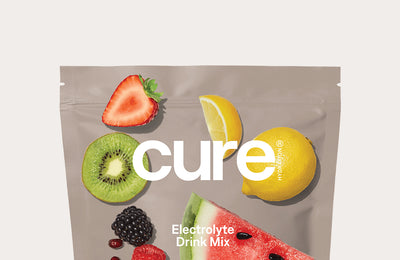
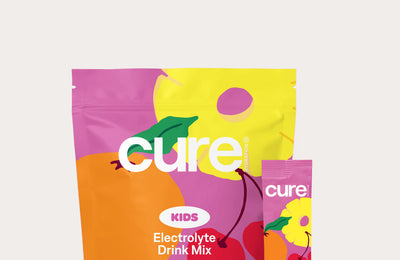
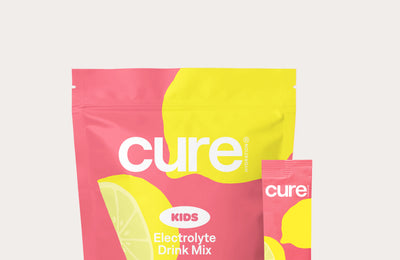
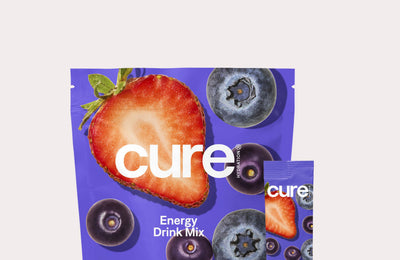
Cure is made with real coconut water for potassium, pink Himalayan salt for sodium, and real fruit juice, alongside sodium citrate.
Glucose and Absorption
Your small intestine absorbs water through a sodium-glucose co-transport mechanism. A small amount of glucose alongside sodium helps your body pull water into the bloodstream faster. Cure's formula contains naturally occurring sugars from coconut water powder and fruit juice, aligned with the World Health Organization's Oral Rehydration Solution (ORS) formula, which helps your body absorb water more effectively than water alone.
This is why "no added sugar" and "sugar-free" are not the same thing. Cure contains no added sugar, but the coconut water and fruit juice contribute 3 to 4g of naturally occurring sugars per stick. That is not a loophole. It is the formula working as designed.
What a Clean Electrolyte Label Actually Looks Like
Here is what you should see on a clean label electrolyte powder:
-
Meaningful electrolyte content: At least 200 mg sodium and 200 mg potassium per serving for a hydration-focused formula. Cure’s Hydration line provides 240 mg sodium and 200 to 350 mg potassium per stick, depending on flavor.
-
A short ingredient list: Coconut water powder, citric acid, organic natural flavors, fruit juice powders, pink Himalayan salt, sodium citrate, organic stevia extract, and monk fruit extract.
-
No artificial anything: No synthetic sweeteners, no dyes, no artificial flavors.
-
Third-party credibility: Cure is science-backed, Non-GMO Project Verified, Certified Gluten-Free, Kosher, and third-party lab-tested.
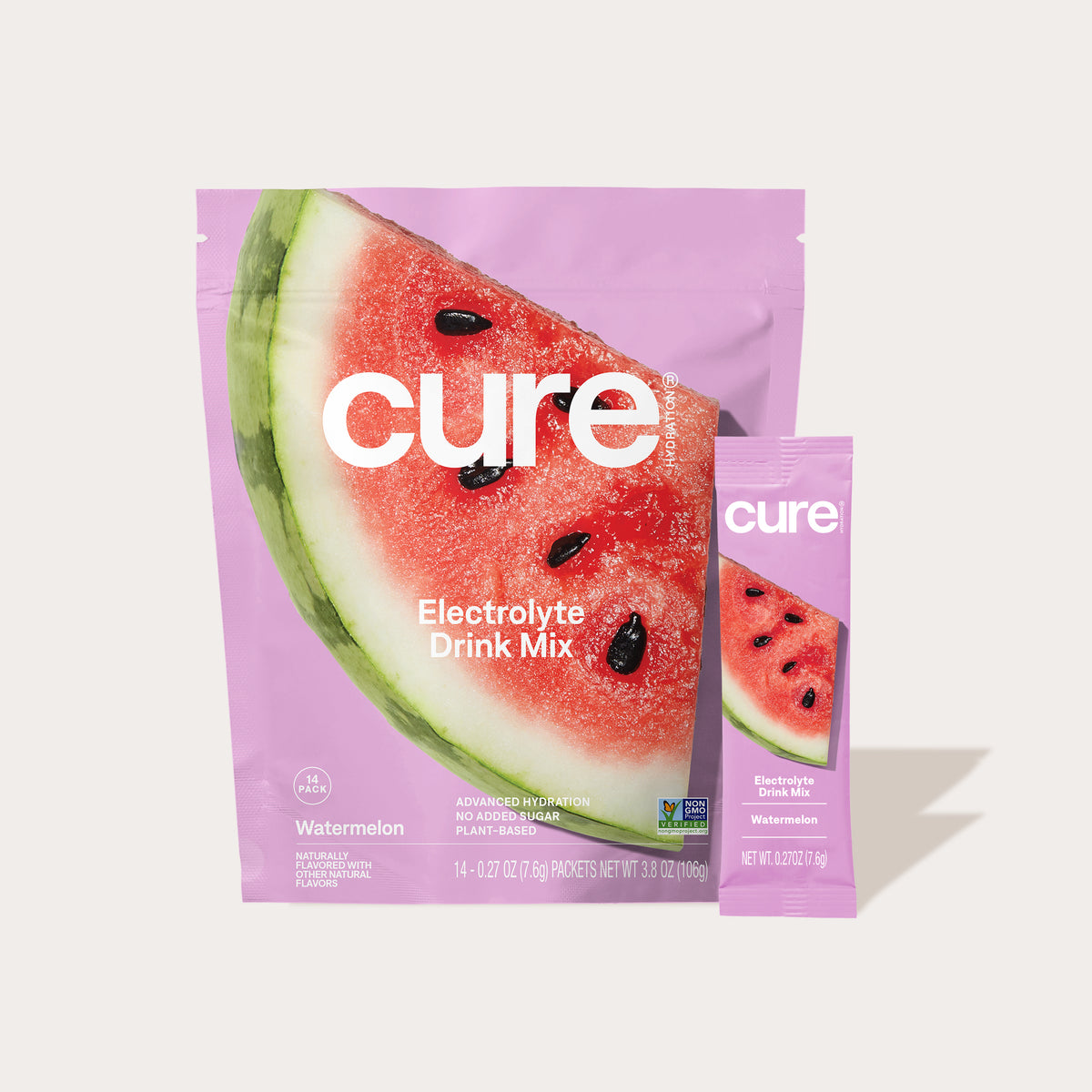
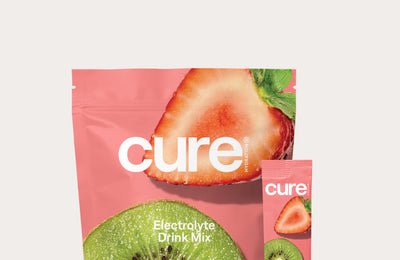
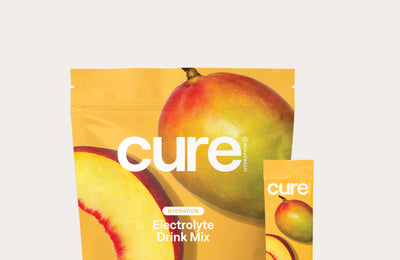
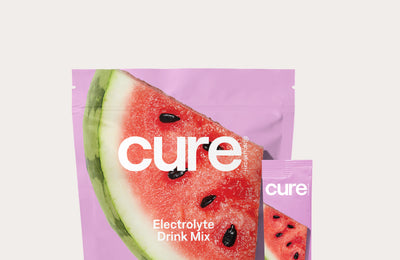
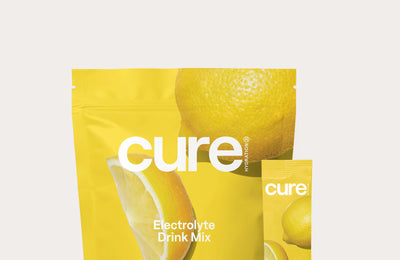
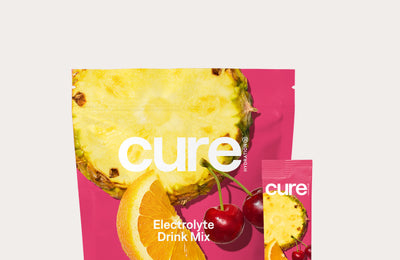
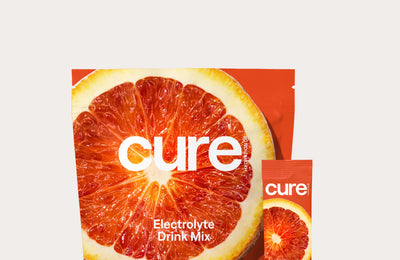
A Classic Variety Pack lets you try multiple flavors and check every label before committing to a favorite.
Clean Ingredients You Can Taste
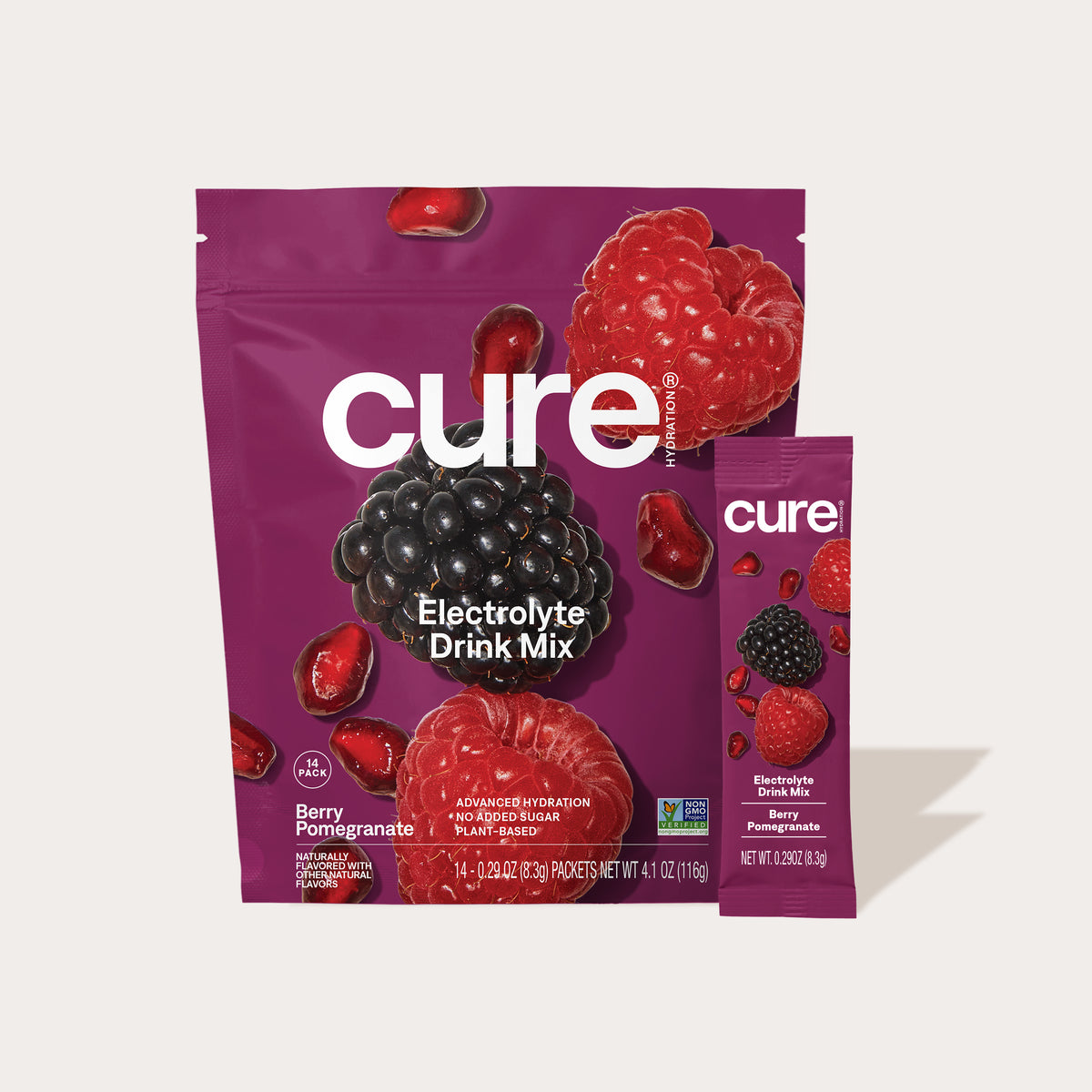
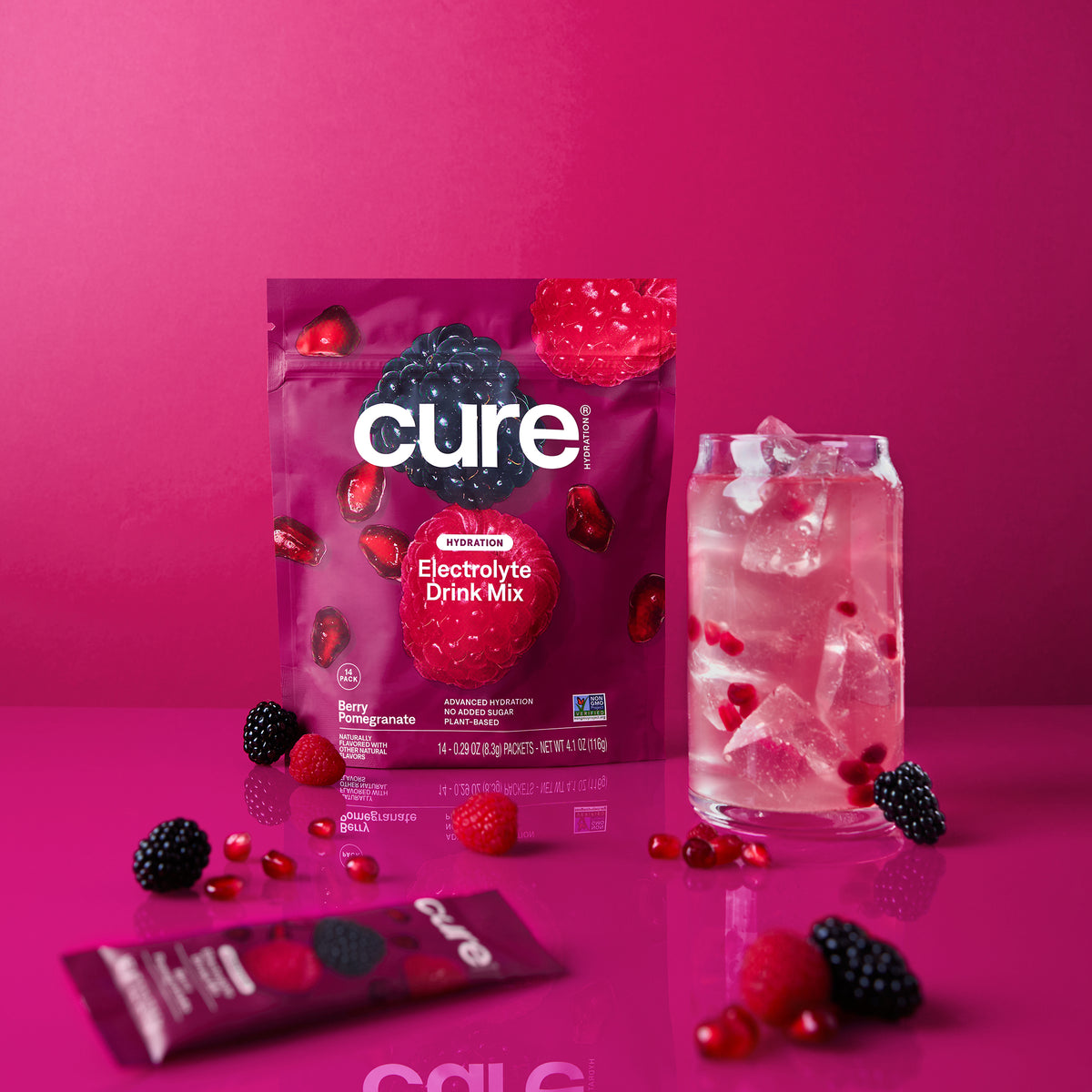
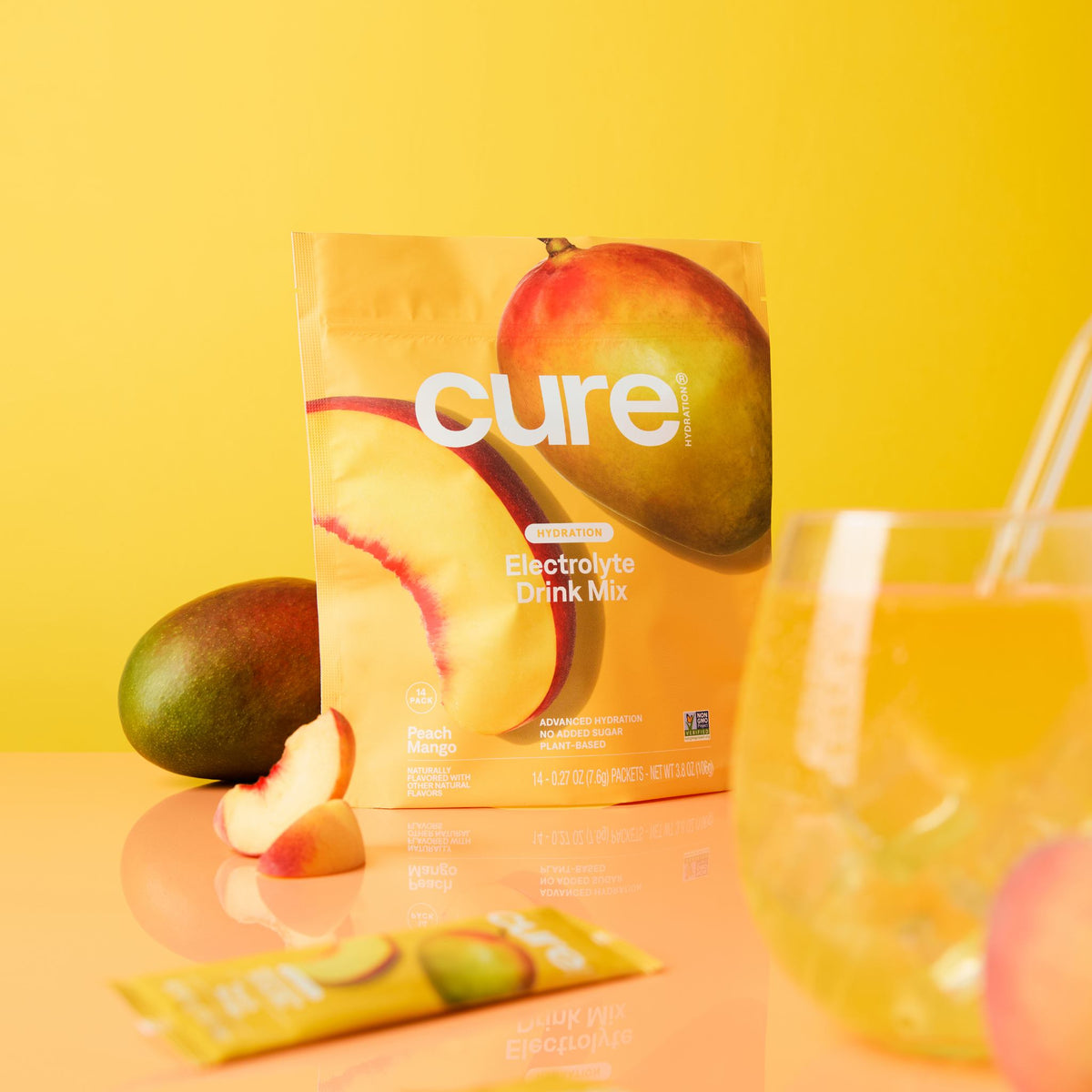
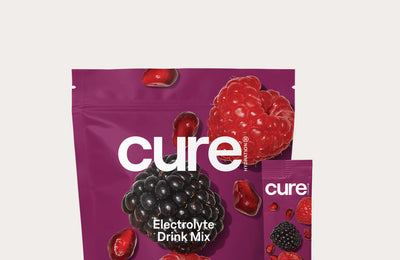
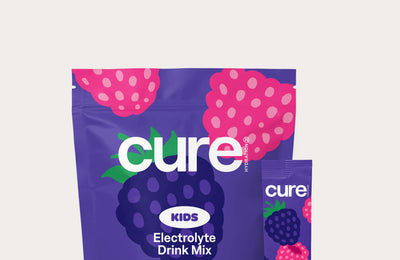
The real test of a clean electrolyte drink is what happens when you drink it. Products built on coconut water and fruit juice taste like food, not chemicals. Flavors like Berry Pomegranate and Ginger Turmeric get their taste from actual ingredients, not synthetic compounds that leave a metallic aftertaste.
Learn more about our ingredients
Cure is not a medical product and is not intended to diagnose, treat, cure, or prevent any disease. If you have specific health concerns, talk to your doctor.
Frequently Asked Questions
What Makes an Electrolyte Drink Actually Clean?
A clean electrolyte drink mix uses real, recognizable ingredients like coconut water and fruit juice, contains no artificial sweeteners or dyes, and provides full label transparency. There is no regulated definition, so checking the ingredient list yourself is the only way to verify.
How Do I Know if an Electrolyte Powder Is Actually Clean?
Flip the package over and read the ingredient list. Look for real food sources like coconut water and mineral salts. Avoid products with artificial sweeteners, dyes, or long lists of unrecognizable fillers.
What Is the Difference Between No Added Sugar and Sugar-Free?
No added sugar means no sugars were added during manufacturing, though the product may contain naturally occurring sugars from ingredients like coconut water or fruit juice. Sugar-free, per FDA labeling rules, means less than 0.5g of sugar per serving. Cure has no added sugar and contains 3 to 4g of naturally occurring sugars from coconut water and fruit juice.
Why Does Ingredient Sourcing Matter in Electrolyte Drinks?
Electrolytes from whole foods like coconut water come with naturally occurring trace minerals and absorb efficiently. Synthetic mineral salts provide the same base electrolytes but lack those complementary nutrients.
Are Artificial Sweeteners Bad in Electrolyte Mixes?
They are not dangerous in small amounts, but they can leave an aftertaste and cause digestive discomfort. Stevia and monk fruit are common alternatives that avoid those issues.
What Electrolyte Numbers Should I Look for on a Label?
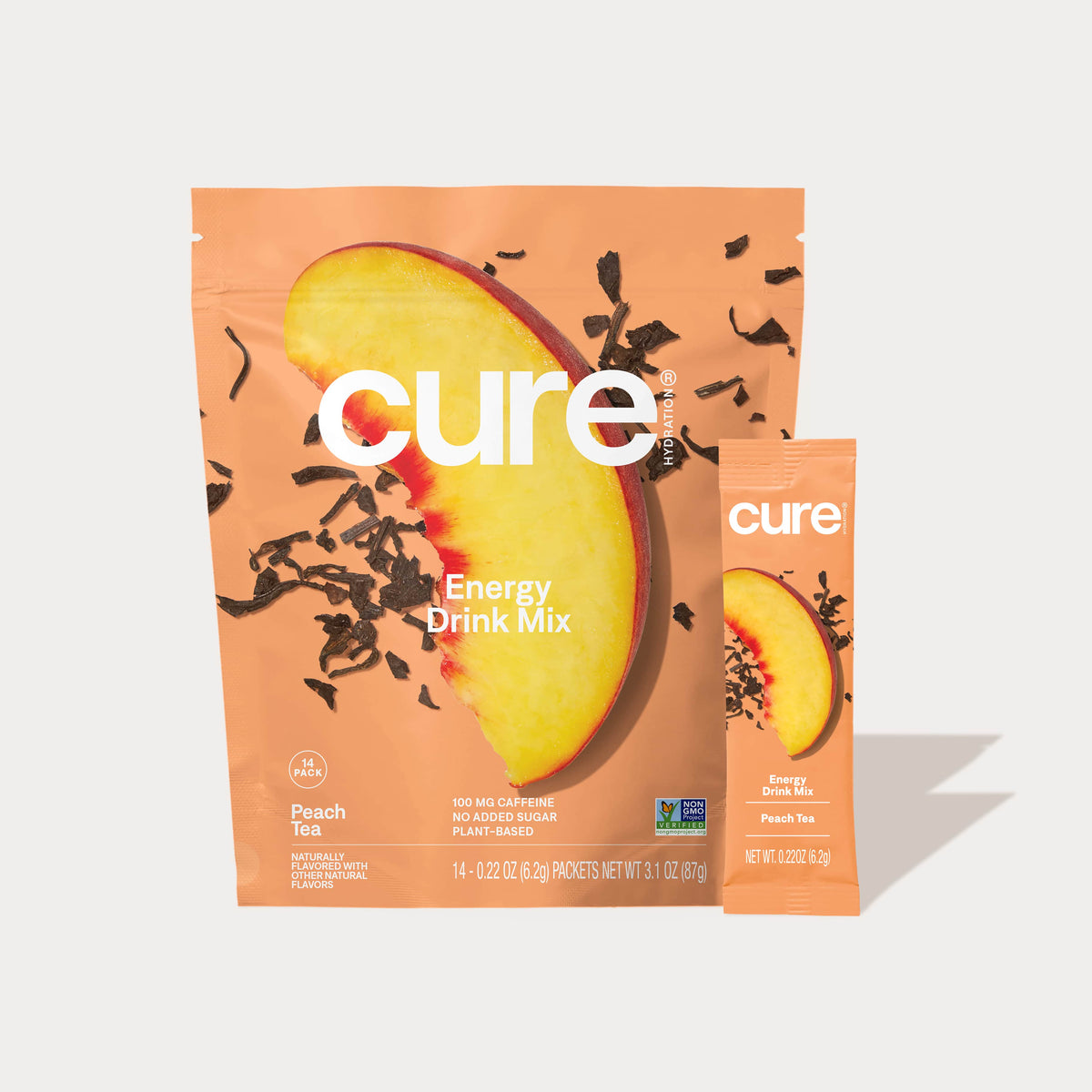
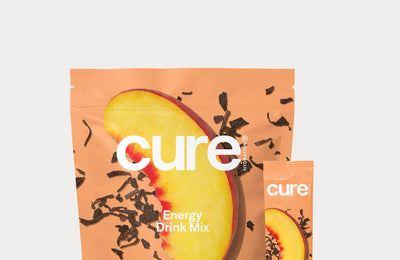
For a hydration-focused formula, look for at least 200 mg sodium and 200 mg potassium per serving. Cure Hydration provides 240 mg sodium and 200 to 350 mg potassium depending on flavor, aligned with the WHO's ORS formula. Cure Energy is built for a different purpose and pairs lower sodium (75 to 85 mg) with caffeine and L-theanine.