








A few days into keto, something shifts. Not the weight or the energy boost you were expecting, but the headaches, the fatigue, the muscle cramps that came out of nowhere. If that sounds familiar, you've probably met the "keto flu."
It's not actually the flu. It's your body adjusting to lower carb intake, and a big part of what makes it feel rough has to do with electrolytes. Here's what's happening and what you can do about it.
What Is "Keto Flu" and Does It Relate to Electrolytes?
When you cut carbs, your body starts burning through its glycogen stores. Each gram of glycogen is stored with about 3 grams of water. As that glycogen gets used up, your body releases a lot of water, and with it, sodium and potassium.
At the same time, lower insulin levels signal your kidneys to excrete more sodium than usual. The result is a rapid drop in electrolytes during the first few days to weeks of keto.
That's what keto flu actually is: an electrolyte imbalance, not a virus. The headaches, brain fog, irritability, and cramps are your body telling you it needs minerals back.
Do You Need Electrolytes on Keto?
Yes. Keto increases your electrolyte needs for two reasons:
- You're losing more sodium and potassium through increased water output
- You're eating fewer electrolyte-rich foods since many high-potassium foods (bananas, potatoes, beans) are also high-carb
The three electrolytes that matter most on keto:
Sodium
Most keto dieters need more sodium than they think. Without processed foods delivering it, sodium intake drops sharply. Common recommendation: 2,000 to 5,000mg per day on keto. A good electrolyte drink helps close that gap without adding carbs.
Potassium
Supports muscle function, nerve signaling, and fluid balance. Keto-friendly potassium sources include avocados, spinach, and mushrooms, but many people still fall short.
Magnesium
Plays a role in over 300 enzymatic reactions, including energy production and muscle relaxation. Magnesium depletion on keto can worsen cramps and sleep quality.
Is Cure Hydration Keto Friendly?
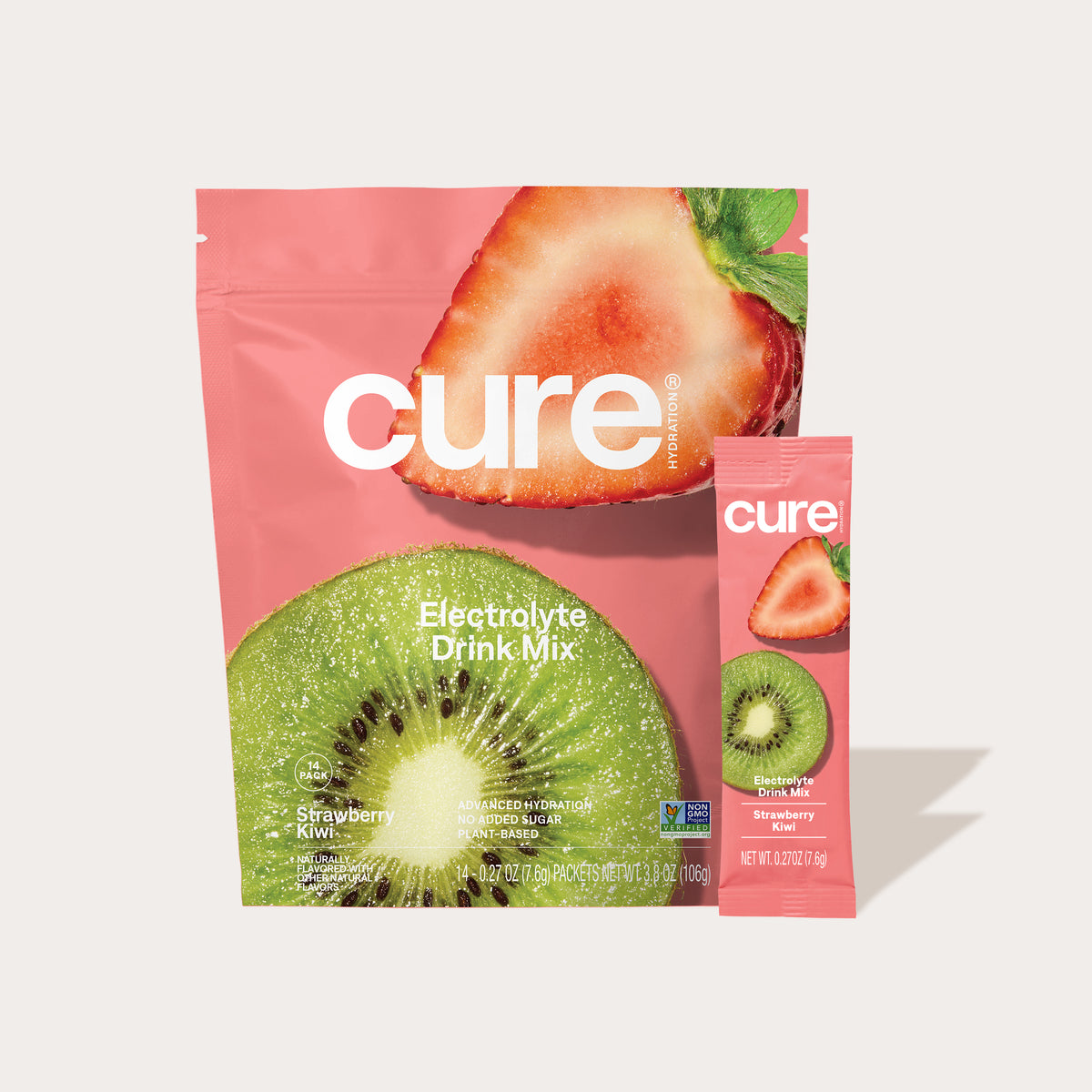
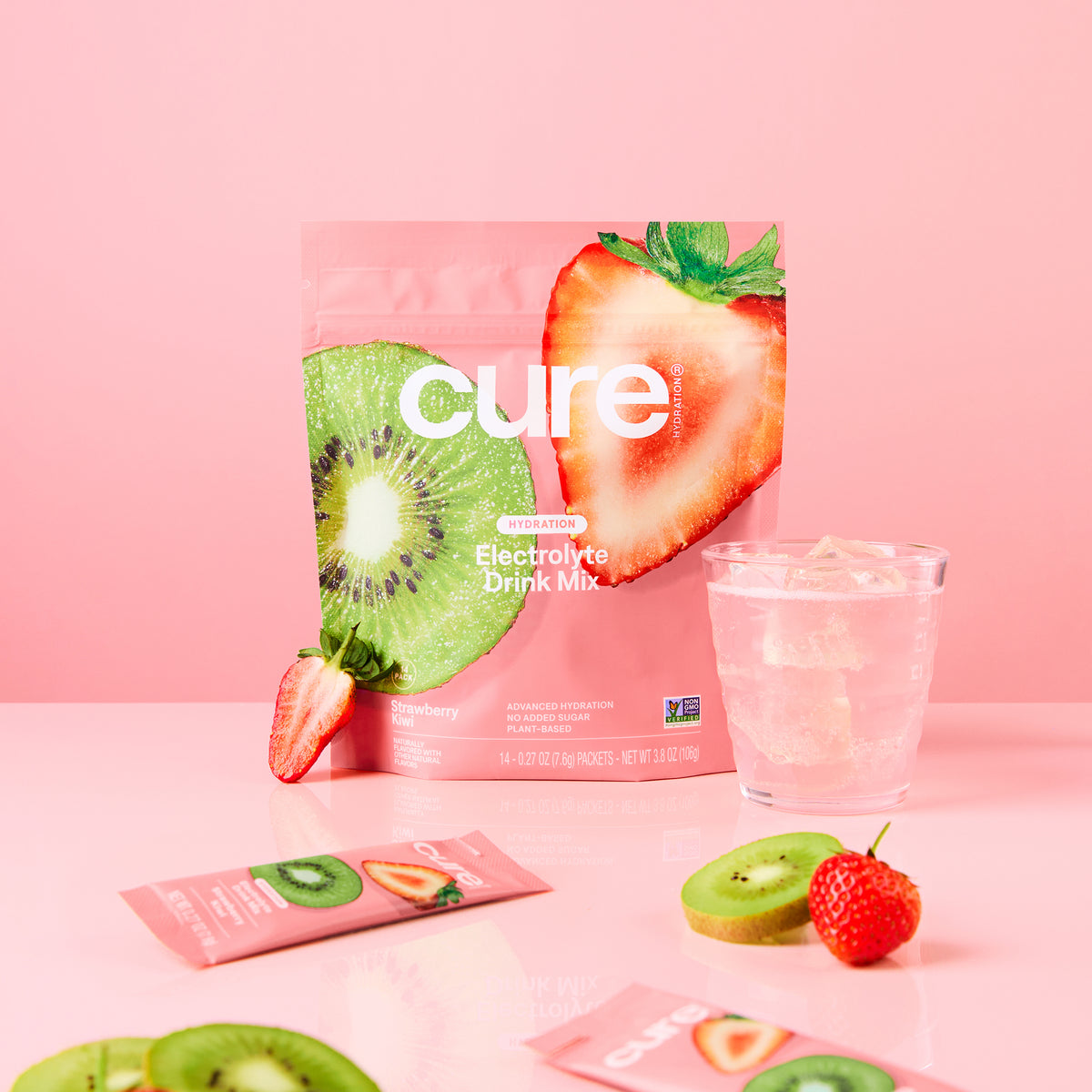
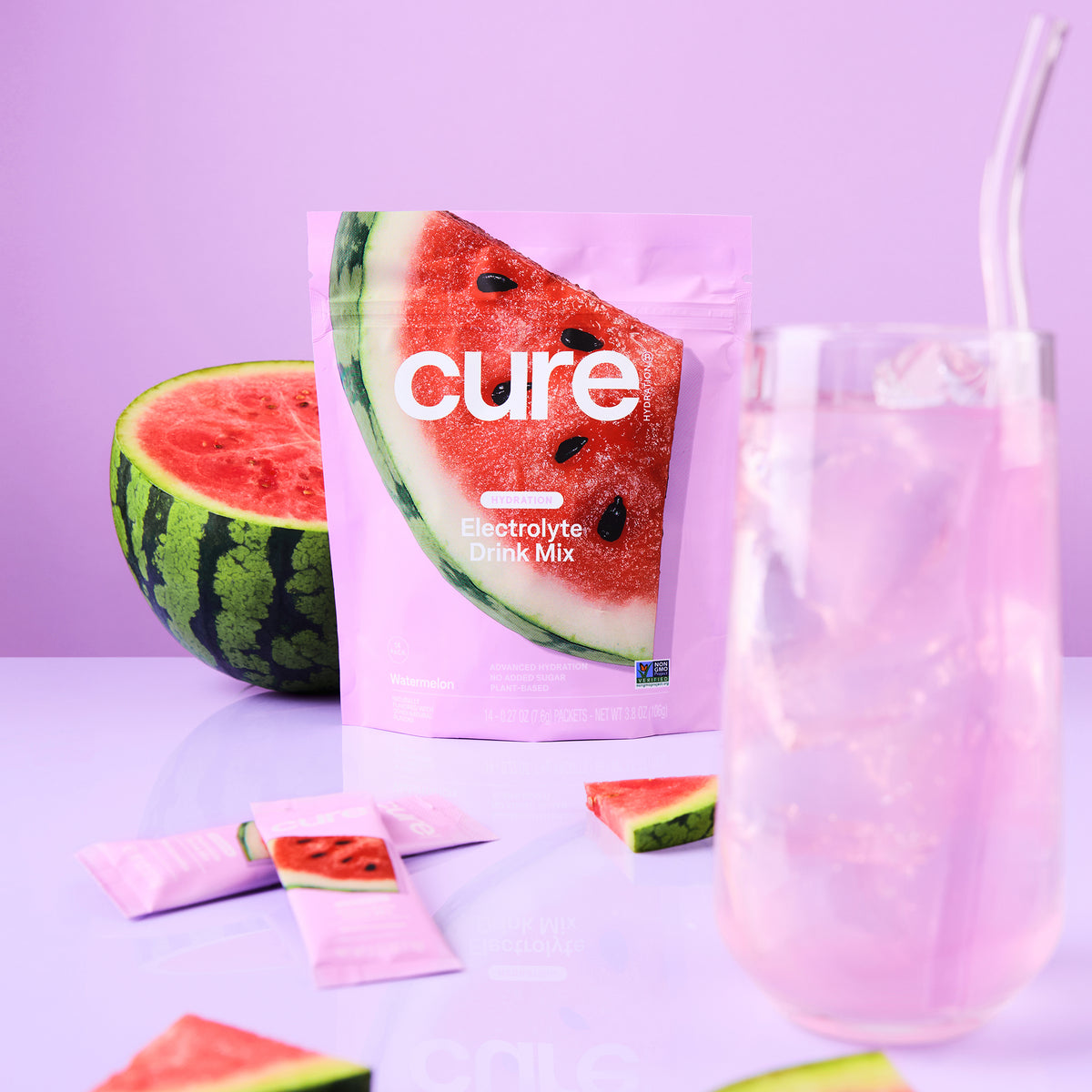
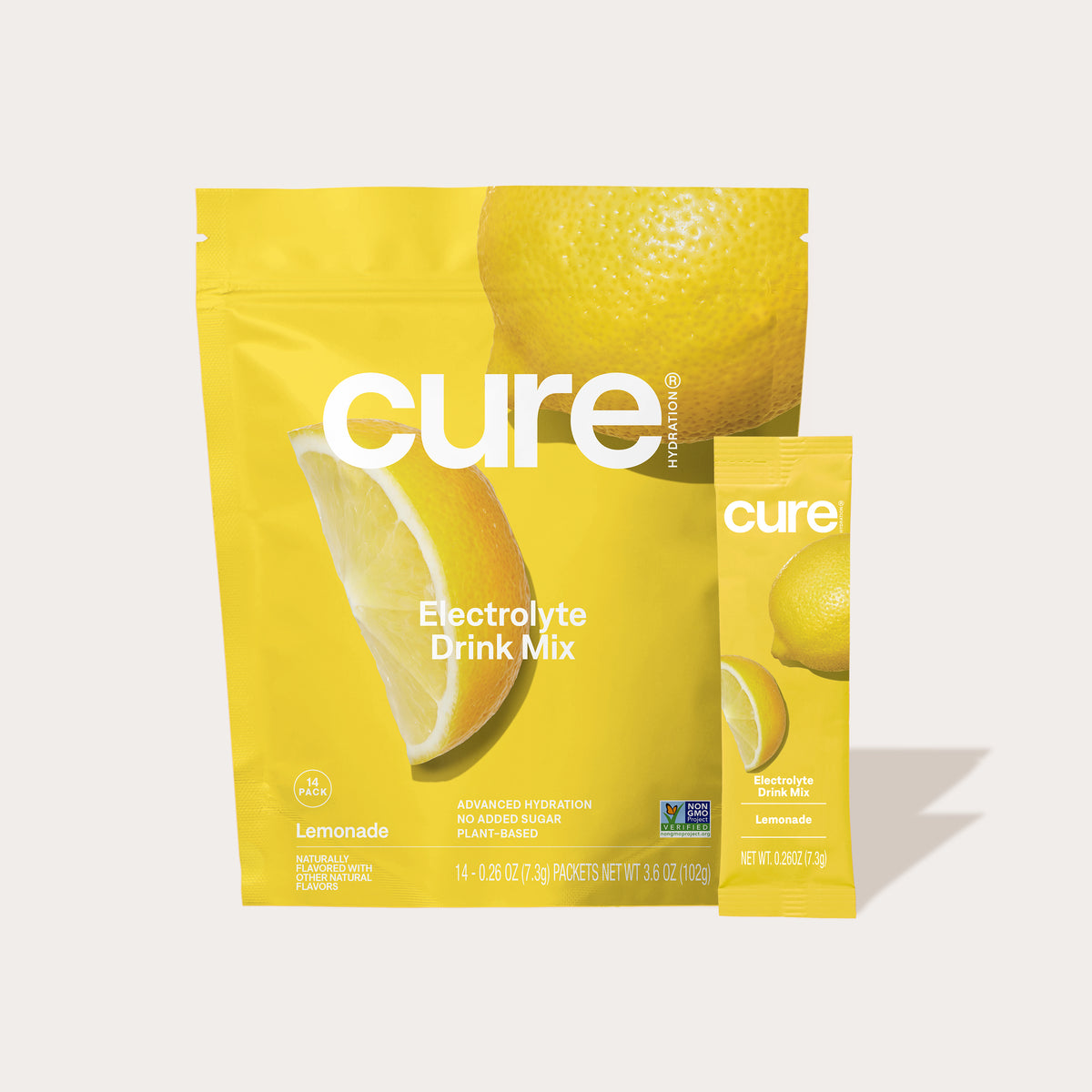
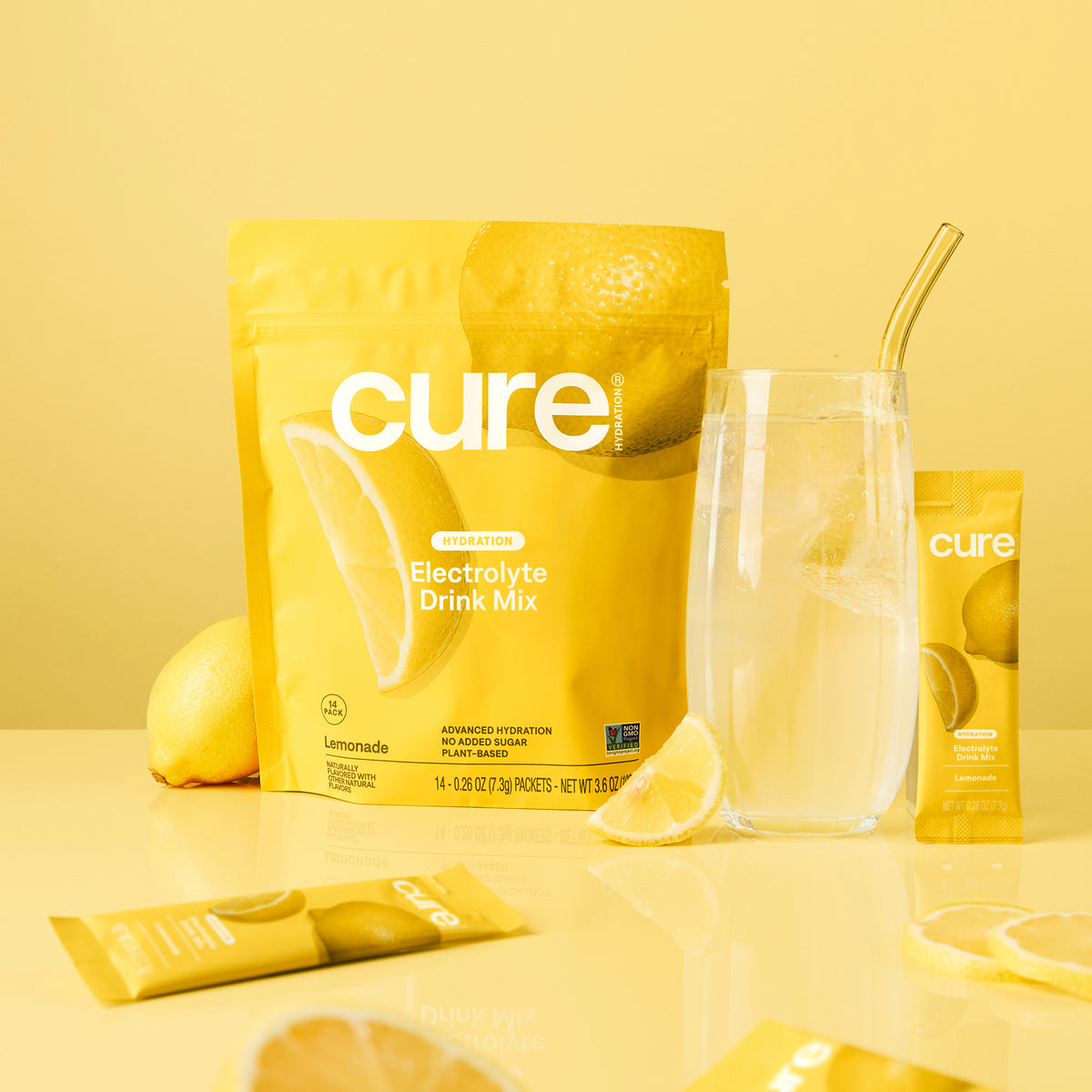
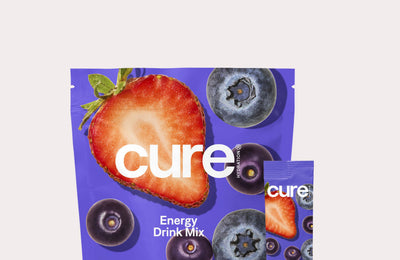
Cure can fit into a keto routine. Here’s why:
- 2g of glucose per serving (well within keto's daily carb budget of 20- 50 g net carbs)
- 0g added sugar
- 25 calories
- Sweetened with organic stevia extract and monk fruit extract (both keto-friendly sweeteners with zero glycemic impact)
- No artificial sweeteners, colors, or flavors
The 2g of glucose in Cure isn't there as a sweetener. It's part of the World Health Organization's Oral Rehydration Solution (ORS) formula, where sodium and glucose work together to help your body absorb water more efficiently. That small amount of glucose activates a co-transport mechanism in your gut that makes the hydration actually work at a cellular level.
For keto dieters, 2g of glucose is a rounding error on your daily carb count. And the hydration benefit it enables is significant, especially during the transition phase when electrolyte loss peaks.
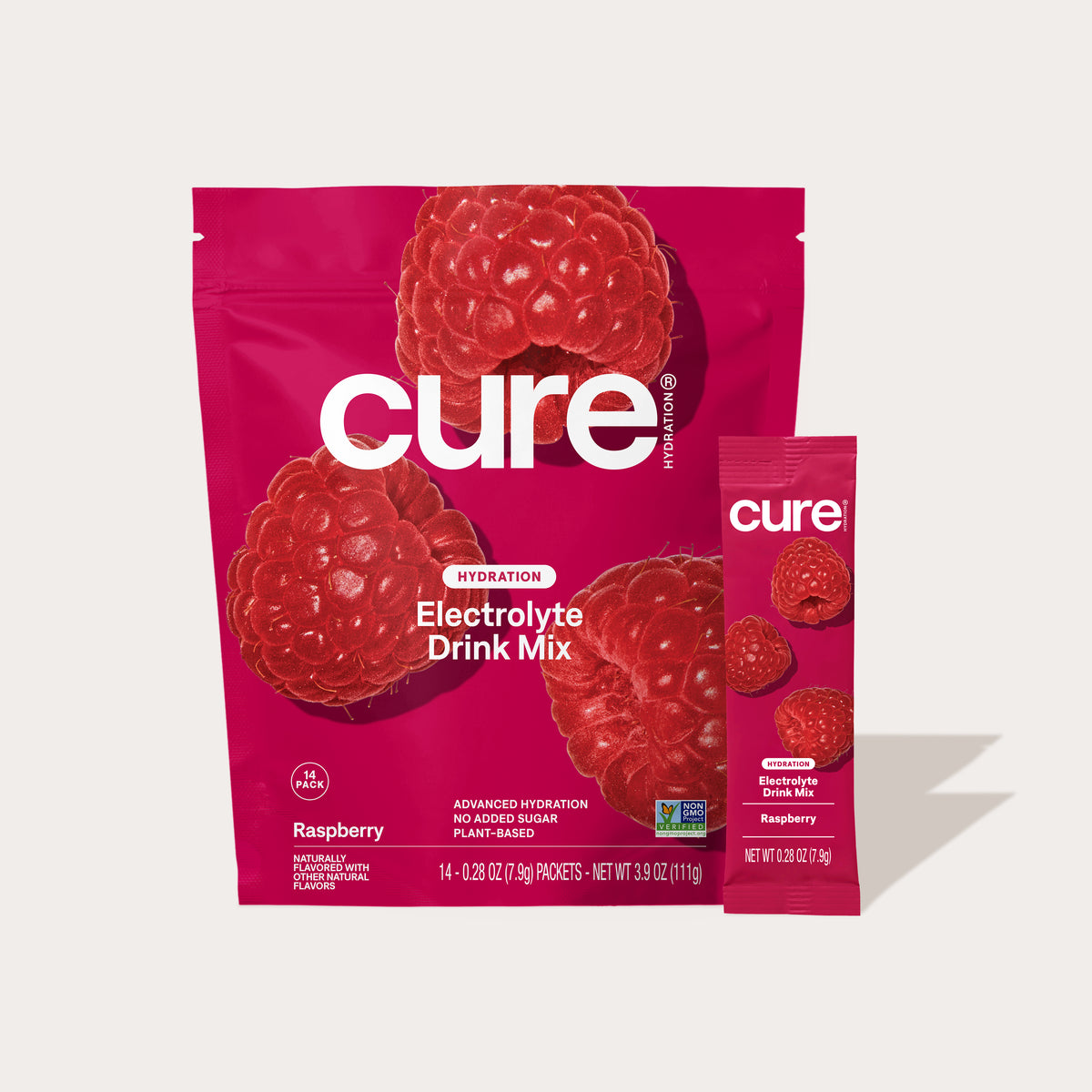
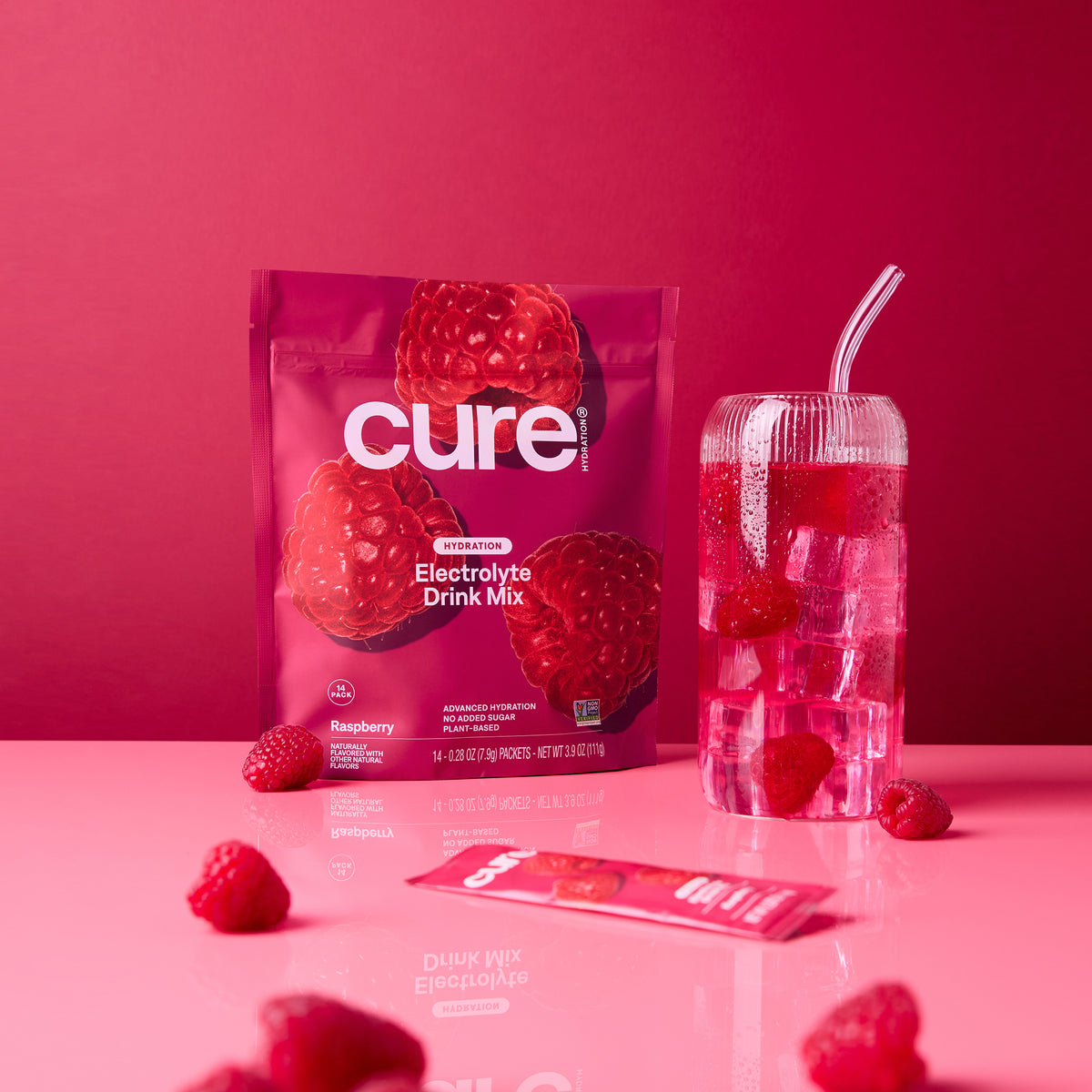
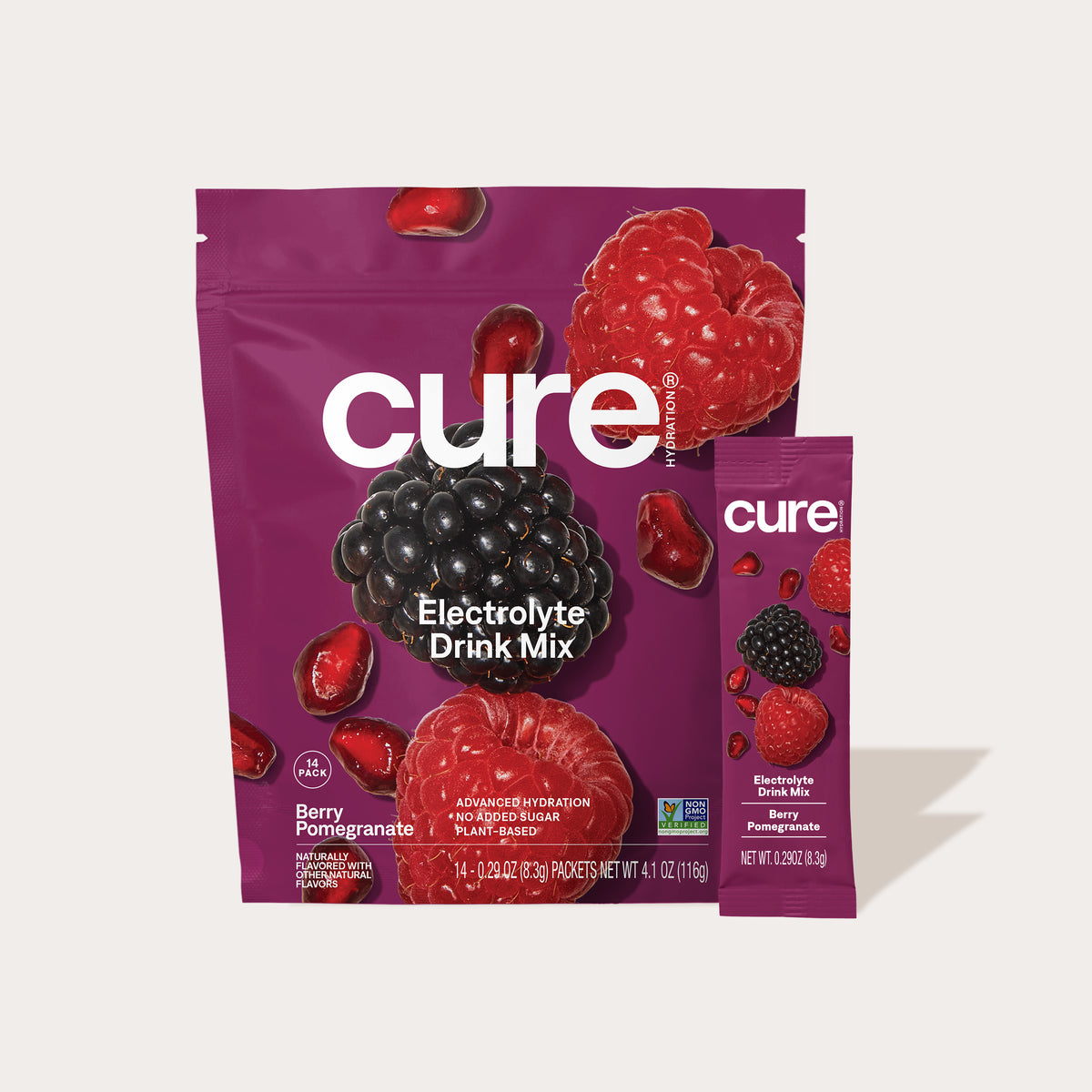
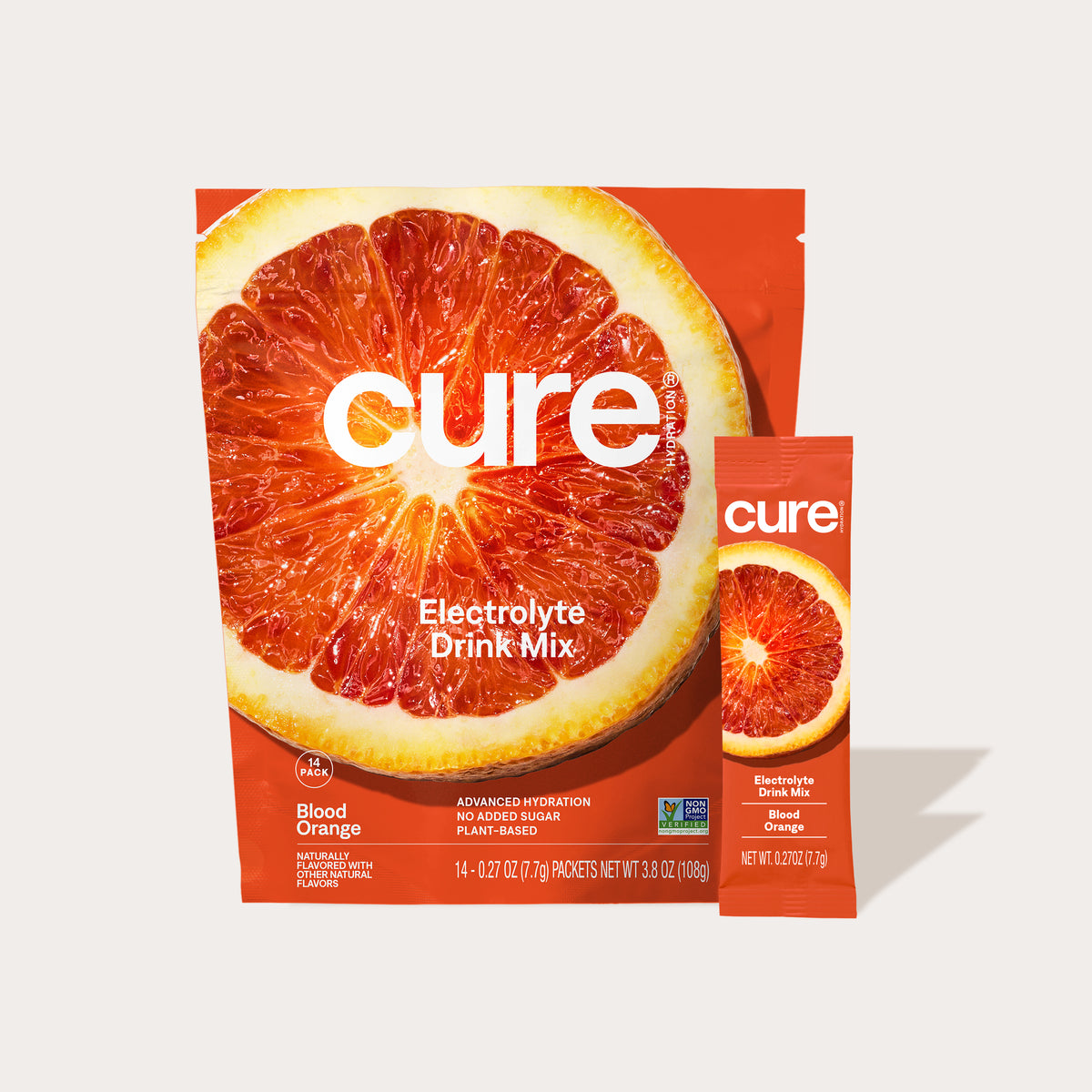
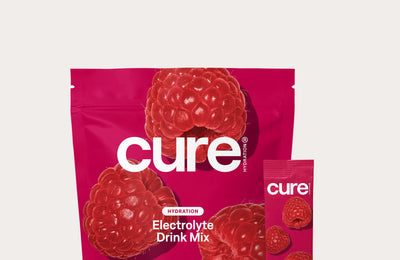
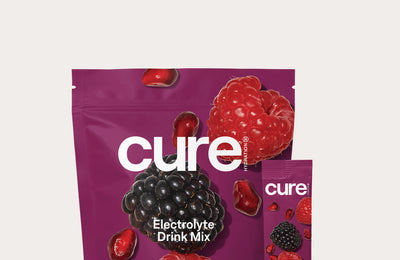
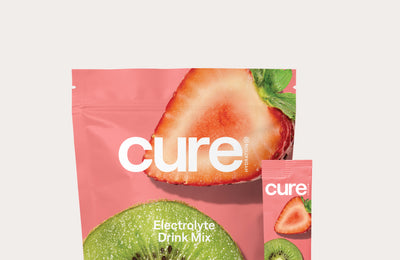
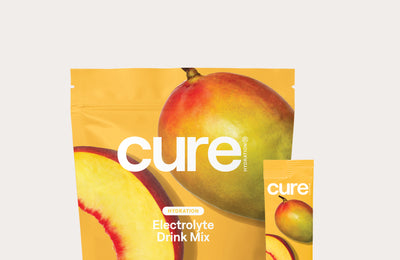
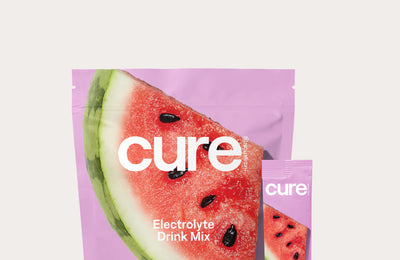
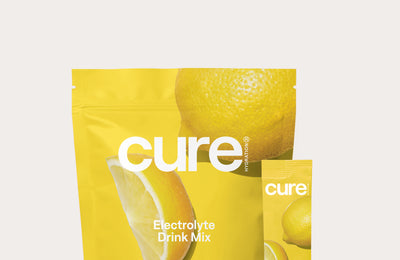
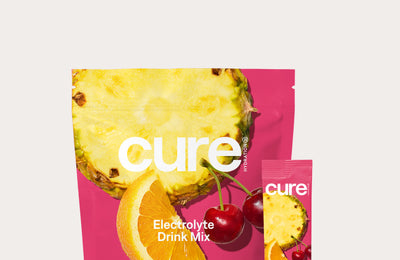
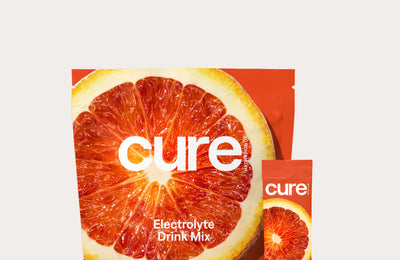
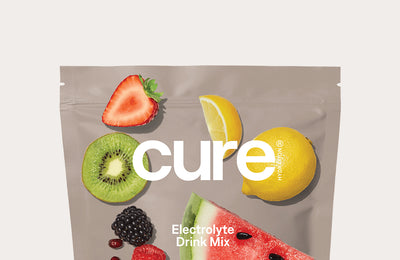
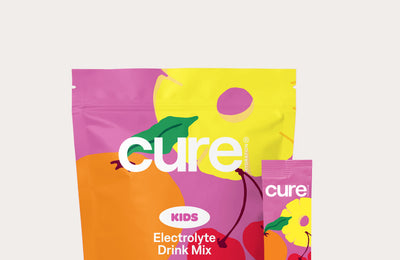
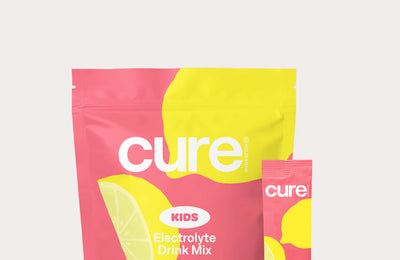
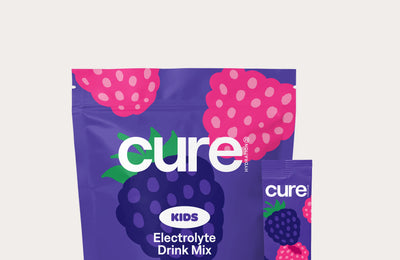
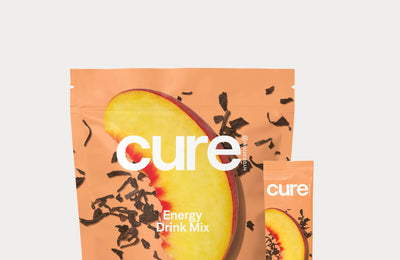
Cure's Electrolyte Drink Mix delivers 240mg sodium and 300mg potassium per stick, from coconut water and pink Himalayan salt. No synthetic minerals, no "proprietary blends."
How to Choose a Sugar-Free Electrolyte Drink for Keto
The keto community is full of electrolyte options, but not all of them are worth your money. Here's what to watch for:
Avoid Added Sugar
Many "hydration" products contain 10g or more of added sugar per serving. That can eat through half your daily carb allowance in one glass. Look for products with 0g added sugar.
Check the Sweetener
Some products swap sugar for sucralose, aspartame, or acesulfame potassium. These are technically carb-free, but if you're on keto partly because you want cleaner inputs, artificial sweeteners may not align with your goals. Cure uses organic stevia extract and monk fruit extract, both plant-based and zero-calorie.
Look for Real Ingredients
Coconut water, pink Himalayan salt, real fruit juice. If the ingredient list is short and you can recognise everything on it, that's a good sign.
Making It Part of Your Keto Routine
The simplest approach: one stick of Cure in the morning, before coffee, while your body is coming off an overnight fast. A second serving later on helps if you're active or it's a hot day.
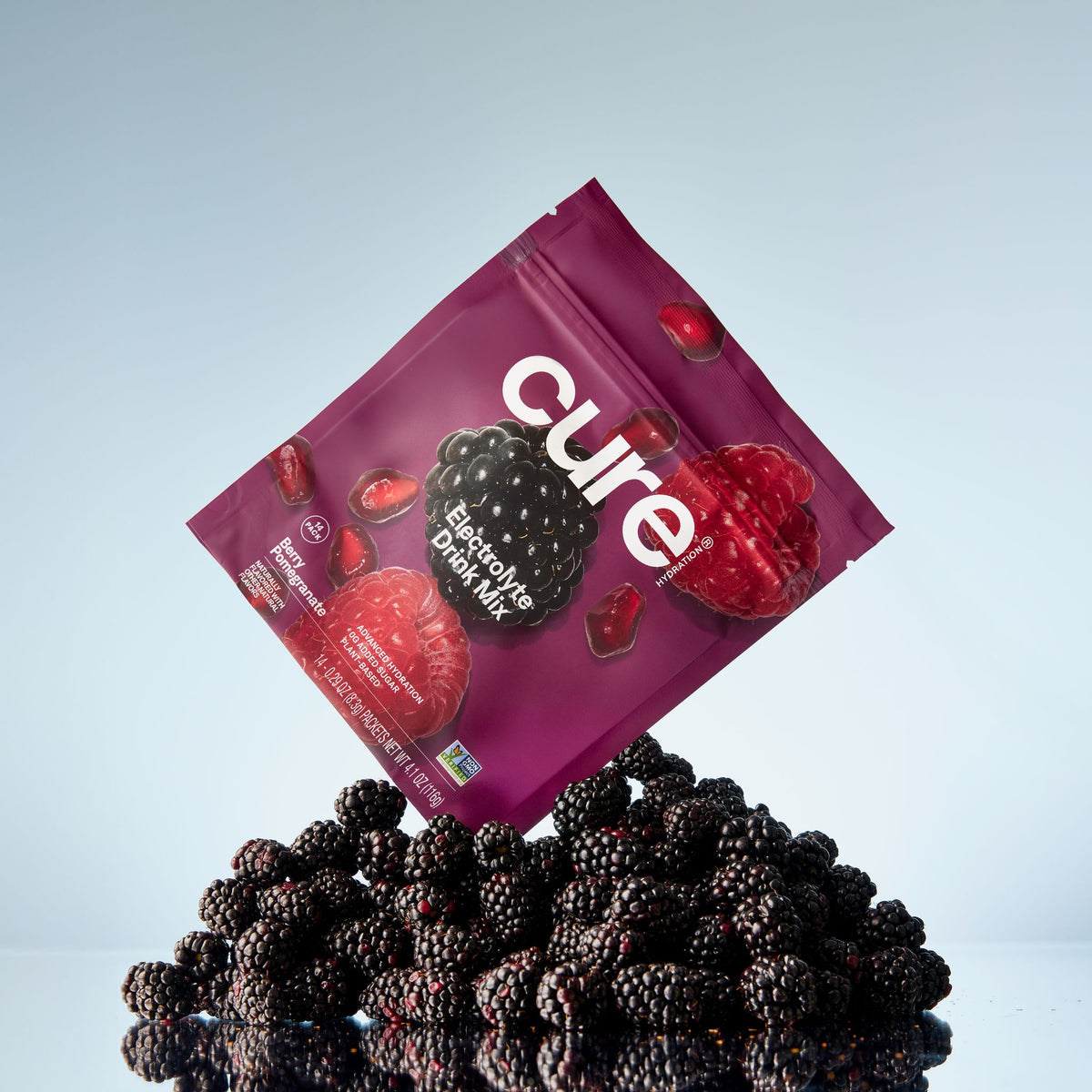
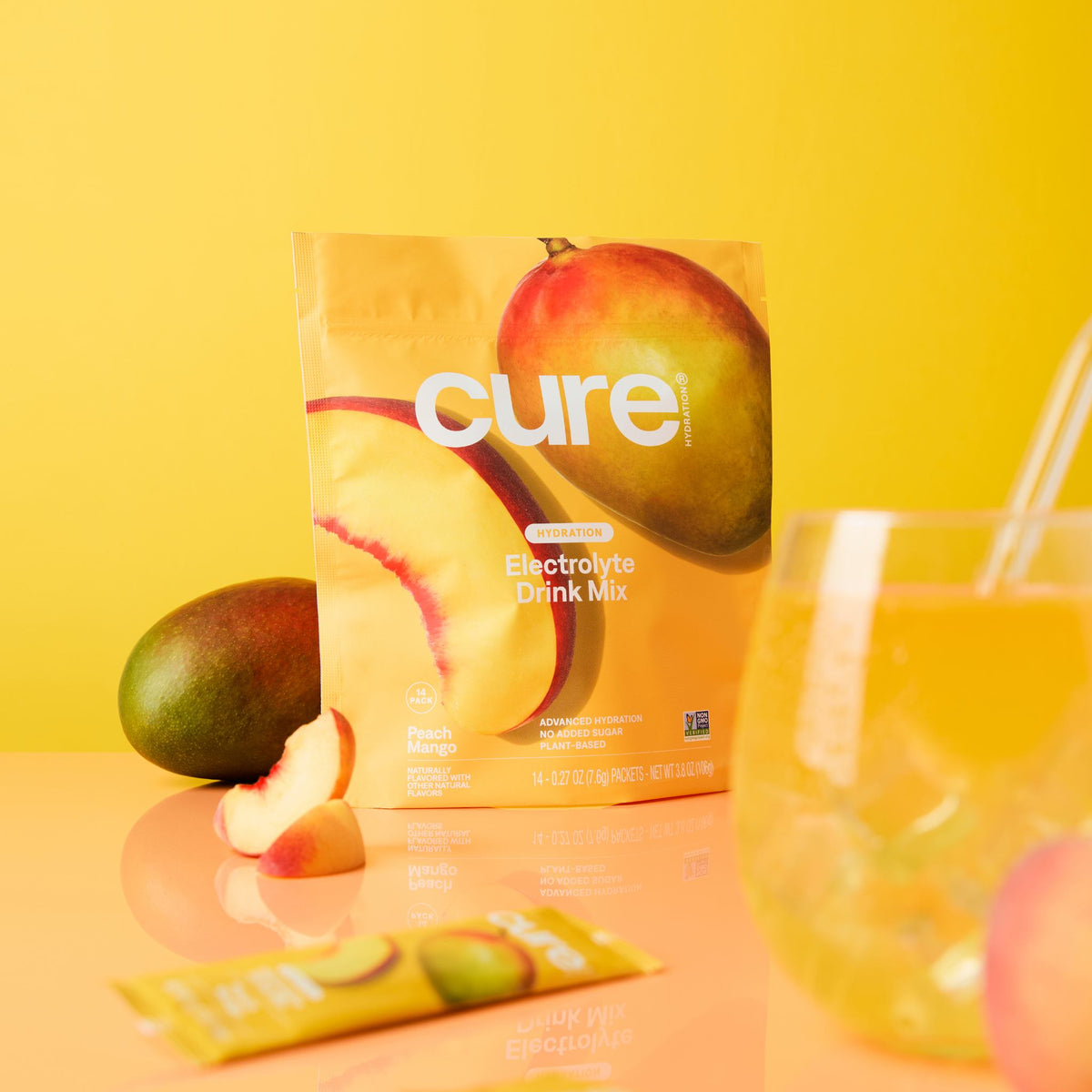
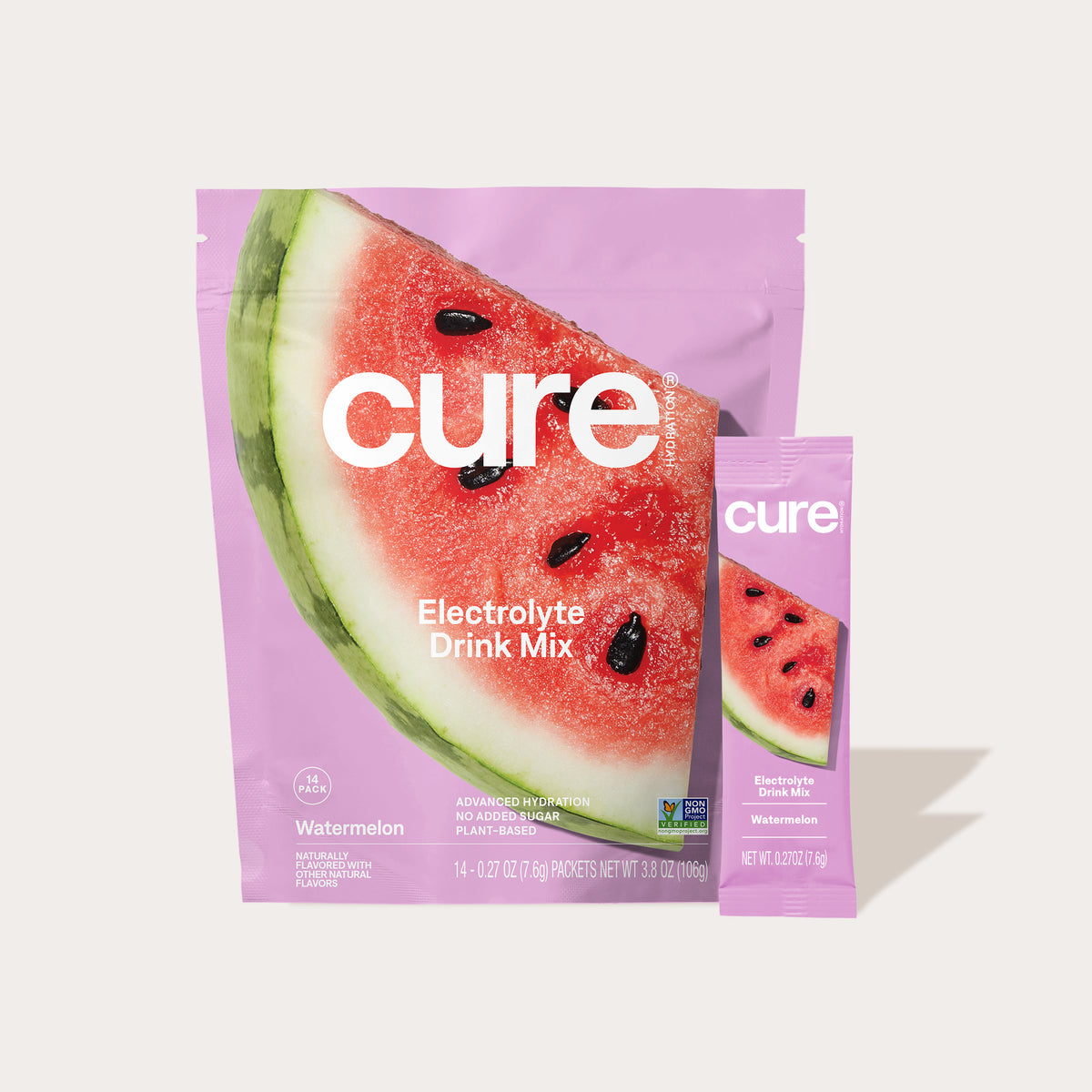
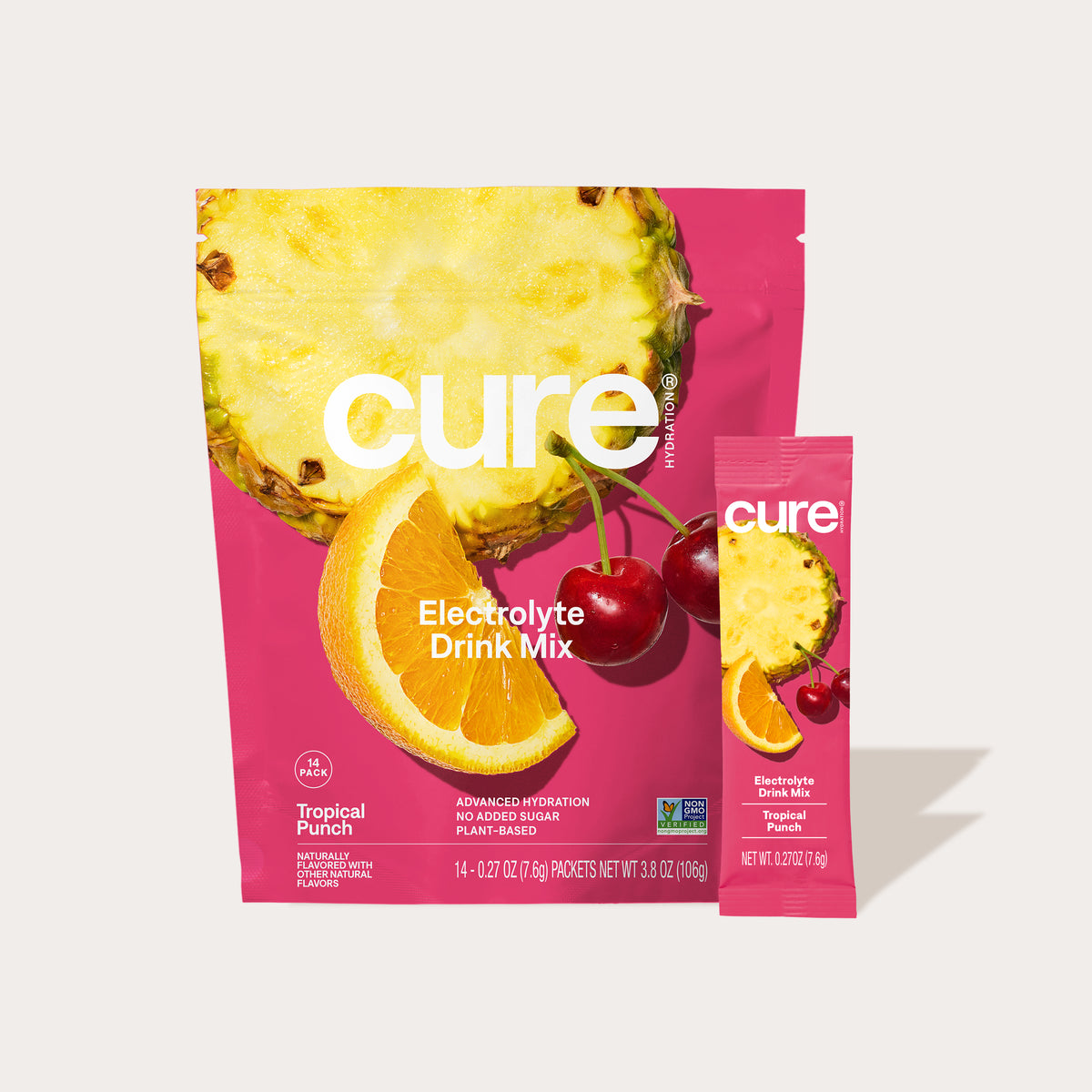
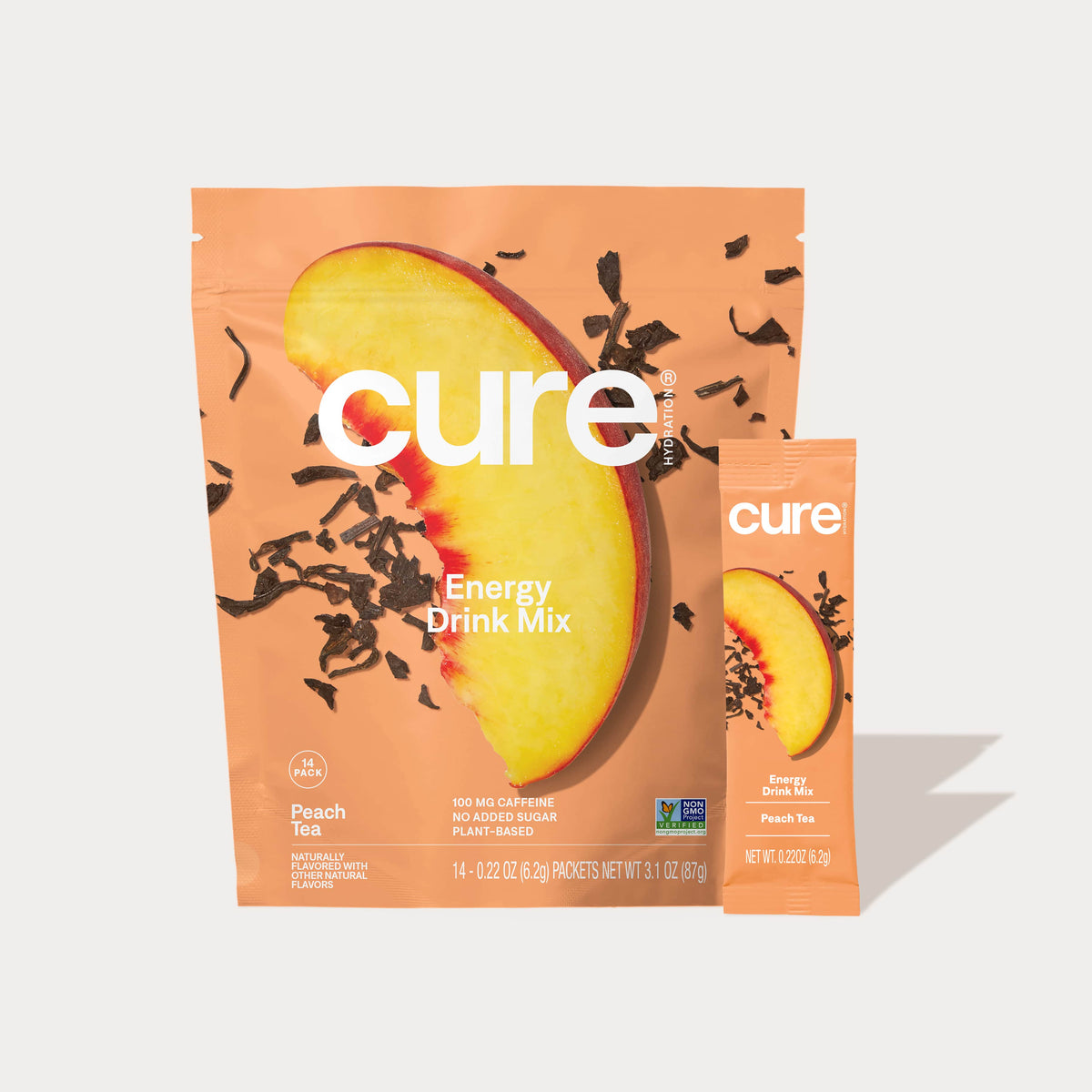
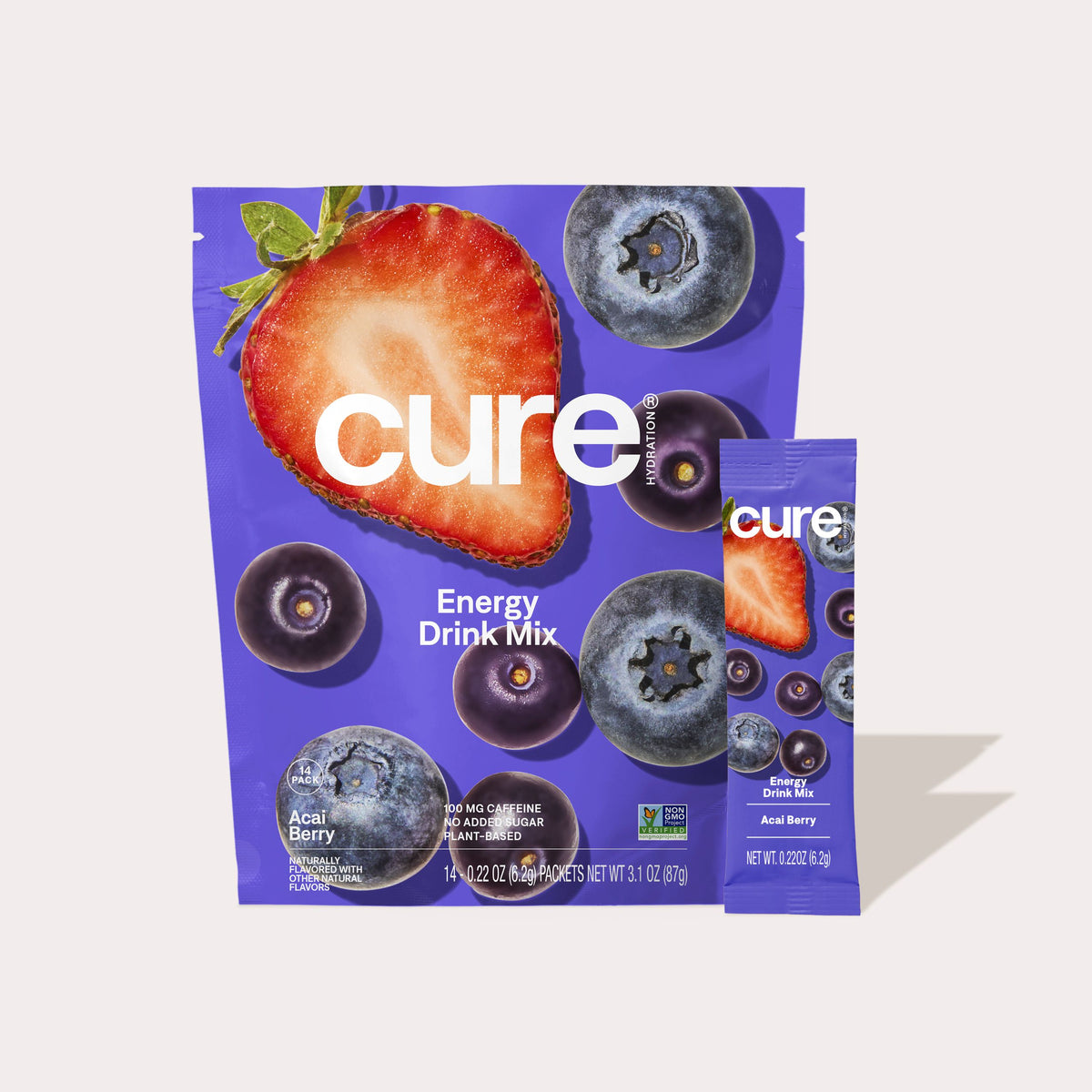
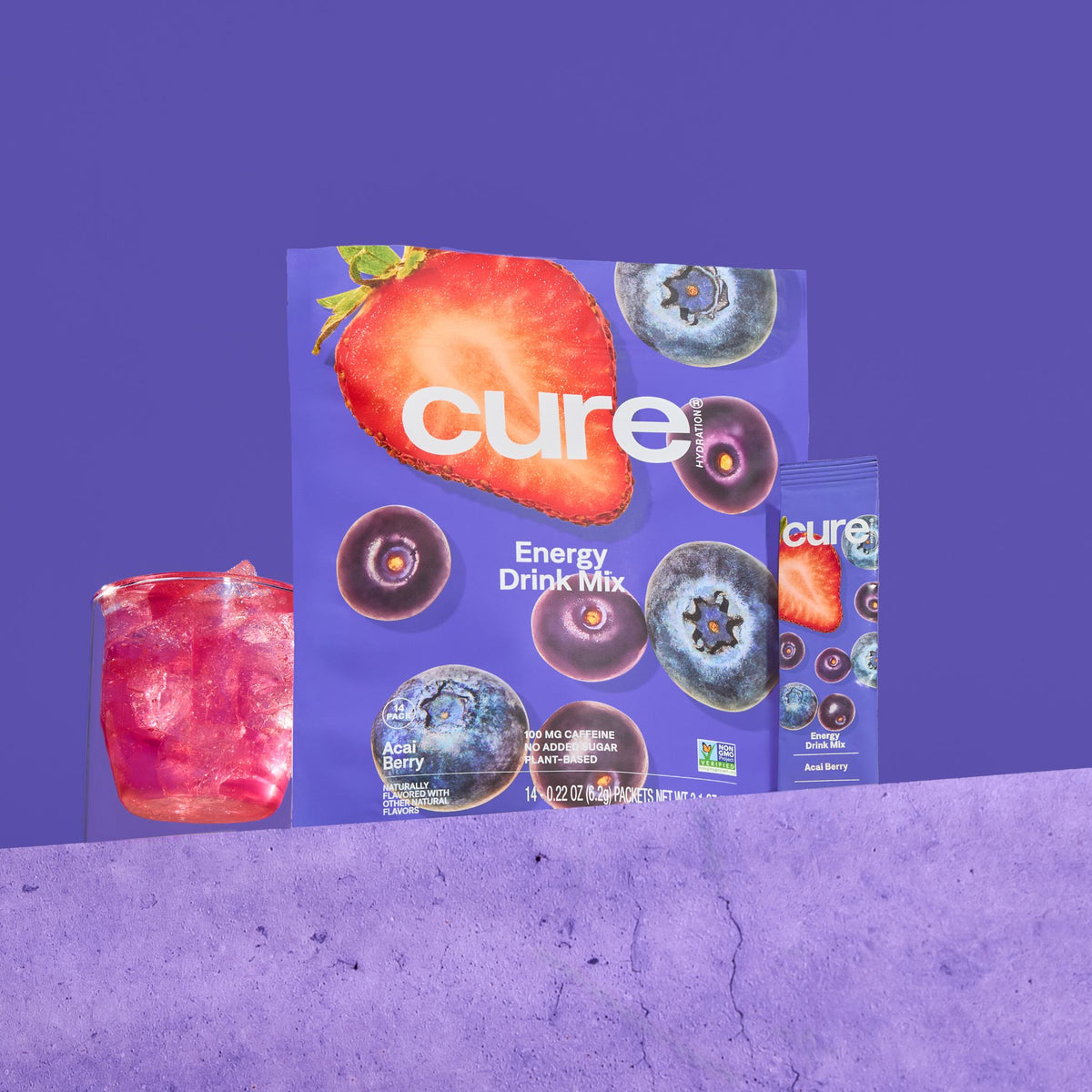
With 11 flavors in the Hydration line, a Variety Pack keeps things interesting.
Stay Hydrated on Keto
Staying hydrated can make a keto routine easier to manage, especially as your body adjusts to changes in fluid and electrolyte balance. Getting enough fluids and electrolytes may help you feel more comfortable as you settle into your routine.
Shop Cure and keep your keto running smoothly.
Cure is not a medical product and is not intended to diagnose, treat, cure, or prevent any disease. If you have specific health concerns, talk to your doctor.
Frequently Asked Questions
What Is "Keto Flu" and Does It Relate to Electrolytes?
Keto flu refers to the headaches, fatigue, cramps, and brain fog many people experience in the first few days of keto. It's caused by rapid electrolyte and water loss as your body burns through glycogen stores. Replenishing sodium, potassium, and magnesium typically resolves the symptoms.
Is Cure Hydration Okay on Keto?
Cure contains 2g of glucose, 0g added sugar, and 25 calories per serving. The glucose is part of the ORS formula for efficient water absorption, not for sweetness. At 2g, it fits comfortably within keto's daily carb limits.
Can I Use Electrolytes Without Artificial Sweeteners on Keto?
Yes. Cure is sweetened with organic stevia extract and monk fruit extract, both plant-based and zero-calorie. If you're avoiding synthetic sweeteners like sucralose or aspartame, these are the cleanest available options.
How Much Sodium Do I Need on Keto?
Most keto guidelines suggest 2,000 to 5,000mg of sodium per day, which is higher than standard dietary recommendations. A single serving of Cure provides 240mg from pink Himalayan salt, which can supplement what you get from food.
What's the Best Time to Take Electrolytes on Keto?
Morning is ideal, especially before coffee, since you've been losing fluids overnight. If you exercise, have a serving before or after your workout as well. During the first week of keto, when electrolyte loss is highest, two servings per day can help ease the transition.