












A pinch of salt, some lemon juice, a spoonful of honey, and a glass of water. That's the basic homemade electrolyte drink recipe floating around the internet. It's cheap, it's simple, and it technically delivers sodium and a bit of potassium.
A homemade electrolyte drink can cover the basics. But whether it matches a store-bought electrolyte drink powder in consistency, taste, and effective hydration is a different question. Let’s find out.
What a Homemade Electrolyte Drink Actually Gets You
A homemade electrolyte drink can add fluids and electrolytes to your daily hydration routine, making it a simple alternative to plain water when you want a little more.
How to Make a Homemade Electrolyte Drink
-
Start with water: Use a glass or bottle of water as your base.
-
Add your ingredients: Mix in measured amounts of your chosen electrolyte sources and sweetener.
-
Stir well: Mix until everything is fully dissolved.
-
Adjust to taste: Add citrus or other flavoring if needed.
For light, everyday hydration, a homemade mix can be a reasonable option when you have the ingredients on hand.
Where Homemade Electrolyte Drinks Fall Short
DIY mixes can work, but they come with a few practical trade-offs.
Dosing Is Inconsistent
The biggest gap between a homemade electrolyte drink and a store-bought mix is precision. A "pinch of salt" can range from 100mg to 400mg of sodium depending on the size of your fingers, the type of salt, and how generous you're feeling. The same goes for lemon juice volume and honey quantity.
That inconsistency matters when you're trying to match a specific electrolyte ratio, and hitting the right ones at home without a food scale and measuring tools is difficult.
Taste Is Hit or Miss
Salt water with lemon is not exactly something people crave. Most homemade recipes lean salty or overly tart, which makes it hard to drink consistently. If you don't like the taste, you won't drink it regularly, and consistency is the whole point of daily hydration.
Portability Is Limited
You can't pre-mix a DIY electrolyte drink and throw it in your gym bag for later. It requires fresh ingredients, measuring, and mixing on the spot. That's fine at home but impractical for travel, workouts, or busy mornings.
What a Formulated Electrolyte Drink Powder Offers
A properly formulated electrolyte drink powder solves the three problems above: precise dosing, consistent taste, and portability.
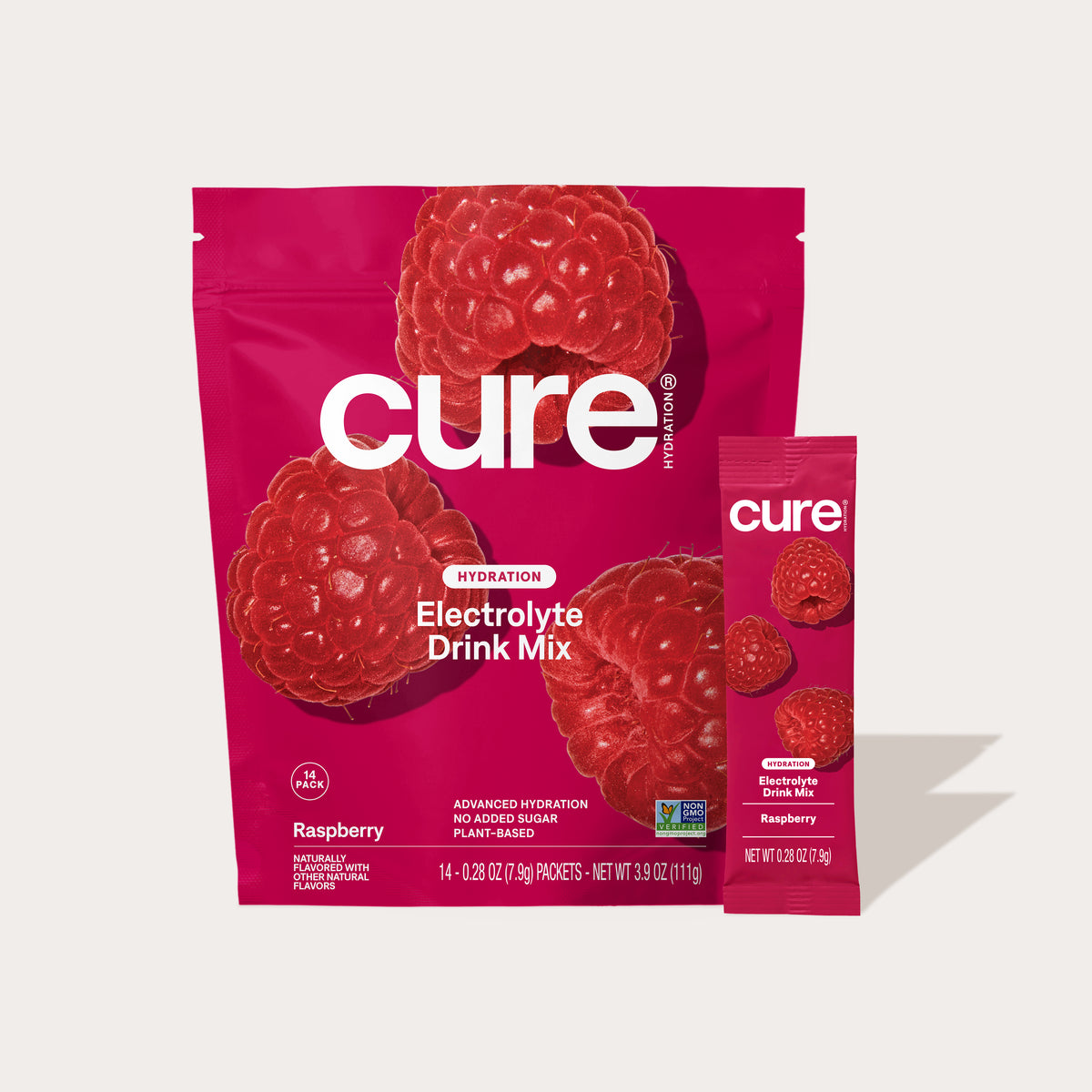
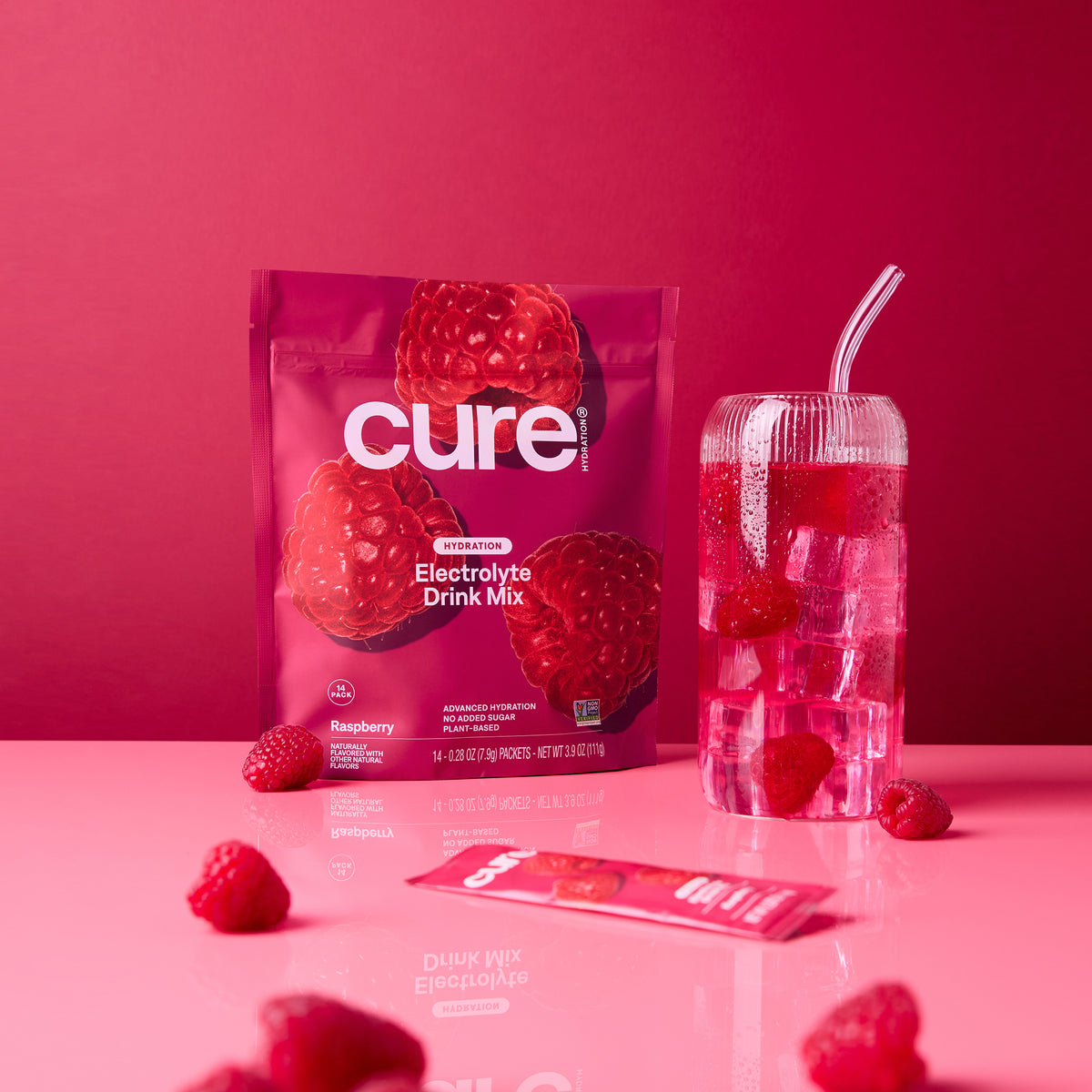
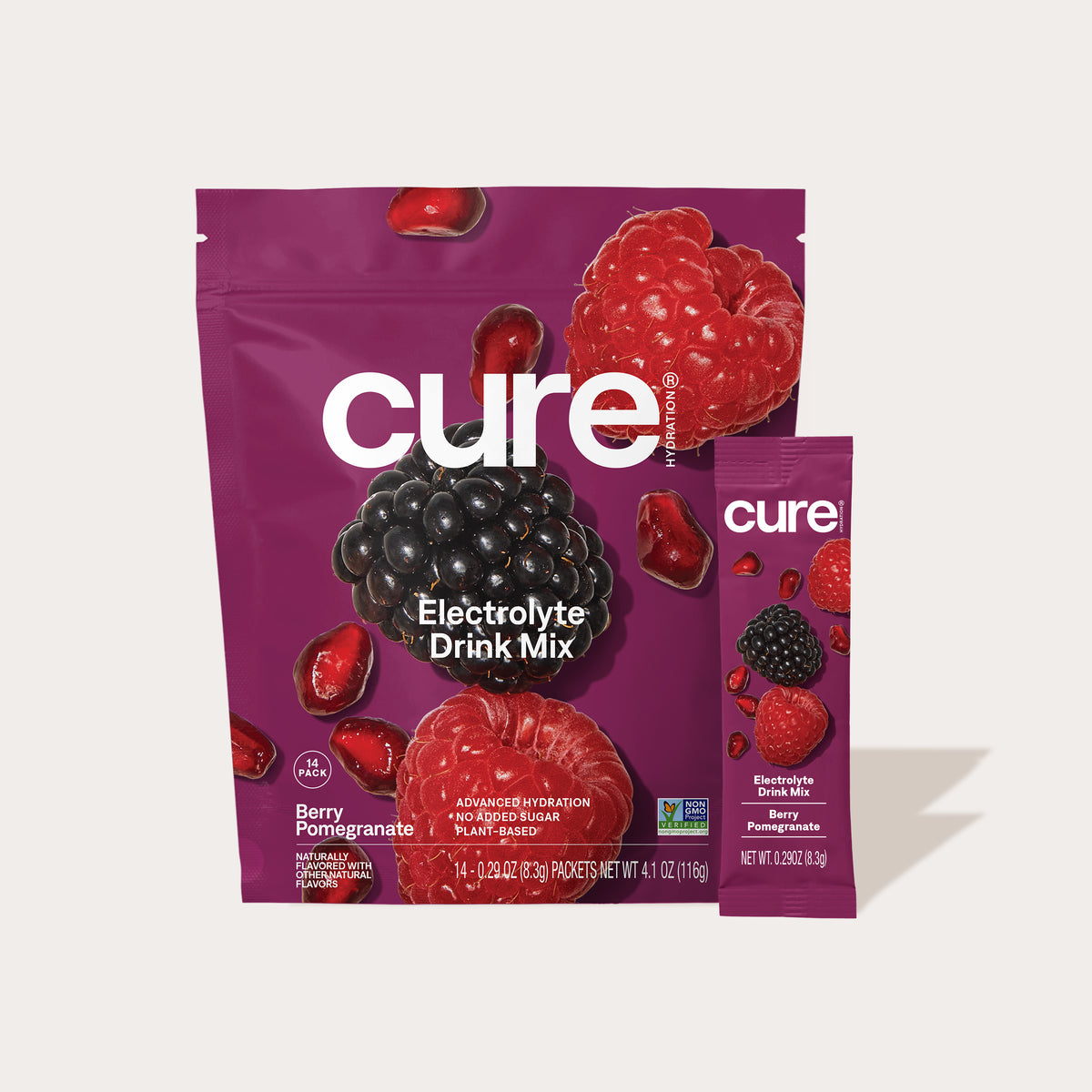
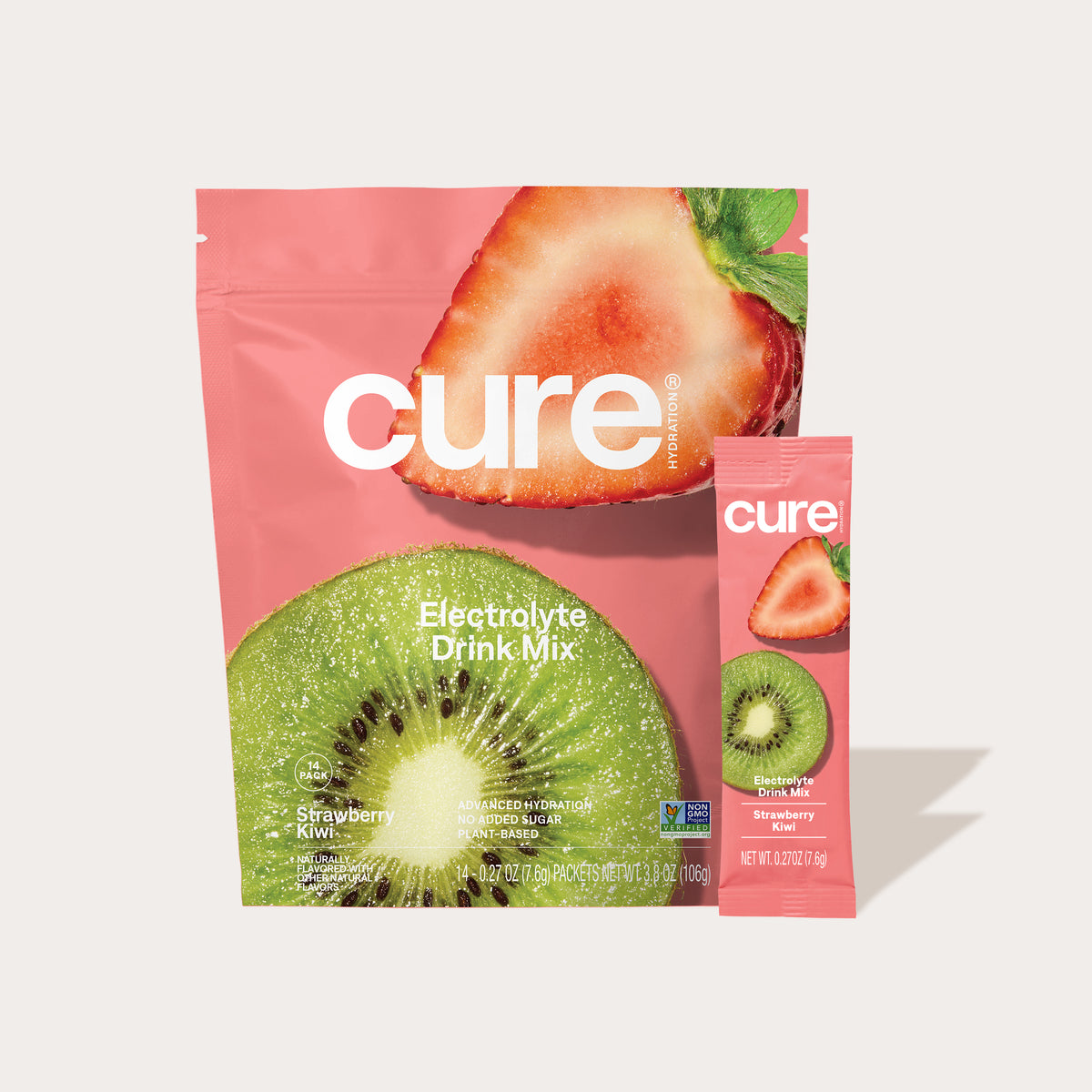
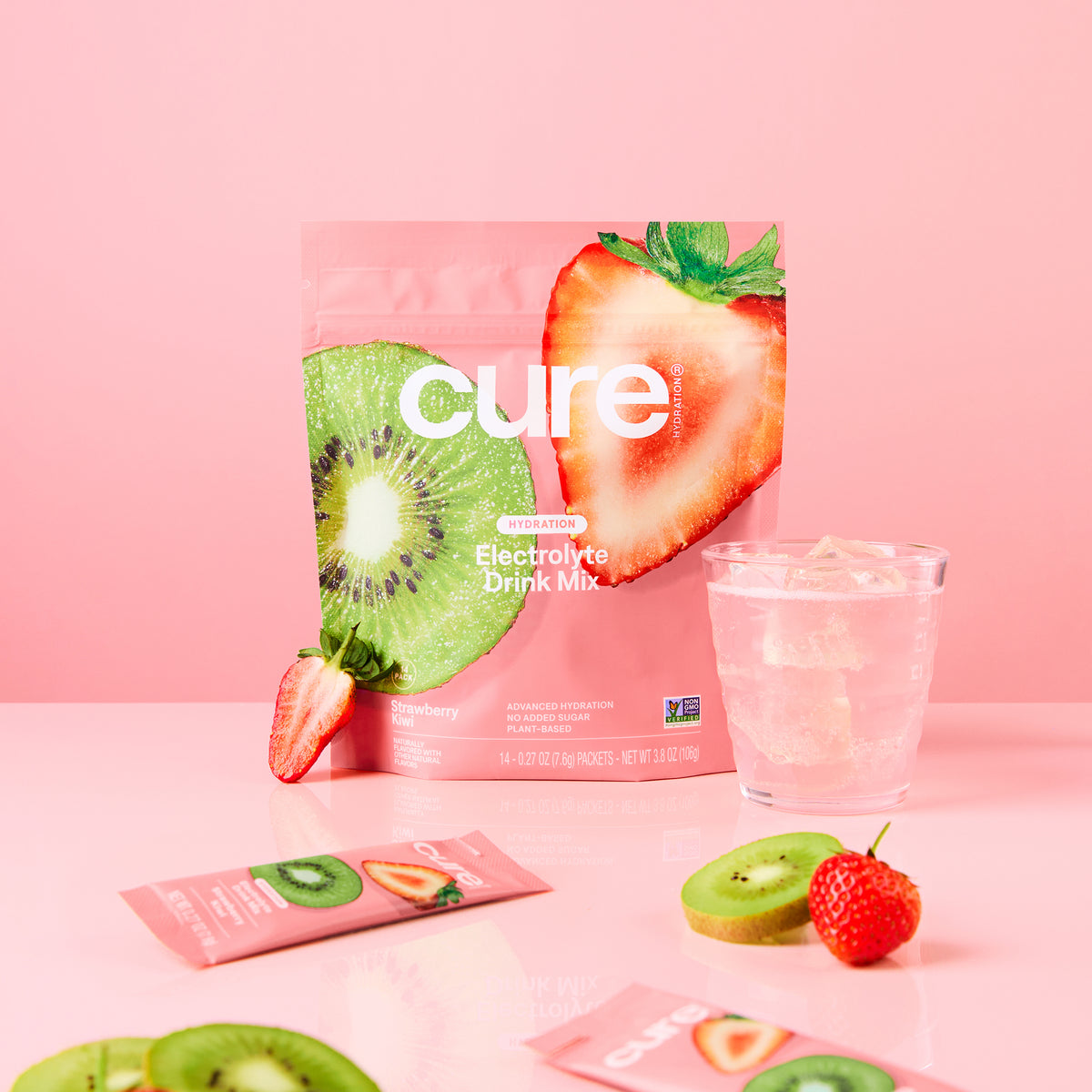
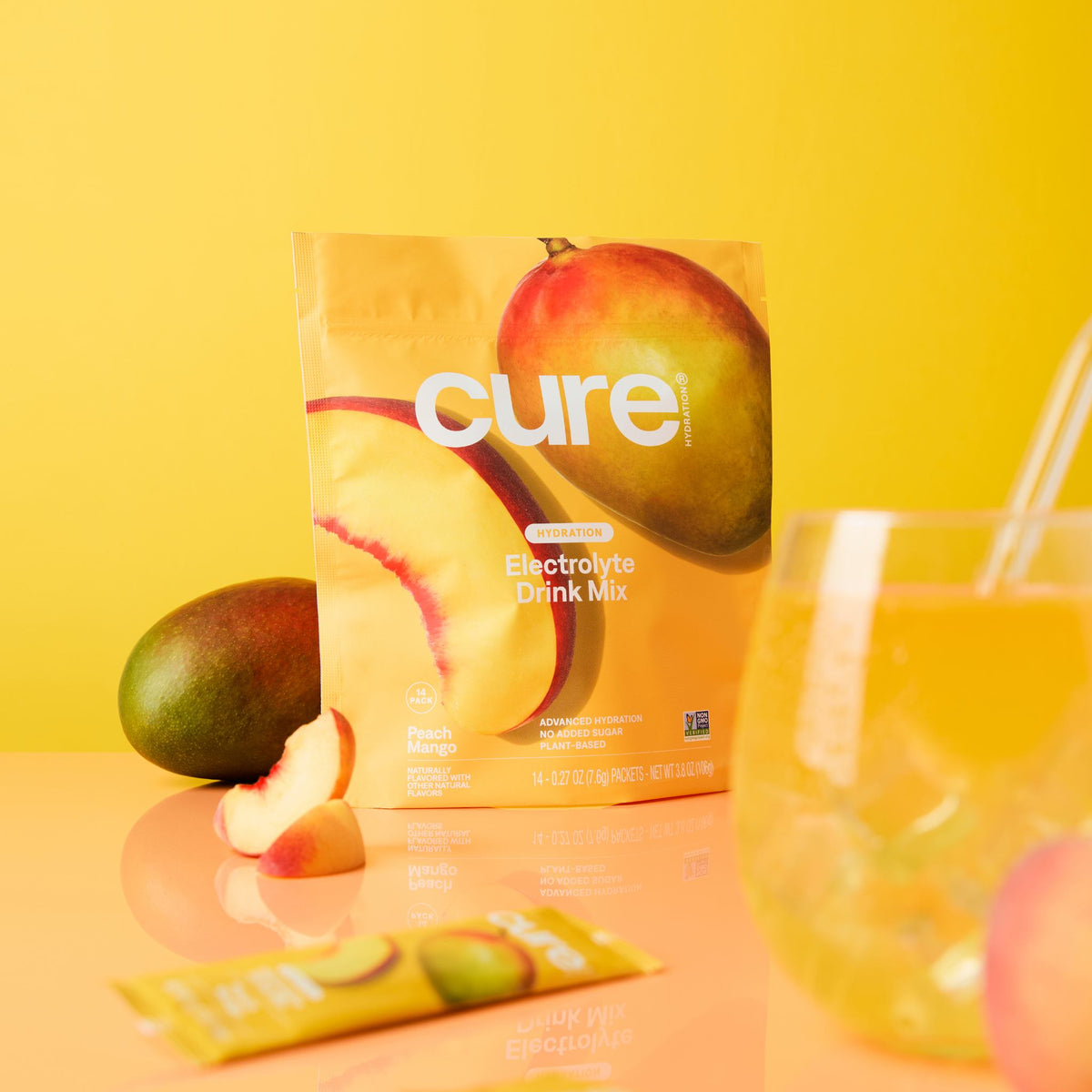
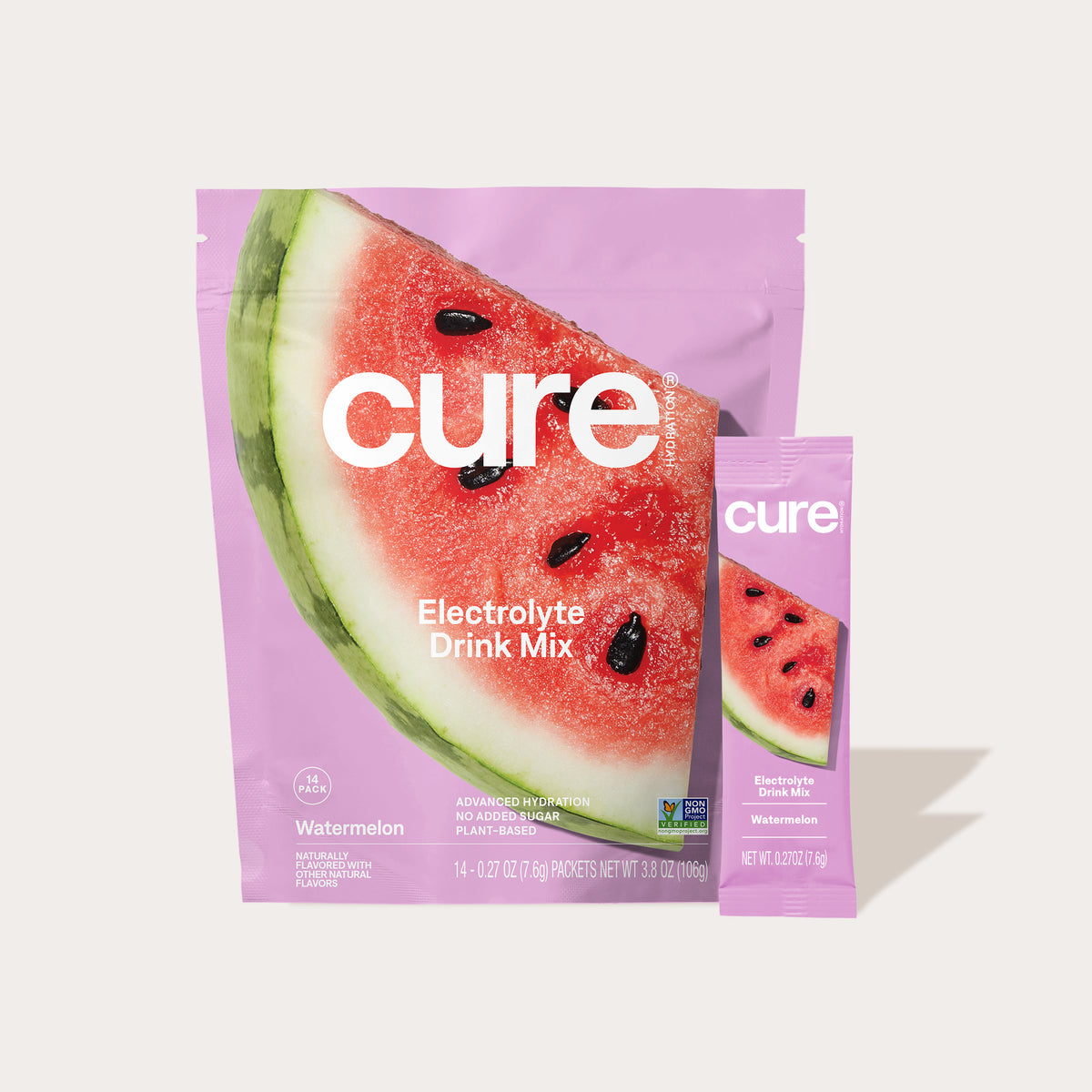
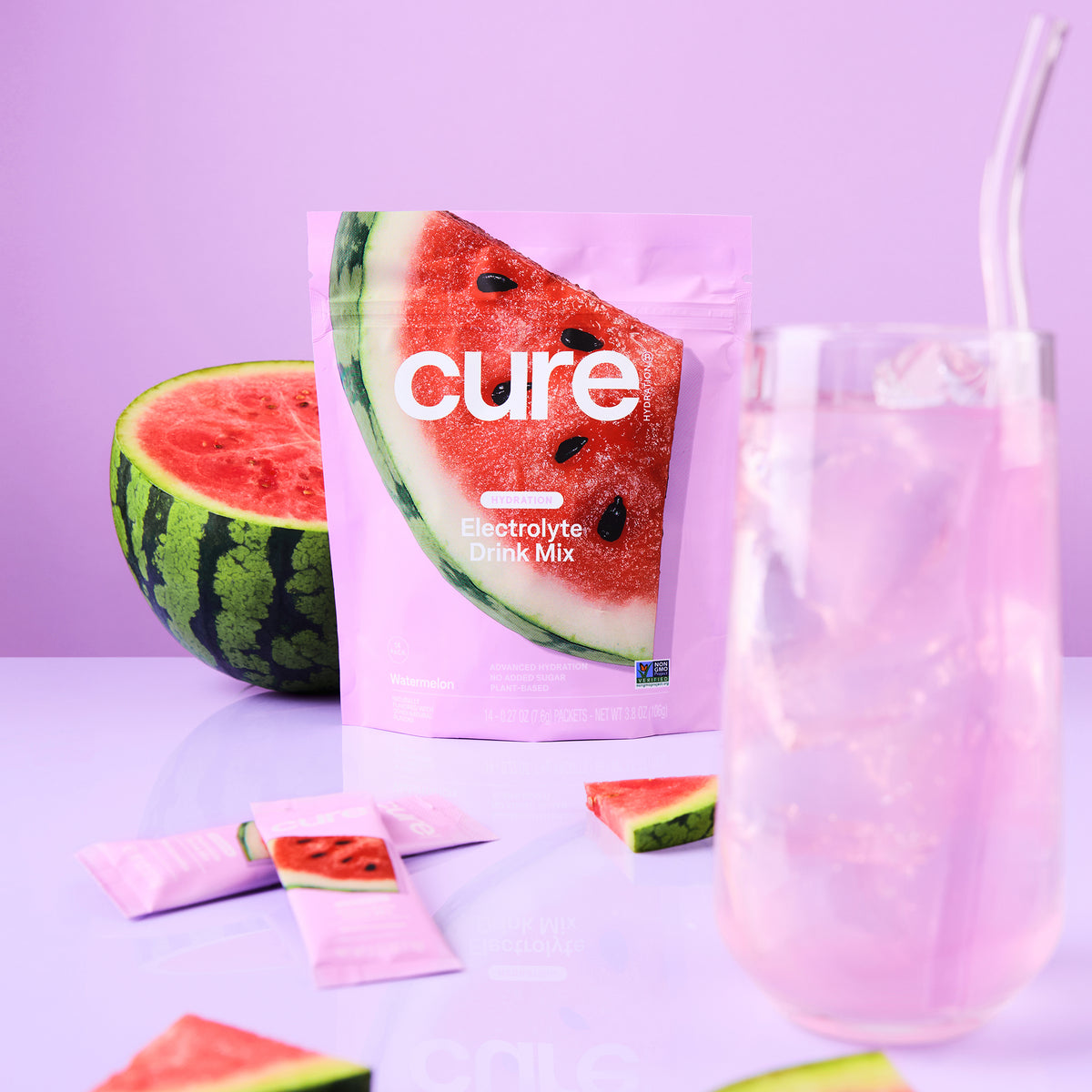
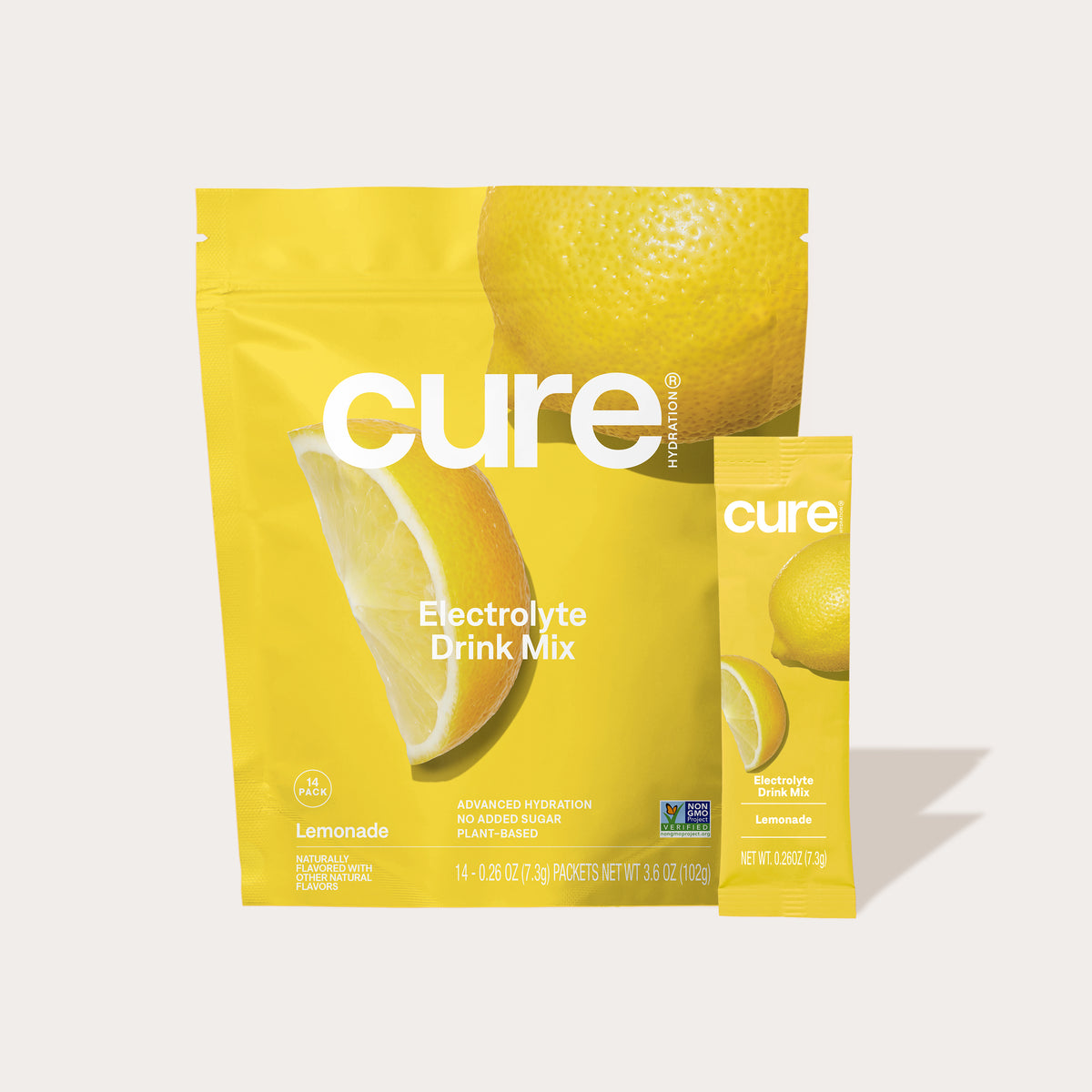
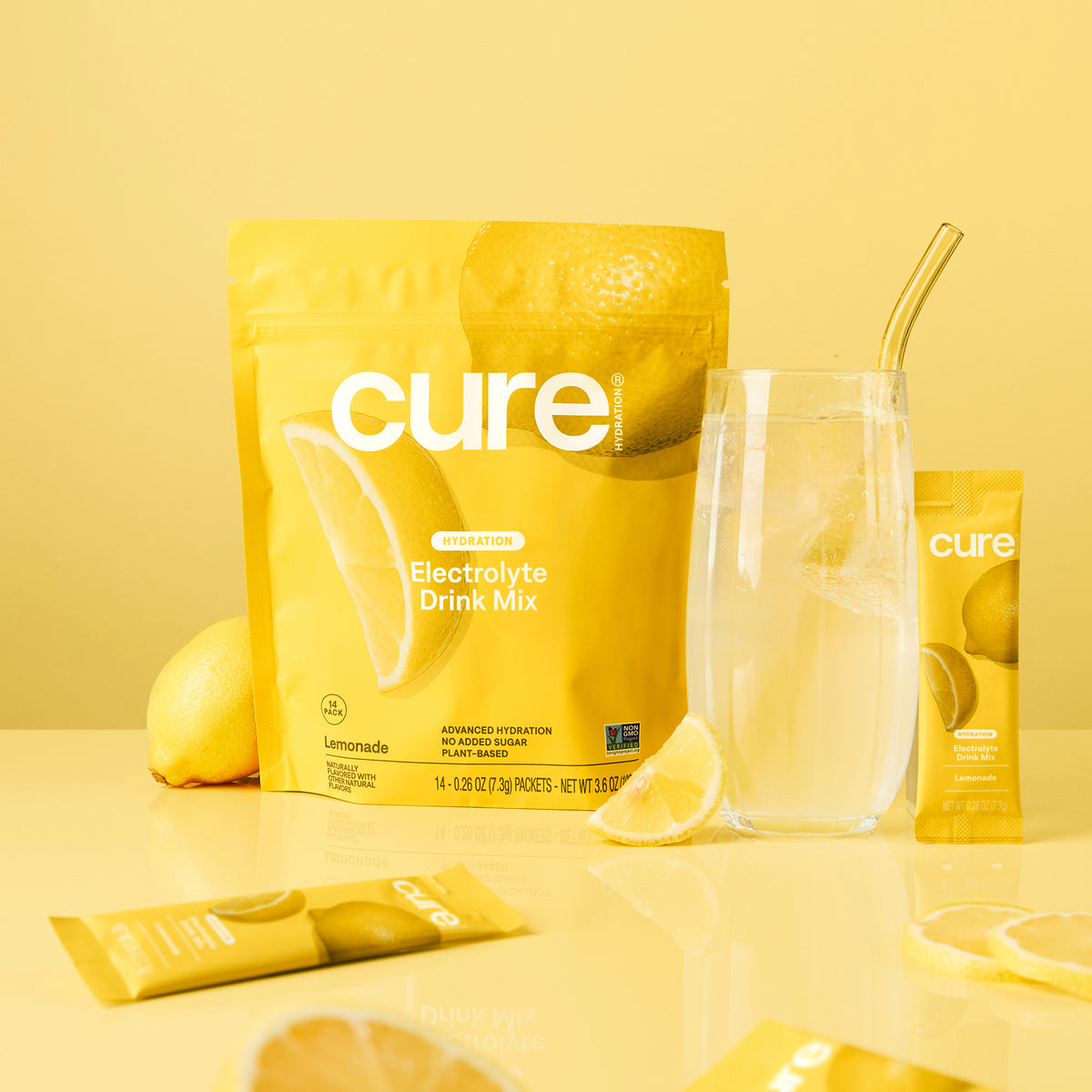
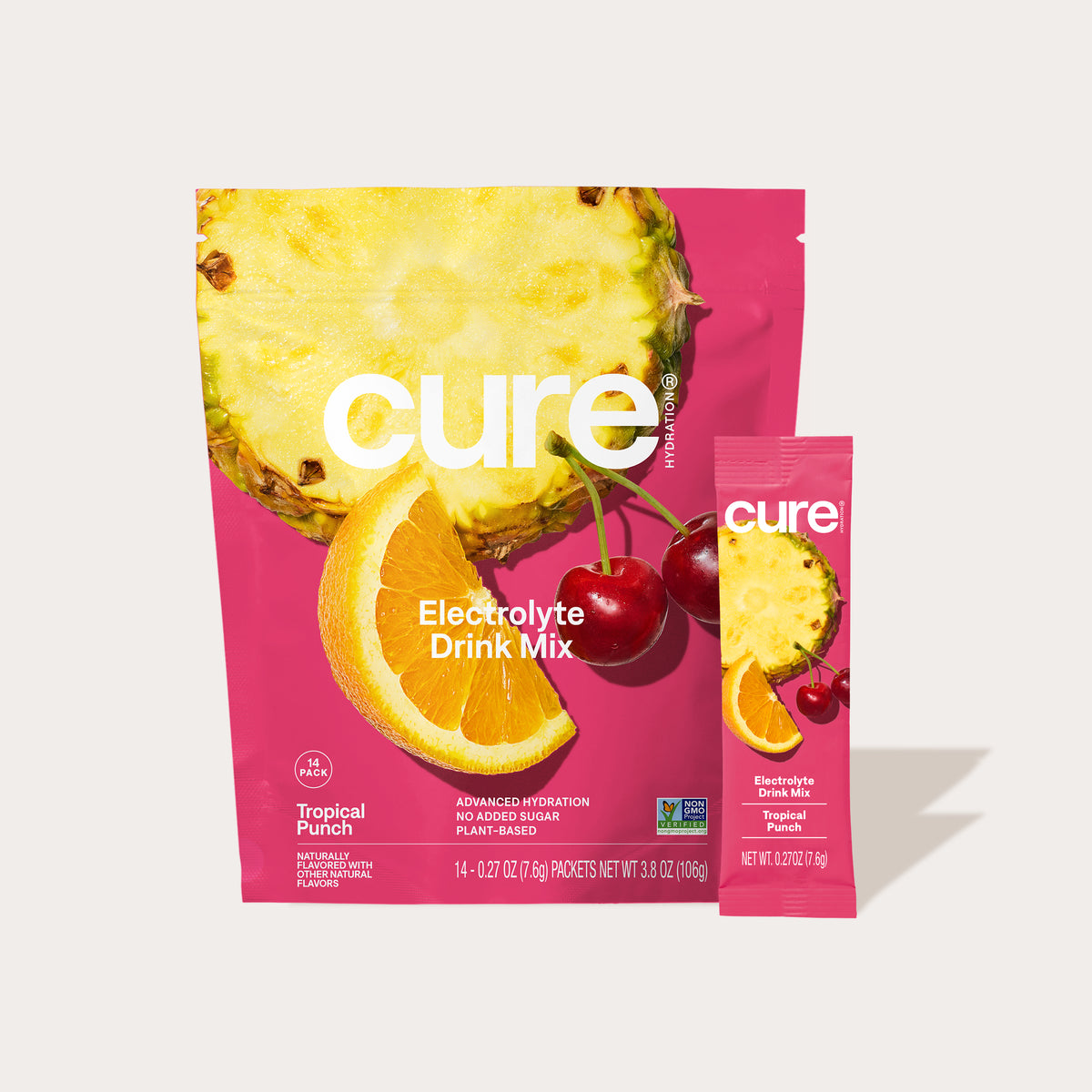
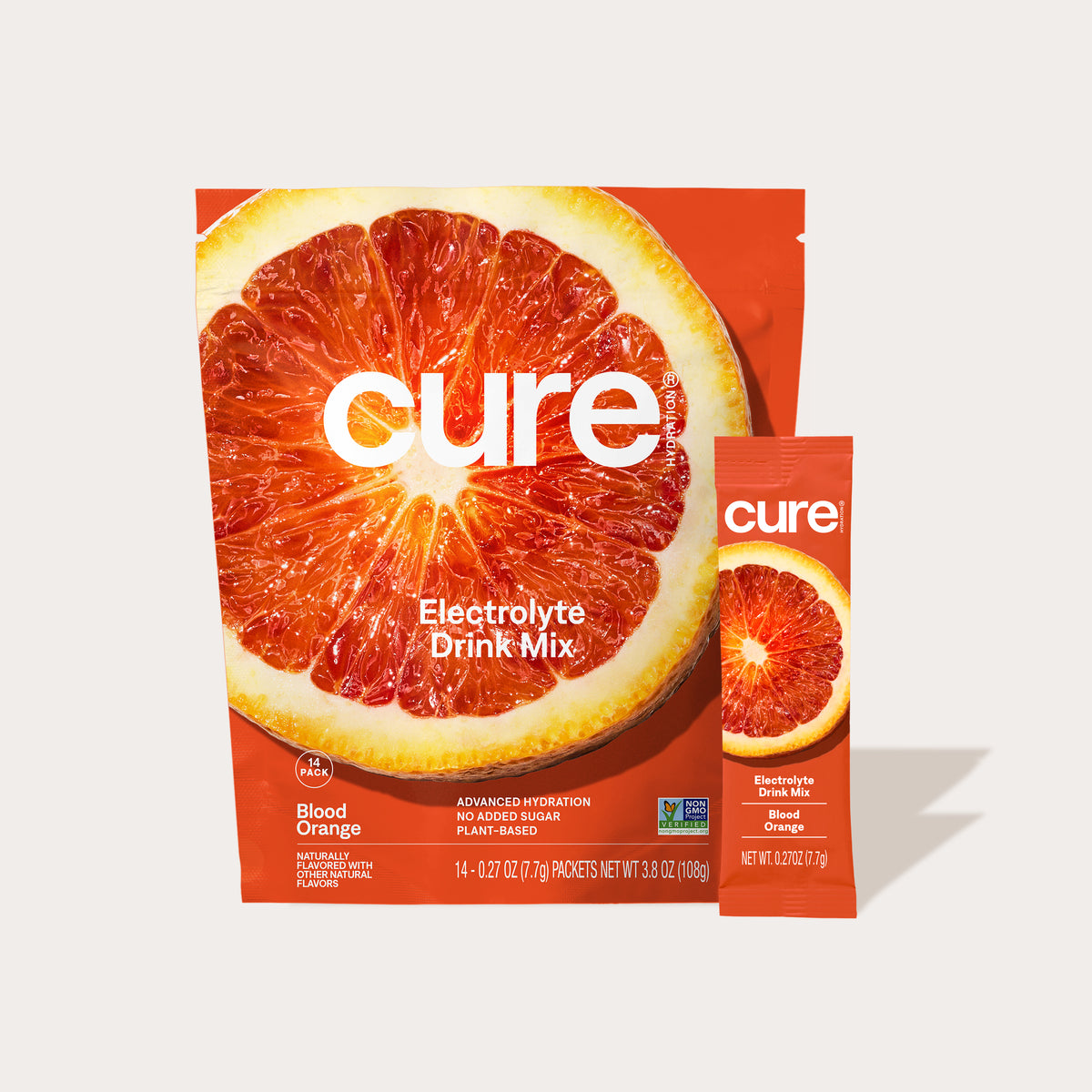
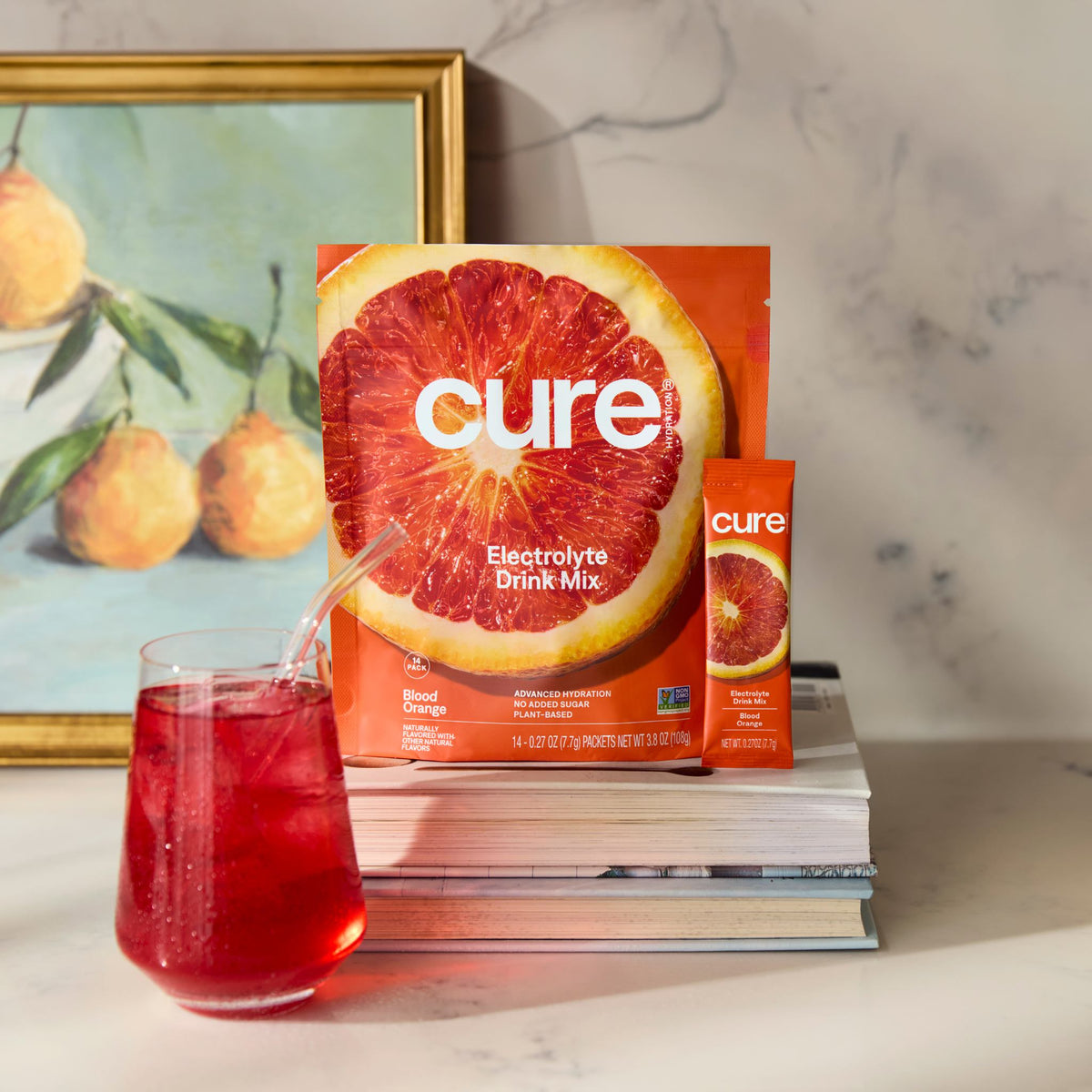
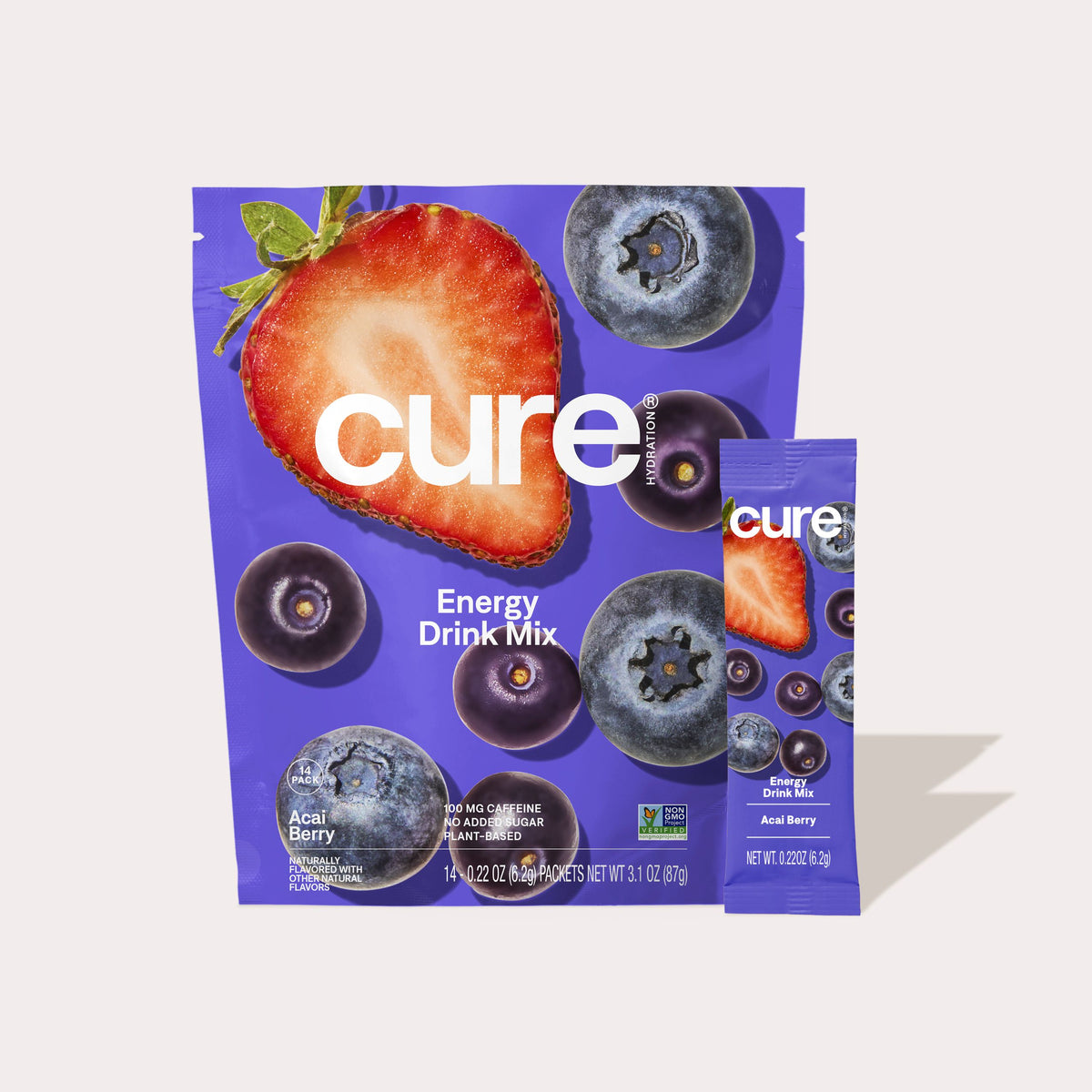
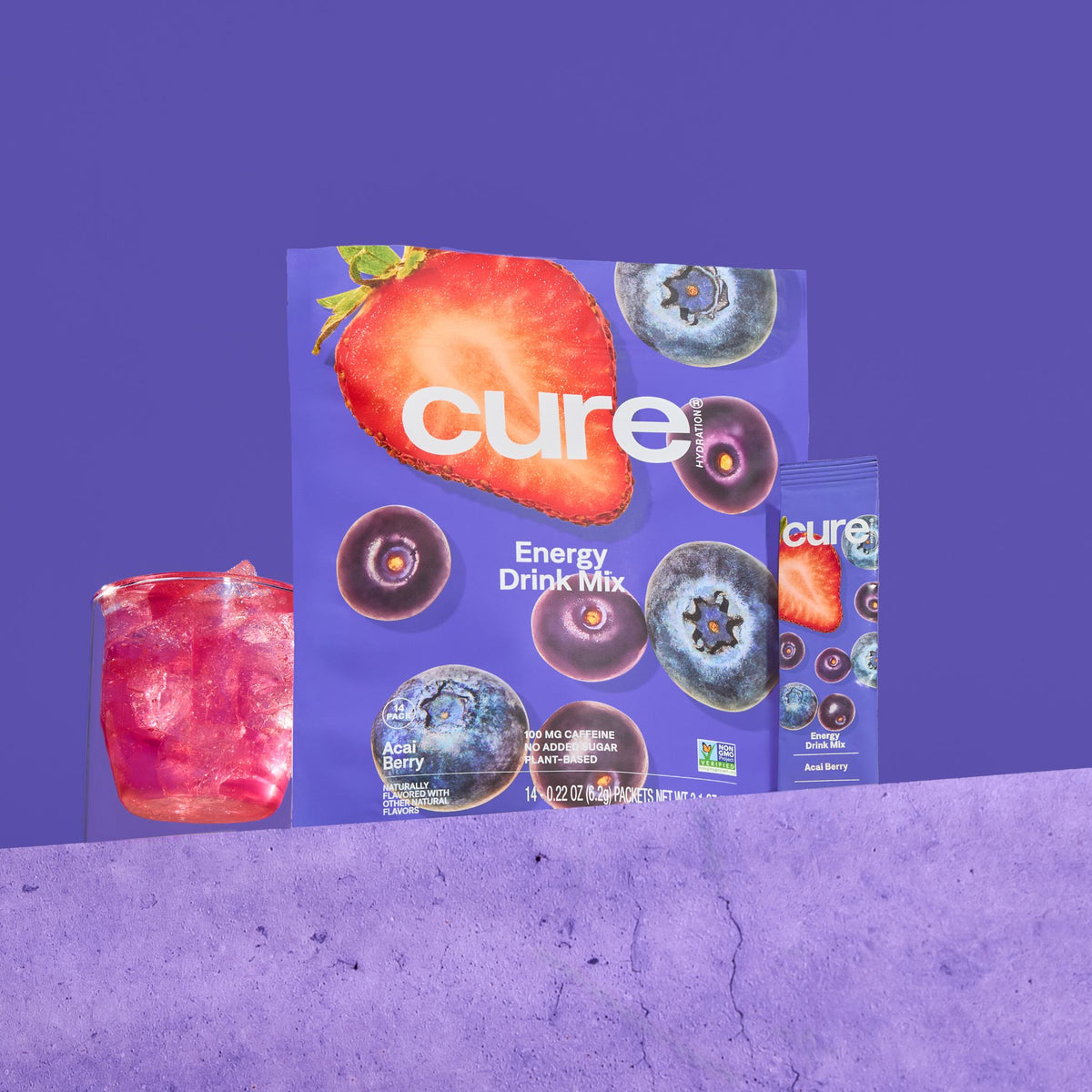
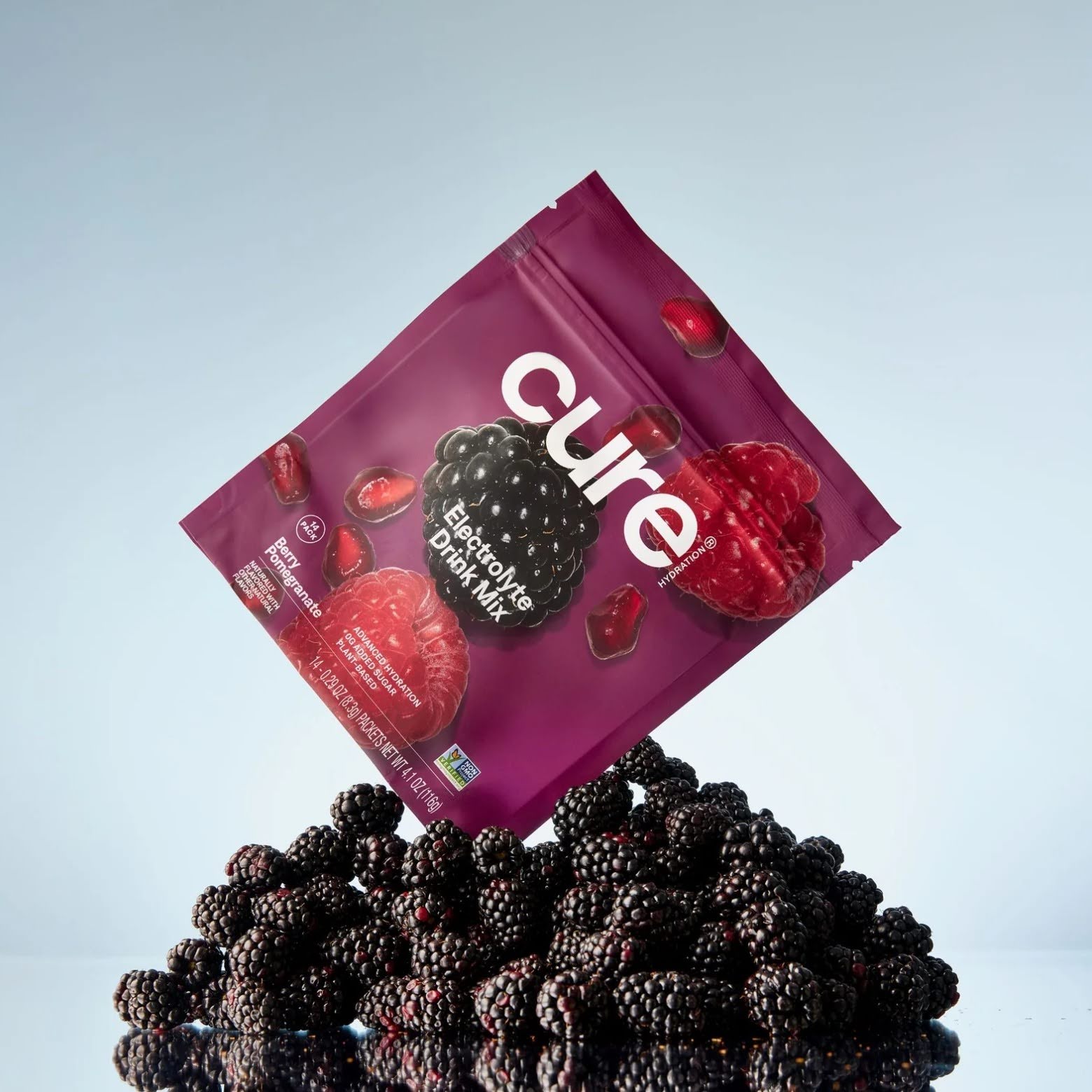
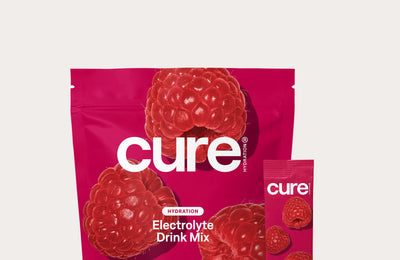
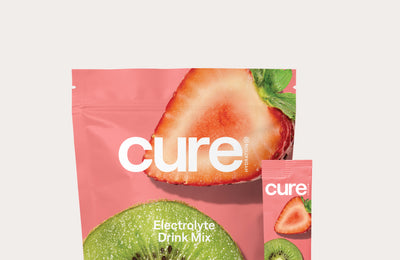
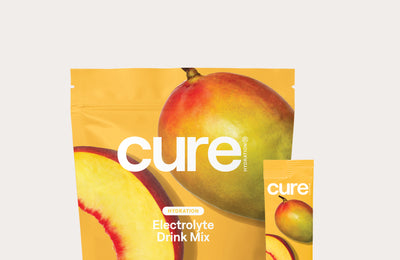
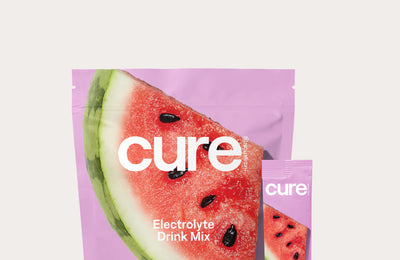
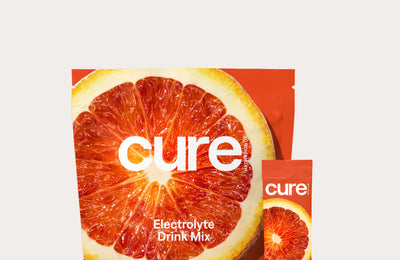
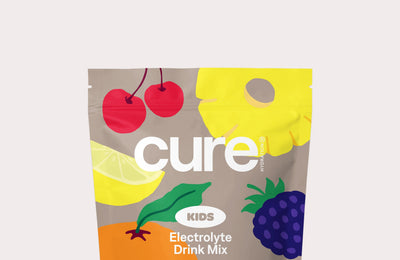
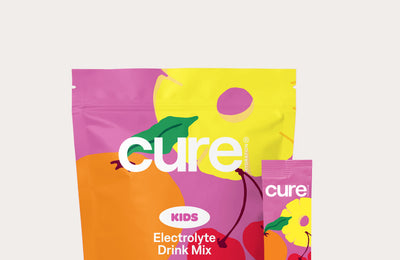
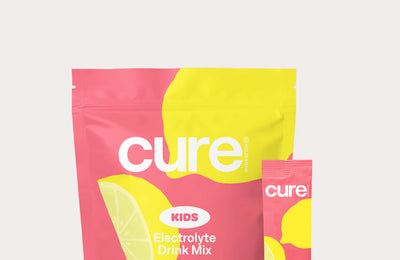
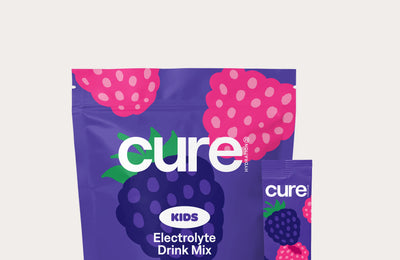
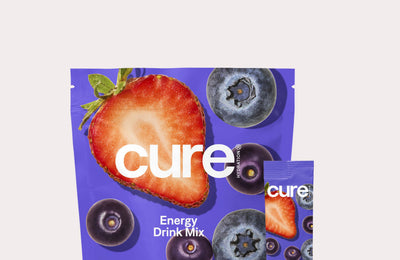
Cure's Electrolyte Drink Mix, for example, contains 240mg sodium, 300mg potassium, and 2g glucose in every stick, matching the ORS ratios the WHO developed. Made with coconut water, pink Himalayan salt, and real fruit juice, it has 25 calories, zero added sugar, and nothing artificial.
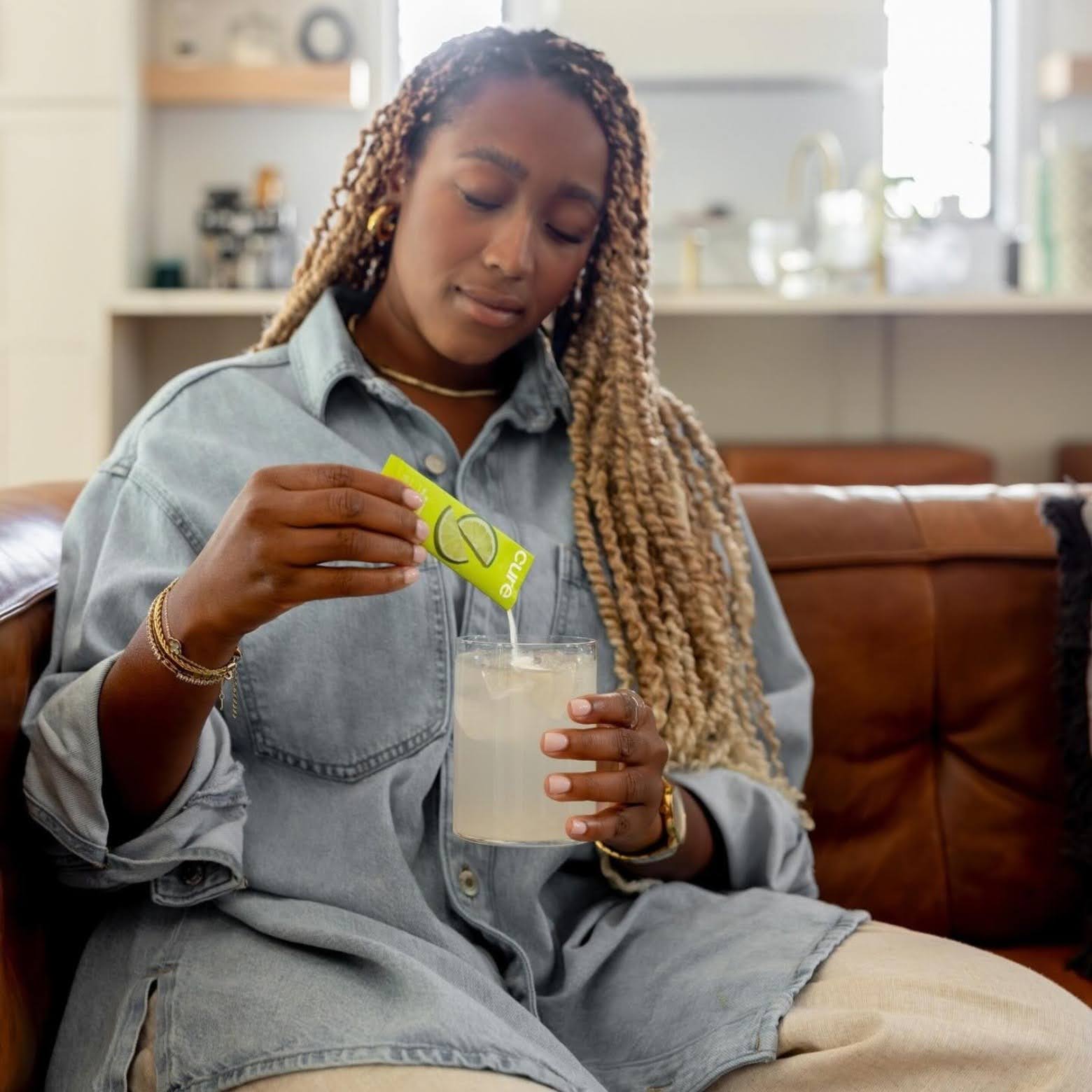
Each stick packet tears open, pours into any water bottle, and dissolves in seconds. No need for measuring or cleanup.
Homemade vs. Store-Bought Mix: Key Differences
Here's how a typical DIY electrolyte drink stacks up against Cure:
| Factor | Homemade Electrolyte Drink | Cure Electrolyte Drink Mix |
|---|---|---|
| Sodium per serving | 100- 400 mg (varies) | 240mg (consistent) |
| Potassium per serving | 50- 150 mg (varies) | 300mg (consistent) |
| Glucose | Honey/sugar (unmeasured) | 2g (ORS-matched) |
| Ingredient quality | Depends on what you buy | Coconut water, pink Himalayan salt, real fruit juice |
| Added sugar | Typically 5-15g | 0g |
| Portability | Low (needs prep) | High (stick packets) |
When Each Option Makes Sense
Go Homemade When:
-
You're at home with ingredients on hand
-
Hydration needs are light (desk work, casual activity)
-
You want to save money and don't mind the taste tradeoff
Go With an Electrolyte Drink Powder When:
-
You need consistent dosing (post-workout, illness, travel, pregnancy)
-
You want something that tastes good enough to drink daily
-
Portability matters (gym bag, office, flights)
-
You care about the best homemade electrolyte drink for dehydration vs. the real thing (the real thing wins on precision)
The Honest Bottom Line
Homemade electrolyte drinks can be a simple, low-cost option when you have the ingredients and don't mind mixing them yourself. Store-bought powders offer a little more consistency and convenience, especially when you're on the go or want measured amounts.
If convenience and consistency matter to you, Cure is one ready-to-mix option to consider.
Cure is not a medical product and is not intended to diagnose, treat, cure, or prevent any disease. If you have specific health concerns, talk to your doctor.
Frequently Asked Questions
Is Homemade Electrolyte Water as Effective as a Store-Bought Mix?
For light, everyday hydration, a homemade mix can be a reasonable option. Store-bought mixes offer more consistent amounts of electrolytes, which can be useful when you want predictable dosing.
What's the Minimum I Need for a Basic Electrolyte Drink?
At its simplest, you need water, a source of sodium such as salt, and a source of glucose such as sugar or honey. Citrus juice or coconut water can add flavor and some potassium.
Is It Cheaper to Make Electrolyte Drinks at Home?
Yes, homemade mixes are generally cheaper per serving. Store-bought packets cost more but offer convenience, consistent dosing, and portability.
What Ingredients Should I Avoid in Store-Bought Electrolyte Powders?
Artificial sweeteners, synthetic dyes, high amounts of added sugar (anything over 5g per serving), and vague labels. Look for real ingredient sources: coconut water for potassium, pink Himalayan salt for sodium, and real fruit for flavor.
Can I Use a Homemade Electrolyte Drink During Pregnancy?
A basic salt-and-citrus mix is generally safe, but sodium amounts are hard to control without measuring. Many OB-GYNs recommend a pregnancy-safe electrolyte mix, where dosing is consistent and ingredients are transparent.
How Do I Know if My DIY Electrolyte Drink Has Enough Sodium?
The easiest way is to measure the salt rather than relying on a pinch. The amount of sodium can vary depending on how much salt you use, so measuring gives you more consistent results.